
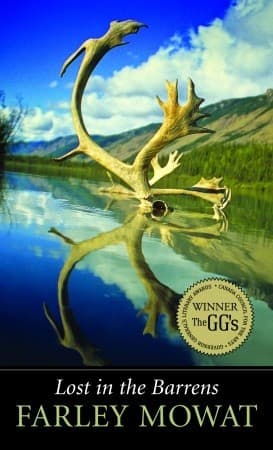
Synopsis
Covers the whole plot, including the ending.
- Difficulty
- Medium
- Pacing
- Moderate
- Mood
- Adventurous, Challenging, Educational, Hopeful
- Read it if
- You love classic wilderness survival stories, tales of friendship in extreme conditions, and detailed descriptions of Arctic nature.
- Skip it if
- You prefer fast-paced, action-driven plots over detailed descriptions of survival and natural environments.
Lost in the Barrens Plot Summary
Covers the whole plot, including the ending.
Jamie's Arrival and Meeting Awasin
Jamie Macnair, a sixteen-year-old orphan from Toronto, arrives in northern Manitoba to live with his uncle, Angus Macnair, a fur trapper. Jamie finds the isolated trapper's cabin and the wilderness a big change from his city life. He soon meets Awasin, a Cree Indian boy his age, who lives with his family nearby. Despite their different backgrounds, the two boys quickly become friends, sharing a love for the wilderness and a wish for adventure. Angus, a gruff but kind man, teaches Jamie the skills needed to survive in the north, including trapping, hunting, and finding his way in the land. Jamie is eager to learn, interested by the beauty and challenges of his new home, and finds a friend in the knowledgeable Awasin.
The Quest for Caribou
As winter nears and food gets low, the Cree band faces possible hunger. The main caribou herds, their main food source, have not appeared in their usual hunting areas. Awasin's father, Peetyuk, a respected hunter, suggests a long and dangerous trip deep into the Barren Lands to find the caribou. Jamie, wanting to prove himself and join Awasin, volunteers to go with Peetyuk and Awasin. Angus, at first unsure because of Jamie's lack of experience, eventually agrees, seeing the great need for food and trusting Peetyuk's judgment. The trip is planned to be short, to find the herds and bring back meat, but the Barrens are vast and unpredictable, presenting big risks.
Separation in the Storm
The hunting group, Peetyuk, Awasin, and Jamie, travels deep into the Barrens. They meet a fierce, sudden blizzard that comes upon them quickly. In the blinding snow and wind, the boys get separated from Peetyuk. Despite trying hard to find him, the storm makes it impossible. After the blizzard, the boys realize they are alone, lost in the Barren Lands. Peetyuk is nowhere to be found, and their supplies are low. Awasin, though worried, tries to stay calm, using his traditional knowledge, while Jamie deals with the scary reality of being alone and the huge challenge of survival.
Initial Survival and Building Shelter
Facing hunger and cold, Awasin leads Jamie in building a temporary shelter from snow and spruce branches. They carefully ration their remaining food. Awasin, skilled in hunting and trapping, catches a few ptarmigan and rabbits, giving them food. Jamie, despite his inexperience, helps by gathering firewood and learning fast from Awasin. They understand that their survival depends on working together and using everything the harsh environment offers. The boys realize how big their problem is and the huge task ahead to survive the winter and find their way home.
Encounter with the Old Man
While looking for food and signs of caribou, Jamie and Awasin find an old, unused Eskimo camp. Inside a broken sod hut, they find the bones of an old man, along with some old tools and a carving. More importantly, they find a rough map carved into a piece of caribou bone, showing where a large caribou herd is and a possible way to a better area. This discovery gives the boys hope, suggesting a way to survive and escape the Barrens. Finding the old man's remains reminds them of how harsh the land is and how close they are to not surviving.
The Long Trek and Finding Caribou
Guided by the old man's map, Awasin and Jamie begin a long and hard journey across the Barren Lands, dealing with freezing temperatures, strong winds, and hunger. They travel for days, pushing their physical and mental limits. Finally, after much struggle, they find the large caribou herd shown on the map. This discovery is a big relief, giving them a key food source and new hope. They hunt several caribou, ensuring their immediate survival and refilling their low supplies, but they know their journey is far from over.
Establishing a Winter Camp
With a steady food supply from the caribou, Awasin and Jamie decide to make a more permanent winter camp. They carefully build a strong, insulated sod house, using their cleverness and knowledge of the land. This shelter gives needed protection from the Arctic winter. They also set traps for smaller animals and gather what little firewood they can find, getting ready for months of being alone. Their days are filled with the constant struggle to survive, hunting, keeping their camp, and enduring the cold. The boys learn to rely completely on each other, their friendship growing stronger through shared hardship and their efforts to stay alive.
The Attack of the Wolves
The boys' winter camp, with its stored caribou meat, attracts hungry wolves. The wolves become a constant threat, circling their camp and trying to steal their food. Jamie and Awasin must always guard their meat, using their wits and bravery to scare off the predators. They set up simple alarms and spend sleepless nights watching, knowing that losing their food to the wolves would mean starvation. This long fight against the wolves adds another danger and stress to their already difficult life, testing their determination and cleverness to protect their most important resource.
Spring Thaw and Journey Home
As the long winter finally turns to spring, the snow begins to melt, and the rivers and lakes thaw. Awasin and Jamie, having survived the harshest season, get ready for their journey home. They build a canoe from caribou hides and wood, showing their resourcefulness. They begin to travel the newly thawed waterways, facing challenges like rapids and carrying their canoe over land. The journey is still dangerous, but the signs of spring and the thought of returning home fill them with new determination. They continue to hunt for food along the way, slowly making their way back towards the familiar areas of their people and Angus.
Reunion and Return to Life
After months apart and a survival ordeal, Awasin and Jamie finally make their way back to the edge of civilization. A search party finds them, including Angus and Peetyuk, who had not given up hope. The reunion is emotional and happy. The boys, though thinner and showing the marks of their adventure, are changed, having grown up far beyond their years. They are no longer just boys, but experienced survivors of the Barrens, forever connected by their shared struggle. Their story of survival becomes a legend among the Cree and a reminder of human strength and the power of friendship when facing big challenges.
Principal Figures
Jamie Macnair
Protagonist
Sixteen-year-old orphan from Toronto, adapting to the wilderness.
Jamie is a sixteen-year-old orphan from Toronto, sent to live with his uncle, Angus Macnair, in the Canadian wilderness. Initially naive and unaccustomed to the harsh environment, he quickly demonstrates adaptability, courage, and a strong will to learn. He is observant and intelligent, eager to absorb Awasin's knowledge of survival. Despite his initial inexperience, he proves to be a reliable and resourceful companion, contributing significantly to their survival. His urban background provides a contrast to Awasin's wilderness upbringing, highlighting the theme of learning and adaptation.
Relationships: Awasin (Best friend and survival mentor); Angus Macnair (Uncle and guardian, teaches him trapping skills); Peetyuk (Awasin's father, respected elder and initial hunting companion)
Awasin
Protagonist
Cree Indian boy, skilled hunter and wilderness expert.
Awasin is a Cree Indian boy, about Jamie's age, and a master of wilderness survival. He possesses an intimate knowledge of the land, its animals, and the traditional ways of his people. He is calm, resourceful, and wise beyond his years, often taking the lead in their survival efforts. His deep connection to nature and his practical skills are instrumental in their survival. He embodies the resilience and wisdom of Indigenous peoples in the face of nature's challenges, serving as Jamie's primary teacher and guide throughout their ordeal.
Relationships: Jamie Macnair (Best friend and wilderness student); Peetyuk (Father, respected elder and hunter); Angus Macnair (Angus's hunting partner and friend of his family)
Angus Macnair
Supporting
Jamie's gruff but caring trapper uncle.
Angus Macnair is Jamie's uncle and a seasoned fur trapper in the Canadian wilderness. He is a man of few words, gruff in demeanor but possesses a deep underlying care for Jamie. He teaches Jamie the practical skills of trapping and survival. His decision to allow Jamie to go on the caribou hunt, despite his reservations, underscores the dire need for food and his trust in Peetyuk. He represents the older generation of frontiersmen, hardened by the wilderness but possessing valuable wisdom and resilience.
Relationships: Jamie Macnair (Nephew and ward); Peetyuk (Hunting partner and trusted friend)
Peetyuk
Supporting
Awasin's father, a wise and respected Cree elder and hunter.
Peetyuk is Awasin's father and a highly respected elder and hunter within his Cree band. He is wise, experienced, and deeply connected to the traditional ways of his people. It is his idea to venture into the Barrens for caribou, driven by the need to feed his community. He is separated from the boys during the blizzard but continues to search for them, demonstrating his enduring hope and love for his son and Jamie. He embodies the traditional knowledge and spiritual connection to the land that is central to the Cree way of life.
Relationships: Awasin (Son and apprentice); Jamie Macnair (Young companion he initially accompanies); Angus Macnair (Hunting partner and friend)
The Old Man (Eskimo)
Mentioned
Ancient Eskimo whose remains and map provide a turning point.
The Old Man is a deceased Eskimo whose remains are discovered by Jamie and Awasin in an ancient sod hut in the Barrens. His skeletal presence, along with his tools and especially the caribou bone map, provides a critical turning point in the boys' survival. Though long dead, his legacy guides them to the caribou herds and offers a path to safety. He represents the long history of human survival in the Arctic and the transmission of vital knowledge across generations, even posthumously.
The Caribou
Supporting
The essential food source and central quest for survival.
The caribou are not characters in the human sense but are a crucial 'character' in the narrative. They represent the primary food source for both the Cree people and the boys' survival in the Barrens. Their migration patterns dictate the movements of the hunters, and their absence triggers the initial expedition. The discovery of the herd is the turning point for Jamie and Awasin, providing sustenance and hope. They symbolize life, sustenance, and the delicate balance of the northern ecosystem.
The Wolves
Antagonist
Predators that threaten the boys' food supply.
A pack of wolves acts as a recurring antagonistic force, drawn by the boys' stored caribou meat. They represent the constant threat of nature's predation and the harsh realities of the food chain in the Barrens. Their presence forces Jamie and Awasin to remain vigilant and resourceful, adding another layer of danger and challenge to their winter survival. They symbolize the ever-present danger and competition for survival in the wild.
Themes & Insights
Survival and Resilience
The main theme of the book is the boys' struggle for survival against the Barren Lands. From finding food and building shelter to fighting off wolves and traveling long distances, Jamie and Awasin show great strength. Their ability to adjust, learn, and keep going through hunger, extreme cold, and being alone shows the strength of the human spirit when faced with bad situations. Their cleverness, especially Awasin's wilderness skills and Jamie's fast learning, is key to their survival.
“They were no longer boys, but men who had faced death and conquered it, and who had learned the greatest lesson of all – the lesson of survival.”
Friendship and Interdependence
The friendship between Jamie and Awasin is central to the story. Despite their different backgrounds, their bond grows stronger through shared hardship and relying on each other. Awasin's knowledge and Jamie's willingness to learn create a working partnership. They learn to trust each other completely, understanding that their individual survival is tied to their ability to work together. This theme shows how important human connection and working together are in overcoming difficulties, especially in isolated and dangerous places.
“They were two boys, but they were also a team, and without each other, neither could have survived.”
Man vs. Nature
The Barren Lands are a powerful 'character' in the story, showing nature's vast and uncaring power. The boys constantly fight against blizzards, extreme cold, hunger, and wild animals. The story clearly shows nature's beauty and its harshness, showing people's place in the natural world. The boys do not 'conquer' nature but learn to live within its limits, respecting its power and changing their plans to survive its challenges. This theme explores how much people can endure and the need to understand and respect the environment.
“The Barrens had no mercy, no pity, no understanding. It simply was.”
Cultural Exchange and Learning
The relationship between Jamie, the city boy, and Awasin, the Cree hunter, shows a cultural exchange. Jamie learns traditional survival skills, tracking, and understanding of the land from Awasin, who in turn learns more about friendship outside his own community. This theme shows the value of different types of knowledge and the benefits of learning from other cultures. It highlights how Indigenous knowledge, developed over generations, is important for survival in environments often misunderstood by outsiders.
“Jamie was learning, not just how to survive, but how to see the world through Awasin's eyes, a world alive with meaning and purpose.”
Coming of Age
Jamie and Awasin begin their journey as boys and come back as mature young men. Their experience in the Barrens forces them to face their fears, become self-reliant, and make decisions about life and death. They grow in courage, wisdom, and self-awareness, losing their youthful innocence in the face of extreme difficulty. This transforming experience shapes who they are, giving them a deep understanding of their own abilities and what survival truly means. Their journey is a classic hero's journey, focused on internal growth through external hardship.
“The Barrens had taken their youth, but given them something far more precious: an understanding of themselves and the world around them.”
Plot Devices & Literary Techniques
The Old Man's Map
A crucial plot device guiding the boys to survival.
The map etched onto a caribou bone, found with the skeletal remains of an ancient Eskimo, serves as a pivotal plot device. It provides Jamie and Awasin with the critical information needed to locate the caribou herds and potentially a safer route. Without this discovery, their chances of survival would have been drastically reduced. It functions as a symbol of inherited knowledge and the enduring legacy of past inhabitants of the Barrens, allowing the boys to tap into ancient wisdom for their modern-day struggle.
The Blizzard
An inciting incident that separates the boys and initiates their solo struggle.
The sudden, fierce blizzard that separates Jamie and Awasin from Peetyuk acts as the primary inciting incident of their solo survival ordeal. It abruptly shifts the narrative from a guided hunting trip to an independent fight for life. The blizzard not only creates the central conflict but also emphasizes the unpredictable and overwhelming power of nature, forcing the boys to rely entirely on their own skills and each other.
The Caribou Herd
A MacGuffin and a symbol of life and sustenance.
The caribou herd functions as both a MacGuffin and a vital symbol. Initially, the search for the caribou drives the entire expedition. Once found, they become the boys' primary means of sustenance and survival, allowing them to establish a winter camp. The caribou represent life, hope, and the delicate balance of the Arctic ecosystem. Their presence or absence dictates the success or failure of human endeavors in the Barrens, making them a constant focal point of the boys' struggle.
The Sod House
A symbol of human ingenuity and adaptation.
The sod house that Jamie and Awasin painstakingly build serves as a powerful symbol of human ingenuity, adaptability, and resilience in the face of extreme conditions. It represents their ability to create shelter and a semblance of home in the most desolate of environments. The construction and maintenance of the sod house highlight their learned skills and their determination to survive the brutal Arctic winter, becoming their sanctuary and a testament to their efforts.
Lost in the Barrens Quotes
“The wilderness has no mercy.”
“We must think like the Eskimos if we are to live.”
“In the barrens, a man is nothing without a friend.”
“The caribou are the lifeblood of the north.”
“Fear is a luxury we cannot afford.”
“Every step north is a step into the unknown.”
“The land does not forgive mistakes.”
“We are part of this land now, whether we like it or not.”
“In silence, the barrens speak loudest.”
“Hope is the last thing to die in the barrens.”
“The stars are our only map.”
“To survive is to understand, not to conquer.”
“A fire in the night is more than warmth; it is a beacon of life.”
“The wind carries stories of those who came before.”
Quiz
10 questions on the plot and the characters. Each answer comes with a short explanation.
Question 1
What is the primary reason Jamie and Awasin initially set out on their journey into the Barrens?
- To hunt caribou for food
- To search for gold or treasure
- To explore and hunt for musk-oxen
- To escape from hostile tribes
Show answer
C. To explore and hunt for musk-oxen In the book, Jamie and Awasin are initially motivated by curiosity and the desire for adventure, specifically to hunt musk-oxen in the Barrens, which leads to their extended and dangerous journey.
Question 2
Who is Angus Macnair in relation to Jamie?
- Jamie's father
- Jamie's uncle and guardian
- Jamie's teacher
- A Cree chief
Show answer
B. Jamie's uncle and guardian Angus Macnair is Jamie's uncle, a trapper who takes care of Jamie after he becomes an orphan, as described in the book's introduction.
Question 3
What major obstacle do Jamie and Awasin face that forces them to spend the winter in the Barrens?
- A broken canoe
- A severe snowstorm that destroys their supplies
- The theft of their food by animals
- The loss of their canoe and supplies in rapids
Show answer
D. The loss of their canoe and supplies in rapids During their journey, Jamie and Awasin lose their canoe and most of their supplies while navigating dangerous rapids, stranding them in the Barrens and forcing them to survive the harsh winter.
Question 4
How does Awasin's cultural background help the boys survive in the wilderness?
- He knows how to build modern shelters
- He has extensive knowledge of hunting, tracking, and traditional survival skills
- He can speak multiple languages to communicate with animals
- He carries advanced tools from his village
Show answer
B. He has extensive knowledge of hunting, tracking, and traditional survival skills As a Cree Indian boy, Awasin draws on his indigenous knowledge of the land, including hunting techniques, tracking, and survival methods, which are crucial for their endurance in the Barrens.
Question 5
What is a key theme explored through Jamie and Awasin's friendship in the book?
- The importance of wealth and material possessions
- Cross-cultural understanding and cooperation
- The superiority of modern technology over traditional ways
- The inevitability of conflict between different races
Show answer
B. Cross-cultural understanding and cooperation The book highlights themes of friendship and cross-cultural respect, as Jamie (of European descent) and Awasin (Cree) learn from each other and work together to overcome challenges, bridging cultural divides.
Question 6
Which animal do the boys rely on heavily for food and resources during their winter survival?
- Polar bears
- Caribou
- Wolves
- Seals
Show answer
B. Caribou Caribou are a critical resource for Jamie and Awasin; they hunt them for meat, and use the hides for clothing and shelter to survive the extreme cold of the Arctic winter.
Question 7
What role does the character Denikazi play in the story?
- He is a rival trapper who competes with Angus Macnair
- He is a Cree elder who initially warns the boys against going into the Barrens
- He is a lost explorer the boys rescue
- He is a government official searching for the boys
Show answer
B. He is a Cree elder who initially warns the boys against going into the Barrens Denikazi is a Cree elder who advises Jamie and Awasin about the dangers of the Barrens, representing the wisdom of indigenous experience and foreshadowing the perils they will face.
Question 8
How do Jamie and Awasin eventually get rescued from the Barrens?
- They are found by a search party sent by Angus Macnair
- They build a signal fire that attracts a passing airplane
- They travel to a trading post with the help of a friendly Inuit family
- They follow a river back to their starting point on their own
Show answer
C. They travel to a trading post with the help of a friendly Inuit family After surviving the winter, the boys encounter an Inuit family who help them reach a trading post, facilitating their rescue and return to civilization.
Question 9
What significant award did 'Lost in the Barrens' win upon its first publication in 1956?
- The Newbery Medal
- The Governor-General's Award for Juvenile Literature
- The Pulitzer Prize for Fiction
- The Nobel Prize in Literature
Show answer
B. The Governor-General's Award for Juvenile Literature As mentioned in the book description, 'Lost in the Barrens' won the Governor-General's Award for Juvenile Literature in 1956, among other accolades, recognizing its quality as a children's book.
Question 10
In what way does the setting of the Arctic Barrens serve as more than just a backdrop in the story?
- It provides a scenic location for the boys' adventures
- It acts as a character that challenges and shapes the boys' survival and growth
- It is used primarily for historical accuracy about the region
- It symbolizes industrial progress and development
Show answer
B. It acts as a character that challenges and shapes the boys' survival and growth The Arctic Barrens are central to the plot, representing a harsh, unforgiving environment that tests the boys' resilience, friendship, and resourcefulness, driving the narrative and thematic development.
Lost in the Barrens FAQ
What is 'Lost in the Barrens' about?
The story follows Awasin, a Cree boy, and Jamie, a Canadian orphan living with his trapper uncle Angus Macnair, as they venture into the Arctic wilderness for what they think will be a short trip. Their journey becomes a prolonged survival ordeal when they get lost, forcing them to rely on each other's skills and resilience to endure harsh conditions, starvation, and encounters with wildlife.
Why should I read 'Lost in the Barrens'?
It's a classic adventure novel that combines thrilling survival elements with deep cultural insights into Indigenous and settler life in the Canadian North. The book's realistic portrayal of wilderness survival, the boys' evolving friendship, and its award-winning status (including the Governor-General's Award) make it a compelling read for both young adults and adults interested in historical fiction.
What is the background/setting of 'Lost in the Barrens'?
Set in the mid-20th century Canadian Arctic, the story takes place in the remote barrens—a vast, treeless tundra region. The setting is crucial, as the harsh environment with its extreme cold, limited resources, and isolation drives the plot and tests the characters' survival skills and mental fortitude.
What are the most memorable quotes?
Key quotes include Awasin's wisdom: 'In the Barrens, a man must think like the caribou,' highlighting adaptation, and Jamie's reflection: 'We didn't just survive; we learned to live with the land,' emphasizing their growth. These lines capture the themes of resilience and harmony with nature central to the story.
What writing style does the author use?
Farley Mowat employs a descriptive, immersive style that vividly portrays the Arctic landscape and survival details. His prose is straightforward yet evocative, blending adventure with educational elements about wilderness skills and Cree culture, making it accessible and engaging for young readers while maintaining depth.
What minor details add significant meaning?
Small details like Awasin teaching Jamie to build a proper snow shelter or identify edible plants underscore the importance of Indigenous knowledge for survival. These moments subtly highlight cultural respect and the boys' interdependence, enriching the narrative beyond mere adventure.
What are some subtle foreshadowing moments?
Early scenes where Angus Macnair warns the boys about the dangers of the barrens and Awasin's cautious nature foreshadow their eventual plight. For example, Awasin's initial reluctance to venture too far hints at the risks they'll face, setting up the survival challenges to come.
What unexpected character connections exist?
The bond between Awasin and Jamie deepens unexpectedly as they rely on each other's strengths—Awasin's wilderness expertise and Jamie's determination. Their friendship bridges cultural divides, showing how shared adversity can forge strong connections between individuals from different backgrounds.
What are unspoken character motivations?
Jamie is driven by a desire to prove himself and escape the shadow of his orphan status, while Awasin seeks to honor his Cree heritage and gain respect in both worlds. These unspoken motivations fuel their actions, such as Jamie's impulsiveness and Awasin's careful planning during their journey.
What psychological complexities do characters exhibit?
Jamie shows a mix of bravado and vulnerability, often masking fear with action, while Awasin balances traditional wisdom with the stress of leadership. Their psychological growth is evident as they confront isolation and danger, learning to manage fear and rely on each other emotionally.
What are the major emotional turning points?
Key emotional moments include when the boys realize they are truly lost and must accept their dire situation, their near-starvation episode that tests their will, and the climax where they rescue each other from a wolf attack. These events strengthen their bond and highlight their resilience.
How do relationship dynamics evolve?
Initially, Jamie views Awasin with curiosity and slight condescension, while Awasin is reserved. Through survival challenges, they develop mutual respect and deep friendship, with Jamie learning to value Awasin's knowledge and Awasin gaining confidence from Jamie's support, culminating in a balanced partnership.
Which parts remain ambiguous or open-ended?
The story leaves some aspects open, such as the exact long-term impact of their ordeal on the boys' futures and how fully they reintegrate into society. The ending focuses on their survival and growth, but readers might ponder whether their adventure fundamentally changes their life paths or relationships with others.
What are controversial scenes or decisions?
Some readers might debate the boys' initial decision to venture into the barrens without adequate preparation, seeing it as reckless. Additionally, scenes involving wildlife encounters, like hunting for survival, could spark discussions on ethics and the harsh realities of wilderness life in the context of the story.
'Lost in the Barrens' ending explained: how it ends & what it means
The story concludes with Awasin and Jamie being rescued after enduring months in the wilderness, having survived through cooperation and adaptation. The ending signifies their personal growth—Jamie gains maturity and respect for nature, while Awasin affirms his cultural identity. It underscores themes of resilience, friendship, and the transformative power of adversity.
About the author
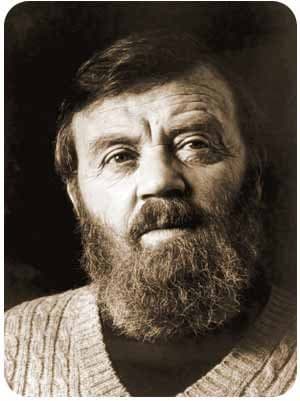
Farley Mowat was a Canadian author known for his works that often explore themes of nature and wildlife. His notable books include "Owls in the Family," a story about the bond between humans and animals, and "Lost in the Barrens," which follows the adventures of two boys in the Canadian wilderness. Mowat's writing reflects his deep connection to the environment and his advocacy for conservation.
Similar books
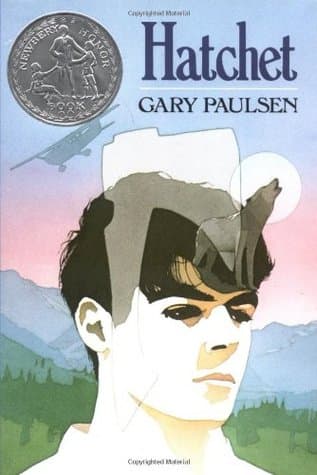
- Hatchet
Gary Paulsen
3.7 (309k) average on GoodreadsChildren'sFeatures a young boy surviving alone in the wilderness after a plane crash.
- The Call of the Wild
Jack London
3.9 (341k) average on GoodreadsChildren'sLondon's 'The Call of the Wild' explores survival and the wild through the perspective of a dog, Buck, focusing on primal instincts and the brutal realities of the Yukon Gold Rush. Mowat's book, while also set in a harsh northern environment, centers on human ingenuity, inter-cultural cooperation, and a more detailed, less romanticized naturalism, offering a different kind of insight into humanity's relationship with the wilderness.
- Harry Potter and the Sorcerer's Stone
J.K. Rowling
4.5 (7M) average on GoodreadsFantasyRescued from a miserable life under the stairs, an orphaned boy discovers he's a wizard destined for a magical school, where he uncovers a dangerous secret tied to the dark wizard who murdered his parents.
- The Hobbit, or There and Back Again
J.R.R. Tolkien
4.3 (2.9M) average on GoodreadsFantasyA comfort-loving hobbit named Bilbo Baggins is whisked away by a mischievous wizard and a band of dwarves on an unexpected journey to reclaim stolen treasure from a fearsome dragon, discovering courage and a magical ring along the way.
- Harry Potter and the Goblet of Fire
J.K. Rowling
4.6 (2.6M) average on GoodreadsFantasyA bewildered Harry Potter, underage and thrust into a deadly Triwizard Tournament, must brave dragons, mermaids, and a resurgent dark magic to survive a year that will forever alter the wizarding world.
- Harry Potter and the Order of the Phoenix
J.K. Rowling
4.5 (2.5M) average on GoodreadsFantasyIn a year of oppressive secrets and the threat of Voldemort, Harry Potter and Dumbledore's Army secretly train for war, shown through Jim Kay and Neil Packer's dark illustrations.





Enjoyed the summary?
A summary gives you the shape of the book. The book itself has the detail, the examples and the voice.
Find Lost in the Barrens on AmazonAs an Amazon Associate, BookBrief earns from qualifying purchases. How we're funded