

Synopsis
Covers the whole plot, including the ending.
- Difficulty
- Easy
- Pacing
- Moderate
- Mood
- Heartwarming, Reflective, Hopeful, Gentle
- Read it if
- You enjoy character-driven stories about unexpected connections, second chances, and the evolving definition of family, with a touch of romance.
- Skip it if
- You prefer fast-paced plots with high stakes or explicit romantic drama.
Love Walked In Plot Summary
Covers the whole plot, including the ending.
The Arrival of Martin Grace
Cornelia Brown, manager of the 'Coffee Bean' in Philadelphia, lives by the romantic ideals of classic movies. One day, a charming man named Martin Grace enters her coffee shop. Their first meeting is full of witty talk and a clear connection. Martin, an architect, is drawn to Cornelia's personality and old-fashioned style. They quickly set up a first date, which goes well. Cornelia feels she has found her 'leading man' and the grand romance she always dreamed of, like in her favorite films.
Clare Hobbs' Quest
Across town, eleven-year-old Clare Hobbs faces a harder reality. Her unreliable mother, Eleanor, has left her again. Resourceful and determined, Clare decides to find her father, Teo, whom she hasn't seen in years. She uses an old address book to find him at the 'Coffee Bean' where Cornelia works. Clare is sharp and somewhat cynical, wise beyond her years due to her upbringing. Her sudden appearance disrupts Teo's quiet life, forcing him to face his past responsibilities.
First Encounter: Cornelia and Clare
Clare's search brings her to the 'Coffee Bean' where Teo works. During a visit to see him, she meets Cornelia Brown. Cornelia, not knowing Clare's identity or connection to Teo, is struck by the girl's intensity. They have a brief interaction that plants a seed for their future relationship, though neither realizes its importance then. Clare watches Cornelia with her usual sharp eye, noting her warmth and how she interacts with Teo.
The Honeymoon Period and a Proposal
Cornelia and Martin's romance grows fast. Their dates are special, filled with laughter and affection. Martin seems to have all the qualities Cornelia wanted in a partner, and she feels a deep happiness she has not known before. Their bond deepens quickly, and Martin, caught up in their romance, proposes marriage. Overjoyed and sure she has found her 'happily ever after,' Cornelia accepts, looking forward to their future.
Clare Moves In with Teo
With Eleanor still gone, Teo faces the reality of his daughter's situation. Despite his initial hesitation about instant fatherhood, he takes Clare in. Clare moves into his small apartment, bringing resilience, vulnerability, and sharp wit. Teo, a quiet man, struggles to adjust to having a child, especially one as independent as Clare. Their first days together have awkward silences and a tentative effort to build a relationship, complicated by their past and Eleanor's presence.
Martin's Mysterious Past
As Cornelia and Martin plan their wedding, small flaws appear in Martin's perfect image. Cornelia notices unsettling details: Martin's vagueness about his past, especially his previous marriage, and his occasional distance. He offers unclear explanations, which Cornelia, blinded by love, at first accepts. But these inconsistencies build, causing doubt in Cornelia's mind. She feels a growing unease, sensing a significant part of Martin's life he is hiding, which threatens their trust.
Cornelia and Clare's Developing Friendship
Cornelia and Clare's connection deepens unexpectedly. Clare keeps visiting Teo at the coffee shop, and she and Cornelia start talking more. Cornelia is drawn to Clare's intelligence and resilience, while Clare, despite her initial caution, softens to Cornelia's warmth and kindness. They find a shared love for classic movies, which bridges their age difference. Their talks become more meaningful, and an unlikely friendship grows, offering both companionship and understanding during their struggles.
The Truth About Martin's Past
Cornelia's growing doubts about Martin's past lead her to investigate. She discovers that Martin was not only married before but also has a young daughter, Phoebe, whom he abandoned. This truth is a devastating blow, destroying Cornelia's idealized image of Martin and their relationship. His deception and past actions show a lack of responsibility and integrity Cornelia cannot accept. This discovery forces her to face the painful reality that her 'prince charming' is deeply flawed and untrustworthy.
The Wedding Called Off
Heartbroken and betrayed, Cornelia confronts Martin with what she found. Martin, cornered, admits his deceptions and his daughter's existence. The confrontation is painful, and Cornelia realizes she cannot build a future with someone so dishonest. Despite her deep feelings for him, her principles make her call off their wedding. The decision is hard, but Cornelia knows continuing the marriage would mean compromising her values and living a lie, shattering her dreams of a perfect romance.
A New Chapter for Cornelia and Clare
After the painful breakup with Martin, Cornelia gathers the pieces of her broken dreams. She finds comfort and strength in her growing friendship with Clare. Clare, in turn, continues to adjust to life with Teo, learning to trust and bond with her father. Their shared love for movies and honest talks offer a refuge for both. Cornelia starts to see that true love and happiness might not come in grand, cinematic gestures but in the quiet, supportive connections she builds with people like Clare and Teo, who value honesty and genuine affection.
Teo's Transformation
Initially overwhelmed by Clare's arrival, Teo slowly becomes a more involved and loving father. He learns to handle the challenges of raising a pre-teen, from school to emotional support. Clare's presence moves him out of his reclusive habits and into a more active role. He starts to open up, sharing parts of himself he had hidden for years. Their relationship, at first strained, grows into a real father-daughter bond, showing Teo he is capable of love and responsibility, and giving him a new purpose.
The Quiet Love Story
As Cornelia and Clare's friendship grows, Cornelia spends more time at the 'Coffee Bean,' watching Teo. She sees his quiet strength, his artistic side, and his growing devotion to Clare. Teo, in turn, sees Cornelia's resilience, kindness, and genuine heart. An unspoken affection begins between them, a slow burn opposite her quick romance with Martin. Their connection is built on shared experiences, respect, and quiet understanding, not grand gestures. It is a love that comes in subtly, built on reality and shared humanity.
Eleanor's Return and Departure
Just as Clare and Teo settle into a comfortable family life, Eleanor, Clare's mother, returns. Her return is chaotic, bringing the familiar instability that has marked Clare's life. Eleanor makes promises she cannot keep, stirring old wounds and hopes. However, her stay is brief, and she leaves again, confirming her inability to be a consistent parent. This final departure, though painful, allows Clare and Teo to move forward without Eleanor's unpredictable presence, strengthening their bond and new family.
Accepting a Different Kind of Happiness
Cornelia, having processed the heartbreak from Martin, understands that her idealized view of love, shaped by movies, was perhaps unrealistic. She learns that true happiness is not about finding a perfect prince but about real connection, honesty, and shared humanity. She finds a different joy in her friendship with Clare and the quiet, growing affection she feels for Teo. She begins to appreciate the understated beauty of real-life relationships, which, though imperfect, offer depth, stability, and a love that is earned and true, rather than magical.
A Future Together
By the end of the novel, Cornelia, Teo, and Clare have formed an unconventional but loving family. Cornelia embraces a future different from her cinematic fantasies but more real and fulfilling. Her connection with Teo is quiet, deep, and built on shared experiences and respect. She becomes a maternal figure to Clare, offering the stability and affection the girl always wanted. The story ends with the promise of a future where love, in its truest form, has indeed 'walked in'—not with a grand entrance, but subtly, deeply, and lastingly.
Principal Figures
Cornelia Brown
Protagonist
A romantic idealist who manages a coffee shop and dreams of a movie-like love.
Cornelia is a thirty-something woman with a deep love for classic Hollywood movies, which have shaped her romantic ideals. She manages the 'Coffee Bean' and possesses a witty, introspective, and somewhat naive personality. She longs for a grand, cinematic love story and initially believes she finds it in Martin Grace. Her journey is one of disillusionment and growth, as she learns to distinguish between fantasy and the messy, beautiful reality of human connection. She is kind, observant, and ultimately resilient.
Relationships: Martin Grace (Fiancé, later ex-fiancé; initially idealized, then deeply betrayed by his deception.); Clare Hobbs (Unlikely friend; later a maternal figure and close confidante.); Teo (Coworker and friend; later a quiet, developing romantic interest and partner.)
Clare Hobbs
Supporting/Co-protagonist
An intelligent and resilient eleven-year-old abandoned by her mother, seeking her father.
Clare is an eleven-year-old girl forced to grow up quickly due to her mother's erratic behavior and abandonment. She is remarkably intelligent, perceptive, and fiercely independent, but also carries a deep vulnerability and longing for stability. Her love for classic movies provides a unique bond with Cornelia. She is initially guarded and cynical but gradually opens up to the love and security offered by Teo and Cornelia, learning to trust and accept affection. Her journey is about finding a stable home and a sense of belonging.
Relationships: Teo (Estranged father; later forms a deep, loving father-daughter bond.); Cornelia Brown (Unlikely friend; later a maternal figure and confidante.); Eleanor (Unreliable and absent mother; a source of both love and profound disappointment.)
Teo
Supporting/Romantic Interest
A quiet, artistic barista and Clare's estranged father, who learns to embrace fatherhood.
Teo is a quiet, artistic man who works as a barista at Cornelia's 'Coffee Bean.' He is initially reclusive and somewhat overwhelmed by the sudden arrival of his estranged daughter, Clare. He has a gentle nature and a hidden depth, expressed through his drawing. Throughout the story, he grapples with his past and his responsibilities, slowly transforming into a capable and loving father. He represents a grounded, understated kind of love, contrasting with Martin's flashier charm. He is observant, kind, and grows significantly in his capacity for connection.
Relationships: Clare Hobbs (Estranged daughter; develops a strong, loving father-daughter bond.); Cornelia Brown (Coworker and friend; later a quiet, developing romantic interest and partner.); Eleanor (Clare's mother; a past relationship that still casts a shadow.)
Martin Grace
Antagonist
A charming architect who sweeps Cornelia off her feet but hides a deceptive past.
Martin is a handsome, charming, and seemingly perfect man who quickly captivates Cornelia. He is an architect and presents himself as the ideal romantic hero, embodying all the qualities Cornelia has sought. However, beneath his polished exterior lies a significant deception: he is a divorced man with a young daughter whom he has abandoned. He is charismatic but ultimately irresponsible and untrustworthy, representing the superficial allure of an idealized romance that crumbles under scrutiny. His character serves as a catalyst for Cornelia's growth and disillusionment.
Relationships: Cornelia Brown (Fiancé, later ex-fiancé; his deception shatters their relationship.); Phoebe (His abandoned daughter; his irresponsibility towards her highlights his character flaws.)
Eleanor
Mentioned/Supporting
Clare's erratic, free-spirited mother who repeatedly abandons her daughter.
Eleanor is Clare's mother, a free-spirited and unreliable woman who frequently abandons Clare to pursue her own whims. She is charismatic but deeply irresponsible, unable to provide the stability and consistent love her daughter needs. Her presence, even when absent, profoundly impacts Clare's life and emotional development. She represents the challenges and heartbreaks of an unreliable parent, serving as a contrast to the stable family unit Clare eventually finds. Her fleeting appearances and final departure allow the other characters to move forward.
Relationships: Clare Hobbs (Daughter; her inconsistent parenting causes Clare significant emotional distress and independence.); Teo (Clare's father; their past relationship is a source of tension and history.)
Phoebe
Mentioned
Martin Grace's young, abandoned daughter.
Phoebe is Martin Grace's young daughter from a previous marriage. She is never seen directly in the novel but her existence and Martin's abandonment of her are crucial plot points. The revelation of Phoebe's existence and Martin's irresponsible behavior towards her are what ultimately expose his true character and shatter Cornelia's idealized image of him. She represents the real-world consequences of Martin's deceptions and serves as a powerful symbol of his unreliability and lack of integrity.
Relationships: Martin Grace (Father; he has abandoned her, highlighting his irresponsibility.)
Mrs. Delacroix
Supporting
Cornelia's wise and supportive elderly neighbor.
Mrs. Delacroix is Cornelia's elderly neighbor, a kind and insightful woman who offers Cornelia advice and companionship. She serves as a grounding presence in Cornelia's life, often providing a more realistic perspective on love and relationships than Cornelia's movie-fueled fantasies. Her wisdom is gentle but profound, and she acts as a surrogate maternal figure, helping Cornelia navigate her heartbreak and personal growth. She represents the quiet wisdom that comes with experience and a balanced view of life.
Relationships: Cornelia Brown (Neighbor and trusted confidante; offers advice and support.)
Themes & Insights
The Disillusionment of Romantic Ideals vs. Reality
This theme explores the difference between the idealized, movie-perfect romances Cornelia dreams of and the messy reality of human relationships. Cornelia's initial attraction to Martin Grace, who seems like a film character, shows her clinging to these ideals. His betrayal forces her to face the truth that real love needs honesty, responsibility, and depth, not just charm. The quiet connection she builds with Teo and Clare shows a more authentic and lasting love, one that is earned. The novel suggests that true happiness comes from accepting life's imperfections.
“It was the movies that had given her the idea that love was like that, that it just walked in, just like that, without any effort, without any work, without any thought.”
The Nature of Family and Belonging
The novel examines what makes a family, moving beyond traditional ideas. Clare's search for her father, Teo, and her joining his life, highlights the desire for belonging and stability. The eventual formation of an unconventional family with Cornelia, Teo, and Clare shows that family is built on love, support, and choice, not just blood. Cornelia, seeking a partner, finds a deep sense of family and purpose through her relationships with Clare and Teo. This theme highlights that love can create family in unexpected ways.
“Love walked in, not in a grand entrance, but in a quiet, steady rhythm, like a heartbeat.”
Growth Through Adversity
Both Cornelia and Clare grow significantly because of hardship. Cornelia's heartbreak and disappointment over Martin's betrayal make her rethink her life, dreams, and understanding of love. She emerges stronger, more realistic, and more open to real connection. Clare, having faced abandonment, develops great resilience. Her journey with Teo, though hard, helps her heal and learn to trust. The novel suggests that true character forms not in comfort but in facing difficult experiences and learning from them.
“Maybe the happy ending wasn't a wedding, but a beginning. A beginning of something real.”
The Power of Unlikely Friendships
The unexpected friendship between Cornelia, a woman in her thirties, and Clare, an eleven-year-old girl, is a strong part of the novel. Despite their age difference, they find common ground in their love for classic movies and their need for connection. Their bond offers each other comfort, understanding, and a unique view during their personal crises. This friendship crosses usual boundaries, showing that meaningful relationships can form in unexpected places and provide deep emotional support, helping both characters grow and heal.
“Some people just fit. No matter how unlikely it seemed, some people were just meant to find each other.”
Plot Devices & Literary Techniques
Classic Hollywood Movies
A recurring motif that shapes Cornelia's romantic ideals and provides a bond with Clare.
Classic Hollywood movies serve as a significant motif throughout the novel. For Cornelia, they represent an idealized version of romance and life, shaping her expectations for love and happiness. She often views her own experiences through the lens of these films. For Clare, these movies provide an escape and a shared interest that helps her connect with Cornelia and Teo. The contrast between the glamorous, often unrealistic narratives of these films and the messy reality of the characters' lives highlights the novel's central theme of disillusionment and the search for authentic connection. They function as both a source of comfort and a challenge to the characters' perceptions.
The Coffee Bean
The central setting where key characters meet and relationships develop.
The 'Coffee Bean,' managed by Cornelia, serves as the primary meeting place and a symbolic hub for the characters. It is where Cornelia first meets Martin, where Clare repeatedly seeks out Teo, and where Cornelia and Clare's friendship blossoms. As a public but intimate space, it facilitates casual encounters that evolve into profound relationships. The coffee shop represents a place of routine and comfort that is suddenly infused with significant life changes, acting as a crucible for new connections and the unfolding of the plot. It is a space where lives intersect and new futures begin to brew.
Martin Grace's Secret Past
A major plot twist that shatters Cornelia's romantic illusions.
Martin Grace's hidden past, specifically his previous marriage and abandoned daughter, Phoebe, serves as a crucial plot device. This secret functions as the primary source of conflict and disillusionment for Cornelia. The gradual revelation of this truth creates suspense and ultimately leads to the dramatic climax of their relationship. It forces Cornelia to confront the stark difference between her idealized vision of Martin and his flawed reality, serving as a catalyst for her personal growth and her re-evaluation of what true love entails. This device directly drives the theme of romantic ideals versus reality.
Eleanor's Abandonment
The inciting incident for Clare's journey and a continuous source of character motivation.
Eleanor's repeated abandonment of Clare is the inciting incident that sets Clare's plotline in motion, forcing her to seek out her father, Teo. This device establishes Clare's resilience and vulnerability, and her deep longing for a stable family. Eleanor's unpredictable nature and eventual final departure also serve as a continuous source of motivation for Clare and Teo to build a secure life together. It highlights the theme of finding family in unconventional ways and underscores the importance of stability and consistent love, contrasting sharply with Eleanor's erratic presence.
Love Walked In Quotes
“The thing about being in love, I'd learned, was that it just wasn't enough.”
“Sometimes, the things you don't say are the loudest.”
“It was one of those perfect, in-between moments, when you knew something good was coming, but it hadn't quite arrived yet.”
“Every life has its own particular music, and you just have to learn to dance to it.”
“You can't choose who you love, but you can choose how you love them.”
“The past is a stubborn thing. It doesn't just go away because you want it to.”
“Sometimes, the bravest thing you can do is just keep going.”
“There are some people you meet, and you just know, instantly, that your life is about to change.”
“Happiness isn't something you find, it's something you create.”
“It’s amazing how much you can love someone, even when they’re driving you completely insane.”
“The greatest adventures are often the ones we don't plan for.”
“You can't fix everything, but you can make a difference in one thing, for one person.”
“Love isn't a fairy tale. It's real life, messy and complicated and wonderful.”
“Sometimes the most important conversations happen without a single word being spoken.”
Quiz
10 questions on the plot and the characters. Each answer comes with a short explanation.
Question 1
What is the name of the coffee shop that Cornelia Brown manages when she first meets Martin Grace?
- The Daily Grind
- The Corner Cafe
- A hip Philadelphia coffee shop
- Grace's Coffee House
Show answer
C. A hip Philadelphia coffee shop The book description states that Martin Grace enters 'the hip Philadelphia coffee shop Cornelia Brown manages,' without giving it a specific name in the provided text.
Question 2
Who is the eleven-year-old girl who goes looking for her lost father?
- Cornelia Brown
- Clare Hobbs
- Martin Grace
- Jennifer Weiner
Show answer
B. Clare Hobbs The description clearly states, 'Meanwhile, across town, Clare Hobbs—eleven years old and abandoned by her erratic mother—goes looking for her lost father.'
Question 3
What is the initial relationship between Cornelia Brown and Martin Grace?
- They are long-lost siblings.
- They are business partners.
- They fall in love.
- They are casual acquaintances.
Show answer
C. They fall in love. The text states, 'When Martin Grace enters the hip Philadelphia coffee shop Cornelia Brown manages, her life changes forever. But little does she know that her newfound love is only the harbinger of greater changes to come.' This indicates a romantic relationship.
Question 4
How do Cornelia Brown and Clare Hobbs first cross paths?
- They are introduced by Martin Grace.
- Clare comes to work at Cornelia's coffee shop.
- Clare meets with her father at Cornelia's café.
- They are neighbors in Philadelphia.
Show answer
C. Clare meets with her father at Cornelia's café. The description specifies, 'She crosses paths with Cornelia while meeting with him at the café,' referring to Clare meeting with her father.
Question 5
What is the primary reason Clare Hobbs is looking for her father?
- She needs help with a school project.
- Her mother has abandoned her.
- She wants to introduce him to Cornelia.
- She wants him to buy her coffee.
Show answer
B. Her mother has abandoned her. The text states Clare is 'abandoned by her erratic mother' and then 'goes looking for her lost father,' implying a need for paternal support after being abandoned.
Question 6
What kind of relationship develops between Cornelia Brown and Clare Hobbs?
- They become rivals for Martin Grace's affection.
- They form an improbable friendship.
- Cornelia becomes Clare's legal guardian.
- They are distant relatives.
Show answer
B. They form an improbable friendship. The description clearly states, 'the two women form an improbable friendship that carries them through the unpredictable currents of love and life.'
Question 7
What does the phrase 'her newfound love is only the harbinger of greater changes to come' suggest about Cornelia's future?
- Her relationship with Martin will be short-lived.
- Her life will undergo significant transformations beyond just romance.
- She will soon open a new coffee shop.
- She will discover a hidden talent.
Show answer
B. Her life will undergo significant transformations beyond just romance. A 'harbinger' indicates something that foreshadows a future event. In this context, her 'newfound love' is just the beginning of 'greater changes,' implying broader life shifts.
Question 8
What is a key theme suggested by the provided book description, particularly concerning the title 'Love Walked In' and the plot summary?
- The challenges of managing a small business.
- The unexpected arrival of love and its transformative power on one's life.
- The importance of childhood friendships.
- The difficulties of urban living.
Show answer
B. The unexpected arrival of love and its transformative power on one's life. The title 'Love Walked In,' combined with Cornelia's life changing after meeting Martin and the 'unpredictable currents of love and life,' strongly points to love's unexpected arrival and its profound impact.
Question 9
The description calls the book a 'bewitching, warmhearted grown-up fairy tale about old movies, charming princes, and finding happily ever after in the place where you’d least expect it.' What does this imply about the narrative style and outcome?
- It will be a dark and gritty realistic novel with a tragic ending.
- It will have a magical realism element with literal fairy tale creatures.
- It will feature romantic elements, possibly an idealized love story, with a hopeful or satisfying resolution.
- It will be a historical fiction novel set in an older time period.
Show answer
C. It will feature romantic elements, possibly an idealized love story, with a hopeful or satisfying resolution. A 'grown-up fairy tale' with 'charming princes' and 'happily ever after' suggests a romantic, perhaps idealized, narrative with a positive resolution, even if found in unexpected circumstances.
Question 10
How does the author's previous work, 'I’d Give Anything' and 'I’ll Be Your Blue Sky,' relate to the genre or style of 'Love Walked In' based on the provided text?
- It suggests the author primarily writes non-fiction memoirs.
- It indicates the author is known for New York Times bestselling romance novels, aligning with 'Love Walked In.'
- It implies the author typically writes young adult fantasy.
- It means the author is primarily a poet, not a novelist.
Show answer
B. It indicates the author is known for New York Times bestselling romance novels, aligning with 'Love Walked In.' The description introduces 'Love Walked In' as 'From the New York Times bestselling author of I’d Give Anything and I’ll Be Your Blue Sky,' which immediately follows the 'Romance' genre tag, strongly linking her previous success to this genre.
Love Walked In FAQ
What is the central premise of 'Love Walked In'?
The novel follows Cornelia Brown, a coffee shop manager, whose life is upended by a new romance with Martin Grace. Simultaneously, eleven-year-old Clare Hobbs, abandoned by her mother, searches for her father. Their paths converge at Cornelia's café, leading to an unexpected friendship that helps them navigate the complexities of love and life.
Who is Cornelia Brown and what is her role in the story?
Cornelia Brown is the protagonist, a manager of a trendy coffee shop in Philadelphia. Her story arc primarily revolves around her whirlwind romance with Martin Grace and the subsequent challenges and self-discoveries that arise from this relationship, as well as her developing bond with Clare Hobbs.
How does Clare Hobbs become involved in Cornelia's life?
Clare Hobbs, an eleven-year-old girl, is abandoned by her erratic mother and seeks out her estranged father. She meets with him at Cornelia's coffee shop, where she first encounters Cornelia. Their initial interactions, marked by Clare's vulnerability and Cornelia's growing empathy, blossom into a significant friendship.
What kind of relationship develops between Cornelia and Martin Grace?
Cornelia and Martin Grace embark on a passionate and seemingly idyllic romance after he enters her coffee shop. Their relationship is initially characterized by intense attraction and a sense of destiny, but it soon faces significant challenges and revelations that test its foundation and Cornelia's perceptions of love.
What is the significance of the 'old movies' mentioned in the book's description?
Old movies serve as a recurring motif and metaphor throughout the novel, often influencing Cornelia's romantic ideals and her understanding of relationships. They represent a certain idealized, fairy-tale vision of love that she grapples with when confronted with the messy realities of her own life and Martin's complexities.
Are there any subtle clues about Martin Grace's true character early in the narrative?
Yes, keen readers might notice subtle inconsistencies or moments of evasiveness in Martin's early interactions, such as his grand gestures feeling slightly performative or a lack of deep personal sharing despite the intensity of the romance. These hints foreshadow the later revelations about his past and motives.
How does the Philadelphia setting contribute to the novel's atmosphere?
The specific Philadelphia setting, particularly the hip coffee shop and various city locations, grounds the story in a tangible, contemporary urban environment. It contrasts with Cornelia's more idealized romantic notions, providing a realistic backdrop for the unfolding drama and character development.
What is the underlying reason for Clare's mother abandoning her?
Clare's mother is depicted as erratic and unstable, suggesting underlying mental health issues or a profound inability to cope with parental responsibilities. While not explicitly diagnosed, her behavior points to a deep-seated personal struggle that makes her an unreliable and ultimately absent caregiver.
How does Cornelia's past influence her vulnerability to Martin Grace's charm?
Cornelia's past likely includes a longing for a grand, cinematic romance, possibly stemming from a lack of fulfilling relationships or a romanticized view of love. This makes her particularly susceptible to Martin's initial charm and the 'fairy tale' narrative he presents, blinding her to potential red flags.
What psychological impact does the abandonment have on Clare?
Clare experiences significant psychological trauma from her abandonment, manifesting as a deep need for stability, love, and connection. Her search for her father and her eventual bond with Cornelia are driven by this profound emotional void and a desire for a sense of belonging and security.
How does Cornelia's relationship with Clare differ from her relationship with Martin?
Cornelia's relationship with Clare is built on genuine empathy, care, and a developing sense of maternal responsibility, evolving into a selfless and foundational bond. In contrast, her relationship with Martin is initially driven by romantic fantasy and intense attraction, which later proves to be more self-serving and ultimately fragile.
Is Martin Grace portrayed as a purely villainous character, or is there nuance to his actions?
While Martin's actions cause significant pain and deception, the novel often presents a nuanced view, suggesting he might be driven by his own complexities, insecurities, or a flawed understanding of love rather than pure malice. His character invites readers to consider the motivations behind his choices.
What is the ultimate message about 'happily ever after' that the book conveys?
The book challenges the conventional 'happily ever after' found in fairy tales and old movies. It suggests that true happiness isn't necessarily about a charming prince, but rather about finding genuine connection, self-acceptance, and love in unexpected places, often through unconventional family structures and friendships.
How does the novel explore the concept of 'finding happily ever after in the place where you’d least expect it'?
This theme is primarily explored through Cornelia's journey, as her initial romantic ideal with Martin crumbles. Her true 'happily ever after' is found not in a conventional romance, but in the profound, unexpected bond she forms with Clare and the self-discovery that comes from navigating life's unpredictable currents.
Does the book suggest that love can be found in non-traditional family structures?
Absolutely. A core message of the novel is that love and family extend beyond traditional definitions. The bond between Cornelia and Clare, a non-biological and initially unlikely pairing, forms the emotional heart of the story, demonstrating that deep, sustaining love can be found in chosen relationships.
What role does self-discovery play in Cornelia's journey?
Cornelia undergoes significant self-discovery as she navigates the complexities of her relationship with Martin and her growing bond with Clare. She learns to distinguish between idealized romance and real love, gaining a stronger sense of her own worth, resilience, and capacity for genuine connection beyond superficial charm.
How does the novel use irony in its portrayal of romance?
The novel employs irony by setting up a seemingly perfect, storybook romance with Martin Grace, only to reveal its deep flaws and deceptions. This contrasts sharply with the genuine, albeit unconventional, love that blossoms between Cornelia and Clare, highlighting the irony of where true connection is ultimately found.
Similar books
- Major Pettigrew's Last Stand
Helen Simonson
3.9 (132k) average on GoodreadsLiterary FictionFeatures an unexpected, mature romance and charming character development.
- Evvie Drake Starts Over
Linda Holmes
3.9 (81k) average on GoodreadsRomanceExplores a quiet, unconventional romance and finding happiness after life changes.
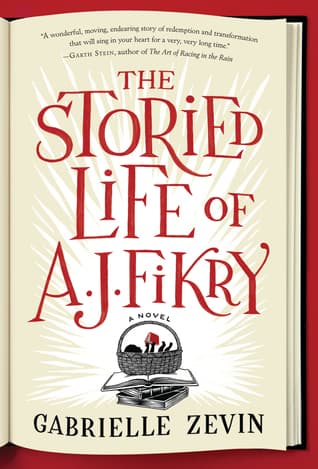
- The Storied Life of A.J. Fikry
Gabrielle Zevin
4.0 (202k) average on GoodreadsLiterary FictionBoth "Love Walked In" and "The Storied Life of A.J. Fikry" explore unconventional love stories and the transformative power of unexpected relationships, particularly involving children. Zevin's novel, however, offers a sharper wit and a more eccentric cast of characters, with a stronger emphasis on the love of books and community. While de los Santos focuses on the internal emotional journey, Zevin's narrative feels more outward-looking, examining how a community shapes an individual. Both share a heartwarming tone, but Zevin's book often carries a more melancholic undertone alongside its humor, providing a slightly more complex emotional landscape.
- The Hunger Games
Suzanne Collins
4.3 (6.4M) average on GoodreadsFantasyIn a future where children fight to the death on live television, Katniss Everdeen volunteers for the arena, turning a death sentence into a fight for survival and a spark of rebellion.
- The Great Gatsby
F. Scott Fitzgerald
3.9 (3.8M) average on GoodreadsHistorical FictionIn the opulent Roaring Twenties, a mysterious millionaire's lavish parties hide his desperate, tragic pursuit of a lost love, exposing the emptiness within the American Dream.
- The Fault in Our Stars
John Green
4.2 (3.6M) average on GoodreadsYoung AdultA girl with a terminal illness finds her story rewritten when a charming boy with a similar past enters her life at a cancer support group, leading to a star-crossed romance.





Enjoyed the summary?
A summary gives you the shape of the book. The book itself has the detail, the examples and the voice.
Find Love Walked In on AmazonAs an Amazon Associate, BookBrief earns from qualifying purchases. How we're funded