
Synopsis
Covers the whole plot, including the ending.
- Difficulty
- Easy
- Pacing
- Moderate
- Mood
- Heartwarming, Sentimental, Bittersweet, Tender
- Read it if
- You want a heartwarming, tear-jerking story about the enduring bond between a parent and child, or are looking for a classic children's book with a profound message.
- Skip it if
- You prefer books with complex plots or are sensitive to stories that evoke strong emotional responses, especially sadness related to aging and loss.
Love You Forever Plot Summary
Covers the whole plot, including the ending.
A Mother's Unconditional Love Begins
The story begins with a new mother holding her newborn baby boy. She looks at him and thinks, 'I'll love you forever, I'll like you for always, as long as I'm living, my baby you'll be.' This refrain is the central motif of their relationship. The baby grows, and as he does, he becomes increasingly rambunctious and challenging, constantly testing his mother's patience. Despite his wild behavior, the mother remains steadfast in her affection, always returning to his room at night, no matter how old he gets, to gently pick him up and sing her special song to him as he sleeps.
Toddler Troubles and Midnight Comfort
As the boy grows into a toddler, his behavior is typical childhood mischief. He refuses to go to sleep, hides in the bathroom, and creates general mayhem. His mother often finds herself exasperated by his antics, sometimes even declaring that she's going to sell him to the zoo. However, despite her frustrations, her deep love for him always shows. Every night, after he has finally fallen asleep, she quietly creeps into his room, picks him up, and sings her tender lullaby, reaffirming her unending devotion to her sleeping child.
A Rebellious Child and Persistent Affection
The boy continues to grow, and his childhood is marked by even more boisterous behavior. He refuses to eat his mashed potatoes, throws food, and makes a mess, showing the typical challenges of raising a spirited child. His mother, while often tired and worn out by his energy, never stops her nightly ritual. After he is asleep, she still sneaks into his room, gently lifts him from his bed, and sings the same comforting lullaby, 'I'll love you forever, I'll like you for always, as long as I'm living, my baby you'll be,' cementing the bond between them.
Teenage Years and Enduring Love
The boy transitions into his teenage years, a period often characterized by rebellion and a desire for independence. He listens to loud music, has strange friends, and generally acts in ways that challenge his mother's patience. She sometimes feels like he's 'driving her crazy.' Despite the growing distance and typical teenage angst, the mother's nightly ritual persists. She still creeps into his room, now a bit older and stiffer, carefully picks up her sleeping teenage son, and sings her special song, a quiet sign of her unwavering love through all phases of his life.
Adulthood and a Mother's Frailty
The boy eventually grows into a man and moves out of his childhood home, establishing his own life in another part of the city. His mother, now much older and more frail, still feels compelled to visit him. She drives across the city, sometimes struggling to get into his house, to continue her cherished nightly ritual. She creeps into his adult son's room, carefully picks him up (now a grown man, making it more difficult), and sings the familiar lullaby. This act shows the enduring nature of her maternal love, transcending physical distance and the passage of time.
The Mother's Final Song
As the mother ages further, her health declines. There comes a night when she tries to get out of bed to go sing to her son, but she is too old and too sick to move. She calls her son, telling him, 'You'd better come see me, because I'm very old and sick.' Her son, now a grown man, rushes to her side. When he arrives, she tries to sing her song to him one last time, but she can only get out the first few words, 'I'll love you forever, I'll like you for always...' before her strength gives out, signifying the end of her ability to physically perform their ritual.
The Son Carries On the Legacy
Seeing his mother so frail, the grown son takes her into his arms. He rocks her back and forth and, for the very first time, sings the lullaby back to her: 'I'll love you forever, I'll like you for always, as long as I'm living, my mommy you'll be.' After his mother dies, the son returns home. He goes into his own baby daughter's room, picks her up, and gently sings the same song his mother sang to him, perpetuating the cycle of unconditional love and showing how love can be passed down through generations.
Love You Forever Characters
The Mother
Protagonist
A mother whose unconditional love for her son endures through all stages of life.
The Mother is the central figure, embodying boundless and unwavering maternal love. From the moment her son is born, she dedicates herself to him, expressing her love through a specific lullaby she sings every night. Despite her son's rambunctious childhood, rebellious teenage years, and eventual independence as an adult, her affection never falters. She is persistent, sometimes tired, but always returns to her ritual, even as she grows old and frail. Her character represents the enduring, often self-sacrificing, nature of a parent's love.
Relationships: The Son (Unconditional maternal love, caregiver)
The Son
Protagonist/Recipient of love
The child who grows from a mischievous boy to a loving father, inheriting and continuing a tradition of love.
The Son is initially presented as a typical child, full of energy, mischief, and later, teenage rebellion. He tests his mother's patience but is always the recipient of her unwavering love and nightly lullaby. As he grows into an adult, he moves away, but still receives his mother's visits and songs. In her old age, he becomes her caregiver and ultimately inherits the responsibility and tradition of expressing unconditional love, singing the song to his dying mother and then to his own daughter. He represents the child's journey through life and the eventual understanding and perpetuation of parental love.
Relationships: The Mother (Child of, recipient of love, eventually caregiver); The Daughter (Father of, giver of love)
The Daughter
Mentioned
The son's baby, representing the continuation of the love cycle.
The Daughter appears only in the final scene of the book as the son's newborn baby. Her role is crucial as she symbolizes the generational continuation of the unconditional love theme. The son sings the same lullaby to her that his mother sang to him, signifying that the love and the tradition will live on. She is the future, the new recipient of the 'love you forever' promise.
Relationships: The Son (Daughter of, recipient of love)
Love You Forever Themes
Unconditional Love
The most prominent theme is the mother's unwavering affection for her son through all stages of his life. Despite his challenging behavior as a child and teenager, and the physical distance as an adult, her love never falters. The nightly ritual of singing the lullaby is a consistent sign of this enduring love, showing that a parent's love is not contingent on behavior or circumstance, but exists 'forever.'
“I'll love you forever, I'll like you for always, as long as I'm living, my baby you'll be.”
The Passage of Time and Aging
The book clearly shows the progression of time, from the son's birth to his adulthood, and the mother's journey from youth to old age. This theme is shown through the changing illustrations of the characters' appearances and the mother's increasing physical struggle to perform her nightly ritual. It highlights how relationships endure and evolve over decades, and how the roles within those relationships can shift as individuals age, ultimately leading to the son caring for his elderly mother.
“But the mother was getting older. And she got older and older and older.”
The Generational Cycle of Love
This theme explores how love, especially parental love, is passed down from one generation to the next. The book ends with the son, after experiencing his mother's lifelong love and reciprocating it in her final moments, then singing the same lullaby to his own newborn daughter. This act closes the loop, showing that love is a continuous force that transcends individual lives and forms a perpetual chain through families.
“Then he went over to the cradle, and he picked up his baby girl in his arms. And as he rocked her back and forth, he sang: 'I'll love you forever, I'll like you for always, as long as I'm living, my baby you'll be.'”
Plot Devices & Literary Techniques
The Lullaby/Song
A recurring refrain symbolizing enduring love.
The lullaby—'I'll love you forever, I'll like you for always, as long as I'm living, my baby you'll be'—serves as the central motif and a powerful symbol of unconditional love. It is repeated consistently throughout the book, marking the passage of time and the unchanging nature of the mother's affection. Its repetition reinforces the core message and creates a comforting, familiar rhythm for the reader. The transfer of the song from mother to son, and then to granddaughter, underscores the generational theme.
Repetitive Structure
Narrative pattern highlighting consistency and change over time.
The story employs a highly repetitive structure, particularly in the sequence of the son growing older, being mischievous, and the mother's nightly ritual of singing the lullaby. This repetition emphasizes the constancy of the mother's love against the backdrop of her son's changing behavior and appearance. Each iteration shows a subtle progression in age and the mother's increasing physical effort, making the eventual reversal of roles and the son singing to his mother more poignant and impactful.
Illustrations as Time Markers
Visual cues depicting the passage of time and aging.
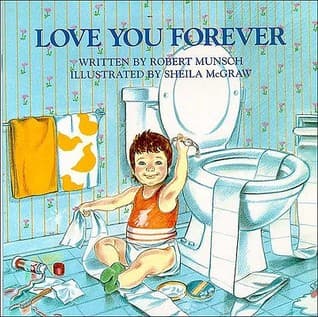
The illustrations are crucial in depicting the passage of time and the aging process for both the mother and the son. We see the son transform from a tiny baby to a rambunctious child, a rebellious teenager, and finally a grown man. Simultaneously, the mother's appearance visibly ages, her hair greys, and her posture stiffens, culminating in her frailty. These visual cues are essential in conveying the story's themes of enduring love and the life cycle without explicit narrative exposition on aging.
Love You Forever Quotes
“I'll love you forever, I'll like you for always, As long as I'm living, my baby you'll be.”
“The baby grew. He grew and he grew and he grew. He grew until he was two years old, and he ran all around the house, pulling all the books off the shelves, and pulling all the food out of the refrigerator.”
“Sometimes the mother would open the door, and she would crawl across the floor.”
“She opened the door to his room, crawled across the floor, looked up over the side of his bed, and sang: I'll love you forever, I'll like you for always, As long as I'm living, my baby you'll be.”
“Sometimes the mother would get so angry with her boy she would feel like screaming.”
“But when she looked at him asleep, she would go to his room, open the door, crawl across the floor, and look up over the side of his bed.”
“She sang it even when he was a grown-up man.”
“She drove to his house, opened the front door, crawled across the floor, looked up over the side of his bed, and sang: I'll love you forever, I'll like you for always, As long as I'm living, my baby you'll be.”
“One day the mother was very old. She could not get out of bed.”
“He picked her up and rocked her back and forth and back and forth and back and forth. And he sang this song:”
“I'll love you forever, I'll like you for always, As long as I'm living, my mommy you'll be.”
“When he got home, he opened the door to his baby daughter's room, went to her bed, and very gently picked her up.”
“As long as I'm living, my baby you'll be.”
“He rocked her back and forth and back and forth and back and forth. And he sang:”
Quiz
10 questions on the plot and the characters. Each answer comes with a short explanation.
Question 1
What does the mother secretly do after her son falls asleep throughout his childhood?
- She reads him another story.
- She sings him a lullaby while holding him.
- She tidies his messy room.
- She writes a note for him to find in the morning.
Show answer
B. She sings him a lullaby while holding him. Throughout the book, the mother creeps into her son's room after he's asleep, picks him up, and sings the 'I'll love you forever' song to him.
Question 2
As the boy grows into a teenager, what is a characteristic behavior that challenges his mother?
- He constantly asks for money.
- He often comes home late and acts messy.
- He ignores her advice about school.
- He refuses to eat the meals she cooks.
Show answer
B. He often comes home late and acts messy. When the boy is a teenager, the book describes him as having 'teenager's friends' and coming home late, acting like a 'wild animal,' which makes his mother sigh.
Question 3
What is the primary theme conveyed by the mother's repeated actions and song?
- The importance of discipline in raising children.
- The cyclical and enduring nature of parental love.
- The challenges of children growing up too quickly.
- The need for children to eventually become independent.
Show answer
B. The cyclical and enduring nature of parental love. The mother's unwavering love, expressed through her song and actions from infancy to adulthood, highlights the theme of love's permanence and how it transcends time and circumstances, eventually being passed on.
Question 4
How does the mother manage to sing to her son when he is a grown man living in his own house?
- She calls him on the phone every night.
- She drives across town with a ladder to get into his window.
- She waits for him to visit her home.
- She sends him a recording of the song.
Show answer
B. She drives across town with a ladder to get into his window. Even when her son is grown and lives across town, the mother's love compels her to drive to his house, get a ladder, climb in his window, and sing to him while he sleeps, illustrating her persistent affection.
Question 5
What is the significance of the mother becoming 'old and sick' and her son singing the song back to her?
- It shows that children eventually resent their parents' affection.
- It symbolizes the child finally breaking free from parental influence.
- It represents the reversal of roles and the passing on of love and care.
- It illustrates the son's regret for how he treated his mother.
Show answer
C. It represents the reversal of roles and the passing on of love and care. This moment is crucial as it shows the son caring for his mother in her old age, mirroring her earlier care for him. He sings the same song, signifying the cyclical nature of love and the child eventually becoming the caregiver, passing the 'love you forever' sentiment forward.
Question 6
What specific phrase is repeated in the mother's song?
- My baby you'll be.
- I'll love you forever, I'll like you for always, as long as I'm living my baby you'll be.
- You're my sunshine, my only sunshine.
- Always and forever, you'll be my treasure.
Show answer
B. I'll love you forever, I'll like you for always, as long as I'm living my baby you'll be. The iconic phrase repeated by the mother throughout the book, and later by the son, is 'I'll love you forever, I'll like you for always, as long as I'm living my baby you'll be.'
Question 7
After singing to his old and sick mother, what does the son then do?
- He goes home and reflects on his childhood.
- He tells his own baby daughter the song.
- He calls other family members to share the story.
- He makes plans for his mother's care.
Show answer
B. He tells his own baby daughter the song. The very end of the book shows the son holding his own baby daughter and singing the same song to her, completing the generational cycle of love.
Question 8
What emotion is primarily evoked by the illustrations as the boy grows up and the mother ages?
- Humor and lightheartedness.
- Nostalgia and bittersweet tenderness.
- Frustration and exasperation.
- Excitement and adventure.
Show answer
B. Nostalgia and bittersweet tenderness. Sheila McGraw's soft pastel illustrations, combined with the passage of time and the mother's unwavering love through different stages of life and aging, evoke a strong sense of nostalgia and a bittersweet tenderness about the fleeting nature of time and the enduring power of love.
Question 9
Why does the mother sometimes struggle to pick up her son as he gets older?
- He actively resists being picked up.
- She becomes weaker as she ages, and he becomes heavier.
- She is often too tired from her daily tasks.
- She realizes it's inappropriate for his age.
Show answer
B. She becomes weaker as she ages, and he becomes heavier. As the son grows from a baby to a boy and then a teenager, the book explicitly states that he becomes 'heavy' and his mother grows 'old and tired,' making it increasingly difficult for her to carry him, yet she persists.
Question 10
What message does the book ultimately convey about the nature of love within a family?
- Love is conditional and changes with behavior.
- Love is a bond that diminishes over time as children grow up.
- Love is an unbreakable, enduring force that flows across generations.
- Love primarily involves strict guidance and teaching.
Show answer
C. Love is an unbreakable, enduring force that flows across generations. The book's entire narrative, from the mother's lifelong devotion to her son's eventual reciprocation and passing the love to his own child, powerfully illustrates that love is an enduring, unconditional force that transcends time and generations.
Love You Forever FAQ
What is "Love You Forever" about?
"Love You Forever" is about the enduring, unconditional love between a mother and her son, chronicling their relationship from the son's infancy through his adulthood and the mother's old age. The mother repeatedly sneaks into her son's room to hold him and sing a special lullaby, a ritual that continues even as he grows up.
Why should I read "Love You Forever"?
You should read "Love You Forever" for its poignant and universally relatable portrayal of parental love, the passage of time, and the cyclical nature of family. It's a deeply emotional story that resonates with both parents and children, offering comfort and a powerful message about enduring affection.
What is the background/setting of "Love You Forever"?
The story takes place in various domestic settings, primarily the son's bedroom and later his own home, spanning many decades. It begins in a simple nursery and progresses through different houses and life stages, illustrating the constant presence of the mother's love through changing environments.
What are the most memorable quotes?
The most memorable and iconic quote is the lullaby: 'I'll love you forever, I'll like you for always, as long as I'm living my baby you'll be.' This phrase is repeated throughout the book, becoming a powerful mantra of enduring love that defines the story.
What writing style does the author use?
Robert Munsch uses a simple, repetitive, and rhythmic writing style, characteristic of children's literature, which makes the story accessible and memorable. The repetition of the lullaby and the mother's actions creates a comforting, almost hypnotic cadence that underscores the theme of enduring love.
What minor details add significant meaning?
The gradual aging shown in Sheila McGraw's illustrations, from the mother's changing hairstyles to the son's evolving appearance, subtly emphasizes the relentless march of time. These visual cues powerfully convey the passage of decades, making the constancy of the mother's love even more impactful.
What are some subtle foreshadowing moments?
The initial 'misbehavior' of the son as a child, such as jumping on the bed or making messes, subtly foreshadows the challenges of parenthood and the continued, unwavering nature of the mother's love despite these difficulties. It sets the stage for her persistent affection.
What unexpected character connections exist?
The most significant 'unexpected' connection is the generational shift where the son, now an adult, cradles his elderly mother and sings the same lullaby to her. This moment completes the emotional cycle, showing the son reciprocating the deep love and care he received.
What are unspoken character motivations?
The mother's unspoken motivation for repeatedly sneaking into her son's room, even when he's a teenager, seems to be a deep-seated need to affirm her love and maintain a physical connection, driven by the instinctive, timeless bond of a parent, perhaps also a quiet resistance to his growing independence.
What psychological complexities do characters exhibit?
The mother exhibits a complex blend of nurturing love and a slight inability to 'let go' as her child grows, representing the universal struggle parents face in balancing protection with fostering independence. The son, initially annoyed, later demonstrates a profound understanding and empathy as he matures.
What are the major emotional turning points?
A major emotional turning point occurs when the mother becomes too old and frail to sing the lullaby, prompting the adult son to visit her. Another is when he cradles her and sings it back to her, signifying a powerful reversal of roles and a full circle of love.
How do relationship dynamics evolve?
The relationship dynamics evolve from one of complete parental care and childhood dependence to a more independent, sometimes strained, teenage phase, and finally to a reciprocal caregiving role in adulthood. The core of unconditional love, however, remains constant throughout these changes.
Which parts remain ambiguous or open-ended?
The book leaves the specifics of the son's life, such as his career, family, or other relationships, ambiguous. This allows readers to project their own experiences onto the narrative, focusing solely on the universal parent-child bond rather than extraneous details.
What are controversial scenes or decisions?
The mother's persistent act of sneaking into her son's room, even when he's grown and sleeping in his own house, can be seen as controversial. Some interpret it as a sweet, enduring gesture of love, while others might view it as an overstepping of boundaries or a lack of respect for his privacy, especially as he ages.
"Love You Forever" ending explained: how it ends & what it means
The book ends with the adult son cradling his frail, elderly mother and singing the lullaby she once sang to him. He then goes home, looks at his own sleeping baby girl, and sings the same lullaby to her. This ending signifies the cyclical nature of love and family, showing how the tradition of unconditional love is passed down through generations, ensuring its 'forever' continuation.
About the author

Robert Munsch is a Canadian author known for his children's books, particularly "Love You Forever," which explores themes of love and family. His engaging storytelling style and memorable characters have made his works popular among young readers. Munsch's books often draw from his own experiences and have been widely shared in homes and classrooms.
Similar books
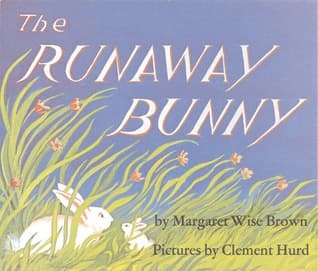
- The Runaway Bunny
Margaret Wise Brown
4.1 (68k) average on GoodreadsFantasyExplores the theme of a mother's unwavering love and pursuit of her child.
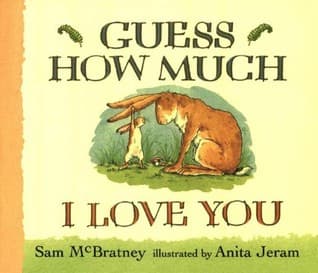
- Guess How Much I Love You
Sam McBratney
4.4 (126k) average on GoodreadsChildren'sA simple, repetitive narrative that conveys deep affection between a parent and child.
- Harry Potter and the Sorcerer's Stone
J.K. Rowling
4.5 (7M) average on GoodreadsFantasyRescued from a miserable life under the stairs, an orphaned boy discovers he's a wizard destined for a magical school, where he uncovers a dangerous secret tied to the dark wizard who murdered his parents.
- The Hobbit, or There and Back Again
J.R.R. Tolkien
4.3 (2.9M) average on GoodreadsFantasyA comfort-loving hobbit named Bilbo Baggins is whisked away by a mischievous wizard and a band of dwarves on an unexpected journey to reclaim stolen treasure from a fearsome dragon, discovering courage and a magical ring along the way.
- Harry Potter and the Goblet of Fire
J.K. Rowling
4.6 (2.6M) average on GoodreadsFantasyA bewildered Harry Potter, underage and thrust into a deadly Triwizard Tournament, must brave dragons, mermaids, and a resurgent dark magic to survive a year that will forever alter the wizarding world.
- Harry Potter and the Order of the Phoenix
J.K. Rowling
4.5 (2.5M) average on GoodreadsFantasyIn a year of oppressive secrets and the threat of Voldemort, Harry Potter and Dumbledore's Army secretly train for war, shown through Jim Kay and Neil Packer's dark illustrations.




Enjoyed the summary?
A summary gives you the shape of the book. The book itself has the detail, the examples and the voice.
Find Love You Forever on AmazonAs an Amazon Associate, BookBrief earns from qualifying purchases. How we're funded