

Estimated read time: 3 min read
One Sentence Summary
"Man's Search for Meaning" by Viktor E. Frankl explores the psychological journey and philosophical insights gained from Frankl's experiences as a Holocaust survivor, emphasizing the pursuit of purpose as a central aspect of human existence.
Table of Contents
Introduction
"Man's Search for Meaning" by Viktor E. Frankl is a profound psychological exploration into the human quest for meaning, even in the most brutal conditions. This seminal work combines Frankl's harrowing experience as a Holocaust survivor with his pioneering development of logotherapy, a form of existential analysis. The book's significance lies in its ability to inspire readers to find purpose and resilience amidst adversity.
Brief Synopsis
Plot Overview
The book is divided into two parts. The first part recounts Frankl's experiences in Nazi concentration camps, highlighting the psychological impact of extreme suffering. The second part introduces logotherapy, a therapeutic approach Frankl developed to help individuals find meaning in life.
Setting
Frankl's narrative begins in the grim settings of concentration camps during World War II, including Auschwitz and Dachau. The stark and oppressive environment serves as a backdrop to his exploration of the human spirit and its capacity to endure.
Main Characters
- Viktor E. Frankl: The author and protagonist, a psychiatrist and Holocaust survivor, whose personal experiences and professional insights form the crux of the book.
- Fellow Prisoners: Various unnamed individuals whose stories and interactions with Frankl illustrate the diverse psychological responses to extreme suffering.
Plot Summary
Life in the Camps
Frankl provides a detailed account of daily life in concentration camps, marked by dehumanization and brutality. He depicts the psychological stages prisoners undergo, from shock to apathy, and the struggle to maintain a sense of self amidst despair.
Search for Meaning
Amidst the harrowing conditions, Frankl observes that those who found meaning in their suffering were more resilient. He shares poignant stories of individuals who, despite the odds, maintained a sense of purpose.
Development of Logotherapy
After surviving the Holocaust, Frankl developed logotherapy, based on the premise that the primary drive in humans is the search for meaning. He outlines this theory, contrasting it with Freud's pleasure principle and Adler's power drive.
Themes and Motifs
- Search for Meaning: Central to the book is the idea that life has meaning under all circumstances, even the most miserable ones.
- Suffering and Resilience: Frankl argues that suffering is an inevitable part of life, but how one responds to it can lead to personal growth.
- Freedom of Choice: Despite external constraints, individuals have the freedom to choose their attitude toward suffering.
Author's Background
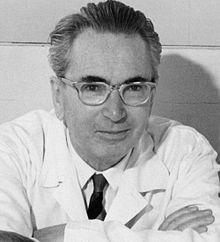
Viktor E. Frankl was an Austrian neurologist and psychiatrist. His experiences during the Holocaust profoundly influenced his development of logotherapy. Frankl's background in existential philosophy and psychology is evident in his work, which emphasizes finding meaning as a path to psychological healing.
Reader's Takeaway
Readers may find "Man's Search for Meaning" both an emotional and intellectual journey. The book encourages reflection on personal values and the pursuit of meaning, especially in challenging times. Frankl's insights offer a framework for resilience and hope.
Conclusion
"Man's Search for Meaning" is a timeless testament to the human spirit's capacity for hope and resilience. Viktor E. Frankl's exploration of meaning underpins a therapeutic approach that continues to inspire and guide individuals in their quest for purpose. This book is a compelling invitation to explore one's own life meaningfully, encouraging readers to delve deeper into its profound insights.
Man's Search for Meaning FAQ
Who is the author of 'Man's Search for Meaning'?
The author of 'Man's Search for Meaning' is Viktor E. Frankl, an Austrian neurologist, psychiatrist, and Holocaust survivor.
What is the main theme of 'Man's Search for Meaning'?
The main theme of the book is the importance of finding meaning in life, even in the most difficult and seemingly meaningless circumstances.
What is Viktor Frankl's theory of logotherapy?
Logotherapy is a form of psychotherapy developed by Viktor Frankl, based on the premise that the primary motivational force of an individual is to find meaning in life.
How does Viktor Frankl describe his experiences in concentration camps?
In the book, Frankl describes his experiences in concentration camps during World War II, focusing on how prisoners found meaning and maintained hope despite the horrific conditions.
Why is 'Man's Search for Meaning' considered a significant book?
The book is considered significant because it offers profound insights into human resilience and the quest for meaning, influencing psychology, philosophy, and people's personal outlook on life.
What impact did the concentration camp experience have on Frankl's work?
Frankl's concentration camp experience profoundly influenced his development of logotherapy and his understanding of human nature and the pursuit of meaning.
Can you provide an example of a key lesson from the book?
One key lesson from the book is that even in suffering, individuals can choose their response and find purpose, which can help them endure and transcend their circumstances.
Is 'Man's Search for Meaning' suitable for all readers?
While the book deals with heavy and challenging topics, its universal themes of hope, meaning, and resilience make it a valuable read for a wide audience.
How does 'Man's Search for Meaning' address the concept of suffering?
The book addresses suffering by suggesting that it can be transformed into achievement or purpose if one finds meaning in it, thereby making it more bearable.


