

Synopsis
Covers the whole plot, including the ending.
- Difficulty
- Easy
- Pacing
- Fast
- Mood
- Action-packed, Suspenseful, Emotional, Hopeful
- Read it if
- You're a long-time fan of the Maximum Ride series looking for the definitive conclusion to the saga.
- Skip it if
- You haven't read the previous books in the series, as this is the final installment and heavily relies on prior plot points.
Maximum Ride Forever Plot Summary
Covers the whole plot, including the ending.
The Aftermath and the Search
After the previous book's disaster, Maximum Ride and her flock—Fang, Iggy, Nudge, Gazzy, and Angel—find themselves in a changed world. Cities are destroyed, the environment is harsh, and human civilization is broken. They constantly move, looking for food and supplies, and desperately seeking other survivors or clues about what caused the destruction. Max, responsible for her family, struggles with the emotional impact of their losses and their new, bleak reality. Still, she remains determined to protect her flock and find a way forward, even as hope fades.
Encountering the Collective
Exploring a desolate, snow-covered area, the flock finds a hidden, advanced underground community. This society, called the Collective, seems to be a place of order and progress amid the global chaos. They have advanced medical technology, sustainable food, and a seemingly peaceful life. Max and her flock are initially cautious but are drawn by the promise of safety and resources. The Collective's leader, Julian, a charismatic and mysterious figure, offers them refuge, claiming to be rebuilding humanity. His true motives remain unclear, raising Max's suspicions.
A Troubling Alliance and Internal Strife
Inside the Collective, the flock finds temporary relief, but tensions soon rise. Fang, practical as always, increasingly aligns with Julian's vision for the future, believing the Collective offers the best chance for survival and rebuilding. This creates a significant disagreement between him and Max, who deeply distrusts Julian and the Collective's perfect appearance. Fang's growing independence and his acceptance of the Collective's ideas challenge Max's leadership and their family unit. Iggy, Nudge, Gazzy, and Angel feel the pressure of the divided loyalties.
Uncovering the Truth About the Collective
Following her instincts, Max, with Iggy's help, starts investigating the Collective more closely. They secretly explore restricted areas and hack into the Collective's computer systems. What they find is terrifying: the Collective is not just rebuilding humanity but actively changing its genetic future. Julian and his scientists are using advanced genetic engineering to create a 'perfect' human race, and they see the flock's unique bird DNA as valuable for their experiments. The Collective's initial promise of sanctuary was a trick to attract genetically superior individuals like the flock.
Fang's Betrayal and the Escape Attempt
The situation quickly worsens when Fang, influenced by Julian's arguments and possibly deeper manipulation, appears to betray Max and the rest of the flock. He helps the Collective capture them, leading to a confrontation where the flock is subdued and imprisoned. Max feels the betrayal deeply, questioning everything she thought she knew about Fang. However, even in captivity, the flock's resilience shows, and they immediately begin planning a desperate escape, realizing the true danger they face within the Collective's control.
The Rescue and Reunion
Just as the Collective prepares to begin genetic experiments on the flock, Fang reveals his true intentions. His 'betrayal' was a calculated move to gain Julian's trust and learn the Collective's weaknesses from within. He organizes a daring rescue, freeing Max and the others. This reunion, though tense, strengthens the flock's bond again. Fang, having seen the true nature of Julian's plans, is now more determined than ever to stop him. The united flock prepares for a final confrontation with Julian and the Collective to prevent their dangerous genetic agenda from succeeding.
The Battle for Humanity's Future
A fierce battle breaks out between the flock and the Collective's security forces. Max, Fang, Iggy, Nudge, Gazzy, and Angel use their unique abilities and teamwork to fight through the Collective's underground complex. Their main goal is to destroy the genetic manipulation labs and the data containing all of Julian's research, stopping him from ever implementing his vision for a 'perfect' human race. The fight is intense, with the flock facing technologically superior opponents and the moral conflict of stopping a force that believes it is saving humanity, even through unethical means.
Julian's Last Stand and Revelation
Max finally confronts Julian, the Collective's leader. During their intense standoff, Julian reveals his tragic past: he lost his family in the apocalypse and truly believes that genetic engineering is the only way to ensure humanity's survival and prevent future disasters. He sees himself as a savior, even if his methods are extreme. Max, while understanding his grief, strongly rejects his dehumanizing approach, emphasizing the importance of natural diversity and the value of every life. This confrontation is a clash of ideas—survival at any cost versus preserving humanity's core.
The Destruction of the Collective
The flock, working together, manages to disable and destroy the Collective's main facilities, including their genetic labs and data servers. Julian's grand plan for a genetically engineered future is stopped. While Julian himself might escape, his power base is shattered, and his ability to carry out his dangerous experiments is greatly reduced. The flock is victorious, but the victory is bittersweet, knowing that the world remains broken and that threats to humanity's future will always exist. They have, however, ensured that humanity's future will not be decided by one man's flawed vision.
A New Beginning, A New Path
With the Collective's threat gone, Max and her flock leave the ruins. The world is still dangerous and uncertain, but their bond is stronger than ever through shared hardship and renewed trust. They decide to continue their journey, not necessarily looking for a 'cure' for the world, but for a place where they can truly be free and perhaps help rebuild society in a more natural, humane way. The ending signals not a complete solution to all global problems, but a hopeful new beginning for the flock, highlighting their resilience and their commitment to each other as they face an unknown future.
Principal Figures
Maximum Ride (Max)
Protagonist
The strong-willed, winged leader of the flock.
Max is the fierce, protective, and often sarcastic leader of her avian-human hybrid family. Burdened by the weight of responsibility for her younger siblings, she constantly battles inner doubts while projecting an image of unwavering strength. She is fiercely independent, distrustful of authority, and driven by an innate desire to protect her flock and fight for what is right, even when the odds are stacked against them. Her moral compass is strong, prioritizing freedom and natural existence over forced perfection.
Relationships: Fang (Complicated romantic interest and co-leader; deep, often conflicted bond.); Iggy (Loyal, insightful brother figure and confidant.); Nudge (Curious, talkative younger sister; Max is very protective of her.); Gazzy (Explosives expert younger brother; Max cares deeply for his safety.); Angel (Youngest sister with powerful telepathic abilities; Max is fiercely protective and often reliant on her insights.); Julian (Antagonist; ideological conflict and mutual distrust.)
Fang
Supporting Character / Secondary Protagonist
Max's loyal, often stoic, second-in-command and romantic interest.
Fang is Max's brooding, silent, and fiercely loyal second-in-command. He is pragmatic, strategic, and often plays devil's advocate to Max's more impulsive decisions. His calm demeanor hides a deep love and protectiveness for the flock, especially Max. His intelligence and strategic thinking make him an invaluable asset. While he can appear detached, his actions consistently prove his unwavering commitment to the flock's survival and Max's well-being. He is willing to make difficult choices for the greater good, even if it means appearing to betray his loved ones.
Relationships: Maximum Ride (Complicated romantic interest and co-leader; deep, often conflicted bond.); Iggy (Close friend and tactical partner.); Julian (Antagonist; uses deception to infiltrate his trust.)
Iggy
Supporting Character
The blind but resourceful and technically skilled member of the flock.
Iggy is the flock's resident explosives expert and technical whiz. Despite being blind, his other senses are incredibly heightened, making him an astute observer. He is calm, intelligent, and possesses a dry wit. His ability to disarm traps, hack systems, and create ingenious devices makes him indispensable. Iggy is fiercely loyal to Max and the flock, often acting as a voice of reason or a skilled operative when stealth or technical expertise is required. He has a strong bond with Gazzy, often acting as his partner in mischievous and dangerous endeavors.
Relationships: Maximum Ride (Loyal brother figure; often works with her on investigations.); Gazzy (Close partner in pranks and demolitions; like a younger brother.); Fang (Close friend and tactical partner.)
Nudge
Supporting Character
The curious and empathetic younger sister with a knack for persuasion.
Nudge is the flock's most talkative and curious member. She is empathetic, observant, and possesses a charming ability to extract information from others. Her natural curiosity often leads the flock to new discoveries, though sometimes into trouble. She is fiercely loyal and deeply cares for her family, often expressing their collective emotions. Nudge's desire for connection and understanding of the world around her makes her a vital part of the flock's social dynamic, providing a sense of normalcy and hope amidst their harsh reality.
Relationships: Maximum Ride (Younger sister; often looks to Max for guidance and protection.); Angel (Close sisterly bond, often playing together.)
Gazzy
Supporting Character
The mischievous and intelligent younger brother with a talent for explosives.
Gazzy is the flock's youngest male member, known for his love of explosives and his sharp, albeit sometimes quiet, intelligence. He often communicates through farts, but his actions speak louder than words. Despite his youth, he is incredibly resourceful and brave, always ready to protect his family. He has a special bond with Iggy, and together they form a formidable, if chaotic, duo. Gazzy's seemingly simple exterior hides a keen mind and a strong sense of loyalty, making him a surprisingly effective member of the team.
Relationships: Maximum Ride (Younger brother; Max is very protective of him.); Iggy (Close partner in pranks and demolitions; like an older brother.)
Angel
Supporting Character
The youngest member of the flock with powerful telepathic and empathic abilities.
Angel is the youngest member of the flock, possessing powerful telepathic and empathic abilities, including the power to read minds, control animals, and influence people's thoughts. Her powers make her both an invaluable asset and a potential vulnerability. She is wise beyond her years, often providing crucial insights and warnings. Angel is fiercely loved and protected by the entire flock, especially Max. Her innocent appearance belies a formidable mental strength, and her abilities often turn the tide in critical situations, though they also come with a heavy emotional cost.
Relationships: Maximum Ride (Youngest sister; Max is fiercely protective of her and often relies on her insights.); Nudge (Close sisterly bond, often playing together.)
Julian
Antagonist
The charismatic but misguided leader of the Collective.
Julian is the charismatic and intelligent leader of the Collective, a hidden underground society. He presents himself as a visionary dedicated to rebuilding humanity after the apocalypse. However, his methods are extreme and unethical. He believes that genetic engineering is the only way to ensure humanity's survival and create a 'perfect' future. Julian is manipulative and persuasive, capable of drawing people to his cause, but his underlying motivation stems from a profound grief and a desire to prevent future suffering, albeit through dehumanizing means. He views the flock's unique genetics as a resource for his experiments.
Relationships: Maximum Ride (Primary ideological opponent and antagonist.); Fang (Temporarily manipulates Fang's perceived loyalty.)
Themes & Insights
The Definition of Humanity and Survival
This theme looks at what it means to be human in a post-apocalyptic world and the ethical limits of survival. Julian believes humanity's future is in genetic perfection, sacrificing individuality and natural evolution for control and perceived safety. Max and her flock, despite their own genetic changes, advocate for natural diversity, freedom, and the value of flawed existence. The conflict with the Collective forces the flock to consider if survival at any cost, especially if it means losing one's essence, is truly living. This is clear in Max's stand against Julian's plans for a 'perfect' race, choosing instead to fight for the right to be imperfect and free.
“We're not just some recipe to be improved. We're messy and complicated, and that's what makes us real. That's what makes us human.”
Trust, Betrayal, and Family Bonds
Trust and betrayal are key themes, especially within the flock. Fang's apparent defection to the Collective deeply hurts Max and tests their fundamental trust. This moment shows how fragile their bonds are, even with their strong loyalty. However, Fang's true intentions—his strategic infiltration—ultimately strengthen their family connection and the sacrifices they make for each other. This theme shows that true family goes beyond blood, relying on shared values, support, and the ability to forgive and understand, as seen when Max realizes Fang's 'betrayal' was a calculated act to save them.
“Even when it looked like you chose them, I knew. Deep down, I knew you'd never truly abandon us.”
Leadership and Responsibility
Max's role as the flock's leader is constantly tested and confirmed throughout the story. She carries the heavy responsibility of ensuring her family's survival, making tough decisions, and inspiring hope in a desolate world. Her leadership is not about power but about protecting and guiding her family toward a future where they can be free. The rise of the Collective and Julian's contrasting, authoritarian leadership style highlight the difference between leading with empathy and leading with control. Max's journey establishes her as a compassionate leader who puts her flock's well-being and freedom first, even when facing overwhelming odds.
“Being a leader isn't about telling people what to do. It's about showing them a way forward, even when you're scared yourself.”
Hope and Despair in a Post-Apocalyptic World
The novel skillfully contrasts hope and despair. The post-apocalyptic setting presents a world where despair could easily overwhelm survivors. However, the flock's constant search for a better future, their strong bond, and Max's refusal to give up represent the lasting power of hope. The Collective initially offers a false hope of a new, perfect world, but it is a hope built on control and dehumanization. True hope lies in the flock's resilience, their commitment to rebuilding ethically, and their belief that even in ruin, humanity can find a way to thrive naturally. Their final decision to continue their journey, facing the unknown together, demonstrates this lasting hope.
“The world might be broken, but we're not. And as long as we have each other, there's always a chance to fix things, even if it's just one piece at a time.”
Plot Devices & Literary Techniques
The Post-Apocalyptic Setting
A devastated Earth serving as a backdrop for survival and moral dilemmas.
The ruined, desolate world serves as more than just scenery; it's a constant pressure on the flock, forcing them into difficult choices and highlighting the extreme conditions under which humanity is trying to rebuild. This setting magnifies the stakes of Julian's plans and emphasizes the value of the flock's freedom and natural existence against a backdrop of destruction. It also provides a canvas for the exploration of themes like survival, hope, and the definition of humanity in the face of ultimate loss.
The False Utopia
The Collective's seemingly perfect society masking sinister intentions.
The Collective functions as a classic false utopia, initially appearing as a safe haven and a beacon of hope in the ravaged world. This facade is a crucial plot device to lure the flock and other survivors, setting up the central conflict. Its perfection hides a dark secret: a desire for genetic control and manipulation. This device allows the author to explore themes of control versus freedom, the dangers of unchecked scientific ambition, and the idea that true salvation cannot come at the cost of individuality and ethical boundaries.
The Double Agent (Fang's 'Betrayal')
Fang's feigned defection to the antagonist's side to gather intelligence.
Fang's 'betrayal' is a pivotal plot device that creates intense emotional conflict and narrative tension. It serves to test the flock's trust and Max's leadership, while also allowing a key character to infiltrate the antagonist's inner circle. This device is crucial for revealing the Collective's true sinister nature from within, providing the necessary information for the flock to formulate their counter-attack. It ultimately reinforces Fang's loyalty and strengthens the bonds within the flock after the initial shock and pain.
Genetic Manipulation as a Core Conflict
The central scientific and ethical struggle driving the antagonist's actions.
Genetic manipulation is the core of the conflict, defining Julian's motivations and the Collective's purpose. It's not just a scientific concept but a philosophical battleground. The flock, themselves products of genetic experimentation, are uniquely positioned to understand both the potential and the inherent dangers of such science. This device raises profound questions about humanity's right to alter its own evolution, the ethics of creating 'designer' humans, and the value of natural diversity versus engineered perfection, driving the entire narrative's moral stakes.
Maximum Ride Forever Quotes
“We were a family, and we were broken. But we were still family.”
“Sometimes the only way to save the world is to let it break you first.”
“Love isn't supposed to be easy. It's supposed to be worth it.”
“The future wasn't a given. It was something you fought for, every single day.”
“We were more than just experiments. We were an evolution.”
“Even in the darkest moments, there's always a flicker of light, if you're brave enough to look for it.”
“Being a leader doesn't mean you don't get scared. It means you do it anyway.”
“The world was ending, but we were just getting started.”
“Sometimes, the only way to move forward is to let go of what you thought you knew.”
“Our wings weren't just for flying. They were for fighting.”
“You can't save everyone, but you can save someone. And sometimes, that's enough.”
“The greatest weapon isn't a fist or a bullet. It's an idea.”
“We were the last hope, whether we wanted to be or not.”
“Home isn't a place. It's the people you're with.”
Quiz
10 questions on the plot and the characters. Each answer comes with a short explanation.
Question 1
What is the primary goal Max and her flock are pursuing at the beginning of 'Maximum Ride Forever'?
- Finding a cure for the bird flu that affected the population.
- Locating the remaining members of the School to confront them.
- Searching for answers about what happened to the world and their origins.
- Establishing a new, safe haven for all winged children.
Show answer
C. Searching for answers about what happened to the world and their origins. At the start of the book, Max and her flock are 'roaming the earth, searching for answers to what happened' in the post-apocalyptic world.
Question 2
Which character is often described as the 'leader' of the flock?
- Fang
- Nudge
- Max (Maximum Ride)
- Iggy
Show answer
C. Max (Maximum Ride) Maximum Ride is consistently the protagonist and leader of the flock throughout the series.
Question 3
What significant personal sacrifice does Max consider making to save the world from the apocalypse?
- Giving up her ability to fly permanently.
- Marrying a powerful, influential human leader.
- Sacrificing herself to activate a device that can reset the world.
- Allowing the Erasers to capture her in exchange for the flock's safety.
Show answer
C. Sacrificing herself to activate a device that can reset the world. Max grapples with the idea of a personal sacrifice, specifically sacrificing herself, to save humanity from the impending apocalypse.
Question 4
What is the name of the organization primarily responsible for creating Max and the flock?
- The Institute for Avian Research
- The School
- Project Chimera
- The Coalition of Geneticists
Show answer
B. The School The 'School' is the notorious facility where Max and the other bird-kids were genetically engineered and held captive.
Question 5
Which theme is most prominent in 'Maximum Ride Forever' regarding the flock's journey?
- The pursuit of ultimate power and control.
- The importance of family, sacrifice, and hope in a broken world.
- The inevitable downfall of humanity due to its own hubris.
- The superiority of genetically engineered beings over natural humans.
Show answer
B. The importance of family, sacrifice, and hope in a broken world. The series, and especially the final book, heavily emphasizes themes of family bonds, self-sacrifice for the greater good, and maintaining hope amidst a bleak future.
Question 6
What is the ultimate fate of the world as depicted in the grand finale of 'Maximum Ride Forever'?
- It is completely destroyed, with no survivors.
- It is saved and begins a new era of peace and reconstruction.
- It remains in a perpetual state of apocalypse, with no resolution.
- It is taken over by a new, more advanced alien species.
Show answer
B. It is saved and begins a new era of peace and reconstruction. The book promises a 'grand finale' where 'all will be revealed,' implying a resolution where the world is ultimately saved, leading to a new beginning.
Question 7
Which member of the flock is known for being extremely strong and quiet, often brooding?
- Gasman
- Fang
- Angel
- Iggy
Show answer
B. Fang Fang is consistently portrayed as the strong, silent, and often brooding member of the flock, frequently acting as Max's second-in-command.
Question 8
What specific type of natural disaster or environmental catastrophe is a constant threat in the post-apocalyptic setting of the book?
- Frequent volcanic eruptions.
- Widespread, incurable diseases.
- Massive, destructive earthquakes.
- Extreme, sudden ice ages.
Show answer
B. Widespread, incurable diseases. The summary mentions Max 'boldly navigates a post-apocalyptic world' and earlier books in the series established widespread diseases as a major threat to humanity.
Question 9
What is the primary internal conflict Max faces regarding her leadership role and personal desires?
- Her desire for a normal human life versus her responsibility to the flock and humanity.
- Her struggle to trust her own judgment versus relying on the advice of others.
- Her wish to stay with the flock versus her urge to explore the world alone.
- Her ambition to become a scientific leader versus her role as a protector.
Show answer
A. Her desire for a normal human life versus her responsibility to the flock and humanity. Max frequently struggles with the burden of her leadership and her longing for a 'normal' life, often questioning if she can have both or if her duty must always come first.
Question 10
What type of creatures are the 'Erasers' that frequently pursue Max and her flock?
- Genetically modified humans with enhanced senses.
- Robotic drones designed for tracking and capture.
- Human-wolf hybrids created by the School.
- Alien invaders disguised as humans.
Show answer
C. Human-wolf hybrids created by the School. The Erasers are a well-known antagonist group in the Maximum Ride series, consisting of human-wolf hybrids also created by the School to hunt down the flock.
Maximum Ride Forever FAQ
What is the central premise of 'Maximum Ride Forever'?
'Maximum Ride Forever' sees Max and her fragmented Flock navigating a post-apocalyptic world, devastated by a catastrophic event that seemingly wiped out most of humanity. Their primary goal is to find answers about the cataclysm and determine if any semblance of normal life or other survivors remain, all while dealing with their own internal conflicts and the lingering threats from their past.
What major global event has occurred at the beginning of this book?
At the start of 'Maximum Ride Forever,' the world has been ravaged by a massive, unexplained cataclysm that led to widespread destruction and the near-extinction of the human race. This event is a central mystery, and its aftermath has left cities in ruins, resources scarce, and the remaining landscape dangerous and desolate.
How has the Flock's dynamic changed since previous books?
The Flock in 'Maximum Ride Forever' is more fractured and emotionally damaged than ever, struggling with internal conflicts, grief, and the immense pressure of survival. Fang's continued absence or strained relationship with Max, combined with the general despair, significantly impacts their cohesion, making their shared journey fraught with tension and personal struggles.
What role does Fang play in this final installment?
Fang plays a crucial and complex role, initially separated from Max or having a strained relationship, which adds significant emotional tension and a sense of longing for Max. His eventual return or reconciliation with Max is a major plot point, pivotal for both their personal arcs and the Flock's collective efforts against new threats.
Are there any new antagonists introduced in 'Maximum Ride Forever'?
While 'Maximum Ride Forever' revisits some lingering threats from the series' past, it also introduces new dangers arising from the post-apocalyptic landscape, including desperate human factions and mutated creatures. The primary antagonist, however, often shifts between external forces and the internal struggles of the Flock as they face the ultimate consequences of their origins.
What is the significance of the 'voice in Max's head' in this book?
The 'voice in Max's head' in 'Maximum Ride Forever' isn't just a remnant of her past programming, but a more insidious and influential presence, pushing her towards difficult decisions or revealing fragmented truths. It serves as a constant reminder of her genetic manipulation and the ultimate purpose she was created for, often blurring the lines between guidance and manipulation.
How do the 'Erasers' or their remnants fit into the post-apocalyptic world?
The Erasers, or their more evolved and desperate remnants, are not entirely gone but have adapted to the new post-apocalyptic reality, often becoming more predatory and less organized. Their continued existence underscores the lingering threat of genetic engineering and the inability to escape the consequences of the Flock's origins, even after global devastation.
Are there any subtle clues about the true nature of the cataclysm revealed earlier in the series?
Throughout the series, there have been subtle hints about global instability, environmental degradation, and the unchecked ambitions of scientific organizations like the School, which indirectly foreshadow the cataclysm. 'Maximum Ride Forever' ties these threads together, suggesting the disaster wasn't entirely random but a culmination of humanity's destructive tendencies and genetic experimentation.
Does the book provide a definitive answer regarding the purpose of the Flock's creation?
'Maximum Ride Forever' aims to provide the most definitive answers yet regarding the Flock's creation, revealing the ultimate, often dark, purpose behind their genetic manipulation. It explores whether they were intended as saviors, weapons, or simply experiments, tying their existence directly to the reasons behind the world's devastation.
How does Max's leadership style evolve under extreme pressure?
Under the extreme pressure of a post-apocalyptic world, Max's leadership style becomes more burdened and less impulsive, forcing her to make increasingly difficult and morally ambiguous choices for the survival of the Flock. She grapples with the weight of her decisions, often questioning her own judgment and the sacrifices required.
What psychological toll does the loss and devastation take on Nudge, Iggy, and Gazzy?
The immense loss and devastation take a heavy psychological toll on Nudge, Iggy, and Gazzy, manifesting in different ways: Nudge struggles with profound grief and a loss of hope, Iggy retreats further into his own world, and Gazzy, despite his youth, displays a chilling pragmatism and resilience born from trauma, often suppressing his emotions.
How does the book explore themes of hope and despair in a ruined world?
'Maximum Ride Forever' deeply explores themes of hope and despair by constantly challenging the Flock with insurmountable odds and the bleakness of their new reality. Max often finds herself battling internal despair, yet the enduring bond of the Flock and the faint possibility of rebuilding a better world serve as fragile sources of hope that drive their survival.
What internal conflicts does Max face regarding her identity as a leader and a 'super-being'?
Max faces profound internal conflicts regarding her identity, struggling with the burden of leadership and the implications of her genetic enhancements. She grapples with whether she is merely a tool, a leader by necessity, or something more, often questioning if her 'super-being' status isolates her from the humanity she strives to protect.
Is the ending truly definitive, or does it leave room for future interpretations of the Flock's fate?
While 'Maximum Ride Forever' aims to be a grand finale, the ending, though providing closure on many plot points, still leaves subtle ambiguities regarding the Flock's ultimate long-term future and the rebuilding of humanity. This allows for reader interpretation on whether their journey truly ends or if their role as guardians is perpetual in a changed world.
How does the book's treatment of 'humanity' evolve given the post-apocalyptic setting?
The book's treatment of 'humanity' evolves significantly in the post-apocalyptic setting, moving beyond merely protecting humans to questioning what it means to be human in a world where the species is nearly extinct. It explores whether the Flock, despite their genetic alterations, embody the true spirit of humanity more than the remnants of the 'pure' humans they encounter.
Does the final resolution of the Max-Fang relationship satisfy long-time readers, or is it open to debate?
The final resolution of the Max-Fang relationship is designed to bring a sense of closure, yet its ultimate form or the sacrifices made to achieve it may still be open to debate among long-time readers. Some might find it a perfect culmination of their complex bond, while others might interpret it as bittersweet or not fully aligning with their expectations for the characters.
What is the overarching message about environmental responsibility in the series' conclusion?
The series' conclusion in 'Maximum Ride Forever' delivers a strong, overarching message about environmental responsibility, implying that humanity's unchecked scientific ambition and disregard for the planet directly contributed to the cataclysm. The post-apocalyptic world serves as a stark warning, emphasizing the critical need for stewardship and respect for nature to avoid self-destruction.
How does the book reconcile the Flock's violent past with their potential role as rebuilders of society?
The book reconciles the Flock's violent past, marked by constant fighting and survival, with their potential role as rebuilders of society by showing their evolution from reactive fighters to proactive protectors. Their past experiences, though brutal, have honed their skills and resilience, making them uniquely equipped to navigate the dangers of a ruined world and lay the groundwork for a new, hopefully better, future.
About the author
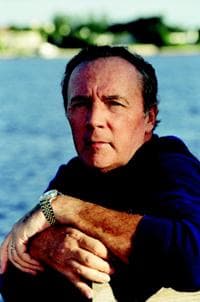
James Patterson is an American author known for his contributions to the thriller and fiction genres. His notable works include "Along Came a Spider," "Kiss the Girls," "1st to Die," "The Angel Experiment," "Suzanne's Diary for Nicholas," and "School's Out—Forever." Patterson has received multiple awards for his writing, including the Edgar Award.
Similar books
- Divergent
Veronica Roth
4.2 (2.9M) average on GoodreadsFantasyFeatures a strong female protagonist in a dystopian society with genetic manipulation themes.
- The Hunger Games
Suzanne Collins
4.3 (6.4M) average on GoodreadsFantasyYoung adult dystopian setting with high stakes, rebellion, and survival elements.
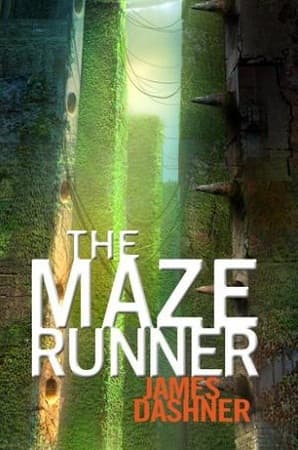
- The Maze Runner
James Dashner
4.0 (1.1M) average on GoodreadsFantasyGroup of genetically altered teens fighting for survival and uncovering a global conspiracy.
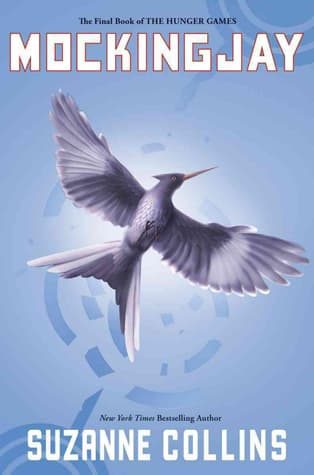
- Mockingjay
Suzanne Collins
4.0 (2.3M) average on GoodreadsFantasyCompared to Mockingjay, Maximum Ride Forever lacks the deep psychological exploration of war's toll and the nuanced portrayal of political manipulation. Collins provides a more profound and unsettling conclusion, making the characters' struggles and growth feel more earned.
- Allegiant
Veronica Roth
3.6 (827k) average on GoodreadsFantasyWhile also a series conclusion with its own criticisms, Allegiant offers a more intricate world-building and a deeper examination of genetic engineering and societal control, themes that Maximum Ride Forever only superficially addresses. Roth's characters exhibit greater internal conflict and growth, leading to more impactful narrative choices.
- Harry Potter and the Sorcerer's Stone
J.K. Rowling
4.5 (7M) average on GoodreadsFantasyRescued from a miserable life under the stairs, an orphaned boy discovers he's a wizard destined for a magical school, where he uncovers a dangerous secret tied to the dark wizard who murdered his parents.




Enjoyed the summary?
A summary gives you the shape of the book. The book itself has the detail, the examples and the voice.
Find Maximum Ride Forever on AmazonAs an Amazon Associate, BookBrief earns from qualifying purchases. How we're funded