

Synopsis
Covers the whole plot, including the ending.
- Difficulty
- Medium
- Pacing
- Moderate
- Mood
- Dark, Cynical, Despairing, Existential, Absurdist
- Read it if
- You appreciate dark, satirical critiques of modern alienation, existential despair, and the search for meaning in a godless world.
- Skip it if
- You prefer optimistic narratives, clear-cut resolutions, or lighthearted themes.
Miss Lonelyhearts Plot Summary
Covers the whole plot, including the ending.
The Burden of Miss Lonelyhearts
The unnamed protagonist, a young man working for a New York newspaper, has been assigned the advice column 'Miss Lonelyhearts.' He finds the job deeply disturbing, as the letters he receives detail endless human suffering, despair, and pain. His editor, Shrike, a brilliant but nihilistic intellectual, constantly mocks Miss Lonelyhearts's attempts to find genuine meaning or offer comfort, seeing all human effort as absurd. Shrike views the column as a cruel joke, yet insists Miss Lonelyhearts continue writing it, forcing him to confront the raw misery of his readers, which begins to erode his own spiritual and mental well-being.
Encounter with Betty
Miss Lonelyhearts visits his fiancée, Betty, at her apartment. Betty represents a desire for normalcy, simplicity, and escape from the overwhelming despair he encounters in his column. She is practical and suggests he quit the job, urging him to pursue a simpler life in the country. However, Miss Lonelyhearts finds it difficult to explain the deep spiritual crisis he is undergoing. He feels a growing inability to connect with her pragmatic worldview, and his attempts to express his feelings of being overwhelmed by the suffering he reads about are met with her well-meaning but ultimately uncomprehending concern. Their contrasting perspectives highlight his isolation.
Shrike's Mockery and Philosophical Diversions
Shrike often subjects Miss Lonelyhearts to elaborate, cynical parodies of various philosophical and religious systems, including Catholicism, Freudianism, and primitivism. He does this both in person and through letters, often dictating responses to Miss Lonelyhearts's column that are filled with ironic detachment and intellectual posturing. Shrike's goal seems to be to dismantle any sense of hope or meaning Miss Lonelyhearts might cling to, proving that all paths to comfort are ultimately useless. These intellectual attacks further confuse and distress Miss Lonelyhearts, who is earnestly searching for a genuine spiritual answer to the suffering he witnesses, rather than a clever philosophical evasion.
The Letter from Fay Doyle
Miss Lonelyhearts receives a particularly disturbing letter from Fay Doyle, a woman who details her husband Peter's impotence and her own resulting sexual frustration and despair. The letter, full of raw, almost grotesque imagery, deeply affects him. Feeling a desperate need to offer help, or perhaps to experience suffering firsthand, Miss Lonelyhearts decides to meet Fay. Their encounter is awkward and charged. Fay is a physically imposing, desperate woman, and her bluntness and the raw reality of her situation further immerse Miss Lonelyhearts in the very despair he is trying to address, blurring the lines between his role as an advice columnist and his personal life.
The Affair with Fay Doyle
Driven by a complex mix of pity, a desire to experience suffering, and a perverse sense of Christ-like empathy, Miss Lonelyhearts engages in a sexual encounter with Fay Doyle. The act itself lacks genuine intimacy or pleasure; instead, it is portrayed as a grotesque and desperate fusion of two damaged individuals. For Miss Lonelyhearts, it is an attempt to descend into the abjection he reads about, to truly 'feel' the pain of his correspondents. However, the experience leaves him feeling further alienated and disgusted, rather than enlightened or purified. It signifies a deeper descent into his own spiritual and psychological torment, failing to provide the redemptive suffering he unconsciously seeks.
The Doyle's Dinner Party
Miss Lonelyhearts, still involved with Fay, attends a dinner party at the Doyles' apartment. The evening is a study in domestic squalor and emotional violence. Peter Doyle, Fay's impotent husband, is a meek and pathetic figure, whose suffering Miss Lonelyhearts feels drawn to. Fay, in contrast, is domineering and coarse. The dinner is punctuated by their arguments, Peter's quiet despair, and Fay's attempts to provoke Miss Lonelyhearts. He observes their dysfunctional marriage up close, seeing the raw misery that fuels Fay's letters. The experience reinforces his growing conviction that genuine compassion requires him to directly engage with, and even absorb, the suffering of others.
Miss Lonelyhearts's Illness and Spiritual Crisis
The cumulative effect of the letters, his encounters with Fay and Peter Doyle, and Shrike's relentless cynicism pushes Miss Lonelyhearts to a breaking point. He falls physically ill, experiencing a feverish delirium. During this period, he undergoes a deep spiritual crisis, which he interprets as a form of religious awakening. He believes he has found the answer to human suffering in a radical form of Christ-like love and self-sacrifice. He envisions himself as a vessel for divine love, capable of healing the wounds of others by absorbing their pain. This newfound conviction is intense and all-consuming, bordering on delusion.
Reconciliation with Betty and Shrike's Betrayal
Feeling transformed by his spiritual awakening, Miss Lonelyhearts tries to reconcile with Betty, believing he can now offer her genuine love and a share in his revelation. He wants to marry her and live a simple, pure life. Betty, though still wary, is willing to try. However, their fragile peace is shattered when Shrike, out of spite or a desire to prove Miss Lonelyhearts's faith is a delusion, calls Betty and tells her about Miss Lonelyhearts's affair with Fay Doyle. This act of betrayal by Shrike highlights his destructive cynicism and further complicates Miss Lonelyhearts's attempts to achieve spiritual purity and human connection.
The Final Letter from Peter Doyle
Miss Lonelyhearts receives a letter from Peter Doyle. Peter, having learned of Fay's affair (likely from Shrike's meddling or his own suspicions), mistakenly believes Miss Lonelyhearts is his wife's lover. The letter expresses Peter's deep pain, confusion, and a desperate plea for Miss Lonelyhearts to meet him, not out of anger, but out of a profound need for understanding and perhaps even forgiveness. Peter, a physically disabled and emotionally broken man, represents the ultimate embodiment of the suffering Miss Lonelyhearts has been trying to address. This letter sets the stage for the tragic climax, as Miss Lonelyhearts feels compelled to respond to Peter's raw plea.
The Tragic Climax
Having embraced his role as a Christ-like figure, Miss Lonelyhearts believes he can heal Peter Doyle through an act of pure, selfless love. When Peter arrives at his apartment, carrying a loaded pistol (given to him by Fay for protection, though Miss Lonelyhearts is unaware), Miss Lonelyhearts, filled with his new spiritual fervor, rushes towards him with open arms, intending to embrace him in a gesture of divine compassion. Peter, startled and misinterpreting the sudden movement as an attack, instinctively pulls the trigger. Both men tumble down the stairs, and Miss Lonelyhearts is fatally shot. The ending is a tragic, ironic culmination of his misguided spiritual quest.
Miss Lonelyhearts Characters
Miss Lonelyhearts
Protagonist
A newspaper columnist tormented by the suffering of his readers.
An unnamed young man tasked with writing an advice column. Initially cynical, he becomes increasingly burdened by the raw human suffering revealed in the letters he receives. He grapples with a profound spiritual crisis, seeking meaning and solace in a world he perceives as devoid of both. He yearns to genuinely help his readers but is constantly undermined by his editor, Shrike, and his own inability to reconcile his intellectual understanding with his emotional and spiritual needs. He eventually descends into a messianic delusion, believing he can absorb and redeem the suffering of others through Christ-like love.
Relationships: Shrike (Editor and tormentor; Shrike relentlessly mocks Miss Lonelyhearts's search for meaning.); Betty (Fiancée; she represents a desire for normalcy and escape, but cannot comprehend his spiritual torment.); Fay Doyle (Correspondent and brief lover; their encounter is driven by a misguided sense of pity and a desire to experience suffering.); Peter Doyle (Correspondent and victim; Peter embodies the suffering Miss Lonelyhearts desperately tries to heal, leading to his demise.)
Shrike
Antagonist
Miss Lonelyhearts's nihilistic and intellectual editor.
Shrike is Miss Lonelyhearts's editor, a brilliant but utterly cynical intellectual who delights in mocking and dismantling any form of belief or hope. He is a master of parody, using his wit to expose what he sees as the futility of religion, philosophy, and human endeavor. Shrike represents the intellectual's escape from the pain of existence through ironic detachment and nihilism. He actively torments Miss Lonelyhearts, not out of malice, but to prove his own worldview that all attempts at finding meaning are ultimately absurd. His influence pushes Miss Lonelyhearts further into his spiritual crisis, denying him any intellectual or emotional refuge.
Relationships: Miss Lonelyhearts (Editor and intellectual tormentor; he constantly undermines Miss Lonelyhearts's attempts at meaning.); Mary Shrike (Wife; their marriage is marked by mutual disdain and infidelity.)
Betty
Supporting
Miss Lonelyhearts's practical and well-meaning fiancée.
Betty is Miss Lonelyhearts's fiancée, a sensible and practical woman who yearns for a simple, conventional life. She represents a potential escape from the grim reality of Miss Lonelyhearts's column and the intellectual cynicism of Shrike's world. Betty offers genuine affection and concern, but she is unable to comprehend the depth of Miss Lonelyhearts's spiritual torment. Her advice is always grounded in pragmatism – quit the job, move to the country – which clashes with his increasingly abstract and spiritual quest. She is a symbol of normalcy and stability, a stark contrast to the chaotic internal world of the protagonist, and ultimately cannot save him from his self-destructive path.
Relationships: Miss Lonelyhearts (Fiancée; she tries to offer him comfort and a normal life, but cannot understand his internal struggles.)
Fay Doyle
Supporting
A correspondent whose desperate letter leads to a disturbing affair.
Fay Doyle is one of Miss Lonelyhearts's most memorable correspondents. She writes a letter detailing her husband Peter's impotence and her own resulting sexual frustration and despair. Fay is portrayed as a large, physically imposing, and emotionally raw woman, whose bluntness and desperate sensuality both repulse and attract Miss Lonelyhearts. She represents the grotesque and unvarnished suffering that Miss Lonelyhearts encounters, a tangible manifestation of the pain he reads about. Their brief, unsettling affair is a misguided attempt by Miss Lonelyhearts to engage with suffering directly, blurring the lines between his role as an advice giver and his personal life, and ultimately contributing to his spiritual downfall.
Relationships: Miss Lonelyhearts (Correspondent and brief lover; their relationship is born of pity and desperation.); Peter Doyle (Husband; their marriage is marked by Peter's impotence and Fay's frustration.)
Peter Doyle
Supporting
Fay Doyle's impotent and physically disabled husband.
Peter Doyle is Fay's husband, a physically disabled and emotionally broken man. He is meek, pathetic, and a profound symbol of the victimized and suffering individuals who write to Miss Lonelyhearts. His impotence and general helplessness make him an object of both pity and a strange fascination for Miss Lonelyhearts, who sees in him the quintessential figure of human pain. Peter's final letter, written out of confusion and despair after learning of Fay's affair, directly precipitates the tragic climax of the novel. He is an innocent victim caught in the web of Miss Lonelyhearts's misguided spiritual quest and Fay's desperation, ultimately becoming the instrument of Miss Lonelyhearts's death.
Relationships: Miss Lonelyhearts (Correspondent and victim; his suffering becomes the focus of Miss Lonelyhearts's messianic drive.); Fay Doyle (Wife; their marriage is defined by his impotence and her resulting frustration.)
Mary Shrike
Supporting
Shrike's unfaithful and equally cynical wife.
Mary Shrike is Shrike's wife, a woman who shares his cynical worldview and engages in a mutually disdainful and unfaithful marriage. She often flirts with Miss Lonelyhearts, reflecting the general moral decay and spiritual emptiness that pervades their social circle. Mary serves as a mirror to Shrike's nihilism, demonstrating how intellectual detachment can lead to a lack of genuine connection and a life devoid of warmth or meaning. Her interactions with Miss Lonelyhearts are brief but serve to highlight the seductive yet ultimately destructive nature of the world Shrike inhabits, drawing Miss Lonelyhearts further from Betty's conventional stability.
Relationships: Shrike (Husband; their marriage is characterized by mutual infidelity and cynicism.); Miss Lonelyhearts (Brief flirtation; she attempts to seduce him, reflecting the moral ambiguity of their social circle.)
Desperate Reader Letters
Mentioned
The collective voice of human suffering that drives the plot.
Though not a single character, the letters sent to Miss Lonelyhearts are a crucial 'character' in the novel. They represent the collective, raw, and often grotesque suffering of humanity, ranging from physical deformities and poverty to sexual frustration and spiritual despair. These letters are the primary catalyst for Miss Lonelyhearts's spiritual crisis, immersing him in a world of unresolvable pain. They are unvarnished, often poorly written, and deeply personal, forcing the protagonist to confront the reality of human misery without the filter of intellectual abstraction. They are the constant, overwhelming force that pushes him towards his messianic delusion.
Relationships: Miss Lonelyhearts (Recipient; their suffering is the burden he carries.)
Miss Lonelyhearts Themes
The Futility of Seeking Meaning in a Meaningless World
The novel explores the difficulty, and ultimate failure, of finding genuine spiritual or intellectual meaning in a world perceived as absurd and without inherent purpose. Miss Lonelyhearts's earnest attempts to answer his readers' suffering through various ideologies – Christianity, Freudianism, primitivism – are constantly undermined by Shrike's cynical parodies and the overwhelming, unyielding nature of the suffering itself. His final, desperate embrace of a messianic complex is portrayed not as a triumph, but as a tragic delusion, suggesting that any grand solution to existential pain is ultimately useless and self-destructive. His death is the ultimate example of the impossibility of imposing meaning on a chaotic reality.
“Men have always hated the truth and that is why they have made religions and philosophies and sciences to make them think that they were not apes dreaming of paradise.”
The Nature of Suffering and Compassion
The novel presents suffering as an omnipresent and often grotesque force, depicted through the raw letters to Miss Lonelyhearts and his encounters with characters like Fay and Peter Doyle. It questions the effectiveness and nature of compassion. Miss Lonelyhearts's initial pity evolves into a desperate, almost perverse desire to experience and absorb suffering, believing it to be a path to redemption. However, his attempts at compassion are misguided and ultimately destructive, leading to his own demise. The novel suggests that genuine compassion is dangerous and that an overidentification with suffering can lead to madness and tragedy, rather than healing or salvation. The suffering itself remains unresolved.
“It is hard to laugh at the need for beauty and romance, no matter how tasteless the form may be. But it is easy to laugh at the need for strength and love.”
The Dehumanizing Effect of Modernity and Media
West criticizes the dehumanizing aspects of modern urban life and the media's role in it. The newspaper column 'Miss Lonelyhearts' itself is an instrument of this dehumanization; it treats suffering as a commodity, turning personal tragedies into entertainment or a source of cynical amusement for Shrike. The urban environment is depicted as alienating and isolating, contributing to the despair of the characters. Miss Lonelyhearts is trapped in a profession that forces him to confront endless misery without offering any real solution, highlighting how modern media can exploit human pain rather than alleviate it. The superficiality of the advice column contrasts sharply with the deep spiritual hunger it inadvertently exposes.
“He was a master of the journalism of pity.”
Religious Hypocrisy and Messianic Delusion
Religion, particularly Christianity, is a recurring idea, often presented through the lens of hypocrisy or as a source of misguided delusion. Shrike relentlessly parodies religious dogma, exposing its perceived absurdities and comforts as intellectual evasions. Miss Lonelyhearts, however, genuinely seeks spiritual answers, eventually embracing a distorted, self-sacrificial form of Christ-like love. His belief that he can heal others by absorbing their pain becomes a messianic delusion, leading him to a tragic end. The novel suggests that while the longing for spiritual salvation is deep, its manifestation in a world without clear meaning can lead to self-destruction rather than true redemption, blurring the lines between faith and madness.
“Christ was the only answer.”
Plot Devices & Literary Techniques
Epistolary Elements (Letters to Miss Lonelyhearts)
The agony column letters drive the plot and reveal human suffering.
The letters sent to 'Miss Lonelyhearts' are a central plot device. They serve as the primary catalyst for the protagonist's spiritual crisis, immersing him directly in the raw, unvarnished suffering of humanity. These letters provide the narrative's emotional core, depicting a range of physical, emotional, and spiritual pains. They are West's method of presenting the grotesque reality of human despair, often without filter or resolution, and they force Miss Lonelyhearts to confront the limits of his own capacity for empathy and his search for meaning. The letters are not just background; they are the engine of his internal and external conflict, directly influencing his actions and eventual demise.
Symbolism of Christ/Messiah Figure
Miss Lonelyhearts's identification with Christ as a suffering redeemer.
Miss Lonelyhearts increasingly identifies himself with a Christ-like figure, particularly in his desire to absorb and redeem human suffering. This symbolism is evident in his desire to 'take their pain,' his feverish spiritual awakening, and his final, fatal embrace of Peter Doyle. However, West subverts this traditional religious symbolism; Miss Lonelyhearts's messianic complex is presented as a delusion, leading to a grotesque and ironic death rather than a redemptive sacrifice. The device highlights the protagonist's spiritual desperation and critiques the simplistic application of religious archetypes to complex modern suffering, suggesting that such attempts can be profoundly misguided and tragic.
Grotesque Imagery and Surrealism
Distorted and exaggerated descriptions to convey psychological states.
West employs grotesque imagery and elements of surrealism to depict the psychological and spiritual decay of his characters and their environment. Descriptions of physical deformities, distorted bodies, and exaggerated emotional states in the letters and encounters (e.g., Fay Doyle's physicality, Miss Lonelyhearts's feverish visions) create a sense of unease and horror. This device serves to externalize the internal torment of Miss Lonelyhearts and to emphasize the absurd, often repulsive nature of the suffering he witnesses. It blurs the line between reality and hallucination, reflecting Miss Lonelyhearts's deteriorating mental state and the disorienting impact of his exposure to extreme human misery.
Shrike's Parodies and Intellectual Discourse
Shrike's cynical intellectual attacks on belief systems.
Shrike's elaborate parodies of various philosophical and religious systems (e.g., Catholicism, Freudianism, primitivism) serve as a crucial plot device. These intellectual assaults function as an antagonist force, constantly undermining Miss Lonelyhearts's earnest attempts to find meaning or offer solace. They highlight the intellectual's escape into cynicism and irony as a defense mechanism against suffering, and they challenge the validity of any grand narrative or belief system. Shrike's discourses are not mere comic relief; they are a direct attack on the protagonist's spiritual quest, illustrating the intellectual's capacity to dismantle hope and meaning, pushing Miss Lonelyhearts further into isolation and despair.
Miss Lonelyhearts Quotes
“Christ was the first Miss Lonelyhearts.”
“He was aware of something else besides the physical data. He knew that his glib cynicism was not the solution.”
“All he could do was to elaborate the physical details of his sickness.”
“The missive was a typical one. It was from a woman who wanted to know if she should marry a man who had only one leg.”
“He felt that he was a rock, a dead rock, and that there was nothing to do but wait for the slow process of disintegration.”
“Men have always fought for their women, and women have always fought for their men.”
“His world had been in pieces, and now it was whole again.”
“He could not believe in God and he could not believe in a man-made religion.”
“It is a big world, and it is full of big questions.”
“He was trying to give them something they could feel, something that they could hold in their hands.”
“He saw that he was an accomplice to the human comedy.”
“He had an erection and he was ashamed.”
“He wanted to escape from the room, from the city, from the earth.”
“He had been walking for a long time, and he was tired.”
“It was a big joke, but it was not funny.”
Quiz
10 questions on the plot and the characters. Each answer comes with a short explanation.
Question 1
What is Miss Lonelyhearts's actual job title at the newspaper, before he is assigned the advice column?
- Sports Reporter
- Financial Columnist
- General Reporter
- He is not explicitly stated to have a prior beat; he just takes over Miss Lonelyhearts.
Show answer
D. He is not explicitly stated to have a prior beat; he just takes over Miss Lonelyhearts. The novel does not specify Miss Lonelyhearts's prior beat; he simply inherits the advice column from the previous writer. His colleagues and editor, Shrike, are aware of his general reporting background, but no specific beat is mentioned.
Question 2
What is the name of Miss Lonelyhearts's cynical and intellectual editor?
- Doyle
- Shrike
- Willie
- Peter
Show answer
B. Shrike Shrike is the editor who constantly torments Miss Lonelyhearts with his nihilistic philosophy and parodies of religious and philosophical texts.
Question 3
What does Miss Lonelyhearts initially hope to achieve by taking the advice column, or at least what is his internal struggle related to it?
- To gain fame and a higher salary.
- To expose the hypocrisy of the newspaper industry.
- To find a way to genuinely help the suffering letter writers, despite his own despair.
- To use it as a stepping stone to become a foreign correspondent.
Show answer
C. To find a way to genuinely help the suffering letter writers, despite his own despair. Miss Lonelyhearts is deeply affected by the suffering expressed in the letters and struggles with the moral implications of his role, desiring to offer genuine solace rather than just platitudes, which leads to his internal crisis.
Question 4
Which of these literary or philosophical figures does Shrike NOT frequently parody or reference in his attempts to mock Miss Lonelyhearts?
- Dostoyevsky
- Jesus Christ
- Karl Marx
- Buddha
Show answer
C. Karl Marx Shrike parodies various religious and philosophical figures, including Christ, Buddha, and Dostoyevsky (often in relation to suffering and faith), to highlight the futility of Miss Lonelyhearts's attempts to find meaning. Marx is not a typical figure in Shrike's repertoire of mockery.
Question 5
What is the primary theme explored through the character of Miss Lonelyhearts and his interactions with the letters?
- The pursuit of the American Dream.
- The conflict between idealism and the harsh realities of modern life.
- The importance of journalistic integrity.
- The superficiality of romantic love.
Show answer
B. The conflict between idealism and the harsh realities of modern life. Miss Lonelyhearts embodies the struggle of an individual trying to maintain idealism and compassion in a world filled with suffering, cynicism, and the inability to offer genuine solutions.
Question 6
What is the nature of Miss Lonelyhearts's relationship with Betty?
- She is his estranged sister.
- She is his fiancée, representing a desire for normalcy and escape.
- She is a fellow journalist who shares his cynical views.
- She is one of the persistent letter writers seeking his advice.
Show answer
B. She is his fiancée, representing a desire for normalcy and escape. Betty is Miss Lonelyhearts's fiancée, and she often tries to pull him away from his morbid introspection and the despair of the letters, offering him a path to a more conventional and 'normal' life, which he simultaneously desires and resists.
Question 7
What is the ultimate fate of Miss Lonelyhearts at the end of the novel?
- He quits his job and moves to the countryside with Betty.
- He successfully transforms the column into a source of genuine spiritual guidance.
- He is accidentally shot and killed by Doyle, who mistakes him for a seducer of his wife.
- He succumbs to madness and is institutionalized.
Show answer
C. He is accidentally shot and killed by Doyle, who mistakes him for a seducer of his wife. In a climactic and tragic misunderstanding, Miss Lonelyhearts is shot by Peter Doyle, who, having been manipulated by Shrike and fueled by jealousy, believes Miss Lonelyhearts is trying to seduce his wife, Mrs. Doyle. Miss Lonelyhearts is attempting to embrace Doyle in a moment of perceived Christ-like love.
Question 8
How does the novel portray the concept of 'love' or 'compassion' in the context of Miss Lonelyhearts's attempts to help the letter writers?
- As a universally understood and easily applied solution to suffering.
- As a complex, often misunderstood force that can lead to both solace and destruction.
- As a purely intellectual exercise, devoid of genuine emotion.
- As a means for Miss Lonelyhearts to escape his own problems.
Show answer
B. As a complex, often misunderstood force that can lead to both solace and destruction. The novel portrays Miss Lonelyhearts's attempts at compassion as fraught with difficulty. His desire to love and help is genuine, but it often becomes distorted, misinterpreted, and ultimately leads to his demise, highlighting the destructive potential when such profound emotions clash with a cynical and desperate world.
Question 9
Which of the following best describes Shrike's primary function in the narrative?
- To offer Miss Lonelyhearts genuine, albeit harsh, advice.
- To represent the voice of reason and journalistic ethics.
- To embody cynical nihilism and relentlessly mock Miss Lonelyhearts's spiritual quest.
- To serve as a foil who eventually converts to Miss Lonelyhearts's perspective.
Show answer
C. To embody cynical nihilism and relentlessly mock Miss Lonelyhearts's spiritual quest. Shrike is the embodiment of intellectual cynicism and nihilism. He constantly undermines Miss Lonelyhearts's attempts to find meaning or solace, offering elaborate parodies of various philosophical and religious paths, thus exacerbating Miss Lonelyhearts's spiritual crisis.
Question 10
The letters Miss Lonelyhearts receives are characterized by what primary emotional state?
- Naive optimism and hope for simple solutions.
- Profound suffering, desperation, and often grotesque physical or emotional ailments.
- Mild inconveniences and requests for social etiquette advice.
- Angry denunciations of the newspaper and its policies.
Show answer
B. Profound suffering, desperation, and often grotesque physical or emotional ailments. The letters are a litany of human misery, detailing horrific physical deformities, sexual abuse, poverty, and existential despair, which deeply affect Miss Lonelyhearts and drive his crisis.
Miss Lonelyhearts FAQ
What is the central conflict Miss Lonelyhearts faces in the novel?
Miss Lonelyhearts, the protagonist, struggles with the moral dilemma of writing an advice column for the lovelorn while grappling with his own profound sense of meaninglessness and despair. He finds himself increasingly burdened by the suffering expressed in the letters, which challenges his detached, cynical persona and pushes him towards a desperate search for faith or redemption.
Who is Shrike, and what role does he play in Miss Lonelyhearts' life?
Shrike is Miss Lonelyhearts' cynical and intellectual editor, a nihilistic figure who constantly torments Miss Lonelyhearts with elaborate parodies of philosophical and religious ideas. He represents a powerful force of intellectual despair and mockery, undermining any nascent spiritual or humanitarian impulses Miss Lonelyhearts might develop, effectively trapping him in a cycle of futility.
How do the letters from the readers affect Miss Lonelyhearts?
The letters from his readers, filled with tales of poverty, illness, and unrequited love, deeply impact Miss Lonelyhearts, transforming his initial journalistic detachment into a personal identification with their suffering. He begins to internalize their pain, seeing it as a reflection of a universal human condition, which further isolates him and intensifies his existential crisis.
What is the significance of Betty, Miss Lonelyhearts' girlfriend?
Betty represents a brief, fleeting possibility of normalcy and escape for Miss Lonelyhearts, offering him a conventional life and simple affection. However, her pragmatic and somewhat superficial understanding of his anguish ultimately proves insufficient to alleviate his profound spiritual torment, highlighting the depth of his internal struggle.
What is the ultimate fate of Miss Lonelyhearts at the end of the novel?
Miss Lonelyhearts meets a tragic and ambiguous end, being accidentally shot by Peter Doyle, the disabled husband of one of his correspondents, after an attempt to embrace him in a moment of spiritual fervor. His death is a culmination of his failed attempts at redemption and his inability to reconcile his spiritual yearnings with the harsh realities of human suffering.
Are there any symbolic implications to Miss Lonelyhearts' name?
Miss Lonelyhearts' name is highly symbolic, representing his paradoxical role as a male advice columnist for 'lonely hearts' while simultaneously experiencing profound personal loneliness and detachment. The 'Miss' also adds a layer of emasculation or a blurring of traditional gender roles, perhaps hinting at his passive acceptance of suffering.
What is the role of the 'Christ-like' imagery associated with Miss Lonelyhearts?
West frequently employs Christ-like imagery, portraying Miss Lonelyhearts as a reluctant messiah figure who takes on the suffering of others, particularly when he attempts to 'heal' the afflicted or experiences moments of spiritual ecstasy. This imagery underscores his failed quest for redemption and satirizes the commercialization and distortion of religious faith in modern society.
How does the setting of the newspaper office contribute to the novel's themes?
The newspaper office, a place dedicated to mass communication and public information, becomes a symbol of modern alienation and the trivialization of human suffering. It is a sterile, cynical environment where genuine pain is commodified into sensational headlines or advice columns, further isolating Miss Lonelyhearts in his earnest but futile quest for meaning.
Is there a connection between Miss Lonelyhearts' physical illness and his mental state?
Miss Lonelyhearts frequently experiences physical ailments, such as a persistent fever and nausea, which are presented as psychosomatic manifestations of his overwhelming spiritual and emotional distress. His deteriorating physical health mirrors his internal decay and the increasing burden of the suffering he internalizes from his readers.
How does Miss Lonelyhearts' empathy evolve throughout the novel?
Initially, Miss Lonelyhearts approaches his column with a degree of detached cynicism, but as he reads more letters, his empathy deepens, evolving into a profound, almost pathological identification with the suffering. This intense empathy ultimately overwhelms him, transforming from a potential source of connection into a destructive force that consumes his sanity.
What psychological defense mechanisms does Shrike employ?
Shrike primarily employs intellectualization and cynicism as defense mechanisms, using his sharp wit and philosophical parodies to create a barrier against genuine emotion and meaning. He constantly mocks and dissects any attempts at sincerity or faith, protecting himself from vulnerability by reducing everything to an absurd intellectual game.
How does Miss Lonelyhearts' search for faith manifest psychologically?
Miss Lonelyhearts' search for faith manifests as a desperate, almost manic oscillation between intellectual despair and intense, often delusional, spiritual ecstasies. He craves a definitive answer or a transcendent experience to alleviate his suffering, but his attempts are often muddled by his cynicism and the overwhelming reality of human misery, leading to psychological breakdown.
What is the psychological impact of the 'dream' sequences Miss Lonelyhearts experiences?
Miss Lonelyhearts' dream sequences are vivid, often nightmarish representations of his subconscious anxieties and desires, reflecting his internal chaos and the grotesque nature of his world. They reveal his repressed fears, his longing for purity, and the disturbing imagery that permeates his waking life, blurring the line between reality and hallucination.
Is Miss Lonelyhearts a hero, an anti-hero, or a victim?
Miss Lonelyhearts can be interpreted as a tragic anti-hero and a victim. He is an anti-hero due to his flawed attempts at redemption and his inability to truly help others or himself. He is also a victim of his own profound sensitivity, the cynical society he inhabits, and the overwhelming weight of human suffering he internalizes, leading to his demise.
What is West's critique of religion and spirituality in the novel?
West critiques the commercialization and superficiality of modern religion, suggesting that traditional faith offers no real solace in a world rife with suffering and despair. He portrays Miss Lonelyhearts' attempts at spiritual awakening as desperate, often grotesque, and ultimately futile, implying that genuine meaning is elusive or perhaps nonexistent.
How does the novel explore the theme of alienation?
The novel deeply explores alienation through Miss Lonelyhearts' isolation from his colleagues, his girlfriend, and even his own sense of self. He feels disconnected from conventional society and struggles to find authentic connection, ultimately becoming alienated by his overwhelming empathy and his inability to reconcile his spiritual yearnings with a brutal reality.
What is the significance of the novel's abrupt and violent ending?
The abrupt and violent ending signifies the ultimate failure of Miss Lonelyhearts' quest for redemption and the harsh, senseless nature of the world West portrays. It underscores the futility of his spiritual aspirations and suggests that attempts to impose meaning or love onto a chaotic reality can lead to tragic and absurd consequences, leaving no clear resolution.
Can the novel be read as a satire?
Yes, 'Miss Lonelyhearts' can be read as a biting satire of modern society, particularly its empty promises of happiness, the commercialization of human emotion, and the intellectual pretensions of the cynical elite. West uses grotesque humor and exaggerated characters to expose the absurdity and despair lurking beneath the surface of urban life.
About the author
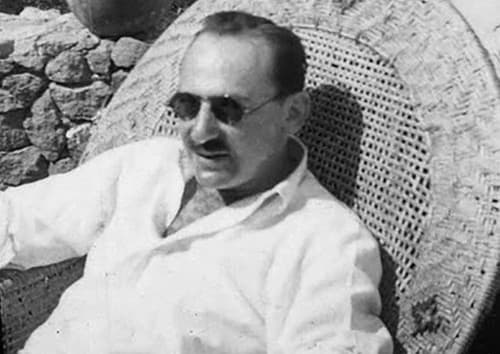
Nathanael West was an American writer and screenwriter. He is remembered for two darkly satirical novels: Miss Lonelyhearts (1933) and The Day of the Locust (1939), set respectively in the newspaper and Hollywood film industries.
Similar books
- The Stranger
Albert Camus
4.1 (3k) average on GoodreadsFantasyExplores themes of existentialism, absurdity, and alienation through a detached protagonist.
- Notes from Underground
Fyodor Dostoevsky
4.2 (84k) average on GoodreadsPsychologyFeatures a tormented, isolated protagonist grappling with philosophical and moral dilemmas.
- The Great Gatsby
F. Scott Fitzgerald
3.9 (3.8M) average on GoodreadsHistorical FictionBoth criticize the American dream, but Fitzgerald focuses on the illusions of wealth and social climbing, whereas West's critique is more visceral, targeting the spiritual and emotional bankruptcy of a society offering no genuine solace. Miss Lonelyhearts lacks the romanticism of Gatsby, presenting a stark, clinical dissection of everyday anguish rather than grand narratives of ambition.
- Nineteen Eighty-Four
George Orwell
4.2 (5.5M) average on GoodreadsFictionWinston Smith dreams of truth and rebellion in a world where Big Brother watches all, but he confronts the terrifying power of a regime that controls not just actions, but thoughts.
- The Frozen River
Ariel Lawhon
4.4 (600k) average on GoodreadsFictionIn 1789 Maine, a heroic midwife's diary helps her expose a murder and get justice in a town that wants to silence her.
- A Man Called Ove
Fredrik Backman
4.4 (569k) average on GoodreadsFictionA stubborn widower, who lives by strict rules, finds his quiet world changed by a lively new family next door, making him face his past and find happiness in human connection.






Enjoyed the summary?
A summary gives you the shape of the book. The book itself has the detail, the examples and the voice.
Find Miss Lonelyhearts on AmazonAs an Amazon Associate, BookBrief earns from qualifying purchases. How we're funded