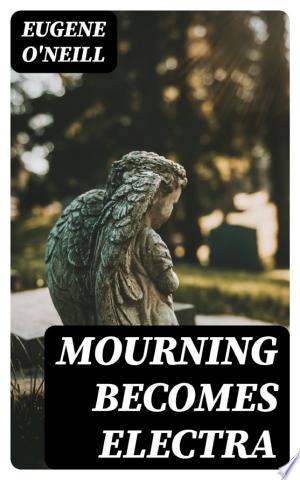

Estimated read time: 5 min read
One Sentence Summary
A turbulent and haunting family saga unfolds as the Mannon family grapples with love, guilt, and revenge in a post-Civil War New England.
Table of Contents
Introduction
In this book summary, we will delve into "Mourning Becomes Electra" by Eugene O'Neill. Originally published in 1931, this dramatic trilogy reinterprets themes from Greek mythology and explores the depths of the human psyche. Set in a small New England town after the American Civil War, the story follows the tragic lives of the Mannon family as they navigate a web of secrets, revenge, and guilt.
Brief Synopsis
"Mourning Becomes Electra" takes place in the fictional town of New London, Connecticut, sometime after the Civil War. The setting reflects a time of societal and political change, mirroring the fall of the Greek civilization. The trilogy consists of three plays: "Homecoming," "The Hunted," and "The Haunted."
Homecoming
The opening play, "Homecoming," introduces the Mannon family. Ezra Mannon, a prominent war general, returns home after a long absence. His wife, Christine, immediately reveals her infidelity with their long-time family friend, Adam Brant. Meanwhile, their daughter, Lavinia, suspects her mother's betrayal and harbors a deep resentment towards her.
Ezra's son, Orin, struggles with his father's return and his own inner turmoil. A chain of deceit, revenge, and guilt unfolds as the characters navigate their complex relationships. The play ends with Ezra's mysterious death and the revelation of his affair with a servant, Marie Brantôme.
The Hunted
"The Hunted" picks up after Ezra's death. Lavinia, still mourning her father's loss, becomes entangled in a passionate relationship with her late father's confidant, Peter Niles. However, Orin's increasing mental instability and his obsession with avenging his father's death complicates Lavinia and Peter's relationship.
Orin's descent into darkness is intensified when he discovers his mother's role in his father's death. Tormented by guilt and haunted by his past, Orin feels compelled to act. The play climaxes with Orin's suicidal confession and Lavinia's manipulation of Orin's confession to serve her own vengeful desires.
The Haunted
In the final play, "The Haunted," the mourning continues, but the focus shifts to the aftermath of Lavinia's actions. The characters are haunted by their own experiences and the sins of the past. Lavinia, consumed by guilt and her desire for retribution, drives herself and others to the brink of madness.
The trilogy concludes with Lavinia realizing the ultimate cost of revenge and the irreversible damage it has caused. Surrounded by death and destruction, the characters are left shattered, embodying the tragic elements of Greek mythology.
Main Characters
Here are the main characters in "Mourning Becomes Electra":
| Character | Description |
|---|---|
| Lavinia Mannon | The daughter of Christine and Ezra Mannon, she is a complex character driven by a thirst for revenge and consumed by guilt. |
| Christine Mannon | Ezra's wife and mother to Lavinia and Orin, she is manipulative and driven by her own desires, leading to destructive consequences. |
| Orin Mannon | The son of Christine and Ezra, Orin struggles with his mental stability and guilt, ultimately leading to tragedy. |
| Ezra Mannon | A war general and Lavinia and Orin's father, Ezra's death unravels the secrets and sins of the Mannon family. |
Themes and Insights
Guilt and Revenge
One of the central themes in "Mourning Becomes Electra" is the destructive nature of guilt and revenge. The characters' desire for retribution consumes them, leading them down a path of self-destruction and perpetuating a cycle of pain. O'Neill explores the consequences of holding onto the past and seeking vengeance, highlighting the relentless nature of guilt and revenge.
Family Dysfunction
The Mannon family's dysfunction is a recurring theme throughout the trilogy. Torn apart by secrets, lies, and betrayal, they are unable to escape the shadow of their past. The familial relationships are filled with tension, resentment, and manipulation, depicting the tragedy of a family unable to find reconciliation.
Fate and Destiny
Drawing inspiration from Greek mythology, O'Neill explores the concepts of fate and destiny in "Mourning Becomes Electra." The characters' actions seem predetermined, as if they are trapped in a tragic cycle that mirrors the Greek myths. O'Neill raises questions about the inevitability of their actions and whether they truly have control over their own destinies.
Reader's Takeaway
"Mourning Becomes Electra" is a gripping and intense exploration of the human condition. Through the lens of Greek tragedy, Eugene O'Neill delves into the depths of guilt, revenge, and family dysfunction. The trilogy captivates readers with its complex characters, thought-provoking themes, and poetic language. It serves as a reminder of the destructive power of the past and the consequences of seeking vengeance.
Conclusion
"Mourning Becomes Electra" is a powerful and haunting trilogy that delves into the depths of the human psyche. Eugene O'Neill masterfully weaves Greek mythology into a dark and tragic tale set in post-Civil War New England. The story of the Mannon family is one of guilt, revenge, and the tumultuous nature of familial relationships. Readers are left contemplating the consequences of holding onto the past and the destructive power of vengeance. As a timeless classic, "Mourning Becomes Electra" continues to captivate audiences with its exploration of the human condition.
Mourning Becomes Electra FAQ
What is the main theme of 'Mourning Becomes Electra'?
The main theme of 'Mourning Becomes Electra' is the cycle of betrayal, revenge, and redemption.
Who is the author of 'Mourning Becomes Electra'?
The author of 'Mourning Becomes Electra' is Eugene O'Neill.
What is the genre of 'Mourning Becomes Electra'?
The genre of 'Mourning Becomes Electra' is a trilogy of plays, specifically a modern American Greek tragedy.
How many plays are included in 'Mourning Becomes Electra'?
'Mourning Becomes Electra' consists of three plays: 'Homecoming,' 'The Hunted,' and 'The Haunted.'
What is the setting of 'Mourning Becomes Electra'?
The setting of 'Mourning Becomes Electra' is a fictional New England town called New London, during the American Civil War era.
Is 'Mourning Becomes Electra' based on any ancient Greek myth?
Yes, 'Mourning Becomes Electra' is based on the ancient Greek myth of Orestes, Agamemnon, and Clytemnestra.
Who are the main characters in 'Mourning Becomes Electra'?
The main characters in 'Mourning Becomes Electra' include Lavinia Mannon, Christine Mannon, Orin Mannon, and Captain Adam Brant.
What is the conflict in 'Mourning Becomes Electra'?
The primary conflict in 'Mourning Becomes Electra' revolves around the complex and destructive relationships within the Mannon family.
Is 'Mourning Becomes Electra' a tragic play?
Yes, 'Mourning Becomes Electra' is considered a tragic play due to its themes of fate, revenge, and the downfall of its characters.
What is the significance of the title 'Mourning Becomes Electra'?
The title 'Mourning Becomes Electra' refers to the transformation of Lavinia Mannon, the Electra figure, as she seeks revenge and changes throughout the play.