
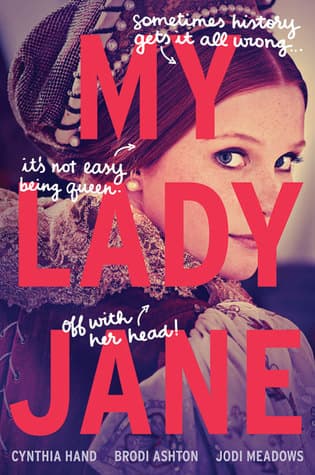
Synopsis
Covers the whole plot, including the ending.
- Difficulty
- Easy
- Pacing
- Moderate
- Mood
- Humorous, Whimsical, Romantic, Adventurous
- Read it if
- You love historical fiction with a magical twist, enjoy witty banter and quirky characters, and are looking for a lighthearted, romantic take on a tragic historical event.
- Skip it if
- You prefer historically accurate narratives without fantasy elements, dislike animal transformations, or are looking for a very serious and dramatic historical drama.
My Lady Jane Plot Summary
Covers the whole plot, including the ending.
A Dying King and an Unlikely Match
King Edward VI is gravely ill. Fearing his Catholic half-sister Mary will inherit the throne, he plots with his advisor, the Duke of Northumberland, to secure a Protestant succession. Their plan involves marrying Edward’s cousin, Lady Jane Grey, to Northumberland's son, Lord Gifford Dudley. Jane, who prefers books to social engagements, dislikes the idea of marriage, especially to a man she's never met. Meanwhile, Gifford, or G, is an Eðian, a person who transforms into an animal at dawn and back to human form at dusk. G transforms into a horse every day. He tries to keep this a secret from Jane, fearing her rejection. The kingdom is divided between Verities (humans) and Eðians. Eðians are often persecuted.
A Wedding and a Secret Revealed
Despite Jane's reluctance and G's anxiety about his secret, the wedding happens. Their initial interactions are awkward. G tries to avoid Jane in the mornings, and Jane finds him peculiar. One morning, Jane, wanting to understand her new husband's strange habits, follows him to the stables. There, she sees G transform from a horse back into a man at dusk. This reveals his Eðian nature to her. Jane is shocked but accepts G. They begin to form a real connection, bonding over their shared experiences of being different and misunderstood.
Edward's Desperate Plan and Sudden Demise
King Edward, growing weaker, finalizes his will. He disinherits his sisters Mary and Elizabeth, and names Lady Jane Grey as his successor to the throne. He believes this is the only way to protect England's Protestant future. Edward confides in his trusted friend, Barnaby, an Eðian who can transform into a dog, about his fears and hopes for Jane's reign. Shortly after signing the will, Edward dies. The Duke of Northumberland immediately proclaims Jane as Queen, starting a dangerous power struggle for the English crown.
Jane's Reluctant Ascension and Royal Life
After Edward's death, the Duke of Northumberland and other Privy Council members tell Jane she is the new Queen of England. Jane is horrified and initially refuses. She is overwhelmed by the responsibility and wants a simple life of books. However, under pressure and convinced it's Edward's dying wish and her duty, she reluctantly accepts the crown. She moves into the Tower of London with G and her family. She finds royal life stifling and political schemes daunting. She struggles to assert her authority and navigate the treacherous court.
Mary's Challenge and Rebellion
Princess Mary, hearing of Edward's death and Jane's proclamation, declares herself the rightful Queen. She gathers an army of Catholic supporters in Norfolk. She refuses to acknowledge Jane's legitimacy, viewing her as a usurper. The Duke of Northumberland, under pressure from the Privy Council and facing growing popular support for Mary, leads an army north to confront her. This leaves Jane, G, and the rest of the Dudley family vulnerable in the Tower of London. The city's loyalties are divided, and civil war looms.
A Plot Against Jane and G's Escape
While in the Tower, Jane overhears whispers of a plot by the Privy Council to depose her once Mary is defeated. They intend to install a more compliant ruler. Realizing the danger, Jane convinces G to escape the Tower. She believes he will be safer outside and can potentially rally support for her. G, with Barnaby, transforms into his horse form and slips past the guards. His escape is a desperate gamble, leaving Jane alone to face the increasingly hostile court and the approaching conflict.
Northumberland's Defeat and Jane's Imprisonment
The Duke of Northumberland's campaign against Mary fails. His troops desert him, and he is forced to retreat, ultimately being captured. With Northumberland's failure, support for Jane collapses. The Privy Council quickly switches allegiance to Mary, proclaiming her Queen. Jane, having reigned for only nine days, is arrested and imprisoned in the Queen's apartments within the Tower of London. She now awaits her fate at the hands of her cousin, Queen Mary I. Her dream of a quiet life with G seems irrevocably shattered.
G's Quest and a Hidden Truth
G, in his horse form, travels with Barnaby, seeking other Eðians for help. He meets with the 'Council of Eðians,' a secret group, hoping to find a way to save Jane. During his quest, G learns a truth: King Edward was not just dying of consumption. He was slowly poisoned by a faction within the court, possibly those who now support Mary, to remove him and clear the path for a Catholic monarch. This revelation adds conspiracy to the already complex political situation. It motivates G even more to save Jane and expose the truth.
Mary's Reign and the Threat of Execution
Queen Mary I makes her entry into London, welcomed by cheering crowds. She quickly consolidates her power, reversing Edward's Protestant reforms and reinstating Catholicism as the official religion. Jane, still imprisoned, faces charges of high treason for taking the throne. Despite Mary's initial reluctance to execute her young cousin, political pressure increases, especially after the Wyatt Rebellion, which tried to put Jane back on the throne. Jane and G are sentenced to death.
A Daring Rescue and a Kingdom Transformed
On the day of their scheduled execution, G, transformed into a horse, and accompanied by Barnaby and other Eðian allies, stages a daring rescue. They create a diversion, allowing Jane, her sister Katherine, and other key figures to escape. The chaos reveals the Eðian presence to the public, forcing a reckoning. Instead of a bloody execution, the events lead to a surprising resolution: Queen Mary, confronted by the truth of Edward's poisoning and the Eðian revelation, is persuaded to acknowledge Eðian rights and establish a more tolerant kingdom. Jane and G, now free, choose a life together, advocating for Eðian acceptance, and shaping a more peaceful and inclusive England.
Principal Figures
Lady Jane Grey
Protagonist
A bookish, intelligent young woman reluctantly thrust into the role of Queen.
Jane is an intelligent and studious young woman, far more interested in Greek texts and scholarly pursuits than courtly life or romance. She is initially portrayed as somewhat naive and sheltered, but her strong moral compass and inner strength emerge when she is forced to accept the crown. She is deeply loyal to Edward's memory and his Protestant ideals, which drives her reluctant acceptance of the throne. Her journey is one of self-discovery, learning to assert her own will and finding an unexpected love with G. She champions tolerance and understanding.
Relationships: Lord Gifford Dudley (G) (Husband, love interest, fellow Eðian advocate); King Edward VI (Cousin, close friend, named her successor); Queen Mary I (Cousin, political rival, eventual begrudging ally); Duke of Northumberland (Father-in-law, political manipulator)
Lord Gifford Dudley (G)
Protagonist
An Eðian nobleman who transforms into a horse, Jane's husband and protector.
Gifford, or G, is an Eðian who transforms into a chestnut horse every day at dawn and back to human at dusk. He is initially awkward and insecure about his Eðian nature, fearing rejection, especially from Jane. Despite his unusual condition, he is kind, loyal, and possesses a strong sense of honor. He deeply cares for Jane and becomes her steadfast protector and confidant. His journey involves accepting his Eðian identity and using his unique abilities to fight for justice and save those he loves. He is often underestimated due to his Eðian nature.
Relationships: Lady Jane Grey (Wife, love interest, partner in advocacy); Duke of Northumberland (Father, often disappointed by G's Eðian nature); Barnaby (Loyal Eðian companion (dog)); King Edward VI (Brother-in-law, initial political pawn)
King Edward VI
Supporting
The young, dying King of England who orchestrates Jane's succession.
Edward is a precocious and intelligent, but physically frail, sixteen-year-old king. He is deeply committed to the Protestant faith and fears for England's future under his Catholic half-sister Mary. Despite his youth, he is politically astute and manipulative, orchestrating Jane's marriage and succession to secure his legacy. He has a dry wit and a strong sense of duty. His illness and impending death drive much of the initial plot, and his decision to name Jane his successor sets the entire story in motion. He secretly harbors Eðian sympathies.
Relationships: Lady Jane Grey (Cousin, friend, chosen successor); Queen Mary I (Half-sister, political rival); Princess Elizabeth (Half-sister, political rival); Duke of Northumberland (Advisor, co-conspirator)
Queen Mary I
Antagonist
Edward's Catholic half-sister, who believes she is the rightful heir to the throne.
Mary is a devout Catholic and Edward's elder half-sister, who believes she is the rightful Queen of England. She is portrayed as determined, stubborn, and deeply devoted to her faith, which fuels her desire to restore Catholicism to England. She is initially presented as a rigid antagonist to Jane, but later in the story, her character is shown to have more complexity, particularly when confronted with the truth about Edward's poisoning and the Eðian plight. She is capable of both severity and, eventually, a surprising degree of mercy and understanding.
Relationships: King Edward VI (Half-brother, political rival); Lady Jane Grey (Cousin, political rival, initial prisoner); Princess Elizabeth (Half-sister, potential rival)
Duke of Northumberland
Antagonist
Gifford's ambitious father and Edward's manipulative chief advisor.
The Duke of Northumberland is a cunning and ambitious nobleman, serving as Edward's chief advisor. He is the mastermind behind the plan to place Jane on the throne, primarily to secure his family's power and influence and ensure a Protestant succession. He is a strict and often cruel father to G, disapproving of his Eðian nature. He is driven by political ambition and a desire for control, willing to manipulate others, including his own son and daughter-in-law, to achieve his goals. He is a primary force behind the persecution of Eðians.
Relationships: Lord Gifford Dudley (G) (Father, often critical and demanding); Lady Jane Grey (Daughter-in-law, political pawn); King Edward VI (Advisor, co-conspirator); Duchess of Northumberland (Wife, often exasperated by his schemes)
Princess Elizabeth
Supporting
Edward's other half-sister, a pragmatic and intelligent observer of court politics.
Elizabeth is Edward's younger half-sister, intelligent, witty, and a keen observer of court politics. She is pragmatic and careful, navigating the treacherous court with caution. While she is a Protestant, she wisely avoids taking a definitive stance in the succession crisis, preserving her own safety. She is less emotionally driven than Mary and more analytical. She is also an Eðian, secretly transforming into a fox, a secret she carefully guards. Her intelligence and ability to adapt make her a survivor in the tumultuous political landscape.
Relationships: King Edward VI (Half-brother); Queen Mary I (Half-sister); Barnaby (Fellow Eðian and confidante)
Barnaby
Supporting
Edward's loyal Eðian companion, who transforms into a dog.
Barnaby is an Eðian who transforms into a small, scruffy dog. He is fiercely loyal to King Edward and later to Jane and G. He provides comic relief with his dog-like antics but also serves as a crucial spy and messenger due to his ability to move unnoticed. He is a steadfast friend and companion, offering emotional support and practical help throughout their adventures. Barnaby embodies the often-hidden Eðian presence within society and highlights their capacity for loyalty and bravery. He is also a confidante for Edward and Elizabeth.
Relationships: King Edward VI (Confidante, friend, master); Lord Gifford Dudley (G) (Fellow Eðian, friend, companion on quests); Lady Jane Grey (Ally, friend); Princess Elizabeth (Fellow Eðian, confidante)
Katherine Grey
Supporting
Jane's younger sister, an Eðian who transforms into a badger.
Katherine is Jane's younger sister and also an Eðian, transforming into a badger. She is initially portrayed as a bit vain and focused on fashion, contrasting with Jane's studious nature. However, she is also loyal to her sister and, despite her Eðian secret, tries to fit into court life. She provides a different perspective on the Eðian experience, grappling with the social stigma more overtly than G. Her transformation into a badger is both a source of embarrassment and, eventually, a unique asset.
Relationships: Lady Jane Grey (Sister, confidante); Lord Guildford Dudley (Brother-in-law)
Duchess of Northumberland
Supporting
Gifford's mother, who often tries to soften her husband's harshness.
The Duchess of Northumberland is G's mother and the wife of the ambitious Duke. She is often exasperated by her husband's schemes and his harsh treatment of G. She is more pragmatic and less overtly cruel than her husband, often attempting to mediate or protect her children from his worst impulses. She represents a more humanizing element within the Dudley family, though she is still bound by the political ambitions of her husband. She provides some support and understanding to Jane.
Relationships: Lord Gifford Dudley (G) (Mother, protective); Duke of Northumberland (Husband, often at odds with his ambition); Lady Jane Grey (Daughter-in-law)
Themes & Insights
Identity and Self-Acceptance
Identity is central, especially for Eðian characters like G and Elizabeth. G first struggles with shame and secrecy about transforming into a horse daily. He fears rejection from Jane and society. His journey involves accepting his unique nature, which becomes a strength. Jane's identity also changes from a bookish scholar to a reluctant queen. This forces her to confront who she is and what she stands for beyond her personal desires. The book explores how external pressures and internal beliefs shape one's sense of self.
“Perhaps I was meant to be a horse. Perhaps that is my true self, and this human form is merely a temporary affliction.”
Prejudice and Tolerance
The novel addresses prejudice through the persecution of Eðians. Many Verities (humans) view them with suspicion, fear, and hatred. Eðians must live in secrecy, facing possible execution if discovered. The story shows the absurdity and cruelty of judging individuals based on a characteristic they cannot control. Jane and G's love story, built on acceptance despite G's Eðian nature, is a symbol of tolerance. The ultimate resolution, where Eðian rights are recognized, shows the importance of overcoming prejudice for a just society.
“Fear makes people do terrible things, Jane. But sometimes, it's just plain ignorance.”
Duty Versus Desire
This theme is clear in Lady Jane Grey's story. Jane wants a quiet life of scholarship, but she is made Queen because of Edward's will and the Duke of Northumberland's political schemes. She struggles with the burden of duty, sacrificing her personal desires for what she believes is good for England and Edward's legacy. Her internal conflict shows the tension between individual aspirations and the demands placed upon one by family, religion, or country. G also faces this, as his duty to Jane often conflicts with his desire for a simpler, less dangerous life.
“I never asked for this crown. I never wanted it. All I ever wanted was my books and a quiet life.”
Political Intrigue and Power Struggles
Set in Tudor England, the novel is full of political maneuvering, conspiracies, and battles for power. King Edward, the Duke of Northumberland, and Queen Mary all struggle for the throne and England's religious future. The plot to place Jane on the throne, Mary's rebellion, and the hidden schemes within the Privy Council all show the dangerous nature of court politics. Characters are used as pawns, alliances shift, and betrayal is a constant threat. This demonstrates how power corrupts and influences decisions.
“The crown is a heavy burden, cousin. And many will seek to take it from you.”
Love and Acceptance
At its heart, 'My Lady Jane' is a love story between Jane and G. It is built on mutual acceptance and understanding, not initial attraction or political convenience. Jane's immediate acceptance of G's Eðian nature, despite societal prejudice, forms their bond. Their relationship grows from awkwardness to deep affection as they navigate shared dangers and support each other. This theme goes beyond romantic love to self-acceptance and acceptance of others, regardless of differences. It shows the power of genuine connection in a divided world.
“It doesn't matter what you are, G. Only who you are.”
Plot Devices & Literary Techniques
Eðian Transformations
A magical ability where individuals transform into animals at specific times.
The Eðian transformations are the central magical element of the story. Characters like G (horse), Elizabeth (fox), Katherine (badger), and Barnaby (dog) daily transform into animals and back to human form. This device serves multiple purposes: it introduces the fantasy element, creates unique plot challenges (e.g., G's attempts to hide his horse form), and is the primary vehicle for exploring themes of identity, prejudice, and acceptance. It also provides practical advantages for the characters, such as spying or escaping unnoticed, driving key plot points like G's escape from the Tower.
Historical Revisionism/Alternate History
Reimagining actual historical events with fantastical and comedic elements.
The novel takes the well-known historical events of Lady Jane Grey's nine-day reign and King Edward VI's death, but infuses them with fantasy, humor, and a significantly altered outcome. While retaining major historical figures and key plot points (Edward's death, Jane's marriage, Mary's ascension), the introduction of Eðians and a more benevolent resolution fundamentally changes the historical narrative. This device allows the authors to explore themes relevant to modern audiences while still engaging with the historical context, offering a 'what if' scenario that diverges from the tragic historical reality.
Third-Person Omniscient (with authorial intrusion)
A narrative voice that knows everything and frequently comments directly to the reader.
The story is told by an omniscient narrator who not only knows the thoughts and feelings of all characters but also frequently breaks the fourth wall to address the reader directly. This device adds a strong comedic tone, providing witty commentary, historical asides, and foreshadowing, often with a sarcastic or self-aware voice. It helps to lighten the serious historical subject matter and provides a unique, engaging perspective on the events, making the reader feel like an accomplice or confidante in the unfolding drama. This narrative style is a hallmark of the book's humor.
The King's Will
A legal document that dictates the succession, sparking the central conflict.
King Edward VI's will, disinheriting his half-sisters Mary and Elizabeth and naming Lady Jane Grey as his successor, is the primary catalyst for the entire plot. This document, both a historical fact and a central plot device, sets in motion the succession crisis, Jane's reluctant ascension, Mary's rebellion, and the subsequent power struggles. It represents Edward's desperate attempt to control the future of England from beyond the grave, but also becomes a legal justification for the actions of characters like Northumberland and a symbol of the political maneuvering surrounding the crown.
My Lady Jane Quotes
“I am not a pawn. I am a queen.”
“History is written by the survivors, but it's lived by the fools.”
“Love is not a weakness. It is a strength that can change the world.”
“Sometimes the most dangerous thing you can do is tell the truth.”
“I'd rather be a bird than a queen, if it means I can fly free.”
“Magic is not about power; it's about understanding.”
“In a world of wolves, be a fox.”
“The heart is a stubborn thing. It beats even when it's broken.”
“We are all stories in the end. Make yours a good one.”
“Fear is a cage. Courage is the key.”
“A crown is heavy, but a conscience is heavier.”
“Sometimes the best way to win a war is to avoid it altogether.”
“You don't need magic to be extraordinary. You just need to be yourself.”
“The past is a ghost. The future is a dream. All we have is now.”
Quiz
10 questions on the plot and the characters. Each answer comes with a short explanation.
Question 1
What is the primary reason Edward arranges for Jane to marry Gifford?
- To unite two powerful noble families
- To secure the line of succession for the throne
- To punish Jane for reading too many books
- To help Gifford overcome his Eðian condition
Show answer
B. To secure the line of succession for the throne Edward is dying at age sixteen and needs to ensure the kingdom's stability by arranging a marriage that will produce heirs to inherit the crown, making Jane's marriage to Gifford a political move for succession.
Question 2
What unusual ability do Eðians possess in this book?
- They can read minds
- They can transform into animals at specific times
- They are immortal
- They can control the weather
Show answer
B. They can transform into animals at specific times Eðians are humans who can shapeshift into specific animals. Gifford transforms into a horse every day at dawn and returns to human form at dusk, which is central to the story's fantasy elements.
Question 3
What is Jane's primary interest or passion, as described in the book summary?
- Horse riding
- Political conspiracy
- Reading books
- Romantic pursuits
Show answer
C. Reading books Jane is characterized as someone who 'reads too many books' and is more interested in literature than in romance or politics, which influences her reactions to the arranged marriage and conspiracy.
Question 4
At what times does Gifford transform between human and horse forms?
- At midnight and noon
- Randomly throughout the day
- At dawn and dusk
- Only during full moons
Show answer
C. At dawn and dusk Gifford's transformation is tied to the sun: he becomes a horse at dawn and wakes as a human at dusk with 'a mouthful of hay,' creating daily challenges for his dignity and interactions.
Question 5
Why is Edward's impending death particularly inconvenient for him personally?
- He hasn't finished writing his memoirs
- He'd rather be planning for his first kiss than dealing with succession
- He fears being remembered as a weak king
- He wants to travel the world before dying
Show answer
B. He'd rather be planning for his first kiss than dealing with succession Edward is only sixteen and more concerned with typical teenage experiences like romance ('planning for his first kiss') than with royal duties, highlighting the contrast between his youth and the heavy responsibilities of kingship.
Question 6
What major threat do Edward, Jane, and Gifford face as the plot develops?
- A plague sweeping the kingdom
- An invasion by foreign armies
- A dangerous conspiracy that puts the kingdom at stake
- A magical curse affecting all Eðians
Show answer
C. A dangerous conspiracy that puts the kingdom at stake The summary states they are 'drawn into a dangerous conspiracy' with 'the fate of the kingdom at stake,' forcing them to engage in their own scheming to avoid execution ('off with their heads').
Question 7
How does Gifford likely feel about his daily transformations, based on the description 'It's all very undignified'?
- Proud and powerful
- Indifferent and accepting
- Embarrassed and frustrated
- Joyful and free
Show answer
C. Embarrassed and frustrated The phrase 'undignified' suggests Gifford finds his horse transformations embarrassing or beneath his noble status, especially waking with 'a mouthful of hay,' which adds humor and character depth to his Eðian condition.
Question 8
What is a key theme suggested by the contrast between Edward's desire for a first kiss and his duty to arrange a marriage for succession?
- The corruption of absolute power
- The conflict between personal desires and public responsibilities
- The importance of literacy and education
- The supernatural vs. the natural world
Show answer
B. The conflict between personal desires and public responsibilities Edward's youthful longing for romance clashes with his royal obligation to secure the throne through Jane's marriage, illustrating a common theme in historical and young adult fiction about balancing individual wants with societal duties.
Question 9
In what way does Jane's bookish nature potentially help or hinder her in the conspiracy plot?
- It makes her overly trusting and naive
- It provides knowledge and strategies from her readings
- It causes her to avoid real-world problems entirely
- It leads her to misinterpret the conspiracy as fiction
Show answer
B. It provides knowledge and strategies from her readings Jane's extensive reading likely equips her with insights from history, literature, or tactics that could be valuable in navigating the political intrigue, turning her 'bookish' trait from a quirk into a practical asset in the dangerous situation.
Question 10
Considering the historical context of Tudor England blended with fantasy, what might the Eðians metaphorically represent in the story?
- The peasant class rebelling against nobility
- Religious minorities persecuted during the Reformation
- Individuals with hidden identities or societal secrets
- Magical creatures from folklore invading England
Show answer
C. Individuals with hidden identities or societal secrets Eðians like Gifford, who live dual lives as humans and animals, can symbolize people who conceal parts of themselves (e.g., due to stigma or danger), reflecting themes of identity and secrecy in a court full of conspiracies and political maneuvering.
My Lady Jane FAQ
What is 'My Lady Jane' about?
'My Lady Jane' is a comedic fantasy retelling of the tragic story of Lady Jane Grey, the 'Nine Days' Queen' of England. In this version, King Edward VI is dying and arranges a marriage between his bookish cousin Jane and Gifford Dudley, an Eðian who transforms into a horse every day. The trio becomes embroiled in a conspiracy involving political intrigue, magical creatures called Eðians, and a fight to save the kingdom from those who would oppress shape-shifters.
Why should I read 'My Lady Jane'?
You should read 'My Lady Jane' if you enjoy witty, anachronistic humor blended with historical fantasy. The book subverts the grim fate of its historical figures with a lighthearted, romantic adventure full of clever wordplay, endearing characters, and a unique magical system where people transform into animals (Eðians). It's perfect for readers who like their history with a generous dose of fun and fantasy.
What is the background/setting of 'My Lady Jane'?
The story is set in an alternate 16th-century England where some people, known as Eðians, can transform into animals. This magical element is woven into the historical context of the Tudor succession crisis after King Edward VI's illness. The setting includes royal courts, country estates, and a society divided between those who accept Eðians and those, like the villainous Lord Dudley, who seek to eradicate them.
What are the most memorable quotes?
Memorable quotes include Jane's witty lines like 'I'd rather read a book' when faced with romance, and Gifford's humorous lament about his equine transformations: 'It's all very undignified.' The narrative also features playful meta-commentary, such as when the authors break the fourth wall to reassure readers that this version has a happier ending than history.
What writing style does the author use?
The authors employ a lively, humorous, and anachronistic writing style, blending modern sensibilities with historical settings. The tone is irreverent and witty, often breaking the fourth wall with asides to the reader. The prose is fast-paced, filled with puns and playful dialogue, making the serious historical backdrop feel fresh and entertaining.
What minor details add significant meaning?
Minor details like Jane's constant reading symbolize her desire for control and knowledge in a world where she's often powerless. Gifford's preference for being called 'G' hints at his struggle with identity between his human and horse forms. Edward's focus on his first kiss, rather than his reign, underscores his youth and the personal sacrifices forced upon him by duty.
What are some subtle foreshadowing moments?
Early mentions of Edward's illness foreshadow the succession crisis that drives the plot. Gifford's awkwardness around Jane hints at his deeper feelings that later blossom into romance. References to anti-Eðian sentiments by characters like Lord Dudley foreshadow the conspiracy against magical beings that the heroes must confront.
What unexpected character connections exist?
Unexpected connections include Jane and Gifford's arranged marriage evolving into a genuine partnership, and Edward's role as a mediator between them despite his own dire circumstances. The revelation that other characters are also Eðians, such as those in the resistance, creates a network of allies that Jane and Gifford must rely on to thwart the conspiracy.
What are unspoken character motivations?
Jane is motivated by a deep-seated fear of losing autonomy, which she masks with bookish detachment. Gifford's horse transformations make him feel inadequate, driving his initial reluctance to embrace his role. Edward's desire for a normal life and first kiss hides his anxiety about his legacy and the pressure to secure the throne before his death.
What psychological complexities do characters exhibit?
Jane exhibits complexity through her intellectual arrogance masking vulnerability, while Gifford struggles with self-worth due to his Eðian nature, feeling like a 'monster.' Edward shows the burden of kingship on a teenager, balancing duty with personal desires. These layers make their growth—such as Jane learning to trust others and Gifford accepting his dual identity—emotionally resonant.
What are the major emotional turning points?
Major emotional turning points include Jane and Gifford's awkward wedding, which forces them to confront their differences; Edward's worsening health, which heightens the stakes; and the moment Jane and Gifford realize their mutual affection during the conspiracy. The climax, where they work together to expose the plot, solidifies their bond and sense of purpose.
How do relationship dynamics evolve?
Jane and Gifford's relationship evolves from reluctant spouses to allies and then romantic partners as they learn to appreciate each other's strengths—her intelligence and his loyalty. Edward's friendship with both deepens as they unite against common enemies. The dynamics shift from individual concerns to a collective fight for justice and acceptance of Eðians.
Which parts remain ambiguous or open-ended?
The book leaves some ambiguity around the full extent of Eðian abilities and the long-term political changes in England after the conspiracy is thwarted. The fate of minor antagonists is not fully resolved, and the everyday implications of a society with shape-shifters are hinted at but not explored in depth, leaving room for reader imagination.
What are controversial scenes or decisions?
Controversial elements include the lighthearted treatment of historical tragedies, which some readers might find irreverent. Edward's decision to arrange Jane's marriage without her consent raises issues of agency, though the story subverts this by making Jane an active participant later. The portrayal of Eðians as oppressed minorities can spark debate on allegories for discrimination.
'My Lady Jane' ending explained: how it ends & what it means
The ending sees Jane, Gifford, and Edward successfully exposing the conspiracy against Eðians, leading to a happier outcome than history: Edward survives longer, Jane avoids execution, and she and Gifford rule together, promoting tolerance. This conclusion emphasizes themes of love, acceptance, and rewriting fate, offering a hopeful message about challenging oppression and embracing one's true self.
Similar books
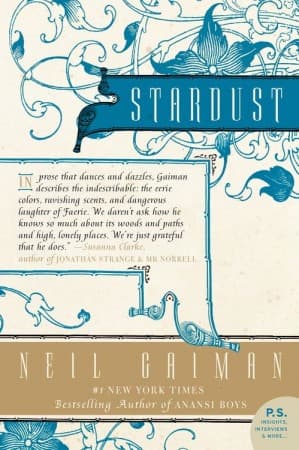
- Stardust
Neil Gaiman
4.1 (359k) average on GoodreadsFantasyBlends historical fantasy with romance and a whimsical, adventurous plot.
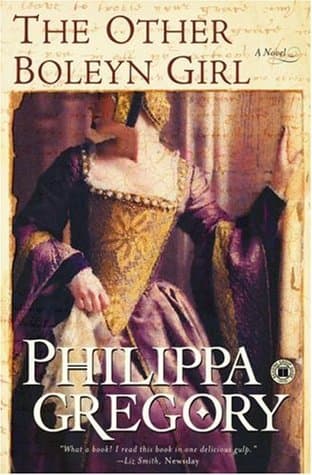
- The Other Boleyn Girl
Philippa Gregory
4.1 (456k) average on GoodreadsHistorical Fiction"My Lady Jane" differs from Gregory's work by embracing overt fantasy and anachronistic humor, whereas Gregory focuses on psychological realism and historical detail within a more traditional, non-magical historical fiction framework. While both explore Tudor history, Gregory's approach is more serious and grounded, aiming for historical immersion, while Hand's is whimsical and subversive.
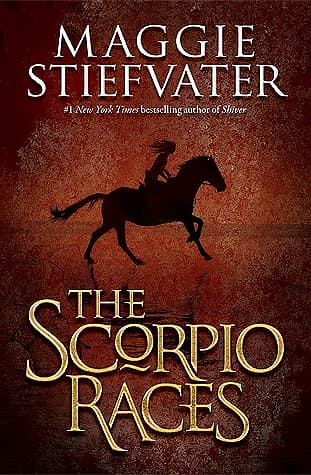
- The Scorpio Races
Maggie Stiefvater
4.1 (98k) average on GoodreadsFantasyWhile both books incorporate fantastical elements into their narratives, "My Lady Jane" is significantly more lighthearted and comedic, using its magic to subvert historical expectations. Stiefvater's "The Scorpio Races" integrates folklore and myth into a contemporary setting with a more serious, atmospheric, and often melancholic tone, focusing on character-driven emotional depth rather than historical reimagining.
- Harry Potter and the Sorcerer's Stone
J.K. Rowling
4.5 (7M) average on GoodreadsFantasyRescued from a miserable life under the stairs, an orphaned boy discovers he's a wizard destined for a magical school, where he uncovers a dangerous secret tied to the dark wizard who murdered his parents.
- The Hunger Games
Suzanne Collins
4.3 (6.4M) average on GoodreadsFantasyIn a future where children fight to the death on live television, Katniss Everdeen volunteers for the arena, turning a death sentence into a fight for survival and a spark of rebellion.
- 1984
George Orwell
4.2 (3.1M) average on GoodreadsPoliticsIn a future where surveillance and thought control are absolute, a man's search for truth clashes with the Party, showing that hope can be a form of rebellion.



Enjoyed the summary?
A summary gives you the shape of the book. The book itself has the detail, the examples and the voice.
Find My Lady Jane on AmazonAs an Amazon Associate, BookBrief earns from qualifying purchases. How we're funded