

Synopsis
Covers the whole plot, including the ending.
- Difficulty
- Medium
- Pacing
- Moderate
- Mood
- Heartbreaking, Thought-provoking, Emotional, Intense
- Read it if
- You enjoy emotionally charged family dramas that explore complex ethical dilemmas, medical ethics, and the sacrifices made for love.
- Skip it if
- You prefer lighthearted stories, are sensitive to medical themes, or dislike stories with tragic endings.
My Sister's Keeper Plot Summary
Covers the whole plot, including the ending.
Anna Sues for Medical Emancipation
The story begins with Anna Fitzgerald, age thirteen, at attorney Campbell Alexander's office. She says she wants to sue her parents, Sara and Brian, for medical emancipation. Her older sister, Kate, has had acute promyelocytic leukemia since she was young. Anna was conceived through genetic selection to be a perfect donor match for Kate. All her life, Anna has given bone marrow, cord blood, and other biological materials to keep Kate alive. Now, Kate's kidneys are failing, and Anna is expected to donate one of hers. Anna's decision to sue shocks the Fitzgerald family, threatening to break them apart as they deal with the ethical and emotional effects of her choice. The story is told through the changing first-person views of various family members and Campbell Alexander.
The Family's History of Sacrifice and Hope
Through Sara's view, the reader learns about Kate's diagnosis at age two and the years of hard treatments, hospital stays, and emotional pain it caused. After trying everything else and facing Kate's coming death, Sara and Brian made the difficult choice to conceive Anna as a 'savior sibling' using IVF and genetic screening to ensure a perfect match. Sara, a former lawyer, quit her job to be Kate's main caregiver, dedicating her life to keeping her daughter alive. Brian, a firefighter, tries to keep things normal for his family, especially their older son, Jesse, who often feels ignored because of the constant focus on Kate's health.
Jesse's Rebellion and Alienation
Jesse, the often-forgotten middle child, shows his frustration and anger through rebellious acts, including arson and drug use. He feels invisible and resents the constant attention Kate's illness needs, and the fact that Anna was born specifically for Kate. His story shows deep pain and a desperate need for attention, often through destructive behavior. He struggles with the moral questions of Anna's existence and the sacrifices she has been forced to make, believing the family has lost its way in their desperate fight against Kate's disease. His relationship with his parents is tense, and he often communicates through silence or cynical remarks.
The Courtroom Battle Begins
The court case starts, with Julia Romano, Campbell Alexander's former lover, representing Sara and Brian. The proceedings are very emotional, as both sides present their arguments. Sara strongly defends her right to make medical decisions for her minor child, saying Anna's donation is needed for Kate to live and that Anna, as a minor, cannot fully understand what refusing means. Campbell argues for Anna's bodily freedom, pointing out the years of procedures Anna has endured and the possible psychological and physical harm of another major surgery. The courtroom becomes a public stage for the family's private pain, making them speak their deepest fears and reasons.
Kate's Perspective: A Life Defined by Illness
Through flashbacks from Kate's view, the reader experiences the physical and emotional toll of her leukemia. She tells of the endless treatments, the pain, hair loss, and isolation from a normal childhood. Kate is very aware of her family's sacrifices, especially Anna's, and feels great guilt. She often wishes the suffering would end, feeling like a burden. Her chapters show her love for her family but also a growing tiredness and a desire for control over her own life and death. She confides in Jesse, and her quiet acceptance contrasts with Sara's fierce will to keep her alive.
Campbell's Secrets and Julia's Conflict
Campbell Alexander, Anna's lawyer, has unexplained seizures, which he tries to hide from everyone, including Julia. His past relationship with Julia Romano, the opposing lawyer, comes up, adding a personal element to the professional conflict. Their history, marked by a tragic event and unresolved feelings, complicates the legal process. Julia struggles with her loyalty to her clients and her lingering affection and concern for Campbell. Campbell's determination to help Anna seems to come from more than just legal principles, hinting at his own personal struggles and a desire for justice or redemption.
Anna's True Motivation Revealed
In a key moment during a private session with the judge, Anna finally reveals the real reason for her lawsuit: Kate's idea. Kate, tired of fighting and suffering, wants to die peacefully and asked Anna to refuse the kidney donation. She feels great guilt over the burden she has placed on her family, especially Anna, and wants to free them from the endless cycle of treatments and false hope. This revelation shatters the family's understanding of the situation, especially Sara's, who has been solely focused on Kate's survival. The lawsuit is not about Anna wanting to be free of Kate, but about her love for Kate and her wish to honor her sister's final request.
The Judge's Decision and its Aftermath
The judge, after hearing Anna's testimony and considering the emotional and ethical issues, rules for Anna, granting her medical emancipation. This means Anna cannot be forced to donate her kidney to Kate. This decision creates a big change in the Fitzgerald family. Sara, devastated, at first struggles to accept the outcome, her life's purpose having been only to save Kate. Brian, Jesse, and even Kate herself find some peace and acceptance. Kate, now free from the expectation of endless treatment, begins to plan for her remaining time, including a final visit to the beach with her family.
The Tragic Accident
Right after the judge's ruling, as Anna is being driven home by Campbell Alexander, their car is in a bad accident. Anna gets a traumatic brain injury and is taken to the hospital. The family, still recovering from the court's decision, faces another crisis. The timing of the accident is tragic, as Anna had just won her bodily freedom, only to lose it to fate. The accident leaves Anna in critical condition, and the family faces another difficult decision, one that will connect back to Kate in an unforeseen and heartbreaking way.
Anna's Final Gift and Kate's End
Anna is declared brain dead. In a final, sad twist, Campbell tells the Fitzgeralds that Anna had registered as an organ donor. Despite the earlier court ruling, Anna's kidney is now available. Sara and Brian, heartbroken but understanding, agree to the donation. Anna's kidney is transplanted into Kate. However, despite the successful transplant, Kate's body, weakened by years of illness, dies shortly after. The family is left to mourn both daughters, forever changed by the impossible choices they faced and the love and sacrifice that defined their lives.
Principal Figures
Anna Fitzgerald
Protagonist
Thirteen-year-old 'savior sibling' who sues her parents for medical emancipation.
Anna was conceived via PGD to be a perfect genetic match for her older sister, Kate, who has leukemia. From birth, her body has been used to provide various biological materials for Kate, including cord blood, bone marrow, and blood transfusions. Despite this, she loves her sister deeply. Her decision to sue her parents for medical emancipation, refusing to donate a kidney, appears to be an act of rebellion but is ultimately revealed to be an act of profound love and respect for Kate's wishes. She is quiet, thoughtful, and carries the weight of her unique existence.
Relationships: Kate Fitzgerald (Sister, donor recipient); Sara Fitzgerald (Mother, defendant in lawsuit); Brian Fitzgerald (Father, defendant in lawsuit); Jesse Fitzgerald (Brother); Campbell Alexander (Lawyer)
Kate Fitzgerald
Major Supporting Character
The elder sister suffering from acute promyelocytic leukemia, for whom Anna was conceived.
Kate has battled leukemia since she was two years old, enduring countless treatments, hospitalizations, and physical suffering. She is acutely aware of the sacrifices her family, especially Anna, has made for her. Despite her illness, she is intelligent, artistic, and possesses a quiet strength. Over time, she grows weary of the constant fight and the burden she places on her family. Her ultimate wish is to die with dignity, free from further suffering, and she instigates Anna's lawsuit to achieve this.
Relationships: Anna Fitzgerald (Sister, donor); Sara Fitzgerald (Mother, devoted caregiver); Brian Fitzgerald (Father); Jesse Fitzgerald (Brother, confidant)
Sara Fitzgerald
Protagonist/Antagonist
Anna and Kate's mother, a former lawyer, fiercely determined to save Kate at all costs.
Sara is the matriarch of the Fitzgerald family, a former lawyer who quit her career to become Kate's full-time caregiver. Her entire life revolves around keeping Kate alive, a mission she pursues with relentless determination, often at the expense of her other children and her marriage. She believes in doing whatever it takes to save her daughter, including conceiving Anna as a 'savior sibling.' She is initially furious and bewildered by Anna's lawsuit, viewing it as a betrayal and a threat to Kate's life. Her perspective often highlights the moral ambiguities of her choices.
Relationships: Anna Fitzgerald (Daughter, plaintiff in lawsuit); Kate Fitzgerald (Daughter, patient); Brian Fitzgerald (Husband); Jesse Fitzgerald (Son); Julia Romano (Lawyer)
Brian Fitzgerald
Supporting Character
Anna and Kate's father, a firefighter who struggles to balance family needs and provide stability.
Brian is a firefighter who often feels caught between Sara's fierce determination to save Kate and the needs of his other children. He is a more grounded and empathetic parent than Sara, often trying to provide a sense of normalcy and understanding, particularly for Jesse and Anna. He struggles with the ethical implications of Anna's existence and the toll it takes on his family. His love for his daughters is evident, but he is less dogmatic than Sara, often seeking compromise and understanding.
Relationships: Anna Fitzgerald (Daughter); Kate Fitzgerald (Daughter); Sara Fitzgerald (Wife); Jesse Fitzgerald (Son)
Jesse Fitzgerald
Supporting Character
The eldest Fitzgerald child, often overlooked and rebellious, struggling with the family's focus on Kate.
Jesse is the eldest child, and his perspective reveals the emotional neglect and resentment he feels due to the family's overwhelming focus on Kate's illness. He acts out through arson, drug use, and a cynical demeanor, but beneath his tough exterior lies a deep love for his sisters and a profound sense of loneliness. He understands Kate's desire to end her suffering better than his parents and serves as a confidant to both Kate and Anna at different times. He often feels like an outsider in his own family.
Relationships: Anna Fitzgerald (Sister); Kate Fitzgerald (Sister, confidant); Sara Fitzgerald (Mother); Brian Fitzgerald (Father)
Campbell Alexander
Supporting Character
Anna's lawyer, known for his eccentricities and a mysterious medical condition.
Campbell is a successful but unconventional lawyer who takes on Anna's case pro bono. He has a service dog, Judge, and suffers from a mysterious seizure disorder that he tries to keep hidden. He is cynical and guarded, but beneath his tough exterior, he has a strong sense of justice and empathy. His past relationship with Julia Romano, the opposing counsel, adds a layer of personal complexity to the legal battle. He is instrumental in helping Anna articulate her wishes and navigate the legal system.
Relationships: Anna Fitzgerald (Client); Julia Romano (Opposing counsel, former lover); Judge (Service dog)
Julia Romano
Supporting Character
The guardian ad litem appointed to represent Anna's parents, and Campbell Alexander's former lover.
Julia is a successful lawyer appointed as the guardian ad litem for the Fitzgerald parents, meaning she represents the best interests of the family unit, which often aligns with Sara's desire to save Kate. She is intelligent and compassionate but struggles with the emotional weight of the case, especially as it involves her former boyfriend, Campbell Alexander. Their past relationship, marked by a tragic accident that left Campbell with his condition, adds personal tension to the courtroom proceedings. She is torn between her professional duties and her lingering feelings for Campbell.
Relationships: Campbell Alexander (Opposing counsel, former lover); Sara Fitzgerald (Client); Brian Fitzgerald (Client)
Judge DeSalvo
Supporting Character
The judge presiding over Anna's medical emancipation case.
Judge DeSalvo is the fair and thoughtful judge who presides over Anna's highly unusual and emotionally charged case. He is tasked with navigating the complex ethical and legal issues surrounding a minor's right to bodily autonomy versus parental rights and the right to life. He listens carefully to all testimonies and strives to make a just decision, recognizing the profound human element involved. His role is crucial in giving Anna a voice and ultimately in validating her choices.
Themes & Insights
Bodily Autonomy vs. Parental Rights
This is the main ethical problem of the novel. Anna, a minor, challenges her parents' right to make medical decisions for her, specifically about organ donation. The book looks at how much parents can control their children's bodies, especially when that control helps another child. Sara believes she has the right, even the duty, to make Anna save Kate, while Anna, with Campbell's support, argues for her own right to decide what happens to her body. The court case makes the family and the legal system confront the limits of these rights.
“My body, my life, my choice. I don't want to be a donor anymore.”
The Ethics of 'Savior Siblings'
The novel directly addresses the practice of conceiving a child through preimplantation genetic diagnosis (PGD) specifically to be a donor for an existing sick child. Anna's existence is defined by her role as Kate's possible savior, raising questions about her identity separate from her sister's needs, and the possible psychological burden placed on such a child. The book makes readers consider if it is morally right to create a life for a specific purpose, and the long-term effects for everyone involved.
“I was a designer baby, but not the kind with the perfect genes. I was designed to be broken, so Kate could be fixed.”
Love, Sacrifice, and Guilt
The Fitzgerald family is connected by an intense, often overwhelming, love. Sara's love for Kate makes her take extreme measures, demanding great sacrifice from Anna and straining her marriage and Jesse. Kate, in turn, feels great guilt over the burden her illness places on her family, especially Anna, leading her to ask to be allowed to die. Every character deals with what love means when facing suffering and the guilt tied to their choices or desires, showing the complex and sometimes destructive nature of family devotion.
“I was always waiting for Kate to die. And then I would be free.”
Identity and Self-Worth
Each Fitzgerald child struggles with their identity. Anna's identity is tied to Kate's illness; she constantly questions who she is without being Kate's donor. Jesse feels ignored and invisible, defining himself through rebellion. Kate's identity is taken over by her disease, making her question her worth beyond her medical needs. The lawsuit, while seemingly about a kidney, is about Anna's search for an independent identity and the family's struggle to see each child as an individual rather than in relation to Kate's illness.
“For so long, I have been defined by my sister. But I am not my sister. I am me.”
Grief and Acceptance
The novel is full of themes of grief, both expected and actual. Sara struggles to accept Kate's inevitable death, extending her suffering and the family's pain. Kate herself, however, accepts her situation and wants peace. The family's journey through the court case makes them face the reality of Kate's prognosis and the limits of medical help. Ultimately, the tragic loss of both daughters makes the remaining family members deal with deep grief and find a way to accept their changed lives and the complex legacy of their choices.
“Sometimes, the best way to love someone is to let them go.”
Plot Devices & Literary Techniques
Multiple First-Person Perspectives
The story is told through rotating first-person viewpoints of key family members and Campbell Alexander.
This device allows the reader to deeply understand the motivations, fears, and internal conflicts of each character: Anna, Kate, Sara, Brian, Jesse, and Campbell. It highlights the subjective nature of truth and morality, as each character's narrative reveals their unique perspective on the ethical dilemmas and emotional turmoil facing the family. This structure prevents the reader from siding entirely with one character, fostering empathy for all sides of the complex argument and demonstrating how deeply intertwined their lives are, even when in conflict.
Flashbacks
Interspersed chapters recount past events, particularly Kate's illness and Anna's early life.
Flashbacks are crucial for providing context to the present-day lawsuit. They illustrate the long history of Kate's illness, the emotional toll on the family, and the desperate circumstances that led to Anna's conception. These glimpses into the past reveal the depth of Sara's devotion, Kate's suffering, and the sacrifices Anna has already made, allowing the reader to understand the immense pressure and history weighing on the family as they face the court case.
The Lawsuit as a Catalyst
The legal battle forces the family to confront their deepest secrets and desires.
Anna's lawsuit serves as the primary plot device driving the narrative. It is not just a legal conflict but a catalyst that forces the Fitzgerald family to articulate their unspoken resentments, fears, and truths. The courtroom setting acts as a confessional, where the characters are compelled to reveal their inner lives and motivations, bringing to light the moral and emotional complexities that have simmered beneath the surface for years. It unearths Kate's true desire and ultimately reshapes the family's future.
Ironic Twist of Fate
Anna's tragic death allows her to fulfill her donor role posthumously.
The unexpected car accident and Anna's subsequent brain death, immediately after winning her medical emancipation, is a significant plot device. It introduces a cruel irony, as Anna, having fought for control over her body, loses that control to fate. This twist allows her to become a donor to Kate anyway, fulfilling her original purpose in the most tragic and unexpected way. This device heightens the sense of tragedy and emphasizes the unpredictable nature of life and death, ultimately bringing the family's struggle to a heartbreaking, yet conclusive, end.
My Sister's Keeper Quotes
“You don't love someone because they're perfect, you love them in spite of the fact that they're not.”
“Maybe who we are isn't so much about what we do, but rather what we're capable of when we least expect it.”
“In the English language there are orphans and widows, but there is no word for the parents who lose a child.”
“Sometimes to get what you want the most, you have to do what you want the least.”
“Fire and water. So opposite, yet each can put the other out.”
“I was born for a very specific purpose. I was born because a scientist managed to hook up my mother's eggs and my father's sperm to create a specific combination of precious genetic material.”
“There is always going to be bad stuff out there. But here's the amazing thing—light trumps darkness, every time.”
“You can't exist in this world without leaving a piece of yourself behind.”
“I wonder... if you can love someone too much.”
“It is the things you cannot see coming that are strong enough to kill you.”
“I have spent my life trying to keep my sister alive, and now I'm trying to let her go.”
“The human capacity for burden is like bamboo—far more flexible than you'd ever believe at first glance.”
“What is right isn't always popular, and what is popular isn't always right.”
“There are some things we do because we convince ourselves it would be unthinkable not to do them.”
“You can't change the past, but you can ruin the present by worrying about the future.”
Quiz
10 questions on the plot and the characters. Each answer comes with a short explanation.
Question 1
What medical condition does Kate Fitzgerald suffer from in 'My Sister's Keeper'?
- Cystic fibrosis
- Leukemia
- Sickle cell anemia
- Hodgkin's lymphoma
Show answer
B. Leukemia Kate has acute promyelocytic leukemia (APL), a type of leukemia that has plagued her since childhood and drives the central conflict of the novel.
Question 2
Why was Anna Fitzgerald conceived, according to the book's premise?
- To provide emotional support for Kate
- To be a bone marrow match for her sister Kate
- To replace Kate if she passed away
- To fulfill her parents' desire for another child
Show answer
B. To be a bone marrow match for her sister Kate Anna was conceived through preimplantation genetic diagnosis specifically to be a genetic match for Kate, serving as a donor for bone marrow and other medical procedures to treat Kate's leukemia.
Question 3
What legal action does thirteen-year-old Anna take that sets the main plot in motion?
- She files for emancipation from her parents
- She sues her parents for medical emancipation
- She reports her parents to child protective services
- She petitions to become Kate's legal guardian
Show answer
B. She sues her parents for medical emancipation Anna hires lawyer Campbell Alexander to sue her parents for medical emancipation—the right to make her own medical decisions—specifically to avoid being forced to donate a kidney to Kate.
Question 4
Who is Campbell Alexander in relation to Anna's lawsuit?
- The family's pediatrician
- A court-appointed guardian ad litem
- Anna's court-appointed lawyer
- A family friend mediating the conflict
Show answer
C. Anna's court-appointed lawyer Campbell Alexander is the lawyer Anna hires to represent her in the lawsuit against her parents for medical emancipation, and he becomes a key figure in the legal and emotional drama.
Question 5
What is the name of Anna and Kate's older brother, who often feels overlooked in the family?
- Brian
- Jesse
- Michael
- David
Show answer
B. Jesse Jesse is the older brother who struggles with feelings of neglect as his parents focus intensely on Kate's illness and Anna's role as a donor, leading him to act out through rebellious behavior.
Question 6
Which character serves as the court-appointed guardian ad litem for Anna during the lawsuit?
- Judge DeSalvo
- Julia Romano
- Sara Fitzgerald
- Campbell Alexander
Show answer
B. Julia Romano Julia Romano is appointed as Anna's guardian ad litem to represent her best interests in court, and her investigation into the family dynamics reveals complex emotional layers.
Question 7
What is a central ethical issue raised by Anna's conception and role in the family?
- The ethics of homeschooling for sick children
- The morality of using one child as a means to save another
- The legality of experimental cancer treatments
- The fairness of inheritance laws in medical cases
Show answer
B. The morality of using one child as a means to save another The novel explores whether it is ethical to conceive a child specifically to serve as a medical donor for a sibling, questioning the boundaries of parental rights and individual autonomy.
Question 8
How does the book's narrative structure contribute to its storytelling?
- It is told solely from Anna's first-person perspective
- It uses alternating first-person chapters from multiple characters
- It is written as a series of letters between family members
- It follows a strict chronological order without flashbacks
Show answer
B. It uses alternating first-person chapters from multiple characters The story unfolds through alternating first-person chapters from Anna, Kate, Jesse, Sara, Brian, Campbell, and Julia, providing multifaceted insights into the family's struggles and perspectives.
Question 9
What shocking revelation does Anna make near the end of the novel regarding her lawsuit?
- That she never intended to win the case
- That Kate asked her to file the lawsuit
- That she is actually Kate's twin sister
- That she plans to donate her kidney after all
Show answer
B. That Kate asked her to file the lawsuit Anna reveals that Kate secretly asked her to sue for medical emancipation because Kate was tired of fighting her illness and did not want Anna to donate a kidney, adding a tragic twist to Anna's motivations.
Question 10
What tragic event occurs shortly after Anna wins her lawsuit?
- Anna dies in a car accident
- Kate makes a miraculous recovery
- Sara and Brian divorce
- Jesse runs away from home permanently
Show answer
A. Anna dies in a car accident In a devastating turn, Anna is fatally injured in a car accident after the trial, and her organs—including her kidney—are donated to save Kate, fulfilling her original purpose in an ironic and heartbreaking way.
My Sister's Keeper FAQ
What is 'My Sister's Keeper' about?
The novel follows thirteen-year-old Anna Fitzgerald, who was genetically engineered to be a perfect medical donor for her older sister Kate, who has acute promyelocytic leukemia. When Anna files a lawsuit for medical emancipation to stop being forced to donate a kidney to Kate, it triggers a family crisis that explores medical ethics, family loyalty, and personal identity.
Why should I read 'My Sister's Keeper'?
The book presents a compelling ethical dilemma about bodily autonomy versus family obligation through multiple character perspectives. It raises profound questions about medical ethics, parental rights, and what it means to be an individual when your existence serves another person's survival.
What is the background/setting of 'My Sister's Keeper'?
The story takes place in contemporary Rhode Island, primarily in hospital settings and the Fitzgerald family home. The medical backdrop of Kate's lifelong battle with leukemia shapes every aspect of the family's life, from Anna's conception through genetic screening to the constant medical interventions that define their relationships.
What are the most memorable quotes from 'My Sister's Keeper'?
Key quotes include Anna's reflection 'I was born for a very specific purpose. I was born because a scientist managed to hook up my mother's egg and my father's sperm and create a specific combination of precious genetic material' and Sara's desperate admission 'You don't love someone because they're perfect. You love them in spite of the fact that they're not.'
What writing style does Jodi Picoult use in this novel?
Picoult employs a multi-perspective narrative, with chapters alternating between Anna, her mother Sara, father Brian, brother Jesse, lawyer Campbell, and guardian ad litem Julia. This rotating viewpoint allows readers to understand each character's motivations and moral reasoning, creating a complex ethical tapestry rather than a simple right/wrong dichotomy.
What minor details add significant meaning to the story?
Anna's firefighter father Brian teaches her to 'make a wish' on the star Sirius, which becomes symbolic of her desire for independence. The recurring imagery of fire and rescue operations parallels the family's constant medical emergencies, while Anna's collection of hospital bracelets represents her lost childhood and medicalized identity.
What are some subtle foreshadowing moments in the novel?
Early mentions of Kate's deteriorating health despite treatments hint at the inevitable outcome. Anna's repeated hospitalizations and her mother Sara's single-minded focus on saving Kate foreshadow the tragic twist where Kate dies anyway, making Anna's sacrifice ultimately unnecessary for long-term survival.
What unexpected character connections exist in the story?
Anna's lawyer Campbell Alexander and her court-appointed guardian Julia Romano were former lovers who reconnect during the case. This subplot mirrors the main theme of unexpected connections and second chances, while also providing emotional depth to the legal proceedings surrounding Anna's emancipation.
What are the unspoken character motivations in the Fitzgerald family?
Sara's relentless pursuit of treatments for Kate stems from guilt over possibly causing the leukemia through pesticide exposure during pregnancy. Jesse's delinquent behavior masks his feelings of neglect as the 'healthy' sibling who receives little attention. Brian's emotional distance reflects his helplessness as a rescuer who cannot save his own daughter.
What psychological complexities do the main characters exhibit?
Anna struggles with identity formation while being treated as a medical resource rather than a person. Sara experiences caregiver burnout and moral injury from repeatedly subjecting one daughter to pain to save another. Kate battles survivor's guilt and depression, wondering if her family would be happier if she died.
What are the major emotional turning points in the novel?
Key turning points include Anna secretly meeting with lawyer Campbell to file her lawsuit, Sara discovering the legal papers and feeling betrayed, the courtroom revelation that Kate asked Anna to sue so she could die peacefully, and the final car accident that kills Anna while sparing Kate temporarily.
How do the relationship dynamics evolve between the characters?
Anna and Kate's relationship shifts from donor-recipient to conspirators when Kate confesses she wants to stop treatment. Sara and Brian's marriage fractures under the strain of conflicting approaches to their daughters' needs. The lawsuit forces each family member to confront their roles and assumptions about love and obligation.
Which parts of the story remain ambiguous or open-ended?
The novel leaves ambiguous whether Anna would have changed her mind about donating if she knew Kate would die soon anyway. It also doesn't fully resolve how the family reconciles after both sisters' deaths, or whether the parents' decision to conceive a 'designer baby' was ultimately justified or ethical.
What are the most controversial scenes or decisions in the book?
The most controversial elements include Sara and Brian's decision to genetically engineer Anna as a donor, Anna's lawsuit against her parents for bodily autonomy, and the twist ending where Anna dies in a car accident while Kate survives temporarily with Anna's organs—raising questions about whether any character 'wins' in this ethical dilemma.
How does 'My Sister's Keeper' end and what does it mean?
In the shocking conclusion, Anna wins her lawsuit but dies in a car accident on the way to celebrate. Her organs are donated to Kate, who lives a few more years before succumbing to leukemia. The ending suggests that despite legal victories, fate and biology ultimately control outcomes, and that love sometimes requires letting go rather than fighting endlessly.
What ethical issues does the novel raise about medical technology?
The story questions the morality of creating 'savior siblings' through genetic selection, the limits of parental authority over children's bodies, and whether endless medical intervention constitutes true care or merely prolongs suffering. It particularly challenges the idea that biological capability (Anna being a match) creates moral obligation to donate.
How does the novel handle the theme of identity versus duty?
Through Anna's journey, the book explores whether a person conceived for a specific purpose can claim an identity separate from that function. Each family member grapples with conflicting duties: to save Kate, to protect Anna, to maintain family unity, and to honor individual autonomy, revealing how these obligations often contradict one another.
What role does the legal system play in the family's conflict?
The lawsuit forces the private family struggle into public scrutiny, requiring each character to legally justify their emotional positions. The court becomes a space where love is quantified and rights are prioritized, highlighting how legal frameworks often simplify complex human relationships into binary decisions.
How does the book portray the experience of chronic illness in a family?
Picoult shows how Kate's leukemia consumes all family resources—emotional, financial, and temporal—leaving other members like Jesse to act out for attention. The constant medical crises create a 'new normal' where emergency becomes routine, and individual needs are consistently subordinated to the patient's survival.
What symbolic elements reinforce the novel's themes?
Fire imagery represents both destruction (Kate's illness) and rescue (Brian's profession). Hospital settings symbolize the medicalization of family life. The repeated motif of stars and wishes contrasts childhood innocence with the harsh reality of genetic destiny. These symbols underscore the tension between hope and acceptance throughout the narrative.
About the author
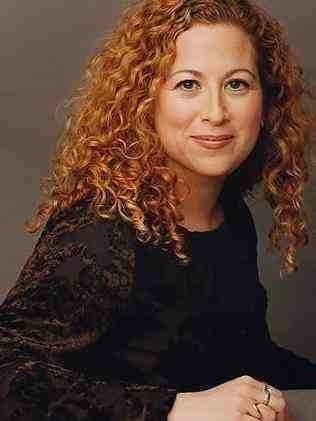
Jodi Picoult is an American author known for her thought-provoking fiction that often explores complex moral dilemmas. Her notable works include My Sister's Keeper, Nineteen Minutes, Small Great Things, Plain Truth, Leaving Time, and The Tenth Circle. Picoult's writing frequently delves into themes of family, justice, and the human experience.
Similar books
- The Pact
Jodi Picoult
3.9 (23k) average on GoodreadsRomanceExplores complex family dynamics and moral dilemmas with a focus on legal and ethical issues.
- Room
Emma Donoghue
4.1 (714k) average on GoodreadsThrillerFocuses on a child's perspective in an unusual and challenging family situation, exploring themes of identity and survival.
- Harry Potter and the Sorcerer's Stone
J.K. Rowling
4.5 (7M) average on GoodreadsFantasyRescued from a miserable life under the stairs, an orphaned boy discovers he's a wizard destined for a magical school, where he uncovers a dangerous secret tied to the dark wizard who murdered his parents.
- The Hunger Games
Suzanne Collins
4.3 (6.4M) average on GoodreadsFantasyIn a future where children fight to the death on live television, Katniss Everdeen volunteers for the arena, turning a death sentence into a fight for survival and a spark of rebellion.
- To Kill a Mockingbird
Harper Lee
4.3 (4.5M) average on GoodreadsHistorical FictionIn the 1930s Jim Crow South, Harper Lee writes about racial injustice, moral growth, and the quiet courage of a lawyer father, Atticus Finch, as seen through his young daughter's eyes.
- The Fault in Our Stars
John Green
4.2 (3.6M) average on GoodreadsYoung AdultA girl with a terminal illness finds her story rewritten when a charming boy with a similar past enters her life at a cancer support group, leading to a star-crossed romance.






Enjoyed the summary?
A summary gives you the shape of the book. The book itself has the detail, the examples and the voice.
Find My Sister's Keeper on AmazonAs an Amazon Associate, BookBrief earns from qualifying purchases. How we're funded