
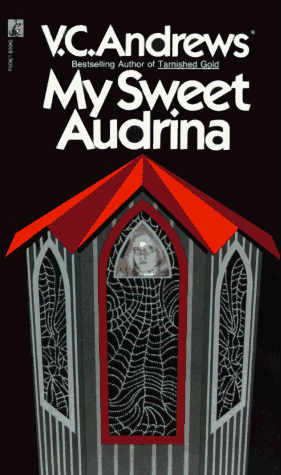
Synopsis
Covers the whole plot, including the ending.
- Difficulty
- Medium
- Pacing
- Moderate
- Mood
- Dark, Haunting, Suspenseful, Melancholy, Psychological
- Read it if
- You enjoy gothic family sagas with psychological twists, themes of identity, and a strong sense of atmospheric dread. Perfect for fans of V.C. Andrews' signature style of dark secrets and manipulative families.
- Skip it if
- You dislike books with themes of trauma, gaslighting, and potentially unsettling family dynamics. The narrative can feel repetitive and the pacing is often focused on internal turmoil.
My Sweet Audrina Plot Summary
Covers the whole plot, including the ending.
The White Room and the Lost Past
Audrina Adare lives in a stark white room in her family's opulent, isolated mansion, Whitefern. She has severe amnesia, unable to recall anything before the age of eight. Her stern father, Damian, insists on a strict, sheltered upbringing, constantly comparing her to her deceased older sister, Audrina, who was supposedly perfect and died tragically. Audrina's mother, Ellsbeth, is fragile and often unresponsive, lost in her own grief. Vera, Damian's sister, is a harsh, resentful presence in the house, constantly reminding Audrina of her shortcomings. Audrina wants to remember her past, believing it holds the key to her father's love and her own identity, but her family offers only evasion and silence.
Arden and the Seeds of Doubt
Audrina's cousin, Arden, a rebellious young man, frequently visits Whitefern. He is the only person who treats Audrina with genuine affection and offers glimpses into a world beyond her sheltered existence. Arden encourages Audrina to question her family's narrative and hints at the sinister circumstances surrounding the first Audrina's death. He challenges Damian's oppressive control and Ellsbeth's passive acceptance, planting doubts in Audrina's mind about her family's honesty. Their bond deepens, and Audrina finds comfort and a growing sense of self in his company, despite her father's disapproval.
The First Audrina's Birthday and the Revelation
On the anniversary of the first Audrina's birthday, a day of ritualistic mourning at Whitefern, Damian finally reveals the truth of his first daughter's death. He recounts how, at the age of eight, the first Audrina was brutally raped and murdered in the woods near Whitefern by a local boy, Billy Longfield, who was never truly punished. This revelation shatters Audrina's fragile security and explains her father's overprotective nature and her mother's deep trauma. The family's silence and the constant comparisons to the 'perfect' Audrina begin to make a terrifying kind of sense, but also deepen Audrina's confusion about her own identity and purpose.
Falling in Love with Arden
As Audrina grows older, her relationship with Arden intensifies. They fall deeply in love, sharing stolen moments of intimacy and planning a future together away from Whitefern. Arden becomes Audrina's confidant and protector, encouraging her independence and helping her navigate her family. Their passionate romance is a defiant act against Damian's oppressive control and the suffocating atmosphere of the mansion. Audrina begins to assert herself, driven by her love for Arden and her desire for freedom, but her father's watchful eye and the shadows of her past continue to loom over their budding happiness.
The Second Trauma and Memory Loss
Audrina, now a young woman, is attacked in the very woods where her sister died, mirroring the original tragedy. This traumatic event triggers another complete loss of memory, erasing her entire life up to that point, including her relationship with Arden. When she awakens, she is told her name is now 'Audrina Adare,' as if she is a clean slate. Her family, particularly Damian, seems to subtly encourage this new identity, suppressing any mention of her past life or Arden. This second amnesia plunges Audrina into an even deeper state of confusion, as she struggles to piece together who she is and why her past is so elusive.
Meeting Arden Again
Years later, Audrina, living under her new, manufactured identity, encounters Arden again. He is now a successful architect, married to a woman named Sylvia, and has two children. Despite having no conscious memory of him, Audrina feels an inexplicable pull and a strange sense of familiarity towards Arden. He, too, is visibly affected by her presence, recognizing the woman he once loved. Their interactions are filled with unspoken history and a deep, underlying tension, as Audrina grapples with fragmented feelings and a sense of loss she cannot explain, while Arden struggles with his lingering love for her and his current family obligations.
Memory Fragments and the Old Journal
Audrina is plagued by vivid, disorienting flashbacks and dreams, fragments of a life she cannot recall. She begins to sense that her current identity is a fabrication. Driven by an urgent need for answers, she secretly searches Whitefern and discovers a hidden journal, written by the 'first' Audrina Adare. The journal details the first Audrina's life, her tragic death, and crucially, reveals that the current Audrina is not a second Audrina, but the *original* Audrina Adare, who survived the attack but lost her memory. The journal also hints at a deeper, more sinister family secret surrounding her trauma and identity.
The Truth of Her Identity
Armed with the journal and her reawakened memories, Audrina confronts her family. The shocking truth is revealed: she is indeed the original Audrina Adare, who survived the horrific attack but suffered severe amnesia. Damian, consumed by grief and a misguided attempt to protect her from the trauma, deliberately suppressed her memories and encouraged her to adopt a new, 'perfect' identity. He wanted to erase the 'flawed' victim and create a new, untainted Audrina. Ellsbeth, too fragile to intervene, silently complied. This revelation exposes the deceit and manipulation at the heart of her family, shattering Audrina's perception of her parents.
Confronting the Past and Billy Longfield
With her memories fully restored, Audrina is determined to confront the past directly. She seeks out Billy Longfield, the boy who attacked her, now an older, broken man. Their encounter is tense but ultimately provides Audrina with a measure of closure. She learns about his troubled life and the circumstances that led to the attack, understanding that he was also a victim of his environment. This confrontation, while painful, allows Audrina to process the trauma of her past not just as a victim, but as a survivor who can understand the complexities of human suffering. It is a crucial step in her healing process and reclaiming her agency.
Reconciliation and Forgiveness
Audrina struggles to reconcile her love for her parents with the betrayal she experienced. Her mother, Ellsbeth, finally breaks through her haze of grief and expresses her deep remorse and love, explaining her own helplessness. Damian, though still controlling, shows glimmers of genuine love and regret, recognizing the damage he inflicted in his misguided attempt to 'save' her. Audrina, through immense emotional struggle, begins to understand their motivations, however flawed, and finds a path towards forgiveness, realizing that carrying resentment would only further bind her to the past. This reconciliation is tentative but necessary for her future.
Reuniting with Arden
With her memories and identity reclaimed, Audrina seeks out Arden. He is still married to Sylvia, but the bond and history between him and Audrina prove too strong to ignore. Arden confesses his enduring love for her and his regret over their lost years. He decides to leave Sylvia to be with Audrina, choosing their deep connection over his established life. Their reunion is passionate and emotional, signifying a triumph of love and truth over deceit and manipulation. They begin to plan a future together, finally free to build a life based on honesty and shared history.
The New Beginning
Audrina and Arden embark on a new life together, away from the shadows of Whitefern. Audrina has fully embraced her true identity, no longer defined by her trauma or her family's manipulations. She and Arden build a home and a family, cherishing their hard-won happiness. While the scars of the past remain, Audrina has learned to live with them, finding strength in her resilience and the unwavering love of Arden. The story concludes with Audrina finally finding peace, self-acceptance, and genuine love, signifying a complete triumph over the psychological and emotional chains that once bound her.
Principal Figures
Audrina Adare
Protagonist
A young woman haunted by amnesia and a fabricated identity.
Audrina is initially a blank slate, a beautiful but naive young woman living in a pristine white room, suffering from profound amnesia. She is constantly compared to her deceased older sister, also named Audrina, and struggles with a deep yearning to remember her past and earn her father's love. She is gentle, artistic, and deeply sensitive, but possesses an underlying strength and resilience that emerges as she uncovers the truth. Her identity is constantly shifting, manipulated by her family, making her quest for self-discovery central to the narrative.
Relationships: Damian Adare (Overprotective, manipulative father); Ellsbeth Adare (Fragile, grief-stricken mother); Arden St. Clare (Cousin, lover, husband); Vera (Harsh, resentful aunt)
Damian Adare
Antagonist/Supporting
Audrina's controlling father, driven by grief and a desire to protect.
Damian is Audrina's stern, imposing, and intensely controlling father. He is consumed by the grief of losing his first daughter, Audrina, and projects his longing for a 'perfect' daughter onto the protagonist. His love for Audrina is possessive and misguided, leading him to manipulate her memories and identity in a desperate attempt to shield her from trauma. He is a complex character, simultaneously loving and cruel, believing his actions are for Audrina's own good, yet causing her immense psychological pain. His aristocratic pride and desire for control are paramount.
Relationships: Audrina Adare (Daughter, object of obsession and control); Ellsbeth Adare (Wife, whom he dominates); Vera (Sister, co-conspirator in deception)
Ellsbeth Adare
Supporting
Audrina's fragile mother, lost in grief and complicit in the deception.
Ellsbeth is Audrina's beautiful but perpetually fragile mother, often described as ethereal and distant. She is deeply traumatized by the death of her first daughter and lives in a haze of grief, often retreating into herself. She is subservient to Damian's will, passively allowing him to manipulate Audrina's life and identity. While she loves Audrina, her inability to protect her or speak the truth stems from her own profound emotional brokenness and fear. She eventually finds her voice and expresses remorse, offering Audrina a path to understanding.
Relationships: Audrina Adare (Daughter, whom she loves but fails to protect); Damian Adare (Husband, whom she fears and obeys)
Arden St. Clare
Supporting
Audrina's rebellious cousin, first love, and eventual husband.
Arden is Audrina's older cousin, a charismatic and rebellious figure who provides Audrina with her first taste of freedom and genuine affection. He is fiercely independent and protective, openly defying Damian's control and questioning the family's secrets. Arden is Audrina's confidant, lover, and eventually, her husband. He represents the outside world and a chance at a normal life, offering a stark contrast to the stifling atmosphere of Whitefern. His unwavering love and belief in Audrina's true identity are crucial to her journey of self-discovery.
Relationships: Audrina Adare (Cousin, lover, husband); Damian Adare (Uncle, rival for Audrina's affection); Vera (Mother, whom he often defies)
Vera
Supporting
Damian's resentful sister and a harsh presence in Audrina's life.
Vera is Damian's sister and Audrina's aunt, a bitter and resentful woman who harbors deep jealousy towards Ellsbeth and a judgmental attitude towards Audrina. She is a harsh, critical presence in Audrina's life, constantly reminding her of her perceived flaws and the 'perfection' of the first Audrina. Vera is complicit in Damian's deception, helping to maintain the fabricated reality around Audrina. Her motivations seem rooted in a combination of family loyalty, resentment, and a desire for control within the household. She embodies the toxic atmosphere of Whitefern.
Relationships: Audrina Adare (Niece, whom she treats with disdain); Damian Adare (Brother, whom she supports in his deception); Arden St. Clare (Son, whom she disapproves of)
Sylvia
Mentioned
Arden's wife during Audrina's second period of amnesia.
Sylvia is Arden's wife during the period when Audrina has lost her memory for the second time and adopted a new identity. She is portrayed as a loving mother and a good wife, unaware of the deep history between Arden and Audrina. Her presence highlights the life Arden built in Audrina's absence and serves as a temporary barrier to their reunion. While not a villain, her existence creates a moral dilemma for Arden and a point of tension for Audrina as she reclaims her past.
Relationships: Arden St. Clare (Wife); Audrina Adare (Rival for Arden's affection (unbeknownst to her))
Billy Longfield
Mentioned
The boy who attacked the original Audrina.
Billy Longfield is the local boy responsible for the brutal attack on the original Audrina Adare. He is a troubled individual from a disadvantaged background, whose actions set in motion the entire tragic chain of events that define the Adare family. Though he is only briefly encountered by Audrina in the story's present, his past actions are the catalyst for Damian's protective obsession and Audrina's subsequent trauma and memory loss. He represents the external evil that shattered the family's peace.
Relationships: Audrina Adare (Her attacker)
Themes & Insights
The Trauma of Memory and Amnesia
The novel explores the psychological impact of memory loss and the effects of trauma. Audrina's amnesia is not just a plot device, but a central theme, representing her family's attempts to erase a painful past. The struggle to remember, the fragmented flashbacks, and the fear of what the past holds are central to Audrina's journey. The family's deliberate suppression of her memories highlights how trauma can be worsened by denial and deception, as seen in Damian's attempts to create a 'new' Audrina free from the 'taint' of the attack.
“My mind was a blank sheet of paper, but my heart, my soul, they remembered the pain.”
Identity and Self-Discovery
Audrina's quest for identity is the driving force of the narrative. She is constantly defined by others — first as the 'perfect' deceased Audrina, then as the 'new' Audrina created by her father. Her journey is about stripping away these imposed identities to discover her true self, separate from her family's expectations and the traumatic events of her past. The novel questions what truly constitutes identity: is it memory, family lineage, or personal experience? Audrina's eventual triumph comes from reclaiming her own story and forging an identity based on truth and self-acceptance, rather than the fabrications of others.
“I had to find out who I was, not who they wanted me to be.”
The Suffocating Nature of Parental Love
Damian's love for Audrina is a central theme, but it manifests as deeply possessive and destructive. His grief over the first Audrina's death leads him to exert extreme control over the second Audrina, manipulating her memories and life in a misguided attempt to protect her. This 'love' is suffocating, denying Audrina agency and preventing her from truly healing. The theme highlights how unchecked parental love, when combined with trauma and a desire for control, can become a prison rather than a source of comfort, ultimately causing more harm than good, as seen in the white room and the fabricated identity.
“His love was a cage, gilded and beautiful, but a cage nonetheless.”
Deception and Family Secrets
Whitefern is a house built on secrets and lies. The entire Adare family conspires, either actively or passively, to deceive Audrina about her true identity and past. The central secret — that Audrina is the original Audrina, not a replacement — drives the mystery and suspense of the novel. This theme explores the effects of deception on familial relationships and individual psyche, showing how secrets, even those intended to protect, ultimately destroy trust and perpetuate cycles of pain. The unraveling of these lies is essential for Audrina's liberation and the family's eventual, albeit fractured, healing.
“The house was beautiful, but it was built on a foundation of lies.”
Survival and Resilience
Despite enduring trauma, amnesia, and psychological manipulation, Audrina shows remarkable resilience. Her innate drive to uncover the truth and reclaim her life speaks to the human capacity for survival. Each time she is knocked down by a new revelation or memory loss, she finds the strength to continue her quest. Her journey demonstrates the power of the human spirit to overcome immense adversity, process deep-seated trauma, and ultimately forge a path to healing and self-acceptance, even when her own family has tried to erase her.
“I was a survivor, not a victim. I would not let them define me by what had happened.”
Plot Devices & Literary Techniques
Amnesia
The protagonist's recurring memory loss as a central narrative driver.
Amnesia is the core plot device, serving both as the initial mystery and a recurring obstacle for Audrina. It creates suspense as the reader, along with Audrina, tries to piece together her past. The two distinct periods of amnesia (at age eight and again as a young woman) are crucial. The first sets up the initial premise of her 'blank slate' existence, while the second resets her progress, intensifying the struggle for identity. It also functions as a symbol of the family's attempt to erase trauma and control Audrina's reality, making its overcoming a major triumph.
The White Room
A stark, isolated room symbolizing Audrina's fabricated existence and lack of identity.
Audrina's pristine white room at Whitefern is a powerful symbolic setting. It represents her blank slate, her lack of memories, and the sterile, controlled environment her father has created for her. The absence of color and personal effects underscores her lack of identity and the family's attempt to 'purify' her from her past. It also highlights her isolation and imprisonment, both physical and psychological. As Audrina begins to reclaim her memories, the room's starkness becomes a stark contrast to her burgeoning inner world, making her eventual departure from it a moment of liberation.
The First Audrina's Journal
A hidden diary revealing the truth of the past and the protagonist's identity.
The discovery of the first Audrina's journal is a pivotal plot device. It serves as the tangible link to the past, providing Audrina with the concrete evidence she needs to challenge her family's narrative and reclaim her true identity. The journal acts as a direct voice from the past, revealing not only the tragic circumstances of the original attack but also the crucial detail that the protagonist *is* that original Audrina. This device allows for exposition of past events and fuels Audrina's determination to confront the deep-seated family secrets, shifting the narrative from mystery to confrontation.
The Perfect Sister Trope
The idealized memory of a deceased sibling used to control and define the living protagonist.
The 'perfect sister' trope is heavily utilized through the character of the deceased Audrina. Her idealized memory, constantly invoked by Damian and Vera, serves as an impossible standard against which the living Audrina is measured. This device creates immense psychological pressure and insecurity for Audrina, fueling her desire to be 'worthy' of her father's love. It is a tool of manipulation, used to reinforce Audrina's perceived flaws and maintain her subservience, highlighting the destructive nature of comparison and unattainable ideals within a family context.
My Sweet Audrina Quotes
“I was Audrina. I was all the Audrinas. I was the new Audrina, and I would be better than all the others.”
“The past was like a dark, winding corridor filled with doors I dared not open.”
“Love was supposed to be a safe harbor, not a storm.”
“Every time I tried to reach for the truth, it slipped through my fingers like sand.”
“They wanted me to be a mirror, reflecting only what they wished to see.”
“Fear was a constant companion, a shadow that never quite left my side.”
“How could I trust my own mind when it played such cruel tricks on me?”
“The house itself seemed to breathe with secrets, its walls whispering tales I couldn't quite hear.”
“Sometimes, the most beautiful things held the most terrible truths.”
“My heart was a fragile thing, easily broken, easily misled.”
“He offered me a kind of peace, a temporary escape from the chaos of my own mind.”
“The silence in this house was never truly silent; it hummed with unspoken words and hidden pain.”
“I was a puppet, dancing on strings pulled by unseen hands.”
“To forget was a mercy, but to remember was a curse.”
Quiz
10 questions on the plot and the characters. Each answer comes with a short explanation.
Question 1
What is the name of Audrina's deceased older sister, whom she is constantly compared to?
- Sylvia
- Audrina
- Dagmar
- Audrina Adare
Show answer
D. Audrina Adare Audrina's older sister, also named Audrina Adare, was brutally murdered, and the protagonist is expected to live up to her memory.
Question 2
What is the primary reason Audrina suffers from recurrent memory loss?
- A childhood illness
- A head injury from a fall
- Traumatic experiences and psychological manipulation
- A genetic condition
Show answer
C. Traumatic experiences and psychological manipulation Audrina's memory loss is a direct result of the trauma she endures and the manipulation by her family to suppress certain memories.
Question 3
Who is the first boy Audrina falls in love with and eventually marries?
- Arden St. Clare
- Gideon
- Damian Jonathan
- Ward
Show answer
C. Damian Jonathan Damian Jonathan is Audrina's first love and husband, representing a brief period of perceived stability in her life.
Question 4
What is the name of the estate where Audrina lives with her family?
- Foxworth Hall
- Whitefern
- The Meadows
- Rosewood Manor
Show answer
B. Whitefern Whitefern is the name of the grand, yet oppressive, family estate where Audrina spends her life.
Question 5
What shocking truth does Audrina eventually uncover about her own identity?
- She is adopted and not a true Adare.
- She is not the original Audrina Adare, but a second daughter named after the first.
- She is actually her father's niece, not his daughter.
- She is suffering from a rare mental illness that causes delusions.
Show answer
B. She is not the original Audrina Adare, but a second daughter named after the first. The central mystery reveals that the protagonist is not the first Audrina Adare, but a younger sister born after the original's death, named and raised to replace her.
Question 6
Who is Audrina's mother, and what is her psychological state like throughout much of the novel?
- A strong, protective figure who shields Audrina from the family's secrets.
- A manipulative and cruel woman who actively torments Audrina.
- A fragile woman, often withdrawn and mentally unstable due to past trauma.
- An absent mother who abandons Audrina early in life.
Show answer
C. A fragile woman, often withdrawn and mentally unstable due to past trauma. Audrina's mother, Emilia, is depicted as fragile and often mentally absent due to the trauma of losing her first daughter, making her unable to truly protect Audrina.
Question 7
What significant event causes Audrina to lose her memory for the first time?
- A fall from a horse during a riding lesson.
- Witnessing the murder of her older sister.
- A severe fever she contracted as a young child.
- Being locked in a dark closet for an extended period.
Show answer
B. Witnessing the murder of her older sister. The initial memory loss is a protective mechanism after she witnesses the brutal murder of her older sister, the first Audrina.
Question 8
Who is Gideon, and what is his relationship to Audrina?
- He is Audrina's childhood friend who later becomes her doctor.
- He is Audrina's cousin who is obsessed with her and tries to control her life.
- He is a stable hand at Whitefern who offers Audrina comfort and support.
- He is a detective investigating the mystery of Audrina's past.
Show answer
B. He is Audrina's cousin who is obsessed with her and tries to control her life. Gideon is Audrina's cousin, who harbors a disturbing obsession with her and plays a significant role in her manipulation and suffering.
Question 9
What is the primary theme explored through Audrina's constant struggle with her identity and memory?
- The triumph of good over evil.
- The power of forgiveness and redemption.
- The destructive nature of unaddressed trauma, manipulation, and the search for self.
- The importance of material wealth and social status.
Show answer
C. The destructive nature of unaddressed trauma, manipulation, and the search for self. The novel deeply explores how trauma, manipulation by family, and the constant pressure to be someone else destroy Audrina's sense of self and force her on a painful journey to find her true identity.
Question 10
What is the true identity of the man Audrina believes is her father, Ward?
- He is indeed her biological father.
- He is actually her uncle, married to her aunt.
- He is her biological father, but also the father of the first Audrina, who was his niece.
- He is a family friend who took Audrina in after her parents died.
Show answer
C. He is her biological father, but also the father of the first Audrina, who was his niece. The complex and disturbing truth is that Ward is Audrina's biological father, but he was also the father of the first Audrina, who was his niece, making the family tree highly incestuous and twisted.
My Sweet Audrina FAQ
What is the central mystery surrounding Audrina Adare?
Audrina Adare suffers from periodic amnesia, specifically forgetting the first ten years of her life. The central mystery revolves around the identity of her older sister, also named Audrina, who died years ago, and the circumstances surrounding that death, which her family seems determined to keep from her.
Who are the key members of Audrina's immediate family and what are their roles?
Audrina lives with her father, Damian, who is obsessed with the memory of his first daughter; her mother, Sylvia, who is often passive or critical; and her aunt, Ellora, who is manipulative and controlling. Her cousin, Vera, also plays a significant role, embodying jealousy and rivalry.
What is the significance of the Whitefern estate in Audrina's life?
Whitefern is the family's ancestral home, filled with memories and secrets, particularly those concerning the first Audrina. It serves as a gilded cage for Audrina, where she is constantly reminded of her predecessor and where much of the family's dysfunction plays out.
Who is Arden and what is his relationship with Audrina?
Arden is Audrina's first love and eventual husband. He is a kind and supportive figure, often the only one who truly believes Audrina and tries to help her escape the suffocating atmosphere of Whitefern and her family's control.
What is the primary conflict Audrina faces throughout the novel?
Audrina's primary conflict is her struggle to reclaim her identity and memories, which are constantly being suppressed or manipulated by her family. She battles against the pressure to conform to the idealized image of her dead sister, while also fighting against her own amnesia and the trauma it signifies.
What is the true identity of Audrina's father, Damian, and how does it relate to the first Audrina?
Damian is revealed to be a distant cousin, not Audrina's biological father. He married Sylvia and took on the role, but his obsessive love for the first Audrina, who was his biological daughter and Sylvia's niece, fuels much of his peculiar behavior and the family's secrets.
How does the second Audrina's name change throughout the book, and what does it signify?
Audrina's name changes to 'Audrina Adare' and later 'Audrina Whitefern' after her marriage to Arden. This signifies her attempts to forge her own identity away from the shadow of her dead sister, yet the Adare surname constantly pulls her back into the family's history and expectations.
What role does the 'special room' in Whitefern play in Audrina's memory recovery?
The 'special room' is a meticulously preserved sanctuary dedicated to the first Audrina, filled with her belongings. It serves as both a shrine and a constant reminder of the past, often triggering fragmented memories and intense emotional responses in the second Audrina as she tries to piece together her history.
What is the significance of the 'clock room' and the 'forbidden attic' mentioned in the story?
The clock room, with its many timepieces, symbolizes the family's obsession with the past and their inability to move forward. The forbidden attic is where Audrina eventually discovers crucial evidence and hidden truths about her family's history and the real circumstances surrounding the first Audrina's death.
How does Damian's idealized memory of the first Audrina impact the second Audrina's psychological development?
Damian's relentless idealization of the first Audrina creates an impossible standard for the second Audrina, fostering deep-seated feelings of inadequacy and a constant struggle for validation. This pressure contributes to her identity confusion and her internal conflict between being herself and being a replacement.
Analyze Sylvia's passive aggression and its effects on Audrina.
Sylvia often uses passive aggression, subtle criticisms, and emotional withdrawal, particularly when Audrina deviates from family expectations. This behavior undermines Audrina's self-esteem and makes her feel unloved and unsupported, contributing to her emotional vulnerability and dependence on others' approval.
How does the psychological trauma of the first Audrina's death manifest in the family dynamic?
The trauma of the first Audrina's death manifests as an unhealthy obsession with her memory, a denial of reality, and a collective effort to control the second Audrina's identity. This creates a suffocating environment where genuine emotional expression is suppressed, and secrets fester.
Discuss the theme of identity loss and recovery in Audrina's journey.
Audrina experiences profound identity loss due to amnesia and the family's attempts to mold her into her dead sister's image. Her journey is one of gradual, painful recovery, where she must piece together fragments of her past, challenge her family's narrative, and ultimately define herself independent of their expectations.
Is Audrina's amnesia a psychological coping mechanism or a result of external manipulation?
Audrina's amnesia appears to be a complex combination. Initially, it's a psychological coping mechanism for the trauma she endured. However, it is also perpetuated and exacerbated by her family's deliberate withholding of information and their manipulation of her memories, preventing her from fully recovering.
To what extent is Audrina a victim of her circumstances versus an active agent in her own destiny?
Audrina begins largely as a victim, trapped by her amnesia and her family's control. However, as the story progresses, she increasingly becomes an active agent, pushing back against manipulation, seeking answers, and ultimately making choices that lead to her emancipation and the recovery of her true self.
How does the novel explore the destructive nature of obsessive love, particularly Damian's love for the first Audrina?
The novel portrays Damian's obsessive love as destructive, as it blinds him to the needs of the living and leads him to psychologically abuse the second Audrina. His inability to let go of the past creates a toxic environment that stunts everyone's emotional growth and perpetuates a cycle of deceit.
What is the ultimate message or warning about parental love conveyed in the book?
The book warns against the suffocating and destructive power of parental love when it becomes possessive, manipulative, and rooted in unresolved grief. It suggests that such love can strip a child of their identity and autonomy, ultimately causing profound psychological harm rather than nurturing growth.
Does Audrina truly find peace and freedom by the end of the novel, or are there lingering questions?
Audrina finds a significant degree of peace and freedom, having reclaimed her memories, confronted her family's lies, and built a life with Arden. However, the deep trauma and the lasting impact of her upbringing suggest that while she is free from immediate manipulation, the psychological scars will undoubtedly linger.
About the author

V.C. Andrews was an American author known for her gothic and family saga novels. She gained popularity with works such as "Flowers in the Attic," "Petals on the Wind," "If There Be Thorns," "Seeds of Yesterday," "Garden of Shadows," and "My Sweet Audrina," which often explore themes of betrayal, family secrets, and psychological drama. Her writing has captivated readers since the late 20th century.
Similar books
- Flowers in the Attic
V.C. Andrews
3.8 (161k) average on GoodreadsThrillerShares V.C. Andrews' distinctive voice, themes of family secrets, trauma, and a gothic atmosphere.
- Rebecca
Daphne du Maurier
4.2 (450k) average on GoodreadsThrillerFeatures a protagonist haunted by the memory of a perfect predecessor and a grand, mysterious estate with dark secrets.
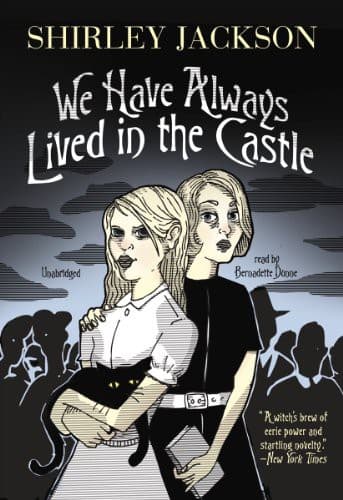
- We Have Always Lived in the Castle
Shirley Jackson
4.0 (118k) average on GoodreadsThrillerExplores themes of isolated, eccentric families, dark pasts, and a unique, unsettling narrative voice.
- The Girl on the Train
Paula Hawkins
3.9 (2.1M) average on GoodreadsThrillerThe Girl on the Train offers a contemporary comparison in its use of an unreliable narrator and fragmented memory to drive a mystery. Rachel, like Audrina, struggles with memory gaps and tries to piece together a traumatic event. However, Hawkins' novel grounds its mystery in a more realistic, albeit dark, contemporary setting, focusing on themes of addiction, voyeurism, and marital dysfunction. While both protagonists are driven by a need to uncover truth, The Girl on the Train avoids the gothic melodrama and generational trauma prevalent in My Sweet Audrina, offering a more gritty, psychological thriller rooted in everyday anxieties rather than fantastical family secrets.
- Angels & Demons
Dan Brown
3.9 (2.7M) average on GoodreadsThrillerA Harvard symbologist races through Rome's ancient sites, deciphering cryptic clues to unmask the Illuminati and stop a vengeful plot to destroy the Vatican with a stolen antimatter weapon.
- Gone Girl
Gillian Flynn
4.1 (2.3M) average on GoodreadsThrillerA wife's sudden disappearance on her fifth anniversary reveals a web of lies and psychological warfare, exposing the secrets within a seemingly perfect marriage.





Enjoyed the summary?
A summary gives you the shape of the book. The book itself has the detail, the examples and the voice.
Find My Sweet Audrina on AmazonAs an Amazon Associate, BookBrief earns from qualifying purchases. How we're funded