
Estimated read time: 6 min read
One Sentence Summary
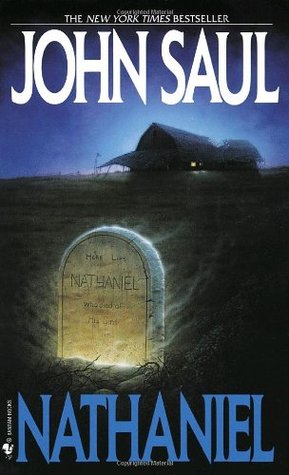
"Nathaniel" by John Saul is a chilling psychological thriller about a young boy with dark, supernatural abilities whose presence brings terror and destruction to a small town.
Table of Contents
Introduction
John Saul’s Nathaniel is a gripping psychological thriller that intricately weaves horror with suspense, delivering a story that haunts readers long after the last page. Published in 1993, this novel blends supernatural elements with the exploration of family secrets, madness, and the dark side of human nature. For college students and lecturers interested in contemporary horror literature, Nathaniel offers a compelling study of narrative tension, character development, and thematic depth. This summary aims to provide a comprehensive yet accessible overview, inviting readers to delve into Saul’s chilling world without spoiling the novel’s most critical twists.
Historical Context
John Saul is a prolific author known for his contributions to the horror genre during the late 20th century. Nathaniel emerged during an era when psychological horror was gaining popularity, reflecting societal anxieties about identity, mental health, and hidden pasts. The early 1990s saw significant interest in exploring the human psyche, with literature often focusing on family dysfunction and the supernatural as metaphors for internal struggles. Saul taps into these motifs, offering a narrative that resonates with the fears and uncertainties of the time.
Brief Synopsis
Plot Overview
Nathaniel centers around a young boy haunted not only by a mysterious family history but also by supernatural forces linked to his lineage. The story unfolds as Nathaniel’s family confronts hidden secrets that threaten to engulf them in darkness. The narrative skillfully balances moments of eerie suspense with emotional depth, exploring themes of trust, betrayal, and survival.
Setting
The novel is primarily set in a small, seemingly quiet town that harbors a sinister undercurrent. The setting amplifies the claustrophobic and tense atmosphere, with gloomy houses, shadowed woods, and unsettling landscapes forming the backdrop for the unfolding horror. This environment reflects the isolation felt by the characters and the pervasive sense of dread that permeates the story.
Main Characters
| Name | Role | Key Traits | Importance to the Plot |
|---|---|---|---|
| Nathaniel | Protagonist | Sensitive, curious, troubled | Central character whose experiences drive the story |
| Dr. Samuel | Family friend/mentor | Protective, wise, enigmatic | Provides guidance and insight into Nathaniel’s struggles |
| Elizabeth | Nathaniel’s mother | Caring, secretive, conflicted | Holds key secrets about the family's past |
| Victor | Antagonist figure | Menacing, manipulative | Represents the dark forces threatening Nathaniel |
Plot Summary
Part 1: The Unsettling Beginning
The novel opens with Nathaniel displaying unusual behaviors and fears, signaling that something is amiss. His parents are concerned but unable to pinpoint the cause. Strange occurrences begin to manifest around the house, from unexplained noises to objects moving on their own. Nathaniel’s fear deepens as he encounters visions and experiences that defy explanation.
Part 2: Unveiling the Past
As Nathaniel’s condition worsens, Dr. Samuel steps in to help. Through conversations and investigations, the family begins to uncover long-buried secrets linked to Nathaniel’s ancestry. The dark history involves betrayal, madness, and supernatural curses that have haunted previous generations. The tension escalates as the family grapples with the implications of these revelations.
Part 3: Confrontation and Survival
The climax revolves around Nathaniel and his family confronting the malevolent forces threatening to consume them. The struggle is both physical and psychological, blending elements of horror with emotional resilience. The narrative builds to a suspenseful resolution that tests the characters’ strength and unity.
Themes and Motifs
Nathaniel explores several profound themes that enrich the horror narrative:
- Family Secrets and Legacy: The novel delves into how the past can shape the present, especially through hidden histories that influence identity and fate.
- Madness and Mental Health: Saul portrays the thin line between supernatural phenomena and psychological disturbance, inviting readers to question reality.
- Good vs. Evil: The classic battle is reframed within a modern context, emphasizing personal courage and moral choices.
- Isolation and Fear: The setting and character experiences underscore how isolation can intensify fear and vulnerability.
Motifs such as dark shadows, mirrors, and recurring nightmares reinforce the unsettling atmosphere and symbolize internal conflicts.
Literary Techniques and Style
John Saul’s writing in Nathaniel is marked by a blend of vivid imagery, tight pacing, and atmospheric detail. Key literary techniques include:
- Narrative Structure: The story unfolds through a mix of third-person perspective and intimate glimpses into Nathaniel’s thoughts, creating a layered narrative that heightens suspense.
- Symbolism: Objects and settings carry symbolic weight, such as the family home representing both safety and entrapment.
- Foreshadowing: Saul expertly uses subtle hints and ominous signs to build anticipation.
- Realism vs. Supernatural: The author skillfully blurs the lines, making readers question what is real and what is imagined.
The prose is accessible yet rich, balancing academic appeal with readability for a broad audience.
Author's Background
John Saul, born in 1942, is an American writer renowned for his psychological horror novels. His works often explore the intersection of the supernatural with human psychology. Saul’s background in social work and psychology informs his nuanced portrayal of characters grappling with mental and emotional challenges. Beyond Nathaniel, his notable titles include Suffer the Children, The God Project, and House of Reckoning. Saul’s influence extends to both popular horror literature and academic discussions on the genre’s capacity to address real-world fears.
Key Takeaways
- Nathaniel is a masterful blend of psychological thriller and supernatural horror.
- The novel emphasizes the impact of family history on personal identity.
- It challenges readers to consider mental health through a lens of both science and the supernatural.
- John Saul’s narrative techniques effectively build tension and emotional engagement.
- The story serves as a case study in modern horror, balancing entertainment with deeper thematic exploration.
Reader's Takeaway
Readers can expect an intellectually stimulating and emotionally charged experience. The novel invites reflection on how past traumas influence present behavior and how courage can emerge from fear. It also offers insights into narrative construction within horror fiction, making it valuable for students and educators alike. The emotional highs and lows, combined with chilling suspense, ensure that Nathaniel resonates beyond a simple story of fright.
Conclusion
John Saul’s Nathaniel stands out as a significant work in contemporary horror literature. Through its intricate plot, complex characters, and rich thematic layers, the novel transcends genre conventions to offer a profound exploration of family, mind, and darkness. This summary highlights the book’s academic and literary merits, encouraging readers to experience the full depth of Saul’s chilling tale. Whether for study or enjoyment, Nathaniel promises a haunting journey worth undertaking.
Nathaniel FAQ
What is the main plot of "Nathaniel" by John Saul?
"Nathaniel" is a psychological horror novel that follows the story of a young boy named Nathaniel who becomes the target of a mysterious and malevolent force, leading to terrifying and supernatural events in his small town.
Who is the author of "Nathaniel"?
The author of "Nathaniel" is John Saul, a well-known writer of horror and suspense novels.
What genre does "Nathaniel" belong to?
"Nathaniel" is primarily a horror novel with elements of psychological suspense and supernatural thriller.
Is "Nathaniel" suitable for young readers?
"Nathaniel" contains mature themes, suspense, and horror elements, so it is recommended for adult readers or mature young adults.
What are some of the main themes explored in "Nathaniel"?
The novel explores themes such as the battle between good and evil, the power of fear, the impact of the past on the present, and the innocence of childhood confronted by darkness.
Are there any notable characters besides Nathaniel in the book?
Yes, the story features several important characters including Nathaniel’s family members, friends, and the sinister antagonist who threatens their lives.
Where is the story of "Nathaniel" set?
The story is set in a small, seemingly quiet town that harbors dark secrets and supernatural forces.
Has "Nathaniel" been adapted into any other media?
As of now, there are no official adaptations of "Nathaniel" by John Saul into movies or television series.
What is the writing style of John Saul in "Nathaniel"?
John Saul’s writing style in "Nathaniel" is suspenseful, atmospheric, and engaging, with vivid descriptions that build a chilling and tense mood throughout the novel.