
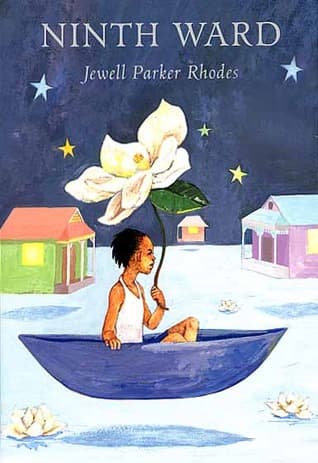
Synopsis
Covers the whole plot, including the ending.
- Difficulty
- Easy
- Pacing
- Moderate
- Mood
- Hopeful, Poignant, Resilient, Heartwarming, Reflective
- Read it if
- You enjoy poignant historical fiction for young readers, stories of survival against natural disasters, or narratives celebrating resilience, community, and the power of love in difficult circumstances.
- Skip it if
- You prefer fast-paced action over character-driven stories, or find themes of death and loss in children's literature too heavy.
Ninth Ward Plot Summary
Covers the whole plot, including the ending.
Lanesha's Unique Gift and Mama Ya-Ya's Premonitions
Lanesha, a twelve-year-old girl, lives in the Ninth Ward, New Orleans, with her caretaker, Mama Ya-Ya. Lanesha is an orphan, left at Mama Ya-Ya's door as a baby, and grew up with Mama Ya-Ya's wisdom. Lanesha sees and talks to spirits, but she mostly keeps this to herself. Mama Ya-Ya, a respected elder, starts having vivid visions of a hurricane. She warns Lanesha that this storm will be different, making Lanesha uneasy because she trusts Mama Ya-Ya's premonitions.
The Gathering Storm and Community Disbelief
As news confirms a hurricane forming in the Gulf, Mama Ya-Ya's premonitions grow stronger. She tells Lanesha to prepare, stressing the need for supplies and a plan, and also inner strength. The Ninth Ward community, used to hurricanes, remains mostly calm. Neighbors like Miss Tee and Mr. Riley talk about the storm but do not seem to understand Mama Ya-Ya's warnings. Lanesha feels fear and frustration, sensing the disaster more than others. She tries to help Mama Ya-Ya gather supplies, feeling she needs to be strong for her caretaker.
Evacuation Orders and a Difficult Decision
Mandatory evacuation orders are issued for New Orleans, and many people leave. Lanesha's Aunt Lena calls, asking Lanesha and Mama Ya-Ya to evacuate and stay with her. However, Mama Ya-Ya is deeply attached to her home. She believes her house, which has stood for generations, will protect them, and she refuses to leave. Lanesha, loyal to Mama Ya-Ya and trusting her wisdom, decides to stay with her, even as warnings grow more serious and streets empty. She feels responsible for Mama Ya-Ya's safety.
The Hurricane Strikes: First Flooding
Hurricane Katrina makes landfall, and its power quickly exceeds anything the Ninth Ward has seen. The levees break, and floodwaters rise fast, covering homes and streets. Lanesha and Mama Ya-Ya are trapped in their house as water pours in. They climb into the attic, but the water keeps rising. Lanesha, showing courage, helps Mama Ya-Ya break through the attic ceiling and climb onto the roof. From there, they see the devastation, with houses being swept away and the neighborhood underwater.
A Beacon of Hope: Tashon and the Raft
As Lanesha and Mama Ya-Ya huddle on their roof, they see another survivor: Tashon, a boy Lanesha's age, also on his roof. Lanesha calls to him, and he makes his way to their house. Tashon brings a piece of wood and some rope, which helps them. Together, Lanesha, Mama Ya-Ya, and Tashon make a raft from debris in the water. Tashon's presence brings hope and a shared purpose, and Lanesha feels a connection with him as they face the disaster.
Navigating the Flooded City
With their raft ready, the three begin a dangerous journey through the flooded Ninth Ward. The water is full of debris, power lines, and parts of homes. Lanesha, with her good eyesight and Mama Ya-Ya's guidance, helps steer the raft. Tashon uses his strength to navigate currents and push past obstacles. They see other stranded people calling for help, but the vast water and strong currents make rescue hard. Lanesha's ability to see spirits grows, as she feels the presence of those who have died, adding to the somber mood of their journey.
Mama Ya-Ya's Fading Strength and a Final Blessing
As days pass, Mama Ya-Ya's strength fades. The cold, hunger, and emotional stress affect her elderly body. She becomes weaker, but her spirit stays strong, guiding Lanesha. Mama Ya-Ya senses her end is near and prepares Lanesha. She gives Lanesha a final blessing, passing on her love, strength, and spiritual knowledge. She tells Lanesha she is ready and Lanesha must live on and carry her spirit, stressing Lanesha's own inner power. Lanesha, sad but determined, accepts her fate.
Mama Ya-Ya's Passing and Lanesha's Grief
Soon after her blessing, Mama Ya-Ya dies peacefully on the raft, her hand in Lanesha's. Lanesha feels deep grief, losing her caretaker, who was like a mother, friend, and guide. Tashon offers comfort, understanding Lanesha's pain. Despite her sorrow, Lanesha remembers Mama Ya-Ya's words and the strength she gave her. She knows she must survive, not just for herself, but to honor Mama Ya-Ya's memory and legacy of hope. Mama Ya-Ya's spirit becomes a comforting guide for Lanesha.
Reaching Higher Ground and the Superdome
After days adrift, Lanesha and Tashon find dry land. They steer their raft to it, tired but relieved. From there, they meet other survivors and emergency workers who send them to the Louisiana Superdome, a shelter for those displaced. The journey to the Superdome is hard, with more signs of destruction and suffering. Lanesha carries Mama Ya-Ya's spirit, feeling her presence guiding her. The Superdome, while a refuge, also shows the disaster's huge scale and the uncertain future.
Life in the Superdome and a Glimmer of Hope
Life inside the Superdome is chaotic, with thousands of displaced people, few resources, and despair. Lanesha and Tashon stay together, finding comfort in each other. Lanesha, using Mama Ya-Ya's teachings, tries to find calm and connection amid the chaos. She eventually sees her Aunt Lena, who had been looking for her. The reunion is sad and happy, with tears of relief and sorrow. Lanesha introduces Tashon to her aunt, feeling a strong bond of chosen family with him. The future is uncertain, but Lanesha carries Mama Ya-Ya's spirit, ready to rebuild her life with new strength and connections.
Ninth Ward Characters
Lanesha
Protagonist
A twelve-year-old orphan with a spiritual gift, striving to survive Hurricane Katrina.
Lanesha is a resilient and perceptive twelve-year-old girl who lives in the Ninth Ward of New Orleans. She was abandoned as a baby and raised by Mama Ya-Ya, her spiritual caretaker. Lanesha possesses a unique gift: she can see and communicate with spirits, a fact she mostly keeps hidden but which becomes more prominent during the hurricane. She is deeply loyal to Mama Ya-Ya and tries to be strong for her, even in the face of overwhelming disaster. Lanesha is observant, intelligent, and, despite her young age, possesses a profound inner strength and a deep connection to her community and its spiritual heritage.
Relationships: Mama Ya-Ya (caretaker, spiritual guide, mother figure); Tashon (fellow survivor, friend, companion); Aunt Lena (biological aunt, distant relative)
Mama Ya-Ya
Supporting
Lanesha's wise, spiritual caretaker with premonitions of Hurricane Katrina.
Mama Ya-Ya is an elderly, respected spiritual elder in the Ninth Ward community and Lanesha's fiercely loving caretaker. She is deeply connected to the land and the spirits, possessing strong premonitions of the approaching hurricane. Mama Ya-Ya instills in Lanesha not only practical survival skills but also spiritual wisdom, courage, and a belief in her own inner strength. Despite her age, she is resolute and embodies the resilience and deep-rooted spirit of the Ninth Ward. Her refusal to evacuate stems from her profound connection to her home and her belief in its protective power, though she ultimately guides Lanesha to safety.
Relationships: Lanesha (caretaker, spiritual mentor, mother figure)
Tashon
Supporting
A fellow survivor who joins Lanesha and Mama Ya-Ya on their journey through the floodwaters.
Tashon is a boy about Lanesha's age who becomes a crucial companion and friend during the hurricane. He is resourceful and practical, bringing a piece of wood and rope that helps them build their raft. Tashon is kind, supportive, and brave, offering Lanesha comfort and practical assistance after Mama Ya-Ya's passing. His presence provides Lanesha with a much-needed sense of camaraderie and shared survival, proving that even in the darkest times, human connection can endure. He represents the resilience of children facing unimaginable hardship.
Relationships: Lanesha (fellow survivor, friend, companion)
Aunt Lena
Supporting
Lanesha's biological aunt from uptown, who tries to help her evacuate.
Aunt Lena is Lanesha's biological aunt who lives in the more affluent uptown area of New Orleans. She represents a different social class and a more conventional approach to the hurricane warnings, urging Lanesha and Mama Ya-Ya to evacuate. Though initially somewhat distant, her concern for Lanesha is genuine. Her appearance at the Superdome signifies the reconnection of Lanesha with her biological family, providing a sense of stability and a potential future outside the immediate devastation of the Ninth Ward. She is a link to Lanesha's past and a hope for her future.
Relationships: Lanesha (biological aunt); Mama Ya-Ya (acquaintance, Lanesha's caretaker)
Mr. Riley
Mentioned
A neighbor in the Ninth Ward who initially dismisses hurricane warnings.
Mr. Riley is a neighbor in the Ninth Ward who, like many others, initially underestimates the severity of Hurricane Katrina. He represents the community's initial complacency and familiarity with past storms. His casual attitude towards the warnings contrasts sharply with Mama Ya-Ya's urgent premonitions, highlighting the tragic lack of preparedness that many faced.
Relationships: Lanesha (neighbor); Mama Ya-Ya (neighbor)
Miss Tee
Mentioned
A neighbor in the Ninth Ward who discusses the storm.
Miss Tee is another neighbor in the Ninth Ward, part of the community fabric that Lanesha observes. She engages in discussions about the approaching storm but, similar to Mr. Riley, doesn't fully grasp the unprecedented danger. Her role is to illustrate the everyday life and initial reactions within the Ninth Ward before the full impact of Katrina.
Relationships: Lanesha (neighbor); Mama Ya-Ya (neighbor)
Ninth Ward Themes
Resilience and Survival
The novel shows resilience through Lanesha's journey. Despite losing her home, caretaker, and facing danger, Lanesha uses Mama Ya-Ya's teachings and her own strength to survive. Her ability to adapt, build a raft, and navigate the flooded city with Tashon shows how people can endure and find hope in disaster. The Ninth Ward community, though devastated, shows this resilience as survivors begin rebuilding their lives.
“Mama Ya-Ya said, 'You gotta carry the good inside you, Lanesha. You gotta carry it.'”
Family and Community
Family in 'Ninth Ward' means more than blood relatives. Lanesha's bond with Mama Ya-Ya is the center of this theme, showing a deep, loving chosen family. The close-knit Ninth Ward community, where neighbors care for each other, also shows this. Even in disaster, community bonds are tested but grow stronger, as seen when Tashon joins Lanesha and Mama Ya-Ya. The novel says family is defined by love, support, and shared experience, and these connections are important for survival and recovery.
“We were family, Mama Ya-Ya and me, linked by something deeper than blood.”
Spirituality and Connection to the Past
Spirituality is a main part of Lanesha's life and the Ninth Ward. Mama Ya-Ya's wisdom, premonitions, and connection to spirits guide Lanesha. Lanesha's ability to see ghosts connects her to the spiritual world and her community's history. This theme highlights the lasting power of faith, tradition, and belief in unseen forces, offering comfort and guidance during extreme crisis. It suggests that spirits of the past, especially Mama Ya-Ya's, continue to protect and empower the living.
“The spirits were always there, like a hum under the world. Mama Ya-Ya taught me to listen.”
Coming of Age and Self-Discovery
Lanesha's journey through Hurricane Katrina is a coming-of-age story. She starts as a girl dependent on Mama Ya-Ya and shy about her gift. The hurricane forces her to use her inner strength, make hard choices, and accept her abilities and the wisdom passed to her. Mama Ya-Ya's death marks a big change, pushing Lanesha to become more independent and carry on her caretaker's legacy. By the end, Lanesha is a resilient young woman, sure of her identity and place in the world.
“I was Lanesha, and I had Mama Ya-Ya's spirit inside me. I was strong. I was brave.”
Plot Devices & Literary Techniques
First-Person Narration
Provides an intimate, personal perspective of the disaster through Lanesha's eyes.
The story is told from Lanesha's first-person perspective, allowing readers to experience the events of Hurricane Katrina directly through her thoughts, feelings, and unique spiritual perceptions. This narrative choice creates an immediate and intimate connection with Lanesha, making her fear, grief, and resilience deeply personal and impactful. It also provides a child's-eye view of a catastrophic event, emphasizing the innocence and vulnerability, as well as the extraordinary strength, of young survivors. Her voice is authentic and deeply engaging, drawing the reader into the heart of the Ninth Ward.
Foreshadowing (Mama Ya-Ya's Premonitions)
Builds suspense and highlights the impending doom of Hurricane Katrina.
Mama Ya-Ya's increasingly vivid and disturbing premonitions of the 'big one' serve as a powerful plot device. From the early chapters, her warnings create a sense of impending doom and suspense, signaling that this hurricane will be different from any other. This foreshadowing not only prepares the reader for the tragedy but also underscores Mama Ya-Ya's spiritual wisdom and the community's initial disbelief, making the eventual devastation even more impactful. It establishes a spiritual connection to the natural world and the consequences of ignoring its signs.
Symbolism of Water
Represents both destruction and cleansing/renewal.
Water is a powerful symbol throughout the novel. Initially, it represents overwhelming destruction and loss, as the floodwaters of Katrina engulf homes, lives, and the familiar landscape of the Ninth Ward. However, water also carries connotations of cleansing and renewal. As Lanesha and Tashon navigate the waters, it becomes a path to survival and a catalyst for Lanesha's transformation. The act of being 'baptized' by the storm, though tragic, ultimately leads Lanesha to embrace her spiritual gifts and step into her own power, suggesting that from the depths of devastation, new life and strength can emerge.
Lanesha's Spiritual Gift (Seeing Spirits)
Adds a magical realism element and deeper connection to the community's history.
Lanesha's ability to see and communicate with spirits functions as a key plot device that blends magical realism with historical fiction. This gift not only provides Lanesha with a unique way of understanding the world and processing loss but also connects her to the past and the collective memory of her community. It allows her to feel Mama Ya-Ya's continued presence and guidance after her death, providing comfort and reinforcing the theme of enduring spiritual connections. It also subtly hints at the untold stories of those lost in the storm, giving voice to the unseen.
Ninth Ward Quotes
“Mama Ya-Ya says, 'Magic is real. It's in the air, in the water, in the earth.'”
“I see ghosts. Mama Ya-Ya says it's a gift, but sometimes it feels like a curse.”
“The Ninth Ward is my home. It's where I belong, even when the water rises.”
“Mama Ya-Ya taught me to read the signs—in the sky, in the animals, in my dreams.”
“Sometimes you have to be your own family.”
“The water doesn't scare me. It's the people who don't see us that do.”
“Mama Ya-Ya says, 'Love is the strongest magic of all.'”
“I count the numbers in my head to keep calm. Math is my safe place.”
“We are not leaving. This is our home, and we will fight for it.”
“Ghosts are just people who haven't finished their stories.”
“In the Ninth Ward, we look out for each other. That's how we survive.”
“Mama Ya-Ya's hands are old, but they hold all the wisdom of the world.”
“The storm took everything, but it couldn't take my spirit.”
“I see the future in my dreams, but living it is harder.”
Quiz
10 questions on the plot and the characters. Each answer comes with a short explanation.
Question 1
What special ability does Mama Ya-Ya possess that helps her predict the coming hurricane?
- She reads scientific weather reports
- She has visions and dreams about the future
- She can communicate with animals who warn her
- She receives phone calls from government officials
Show answer
B. She has visions and dreams about the future Mama Ya-Ya is described as having visions that allow her to foresee events, including Hurricane Katrina's approach. This spiritual gift is central to the story's premise.
Question 2
Why does Lanesha feel different from other children in her neighborhood?
- She is much younger than all the other kids
- She can see ghosts, which makes her an outcast
- She refuses to attend school with them
- She speaks a different language than her peers
Show answer
B. She can see ghosts, which makes her an outcast Lanesha's ability to see ghosts, including her mother's spirit, sets her apart and contributes to her feelings of isolation before she finds strength through Mama Ya-Ya and the storm.
Question 3
What is the primary setting of the novel 'Ninth Ward'?
- A wealthy suburb of New Orleans
- The French Quarter during Mardi Gras
- A tight-knit community in New Orleans' Ninth Ward
- A rural farm outside Louisiana
Show answer
C. A tight-knit community in New Orleans' Ninth Ward The story is set specifically in the Ninth Ward of New Orleans, a historically African-American neighborhood that was severely impacted by Hurricane Katrina.
Question 4
How does Lanesha's relationship with TaShon help her during the hurricane?
- He gives her money to evacuate the city
- He provides comic relief to distract from the danger
- His friendship gives her emotional support and practical help in surviving
- He teaches her how to swim before the floodwaters rise
Show answer
C. His friendship gives her emotional support and practical help in surviving TaShon becomes a crucial friend to Lanesha, offering companionship and assistance as they face the storm together, highlighting the theme of community resilience.
Question 5
What does Mama Ya-Ya's death symbolize in the story?
- The failure of traditional wisdom in modern disasters
- A punishment for Lanesha's disobedience
- The passing of old ways and Lanesha's need to become independent
- The randomness of natural events with no deeper meaning
Show answer
C. The passing of old ways and Lanesha's need to become independent Mama Ya-Ya's death represents a turning point where Lanesha must rely on her own strength and the lessons she's learned, embodying the theme of transformation and resilience.
Question 6
Which of the following best describes how Lanesha views her uptown family?
- As close relatives who visit her often
- As strangers who rejected her because of her mother's death and her differences
- As allies who help her during the hurricane
- As fictional characters she imagines to cope with loneliness
Show answer
B. As strangers who rejected her because of her mother's death and her differences Lanesha feels abandoned by her wealthy uptown family, who look down on her and Mama Ya-Ya, reinforcing themes of class and familial bonds beyond blood.
Question 7
What role do the ghosts play in Lanesha's survival during Katrina?
- They physically protect her from the floodwaters
- They guide her spiritually and emotionally, helping her make key decisions
- They warn authorities to rescue her
- They distract the hurricane away from her home
Show answer
B. They guide her spiritually and emotionally, helping her make key decisions The ghosts, including her mother's spirit, provide Lanesha with comfort and intuitive guidance, connecting her to her heritage and inner strength.
Question 8
How does the novel's portrayal of Hurricane Katrina critique societal issues?
- By blaming residents for not evacuating sooner
- By ignoring the government's response entirely
- By highlighting the neglect of poor, Black communities like the Ninth Ward
- By suggesting the storm was purely a natural disaster with no human factors
Show answer
C. By highlighting the neglect of poor, Black communities like the Ninth Ward Through Lanesha's eyes, the story shows how systemic failures and social inequalities exacerbated the hurricane's impact on vulnerable neighborhoods.
Question 9
What does the 'hope and strength' mentioned in the book description primarily refer to?
- Financial resources left by Lanesha's mother
- The love, wisdom, and spiritual resilience passed from Mama Ya-Ya to Lanesha
- Advanced technology for weather prediction
- Military training Lanesha received at school
Show answer
B. The love, wisdom, and spiritual resilience passed from Mama Ya-Ya to Lanesha This phrase encapsulates the core theme: Mama Ya-Ya's teachings empower Lanesha to endure the storm, emphasizing intergenerational love and cultural resilience.
Question 10
In what way does Lanesha's character transform by the end of the novel?
- She moves to live with her uptown family and abandons her past
- She loses her ability to see ghosts due to the trauma
- She embraces her identity and strength, becoming a leader in her community
- She decides to become a weather scientist to predict future storms
Show answer
C. She embraces her identity and strength, becoming a leader in her community After surviving Katrina and Mama Ya-Ya's death, Lanesha grows from a lonely child into a resilient young woman who values her heritage and connections.
Ninth Ward FAQ
What is 'Ninth Ward' about?
'Ninth Ward' follows twelve-year-old Lanesha, who lives with her elderly caretaker Mama Ya-Ya in New Orleans' Ninth Ward. When Mama Ya-Ya's visions predict Hurricane Katrina's arrival, Lanesha must use the resilience and wisdom she's learned to survive the catastrophic storm and its aftermath, navigating floodwaters, loss, and community bonds.
Why should I read 'Ninth Ward'?
It offers a poignant, child's-eye view of Hurricane Katrina's devastation, blending historical realism with themes of resilience, family, and hope. Through Lanesha's journey, readers experience the strength of community and spiritual heritage in the face of disaster, making it both educational and emotionally impactful.
What is the background/setting of 'Ninth Ward'?
Set in 2005 in New Orleans' Lower Ninth Ward, a predominantly African American neighborhood known for its poverty and tight-knit community. The story unfolds before, during, and after Hurricane Katrina, highlighting the area's vulnerability to flooding and the systemic neglect faced by residents.
What are the most memorable quotes?
Key quotes include Mama Ya-Ya's wisdom: 'Love is the strongest magic there is,' and Lanesha's reflections: 'I see ghosts, but I'm not afraid. They're just part of life here.' These lines underscore themes of spiritual resilience and acceptance in the face of adversity.
What writing style does the author use?
Jewell Parker Rhodes employs a lyrical, first-person narrative from Lanesha's perspective, blending vivid sensory details with elements of magical realism. The prose is accessible yet poetic, capturing the rhythm of New Orleans' culture and the urgency of survival.
What minor details add significant meaning?
Lanesha's ability to see ghosts, like the spirit of her mother, symbolizes her connection to her heritage and the unseen support around her. The repeated imagery of water—from Mama Ya-Ya's bath rituals to the flood—foreshadows both danger and purification.
What are some subtle foreshadowing moments?
Mama Ya-Ya's early visions of 'water rising' and her anxiety over Lanesha's birth caul (a sign of second sight) hint at the coming storm and Lanesha's role in surviving it. The neglect of the levees by authorities is subtly critiqued through community dialogue.
What unexpected character connections exist?
Lanesha forms a bond with TaShon, a boy from her neighborhood, who initially seems aloof but becomes a crucial ally during the storm. Their friendship highlights how disaster forges unexpected unity, contrasting with Lanesha's estrangement from her uptown family.
What are unspoken character motivations?
Lanesha's determination to prove her worth stems from feeling abandoned by her birth family and wanting to honor Mama Ya-Ya's love. Mama Ya-Ya's fierce protection of Lanesha is driven by guilt over her daughter's death and a desire to pass on spiritual legacy.
What psychological complexities do characters exhibit?
Lanesha grapples with loneliness and supernatural gifts, balancing childlike fear with mature resilience. Mama Ya-Ya embodies the tension between prophetic dread and unwavering faith, showing how trauma and wisdom coexist in elder figures.
What are the major emotional turning points?
Key moments include Mama Ya-Ya's death during the storm, which forces Lanesha to rely on her own strength; Lanesha rescuing TaShon from floodwaters, symbolizing her growth; and the community's reunion post-storm, offering hope amid loss.
How do relationship dynamics evolve?
Lanesha and Mama Ya-Ya's bond deepens from caretaking to mutual dependence as the storm hits. Lanesha's isolation gives way to connection with TaShon and neighbors, illustrating how crisis transforms solitary struggle into collective survival.
Which parts remain ambiguous or open-ended?
The fate of Lanesha's uptown family is left unclear, reflecting real-world uncertainties post-Katrina. The extent of Lanesha's psychic abilities—whether they're literal or metaphorical—is open to interpretation, inviting readers to ponder spirituality vs. imagination.
What are controversial scenes or decisions?
Some readers debate the realism of Lanesha's survival alone in floodwaters, questioning if it downplays the storm's severity. Mama Ya-Ya's decision to stay despite warnings critiques societal neglect but also raises ethical questions about risk-taking.
'Ninth Ward' ending explained: how it ends & what it means
The story ends with Lanesha and TaShon rescued, grieving Mama Ya-Ya but determined to rebuild. It signifies resilience through community and spiritual heritage, suggesting that love and memory can sustain hope even in devastation, mirroring New Orleans' real recovery efforts.
About the author
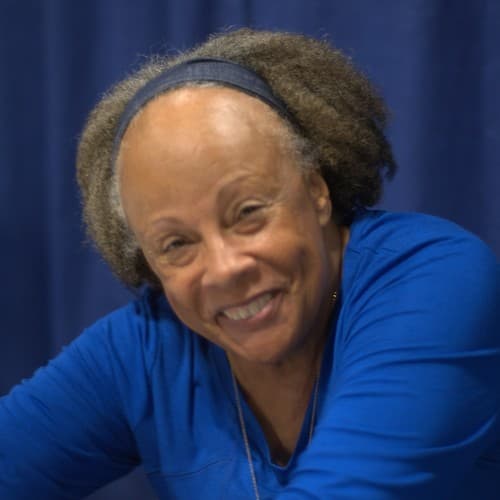
Jewell Parker Rhodes is an American author known for her contributions to contemporary fiction. Her notable works include "Ninth Ward," which explores themes of resilience in the face of adversity, and "Magic City," a story that delves into the complexities of race and identity. Rhodes' writing often reflects her experiences and insights into African American culture.
Similar books
- The Crossover
Kwame Alexander
4.3 (42k) average on GoodreadsChildren'sShares a similar tone of heartfelt storytelling and strong family bonds, though in a different genre.
- One Crazy Summer
Rita Williams-Garcia
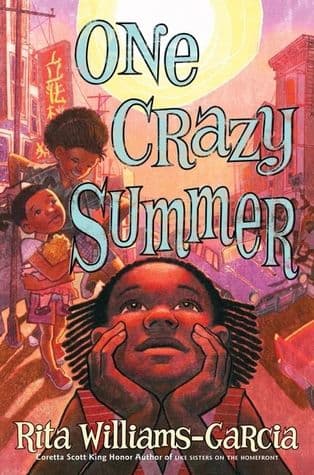
4.0 (30k) average on GoodreadsChildren'sOne Crazy Summer is a historical fiction novel set in 1968, following three sisters who spend the summer with their estranged mother, a Black Panther activist. Both Ninth Ward and One Crazy Summer feature strong young female protagonists navigating challenging historical periods and exploring family dynamics. However, Williams-Garcia's book uses humor, sharp dialogue, and a focus on political awakening, without any supernatural elements. Ninth Ward provides a more introspective and spiritually-tinged narrative of a community facing natural disaster, while One Crazy Summer delves into social and political movements through a more direct, character-driven lens.
- Harry Potter and the Sorcerer's Stone
J.K. Rowling
4.5 (7M) average on GoodreadsFantasyRescued from a miserable life under the stairs, an orphaned boy discovers he's a wizard destined for a magical school, where he uncovers a dangerous secret tied to the dark wizard who murdered his parents.
- The Hobbit, or There and Back Again
J.R.R. Tolkien
4.3 (2.9M) average on GoodreadsFantasyA comfort-loving hobbit named Bilbo Baggins is whisked away by a mischievous wizard and a band of dwarves on an unexpected journey to reclaim stolen treasure from a fearsome dragon, discovering courage and a magical ring along the way.
- Harry Potter and the Goblet of Fire
J.K. Rowling
4.6 (2.6M) average on GoodreadsFantasyA bewildered Harry Potter, underage and thrust into a deadly Triwizard Tournament, must brave dragons, mermaids, and a resurgent dark magic to survive a year that will forever alter the wizarding world.
- Harry Potter and the Order of the Phoenix
J.K. Rowling
4.5 (2.5M) average on GoodreadsFantasyIn a year of oppressive secrets and the threat of Voldemort, Harry Potter and Dumbledore's Army secretly train for war, shown through Jim Kay and Neil Packer's dark illustrations.





Enjoyed the summary?
A summary gives you the shape of the book. The book itself has the detail, the examples and the voice.
Find Ninth Ward on AmazonAs an Amazon Associate, BookBrief earns from qualifying purchases. How we're funded