
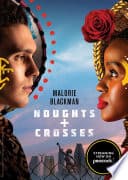
Synopsis
Covers the whole plot, including the ending.
- Difficulty
- Easy
- Pacing
- Fast
- Mood
- Dark, Thought-provoking, Tragic, Suspenseful
- Read it if
- You enjoy dystopian romances with a strong social commentary, exploring themes of racism, prejudice, and forbidden love in a stark, impactful way.
- Skip it if
- You prefer light-hearted stories or shy away from tragic endings and intense discussions of racial injustice and violence.
Noughts and Crosses Plot Summary
Covers the whole plot, including the ending.
A Forbidden Friendship in a Divided World
The story introduces Sephy Hadley, a Cross (the privileged dark-skinned majority), and Callum McGregor, a Nought (the oppressed light-skinned minority), who have been friends since childhood. Their bond contrasts with the segregated society of Albion, where Noughts are treated as second-class citizens. Sephy's mother, Jasmine, secretly employs Callum's mother, Meggy, as a domestic helper, allowing the children to interact. As they grow older, their friendship deepens, worrying their families. Sephy's father, Kamal Hadley, a politician, shows the systemic racism against Noughts, while Callum's family struggles with poverty and daily indignities. Despite increasing racial tensions, Sephy and Callum hold onto their connection, often meeting in secret, showing the challenges to come.
The First Noughts at Heathcroft
A new government program allows some Nought children, including Callum, to attend the Cross school, Heathcroft High. This integration faces strong resistance from the Cross community. On Callum's first day, angry Cross parents and students riot outside the school, throwing stones and shouting slurs. Sephy, at first happy to have Callum at her school, is horrified by her peers' behavior. She tries to protect Callum during the chaos, but her efforts are seen as a betrayal by her Cross friends and as not enough by Callum, who experiences the prejudice. The incident shows the hatred and pressure on their friendship, forcing them to confront their divided world publicly.
Escalating Tensions and a Growing Romance
As Callum endures bullying and discrimination at Heathcroft, his frustration and anger grow. Sephy tries to support him, but her privileged position often makes her efforts seem naive or ineffective to Callum. Despite the outside pressures, their bond intensifies, becoming a secret romance. They share intimate moments, finding comfort in each other away from society's judgment. However, the political climate worsens, with the Nought Liberation Army (NLA) emerging as a group fighting for Nought rights. Callum's older brother, Jude, becomes more radicalized, blaming Crosses for all their suffering, including the death of their father, Ryan, who was unfairly accused of murder and executed. These outside forces threaten to pull Sephy and Callum apart, even as their love grows.
The Shopping Centre Bombing
The NLA carries out a bombing at the Dundale shopping center, a Cross area. Meggy, Callum's mother and Sephy's former nanny, is among the many casualties. This event increases the hatred between Noughts and Crosses. Callum, devastated by his mother's death, is drawn into Jude's radical views, believing that only violence can bring about change. Sephy is also heartbroken by Meggy's death, feeling guilt for not preventing it. The bombing creates a rift between the two communities and between Sephy and Callum, as Callum struggles to balance his love for Sephy with his growing resentment towards her people. The incident pushes Callum further away from Sephy and towards retribution.
Callum Joins the NLA
Driven by grief, anger, and a need for belonging and justice for his family, Callum decides to join the NLA. He is unhappy with peaceful protests and believes that only direct action can make Crosses acknowledge Noughts' suffering. His commitment to the NLA separates him and Sephy, who is horrified by his choice. She tries to convince him to leave the group, fearing for his safety and their future, but Callum is determined. His change from a hopeful young man to a hardened militant marks a shift in his character. The NLA gives him a purpose and camaraderie that he felt was denied by Cross society, but it also puts him on a dangerous path, opposing Sephy's world.
The Kidnapping of Minerva
As an NLA member, Callum participates in a plan to kidnap Minerva, Sephy's younger sister, for ransom. The NLA wants to use the abduction to highlight the plight of Noughts and demand government concessions. Sephy is distraught, torn between loyalty to her family and her feelings for Callum, knowing he is involved. During the kidnapping, Sephy confronts Callum, asking him to release Minerva. The encounter is emotional, forcing Callum to face the consequences of his actions and the pain he is causing the person he loves. This act of violence, targeting Sephy's innocent sister, is a betrayal in their relationship, solidifying the division between them due to their opposing loyalties.
Sephy's Pregnancy and Callum's Arrest
After a secret encounter, Sephy learns she is pregnant with Callum's child. This news changes her world, making her confront the implications of carrying a Nought child in a Cross-dominated society, especially since her father, Kamal, is an anti-Nought politician. Meanwhile, authorities capture Callum for his involvement in the NLA and the kidnapping. His arrest and trial are publicized, becoming a symbol of racial tensions in Albion. Sephy, dealing with her pregnancy and Callum's situation, is torn between protecting her secret and supporting the man she loves, who faces severe punishment. Her pregnancy adds complexity and desperation to their tragic love story.
The Trial and Verdict
Callum's trial is a political event, with the Cross establishment wanting to make an example of him. Despite his lawyer's efforts, the jury, all Crosses, finds him guilty of terrorism and kidnapping. He is sentenced to death by hanging. Sephy attends the trial, watching in despair as the man she loves is condemned. She wants to reveal her pregnancy to Callum and the world, hoping it might change the verdict or offer hope, but she fears her father's reaction and societal backlash. The verdict solidifies Callum's tragic fate and shows the barriers of the Nought-Cross divide, leaving Sephy devastated and alone with her secret.
Sephy's Visit and a Desperate Plea
On the eve of Callum's execution, Sephy visits him on death row. She tells him she is pregnant with their child. Callum is shocked, then filled with despair and a flicker of hope. He tells Sephy to raise their child with love and to never forget him. He also expresses bitterness towards the system that condemned him, not just for his actions, but for being a Nought. Sephy, wanting to save him, suggests they escape together, but Callum, resigned to his fate, refuses. Their final moments are a blend of love, regret, and the reality of their separation, leaving Sephy to face a future as a single Nought mother in a Cross world.
Callum's Execution and Sephy's Future
Callum McGregor is executed by hanging. Sephy is not present but feels the impact of his death. The execution is a reminder of the brutality and injustice of their society. Afterwards, Sephy gives birth to a daughter, Callie Rose. She is determined to raise Callie Rose to be proud of both her Nought and Cross heritage, hoping to break the cycle of hatred. Despite the grief and challenges, Sephy finds strength in her daughter, vowing to fight for a better future, one where the divisions that destroyed her love with Callum might one day be overcome. The ending is bittersweet, with Callum's death tempered by the hope in their child and Sephy's resolve.
Principal Figures
Sephy Hadley
Protagonist
A privileged Cross girl who falls in love with a Nought boy
Sephy is the younger daughter of Kamal and Jasmine Hadley, growing up in the affluent Cross community. She is initially naive about the depths of racial prejudice but gradually becomes acutely aware of the injustices faced by Noughts, particularly through her relationship with Callum. Sephy is compassionate, headstrong, and often defiant against her family's expectations and societal norms. She struggles with her identity caught between her love for Callum and her Cross heritage, often feeling isolated and misunderstood. Her journey is one of emotional growth, loss, and ultimately, a fierce determination to create a better future for her child.
Relationships: Callum McGregor (Childhood best friend and later, romantic partner); Kamal Hadley (Father, a powerful and prejudiced politician); Jasmine Hadley (Mother, distant and struggling with addiction); Minerva Hadley (Older sister); Meggy McGregor (Callum's mother and Sephy's former nanny, a maternal figure)
Callum McGregor
Protagonist
A Nought boy deeply in love with a Cross girl, driven to radicalism by injustice
Callum is a Nought from the impoverished McGregor family, who maintains a secret friendship and later romance with Sephy. He is intelligent, sensitive, and initially hopeful for a more equal society. However, constant discrimination, the public execution of his father, and the death of his mother push him towards anger and radicalization. He joins the Nought Liberation Army (NLA), believing violence is the only way to achieve justice. Callum struggles with the conflict between his love for Sephy and his loyalty to his Nought identity and family, ultimately making choices that lead to his tragic end. His character embodies the devastating impact of systemic racism.
Relationships: Sephy Hadley (Childhood best friend and romantic partner); Ryan McGregor (Father, executed for a crime he didn't commit); Meggy McGregor (Mother, killed in a bombing); Jude McGregor (Older brother, also radicalized and resentful); Lynny McGregor (Younger sister)
Kamal Hadley
Antagonist/Supporting
Sephy's father, a powerful and bigoted Cross politician
Kamal Hadley is a high-ranking Cross politician, embodying the systemic prejudice against Noughts. He is ambitious, controlling, and deeply prejudiced, viewing Noughts as inherently inferior. He disapproves of Sephy's friendship with Callum and later her relationship, actively working to maintain the segregated status quo. His actions and rhetoric fuel the racial divide and contribute significantly to the tragic events of the story. He represents the oppressive power structure that Noughts are fighting against, and his influence directly impacts Sephy's choices and struggles. He is largely devoid of empathy for Noughts, making him a formidable obstacle for the protagonists.
Relationships: Sephy Hadley (Daughter, whose choices he disapproves of); Jasmine Hadley (Wife, whom he is distant from); Minerva Hadley (Daughter); Callum McGregor (Object of his prejudice and ultimately, his political target)
Jasmine Hadley
Supporting
Sephy's mother, a fragile Cross woman struggling with addiction
Jasmine Hadley is Sephy's mother, a beautiful but troubled Cross woman. She is unhappy in her marriage to Kamal and struggles with alcoholism and prescription drug addiction. While she initially allows Meggy McGregor to work for her, facilitating Sephy and Callum's friendship, she is largely passive and emotionally distant from her daughters. Her own struggles often overshadow her ability to support Sephy, leaving Sephy feeling isolated. Jasmine represents the complacency and hidden suffering within the privileged Cross society, and her decline highlights the emotional toll of the segregated world, even on those who benefit from it.
Relationships: Sephy Hadley (Daughter, with whom she has a strained relationship); Kamal Hadley (Husband, from whom she is emotionally distant); Meggy McGregor (Former employee and confidante)
Meggy McGregor
Supporting
Callum's mother and Sephy's former nanny, a loving and resilient Nought woman
Meggy McGregor is Callum's mother and a domestic helper for the Hadleys. She is a loving, resilient, and hardworking Nought woman who tries to protect her family from the harsh realities of their society. She initially encourages Sephy and Callum's friendship, seeing the good in both children. Her kindness and warmth make her a maternal figure for Sephy. Her tragic death in the Dundale bombing is a pivotal moment in the story, fueling Callum's anger and driving him towards the NLA, and deeply impacting Sephy. Meggy represents the innocent victims of the racial conflict and the strength of Nought families.
Relationships: Callum McGregor (Son, whom she deeply loves); Ryan McGregor (Husband); Jude McGregor (Son); Lynny McGregor (Daughter); Sephy Hadley (Former charge, whom she cares for)
Jude McGregor
Supporting/Antagonist
Callum's older brother, filled with bitterness and hatred towards Crosses
Jude McGregor is Callum's older brother, consumed by anger and resentment towards the Crosses due to the injustices his family has suffered, particularly the wrongful execution of his father. He is fiercely proud of his Nought identity and believes that only violent resistance can bring about change. Jude is a key figure in the Nought Liberation Army (NLA) and actively recruits Callum, pushing him further down a radical path. He is a foil to Callum's initial idealism, representing the hardened and uncompromising face of Nought resistance. His hatred for Sephy is palpable, reflecting the deep divide between their communities.
Relationships: Callum McGregor (Brother, whom he influences and recruits); Ryan McGregor (Father, whose death he seeks to avenge); Meggy McGregor (Mother); Sephy Hadley (Object of his intense dislike and hatred)
Ryan McGregor
Mentioned
Callum's father, wrongfully executed, a symbol of Nought oppression
Ryan McGregor is Callum's father, a Nought who is unfairly accused of a crime he did not commit and subsequently executed. His wrongful death is a profound injustice that deeply impacts his family, particularly Callum and Jude. Ryan's execution serves as a powerful symbol of the systemic racism and lack of justice for Noughts in Albion. His memory fuels the McGregor family's anger and motivates Callum and Jude's involvement with the NLA, acting as a catalyst for much of the plot's conflict and tragedy. He represents the ultimate victim of the prejudiced legal system.
Relationships: Callum McGregor (Son, whose life is irrevocably shaped by his father's fate); Meggy McGregor (Wife); Jude McGregor (Son); Lynny McGregor (Daughter)
Minerva Hadley
Supporting
Sephy's older sister, often distant and aloof
Minerva Hadley is Sephy's older sister. She is portrayed as more conventional and less empathetic than Sephy, often aligning with her parents' social standing and prejudices. She is largely detached from Sephy's struggles and the broader Nought-Cross conflict, focusing more on her own life. Her kidnapping by the NLA, in which Callum is involved, is a crucial plot point that further complicates the relationship between the Hadleys and the McGregors, and between Sephy and Callum. Despite being a victim, she remains a somewhat flat character, serving primarily to advance the plot's conflict.
Relationships: Sephy Hadley (Sister, with whom she has a distant relationship); Kamal Hadley (Father); Jasmine Hadley (Mother)
Lynny McGregor
Mentioned
Callum's younger sister
Lynny McGregor is Callum's younger sister. She is mentioned as part of the McGregor family, experiencing the same hardships as other Noughts. Her presence helps to illustrate the full scope of the family's suffering and the collective impact of societal prejudice. While not a central character, her existence underscores the vulnerability of Nought children and families in Albion. Her innocence is contrasted with the harsh realities that her older brothers, Callum and Jude, are forced to confront and participate in.
Relationships: Callum McGregor (Brother); Jude McGregor (Brother); Meggy McGregor (Mother); Ryan McGregor (Father)
Lola
Supporting
A member of the NLA and Jude's girlfriend
Lola is a Nought and a prominent member of the Nought Liberation Army (NLA), as well as Jude McGregor's girlfriend. She is deeply committed to the NLA's cause and shares Jude's militant views. Lola represents the fierce, unyielding side of the Nought resistance, often demonstrating a strong distrust and animosity towards Crosses. Her influence on Jude and, by extension, Callum, reinforces the radical path they choose. She is a symbol of the collective anger and determination of many Noughts who feel that peaceful negotiation has failed.
Relationships: Jude McGregor (Boyfriend and fellow NLA member); Callum McGregor (Fellow NLA member)
Themes & Insights
Racism and Prejudice
The main theme of 'Noughts and Crosses' is the destructive nature of racism and prejudice. The story inverts traditional racial dynamics, with dark-skinned Crosses as the dominant group and light-skinned Noughts as the oppressed minority. This societal structure affects every aspect of life, from education and employment to social interaction and legal justice. Characters like Kamal Hadley show institutional racism, while the McGregor family's struggles show its impact. The riots at Heathcroft High and Ryan McGregor's wrongful execution are examples of how prejudice leads to violence and injustice, ultimately tearing apart lives and relationships, especially between Sephy and Callum.
“Just because you're a Nought doesn't mean you're not as good as a Cross. And just because you're a Cross doesn't mean you're better than a Nought.”
Love and Betrayal
The forbidden love between Sephy and Callum is central to the novel, constantly tested by their segregated society. Their relationship is a sign of hope against racial hatred, yet acts of betrayal challenge it. Sephy's inability to fully understand Callum's Nought experience or protect him from Cross prejudice can be seen as a betrayal by Callum. Callum's involvement in the NLA, especially Minerva's kidnapping, is a betrayal of Sephy's trust and love. These betrayals, from conflicting loyalties and societal pressures, lead to their tragic separation and the end of their romance, showing how societal divisions can corrupt even pure love.
“How can you love someone and hate their race at the same time?”
Justice and Retribution
The novel explores different ideas of justice and the cycle of retribution. For Noughts like the McGregors, a biased legal system denies justice, as shown by Ryan's wrongful execution. This perceived injustice creates a desire for retribution, leading Noughts like Jude and Callum to join the NLA and use violence. They believe that 'an eye for an eye' is the only way to achieve equality and make Crosses understand their suffering. However, the NLA's violence, such as the Dundale bombing and Minerva's kidnapping, only continues the cycle of hatred and suffering, causing more deaths and deepening the divide. The story questions if true justice can be achieved through violence, or if it only leads to endless retribution.
“What's the point of having a fair trial if the verdict's already decided?”
Identity and Belonging
Characters in 'Noughts and Crosses' deal with their sense of identity and belonging in a society defined by race. Callum struggles with his Nought identity, feeling marginalized, leading him to seek belonging and purpose within the NLA. Sephy, a Cross, questions her own identity as she falls in love with a Nought, feeling separated from her privileged community and family, yet never fully able to shed her Cross upbringing. The constant pressure to conform to racial expectations and loyalties forces both characters to confront who they are and where they belong. Callie Rose, a child of both Nought and Cross heritage, embodies the complex question of identity and the hope for a future where belonging goes beyond racial lines.
“I was a Nought. And she was a Cross. And there was no such thing as love between us.”
Family and Loyalty
Family bonds and conflicting loyalties are important to the story. The McGregor family, despite hardships, is close, and their shared suffering strengthens their resolve to fight for Nought rights. Callum's loyalty to his family, especially his father's memory and Jude's radical views, often conflicts with his loyalty to Sephy. Sephy's loyalty to Callum puts her at odds with her own family, especially her prejudiced father. The novel explores the pressure on individuals when family loyalty conflicts with personal desires or moral beliefs, showing how family ties can both sustain and trap characters within the broader racial conflict. The tragic outcomes often come from these loyalties.
“Sometimes I think the world would be a better place if there weren't any families at all.”
Plot Devices & Literary Techniques
Inverted Racism
A world where light-skinned people are oppressed by dark-skinned people
Blackman uses inverted racism as the foundational plot device, creating a fictional world where the dark-skinned 'Crosses' are the dominant, privileged class, and the light-skinned 'Noughts' are the oppressed, marginalized minority. This inversion forces readers to confront the arbitrary nature of racial prejudice and to empathize with the experience of systemic oppression, regardless of superficial physical differences. By making the familiar unfamiliar, the device effectively highlights the absurdity and cruelty of racism itself, allowing readers who may not typically experience prejudice to see it from a fresh perspective. It challenges preconceived notions and encourages a deeper understanding of the destructive impact of societal divisions.
First-Person Dual Perspective
Alternating chapters narrated by Sephy and Callum
The novel is narrated in alternating first-person chapters by Sephy and Callum. This dual perspective is a powerful device that allows readers to experience the story's events from both sides of the racial divide. It provides intimate access to their individual thoughts, feelings, and struggles, highlighting their differing perceptions of the same events, such as the Noughts' integration into Heathcroft High or the NLA's actions. This technique fosters empathy for both protagonists, even when their actions are in conflict, and vividly illustrates how their experiences are shaped by their respective racial backgrounds. It underscores the complexity of the Nought-Cross conflict and the personal toll it takes on individuals from both communities.
Foreshadowing
Hints of future tragedy and conflict throughout the narrative
Foreshadowing is used extensively throughout the novel to build tension and hint at the tragic fate awaiting Sephy and Callum. Early references to the increasing racial tensions, the growing anger among Noughts, and the inherent dangers of their forbidden friendship all subtly prepare the reader for the inevitable escalation of conflict. For instance, the early challenges to their friendship and the outright hostility they face when Callum attends Heathcroft foreshadow the insurmountable obstacles their love will face. This device creates a sense of impending doom, making the eventual betrayals, violence, and executions feel both shocking and tragically inevitable, reinforcing the idea that their love was doomed from the start by the society they lived in.
Symbolism of Names (Noughts and Crosses)
Names representing social hierarchy and division
The very titles 'Noughts' and 'Crosses' function as a powerful symbolic device. 'Nought' signifies zero, nothingness, or insignificance, directly reflecting the marginalized and devalued status of the light-skinned population. Conversely, 'Cross' suggests importance, a mark of distinction, or perhaps even a burden (a 'cross to bear'), symbolizing the privileged but also sometimes troubled status of the dark-skinned ruling class. These simple yet loaded terms immediately establish the rigid social hierarchy and the inherent prejudice embedded within the society. The names are a constant reminder of the characters' assigned positions and the deep-seated divisions that define their world, emphasizing that their identities are inextricably linked to their race.
The Dundale Shopping Centre Bombing
A pivotal event that escalates conflict and radicalizes characters
The bombing of the Dundale shopping centre serves as a critical plot device. It is a turning point that drastically escalates the conflict between Noughts and Crosses. The bombing, carried out by the NLA, results in the death of Meggy McGregor, a beloved character, and transforms Callum's personal grief into a catalyst for his radicalization. It justifies the Cross establishment's crackdown on Noughts and intensifies their prejudice, while simultaneously solidifying the NLA's commitment to violent resistance. This singular event irrevocably alters the trajectory of the main characters' lives, deepening the chasm between Sephy and Callum and pushing the narrative towards its tragic conclusion, showcasing the devastating consequences of extremist actions.
Noughts and Crosses Quotes
“I'm a nought and you're a Cross. We're not supposed to be friends.”
“I don't want to be a nought. I want to be a Cross.”
“Love is not a disease. It doesn't discriminate.”
“We're all just people. That's all we are.”
“Sometimes you have to be cruel to be kind.”
“I'm not a nought. I'm a person.”
“Hate is too easy. Love takes courage.”
“The world isn't black and white. It's shades of grey.”
“You can't change the past, but you can learn from it.”
“Freedom isn't free. It costs.”
“We're all prisoners of our own making.”
“Sometimes the hardest thing and the right thing are the same.”
“Hope is the thing with feathers that perches in the soul.”
“In the end, we only regret the chances we didn't take.”
Quiz
10 questions on the plot and the characters. Each answer comes with a short explanation.
Question 1
What is the primary conflict that Sephy Hadley and Callum McGregor face in their relationship?
- They come from rival political families with opposing ideologies.
- Sephy is a Cross (privileged) and Callum is a Nought (oppressed), making their love forbidden.
- They have a significant age gap that society disapproves of.
- Callum is a government spy assigned to monitor Sephy's family.
Show answer
B. Sephy is a Cross (privileged) and Callum is a Nought (oppressed), making their love forbidden. In the book's world, Crosses (dark-skinned) hold power and privilege, while Noughts (light-skinned) are oppressed, creating a rigid racial hierarchy that forbids relationships like Sephy and Callum's.
Question 2
What event leads to Callum's expulsion from Heathcroft School?
- He is caught cheating on an exam.
- He starts a physical fight with a Cross student who insults Sephy.
- He organizes a protest against the school's discriminatory policies.
- He is falsely accused of stealing from the school library.
Show answer
B. He starts a physical fight with a Cross student who insults Sephy. Callum defends Sephy's honor by fighting a Cross student who makes derogatory remarks about her, which results in his expulsion due to the school's bias against Noughts.
Question 3
How does Sephy's father, Kamal Hadley, contribute to the oppression of Noughts?
- He is a government minister who enforces discriminatory laws against Noughts.
- He runs a business that exploits Nought laborers without pay.
- He leads a violent militia that attacks Nought communities.
- He publicly advocates for Nought rights but secretly opposes them.
Show answer
A. He is a government minister who enforces discriminatory laws against Noughts. As a government minister, Kamal Hadley upholds and enforces the systemic racism that marginalizes Noughts, reflecting his role in maintaining the oppressive status quo.
Question 4
What is the significance of the Liberation Militia in the story?
- It is a Cross organization that fights to preserve their dominance.
- It is a Nought terrorist group that uses violence to fight for equality.
- It is a neutral peacekeeping force trying to mediate between Crosses and Noughts.
- It is a student club at Heathcroft School that promotes interracial friendship.
Show answer
B. It is a Nought terrorist group that uses violence to fight for equality. The Liberation Militia represents the radical response to oppression, as Noughts resort to terrorism to challenge Cross supremacy, adding tension and moral complexity to the plot.
Question 5
Why does Callum eventually join the Liberation Militia?
- He is kidnapped and forced to join against his will.
- He seeks revenge after his father is killed by Cross authorities.
- Sephy convinces him that violence is the only way to achieve change.
- He is promised wealth and power by the militia leaders.
Show answer
B. He seeks revenge after his father is killed by Cross authorities. Callum's father, Ryan McGregor, is executed by the government for his involvement with the militia, driving Callum to join out of grief and a desire for justice.
Question 6
What role does Minerva Hadley, Sephy's sister, play in the story?
- She is a supportive ally who helps Sephy and Callum secretly meet.
- She is largely absent and has little impact on the main plot.
- She is a rebellious figure who openly defies her family's prejudices.
- She is a conventional Cross who upholds societal norms, contrasting with Sephy.
Show answer
D. She is a conventional Cross who upholds societal norms, contrasting with Sephy. Minerva represents the typical Cross attitude, accepting the racial hierarchy and disapproving of Sephy's relationship with Callum, highlighting Sephy's uniqueness and isolation.
Question 7
How does the book explore the theme of hope amidst conflict?
- Through Sephy and Callum's love, which symbolizes the possibility of change.
- By showing that the government eventually reforms all discriminatory laws.
- Through the Liberation Militia's successful overthrow of the Cross regime.
- By depicting all characters as ultimately forgiving each other.
Show answer
A. Through Sephy and Callum's love, which symbolizes the possibility of change. Despite the pervasive racism and violence, Sephy and Callum's enduring love serves as a beacon of hope, suggesting that personal connections can transcend societal divisions.
Question 8
What is the outcome of the hostage situation at the end of the book?
- Callum rescues Sephy and they escape together to start a new life.
- Sephy is killed by the militia, leading to Callum's arrest.
- Callum is killed by security forces while trying to protect Sephy.
- The militia surrenders peacefully, and all hostages are released unharmed.
Show answer
C. Callum is killed by security forces while trying to protect Sephy. In a tragic climax, Callum is shot and killed during the militia's hostage crisis, cementing the story's themes of loss and the devastating impact of hatred.
Question 9
Which detail illustrates the daily discrimination faced by Noughts?
- Noughts are required to wear identification badges at all times.
- Nought children are banned from attending schools with Crosses.
- Noughts are often relegated to menial jobs and face constant prejudice.
- Noughts are not allowed to own property or vote in elections.
Show answer
C. Noughts are often relegated to menial jobs and face constant prejudice. The book shows Noughts like Callum's family struggling with limited job opportunities and societal contempt, emphasizing the systemic nature of their oppression.
Question 10
How does Sephy's perspective change over the course of the novel?
- She becomes more rebellious and critical of Cross privilege, influenced by her love for Callum.
- She abandons her Cross identity entirely to live as a Nought.
- She loses hope and accepts the societal divisions as inevitable.
- She joins the Liberation Militia to fight alongside Callum.
Show answer
A. She becomes more rebellious and critical of Cross privilege, influenced by her love for Callum. Initially naive about her privilege, Sephy grows to question and resist the racist norms of her society through her relationship with Callum, showing her character development.
Noughts and Crosses FAQ
What is 'Noughts and Crosses' about?
'Noughts and Crosses' follows Sephy Hadley, a privileged Cross (dark-skinned ruling class), and Callum McGregor, a marginalized Nought (light-skinned underclass), as they navigate a forbidden friendship and romance in a segregated society. The story explores their personal struggles against systemic racism, political tensions, and a violent uprising, culminating in tragic consequences that test their bond and ideals.
Why should I read 'Noughts and Crosses'?
This book offers a powerful, thought-provoking reversal of real-world racial dynamics, using a dystopian setting to critique prejudice, privilege, and injustice. Through Sephy and Callum's emotional journey, it delves into themes of love, sacrifice, and resistance, making it both a gripping romance and a poignant social commentary that resonates with contemporary issues.
What is the background/setting of 'Noughts and Crosses'?
Set in an alternate version of the UK, the society is divided between Crosses (dark-skinned elites who hold power) and Noughts (light-skinned underclass facing discrimination). Noughts are denied equal education, jobs, and rights, with tensions escalating into acts of terrorism and government repression, mirroring historical and modern racial conflicts.
What are the most memorable quotes?
Key quotes include Sephy's reflection, 'I'm not a Cross. I'm not a Nought. I'm just me,' highlighting her rejection of labels, and Callum's bitter observation, 'We're born enemies, Sephy. It's in our blood,' underscoring societal divisions. Another is Jude McGregor's militant declaration, 'Violence is the only language they understand,' representing radical resistance.
What writing style does the author use?
Malorie Blackman employs a dual first-person narrative, alternating between Sephy and Callum's perspectives to contrast their experiences and inner thoughts. The prose is accessible yet emotionally charged, blending personal drama with political tension, and uses stark imagery to depict violence and inequality, enhancing the story's urgency and impact.
What minor details add significant meaning?
Small details like Sephy's locket, a gift from Callum, symbolize their fragile connection amidst societal hatred. The 'Liberation Militia' graffiti seen early on foreshadows the group's rise, while Callum's mother Meggie secretly helping Sephy's family hints at hidden compassion across racial lines, challenging the narrative of universal animosity.
What are some subtle foreshadowing moments?
Early scenes of Callum's brother Jude's anger and radicalization hint at his future role in the Liberation Militia and the bombing at Dundale Shopping Centre. Sephy's naive belief in 'changing the world' through love is contrasted with increasing violence, foreshadowing the tragic costs of their relationship and the societal conflict.
What unexpected character connections exist?
Callum's mother Meggie works as a maid for Sephy's family, creating a hidden link that complicates their dynamics. Later, it's revealed that Sephy's father, Kamal Hadley, is a government minister enforcing anti-Nought policies, directly opposing Callum's family, which intensifies the personal and political stakes of their romance.
What are unspoken character motivations?
Callum is driven by a deep-seated desire to prove his worth in a society that devalues Noughts, leading him to join the Liberation Militia out of frustration. Sephy, while outwardly rebellious, secretly craves her father's approval and struggles with guilt over her privilege, motivating her activism and loyalty to Callum.
What psychological complexities do characters exhibit?
Sephy grapples with internalized privilege and naivety, evolving from a sheltered girl to a more aware but traumatized woman. Callum battles self-hatred and rage due to systemic oppression, which fuels his radicalization. Jude McGregor's descent into extremism shows how trauma and hatred can warp empathy, making him a foil to Callum's conflicted morality.
What are the major emotional turning points?
Key moments include the Dundale Shopping Centre bombing, which shatters Sephy and Callum's innocence; Callum's decision to join the Liberation Militia, straining their relationship; and Sephy's pregnancy, which forces them to confront hope and despair. The climax involves Callum's arrest and execution, leaving Sephy devastated but determined to honor his memory.
How do relationship dynamics evolve?
Sephy and Callum's bond shifts from childhood friendship to passionate romance, then to strained separation due to political violence and differing ideologies. Their families' interactions move from hidden tensions to open hostility, exemplified by Kamal Hadley's oppression and the McGregors' resistance, reflecting the broader societal collapse.
Which parts remain ambiguous or open-ended?
The fate of minor characters like Jude McGregor is left uncertain after the bombing, and whether Sephy's activism will lead to real change is unresolved. The novel ends with Sephy naming her daughter Callie Rose, symbolizing hope, but it's unclear if this represents a new beginning or mere sentiment in a still-divided world.
What are controversial scenes or decisions?
Controversial elements include the graphic depiction of the Dundale bombing and its civilian casualties, which some readers find distressing. Callum's choice to join the violent Liberation Militia, despite his love for Sephy, sparks debate on whether resistance justifies extremism. Sephy's decision to keep her pregnancy also raises questions about hope versus realism.
'Noughts and Crosses' ending explained: how it ends & what it means
The novel ends with Callum executed for his involvement in the Liberation Militia, and Sephy giving birth to their daughter, Callie Rose. This bittersweet conclusion symbolizes loss and hope—Callum's death represents the cost of oppression, while the baby signifies potential for future change, though the societal divisions remain largely unaddressed.
About the author
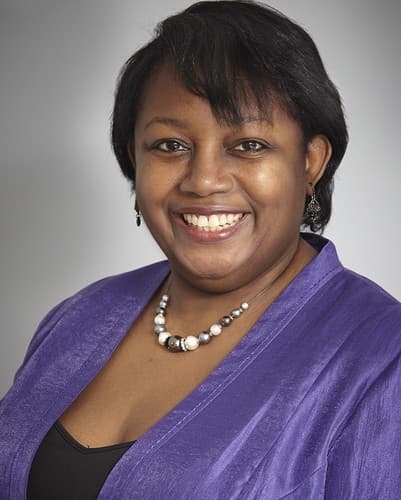
Malorie Blackman is a British writer who held the position of Children's Laureate from 2013 to 2015. She primarily writes literature and television drama for children and young adults. She has used science fiction to explore social and ethical issues. Her critically and popularly acclaimed Noughts and Crosses series uses the setting of a fictional dystopia to explore racism. Blackman has been the recipient of many honours for her work including, most recently, the 2022 PEN Pinter Prize.
Similar books
- The Hate U Give
Angie Thomas
4.5 (504k) average on GoodreadsYoung AdultExplores racial injustice and police brutality through the eyes of a young protagonist caught between two worlds.
- Romeo and Juliet
William Shakespeare
3.8 (2.1M) average on GoodreadsRomanceA classic tale of forbidden love between individuals from feuding societal groups, leading to tragic consequences.
- The Hunger Games
Suzanne Collins
4.3 (6.4M) average on GoodreadsFantasyFeatures a dystopian society with rigid class divisions and a young protagonist fighting against an oppressive system.
- The Giver
Lois Lowry
4.1 (1.8M) average on GoodreadsFantasyWhile both Noughts and Crosses and The Giver explore societal control and difference, Lowry's novel uses a seemingly utopian society that suppresses individuality and emotion to critique conformity. Blackman's approach is more direct and explicit in its confrontation of real-world racial prejudice through the inversion of power dynamics, making its allegorical message about racism more pointed and less abstract.
- Harry Potter and the Sorcerer's Stone
J.K. Rowling
4.5 (7M) average on GoodreadsFantasyRescued from a miserable life under the stairs, an orphaned boy discovers he's a wizard destined for a magical school, where he uncovers a dangerous secret tied to the dark wizard who murdered his parents.
- Nineteen Eighty-Four
George Orwell
4.2 (5.5M) average on GoodreadsFictionWinston Smith dreams of truth and rebellion in a world where Big Brother watches all, but he confronts the terrifying power of a regime that controls not just actions, but thoughts.




Enjoyed the summary?
A summary gives you the shape of the book. The book itself has the detail, the examples and the voice.
Find Noughts and Crosses on AmazonAs an Amazon Associate, BookBrief earns from qualifying purchases. How we're funded