

Synopsis
Covers the whole plot, including the ending.
- Difficulty
- Medium
- Pacing
- Fast
- Mood
- Passionate, Tragic, Intense, Dramatic
- Read it if
- You want to experience the quintessential tragic romance that has influenced countless stories, enjoy poetic language, or are studying classic literature.
- Skip it if
- You dislike Shakespearean language, prefer happy endings, or are not in the mood for a story with significant loss and violence.
Romeo and Juliet Plot Summary
Covers the whole plot, including the ending.
A Street Brawl and a Feast
The play starts in Verona with a street fight between servants of the Montague and Capulet families. This quickly involves Lord Capulet, Lord Montague, and Prince Escalus. The Prince declares that any future disturbance will result in death for the heads of the households. Romeo, Montague's son, is shown as sad, longing for Rosaline, who has vowed chastity. His cousin Benvolio and friend Mercutio try to cheer him up. Meanwhile, Lord Capulet plans a party and encourages Paris, a kinsman of the Prince, to court his daughter, Juliet. Romeo, persuaded by Benvolio, decides to crash the Capulet party, hoping to see Rosaline.
Love at First Sight
At the Capulet party, Romeo is immediately taken by Juliet's beauty, forgetting Rosaline. He approaches her, and they share a sonnet and their first kiss. Tybalt, Juliet's hot-headed cousin, recognizes Romeo's voice and is angry about a Montague being there, but Lord Capulet stops him, not wanting to disturb the party. As the party ends, Romeo and Juliet learn each other's identities from the Nurse – that they are from the feuding Montague and Capulet families. Despite this shocking news, their love is already set.
The Balcony Scene
After the party, Romeo, unable to leave, sneaks into the Capulet orchard. He overhears Juliet speaking from her balcony, regretting Romeo's Montague name and expressing her love for him. Romeo reveals himself, and they exchange strong vows of love. Juliet, despite her initial caution, suggests they marry. They agree to send word to each other the next day about their plan. This scene shows their commitment and sets the stage for their secret union, showing their willingness to defy their family feud for love.
A Secret Marriage
Romeo visits Friar Laurence, telling him of his new love for Juliet and his wish to marry her right away. The Friar is at first surprised by Romeo's quick change of affection from Rosaline but agrees to marry them. He believes their union might help end the bitter feud between the Montagues and Capulets, bringing peace to Verona. Juliet's Nurse acts as a go-between, delivering Juliet's message of consent to Romeo. The secret wedding is arranged for that very afternoon, with the Nurse's help.
Tragedy Strikes
Soon after the secret wedding, Tybalt, still angered by Romeo's presence at the party, confronts Romeo and his friends, Mercutio and Benvolio. Romeo, now related to Tybalt by marriage, tries to calm the situation, but Mercutio, unaware of the marriage, takes offense at Romeo's seeming submission. Mercutio fights Tybalt and is fatally wounded when Romeo steps in. Angry and sad about Mercutio's death, Romeo kills Tybalt in a duel. Prince Escalus arrives and, instead of executing Romeo, banishes him from Verona.
A Desperate Plan
Juliet is crushed by Tybalt's death and Romeo's banishment. To add to her sorrow, Lord Capulet, believing her grief is for Tybalt, decides to speed up her marriage to Paris. Desperate, Juliet seeks help from Friar Laurence. The Friar plans for Juliet to agree to marry Paris. But the night before the wedding, she will drink a strong sleeping potion that will make her appear dead for 42 hours. She will then be placed in the Capulet family tomb, where Romeo will meet her when she wakes, and they will flee Verona together.
The Potion and the Message
Juliet returns home and, pretending to obey, agrees to marry Paris. She sends away the Nurse and her mother, drinks the potion, and collapses. The next morning, the Nurse finds her seemingly lifeless body. The Capulet household is filled with grief, and Juliet's 'body' is taken to the family tomb as planned. Friar Laurence sends Friar John to deliver a letter to Romeo in Mantua, explaining the plan. However, Friar John is quarantined due to a plague scare and cannot deliver the message.
Tragic Miscommunication
Balthasar, Romeo's servant, sees Juliet's funeral procession and, unaware of the Friar's plan, races to Mantua to tell Romeo that Juliet is dead. Devastated and believing Juliet is truly gone, Romeo buys a strong poison from an apothecary. He immediately leaves for Verona, determined to die by Juliet's side in the Capulet tomb. The dramatic irony grows as the audience knows Juliet is alive, but Romeo's lack of information seals his tragic fate, setting the stage for the final, devastating act.
Death in the Tomb
Romeo arrives at the Capulet tomb, where he meets Paris, who is mourning Juliet. Paris challenges Romeo, believing he is there to disrespect the tomb. Romeo kills Paris in a duel. He then enters the tomb, finds Juliet's 'lifeless' body, and, after a final declaration of love, drinks the poison and dies. Friar Laurence arrives just as Juliet awakens to find Romeo dead beside her. Realizing Romeo used poison, and with no time for another plan, Juliet takes Romeo's dagger and stabs herself, dying beside her beloved.
Reconciliation and Mourning
The Watch arrives, alerted by Paris's page, and finds the bodies. Prince Escalus, the Capulets, and Lord Montague (Lady Montague having died of grief over Romeo's banishment) gather at the tomb. Friar Laurence tells the whole story, confirmed by Balthasar and a letter from Romeo. Overwhelmed by the loss of their children, Lord Capulet and Lord Montague finally reconcile, ending their long feud. They agree to build golden statues in honor of Romeo and Juliet, acknowledging the high price paid for their hatred.
Principal Figures
Romeo Montague
Protagonist
A passionate and impulsive young man from the Montague family.
Romeo is initially portrayed as a lovesick youth, pining for Rosaline, but transforms into a deeply devoted lover upon meeting Juliet. He is highly emotional and prone to dramatic shifts in mood, driven by intense feelings rather than rational thought. His impulsiveness leads him to quick decisions, such as marrying Juliet immediately and later taking his own life. Despite his rashness, he possesses a poetic and romantic soul, capable of profound love.
Relationships: Juliet Capulet (Fated lovers, husband); Mercutio (Close friend); Benvolio (Cousin and friend); Friar Laurence (Confessor and mentor); Lord Montague (Father); Lady Montague (Mother)
Juliet Capulet
Protagonist
A young, intelligent, and strong-willed girl from the Capulet family.
Juliet begins as an obedient and sheltered daughter, barely fourteen years old. However, upon meeting Romeo, she quickly matures, demonstrating remarkable courage, intelligence, and independence. She is less impulsive than Romeo, often showing more practicality and foresight, yet her love for him is equally fierce and unwavering. She defies her family and societal expectations for the sake of her love, ultimately choosing death over a life without Romeo.
Relationships: Romeo Montague (Fated lovers, wife); The Nurse (Confidante and surrogate mother); Lord Capulet (Father); Lady Capulet (Mother); Tybalt (Cousin); Paris (Unwanted suitor)
Friar Laurence
Supporting
A Franciscan friar who acts as a mentor to Romeo and attempts to reconcile the feuding families.
Friar Laurence is a well-meaning and insightful figure, serving as a spiritual advisor to Romeo and Juliet. He is knowledgeable about herbs and potions, which plays a critical role in his plan. Driven by a desire for peace in Verona, he agrees to marry the young lovers, hoping their union will end the family feud. Despite his good intentions, his elaborate plan ultimately unravels due to unforeseen circumstances, leading to the tragic climax.
Relationships: Romeo Montague (Confessor, mentor); Juliet Capulet (Confessor, advisor)
Mercutio
Supporting
Romeo's witty, cynical, and hot-headed best friend and kinsman to Prince Escalus.
Mercutio is a lively and outspoken character, known for his sharp wit, bawdy humor, and elaborate speeches, such as the Queen Mab monologue. He is a foil to Romeo's romanticism, often mocking love and idealism. Despite his playful exterior, Mercutio is also quick to anger and fiercely loyal to his friends. His death at Tybalt's hand is a pivotal moment, escalating the conflict and pushing Romeo towards revenge.
Relationships: Romeo Montague (Close friend); Benvolio (Friend)
Tybalt Capulet
Antagonist
Juliet's hot-headed and aggressive cousin, a skilled swordsman.
Tybalt embodies the aggressive and vengeful spirit of the Capulet-Montague feud. He is quick to take offense and eager to fight, showing an unwavering hatred for all Montagues. His fiery temper and pride lead him to confront Romeo at the feast and later to seek revenge, ultimately resulting in Mercutio's death and his own. He serves as a catalyst for much of the play's escalating violence.
Relationships: Juliet Capulet (Cousin); Lord Capulet (Uncle); Romeo Montague (Sworn enemy)
The Nurse
Supporting
Juliet's loyal, bawdy, and affectionate confidante.
The Nurse has cared for Juliet since birth and acts as a surrogate mother and trusted confidante. She is a comic character, known for her long-winded, often inappropriate anecdotes and earthy humor. While she supports Juliet's love for Romeo and facilitates their secret marriage, her practical and less romantic view of love eventually leads her to advise Juliet to marry Paris, causing a rift between them. Her loyalty is genuine, but her advice is often misguided.
Relationships: Juliet Capulet (Confidante, caregiver); Lady Capulet (Employer)
Lord Capulet
Supporting
The patriarch of the Capulet family, Juliet's father.
Lord Capulet is initially portrayed as a seemingly reasonable man, willing to consider Juliet's feelings regarding marriage. However, he quickly becomes domineering and tyrannical when Juliet defies his wishes to marry Paris. He is deeply entrenched in the family feud and proud of his social standing. His insistence on Juliet's marriage to Paris, driven by a desire for a good match and control over his daughter, directly contributes to the tragic events.
Relationships: Juliet Capulet (Father); Lady Capulet (Wife); Tybalt (Nephew)
Lady Capulet
Supporting
Juliet's mother, who is more concerned with social standing and wealth than her daughter's happiness.
Lady Capulet is a cold and somewhat distant mother to Juliet, relying heavily on the Nurse to raise her. She is concerned with appearances and social status, pushing Juliet towards a politically advantageous marriage with Paris. She shows little understanding or empathy for Juliet's emotional turmoil, instead siding with her husband's demands. Her grief for Tybalt is pronounced, but her connection to Juliet seems more superficial.
Relationships: Juliet Capulet (Mother); Lord Capulet (Husband)
Prince Escalus
Supporting
The Prince of Verona, who attempts to maintain peace between the feuding families.
Prince Escalus is the voice of authority and reason in Verona, constantly frustrated by the ongoing feud between the Montagues and Capulets. He attempts to enforce peace through decrees and threats, initially banishing Romeo rather than executing him. His role is to represent law and order, and he ultimately delivers the final judgment, lamenting his own failure to end the feud sooner, suggesting that he too bears some responsibility for the tragedy.
Paris
Supporting
A noble kinsman of the Prince who wishes to marry Juliet.
Paris is a handsome, wealthy, and well-respected young nobleman. He genuinely desires to marry Juliet and is favored by her parents. He represents the societal expectations and arranged marriages of the time, contrasting sharply with Romeo and Juliet's love-at-first-sight romance. He is presented as a good match, making Juliet's refusal seem unreasonable to her parents, and his presence complicates the lovers' plans, ultimately leading to his death at Romeo's hand in the tomb.
Relationships: Juliet Capulet (Unwanted suitor); Lord Capulet (Prospective son-in-law); Prince Escalus (Kinsman)
Themes & Insights
The Destructive Nature of Feud and Hatred
The main theme of Romeo and Juliet is the crushing impact of long, unreasonable hatred. The feud between the Montagues and Capulets is so deep that it consumes Verona, leading to street fights, public unrest, and ultimately, the deaths of innocent people. The lovers' attempts to rise above this hatred through their marriage are tragically stopped by its widespread influence, as seen when Tybalt's anger towards Romeo leads to Mercutio's death and Romeo's banishment. Even the Prince admits his own fault for not stepping in more strongly, showing that the feud is a community-wide problem.
“See what a scourge is laid upon your hate, / That heaven finds means to kill your joys with love! / And I, for winking at your discords too, / Have lost a brace of kinsmen. All are punished.”
The Power and Impulsiveness of Love
Romeo and Juliet's love is shown as an overpowering, almost destined force that takes over them completely from their first meeting. Their passion is immediate, total, and defies all social and family limits. This intense love, however, also drives their impulsiveness, leading them to marry within a day of meeting and to make drastic, life-changing decisions without thinking them through. Their quick fall into love and their willingness to give up everything for each other, from defying parents to faking death and finally taking their own lives, shows both the great beauty and the dangerous, all-consuming nature of their affection.
“My bounty is as boundless as the sea, / My love as deep; the more I give to thee, / The more I have, for both are infinite.”
Fate vs. Free Will
The play constantly deals with the idea of destiny. From the prologue, which calls Romeo and Juliet 'star-crossed lovers,' there is a sense that their tragic end is set. Many coincidences and unfortunate events, such as the undelivered letter to Romeo about Juliet's potion, seem to work against them, suggesting a powerful, inescapable fate. However, the characters also make choices that lead to their downfall: Romeo's impulsiveness, Tybalt's aggression, and the Friar's well-meaning but flawed plan. This mix makes the audience wonder if their tragedy was unavoidable or the result of human mistakes and choices made under pressure.
“O, I am fortune's fool!”
Youth and Inexperience
The youth and lack of experience of Romeo and Juliet are central to their tragedy. At only fourteen (Juliet) and slightly older (Romeo), they lack the wisdom, patience, and perspective to handle the complex challenges of their families' feud. Their love is intense and immediate, but also innocent and impatient. They rush into marriage, and their desperate solutions, like Juliet's potion plan and Romeo's quick decision to die, show a youthful inability to see consequences or seek more mature advice. Their parents also underestimate their children's capacity for deep emotion, treating them as pawns in social games, which ultimately costs them their lives.
“These violent delights have violent ends / And in their triumph die, like fire and powder, / Which, as they kiss, consume.”
Plot Devices & Literary Techniques
Dramatic Irony
The audience knows more about the characters' situations than the characters themselves.
Dramatic irony is heavily employed throughout the play, creating tension and foreshadowing. The most prominent example is when the audience knows Juliet is merely asleep in the tomb, having taken Friar Laurence's potion, while Romeo believes she is truly dead. This knowledge makes Romeo's despair and subsequent suicide all the more tragic and agonizing for the viewer, as they are privy to the truth that could have saved him, highlighting the role of miscommunication and fate in the tragedy.
Foreshadowing
Hints or clues about future events that prepare the audience for what is to come.
Foreshadowing is used extensively to build a sense of impending doom. The Prologue explicitly calls Romeo and Juliet 'star-crossed lovers,' indicating their tragic end. Romeo's premonition before the Capulet feast, and Juliet's vision of Romeo 'as one dead in the bottom of a tomb' after their wedding night, all hint at their eventual demise. Friar Laurence's warning about 'violent delights' having 'violent ends' directly foreshadows the rapid and destructive nature of their love, preparing the audience for the tragic climax.
Soliloquy
A speech delivered by a character alone on stage, revealing their inner thoughts and feelings.
Soliloquies provide deep insight into the characters' motivations and emotional states. Juliet's balcony soliloquy, where she laments Romeo's name and declares her love, allows the audience to understand her profound feelings and internal conflict. Similarly, Friar Laurence's soliloquies reveal his philosophical views on good and evil, and his hopes for reconciling the families, making his later actions more understandable. These moments allow for direct access to the characters' unguarded minds, enhancing empathy and understanding.
Oxymoron
A figure of speech that combines contradictory terms.
Shakespeare uses oxymorons to express the characters' confusion and the paradoxical nature of their situations, particularly Romeo's early lovesickness and Juliet's initial reaction to Romeo killing Tybalt. Romeo's lines like 'O loving hate!' and 'heavy lightness' capture the conflicting emotions of his unrequited love for Rosaline. Juliet's 'beautiful tyrant! fiend angelical!' when she learns Romeo killed Tybalt highlights her internal struggle between her love for him and her grief for her cousin, emphasizing the play's themes of paradox and conflicting loyalties.
Romeo and Juliet Quotes
“O Romeo, Romeo! wherefore art thou Romeo?”
“What's in a name? That which we call a rose by any other word would smell as sweet.”
“But soft! what light through yonder window breaks? It is the east, and Juliet is the sun.”
“These violent delights have violent ends And in their triumph die, like fire and powder, Which, as they kiss, consume.”
“A plague o' both your houses!”
“For never was a story of more woe than this of Juliet and her Romeo.”
“My bounty is as boundless as the sea, My love as deep; the more I give to thee, The more I have, for both are infinite.”
“O, I am fortune's fool!”
“Thus with a kiss I die.”
“Good night, good night! parting is such sweet sorrow, That I shall say good night till it be morrow.”
“See, what a scourge is laid upon your hate, That heaven finds means to kill your joys with love!”
“Did my heart love till now? Forswear it, sight! For I ne'er saw true beauty till this night.”
“Wisely and slow; they stumble that run fast.”
“For never was a story of more woe than this of Juliet and her Romeo.”
Quiz
10 questions on the plot and the characters. Each answer comes with a short explanation.
Question 1
At which family's feast do Romeo and Juliet first meet?
- The Montagues'
- The Capulets'
- The Prince's
- The Nurse's
Show answer
B. The Capulets' Romeo, a Montague, attends the Capulet feast uninvited, disguised by a mask, and it is there he first sees and falls in love with Juliet.
Question 2
Who is Romeo's cousin and loyal friend, who tries to keep the peace?
- Mercutio
- Tybalt
- Benvolio
- Paris
Show answer
C. Benvolio Benvolio is often depicted as the peacemaker among Romeo's friends, trying to avoid conflict with the Capulets.
Question 3
What is the primary reason for Romeo's banishment from Verona?
- He assaulted Lord Capulet.
- He killed Tybalt.
- He married Juliet in secret.
- He started a street brawl.
Show answer
B. He killed Tybalt. Romeo kills Tybalt in a duel to avenge Mercutio's death, leading to his banishment by Prince Escalus.
Question 4
What does Juliet use to take her own life?
- Poison
- A dagger
- A rope
- A fall from a height
Show answer
B. A dagger Upon waking in the tomb to find Romeo dead, Juliet stabs herself with Romeo's dagger.
Question 5
What is the name of the Friar who secretly marries Romeo and Juliet?
- Friar John
- Friar Lawrence
- Friar Michael
- Friar Tuck
Show answer
B. Friar Lawrence Friar Lawrence hopes that the marriage of Romeo and Juliet will help to end the feud between their families.
Question 6
Who delivers the news of Juliet's 'death' to Romeo in Mantua?
- Friar Lawrence
- Benvolio
- Balthasar
- The Nurse
Show answer
C. Balthasar Balthasar, Romeo's servant, witnesses Juliet being laid in the Capulet tomb and, unaware of the Friar's plan, rushes to tell Romeo.
Question 7
Which character is related to Prince Escalus and is killed by Tybalt?
- Paris
- Benvolio
- Mercutio
- Lord Montague
Show answer
C. Mercutio Mercutio is the Prince's kinsman and a close friend to Romeo. He is fatally wounded by Tybalt during a street brawl.
Question 8
What specific detail about the Macmillan Collector’s Library edition is mentioned in the description?
- It includes a foreword by a contemporary romance novelist.
- It features holographic cover art and scented pages.
- It is clothbound, pocket sized, with gold foiled edges and ribbon markers.
- It comes with an exclusive audiobook download narrated by famous actors.
Show answer
C. It is clothbound, pocket sized, with gold foiled edges and ribbon markers. The provided text explicitly states the Macmillan Collector’s Library series features 'stunning, clothbound, pocket sized classics with gold foiled edges and ribbon markers.'
Question 9
What is the primary thematic consequence of the Capulet and Montague feud, as highlighted by the play's ending?
- The economic ruin of Verona due to constant conflict.
- The reconciliation of the families through shared grief and loss.
- The permanent banishment of all remaining family members from Verona.
- The establishment of a new, stricter law enforcement system by the Prince.
Show answer
B. The reconciliation of the families through shared grief and loss. The tragic deaths of Romeo and Juliet finally bring their feuding families together in shared sorrow, leading them to end their long-standing conflict.
Question 10
How long after Juliet takes the Friar's sleeping potion does she expect to wake up?
- Twelve hours
- Twenty-four hours
- Forty-two hours
- Three days
Show answer
C. Forty-two hours Friar Lawrence explicitly tells Juliet the potion will make her appear dead for 'two and forty hours' (42 hours).
Romeo and Juliet FAQ
What is the central conflict driving the plot of Romeo and Juliet?
The central conflict is the ancient, bitter feud between the Montague and Capulet families in Verona. This deep-seated hatred prevents Romeo Montague and Juliet Capulet from openly pursuing their love, forcing them into secrecy and ultimately leading to tragic consequences for many characters.
How do Romeo and Juliet initially meet, and what is the immediate impact of this meeting?
Romeo, crashing a Capulet feast, meets Juliet, and they instantly fall in love, sharing a sonnet and a kiss. Their immediate connection is intense and profound, leading them to quickly discover their families' enmity, which only deepens their resolve to be together.
What role does Friar Laurence play in the unfolding tragedy?
Friar Laurence, hoping to end the family feud, secretly marries Romeo and Juliet. He later devises the plan for Juliet to fake her death using a potent sleeping potion, a scheme that tragically miscommunicates and leads to Romeo's suicide and then Juliet's.
Who are Mercutio and Tybalt, and how do their actions escalate the conflict?
Mercutio is Romeo's witty friend, and Tybalt is Juliet's hot-headed cousin. Tybalt's challenge to Romeo, which Mercutio accepts and leads to Mercutio's death, forces Romeo to avenge his friend by killing Tybalt, resulting in Romeo's banishment and significantly escalating the family feud.
What is the ultimate fate of Romeo and Juliet, and how does it affect their families?
Both Romeo and Juliet die by suicide: Romeo poisons himself upon believing Juliet is dead, and Juliet stabs herself after waking to find Romeo deceased. Their tragic deaths ultimately shock the Montague and Capulet families into ending their long-standing feud, vowing to erect golden statues in their children's honor.
Beyond the family feud, what other societal pressures or expectations contribute to the lovers' downfall?
Juliet faces immense pressure from her parents to marry Paris, a match they believe is advantageous and honorable. This societal expectation, combined with the patriarchal authority of her father, Lord Capulet, leaves her few options for escape, pushing her towards Friar Laurence's desperate plan.
Are there any moments of foreshadowing in the play that hint at the tragic ending?
Yes, Romeo has a premonition of 'untimely death' before attending the Capulet feast, and Juliet expresses a fear that their 'sudden love' will be 'too rash, too unadvised.' Additionally, Romeo's dream of his own death and Juliet finding him dead in the tomb is a direct foreshadowing of the final scene.
How does the Nurse, despite her affection for Juliet, inadvertently contribute to the tragedy?
The Nurse initially facilitates Romeo and Juliet's secret meetings and marriage, but after Romeo's banishment, she advises Juliet to forget Romeo and marry Paris. This betrayal of trust leaves Juliet feeling isolated and desperate, driving her to seek help solely from Friar Laurence.
What is the significance of the 'star-crossed lovers' epithet mentioned in the prologue?
'Star-crossed lovers' signifies that Romeo and Juliet are fated to an unfortunate end, their destinies predetermined by the stars. This emphasizes the tragic inevitability of their deaths and suggests that external forces, beyond their control, contribute to their downfall.
Analyze Romeo's impulsiveness throughout the play. How does it both propel the plot and lead to his demise?
Romeo's impulsiveness drives him to crash the Capulet feast, fall instantly in love, marry Juliet swiftly, and immediately avenge Mercutio's death by killing Tybalt. While his passion fuels the romance, his quick, often rash decisions, like buying poison based on a false report, directly lead to his tragic end.
How does Juliet's character mature and develop over the course of the play?
Initially a compliant and somewhat naive girl, Juliet rapidly matures, demonstrating remarkable strength, resolve, and independence. She defies her parents, takes decisive action to be with Romeo, and exhibits profound courage in facing death, transforming from child to tragic heroine.
Discuss the psychological impact of the family feud on the citizens of Verona, particularly the younger generation.
The feud creates a pervasive atmosphere of violence and animosity in Verona, psychologically trapping the younger generation in a cycle of hatred. Characters like Tybalt are consumed by it, while even Romeo, initially peace-loving, is drawn into its deadly grip, showing how deeply ingrained the conflict is.
How do the varying expressions of love (romantic, familial, platonic) contribute to the play's themes?
The intense romantic love between Romeo and Juliet clashes violently with the destructive familial hatred, highlighting love's power and vulnerability. Platonic love (Romeo and Mercutio) and misguided familial love (Lord Capulet's pressure on Juliet) further complicate the narrative, showing how different forms of love can both sustain and destroy.
Is Romeo and Juliet a story primarily about fate, or about the consequences of human choices?
While the prologue mentions 'star-crossed lovers,' suggesting fate, the play also heavily emphasizes the tragic consequences of human choices: the families' refusal to end their feud, Mercutio's instigation, Romeo's impulsiveness, and Friar Laurence's flawed plan. It's a complex interplay where fate sets the stage, but human actions drive the tragedy.
Could the tragedy have been averted at any specific point, and if so, how?
Yes, many points. If Tybalt had not challenged Romeo, or if Romeo had not killed Tybalt. If Friar John had successfully delivered the letter to Romeo. If Lord Capulet had not forced Juliet to marry Paris. Each missed opportunity highlights the cumulative effect of poor communication and rash decisions.
What is the play's enduring message about hatred and reconciliation?
The play's enduring message is that hatred is destructive and self-perpetuating, ultimately leading to profound loss and suffering for all involved. Reconciliation, though achieved through immense tragedy, is presented as the only path to peace, emphasizing the futility and cost of prolonged conflict.
How does Shakespeare use light and darkness imagery to reflect the lovers' passion and their tragic circumstances?
Shakespeare frequently uses light imagery to describe Juliet, with Romeo calling her the 'sun' and comparing her to a 'rich jewel in an Ethiope's ear,' symbolizing their pure, intense love. Conversely, darkness often cloaks their secret meetings and tragic ends, reflecting the hidden, dangerous, and ultimately fatal nature of their relationship.
To what extent is Friar Laurence truly responsible for the tragic outcome?
Friar Laurence bears significant responsibility. His decision to marry them, his failure to anticipate the consequences of Romeo's banishment, and especially his poorly executed plan with the sleeping potion and the undelivered letter, all directly contribute to the lovers' deaths. His intentions were good, but his actions were deeply flawed.
What makes Romeo and Juliet continue to resonate as 'the greatest love story ever written' despite its tragic ending?
Its enduring appeal lies in the intensity and purity of Romeo and Juliet's love, which defies all obstacles, including ancient hatred and death itself. The poetic language, the dramatic tension, and the universal themes of passion, conflict, and fate ensure its timeless resonance as a powerful, albeit tragic, ode to young love.
About the author
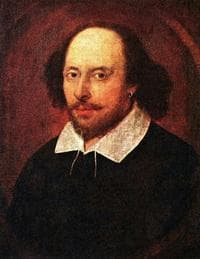
William Shakespeare was an English playwright, poet and actor. He is widely regarded as the greatest writer in the English language and the world's pre-eminent dramatist. He is often called England's national poet and the "Bard of Avon". His extant works, including collaborations, consist of some 39 plays, 154 sonnets, three long narrative poems, and a few other verses, some of uncertain authorship. His plays have been translated into every major living language and are performed more often than those of any other playwright. Shakespeare remains arguably the most influential writer in the English language, and his works continue to be studied and reinterpreted.
Similar books
- Wuthering Heights
Emily Brontë
3.9 (1.3M) average on GoodreadsHistorical FictionFeatures an intense, destructive love story between two individuals from opposing social standings.
- A Midsummer Night's Dream
William Shakespeare
4.0 (443k) average on GoodreadsFantasyShowcases Shakespeare's dramatic style and explores themes of love and fate, albeit with a comedic tone.
- Pride and Prejudice
Jane Austen
4.3 (3M) average on GoodreadsHistorical FictionBoth deal with societal constraints on love and initial misjudgments. However, Austen's novel is a social comedy focused on intellectual sparring, reasoned affection, and the eventual triumph of understanding over prejudice. This contrasts sharply with Shakespeare's tragic, impulsive romance driven by immediate passion and external conflict, leading to a devastating conclusion rather than a happy resolution.
- The Hunger Games
Suzanne Collins
4.3 (6.4M) average on GoodreadsFantasyIn a future where children fight to the death on live television, Katniss Everdeen volunteers for the arena, turning a death sentence into a fight for survival and a spark of rebellion.
- The Great Gatsby
F. Scott Fitzgerald
3.9 (3.8M) average on GoodreadsHistorical FictionIn the opulent Roaring Twenties, a mysterious millionaire's lavish parties hide his desperate, tragic pursuit of a lost love, exposing the emptiness within the American Dream.
- The Fault in Our Stars
John Green
4.2 (3.6M) average on GoodreadsYoung AdultA girl with a terminal illness finds her story rewritten when a charming boy with a similar past enters her life at a cancer support group, leading to a star-crossed romance.






Enjoyed the summary?
A summary gives you the shape of the book. The book itself has the detail, the examples and the voice.
Find Romeo and Juliet on AmazonAs an Amazon Associate, BookBrief earns from qualifying purchases. How we're funded