
Synopsis
Covers the whole plot, including the ending.
- Difficulty
- Easy
- Pacing
- Moderate
- Mood
- Heartwarming, Adventurous, Melancholy, Poignant
- Read it if
- You want a classic, heartwarming, yet ultimately tragic story about the bond between a boy and his dog, set against the backdrop of the American frontier.
- Skip it if
- You prefer stories with exclusively happy endings or are sensitive to animal death.
Old Yeller Plot Summary
Covers the whole plot, including the ending.
A New Arrival and Initial Dislike
Fourteen-year-old Travis Coates is left in charge of his family's homestead in the Texas Hill Country during the 1860s. A large, yellow stray dog appears. Travis initially dislikes the dog, finding him ugly and a problem. The dog, later named Old Yeller by Little Arliss, Travis's younger brother, is a clever thief. He steals meat from the family's smokehouse and even bacon from Mrs. Searcy. Travis tries to get rid of him many times, even setting a trap, but Old Yeller's cleverness makes him hard to stop. Despite Travis's efforts, Little Arliss quickly forms a strong bond with the dog, making it impossible for Travis to truly drive Old Yeller away.
Old Yeller Proves His Worth
Travis's dislike for Old Yeller lessens after a scary event. Little Arliss, despite warnings, goes too close to a creek and tries to catch a bear cub. This makes the cub's mother, a large she-bear, charge at Arliss. Old Yeller, without hesitation, bravely attacks the much larger bear, drawing its attention away from the boy. His fierce barking and biting distract the bear long enough for Travis, alerted by the noise, to arrive with his gun and shoot the bear. He saves Arliss's life. This brave act deeply changes Travis's opinion of Old Yeller, turning his dislike into respect and, later, deep affection.
A Working Dog
After showing his loyalty and bravery, Old Yeller becomes a core part of the Coates family. He helps Travis with various chores around the homestead, showing intelligence and a willingness to work. He helps herd the family's cattle, keeping them in line and preventing them from straying. He also helps Travis with hog-marking, a dangerous task, by expertly catching and holding the wild hogs. Old Yeller's presence makes Travis's responsibilities easier and provides security and companionship, especially with Papa still away on the cattle drive to Abilene. The family comes to rely on him for protection and help.
A Dangerous Journey and a New Friend
With food supplies low, Travis goes on a hunting trip to get meat for the family. Old Yeller goes with him, proving to be a skilled hunting dog. During their journey, they meet Bud Searcy and his granddaughter, Lisbeth, who are traveling through the area. Lisbeth carries a puppy, a pup from Old Yeller's family. Bud Searcy, a talkative old man, shares news and gossip from the outside world. He also sees Old Yeller's skills firsthand, further confirming the dog's reputation as an exceptional animal. This meeting provides a brief link to the larger world outside their isolated home.
The Threat of Hydrophobia
A serious threat appears when rabies begins to spread among the local wildlife. Travis learns from Bud Searcy that several animals in the area have caught the disease, making the frontier even more dangerous. One evening, a rabid wolf attacks the family's cow. Old Yeller, true to his protective nature, fiercely defends the cow and the family, fighting brutally with the wolf. Travis, hearing the commotion, rushes out and shoots the wolf, but not before Old Yeller is bitten many times. The family is relieved the wolf is dead, but a deep fear settles over them about Old Yeller's health, as rabies is almost always deadly.
Travis's Injury
After the wolf attack, Travis, still shaken, needs to mark some wild hogs. Old Yeller, despite his injuries, tries to help. During the dangerous task, a particularly aggressive hog charges Travis, goring him in the leg. The injury is severe, leaving Travis unable to move and in great pain. Old Yeller, even while wounded himself, continues to protect Travis, barking and snapping at the hog. Mama, with the help of Lisbeth, who has come to stay, manages to tend to Travis's wound, but his recovery is slow and hard. This incident shows the harsh realities and constant dangers of frontier life.
The Agony of Waiting
With Travis recovering from his injury, the family focuses on Old Yeller. Mama, having seen rabies before, knows the symptoms and the inevitable outcome. They carefully watch Old Yeller for any signs of the deadly disease. Days turn into weeks, filled with hope and dread. Old Yeller seems to be recovering from his physical wounds, but the family knows that the rabies virus has a long incubation period. The emotional toll on Travis is huge; he desperately wants his beloved dog to be well, but the grim reality of the situation weighs heavily on the entire household.
The Inevitable Decision
The family's worst fears come true when Old Yeller begins to show clear signs of rabies. He starts to act strangely, his eyes become glassy, and he acts aggressively, even towards Mama. He snarls and snaps at her, a sharp contrast to his loyal and gentle nature. Mama confirms their fears, explaining that there is no cure and that Old Yeller must be put down to protect the family from infection. This task falls to Travis, as he is the man of the house. It is the most painful decision he has ever faced, a true test of his maturity and love for his family.
The Heartbreaking Act
With a heavy heart and tears, Travis takes his rifle. He leads Old Yeller away from the house, trying to stay calm for his family. The act itself is painful. Travis, who had come to love Old Yeller more than any other creature, is forced to shoot his loyal companion. The sound of the gunshot echoes through the quiet woods, a final, brutal end to the dog's life and a deep loss for Travis. He buries Old Yeller and returns to the house, completely devastated and struggling with the emotional weight of his actions.
Grief and Solace
After Old Yeller's death, Travis is overcome with grief and despair. He withdraws, unable to forget his beloved dog and the painful memory of what he had to do. Mama, understanding his pain, tries to comfort him, reminding him of Old Yeller's bravery and the need for his sacrifice. Eventually, Papa returns home from the cattle drive. He brings a sense of calm and understanding. He gently reminds Travis about life's cycle and the importance of moving forward. He also brings a new puppy, a pup from Old Yeller's family, given to them by Bud Searcy's granddaughter, Lisbeth. This new puppy, though small and untrained, begins to spark hope in Travis, reminding him of Old Yeller's spirit and the chance for new beginnings.
Old Yeller Characters
Travis Coates
Protagonist
A responsible, maturing boy tasked with protecting his family.
Travis is a fourteen-year-old boy who must step into the role of man of the house when his father leaves for a cattle drive. He is initially burdened by the responsibility and finds the stray dog, Old Yeller, to be an unwelcome nuisance. However, through Old Yeller's bravery and loyalty, Travis learns to love and depend on him. He is courageous and determined, facing the harsh realities of frontier life, including dangerous animals and the devastating impact of rabies. His journey is one of profound emotional growth and difficult maturation.
Relationships: Old Yeller (Initially antagonistic, evolving into deep love and dependency); Mama (Katie Coates) (Respectful and supportive mother-son bond); Little Arliss Coates (Protective older brother to a mischievous younger brother); Papa (Jim Coates) (Admiration and respect for his father's wisdom); Lisbeth Searcy (Friendly acquaintance, providing companionship and a new pup)
Old Yeller
Supporting
A loyal and brave stray dog who becomes a beloved family member.
Old Yeller is a large, scruffy, yellow cur dog who wanders onto the Coates's homestead. Initially seen as a thief and a nuisance by Travis, he quickly proves his intelligence, loyalty, and exceptional bravery. He saves Little Arliss from a bear, helps with cattle and hog-marking, and fiercely protects the family from a rabid wolf. He embodies the wild spirit of the frontier but also the deep bond that can form between humans and animals. His tragic fate is a central emotional pivot of the story.
Relationships: Travis Coates (Loyal companion and protector, deeply loved); Little Arliss Coates (Playmate and constant companion, especially affectionate); Mama (Katie Coates) (Respected and protected family member); Lisbeth Searcy's pup (Implied father of a new generation)
Mama (Katie Coates)
Supporting
Travis's strong, practical, and compassionate mother.
Mama is the resilient matriarch of the Coates family. She is practical, resourceful, and possesses a quiet strength that helps her manage the homestead and her children in Papa's absence. She is understanding of Travis's struggles and provides emotional support, especially after Old Yeller's death. She is also knowledgeable about frontier dangers, recognizing the signs of hydrophobia. Her calm demeanor and unwavering love are a constant source of stability for Travis and Arliss.
Relationships: Travis Coates (Supportive and guiding mother to her maturing son); Little Arliss Coates (Loving and patient mother); Papa (Jim Coates) (Devoted wife)
Little Arliss Coates
Supporting
Travis's mischievous and fearless younger brother.
Little Arliss is Travis's younger brother, a spirited and often reckless boy of five or six. He has an immediate and intense bond with Old Yeller, who becomes his constant companion and protector. His fearlessness, though endearing, often puts him in danger, as seen when he tries to catch a bear cub. His innocence and unwavering affection for Old Yeller highlight the dog's gentle nature and provide moments of levity amidst the challenges of frontier life. His initial joy in Old Yeller contrasts with Travis's later grief.
Relationships: Old Yeller (Best friend and inseparable companion); Travis Coates (Annoying but beloved younger brother); Mama (Katie Coates) (Loving and playful son)
Papa (Jim Coates)
Supporting
The wise and steady patriarch, absent for much of the story.
Papa is Travis's father, who leaves early in the story for a long cattle drive to Abilene, entrusting Travis with the responsibility of the family and homestead. Though absent for most of the narrative, his influence is felt through Travis's efforts to live up to his expectations. He returns at the end, providing crucial emotional support and wisdom to Travis, helping him cope with the loss of Old Yeller. He embodies the resilience and quiet strength often associated with frontier men.
Relationships: Travis Coates (Respected father, mentor, and source of comfort); Mama (Katie Coates) (Devoted husband)
Bud Searcy
Supporting
A talkative neighbor who brings news and gossip.
Bud Searcy is an old, garrulous neighbor who often stops by the Coates's homestead. He serves as a source of information and news from the outside world, particularly regarding the spread of hydrophobia. While sometimes perceived as a nuisance, his visits provide a link to other families and the broader community. He also plays a role in the story by having his granddaughter, Lisbeth, bring a new puppy to Travis after Old Yeller's death, offering a glimmer of hope.
Relationships: Coates Family (Neighbor and occasional visitor); Lisbeth Searcy (Grandfather)
Lisbeth Searcy
Supporting
Bud Searcy's granddaughter, who offers a new pup.
Lisbeth is Bud Searcy's granddaughter, a quiet and helpful girl who comes to assist Mama when Travis is injured. She is observant and kind, taking care of Travis during his recovery. Most significantly, she brings a puppy, one of Old Yeller's offspring, to the Coates family after Old Yeller's tragic death. This act provides Travis with a tangible connection to his beloved dog and helps him begin the healing process, offering a symbol of continuity and hope.
Relationships: Coates Family (Helpful neighbor and friend); Bud Searcy (Granddaughter)
Old Yeller Themes
Coming of Age and Responsibility
The novel shows Travis's journey from boyhood to manhood. Left in charge of his family, he takes on huge responsibilities, from getting food to protecting his younger brother and mother. His initial dislike for Old Yeller grows into deep affection and a strong understanding of sacrifice. The act of shooting Old Yeller, though heartbreaking, marks his true coming of age. It forces him to make a difficult, adult decision for his family's greater good. This theme is central to his character's development, showing his growth under pressure.
“A boy doesn't have any business bawling. A man can cry, but a boy can't.”
Love and Loyalty
The deep, unconditional love and loyalty between Old Yeller and the Coates family, especially with Travis and Arliss, is a main theme. Old Yeller's constant devotion shows through his brave acts of protection, from saving Arliss from the bear to defending the family from the rabid wolf. This theme highlights the strong bond between humans and animals and how that bond can provide comfort, security, and even shape character. The deep grief Travis feels after losing Old Yeller shows the depth of this love, making his sacrifice even more touching.
“He was the best dog a boy ever had.”
Life and Death on the Frontier
The harsh realities of life on the Texas frontier in the 1860s are always present. The family faces threats from wild animals, the constant struggle for food, and the danger of disease, especially rabies. The story honestly shows the brutal need for survival, where life is often short and hard decisions must be made. Old Yeller's death from rabies, a tragic but unavoidable event, is a stark reminder of the unforgiving environment and the sacrifices needed to survive.
“Living in the wild like we did, we were used to animals getting hurt, and getting sick, and dying.”
Sacrifice and Loss
The theme of sacrifice is central to the story, ending with Travis's difficult decision to kill Old Yeller. Old Yeller himself makes many sacrifices, risking his life to protect the family. However, Travis's ultimate sacrifice of his beloved dog for the safety of his mother and brother is the most profound. It illustrates the painful truth that love sometimes demands the hardest choices. True responsibility often involves enduring great personal loss for the well-being of others. The story explores the deep emotional impact of such a loss.
“I loved him, but I had to kill him.”
Plot Devices & Literary Techniques
Foreshadowing
Hints at future dangers, particularly the threat of rabies.
Foreshadowing is used effectively to build tension and prepare the reader for the tragic climax. Early mentions of hydrophobia spreading in the area through Bud Searcy's gossip, and Mama's knowledge of the disease, subtly hint at the looming danger. This creates a sense of dread and inevitability, making Old Yeller's eventual infection and Travis's heartbreaking decision more impactful because the possibility has been established, intensifying the emotional weight of the events as they unfold.
Symbolism (The New Puppy)
The new puppy symbolizes hope, continuity, and healing.
The puppy, given to Travis at the end of the story, serves as a powerful symbol. It represents the continuity of life, the passing of a legacy (being Old Yeller's offspring), and the possibility of healing after profound loss. While it doesn't replace Old Yeller, it offers Travis a tangible connection to his beloved dog and a reason to look forward. It symbolizes that even after immense tragedy, life goes on, and new bonds can be formed, helping Travis to move past his grief and embrace new beginnings.
Coming-of-Age Journey
Travis's journey from boy to man through hardship and responsibility.
This entire narrative structure functions as a classic coming-of-age journey for Travis. He is thrust into adult responsibilities, faces life-or-death situations, and is forced to make mature, difficult decisions. Each challenge, from managing the farm to fighting wild animals and ultimately sacrificing his dog, contributes to his development. The story is designed to illustrate his transformation from a boy who resents the stray dog to a young man capable of profound love and immense sacrifice, showcasing his growth through adversity.
Old Yeller Quotes
“And that's how I know for sure that my Old Yeller was the smartest dog a fella ever had.”
“He wasn't much to look at, but he was pure dog, and he was mine.”
“It wasn't a pretty sight, but it was a sight that made a man feel like he could lick the world.”
“Sometimes it takes a lot of nerve to do what's right.”
“I tried to swallow, but my throat was all swelled up and dry.”
“A man's got to do what a man's got to do.”
“He just stuck with us, no matter what.”
“It was a real shock, seeing him that way, all tore up and growling.”
“I was scared, too, but I knew I had to do it.”
“But a fella can't keep a dog that's gone rabid.”
“He was just a big old yeller dog, but he was the best friend I ever had.”
“It was just a part of living, out here in the brush.”
“You can't let your heart run away with your head.”
“He was always there, wagging his tail, ready to go.”
Quiz
10 questions on the plot and the characters. Each answer comes with a short explanation.
Question 1
Why was Travis initially reluctant to accept Old Yeller?
- Old Yeller ate too much food.
- Old Yeller was ugly and a thieving rascal.
- Old Yeller barked too much at night.
- Old Yeller scared away the livestock.
Show answer
B. Old Yeller was ugly and a thieving rascal. The book states that Travis 'couldn't stand the sight of Old Yeller' because the dog was 'ugly, and a thieving rascal, too.'
Question 2
What event first starts to change Travis's opinion of Old Yeller?
- Old Yeller helps Travis track a lost calf.
- Old Yeller scares away a buzzard from Little Arliss.
- Old Yeller saves Little Arliss from a charging bull.
- Old Yeller retrieves a bird that Travis shot.
Show answer
C. Old Yeller saves Little Arliss from a charging bull. Old Yeller earns Travis's respect and affection by bravely saving Little Arliss from a dangerous bull.
Question 3
Where has Papa gone that leaves Travis in charge of the family and farm?
- To hunt for deer in the mountains.
- On a long cattle drive up to Abilene.
- To trade goods at the nearest town.
- To visit relatives in San Antonio.
Show answer
B. On a long cattle drive up to Abilene. The book description explicitly states that Papa is 'away on a long cattle drive up to Abilene,' making Travis the man of the house.
Question 4
What animal does Old Yeller famously fight to protect Travis and Little Arliss, resulting in a severe injury to the dog?
- A pack of wolves.
- A bobcat.
- A mad wolf.
- A wild hog.
Show answer
C. A mad wolf. Old Yeller battles a rabid wolf to protect the family, ultimately getting bitten and contracting rabies himself.
Question 5
What is the primary theme explored through Travis's relationship with Old Yeller and the events of the story?
- The importance of formal education.
- The challenges and responsibilities of growing up and making difficult choices.
- The joy of pet ownership in the wilderness.
- The benefits of a large family.
Show answer
B. The challenges and responsibilities of growing up and making difficult choices. The story is a classic coming-of-age tale, where Travis must confront harsh realities and make the ultimate sacrifice, forcing him to mature and accept responsibility.
Question 6
What specific action does Travis have to take regarding Old Yeller after the fight with the mad wolf?
- He takes Old Yeller to a doctor in town.
- He tries to nurse Old Yeller back to health at home.
- He is forced to shoot Old Yeller to prevent the spread of rabies.
- He leaves Old Yeller tied up until Papa returns.
Show answer
C. He is forced to shoot Old Yeller to prevent the spread of rabies. After Old Yeller contracts rabies from the mad wolf, Travis, with a heavy heart, realizes he must shoot his beloved dog to protect his family from the deadly disease.
Question 7
Who is the youngest member of Travis's family, often requiring protection?
- Mama
- Lisbeth
- Arliss
- Spot
Show answer
C. Arliss Little Arliss is Travis's younger brother, who is often getting into mischief and needs Old Yeller's protection.
Question 8
What kind of animal does Old Yeller successfully 'herd' and bring home, impressing Travis?
- A stray cow.
- A wild turkey.
- A young deer.
- A hog.
Show answer
D. A hog. Old Yeller's intelligence and usefulness are highlighted when he manages to successfully herd and bring home a wild hog, showcasing his value beyond just protection.
Question 9
How does Travis initially react to the idea of having to shoot Old Yeller?
- He immediately understands it's necessary and acts quickly.
- He is filled with immense grief and struggles deeply with the decision.
- He tries to convince his mother to do it instead.
- He hopes Old Yeller will recover on his own.
Show answer
B. He is filled with immense grief and struggles deeply with the decision. Travis's internal struggle and grief over having to shoot Old Yeller are central to the emotional climax of the story, demonstrating his profound love for the dog and the weight of his responsibility.
Question 10
What does Papa tell Travis upon his return that helps Travis cope with the loss of Old Yeller?
- That they will get a new dog immediately.
- That Old Yeller was just an old stray anyway.
- That Travis did what he had to do and should be proud of his courage.
- That he should have tried harder to save Old Yeller.
Show answer
C. That Travis did what he had to do and should be proud of his courage. Papa's return brings a crucial conversation where he reassures Travis that he made the right, brave, and necessary decision, helping Travis come to terms with his grief and the difficult act.
Old Yeller FAQ
What is the central premise of 'Old Yeller'?
The story follows fourteen-year-old Travis Coates, who is left to care for his family's farm and his younger brother Arliss in post-Civil War Texas while his father is away. He reluctantly adopts a stray, yellow dog named Old Yeller, who initially causes trouble but eventually proves himself an invaluable protector and companion.
Who are the primary members of the Coates family?
The Coates family consists of Papa (Jim Coates), Mama (Katie Coates), the eldest son Travis (around 14), and the younger son Arliss (around 5-6). Later, Lisbeth Searcy, a neighbor girl, also becomes a significant presence.
What role does Old Yeller play in protecting the family?
Old Yeller repeatedly defends the family from dangerous animals. He saves Arliss from a bear, protects Travis from a charging bull, and fights off a pack of wild hogs, demonstrating immense bravery and loyalty, solidifying his place as a beloved family member.
What is the major turning point or climax of the story?
The climax occurs when Travis and Old Yeller encounter a rabid wolf, which Old Yeller bravely fights off to save Travis and Mama. Although he saves them, Old Yeller is bitten, leading to the tragic decision Travis must make.
How does Travis's initial perception of Old Yeller change throughout the book?
Initially, Travis views Old Yeller as an ugly, thieving nuisance and wishes he would leave. However, after witnessing Old Yeller's bravery in protecting Arliss and the family from various dangers, Travis develops a deep bond of love and respect for the dog, seeing him as an indispensable companion.
What is the significance of the wild hog incident for Travis and Old Yeller?
During the wild hog incident, Travis is severely injured while trying to help Old Yeller, who is fighting a sow. This event highlights Old Yeller's incredible courage and strengthens Travis's bond with the dog, as Old Yeller stays by his side and helps him get back to the house, despite Travis's severe leg wound.
How does the character of Spot, the cow, foreshadow later events or themes?
Spot, the cantankerous milk cow, represents another creature that Travis initially struggles with but eventually learns to manage and appreciate for its utility. Her stubbornness and the effort required to handle her subtly mirror the challenges Travis faces in accepting and training Old Yeller, and the general hardships of frontier life.
What is the underlying reason for Lisbeth Searcy giving Travis the puppy?
Lisbeth gives Travis the puppy, Old Yeller's son, as a gesture of comfort and hope after Old Yeller's death. She understands Travis's grief and offers a new companion that can carry on Old Yeller's legacy, helping Travis begin to heal and move forward.
How does the historical setting of post-Civil War Texas influence the story's events?
The post-Civil War setting emphasizes the isolation and self-reliance required of frontier families. With Papa away on a cattle drive to Abilene, Travis is thrust into adult responsibilities, and the lack of immediate medical or governmental aid highlights the dangers of the wilderness and the necessity of a protector like Old Yeller.
Analyze Travis's psychological journey from boy to man.
Travis's journey is one of forced maturity. He begins as a boy resentful of his responsibilities but learns to embrace them through his experiences with Old Yeller and the demands of frontier life. His ultimate act of putting down Old Yeller is a painful but necessary step into adulthood, demonstrating immense courage and selflessness.
How does Arliss's character serve as a catalyst for Old Yeller's acceptance?
Arliss's impulsive and often reckless behavior frequently puts him in danger, making Old Yeller's protective instincts indispensable. The most notable instance is when Old Yeller saves Arliss from the bear, which immediately solidifies Old Yeller's value to the family and begins to change Travis's negative perception.
What psychological impact does the decision to shoot Old Yeller have on Travis?
The decision to shoot Old Yeller is a profoundly traumatic experience for Travis, forcing him to confront the harsh realities of life and death on the frontier. It represents a loss of innocence and a heavy burden of responsibility, leaving him with deep grief but also a new understanding of duty and love.
Discuss Mama's role in Travis's emotional development after Old Yeller's death.
Mama plays a crucial role in helping Travis cope with his grief. She offers understanding, comfort, and practical advice, reminding him of Old Yeller's bravery and the importance of moving forward. Her quiet strength and wisdom guide Travis through his darkest moment, helping him to accept his actions and find solace.
Is the ending of 'Old Yeller' primarily tragic or a story of growth and resilience?
While undeniably tragic, the ending is also a profound story of growth and resilience. Travis endures immense pain but emerges stronger, having faced an impossible choice with courage. The arrival of Old Yeller's pup symbolizes hope and the continuation of life, suggesting that even in loss, there is renewal and the enduring power of love.
What is the deeper message about the nature of love and sacrifice in the book?
The book explores love as a powerful, unconditional bond that often demands sacrifice. Old Yeller's sacrifice in protecting the family, and Travis's ultimate sacrifice of his beloved dog for the family's safety, illustrate that true love sometimes requires the most painful decisions, emphasizing duty and selflessness.
How does the book challenge typical notions of a 'pet' relationship?
'Old Yeller' portrays a relationship far beyond a typical pet. Old Yeller is a working animal, a protector, and an integral part of the family's survival on the frontier. His loyalty and bravery elevate him to the status of a hero, demonstrating a deep, interdependent bond essential for their way of life.
Could the ending have been avoided, or was it an inevitable outcome given the setting and circumstances?
Given the harsh realities of the Texas frontier, the prevalence of rabies, and the lack of modern medical treatment, the ending was largely inevitable. Old Yeller's bite from a rabid wolf left no other safe option for the family, highlighting the unforgiving nature of the wilderness and the difficult choices people faced.
About the author

Fred Gipson was an American author known for his works of fiction, particularly for his novel "Old Yeller," which tells the story of a boy and his dog in Texas. His writing often reflects themes of rural life and the bond between humans and animals. Gipson's storytelling has left a lasting impact on children's literature.
Similar books
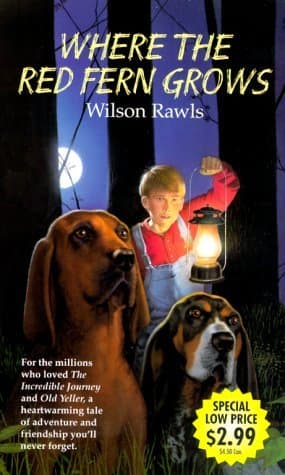
- Where the Red Fern Grows
Wilson Rawls
4.1 (342k) average on GoodreadsChildren'sFeatures a strong boy-and-dog bond, set in a rural environment, with a similarly emotional and tragic ending.
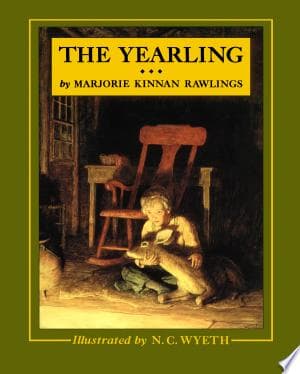
- The Yearling
Marjorie Kinnan Rawlings
4.0 (26k) average on GoodreadsChildren'sA coming-of-age story in a wilderness setting, dealing with loss, responsibility, and the harsh realities of nature.
- The Call of the Wild
Jack London
3.9 (341k) average on GoodreadsChildren'sWhile both involve dogs and the wilderness, London's book is geared towards an older audience and explores the brutal return to primal instincts from the animal's perspective. Gipson's 'Old Yeller' maintains a human-centric viewpoint, focusing on the civilizing influence of a pet and the human cost of sacrifice, rather than the animal's struggle for survival in the wild.
- Harry Potter and the Sorcerer's Stone
J.K. Rowling
4.5 (7M) average on GoodreadsFantasyRescued from a miserable life under the stairs, an orphaned boy discovers he's a wizard destined for a magical school, where he uncovers a dangerous secret tied to the dark wizard who murdered his parents.
- The Hobbit, or There and Back Again
J.R.R. Tolkien
4.3 (2.9M) average on GoodreadsFantasyA comfort-loving hobbit named Bilbo Baggins is whisked away by a mischievous wizard and a band of dwarves on an unexpected journey to reclaim stolen treasure from a fearsome dragon, discovering courage and a magical ring along the way.
- Harry Potter and the Goblet of Fire
J.K. Rowling
4.6 (2.6M) average on GoodreadsFantasyA bewildered Harry Potter, underage and thrust into a deadly Triwizard Tournament, must brave dragons, mermaids, and a resurgent dark magic to survive a year that will forever alter the wizarding world.




Enjoyed the summary?
A summary gives you the shape of the book. The book itself has the detail, the examples and the voice.
Find Old Yeller on AmazonAs an Amazon Associate, BookBrief earns from qualifying purchases. How we're funded