
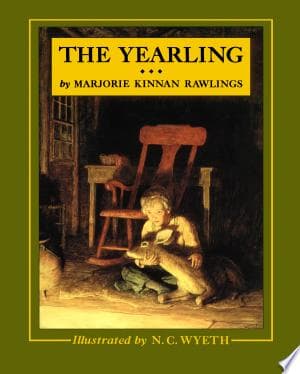
Synopsis
Covers the whole plot, including the ending.
- Difficulty
- Medium
- Pacing
- Moderate
- Mood
- Pastoral, Bittersweet, Reflective, Melancholy
- Read it if
- You appreciate classic coming-of-age stories set in a vivid natural environment, exploring themes of responsibility, loss, and the harsh realities of life.
- Skip it if
- You prefer fast-paced plots or shy away from stories with emotional animal-related tragedies.
The Yearling Plot Summary
Covers the whole plot, including the ending.
The Forresters of Cross Creek
Jody Forrester is an imaginative boy living with his parents, Penny and Ora, in the difficult but beautiful scrubland of rural Florida in the late 19th century. Their lives involve farming, hunting, and constant struggle against nature. Jody often feels lonely because his siblings have all died, and his mother, Ora, is still sad and often strict. Penny, his father, is kinder and understands Jody's love for the wilderness, often telling him stories. Jody's days are filled with chores, exploring, and wanting a companion.
The Bear Hunt and the Fawn
While hunting with his father, Penny Forrester is bitten by a rattlesnake. To save Penny's life, Jody and Penny follow an old remedy, hunting a female bear. They kill the bear to use its liver and heart as a poultice for Penny's wound. After Penny recovers, they discover the bear had a fawn, now alone. Jody immediately feels a strong connection to the tiny creature, seeing in it the companionship he has always wanted. Penny, seeing Jody's strong desire, reluctantly agrees to let him keep the fawn, despite Ora's initial objections.
Jody and Flag
Jody names the fawn Flag and spends all his time raising it. He feeds Flag with a bottle, teaches it to follow him, and spends every moment possible with his new pet. Flag quickly becomes Jody's constant companion, bringing him great joy and comfort. Their bond is strong and immediate; Flag follows Jody everywhere, even to school when Jody goes briefly. This companionship fills a big empty space in Jody's life, helping him deal with the isolation of their remote home and the emotional distance he sometimes feels from his mother. Flag represents innocence, loyalty, and the wild beauty of their Florida home.
Trouble with the Crops
As Flag grows, his natural instincts start to cause problems for the Forrester family. The fawn, now a yearling, begins to raid their small crops, eating the corn, sweet potatoes, and beans that are essential for their survival through winter. Ora Forrester, who was always wary of Flag, becomes increasingly angry. She sees Flag as a danger to their survival and a symbol of impractical feelings. Penny, though he understands Jody's love for Flag, also recognizes how serious the situation is and the real risk of starvation if their crops are destroyed.
The Storm and the Loss
A destructive hurricane sweeps through the Florida scrub, ruining the Forrester farm. The storm destroys almost all their remaining crops, floods their fields, and badly damages their home. This natural disaster pushes the family to the edge of poverty, increasing the pressure on their already limited resources. The loss of the crops makes Flag's continued damage even harder to bear, as every plant he eats now represents a critical blow to the family's ability to survive. The storm shows the unforgiving nature of their environment and how fragile their lives are.
Ora's Ultimatum
With their crops destroyed and Flag still eating the few remaining plants, Ora Forrester reaches her limit. She declares that Flag must be removed from the property, stating that the family cannot survive if the deer keeps destroying their food supply. Her demand forces Penny and Jody to face their painful reality. Penny, despite his own fondness for the fawn and his understanding of Jody's deep love, knows Ora is right. He tries to explain the harsh necessities of life in the scrub to Jody, preparing him for a hard choice.
The Fence and the Failure
To try and balance Jody's love for Flag with the family's need to survive, Penny and Jody try to build a strong fence to keep the yearling out of their crops. They work hard, hoping to find a solution that doesn't harm Flag. However, Flag, driven by instinct and hunger, repeatedly finds ways to get past the fence, continuing to eat the precious plants. This failure confirms the truth: Flag, as a wild animal, cannot be contained or trained to ignore his natural urges, and his presence directly threatens the family's existence. The fence's failure shows that trying to tame the wild is useless.
The Inevitable Decision
Realizing there is no other choice, Penny gives Jody the painful task of taking Flag into the woods and releasing him, hoping the deer will go back to the wild. Jody, heartbroken but understanding, tries to do this. However, Flag, loyal and used to people, repeatedly returns to the farm, unable to understand why Jody is pushing him away. This persistent return forces Penny to make an even harder decision, realizing that simply releasing Flag isn't enough to solve the problem. The deer's continued presence threatens to break the family apart and ensure they starve.
The Shot
When Flag returns again and starts to destroy the newly planted crops, Ora demands that Penny shoot the deer. Penny, unable to do it, tells Jody to take the rifle and shoot Flag. In great pain and confusion, Jody tries to shoot Flag but misses, only wounding the deer. Flag runs off, injured. Jody, devastated, then tracks Flag down. He finds the suffering animal and, with a heavy heart and tears, delivers the fatal shot, ending Flag's life to ensure his family's survival. This act is a major and traumatic moment in Jody's childhood.
Jody Runs Away
Overwhelmed with grief, guilt, and anger at his harsh world and his parents' perceived cruelty, Jody runs away from home. He feels betrayed and alone, unable to accept the love he had for Flag with the brutal act he was forced to commit. He wanders aimlessly through the scrub, enduring hunger, thirst, and fear of the wilderness. This flight is an act of rebellion and a desperate attempt to escape the pain of his loss. During his journey, he experiences the true isolation and dangers of the wild, a sharp contrast to the comfort Flag once provided.
The Journey and Return
Jody's journey through the wilderness is dangerous. He faces hunger, thirst, and encounters with wild animals, forcing him to use his instincts and the survival skills his father taught him. He eventually finds a small settlement but feels out of place and misses his home. During this time, he thinks about Flag's death and starts to understand the difficult choices his parents faced. The harsh realities of the wild outside his home make him grow up quickly, realizing the necessity of the choices made. He eventually decides to return home, a changed boy.
Reconciliation and Growth
Jody eventually returns home, exhausted and humbled. His parents, especially Ora, are relieved and embrace him with new tenderness. Penny explains the difficult truths of life and sacrifice, helping Jody understand that the choice to kill Flag was out of necessity, not meanness. Jody, though still hurting from Flag's death, has gained a deep understanding of life's complexities, loss, and the responsibilities that come with survival. He has matured, losing some of his childish innocence and beginning to accept the harsh realities of the adult world. His relationship with his mother also softens, as she sees his pain and growth.
Principal Figures
Jody Forrester
Protagonist
A sensitive and imaginative boy growing up in the Florida scrub.
Jody is a young boy, around twelve years old, full of curiosity, energy, and a deep love for the natural world. He is often lonely, having lost all his siblings, and yearns for companionship. He is deeply attached to his father, Penny, who shares his love of the outdoors and understands his spirit. Jody struggles with his mother, Ora, who is often stern and distant due to her own grief. He is driven by a desire for connection and an innate empathy for animals.
Relationships: Penny Forrester (Father; close, understanding, mentor); Ora Forrester (Mother; strained, distant, but eventually loving); Flag (Beloved pet and companion; deep, unconditional bond)
Penny Forrester
Supporting
Jody's wise, compassionate, and patient father.
Penny is a hardworking and resilient man, deeply connected to the land and its rhythms. He is a skilled hunter and farmer, embodying the self-sufficient spirit of the scrub dwellers. Penny is patient and understanding with Jody, serving as his mentor and confidant, teaching him about nature and life's hard truths. He is the emotional anchor of the family, often mediating between Jody and Ora. Despite his gentle nature, he possesses an inner strength and pragmatic wisdom necessary for their survival.
Relationships: Jody Forrester (Son; close, mentoring, loving); Ora Forrester (Wife; loving, supportive, partnership in survival)
Ora Forrester
Supporting
Jody's stern, practical, but ultimately loving mother.
Ora is a tough, practical, and often stern woman, hardened by the loss of her many children and the relentless struggle for survival in the scrub. She is deeply concerned with the family's welfare and takes a no-nonsense approach to life, prioritizing practicality over sentimentality. While she often seems distant and critical of Jody, her actions are driven by a fierce love for her family and a desire to protect them from the harsh realities of their environment. She struggles to express her emotions but demonstrates her love through her unwavering commitment to their survival.
Relationships: Jody Forrester (Son; initially distant and critical, later more openly loving); Penny Forrester (Husband; loving, supportive, partnership in survival)
Flag
Supporting
Jody's beloved pet fawn.
Flag is an orphaned fawn that Jody adopts after its mother is killed. He is innocent, playful, and deeply loyal to Jody, becoming his constant companion and filling a profound void in the boy's life. As Flag grows, his natural instincts as a wild animal begin to assert themselves, leading him to eat the family's crops. He represents the untamed beauty of nature but also the conflict between human needs and the wild. Flag's existence ultimately forces Jody to confront the harsh realities of life and death.
Relationships: Jody Forrester (Owner and best friend; deep, unconditional bond)
Fodder-wing
Supporting
Jody's disabled, but spirited, friend from the Baxter family.
Fodder-wing is a boy from the neighboring Baxter family, known for his physical disabilities, which leave him with a twisted body and a peculiar gait. Despite his challenges, Fodder-wing is full of life, joy, and an infectious enthusiasm for nature. He shares Jody's love for animals and the wilderness, often delighting in the small wonders of the scrub. His spirit and resilience serve as a contrast to the often grim realities of their lives, and he represents innocence and unburdened joy.
Relationships: Jody Forrester (Friend; shared interests, innocent companionship)
The Baxters
Supporting
A large, boisterous, and somewhat wild neighboring family.
The Baxters are a large family living nearby, characterized by their numerous children, boisterous nature, and often rough-and-tumble lifestyle. They are a significant part of the community, representing the broader, sometimes chaotic, social fabric of the scrub. They are generally kind-hearted but can be quick to quarrel. Their interactions with the Forresters, particularly through the children like Fodder-wing, provide both companionship and occasional conflict, highlighting the close-knit yet challenging nature of their isolated community.
Relationships: Forrester Family (Neighbors; intertwined lives, occasional friends and rivals)
Lem Forrester
Mentioned
Penny's older, more settled brother.
Lem is Penny's older brother, who has left the scrub life for a more conventional existence in town. He represents a different path, one of stability and comfort, contrasting with Penny's rugged independence. Lem's occasional visits or mentions highlight the economic disparities and different choices available to the characters, though his life is not explored in depth. He is a reminder of the world beyond the scrub.
Relationships: Penny Forrester (Brother; cordial, but different lifestyles)
Themes & Insights
Loss of Innocence and Coming of Age
The main theme is Jody's journey from childhood innocence to a more mature understanding of life's harsh realities. His deep bond with Flag shows his pure childhood joy and connection to nature. Being forced to kill Flag breaks this innocence, making him face the brutal need for sacrifice and the pain of loss. His running away and return symbolize his struggle with these truths and his eventual acceptance of the complexities of adulthood, where hard choices are often unavoidable. This is clear when Penny tells Jody, 'A man's got to take his grief an' grow with it.'
“'T ain't a man's game, killin' a thing ye love.”
Human vs. Nature
The novel clearly shows the constant struggle between human attempts to survive and control nature, and nature's inherent wildness and power. The Forresters' lives are shaped by the land—their crops, the weather, and wild animals. Flag, at first a pet, ultimately shows this conflict, as his natural instincts to find food directly threaten the family's survival. The devastating storm further highlights nature's indifference to human efforts, emphasizing how fragile their lives are and the need to adapt to or confront the wild environment.
“The scrub had a way of teachin' ye. It taught ye to be tough, or it killed ye.”
Love and Responsibility
The story explores the complex mix of love, especially Jody's deep affection for Flag, and the heavy responsibilities that come with life and family. Penny's love for Jody and his practical understanding of their survival needs force him to make the difficult decision about Flag. Ora's strictness, while seeming harsh, comes from her deep love and responsibility for her family's well-being. The story shows that true love sometimes requires making very hard, painful choices for the greater good, teaching Jody that love is not always joyful but often tied to sacrifice and duty.
“You've got to learn that you can't have everything you want, and that sometimes you have to give up things you love to live.”
Poverty and Survival
The theme of poverty and survival runs through the story, defining the Forresters' daily lives. Their existence is a constant fight against hunger, crop failure, and the difficult environment of the Florida scrub. Every crop, every hunt, every resource is critical. This constant struggle shows why the decision about Flag was necessary; his destruction of their crops is not just an inconvenience but a direct threat to their very survival. The family's strength and resourcefulness in hardship highlight the brutal realities of their lives, where every choice is a matter of life or death.
“We got to live, Jody. We got to live, and that means we got to have corn.”
Plot Devices & Literary Techniques
Symbolism of the Yearling (Flag)
Flag symbolizes Jody's innocence, the wildness of nature, and the conflict between the two.
Flag, the fawn, serves as a powerful symbol throughout the novel. Initially, he represents Jody's innocent childhood, his deep connection to the natural world, and his yearning for companionship. As Flag grows, he embodies the untamed, unpredictable aspects of nature, eventually becoming a symbol of the harsh conflict between human needs (survival, cultivation) and the wild's inherent destructive power (eating crops). His eventual death symbolizes the irreversible loss of Jody's innocence and his forced entry into the complex, often painful, realities of adulthood.
Foreshadowing
Early warnings and events hint at Flag's inevitable fate.
Foreshadowing is used to build tension and prepare the reader for Flag's tragic end. Ora's initial strong objections to keeping the fawn, citing its potential to destroy crops, serve as an early warning. Penny's reluctance and his pragmatic discussions about the realities of keeping a wild animal also hint at the difficulties to come. These early indicators create a sense of unease and inevitability, making the eventual decision about Flag's fate understandable, albeit heartbreaking, within the context of the Forresters' struggle for survival.
Setting as a Character
The Florida scrub acts as a living, influential entity.
The Florida scrub itself functions almost as a character in the novel, a powerful and influential force shaping the lives of the Forresters. It is beautiful yet unforgiving, providing sustenance but also presenting constant challenges like droughts, floods, and dangerous wildlife. The scrub dictates their daily struggles, their survival, and their worldview. Its vastness and wildness contribute to Jody's isolation but also foster his deep connection to nature. The environment is not merely a backdrop but an active participant in the narrative, driving conflict and character development.
Coming-of-Age Narrative
The story is structured around Jody's psychological and emotional development.
The entire novel is framed as a coming-of-age story, focusing on Jody's journey from childhood to maturity. The plot follows his experiences, challenges, and the lessons he learns, particularly through his relationship with Flag. The narrative arc traces his emotional growth, his changing understanding of the world, and his acceptance of adult responsibilities and difficult truths. Key events, like the death of Flag and Jody's subsequent flight and return, serve as rites of passage that propel his development, marking his transition from innocence to a more complex understanding of life.
The Yearling Quotes
“It was a thing of the wilderness, and of the wilderness she was a part.”
“Man has to take what God sends him.”
“Every man has to make his own way. What's good for one ain't good for another.”
“A boy has to do what's a man's work. It's the way of things.”
“The scrub had an ancient, enduring quality, as though it would remain long after all men had vanished.”
“He knew then that a man should not love anything if he would not be hurt.”
“There was no end to the things a man could learn if he kept his eyes and ears open.”
“Life was a thing of give and take, of joy and sorrow, and the two were so interwoven that one could not be had without the other.”
“He was a small, lonely boy in a great, lonely world, and the loneliness was his only friend.”
“The scrub was his home, his world, and he belonged to it as surely as the deer and the bear.”
“A man's got to do what's right, even if it hurts.”
“The wild things were not to be tamed, only understood.”
“Every boy has a right to something of his own, to care for and to love.”
“It was the way of life, and she must accept it, as she accepted the sun and the rain and the long, slow passage of the seasons.”
Quiz
10 questions on the plot and the characters. Each answer comes with a short explanation.
Question 1
What is the name of the main character in 'The Yearling'?
- Jody Baxter
- Fodder-wing
- Penny Baxter
- Buck Forrester
Show answer
A. Jody Baxter The main character of 'The Yearling' is Jody Baxter, a young boy growing up in the Florida scrub.
Question 2
What kind of animal is Flag, the pet Jody raises?
- A dog
- A wild pig
- A fawn (young deer)
- A raccoon
Show answer
C. A fawn (young deer) Flag is a fawn, a young deer, that Jody's father allows him to keep after its mother is killed.
Question 3
Why does Jody's father, Penny, initially allow Jody to keep Flag?
- To help Jody overcome his fear of the wilderness.
- Because the fawn's mother had to be killed after biting Penny, and he felt it was a fair trade.
- As a reward for Jody's good behavior and hard work.
- He wanted a pet for himself.
Show answer
B. Because the fawn's mother had to be killed after biting Penny, and he felt it was a fair trade. Penny allows Jody to keep Flag because the fawn's mother bit him, forcing him to kill her, and he felt obligated to save the orphaned fawn.
Question 4
What is the name of the family that lives nearby and often interacts with the Baxters, sometimes in conflict?
- The Wilson family
- The Forrester family
- The Smith family
- The Johnson family
Show answer
B. The Forrester family The Forrester family, particularly the boisterous Forrester boys, are neighbors who have a complex relationship with the Baxters.
Question 5
What significant event leads to Flag's eventual destruction of the family's crops?
- A severe drought that makes other food sources scarce.
- Jody forgets to mend a broken fence, allowing Flag into the fields.
- Flag is startled by a wild animal and crashes through the garden fence.
- Flag, now grown, instinctively forages and becomes increasingly destructive to their vital corn and sweet potato crops.
Show answer
D. Flag, now grown, instinctively forages and becomes increasingly destructive to their vital corn and sweet potato crops. As Flag grows, its natural instincts take over, leading it to repeatedly raid and destroy the family's crops, which are essential for their survival.
Question 6
What is the primary theme explored through Jody's relationship with Flag?
- The importance of formal education.
- The harsh realities of nature, the cycle of life and death, and the pain of growing up.
- The benefits of urban living over rural life.
- The ease of taming wild animals.
Show answer
B. The harsh realities of nature, the cycle of life and death, and the pain of growing up. Jody's bond with Flag teaches him about the untameable aspects of nature, the necessity of tough decisions, and the bittersweet process of maturation.
Question 7
Why does Ma Baxter initially insist that Flag must be killed?
- She dislikes animals and finds Flag annoying.
- She fears Flag will harm Jody.
- Flag has destroyed their vital crops, threatening the family's survival and livelihood.
- She wants Jody to focus on his chores instead of playing with a pet.
Show answer
C. Flag has destroyed their vital crops, threatening the family's survival and livelihood. Ma Baxter, ever practical and focused on survival, insists Flag must be killed because its destruction of their crops jeopardizes the family's food supply.
Question 8
What does Jody attempt to do after he is unable to kill Flag himself, leading to the ultimate resolution?
- He tries to sell Flag to the Forrester family.
- He attempts to run away with Flag, but Flag eventually returns to the Baxter farm.
- He builds a stronger fence to keep Flag out of the crops.
- He begs his father to let Flag live, promising to control him.
Show answer
B. He attempts to run away with Flag, but Flag eventually returns to the Baxter farm. Jody runs away with Flag after failing to kill him, but Flag's natural instinct to return to a familiar food source leads him back to the farm, forcing the final, tragic decision.
Question 9
Which character serves as a mentor figure to Jody, offering wisdom and guidance about life and nature?
- Ma Baxter
- Fodder-wing Forrester
- Penny Baxter
- Doc Wilson
Show answer
C. Penny Baxter Penny Baxter, Jody's father, is the primary mentor, teaching Jody about the realities of living off the land, the balance of nature, and the responsibilities of growing up.
Question 10
After Flag is killed, what is Jody's immediate emotional reaction and how does it reflect his coming-of-age?
- He feels immense relief and immediately moves on to other interests.
- He becomes deeply resentful of his parents and runs away permanently.
- He experiences profound grief, anger, and a sense of betrayal, but ultimately begins to understand the harsh necessities of life, marking a loss of innocence.
- He blames the Forrester family for the events and seeks revenge.
Show answer
C. He experiences profound grief, anger, and a sense of betrayal, but ultimately begins to understand the harsh necessities of life, marking a loss of innocence. Jody's reaction is a complex mix of grief, rage, and confusion, but Penny's guidance helps him begin to grasp the unavoidable hardships and responsibilities that come with adulthood, signifying his loss of innocence.
The Yearling FAQ
What is the central conflict Jody Baxter faces in 'The Yearling'?
Jody Baxter's central conflict is the inevitable clash between his deep love and attachment to his pet fawn, Flag, and the harsh realities of survival in the Florida scrubland. Flag, once a playful companion, begins to destroy the family's meager crops, forcing Jody to confront the painful necessity of prioritizing his family's livelihood over his personal bond with the deer.
Who are Penny and Ora Baxter, and what roles do they play in Jody's life?
Penny Baxter is Jody's wise, patient father, a former hunter who understands the wilderness and acts as Jody's primary mentor, teaching him about life, nature, and responsibility. Ora Baxter is Jody's stern but loving mother, hardened by the difficult life of the scrub, who initially resists Flag's presence due to the practical burdens it creates, yet ultimately understands Jody's pain.
Where and when does 'The Yearling' primarily take place?
The story is set in the isolated, untamed Florida scrub country, specifically around the Big Scrub region, shortly after the American Civil War. This post-Civil War setting emphasizes the family's self-sufficiency and the remote, pioneering nature of their existence, far from established towns or modern conveniences.
What significant loss does the Baxter family experience early in the story that indirectly leads to Jody finding Flag?
The Baxter family suffers a significant loss when a bear attacks their hogs. Penny is injured trying to protect them, and to draw the poison from his wound, he is forced to kill a doe, whose liver is used as a remedy. It is this doe's orphaned fawn that Jody later discovers and brings home, naming it Flag.
How does Jody's friendship with Fodder-wing Forrester end, and what impact does it have on him?
Jody's friendship with Fodder-wing Forrester, a kind and gentle boy from the neighboring Forrester clan, ends tragically when Fodder-wing dies from a snakebite. This loss deeply affects Jody, further exposing him to the harsh realities of life and death in the wilderness, and is one of several experiences that contribute to his maturation.
What specific incident involving the corn crop forces Penny to give Jody the ultimatum about Flag?
Flag repeatedly breaks into the Baxters' cornfield, trampling and eating their vital corn crop, which is essential for their winter survival. After Flag destroys multiple rows despite Jody's efforts to keep him out, Penny, seeing their livelihood threatened, tells Jody that Flag must be gotten rid of, as they cannot afford to lose their food supply.
How does the character of Lem Forrester subtly foreshadow the challenges of coexistence between humans and wild animals?
Lem Forrester, one of the rougher Forrester brothers, consistently expresses a pragmatic, often brutal, view of wild animals as either food or pests. His early comments about hunting deer and his family's struggles with predators subtly foreshadow the eventual conflict Flag creates for the Baxters, highlighting the unforgiving nature of their environment and the human need to protect their resources.
What role do the various illnesses and injuries sustained by the characters play in the narrative's themes?
The numerous illnesses and injuries, such as Penny's snakebite and Fodder-wing's death, serve to emphasize the fragility of life and the ever-present dangers of the wilderness. They underscore the family's resilience, the primitive medical knowledge of the time, and the constant struggle for survival, reinforcing the harsh realities that ultimately dictate Flag's fate.
How does the recurring imagery of the natural landscape reflect Jody's internal emotional state?
The Florida scrub's ever-changing landscape often mirrors Jody's emotional journey. The vibrant, teeming life of the woods reflects his youthful joy and wonder, while the harsh, unforgiving aspects—storms, droughts, dangerous animals—parallel his moments of fear, loss, and the stark realities he must face, particularly during Flag's destructive phase and his subsequent grief.
How does Jody's initial idealization of Flag evolve into a more mature understanding of love and responsibility?
Initially, Jody sees Flag as a perfect, innocent companion, an extension of his own desire for play and freedom. As Flag matures and threatens the family's survival, Jody is forced to confront the practical consequences of his affection. This transition from idealized pet to a creature of necessity teaches him that true love sometimes involves painful sacrifice and a broader sense of responsibility to his family's well-being.
Analyze Penny Baxter's parenting style. How does he balance discipline with empathy?
Penny Baxter employs a parenting style that is firm yet deeply empathetic, rooted in his own understanding of nature and human struggle. He allows Jody significant freedom to explore and learn from experience, but intervenes with clear, often difficult, lessons when necessary, such as the ultimatum regarding Flag. He teaches through example and patient explanation, preparing Jody for the harsh realities of life while validating his emotions.
What psychological impact does Jody's act of shooting Flag have on him, and how does he process this trauma?
Shooting Flag is a profound psychological trauma for Jody, marking his definitive loss of childhood innocence. He initially tries to flee from the grief and guilt, running away from home in a desperate attempt to escape the pain. His subsequent illness and the eventual, quiet acceptance he finds through his father's wisdom represent his processing of this trauma, leading to a deeper understanding of life's inevitable hardships.
How does the novel explore the concept of coming-of-age through the lens of a harsh natural environment?
The novel portrays coming-of-age not as a gentle transition but as a series of brutal lessons imposed by the unforgiving natural world. Jody's growth is directly tied to his encounters with death, loss, and the necessity of making difficult choices for survival. The wilderness acts as both teacher and antagonist, stripping away his childish illusions and forcing him to embrace the responsibilities of adulthood.
Is Flag's destructive behavior solely an act of nature, or can it be interpreted as a symbol of wildness that cannot be tamed?
While Flag's destructive behavior is certainly an act of nature, driven by instinct, it can also be interpreted symbolically as the inherent wildness that ultimately cannot be fully tamed or contained within human domesticity. Flag represents the untamed spirit of the scrub, a force that, however beloved, will inevitably clash with human attempts to control or confine it, highlighting the boundaries between civilization and wilderness.
The ending of 'The Yearling' is often described as bittersweet. Why is this a fitting description, and what does it suggest about the nature of growth?
The ending is bittersweet because while Jody experiences profound loss and grief over Flag, he also emerges with a newfound maturity and understanding of life's complexities, which marks his transition into manhood. It suggests that growth often comes at a significant cost, involving the painful shedding of innocence and the acceptance that not all cherished things can remain, but that such experiences forge resilience and deeper wisdom.
How does Marjorie Kinnan Rawlings use dialect and regional language to enhance the reader's immersion in the story's setting and characters?
Rawlings masterfully employs the authentic dialect and regional colloquialisms of the Florida scrub dwellers, using phrases like 'critter,' 'fixin' to,' and 'reckon.' This linguistic choice not only grounds the story deeply in its specific historical and geographical setting but also imbues the characters, especially Penny and Ora, with a strong sense of realism and individuality, making their voices and experiences feel genuine to the reader.
Some readers view Ora Baxter as harsh. Is this a fair assessment, or is her character more nuanced?
While Ora Baxter appears harsh at times, her character is more nuanced. Her sternness stems from the brutal realities of their existence; she is a survivor hardened by loss and constant struggle. Her practicality and focus on survival are essential for the family's well-being, and beneath her tough exterior, there is a deep, if often unexpressed, love for Jody and a profound understanding of his pain, particularly evident after Flag's death.
What philosophical statement does the novel make about humanity's place within the natural world?
The novel posits that humanity is not separate from, but rather an integral and often vulnerable part of the natural world. It illustrates that survival requires constant adaptation, respect for the wilderness's power, and an acceptance of its often-brutal laws. It suggests that humans must find a balance between their desires and the unyielding demands of nature, often through difficult sacrifices.
About the author
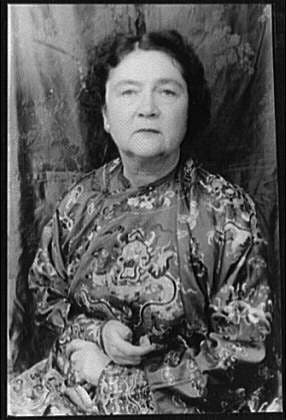
Marjorie Kinnan Rawlings was an American writer who lived in rural Florida and wrote novels with rural themes and settings. Her best known work, The Yearling, about a boy who adopts an orphaned fawn, won a Pulitzer Prize for fiction in 1939 and was later made into a movie of the same name. The book was written before the concept of young adult fiction, but is now commonly included in teen-reading lists.
Similar books
- Where the Red Fern Grows
Wilson Rawls
4.1 (342k) average on GoodreadsChildren'sFeatures a deep bond between a boy and his animals, set in a rural environment, with themes of love, loss, and growing up.
- Old Yeller
Fred Gipson
4.1 (86k) average on GoodreadsChildren'sExplores a boy's relationship with an animal companion and the difficult decisions forced by circumstance and survival.
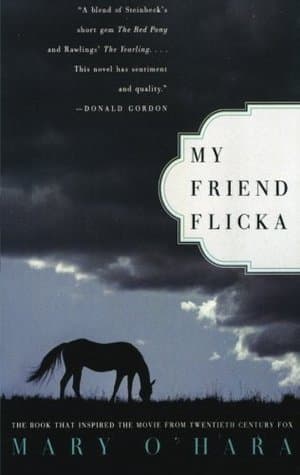
- My Friend Flicka
Mary O'Hara
4.2 (28k) average on GoodreadsChildren'sMary O'Hara's My Friend Flicka (1941) also features a young boy's transformative relationship with an animal (a wild horse) on a ranch in the American West. Both novels depict the challenges of taming wild creatures and the lessons learned through struggle and dedication. The Yearling delves deeper into the economic hardships and the broader family dynamics of survival in a harsh environment, with the animal relationship being one facet of a larger coming-of-age narrative amidst poverty. My Friend Flicka, while also exploring maturation, places a greater emphasis on the specific challenges of horse training and the psychological development of a 'difficult' child within a more financially stable, though still demanding, ranching family context. Rawlings's prose is often more richly descriptive of the natural world, while O'Hara's focuses more on the psychological interplay between boy and horse.
- Harry Potter and the Sorcerer's Stone
J.K. Rowling
4.5 (7M) average on GoodreadsFantasyRescued from a miserable life under the stairs, an orphaned boy discovers he's a wizard destined for a magical school, where he uncovers a dangerous secret tied to the dark wizard who murdered his parents.
- The Hobbit, or There and Back Again
J.R.R. Tolkien
4.3 (2.9M) average on GoodreadsFantasyA comfort-loving hobbit named Bilbo Baggins is whisked away by a mischievous wizard and a band of dwarves on an unexpected journey to reclaim stolen treasure from a fearsome dragon, discovering courage and a magical ring along the way.
- Harry Potter and the Goblet of Fire
J.K. Rowling
4.6 (2.6M) average on GoodreadsFantasyA bewildered Harry Potter, underage and thrust into a deadly Triwizard Tournament, must brave dragons, mermaids, and a resurgent dark magic to survive a year that will forever alter the wizarding world.



Enjoyed the summary?
A summary gives you the shape of the book. The book itself has the detail, the examples and the voice.
Find The Yearling on AmazonAs an Amazon Associate, BookBrief earns from qualifying purchases. How we're funded