

Synopsis
Covers the whole plot, including the ending.
- Difficulty
- Medium
- Pacing
- Moderate
- Mood
- Atmospheric, Romantic, Mysterious, Suspenseful, Melancholy
- Read it if
- You enjoy gothic romance with a strong mystery element, historical settings, and a determined female protagonist.
- Skip it if
- You prefer fast-paced thrillers or dislike dramatic plot twists and romantic melodrama.
On the Night of the Seventh Moon Plot Summary
Covers the whole plot, including the ending.
Arrival at Schloss Drachenhausen
Helena Trant, a young English governess, travels to the Black Forest region of Germany to work for the wealthy von Erbach family at Schloss Drachenhausen. She notices the ancient, somewhat forbidding atmosphere of the castle and the surrounding dense forest. Her employer, Countess von Erbach, is stern but elegant. Helena cares for the Countess's young, sickly grandson, Andreas. Helena soon learns of local legends, especially the mystical 'Night of the Seventh Moon,' a time of celebration and magic. This sparks her imagination, but she does not know how important it will soon be for her.
The Mysterious Stranger and the Seventh Moon
As the Night of the Seventh Moon nears, the village prepares for the annual festival. Helena, feeling lonely and adventurous, decides to attend. There, amidst the dancing and music, she meets a handsome and mysterious stranger named Tobias. They feel an instant, strong connection, spending the night together in a whirlwind of romance. Helena is completely charmed by Tobias, believing she has found her soulmate in this man, whose true identity she does not know.
A Sudden Disappearance and Lingering Questions
The morning after the festival, Helena wakes in a secluded forest cottage to find Tobias gone. Her memory of the exact location is vague, and she feels a deep sense of loss and confusion. She returns to Schloss Drachenhausen, upset and disoriented. The villagers are quiet about Tobias, and the von Erbach family dismisses her experience, attributing it to the legends of the Seventh Moon. Helena feels an emotional emptiness and a growing suspicion that something more serious than a simple romance happened, especially with her lover's mysterious disappearance.
The Discovery of Pregnancy and Dismissal
Weeks turn into months, and Helena discovers she is pregnant. This fills her with fear and a new resolve to find Tobias. However, when her condition becomes clear, Countess von Erbach, protecting the family's strict moral code and reputation, fires Helena. Helena is cast out, alone and vulnerable, with no one to help her and no explanation for her situation. She must leave the Black Forest, carrying her secret and the hope of one day finding the truth about Tobias and the Night of the Seventh Moon.
A New Life in England and a Daughter
Helena returns to England, where she finds help from her former governess, Miss Jones. To avoid scandal and protect her child, Helena adopts a new identity, Helena van der Breuk, claiming to be a Dutch widow. She gives birth to a beautiful daughter, Isolda, named after a German legend. Helena dedicates herself to raising Isolda, teaching her a love for stories and a strong sense of self. Despite her new life, the mystery of Tobias and the Night of the Seventh Moon continues to haunt her, fueling her quiet determination to seek justice and answers.
The Shadow of the Past and a Mysterious Invitation
Years pass, and Isolda grows into a lively young girl, unaware of her birth circumstances. Helena, now a successful portrait artist under her assumed identity, believes she has buried her past. However, a mysterious, anonymous invitation arrives, asking her to return to Schloss Drachenhausen to paint a portrait of Andreas, the young boy she once cared for. This unexpected summons reawakens Helena's fears and hopes. Despite her worry, she feels she must return to the Black Forest, sensing that this invitation holds the key to finally uncovering the truth of that night and Tobias's disappearance.
Return to Schloss Drachenhausen and Renewed Encounters
Helena, with an older Isolda, returns to Schloss Drachenhausen. The castle, while familiar, now feels more oppressive and full of unspoken secrets. She meets Countess von Erbach again, who seems to recognize her but does not directly acknowledge their past. Helena also meets Andreas, now a young man, who is distant and troubled. She observes the other residents and servants, trying to piece together clues, but everyone seems guarded. The atmosphere is tense, and Helena feels a growing sense of danger, realizing her return may not be as simple as painting a portrait.
Unraveling the Truth and a Confrontation
As Helena works on Andreas's portrait, she quietly investigates, questioning servants and observing family dynamics. She learns that Andreas has an older brother, also named Tobias, who was thought to have died years ago. Through persistent questioning and piecing together information, Helena discovers that the man she loved was the elder Tobias, the rightful heir to Schloss Drachenhausen. He had been secretly engaged to a local woman, and the Countess disapproved of their union. The Night of the Seventh Moon was Tobias's desperate attempt to escape his arranged future, leading to their fateful meeting.
The Conspiracy and the Second Tobias
Helena uncovers a dark family secret: the Countess, with other powerful figures, planned to disinherit the elder Tobias and secure Andreas's inheritance. Tobias was considered unsuitable due to his independent spirit and his love for Helena, which threatened the family's lineage and reputation. To prevent scandal and ensure Andreas's succession, the elder Tobias was secretly imprisoned or forced into hiding, and his 'death' was faked. The man Helena knew was not merely a carefree lover but a victim of a cruel family conspiracy, designed to protect their wealth and social standing.
The Rescue and Reunion
With the truth, Helena confronts the Countess and other conspirators. She gathers evidence and gets help from sympathetic people, including a loyal old servant and a local doctor who had been involved in the cover-up but now feels regret. Through their combined efforts, Helena discovers Tobias is still alive, held captive in a hidden part of the castle or a remote family property. A tense rescue operation follows, ending in Tobias's dramatic liberation. Helena and Tobias are finally reunited, their love rekindled amid the joy and relief of their long-awaited reunion.
Justice and Reconciliation
With Tobias free and the truth known, Countess von Erbach and her co-conspirators face the consequences. While not explicitly detailed as legal prosecution, their reputations are shattered, and their power lessened. Tobias reclaims his rightful place as the heir to Schloss Drachenhausen. Helena and Tobias can finally acknowledge their love openly, and Isolda meets her father. The family, though marked by past deceptions, begins a difficult process of healing, with Helena and Tobias determined to build a new, honest life for themselves and their daughter.
On the Night of the Seventh Moon Characters
Helena Trant (Helena van der Breuk)
Protagonist
A resilient English governess who seeks truth and justice after a magical, yet tragic, encounter.
Helena is initially portrayed as an imaginative and somewhat naive young woman, drawn to the romanticism of the Black Forest legends. She possesses an innate strength and resourcefulness that emerges after she is abandoned and discovers her pregnancy. She is intelligent, observant, and deeply loyal, especially to her daughter, Isolda. Helena is driven by a powerful need to uncover the truth about Tobias and the events of the Night of the Seventh Moon, refusing to let her past remain a mystery. She transforms from a vulnerable governess into a determined investigator and protective mother.
Relationships: Tobias (Her lover and the father of her child; a deep, passionate connection.); Isolda (Her beloved daughter, for whom she makes many sacrifices.); Countess von Erbach (Her employer, later her adversary, representing the forces of tradition and deception.); Miss Jones (Her former governess and a supportive maternal figure.)
Tobias (the elder)
Love Interest / Victim
The enigmatic and passionate man Helena falls in love with, whose disappearance drives the central mystery.
Tobias is initially presented as a charismatic and mysterious stranger, embodying the romantic spirit of the Night of the Seventh Moon. He is passionate, adventurous, and deeply in love with Helena. He is, however, also a victim of his family's machinations, having been deemed unsuitable to inherit due to his independent spirit and a pre-existing, disapproved engagement. His true identity as the rightful heir to Schloss Drachenhausen is central to the plot. He is a man trapped by circumstance, longing for freedom and true love, and his 'disappearance' is a cruel act of familial betrayal.
Relationships: Helena Trant (His true love and the mother of his child.); Countess von Erbach (His grandmother and the orchestrator of his downfall.); Andreas (His younger brother, who benefits from his disappearance.)
Countess von Erbach
Antagonist
The stern matriarch of Schloss Drachenhausen, determined to protect her family's honor and legacy.
The Countess is a formidable and aristocratic woman, deeply committed to upholding the traditions and honor of the von Erbach family. She is stern, unyielding, and capable of great deception to achieve her aims, particularly in securing the family inheritance for Andreas. Her actions are driven by a rigid sense of duty and a fear of scandal, making her responsible for Tobias's disappearance and Helena's subsequent plight. She represents the oppressive forces of societal expectation and aristocratic pride, willing to sacrifice individual happiness for the sake of family reputation and wealth.
Relationships: Helena Trant (Her former governess, whom she dismisses and later tries to control.); Tobias (Her grandson, whom she orchestrates to disinherit.); Andreas (Her younger grandson, whom she favors as heir.)
Isolda
Supporting
Helena's spirited daughter, a living embodiment of the Night of the Seventh Moon.
Isolda is Helena's beloved daughter, a bright, spirited, and curious child. She is a constant source of joy and motivation for Helena, representing hope and a tangible link to Tobias. Unaware of the true circumstances of her birth for much of the story, she embodies the mystery and romance of the Black Forest legends Helena shares with her. Her presence is a powerful reminder of the love Helena shared with Tobias and the injustice she suffered, making her a critical catalyst for Helena's eventual return to the Black Forest.
Relationships: Helena Trant (Her devoted mother.); Tobias (Her father, whom she eventually meets.)
Andreas
Supporting
The sickly younger grandson of the Countess, whose inheritance is central to the family conspiracy.
Andreas is initially introduced as a frail, sickly young boy under Helena's care. As he grows older, he remains somewhat withdrawn and troubled, perhaps burdened by the unspoken secrets and pressures within his family. He is the intended beneficiary of the Countess's manipulations, unknowingly taking his elder brother Tobias's rightful place. While not malicious, his existence is intertwined with the central deception, making him a complex figure who benefits from a great injustice.
Relationships: Helena Trant (His former governess.); Tobias (His older brother, whose inheritance he unknowingly usurped.); Countess von Erbach (His grandmother, who favors him for the inheritance.)
Miss Jones
Supporting
Helena's former governess and a kind, supportive confidante.
Miss Jones is a compassionate and practical woman who provides Helena with a safe haven and emotional support after she is dismissed from Schloss Drachenhausen and discovers her pregnancy. She is a maternal figure, offering Helena guidance and helping her establish a new life and identity in England. Her unwavering loyalty and kindness are crucial to Helena's survival and ability to raise Isolda, acting as a moral compass and a source of stability in Helena's tumultuous life.
Relationships: Helena Trant (Her former pupil and trusted friend.)
Dr. Albrecht
Supporting
A local doctor who becomes an unwitting participant and later an ally in uncovering the truth.
Dr. Albrecht is a respected local physician who, due to his position and perhaps under duress or manipulation, becomes involved in the initial cover-up of Tobias's disappearance. He holds key information about the family's secrets. Later, perhaps driven by guilt or a sense of justice, he becomes an important ally to Helena, providing crucial details and assistance in uncovering the full truth and ultimately aiding in Tobias's rescue. He represents the moral conscience that eventually emerges from complicity.
Relationships: Helena Trant (An eventual ally in her quest for truth.); Countess von Erbach (Connected through family secrets and medical involvement.)
Herr Schmidt
Mentioned
A minor character, often a local villager or servant, who provides snippets of information.
Herr Schmidt represents the various minor characters in the village or castle who, through their gossip, guarded comments, or shared knowledge of local legends, provide Helena with small but significant clues. These characters help to build the atmosphere of mystery and contribute to Helena's gradual understanding of the complex web of secrets surrounding the von Erbach family and Tobias's disappearance. They are often wary of the powerful family but hold pieces of the puzzle.
Relationships: Helena Trant (Source of fragmented information for Helena.)
On the Night of the Seventh Moon Themes
The Power of Love and Memory
Helena's lasting love for Tobias and her clear memories of their single night together drive her search for truth. Despite years apart and no clear answers, her love never fades, sustaining her through hardship and motivating her return to the Black Forest. The memory of the Night of the Seventh Moon, though mysterious, is a strong, almost magical force that pushes her forward, showing how love can overcome time and obstacles. This theme is clear in Helena's refusal to forget Tobias, her dedication to Isolda, and her eventual success in finding him.
“The Night of the Seventh Moon had been a dream, but a dream so vivid, so real, that it had imprinted itself on my soul.”
Appearance vs. Reality / Deception
The novel is full of deception, where appearances hide a darker reality. The beautiful Black Forest conceals old secrets and a powerful, manipulative family. Tobias's 'disappearance' is a planned lie, and Helena's identity as a 'Dutch widow' is a necessary cover. Countess von Erbach carefully maintains an image of aristocratic properness while engaging in cruel schemes. This theme shows how easily truth can be hidden by power, reputation, and fear, and how difficult it is to uncover these layers of falsehood, as seen in the years it takes Helena to learn the truth.
“In this ancient land, where legends walked hand in hand with reality, it was difficult to discern where one ended and the other began.”
Social Class and Reputation
The strict social structures and the great importance of family reputation in aristocratic society are central to the conflict. The Countess's actions come from a desperate need to maintain the von Erbach family's standing, wealth, and lineage, even if it means disinheriting and imprisoning her own grandson. Helena, as a governess, is of a lower social standing, making her vulnerable and easily dismissed when she becomes pregnant. Her struggle for justice is made harder by the power imbalance, showing how class differences can control fate and allow injustice to thrive unchecked within a closed society.
“The honor of the family, that was all that mattered to them. More than truth, more than love, more than a man’s freedom.”
Motherhood and Sacrifice
Helena's journey is deeply shaped by her role as a mother. Her choice to keep and raise Isolda, despite scandal and hardship, shows immense courage and love. She gives up her former life, adopts a new identity, and endures years of uncertainty, all for her daughter's well-being and future. Isolda becomes Helena's greatest motivation, fueling her resilience and her determination to find the truth, not just for herself, but to give her child a legitimate identity and a connection to her father. This theme celebrates the lasting strength and selflessness of maternal love.
“Every beat of Isolda’s heart was a promise, a reason to endure, a reason to fight for the truth.”
The Allure and Danger of the Unknown
The Black Forest itself, with its ancient legends and mysterious atmosphere, represents the allure and danger of the unknown. Helena is initially drawn to its romance and the magic of the Night of the Seventh Moon, but this very appeal leads her into a terrifying nightmare. The unknown nature of Tobias, his true identity, and the secrets of the von Erbach family create suspense and danger throughout the story. This theme highlights how curiosity and a romantic view of the mysterious can lead to deep personal peril, requiring courage to face hidden truths.
“The forest held secrets, ancient and dark, and I had stumbled into the heart of them.”
Plot Devices & Literary Techniques
The Night of the Seventh Moon
A recurring mystical festival that acts as both catalyst and symbolic anchor.
The Night of the Seventh Moon is more than just a setting; it's a powerful plot device that serves as the catalyst for Helena's initial romance and subsequent tragedy. It embodies the romantic, mysterious, and ultimately dangerous aspects of the Black Forest. Symbolically, it represents a time when the veil between worlds is thin, allowing for both magical encounters and fateful deceptions. Its recurring mention and the lingering mystery surrounding it constantly draw Helena back to the past, making it an inescapable symbol of her lost love and the central enigma she must solve.
Assumed Identity
Helena's adoption of a new name to escape scandal and protect her daughter.
Helena's decision to become 'Helena van der Breuk' is a crucial plot device that enables her survival and later her return to the Black Forest. This assumed identity allows her to escape the social ostracism of being an unwed mother, build a new life, and develop her skills as an artist. More importantly, it provides her with a disguise upon her return to Schloss Drachenhausen, allowing her to investigate the truth without immediately revealing her connection to the past. It highlights the theme of appearance versus reality and the sacrifices made for reputation and family.
The Portrait
An artistic commission that serves as a pretext for Helena's return to the castle.
The invitation for Helena (as Helena van der Breuk) to paint a portrait of Andreas is the primary plot device that facilitates her return to Schloss Drachenhausen. It provides a legitimate reason for her presence within the very heart of the mystery, allowing her access to the family, the castle, and its secrets without immediately raising suspicion. The act of painting itself also allows her a vantage point for observation and subtle questioning, making it a clever means for the protagonist to gather clues and unravel the long-held deception.
Local Legends and Folklore
The Black Forest's rich oral tradition, hinting at deeper truths and adding to the atmosphere.
The pervasive presence of Black Forest legends, particularly those surrounding the Night of the Seventh Moon and mythical creatures, serves to create an atmospheric and foreboding backdrop for the story. These legends are not just colorful embellishments; they subtly foreshadow events, provide a framework for understanding the characters' motivations (especially Helena's initial romanticism), and often contain kernels of truth or symbolic parallels to the unfolding drama. They blur the lines between reality and myth, enhancing the mystery and hinting at the ancient, deeply rooted secrets of the region and its inhabitants.
On the Night of the Seventh Moon Quotes
“The past is a living thing; it breathes, it whispers, it waits.”
“There are some things you know in your heart, even if your mind tries to deny them.”
“Fear is a cold companion, but it can also be a guide.”
“A secret shared is a burden halved, but a secret kept can be a sword.”
“The truth, like a river, will always find its way to the sea.”
“Sometimes the most beautiful things hide the darkest shadows.”
“Love, once truly felt, leaves an indelible mark, whether you wish it or not.”
“To forget is to betray, not just others, but oneself.”
“The past is never truly dead; it merely sleeps, waiting for the right moment to awaken.”
“There are different kinds of prisons; some have bars, others are made of silence.”
“A name can be a promise, or a warning, or a curse.”
“Hope is a fragile thing, easily crushed, but impossible to live without.”
“The heart has its own language, which the mind often struggles to translate.”
“Sometimes the most dangerous enemies are those who pretend to be friends.”
Quiz
10 questions on the plot and the characters. Each answer comes with a short explanation.
Question 1
What is the primary reason Helena Trant travels to the Black Forest at the beginning of the story?
- To investigate a family mystery
- To study German folklore and legends
- To attend a finishing school
- To visit her estranged aunt
Show answer
C. To attend a finishing school Helena is sent to the Black Forest to attend a finishing school, which sets the stage for her encounter with the local legends and her eventual romance.
Question 2
Who is the mysterious man Helena falls in love with on the Night of the Seventh Moon?
- Herr Schmidt, the innkeeper
- Toby, her childhood friend
- Johannes von Drachenfels
- Baron von Richter
Show answer
C. Johannes von Drachenfels Helena falls deeply in love with Johannes von Drachenfels on the Night of the Seventh Moon, a pivotal event that drives the entire plot.
Question 3
What significant item does Helena keep as a memento of her time with Johannes after she is forced to leave?
- A locket with his picture
- A piece of jewelry shaped like a dragon
- A pressed flower from the Black Forest
- A letter he wrote to her
Show answer
B. A piece of jewelry shaped like a dragon Helena keeps a piece of jewelry, often described as a dragon or a serpent, given to her by Johannes, which becomes a key identifier and link to their past.
Question 4
Why is Helena abruptly taken from the Black Forest and sent back to England?
- Her family needed her to manage their estate.
- Her guardian, Mrs. Trant, disapproved of her relationship.
- She completed her studies ahead of schedule.
- There was a political uprising in Germany.
Show answer
B. Her guardian, Mrs. Trant, disapproved of her relationship. Mrs. Trant, Helena's guardian, abruptly removes her from the Black Forest due to her disapproval of Helena's burgeoning romance with Johannes, fearing a scandal.
Question 5
What does Helena discover about her own parentage that complicates her future and connection to the Black Forest?
- She is the long-lost daughter of a German baron.
- She is adopted and her birth parents are unknown.
- Her mother was a German woman who married an Englishman, and her father was not who she thought.
- She is the true heiress to the Trant family fortune.
Show answer
C. Her mother was a German woman who married an Englishman, and her father was not who she thought. Helena learns that her mother was a German woman, and her biological father was not the man she believed, revealing a hidden past deeply connected to the Black Forest families.
Question 6
Upon her return to the Black Forest years later, under what guise does Helena travel?
- As a governess for a noble family.
- As a traveling artist seeking inspiration.
- As a distant relative visiting the Drachenfels estate.
- As a journalist investigating local legends.
Show answer
A. As a governess for a noble family. Helena returns to the Black Forest disguised as a governess, allowing her to discreetly investigate the disappearance of Johannes and the mysteries surrounding the Drachenfels family.
Question 7
What is the central mystery Helena tries to unravel concerning Johannes after her return?
- Whether he married another woman.
- His true identity and social standing.
- His sudden disappearance and presumed death.
- The location of a hidden treasure.
Show answer
C. His sudden disappearance and presumed death. The core mystery revolves around Johannes's disappearance and the rumors of his death, which Helena believes are false, driving her investigation.
Question 8
What role does the legend of Loke, the God of Mischief, play in the story's theme?
- It explains the changing weather patterns in the Black Forest.
- It justifies the festive nature of the Night of the Seventh Moon.
- It foreshadows the deception, confusion, and mistaken identities that Helena encounters.
- It serves as a literal curse upon the Drachenfels family.
Show answer
C. It foreshadows the deception, confusion, and mistaken identities that Helena encounters. The legend of Loke, the God of Mischief, on the Night of the Seventh Moon, is a thematic device that foreshadows the numerous deceptions, mistaken identities, and twists of fate Helena experiences.
Question 9
Who is the primary antagonist or source of much of the deception Helena faces?
- The local village priest.
- A rival suitor for Helena's affections.
- A member of the Drachenfels family or their associates with a motive to control the estate.
- Helena's own guardian, Mrs. Trant.
Show answer
C. A member of the Drachenfels family or their associates with a motive to control the estate. Much of the deception and danger Helena faces stems from individuals within or associated with the Drachenfels family, who have strong motives to control the estate and conceal truths.
Question 10
What is the ultimate resolution for Helena regarding Johannes and her own identity?
- She accepts Johannes is truly dead and returns to England to marry someone else.
- She discovers Johannes alive, uncovers her true parentage, and finds happiness with him.
- She chooses a life of independence, rejecting both Johannes and her family's past.
- She learns Johannes was a villain all along and exposes his crimes.
Show answer
B. She discovers Johannes alive, uncovers her true parentage, and finds happiness with him. Helena ultimately finds Johannes alive, despite the elaborate deceptions, and also learns the full truth about her own parentage, leading to a romantic and fulfilling resolution.
On the Night of the Seventh Moon FAQ
What is the central premise of 'On the Night of the Seventh Moon'?
The story follows Helena Trant, an English governess who travels to Germany's Black Forest. There, she falls in love with a mysterious man named Loke on the night of an ancient festival, only to find herself entangled in a web of secrets, mistaken identities, and danger that forces her to uncover the truth about her past and her lover.
Who is Loke, and what is his significance to Helena?
Loke is the enigmatic and charming man Helena meets and falls deeply in love with during the Seventh Moon festival. He is initially presented as a carefree, almost mythical figure, but he is actually a German nobleman with a complex past and hidden motives, central to the mystery surrounding Helena's own identity and heritage.
What role do the Black Forest legends play in the narrative?
The ancient Black Forest legends, particularly those surrounding Loke, the God of Mischief, and the Night of the Seventh Moon, serve as a metaphorical and literal backdrop for the unfolding events. They foreshadow the mystery, romance, and danger Helena encounters, blurring the lines between myth and reality in her experiences.
What is the primary conflict Helena faces after the Seventh Moon?
After her passionate encounter with Loke, Helena finds herself alone and pregnant, with Loke having seemingly vanished. Her primary conflict involves her desperate quest to find Loke, understand his true identity, and unravel the conspiracy that links her to a prominent German family and a hidden inheritance, all while protecting her unborn child.
How does Helena's background as a governess influence her journey?
Helena's background as a governess from England initially positions her as an outsider in the aristocratic German society she enters. This allows her to observe and question the strange customs and secrets of the Von der Walde family, while also making her vulnerable and isolated in her pursuit of the truth.
What is the true identity of Loke, and why does he use that name?
Loke's true identity is Ludwig von der Walde, a powerful and aristocratic German nobleman. He uses the name 'Loke' during the festival to embrace a more carefree persona and to conceal his real identity from Helena, due to complex family politics and a scheme to secure his inheritance and protect a secret related to Helena's past.
What is the significance of the necklace Helena receives?
The distinctive necklace Helena receives from Loke is a crucial plot device. It is a family heirloom of the Von der Waldes, serving as a tangible link between Helena and the aristocratic family, and later acts as proof of her connection to Ludwig and her rightful place within their lineage, even when her identity is questioned.
How is Helena's parentage revealed, and what impact does it have?
Helena's parentage is revealed to be the result of a secret marriage between the late Baron von der Walde and an Englishwoman, making her Ludwig's half-sister. This revelation initially creates a dramatic obstacle to their romance, but it is eventually clarified that they are not full siblings, thus legitimizing their love and marriage.
What role does the 'wicked aunt' figure play in the conspiracy?
The 'wicked aunt' figure, typically a powerful female relative like Ludwig's aunt, is instrumental in the conspiracy. She schemes to prevent Helena from claiming her inheritance and to keep Ludwig from marrying her, often manipulating events and spreading misinformation to protect the family's reputation and wealth, or her own interests.
How does Helena's isolation in a foreign land contribute to her psychological state?
Helena's isolation in the Black Forest, far from her familiar English life, exacerbates her vulnerability and psychological distress. Being pregnant and alone in an unfamiliar culture, with a language barrier and hostile family members, makes her question her sanity and judgment, intensifying her struggle to find the truth and trust her perceptions.
Discuss the psychological impact of Loke's initial disappearance on Helena.
Loke's sudden disappearance after their passionate night leaves Helena feeling abandoned, betrayed, and deeply confused. This trauma forces her to confront feelings of shame and uncertainty, while also fueling her determination to seek answers and prove the legitimacy of their connection, driving much of her subsequent actions.
How does Helena's resilience and determination evolve throughout her ordeal?
Helena begins as a somewhat naive governess, but her ordeal transforms her into a resilient and determined woman. Her love for Loke and her unborn child provides the strength to face daunting challenges, confront powerful adversaries, and persist in her quest for justice and truth, showcasing her inner fortitude.
What psychological elements contribute to the 'Gothic romance' feel of the novel?
The novel employs classic Gothic psychological elements such as a vulnerable heroine in an imposing, isolated setting (the Black Forest castle), a brooding, mysterious hero with secrets, and an atmosphere of suspense, fear, and emotional intensity. Helena's internal struggles, doubts, and sense of being trapped further enhance this psychological Gothic tone.
Is Loke (Ludwig) a truly romantic hero, or is he morally ambiguous due to his deception?
This is debatable. While Loke is presented as a romantic figure, his initial deception and disappearance make him morally ambiguous. Some might argue his actions, though driven by complex circumstances, caused Helena significant distress, while others might view him as a product of his aristocratic world, ultimately striving to do right by Helena despite his initial missteps.
How does the novel explore themes of identity and belonging?
The novel deeply explores themes of identity and belonging through Helena's journey. She is initially an outsider, then struggles with her identity as a single mother, and finally grapples with her true heritage as a Von der Walde. Her quest is ultimately about finding her rightful place, both personally and within a family, and accepting her true self.
To what extent is Helena a 'damsel in distress' versus an empowered protagonist?
While Helena experiences moments of distress and relies on others, she increasingly becomes an empowered protagonist. She actively pursues the truth, makes difficult decisions, and demonstrates immense courage in the face of danger and social ostracism. Her journey is one of self-discovery and agency, moving beyond the typical 'damsel' archetype.
What is the significance of the 'Seventh Moon' as a symbolic turning point?
The 'Seventh Moon' is highly symbolic, representing a turning point where Helena's life irrevocably changes. It marks the beginning of her love, her pregnancy, and her entanglement in the Von der Walde mystery. It signifies a threshold between her old life and a new, more dangerous, but ultimately fulfilling destiny, echoing the mythical lore.
How does the ending resolve the various mysteries and romantic conflicts?
The ending resolves the mysteries by revealing Helena's true parentage, clarifying that she and Ludwig are not full siblings, and exposing the machinations of the antagonists. Romantically, it culminates in Helena and Ludwig's marriage, affirming their love and establishing Helena's rightful place within the Von der Walde family, ensuring a happy resolution.
About the author

Victoria Holt was a British author known for her historical fiction and gothic novels. Among her notable works are "Mistress of Mellyn," which weaves a tale of mystery and romance, and "On the Night of the Seventh Moon," a story that blends fantasy with historical elements. Her writing often features strong female protagonists and intricate plots.
Similar books
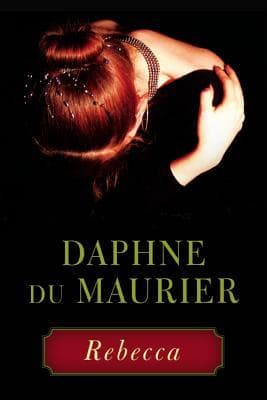
- Rebecca
Daphne du Maurier
4.2 (450k) average on GoodreadsThrillerFeatures a new wife uncovering secrets of a grand estate and a mysterious past.
- Mistress of Mellyn
Victoria Holt
3.9 (8k) average on GoodreadsThrillerA classic gothic romance with a governess protagonist and a dark family secret.
- The Woman in White
Wilkie Collins
4.0 (132k) average on GoodreadsHistorical FictionInvolves mistaken identity, a complex conspiracy, and a strong sense of mystery.
- Nine Coaches Waiting
Mary Stewart
4.0 (13k) average on GoodreadsThrillerBoth feature a protagonist in a remote, aristocratic setting facing danger. However, Stewart's novel generally maintains a more urgent pace and provides more intricate, logical deductions for its protagonist, whereas Holt sometimes prioritizes romantic melodrama over tight investigative plotting.
- Angels & Demons
Dan Brown
3.9 (2.7M) average on GoodreadsThrillerA Harvard symbologist races through Rome's ancient sites, deciphering cryptic clues to unmask the Illuminati and stop a vengeful plot to destroy the Vatican with a stolen antimatter weapon.
- Gone Girl
Gillian Flynn
4.1 (2.3M) average on GoodreadsThrillerA wife's sudden disappearance on her fifth anniversary reveals a web of lies and psychological warfare, exposing the secrets within a seemingly perfect marriage.




Enjoyed the summary?
A summary gives you the shape of the book. The book itself has the detail, the examples and the voice.
Find On the Night of the Seventh Moon on AmazonAs an Amazon Associate, BookBrief earns from qualifying purchases. How we're funded