Estimated read time: 7 min read
One Sentence Summary
"Pan Tadeusz" is an epic poem that depicts the nostalgic story of Polish nobility, their customs, conflicts, and the longing for national independence during the early 19th century.
Table of Contents
Introduction
Pan Tadeusz, written by Adam Mickiewicz and published in 1834, is often hailed as the national epic of Poland. This majestic narrative poem captures the essence of Polish culture, history, and landscape during a time of political upheaval. For college students and lecturers alike, Pan Tadeusz offers a rich tableau of historical insight, literary artistry, and social commentary, making it an essential read in Slavic literature and European Romanticism. This summary delves into the poem's historical context, plot, characters, themes, and literary techniques to provide a comprehensive understanding that encourages further exploration.
Historical Context
Set in the early 19th century, Pan Tadeusz unfolds against the backdrop of the partitions of Poland, when the Polish-Lithuanian Commonwealth was divided among Russia, Prussia, and Austria. This period was marked by the loss of Polish sovereignty and a fervent desire among Poles to preserve their national identity.
Key Historical Events and Figures
- Partitions of Poland (1772, 1793, 1795): These events erased Poland from the map of Europe, fostering a sense of national mourning and resistance.
- Napoleonic Wars: Napoléon Bonaparte's campaigns stirred hopes for Polish independence, reflected in the poem’s allusions.
- Lithuanian Nobility: The poem reflects the lifestyle and values of the Polish-Lithuanian nobility, known as the szlachta.
- Adam Mickiewicz’s Exile: Mickiewicz wrote Pan Tadeusz while in exile, imbuing the work with nostalgia and patriotism.
Understanding this context helps readers appreciate the poem’s emotional depth and political undertones.
Brief Synopsis
Plot Overview
Pan Tadeusz is not just a story; it’s a poetic journey into the heart of Polish society. The narrative centers around two noble families in conflict—the Soplicas and the Horeszkos—set in the Lithuanian countryside. The story weaves themes of love, honor, and patriotism, culminating in a call for unity against foreign oppression.
Setting
The story unfolds in the idyllic Lithuanian manor and its surrounding woods and villages, during the years 1811 and 1812, just before Napoleon’s invasion of Russia. The setting is both a physical and symbolic space—representing a lost homeland and an idealized vision of Polish tradition.
Main Characters
| Name | Role | Key Traits | Importance to Plot |
|---|---|---|---|
| Tadeusz | Protagonist | Young, impulsive, patriotic | Central figure; embodies youthful hope |
| Zosia | Love interest | Innocent, kind-hearted | Represents purity and future of Poland |
| Jacek Soplica | Tadeusz’s father, alias Father Robak | Haunted, penitent, patriotic | His past actions and redemption drive major plot twists |
| Judge Soplica | Tadeusz’s uncle | Authoritative, traditional | Symbolizes law and order |
| Telimena | Widow, socialite | Flirtatious, lively | Catalyst for romantic and social dynamics |
| Horeszko | Antagonist nobleman | Proud, vengeful | Represents old feuds and aristocratic pride |
| Father Robak | Disguised Jacek Soplica | Mysterious, determined | Agent of reconciliation and patriotism |
Plot Summary
Part One: Return and Feud
Tadeusz Soplica returns to his family estate after studies abroad. His arrival rekindles the longstanding feud between the Soplicas and the Horeszkos. The tension is palpable, marked by duels and political intrigue.
Part Two: Love and Reconciliation
Amidst the conflict, Tadeusz falls for Zosia, a young noblewoman. Their love story symbolizes hope and renewal for Poland. Meanwhile, Father Robak, a mysterious monk, works behind the scenes to reconcile the feuding families.
Part Three: National Awakening
As the Napoleonic Wars approach, the local nobility begin to unite, setting aside personal grievances to support the cause of Polish independence. The poem closes with a hopeful rallying cry for national unity.
Themes and Motifs
Patriotism and National Identity
At its core, Pan Tadeusz is a love letter to Poland. Mickiewicz portrays the homeland as a living entity—its culture, traditions, and landscapes are sacred. The poem encourages unity and resistance against foreign domination.
Nostalgia and Memory
The poem is steeped in nostalgia for a lost era of Polish sovereignty and nobility. Through vivid descriptions of the countryside and noble customs, Mickiewicz evokes a yearning for the past.
Feud and Reconciliation
The family feud serves as a microcosm for Poland's internal divisions. The narrative suggests that reconciliation is essential for national revival.
Nature and Landscape
The Lithuanian setting is almost a character itself, described with lush detail. Nature reflects the mood of the story and the fate of the nation.
Honor and Duty
Characters wrestle with personal desires and social obligations, highlighting the tension between individual freedom and communal responsibility.
Literary Techniques and Style
Narrative Structure
The poem is composed in twelve books, blending epic storytelling with lyrical and pastoral elements. This structure mirrors classical epics while incorporating Romantic sensibilities.
Symbolism
- The Manor House: Symbolizes Polish heritage.
- The Forest: Represents freedom and mystery.
- The Sabre: A symbol of honor and conflict.
Language and Style
Mickiewicz uses rich, evocative language, combining elevated diction with colloquial speech. His use of vers libre (verse in a fixed meter without rhyme) adds musicality.
Humor and Irony
Despite the serious themes, the poem contains moments of humor and satire, particularly in depicting noble manners and social customs.
Realism and Romanticism
The poem balances realistic depictions of everyday life with Romantic idealism, creating a vivid and emotionally resonant world.
Author's Background
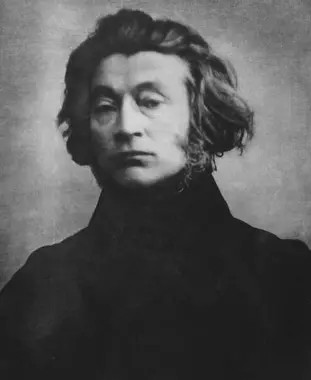
Adam Mickiewicz (1798–1855) is one of Poland's greatest poets and a leading figure of European Romanticism. Born in Lithuania, then part of the Polish-Lithuanian Commonwealth, he experienced the political upheaval that inspired much of his work.
Influences and Writing Style
Mickiewicz was influenced by classical epics, Polish folklore, and European Romanticism. His writing combines patriotism with a profound spiritual and philosophical depth.
Other Significant Works
- Dziady (Forefathers' Eve)
- Konrad Wallenrod
Legacy
Mickiewicz’s work has shaped Polish national consciousness and inspired generations of writers and activists. Pan Tadeusz remains a cornerstone of Polish literature and identity.
Key Takeaways
- Pan Tadeusz is a poetic masterpiece blending history, romance, and patriotism.
- The work captures the essence of Polish national identity during a period of political loss.
- Its characters embody virtues and flaws that reflect broader societal themes.
- The poem’s rich imagery and symbolism deepen its emotional impact.
- Mickiewicz’s narrative encourages unity and hope amidst adversity.
Reader's Takeaway
For modern readers, Pan Tadeusz offers more than a historical epic; it provides insight into the struggles of identity, memory, and nationhood. The emotional depth and vivid storytelling invite readers to reflect on how history shapes personal and collective futures. Its blend of humor, romance, and tragedy makes it accessible and engaging, while its themes resonate across cultures and eras.
Conclusion
Pan Tadeusz stands as a monumental work in world literature, capturing the soul of a nation through the lens of personal and political drama. Adam Mickiewicz’s epic poem invites readers to explore the complexities of Polish history and the enduring power of hope and reconciliation. Whether you are a student, lecturer, or curious reader, diving into Pan Tadeusz promises a rewarding journey through a pivotal moment in European history and literary artistry.
Pan Tadeusz FAQ
What is 'Pan Tadeusz' about?
'Pan Tadeusz' is an epic poem by Adam Mickiewicz that tells the story of a noble Polish family and their conflicts, set against the backdrop of the Polish-Lithuanian Commonwealth in the early 19th century. It explores themes of patriotism, tradition, and the longing for national independence.
Who is the author of 'Pan Tadeusz'?
'Pan Tadeusz' was written by Adam Mickiewicz, one of Poland's greatest Romantic poets.
When was 'Pan Tadeusz' published?
'Pan Tadeusz' was first published in 1834.
What is the significance of 'Pan Tadeusz' in Polish literature?
'Pan Tadeusz' is considered the national epic of Poland and is a cornerstone of Polish literature. It captures the spirit of Polish culture and history during a turbulent time when Poland was partitioned and under foreign rule.
What literary style is 'Pan Tadeusz' written in?
'Pan Tadeusz' is written in the form of a narrative epic poem, using Polish alexandrine verse (13-syllable lines) with a rich and poetic language.
Where is the story of 'Pan Tadeusz' set?
The story takes place mainly in the countryside of Lithuania, which was part of the Polish-Lithuanian Commonwealth, focusing on a manor house and its surrounding estates.
Who are the main characters in 'Pan Tadeusz'?
Key characters include Tadeusz Soplica, the young nobleman; Judge Soplica, his uncle; Telimena, a relative and love interest; and Jacek Soplica, a figure with a complex past.
What themes are explored in 'Pan Tadeusz'?
The poem explores themes such as patriotism, family honor, love, conflict and reconciliation, tradition, and the longing for Polish independence.
Is 'Pan Tadeusz' available in English translation?
Yes, 'Pan Tadeusz' has been translated into English and many other languages, allowing non-Polish readers to enjoy this classic work.
Why is 'Pan Tadeusz' still relevant today?
'Pan Tadeusz' remains relevant as it preserves Polish cultural identity and history, and its themes of patriotism and national unity continue to resonate with readers.