

Synopsis
Covers the whole plot, including the ending.
- Difficulty
- Medium
- Pacing
- Variable
- Mood
- Epic, Romantic, Nostalgic, Patriotic, Humorous
- Read it if
- You enjoy epic historical narratives, pastoral descriptions of country life, and classical romantic plots set against a backdrop of national struggle.
- Skip it if
- You prefer fast-paced thrillers or modern, minimalist prose, or find lengthy descriptions and digressions tedious.
Pan Tadeusz Plot Summary
Covers the whole plot, including the ending.
Return to Soplicowo
Tadeusz Soplica, a young Polish nobleman, returns to his family home in Soplicowo, Lithuania, after finishing his education in Vilnius. He immediately sees the poor condition of the Soplica castle, now occupied by Gerwazy Rębajło, the Horeszko family's steward. In his room, he meets a young woman he first thinks is Zosia, the orphaned granddaughter of the late Count Horeszko. This meeting is brief and confusing, as the woman quickly leaves. Tadeusz is struck by her beauty, sparking his romantic interest. His uncle, Judge Soplica, welcomes him, and Tadeusz starts to get used to his childhood home again, unaware of the deep feuds and political issues present.
The Hunt and the Bear
A large bear hunt is arranged, bringing together local gentry, including the Soplicas, the Horeszkos (represented by the Young Count), and other important people. The hunt is a traditional event, showing old Polish customs and the noblemen's bravery. During the hunt, a dangerous bear charges, putting Tadeusz in danger. He is saved by Father Robak, a mysterious monk who recently arrived in Soplicowo and seems to have great strength and knowledge. The hunt also shows the growing tension between the Soplica and Horeszko families, with Gerwazy, the Horeszko steward, openly showing his dislike for the Soplicas and their claim to the castle.
The Dispute over the Castle
The Soplica-Horeszko feud is about who owns the ruined Horeszko castle. The Horeszko family, represented by the Young Count and strongly supported by Gerwazy, believes the Soplicas illegally got the castle after the death of the last Horeszko castellan, Jacek Horeszko, by Jacek Soplica (Father Robak). Judge Soplica argues that his brother, Jacek, was legally entitled to the castle due to a legal agreement. This dispute grows, leading to open threats between the two families. Gerwazy, wanting revenge for his former master, encourages the Young Count to take the castle by force, making the conflict worse.
The Love Triangle and Zosia's Appearance
Tadeusz feels more and more attracted to Telimena, a sophisticated older woman who is Zosia's guardian and a distant relative. Telimena, knowing Tadeusz likes her, subtly encourages him, even though she also flirts with the Young Count. However, the real Zosia, a young, innocent girl, eventually appears among the gentry. Tadeusz realizes his initial mistake and is captivated by Zosia's genuine beauty and modesty, leading to a complex love triangle. Telimena, seeing Tadeusz's changed attention, becomes jealous and tries to control the situation, showing the social pressures and romantic problems within the gentry.
The Invasion of the Bear and the Robak's Intervention
Amidst the local feuds, Russian soldiers, led by Major Płut, arrive in Soplicowo. They claim to maintain order but mainly assert Russian power over the Lithuanian gentry. Their presence increases patriotic feelings and anti-Russian sentiment among the Poles. During a tense gathering, Major Płut tries to show his dominance and insult the Polish gentry. Father Robak, who has been quietly supporting Polish independence and a future uprising with Napoleon, steps in. He skillfully disarms Płut and humiliates the Russian soldiers, preventing a larger fight and showing his hidden fighting skills and strategic thinking, hinting at his true identity and mission.
The Last Gentry Muster (Zajazd)
Prompted by Gerwazy's strong calls for revenge and the promise of Russian support, the Young Count organizes a 'Zajazd,' a traditional Polish gentry muster, to forcibly take the Horeszko castle from the Soplicas. The Zajazd involves many armed gentry, supported by Russian soldiers, who march on Soplicowo. A violent clash happens between the two families and their allies. This chaotic battle shows the deep hatred and breakdown of order among the gentry, made more complex by the Russian forces directly involved in an internal Polish dispute, showing the unstable political situation.
Father Robak's Confession
During the chaos of the Zajazd, Father Robak is badly wounded. On his deathbed, he finally tells Judge Soplica and Gerwazy his true identity: he is Jacek Soplica, the disgraced brother of the Judge, thought to be dead. He confesses his past, especially killing Count Horeszko, Zosia's grandfather, years ago. He explains he acted in rage after Horeszko refused his daughter's hand in marriage and humiliated him. Robak also reveals his long efforts to make up for his past, including working as a secret agent for Polish independence, organizing an uprising against the Russians in anticipation of Napoleon's arrival.
Reconciliation and Forgiveness
After hearing Jacek Soplica's full confession and his decades of atonement and patriotic service, Gerwazy Rębajło, the loyal Horeszko steward, is deeply moved. Despite his lifelong hatred for Jacek and his strong desire for revenge, Gerwazy forgives him. This forgiveness is important, as it signals a possible end to the bitter, generations-long feud between the Soplica and Horeszko families. The reconciliation between the two former enemies, helped by Jacek's dying wish for unity, sets the stage for peace and cooperation among the gentry, which is important for the coming national struggle.
The French Invasion and the Uprising
News arrives that Napoleon's Grand Army has crossed the Niemen River, invading Russia. This event sparks hope among the Polish gentry for national liberation. The local Poles, including the Soplicas, the Horeszkos (now united for independence), and their allies, rebel against the Russian forces. They join the French army as it moves through Lithuania, eager to fight for the return of the Polish-Lithuanian Commonwealth. This period marks a shift from internal feuds to a unified national struggle, with the gentry showing their patriotism and willingness to sacrifice for their homeland.
The Betrothal and Future Hopes
Following the national uprising and the temporary expulsion of the Russians, Tadeusz and Zosia are officially engaged. Their union symbolizes the reconciliation of the Soplica and Horeszko families and the mending of past divisions. The wedding is a grand event, reflecting traditional Polish customs and the joyful spirit of the gentry, now united in their patriotism. This engagement represents not just a romantic resolution but also a symbolic hope for Poland's future — a future built on unity, forgiveness, and a shared national identity, even as the ultimate outcome of Napoleon's campaign and Polish independence remains uncertain.
Pan Tadeusz Characters
Tadeusz Soplica
Protagonist
A young nobleman returning home, caught between love and duty.
Tadeusz is a young, impressionable Polish nobleman who returns to Soplicowo after his education. He is initially somewhat naive and easily swayed, particularly in matters of the heart, as evidenced by his initial infatuation with Telimena before realizing his true feelings for Zosia. He embodies the ideals of the young gentry – patriotic, eager to learn, and respectful of tradition, yet also capable of youthful impetuosity. His journey involves navigating family feuds, romantic entanglements, and the burgeoning nationalistic fervor.
Relationships: Judge Soplica (uncle and guardian); Telimena (initial romantic interest, guardian of Zosia); Zosia (true love interest, future wife)
Jacek Soplica (Father Robak)
Mysterious figure/Deuteragonist
A disgraced nobleman turned patriotic monk, seeking atonement.
Jacek Soplica, known for most of the story as the enigmatic Father Robak, is the true driving force behind much of the plot. In his youth, he was a proud, hot-headed nobleman who murdered Count Horeszko in a fit of rage after being rejected as a suitor. This act led to his disgrace and forced him to become a 'Robak' (worm) – a humble, self-effacing monk. He dedicates his life to atonement through patriotic service, becoming a secret agent for Polish independence, tirelessly working to organize an uprising against the Russians. He is a complex character, burdened by guilt but driven by a profound love for his homeland.
Relationships: Judge Soplica (brother); Count Horeszko (victim of his past crime); Gerwazy Rębajło (lifelong enemy, later reconciled); Tadeusz Soplica (nephew)
Judge Soplica
Supporting
Tadeusz's uncle and the patriarch of the Soplica family, upholding tradition.
Judge Soplica is the respected patriarch of the Soplica family and Tadeusz's guardian. He is a staunch upholder of traditional Polish customs and a symbol of the old gentry values. He is deeply entangled in the feud with the Horeszko family over the castle, but he also strives for order and justice. While sometimes rigid in his adherence to tradition, he is fundamentally a good-hearted and patriotic man who cares deeply for his family and the future of Poland. He often provides moral guidance and represents the more stable, conservative elements of the gentry.
Relationships: Jacek Soplica (brother); Tadeusz Soplica (nephew and ward); Telimena (distant relative, often at odds with her modern ways)
Gerwazy Rębajło
Supporting/Antagonist (initially)
The loyal, vengeful steward of the Horeszko family, keeper of the feud.
Gerwazy is the fiercely loyal, elderly steward of the Horeszko family. He is a living embodiment of the family feud, having witnessed the murder of his master, Count Horeszko, by Jacek Soplica. He carries a powerful key, symbolizing his guardianship of the castle and his unwavering commitment to vengeance. Gerwazy is a colorful, often humorous character, but his dedication to avenging his master drives much of the conflict. Despite his stubbornness and hatred for the Soplicas, he ultimately demonstrates a capacity for forgiveness and patriotism when confronted with Jacek's true intentions and sacrifice.
Relationships: Count Horeszko (former master, to whom he is fiercely loyal); Young Count Horeszko (current master, whom he advises and incites); Jacek Soplica (sworn enemy, later reconciled)
Zosia
Love Interest
The innocent, beautiful orphan, embodying purity and the future of Poland.
Zosia is the orphaned granddaughter of the late Count Horeszko and Telimena's ward. She is initially kept somewhat secluded, symbolizing her innocence and purity. She is beautiful, gentle, and embodies the traditional virtues of Polish womanhood. Her appearance and eventual betrothal to Tadeusz are central to resolving the family feud and symbolizing the hope for a new, unified Poland. She represents a fresh start, untainted by the past conflicts, and her character is often associated with nature and the idyllic aspects of country life.
Relationships: Telimena (guardian); Tadeusz Soplica (love interest, future husband)
Telimena
Supporting
A sophisticated, flirtatious woman, guardian of Zosia.
Telimena is a distant relative of the Horeszkos and Zosia's guardian. She is a sophisticated, charming, and somewhat worldly woman who enjoys attention and flattery. She is initially seen as a potential romantic interest for Tadeusz, and also flirts with the Young Count. Telimena represents a more modern, perhaps superficial, aspect of the gentry, contrasting with Zosia's innocence. Despite her flirtatious nature, she ultimately cares for Zosia and plays a role in the social dynamics and romantic entanglements of Soplicowo.
Relationships: Zosia (ward); Tadeusz Soplica (initial romantic interest); Young Count Horeszko (flirtatious interest)
Young Count Horeszko
Supporting/Antagonist (initially)
The last of the Horeszkos, driven by family honor and a romanticized view of the past.
The Young Count is the last living male descendant of the Horeszko family. He is a romantic idealist, often more concerned with appearances and the romanticized notion of his family's past glory than with practical matters. He is easily swayed by Gerwazy's calls for vengeance and the promise of reclaiming the ancestral castle. His character highlights the aristocratic pride and sometimes impractical nature of the gentry. Despite his initial antagonism, he is ultimately a patriotic Pole who joins the fight for independence.
Relationships: Gerwazy Rębajło (loyal steward and advisor); Telimena (flirtatious interest); Soplica family (family adversaries)
Major Płut
Antagonist
A Russian officer representing the oppressive foreign power.
Major Płut is a Russian officer stationed in Lithuania, representing the occupying Russian power. He is arrogant, condescending, and often drunk, embodying the tyranny and disrespect shown by the Russians towards the Polish gentry. His presence and actions serve to highlight the oppressive political climate and to provoke the patriotic sentiments of the Poles. He is ultimately humiliated by Father Robak, underscoring the resilience and defiance of the Polish spirit.
Pan Tadeusz Themes
National Identity and Patriotism
The poem explores Polish national identity, especially when Poland was not an independent state. It celebrates Polish customs, traditions, language, and the natural beauty of the Lithuanian landscape, historically part of the Polish-Lithuanian Commonwealth. Characters like Father Robak show strong patriotism, sacrificing personal life for the nation. The expectation of Napoleon's arrival and the uprising highlight the desire for national liberation and belief in a restored Poland. The poem is a nostalgic tribute to a lost homeland and a call for unity among Poles.
“O Lithuania, my country, thou art like health; How much thou shouldst be prized, he only can discover Who has lost thee.”
Reconciliation and Forgiveness
The story's core is the resolution of the long feud between the Soplica and Horeszko families. This theme is most powerfully seen in Father Robak's confession and Gerwazy's eventual forgiveness. The reconciliation is not just personal but also symbolizes the need for national unity among Poles, overcoming past grievances to face a common enemy (Russia). The engagement of Tadeusz and Zosia further strengthens this theme, representing the merging of two formerly warring families into a single, hopeful future for the nation.
“For years I hated you, but now I see... God has forgiven you, and so do I.”
The Decline of the Old Gentry
The poem celebrates gentry life but also shows its decline. The ruined castle, the petty quarrels, and the gentry's sometimes impractical adherence to tradition (like the Zajazd) suggest a fading era. The arrival of Russian forces and the need for outside help (Napoleon) highlight the gentry's inability to fully protect themselves or their nation independently. The shift towards a more unified, less individualistic patriotism, seen in Father Robak's efforts, signals a necessary change away from the purely aristocratic, self-serving aspects of the old gentry.
“Such customs have long since passed away, like the old gentry's glory, like their wars.”
Nature and the Idyllic Landscape
The Lithuanian landscape is more than a setting; it has deep emotional and symbolic meaning. Mickiewicz vividly describes the forests, fields, lakes, and changing seasons, creating an idyllic vision of the homeland. This idealized nature provides comfort, beauty, and national pride, contrasting sharply with the political unrest. Descriptions of hunts, mushroom gathering, and daily life connect the characters deeply to their natural surroundings, showing a harmonious existence with the land that is essentially Polish.
“The sun was setting, crimson and clear, Painting the meadows gold, the woods a fiery sphere.”
Atonement and Redemption
Jacek Soplica's change into Father Robak is the central story of atonement. His youthful sin of murder haunts him, leading him to a life of penance and selfless service to his nation. His secret work as a patriot and his eventual confession are his ways of seeking redemption, not just from God, but from those he wronged. His ultimate forgiveness by Gerwazy shows the completion of his redemptive journey, highlighting the possibility of overcoming past mistakes through humility and dedicated action.
“I served my country, not for glory, but for penance, for my sin.”
Plot Devices & Literary Techniques
The Family Feud
A long-standing conflict between the Soplica and Horeszko families.
The feud between the Soplica and Horeszko families, stemming from Jacek Soplica's murder of Count Horeszko and the subsequent dispute over the castle, serves as the primary external conflict driving the initial plot. It creates tension, dictates character relationships, and provides the backdrop for the 'Zajazd' (gentry muster). This device is crucial for exploring themes of vengeance, honor, and ultimately, reconciliation, as its resolution is necessary for the gentry to unite against the Russian invaders.
Mistaken Identity
Tadeusz initially confuses Telimena for Zosia, creating romantic confusion.
Tadeusz's initial encounter with Telimena, whom he believes to be Zosia, is a classic romantic plot device. It introduces an element of humor and misdirection, setting up a love triangle and highlighting Tadeusz's youthful impulsiveness. This device allows for the gradual reveal of Zosia's true character and beauty, making Tadeusz's eventual realization and devotion to her more impactful. It also serves to differentiate Telimena's more worldly charm from Zosia's innocent appeal.
The Mysterious Stranger (Father Robak)
An enigmatic monk whose true identity and mission are gradually revealed.
Father Robak's character functions as a mysterious stranger, whose true identity and purpose are slowly unveiled throughout the narrative. His unusual strength, knowledge of local affairs, and subtle political machinations pique the reader's curiosity and provide a sense of underlying intrigue. This device allows Mickiewicz to introduce a pivotal character who bridges the past (Jacek Soplica's sins) with the present (the feud) and the future (the national uprising), making his eventual confession a powerful turning point in the story.
Foreshadowing (Napoleon's Arrival)
Repeated hints and discussions about Napoleon's impending invasion.
Throughout the poem, there are numerous mentions and discussions among the gentry about Napoleon Bonaparte and the possibility of his army liberating Poland from Russian rule. This constant foreshadowing builds anticipation and provides a larger historical context for the local conflicts. It elevates the personal feuds to a national level, reminding the reader of the Poles' desperate hope for independence and linking their individual destinies to the grand sweep of European history. This device culminates in the actual arrival of the French forces and the subsequent uprising.
Pan Tadeusz Quotes
“Litwo! Ojczyzno moja! ty jesteś jak zdrowie. Ile cię trzeba cenić, ten tylko się dowie, Kto cię stracił.”
“Grzeczność nie jest nauką łatwą ani małą. Niełatwą, bo nie na tym kończy się, jak nogą zgrabnie wierzgnąć, albo ukłonić się ładnie, albo pięknie wymówić komplement, ale na tym, żeby drugiemu sprawić przyjemność.”
“W Soplicowie zawsze grzeczne obyczaje, w Soplicowie nigdy nudno, zawsze wesoło, zawsze pełno gości, i na ucztach, i na zabawach, i na polowaniu.”
“Słońce już zachodzi, a krew zranionego niedźwiedzia jeszcze dymi w mroku leśnym. Zewsząd już słychać krzyki, psy szczekają, trąby grają.”
“Młodzieniec wpadł w otchłań, z której nie ma już wyjścia. Kochał i był kochany, ale los go rozłączył.”
“Ksiądz Robak, choć był księdzem, nie zapomniał nigdy, że był szlachcicem.”
“Prawdziwa miłość jest jak róża, która kwitnie tylko raz w życiu.”
“Biada temu, kto w czas wojny nie ma miecza w ręku.”
“Ostatni zajazd na Litwie!”
“Kto raz zdradził, zawsze zdradzi.”
“Szlachcic polski, choćby biedny, zawsze jest panem.”
“Wszystko idzie ku dobremu, co się źle zaczyna.”
“Takie były zabawy, spory i bitwy w owych czasach, w kraju szczęśliwym, gdzie wszystko było domowe i swojskie.”
“Soplicowo! gniezdo polskiej szlachty, gdzie zawsze gościnnie witano przybyszów.”
Quiz
10 questions on the plot and the characters. Each answer comes with a short explanation.
Question 1
What is the primary historical period in which the events of 'Pan Tadeusz' are set?
- Late 18th century during the Partitions of Poland
- Early 19th century, specifically 1811-1812
- Mid-17th century during the Deluge
- Late 19th century after the January Uprising
Show answer
B. Early 19th century, specifically 1811-1812 'Pan Tadeusz' is explicitly set in the years 1811 and 1812, leading up to Napoleon's invasion of Russia.
Question 2
What is the name of the estate where much of the action in 'Pan Tadeusz' takes place?
- Soplicowo
- Horeszkowo
- Dobrzyn
- Chorzel
Show answer
A. Soplicowo The main setting for the Soplica family and the central events is the estate of Soplicowo.
Question 3
Who is the mysterious figure who eventually reveals himself to be Father Robak?
- Count Horeszko
- Gerwazy Rębajło
- Jacek Soplica
- Tadeusz Soplica
Show answer
C. Jacek Soplica Father Robak is the penitent Jacek Soplica, Tadeusz's father, who seeks to atone for his past actions.
Question 4
What is the long-standing feud between the Soplica and Horeszko families primarily about?
- Political power in the local sejmik
- A dispute over the ownership of an old castle
- Religious differences between the families
- A rivalry in hunting and falconry
Show answer
B. A dispute over the ownership of an old castle The feud is largely centered around the ownership and inheritance of the ruined Horeszko castle, which Jacek Soplica once helped to capture.
Question 5
Who is the young woman that Tadeusz Soplica falls in love with?
- Telimena
- Zosia
- Hanna
- Ewa
Show answer
B. Zosia Tadeusz's primary love interest throughout the epic is Zosia, the ward of Telimena and the rightful heiress of the Horeszko estate.
Question 6
What significant historical event provides the backdrop and much of the immediate motivation for the characters' actions in the latter part of the epic?
- The Polish-Swedish War
- Napoleon's invasion of Russia
- The Bar Confederation
- The Kościuszko Uprising
Show answer
B. Napoleon's invasion of Russia The anticipation and eventual arrival of Napoleon's army marching towards Russia (the 'Great War') is a major plot driver, as Poles hope for the restoration of their nation.
Question 7
What is the role of the character Gerwazy Rębajło in the feud between the families?
- He is a neutral judge attempting to mediate peace.
- He is a loyal servant of the Horeszko family and a fierce instigator of the feud against the Soplicas.
- He is a Soplica family member secretly working for the Horeszkos.
- He is a local priest who tries to unite the families through marriage.
Show answer
B. He is a loyal servant of the Horeszko family and a fierce instigator of the feud against the Soplicas. Gerwazy, known as 'the Key-bearer', is the last loyal retainer of the Horeszko family and a relentless advocate for revenge against the Soplicas, particularly Jacek.
Question 8
What is the significance of the description of nature and the Lithuanian landscape in 'Pan Tadeusz'?
- It serves merely as a picturesque backdrop without deeper meaning.
- It symbolizes the untamed wilderness and dangers of the region.
- It embodies the national ideals, sentiments, and way of life of the Polish nation, evoking nostalgia for a lost homeland.
- It provides a scientific study of the flora and fauna of the region.
Show answer
C. It embodies the national ideals, sentiments, and way of life of the Polish nation, evoking nostalgia for a lost homeland. For Mickiewicz, writing in exile, the detailed and loving descriptions of the Lithuanian landscape are central to expressing Polish national identity, ideals, and a nostalgic longing for the homeland.
Question 9
How does Father Robak (Jacek Soplica) ultimately contribute to the resolution of the family feud and the national cause?
- He arranges a marriage between his son and a Horeszko heiress and leads local gentry in support of Napoleon.
- He publicly confesses his sins and then retreats to a monastery, leaving the feud unresolved.
- He instigates a final, decisive battle between the two families.
- He uses his monastic influence to convince the Russian authorities to intervene.
Show answer
A. He arranges a marriage between his son and a Horeszko heiress and leads local gentry in support of Napoleon. Father Robak's secret mission is to prepare an uprising in Lithuania to support Napoleon's invasion. He also facilitates the reconciliation of the families through the proposed marriage of Tadeusz and Zosia, a key step in resolving the feud.
Question 10
What literary form is 'Pan Tadeusz' primarily written in?
- A collection of short stories
- A dramatic play in five acts
- An epic poem
- A historical biography
Show answer
C. An epic poem 'Pan Tadeusz' is an epic poem, often referred to as a national epic, written in thirteen books of Polish alexandrines.
Pan Tadeusz FAQ
What is the central conflict driving the plot of 'Pan Tadeusz'?
The central conflict revolves around a long-standing feud between two noble families, the Horeszkos and the Soplicas, over the ownership of the ruined Horeszko castle. This rivalry, exacerbated by past events involving Jacek Soplica and the elder Horeszko, fuels much of the tension and dramatic action throughout the story, impacting even the younger generations like Tadeusz and Zosia.
Who is the titular character, Pan Tadeusz, and what is his role in the story?
Pan Tadeusz Soplica is a young Polish nobleman returning to his family estate in Lithuania after completing his education. He is initially naive and somewhat impulsive, becoming entangled in the family feud and a love triangle involving Zosia and Telimena, eventually maturing as he navigates these personal and national challenges.
Describe the setting of the novel and its significance.
The novel is set in the rural countryside of Lithuania (then part of the Russian Empire, but culturally Polish) between 1811 and 1812, specifically around the Soplica estate and the nearby Horeszko castle ruins. This pastoral setting is meticulously detailed, celebrating the beauty of nature, traditional Polish gentry life, and serving as a nostalgic backdrop for the nation's struggle for independence.
What role does Napoleon's army play in the narrative?
Napoleon's impending invasion of Russia in 1812 provides a crucial historical backdrop and a source of hope for Polish independence. Many characters, including the Soplicas, are fervent supporters of Napoleon, believing his success will lead to the restoration of the Polish-Lithuanian Commonwealth, leading to local preparations and the eventual participation of some characters in the French campaign.
Who is Father Robak, and what is his true identity?
Father Robak is a mysterious and influential Bernardine monk who travels the region, secretly organizing an uprising against the Russian occupiers in anticipation of Napoleon's arrival. It is eventually revealed that he is actually Jacek Soplica, Tadeusz's father, who faked his death after killing the elder Horeszko and sought atonement through his monastic life and patriotic efforts.
How does the 'bear hunt' scene foreshadow later events or reveal character traits?
The bear hunt serves multiple purposes: it showcases the gentry's traditional way of life and their bravery, and more importantly, it provides an opportunity for Father Robak (Jacek Soplica) to save both Tadeusz and the Count from danger. This act of heroism, especially towards the Horeszko heir, subtly hints at his true identity and his desire for reconciliation, while also demonstrating his underlying protective nature.
What is the significance of the Horeszko castle ruins beyond the property dispute?
The Horeszko castle ruins are a powerful symbol of a bygone era and the enduring legacy of the Horeszko family, representing lost glory and the unresolved historical grievances between the families. Its dilapidated state reflects the decline of certain aristocratic traditions, yet its very existence keeps the feud alive and serves as a constant reminder of Jacek Soplica's past actions and his need for redemption.
How does Judge Soplica embody the ideals of the Polish gentry?
Judge Soplica embodies the ideals of the Polish gentry through his deep respect for tradition, his meticulous adherence to etiquette and hospitality, and his unwavering patriotism. He represents the conservative, landowning class, valuing honor, community, and the preservation of Polish customs and values, even as the world around him changes.
Analyze Telimena's character and her motivations.
Telimena is a sophisticated, somewhat theatrical, and ultimately pragmatic woman who seeks a suitable husband for financial security and social standing. Her initial pursuit of Tadeusz, followed by her shift to the Count, reveals her calculated nature and her desire to maintain her position within society, often using her charm and perceived worldliness to achieve her goals.
How does Jacek Soplica's transformation into Father Robak reflect themes of guilt and redemption?
Jacek Soplica's transformation into Father Robak is central to the novel's themes of guilt and redemption. Haunted by his impulsive murder of the elder Horeszko, Jacek dedicates his life to penance through monastic service and fervent patriotism, secretly working to unite his countrymen. His disguise allows him to atone for his past sins by serving his nation and trying to reconcile the feuding families, ultimately achieving spiritual peace before his death.
Discuss the symbolic meaning of the 'concert of the last Lithuanian master of the dulcimer,' Jankiel.
Jankiel's dulcimer concert is a profound moment, symbolizing the history of Poland through music, from its moments of glory to its suffering under partition. It evokes deep patriotic emotions, reminding the characters and readers of their shared heritage and the longing for freedom, serving as a powerful cultural and nationalistic statement before the impending war.
Is 'Pan Tadeusz' primarily a romantic epic or a political commentary?
'Pan Tadeusz' is arguably both a romantic epic and a profound political commentary. While it contains classic romantic elements like the family feud and love stories, its core message is deeply political, expressing Polish nationalism, a longing for independence, and a nostalgic idealization of the Polish-Lithuanian Commonwealth during a period of foreign occupation.
How does Mickiewicz use humor and satire in a work often considered a national epic?
Mickiewicz skillfully integrates humor and satire through eccentric characters like Gerwazy and Protazy, their exaggerated devotion to the feud, and the detailed, sometimes ironic, descriptions of gentry life and customs. This lightheartedness prevents the epic from becoming overly solemn, making the characters more relatable and highlighting the foibles of human nature and societal norms within the larger patriotic narrative.
What is the enduring appeal of 'Pan Tadeusz' for Polish readers across generations?
The enduring appeal of 'Pan Tadeusz' for Polish readers lies in its comprehensive portrayal of a romanticized yet deeply authentic Polish way of life, its celebration of national identity, and its message of hope for independence. It embodies the ideals, sentiments, and traditions of the nation, serving as a cultural touchstone and a source of patriotic pride, especially during times of adversity.
How does the resolution of the feud between the Soplicas and Horeszkos reflect the broader national aspirations?
The resolution of the feud, culminating in the marriage of Tadeusz Soplica and Zosia Horeszko, symbolizes the reconciliation of past grievances and the unity needed for national liberation. It signifies the healing of internal divisions among the Polish gentry, presenting a unified front against foreign oppressors and embodying the hope for a future Polish-Lithuanian Commonwealth built on harmony and shared purpose.
What is the significance of the 'mushroom picking' scene?
The mushroom picking scene is a classic example of Mickiewicz's detailed descriptions of nature and gentry life, showcasing the characters' knowledge of the forest and their connection to the land. It also serves as a subtle setting for social interaction and budding romantic interest, particularly between Tadeusz and Zosia, in a seemingly idyllic and traditional pastime.
Who is Gerwazy and what is his primary motivation?
Gerwazy Rębajło is the loyal, eccentric, and fiercely devoted seneschal of the Horeszko family, often referred to as 'the Key-bearer.' His primary motivation is avenging the death of his master, the elder Horeszko, at the hands of Jacek Soplica, which fuels his unwavering commitment to the family feud and his animosity towards the Soplicas.
How does Zosia's character evolve throughout the novel?
Zosia initially appears as a naive and sheltered young woman, living under Telimena's guardianship, but she gradually emerges as a symbol of purity, domestic virtue, and the future of the Polish nation. Her connection to traditional country life and her eventual engagement to Tadeusz solidify her role as the embodiment of an idealized Polish woman.
What role do the various feasts and gatherings play in the narrative?
Feasts and gatherings, such as dinners, mushroom picking, and the bear hunt, are central to depicting the gentry's social life, customs, and hierarchy. They serve as settings for plot development, character interaction, and often reveal underlying tensions or provide opportunities for reconciliation, all while meticulously illustrating the rich cultural traditions of the period.
About the author

Adam Mickiewicz was a towering figure of Polish Romantic literature, best known for his epic national poem "Pan Tadeusz." A prolific poet, dramatist, and essayist, he is considered one of the "Three Bards" of Polish literature. His works deeply influenced Polish national consciousness and continue to be celebrated for their lyrical beauty and patriotic fervor.
Similar books
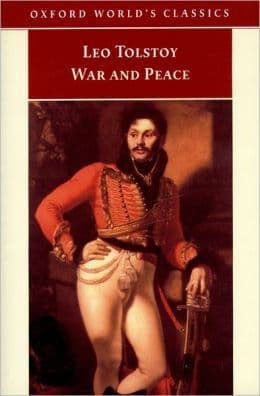
- War and Peace
Leo Tolstoy
4.1 (265k) average on GoodreadsHistorical FictionBoth are epic historical novels depicting national struggles, aristocratic life, and a large cast of characters.
- Eugene Onegin
Alexander Pushkin
4.1 (52k) average on GoodreadsRomanceA classic verse novel from the same era, focusing on gentry life, love, and societal norms in a specific national context.
- To Kill a Mockingbird
Harper Lee
4.3 (4.5M) average on GoodreadsHistorical FictionIn the 1930s Jim Crow South, Harper Lee writes about racial injustice, moral growth, and the quiet courage of a lawyer father, Atticus Finch, as seen through his young daughter's eyes.
- The Great Gatsby
F. Scott Fitzgerald
3.9 (3.8M) average on GoodreadsHistorical FictionIn the opulent Roaring Twenties, a mysterious millionaire's lavish parties hide his desperate, tragic pursuit of a lost love, exposing the emptiness within the American Dream.
- Pride and Prejudice
Jane Austen
4.3 (3M) average on GoodreadsHistorical FictionIn a society focused on status and money, Elizabeth Bennet navigates love and pride, challenging Mr. Darcy and social expectations to find true affection.
- Angels & Demons
Dan Brown
3.9 (2.7M) average on GoodreadsThrillerA Harvard symbologist races through Rome's ancient sites, deciphering cryptic clues to unmask the Illuminati and stop a vengeful plot to destroy the Vatican with a stolen antimatter weapon.





Enjoyed the summary?
A summary gives you the shape of the book. The book itself has the detail, the examples and the voice.
Find Pan Tadeusz on AmazonAs an Amazon Associate, BookBrief earns from qualifying purchases. How we're funded