
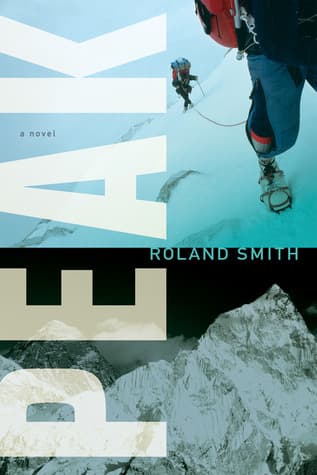
Synopsis
Covers the whole plot, including the ending.
- Difficulty
- Easy
- Pacing
- Fast
- Mood
- Suspenseful, Adventurous, Reflective, Inspiring
- Read it if
- You love high-stakes adventure stories, coming-of-age tales, and books with themes of family and moral choices set against a perilous backdrop.
- Skip it if
- You prefer fantasy or sci-fi over realistic adventure, or are not interested in climbing/mountaineering narratives.
Peak Plot Summary
Covers the whole plot, including the ending.
The Skyscraper Incident and Unexpected Rescue
Fourteen-year-old Peak Marcello, a free solo climber, is arrested after being caught scaling the Woolworth Building in New York City. The incident causes public outrage and lands him in juvenile detention. During his court appearance, his mother, Teri, and stepfather, Rolf, are present. His biological father, Josh Wood, a mountaineer and owner of Peak Expeditions, unexpectedly intervenes. Josh offers to take Peak to Thailand, where he runs his climbing business, as an alternative to incarceration. The judge agrees, placing Peak under Josh's custody with strict conditions, including an agreement that Peak will not climb anything unless supervised by Josh.
Arrival in Kathmandu and the Everest Plan
Peak flies to Thailand, but his stay is brief. Josh quickly reveals his true intentions: he wants Peak to attempt to become the youngest person ever to summit Mount Everest. A thirteen-year-old Nepalese boy currently holds this record. This plan is not out of fatherly concern but a business move to boost Josh's struggling expedition company. Peak, a climber, is conflicted but drawn to the challenge. They travel to Kathmandu, Nepal, where Peak is introduced to the base camp environment and the preparations for the Everest ascent. He encounters a diverse group of climbers and Sherpas.
Introduction to Sun-jo and the Team
In Kathmandu, Peak meets Sun-jo, a young Sherpa boy roughly his age, who is also attempting to summit Everest. Sun-jo's motivation is to provide for his family, specifically his two younger sisters, by earning money and recognition from the climb. Peak also meets Zopa, an experienced head Sherpa, who is Sun-jo's grandfather and a long-time friend of Josh. The expedition team includes Holly Angelo, a journalist documenting the climb, and several other climbers and Sherpas. Peak realizes the realities of Everest and the relationships among the team members, particularly the unspoken rivalry and shared goal between him and Sun-jo.
Acclimatization and Early Challenges
The climb begins, with the team navigating the Khumbu Icefall, a shifting glacier of ice blocks and crevasses. Peak experiences the extreme cold, the thin air, and the danger of avalanches and falling ice. He undergoes acclimatization, making multiple rotations between various camps to allow his body to adapt to the decreasing oxygen levels. During this period, he learns climbing techniques, the importance of teamwork, and the role of the Sherpas. He also sees the effects of altitude sickness on some climbers, reinforcing the risks involved.
The Rivalry and Shared Goal
As the climb progresses, the rivalry between Peak and Sun-jo intensifies, fueled by Josh's ambition and the media's attention. Both boys aim to be the youngest to summit, but their reasons are different. Peak climbs for the challenge and to prove himself, while Sun-jo climbs out of necessity for his family's survival. Despite the competition, a bond of respect and camaraderie forms between them as they face shared hardships and dangers on the mountain. Zopa, the Sherpa, guides both boys, emphasizing the spirit of the mountain and the importance of selflessness.
The Storm and the Rescue
While at Camp Four, a storm hits Everest, trapping several climbers and threatening the expedition. During the chaos, Sun-jo falls ill and is in danger. Peak, despite his own exhaustion and the pressure to reach the summit, chooses to help rescue Sun-jo and bring him to safety. This act of selflessness, observed by Zopa, shows Peak's developing character. The storm causes delays and forces a reevaluation of the summit push, with many climbers deciding to turn back. The incident strengthens the bond between Peak and Sun-jo, and Peak gains a deeper understanding of courage.
The Final Push to the Summit
After the storm clears, Josh decides to make a final push for the summit, with Peak, Sun-jo, and Zopa forming a small team. They endure the 'death zone' above 8,000 meters, where the lack of oxygen is extreme and every step is a monumental effort. They face perilous traverses, climb icy walls, and battle extreme fatigue and the psychological toll of the altitude. During this ascent, Peak reflects on his relationship with his father, the sacrifices made by the Sherpas, and his own motivations for being on the mountain. The physical and mental demands test their limits, pushing them to the brink of survival.
A Life-Altering Decision at the Summit
As they near the summit, Zopa reveals a detail: Sun-jo needs to reach the summit to secure a future for his family through the recognition and financial support it would bring. Peak realizes that if he reaches the top first, he would steal Sun-jo's chance. In a moment of maturity and selflessness, Peak decides to step aside, allowing Sun-jo to be the one to summit first, making him the youngest person to do so. Peak remains a few feet below, witnessing Sun-jo's triumph. This decision represents a turning point in Peak's character, prioritizing another's well-being over personal glory and his father's ambition.
The Descent and Reflections
The descent from Everest is often more dangerous than the ascent. Peak, Sun-jo, and Zopa carefully make their way back down, exhausted but with a sense of accomplishment. During the descent, Peak continues to reflect on his experiences, his strained relationship with Josh, and the meaning of his journey. He realizes that the summit itself was not the most important thing. Rather, it was the journey, the lessons learned, the friendships formed, and the personal growth he achieved. He gains an appreciation for the Sherpas and the spirit of the mountain, understanding that true success is in integrity and compassion, not just in reaching the highest point.
Return Home and New Beginnings
Upon returning to base camp, Peak is met by Holly Angelo, who has documented his journey. He learns that his decision to let Sun-jo summit has been captured and interpreted in various ways by the media. Josh, while initially disappointed by Peak not reaching the summit, seems to have a newfound respect for his son's character. Peak returns to New York City, a changed young man. He is no longer the reckless, self-centered climber who scaled a skyscraper. He has matured, gained perspective, and understands the importance of family, friendship, and integrity. He is ready to face his court hearing and his future, knowing that his true summit was not on Everest, but within himself.
Peak Characters
Peak Marcello
Protagonist
A fourteen-year-old climbing prodigy who seeks to conquer Everest and discover himself.
Peak is a talented but impulsive fourteen-year-old free solo climber. Initially driven by an adrenaline rush and a desire to prove himself, his arrest for climbing a skyscraper leads him to Everest. He has a complex relationship with his estranged father, Josh, and struggles with feelings of abandonment. Throughout the Everest expedition, Peak develops from a self-centered thrill-seeker into a thoughtful, empathetic young man. He is observant, intelligent, and possesses a deep innate climbing ability, but his greatest growth comes from learning the value of selflessness and integrity.
Relationships: Josh Wood (Estranged father, climbing mentor, business partner); Teri Marcello (Loving mother); Rolf Young (Supportive stepfather); Sun-jo (Rival and eventual friend, climbing partner); Zopa (Wise Sherpa, spiritual mentor)
Josh Wood
Supporting/Antagonist
Peak's estranged father, a legendary but self-serving mountaineer and expedition leader.
Josh is a famous mountaineer and the owner of Peak Expeditions. He is charismatic, ambitious, and initially brings Peak to Everest with the ulterior motive of using him to gain publicity and financial success for his company. He is a skilled climber but often prioritizes business and fame over genuine paternal connection. Despite his flaws, he cares for Peak in his own way and eventually shows a glimmer of pride in Peak's selfless decision, hinting at a potential for reconciliation. His past absences have deeply affected Peak.
Relationships: Peak Marcello (Son, climbing protégé); Teri Marcello (Ex-wife); Zopa (Long-time friend and climbing partner)
Sun-jo
Supporting
A young Nepalese Sherpa attempting Everest for his family's survival.
Sun-jo is a thirteen-year-old Sherpa boy, roughly Peak's age, and Zopa's grandson. He is attempting to summit Everest to earn enough money and recognition to provide for his family, especially his two younger sisters, and secure their future. He is quiet, resilient, and deeply committed to his family. Despite being in competition with Peak for the youngest-to-summit record, he develops a strong bond of friendship and mutual respect with Peak. His selfless motivation contrasts sharply with Josh's commercial ambitions.
Relationships: Peak Marcello (Rival and eventual friend, climbing partner); Zopa (Grandfather, mentor)
Zopa
Supporting
A wise and experienced head Sherpa, Sun-jo's grandfather, and Josh's old friend.
Zopa is a revered and highly experienced head Sherpa, Sun-jo's grandfather, and a close friend of Josh Wood. He is a man of few words but possesses immense wisdom, patience, and a deep understanding of the mountain and human nature. He acts as a spiritual guide and mentor for both Peak and Sun-jo, subtly influencing their choices and emphasizing the values of teamwork and selflessness. His quiet strength and knowledge are crucial to the expedition's success and the boys' personal growth.
Relationships: Sun-jo (Grandson, protégé); Peak Marcello (Mentee); Josh Wood (Long-time friend and climbing partner)
Holly Angelo
Supporting
A cynical but observant journalist hired to document Peak's climb.
Holly is a journalist from New York, hired by Josh to cover Peak's attempt to become the youngest Everest summiteer. Initially cynical and focused on the sensational aspects of the story, she gradually develops a respect for the climbers and the mountain. She is observant and provides an outsider's perspective on the expedition, often questioning Josh's motives. Her presence highlights the media circus surrounding Everest and the pressures placed on the climbers, particularly Peak. She ultimately captures Peak's selfless act, giving it public recognition.
Relationships: Peak Marcello (Subject of her story); Josh Wood (Employer)
Teri Marcello
Supporting
Peak's loving and supportive mother, a skilled climber herself.
Teri is Peak's mother, a highly skilled rock climber who taught Peak many of his early climbing techniques. She is protective and worried about Peak's impulsive nature but ultimately supports his passion. She is divorced from Josh Wood due to his constant absences and remarried to Rolf Young, with whom she has two daughters. She maintains a strong bond with Peak and expresses her concerns for his safety, providing a stable emotional anchor for him when he is away.
Relationships: Peak Marcello (Son); Josh Wood (Ex-husband); Rolf Young (Husband)
Rolf Young
Supporting
Peak's understanding and supportive stepfather.
Rolf is Peak's stepfather and Teri's husband. He is a kind, stable, and understanding presence in Peak's life, providing a consistent father figure that Josh often failed to be. He cares deeply for Peak and his half-sisters, Patrice and Paula. He offers unwavering support and advice, demonstrating what a true family man looks like. His calm demeanor and consistent presence contrast with Josh's erratic and self-centered behavior.
Relationships: Peak Marcello (Step-son); Teri Marcello (Wife)
Captain Shek
Mentioned
The Chinese official overseeing Everest climbing permits from the Tibetan side.
Captain Shek is the Chinese officer in charge of all climbing permits and activities on the Tibetan side of Mount Everest. He is strict, bureaucratic, and primarily concerned with maintaining control and order, especially in the wake of previous climbing incidents and the media attention surrounding them. He represents the external authority and political complexities that climbers must navigate, often creating obstacles for Josh's expedition. His vigilance adds another layer of tension and risk to the climb.
Peak Themes
Identity and Self-Discovery
Peak's journey to Everest is a quest for self-identity. Initially, he defines himself by his climbing prowess and his need for adrenaline. However, the extreme conditions and the moral dilemmas he faces on the mountain force him to confront questions about who he is beyond his climbing skills. His decision to let Sun-jo summit, sacrificing his own record, is an act of self-discovery. He learns that true worth comes from integrity and compassion, not just achievement. He realizes that his 'summit' was not the mountain peak, but the internal transformation he underwent.
“The only thing you’ll find on the summit of Mount Everest is a divine view. The things that really matter lie far below.”
Family and Belonging
The novel explores various forms of family—blood, blended, and chosen. Peak grapples with his absent biological father, Josh, and the loving, stable family he has with his mother, Teri, and stepfather, Rolf. The expedition itself creates a new 'family' dynamic among the climbers and Sherpas, particularly the bond that forms between Peak, Sun-jo, and Zopa. Sun-jo's motivation to climb for his family shows the importance of familial responsibility, contrasting with Josh's self-serving ambitions. Ultimately, Peak learns that belonging and support are more valuable than individual glory.
“You don’t have to go to the top to find out what you’re made of.”
Ambition vs. Ethics
A central conflict in the book is the tension between personal ambition and ethical responsibility. Josh's ambition to use Peak's climb for financial gain and fame often clashes with the dangers of Everest and the moral obligations to his son and team. Peak himself must navigate his own desire to conquer the mountain against the ethical need to help others, particularly Sun-jo. His decision at the summit—to prioritize Sun-jo's family's future over his own record—is a statement on the triumph of ethics and compassion over pure ambition.
“The mountain will always be there, but your family may not.”
The Nature of True Courage
The novel redefines courage beyond physical bravery. While Peak shows physical courage in scaling dangerous heights, true courage is portrayed through acts of selflessness and sacrifice. Peak's decision to rescue Sun-jo during the storm, and later to step aside at the summit, shows a deeper, moral courage. Sun-jo's perseverance for his family's sake also embodies this theme. The book suggests that the greatest acts of bravery are not about conquering external challenges, but about overcoming internal selfishness and making difficult, ethical choices for the benefit of others.
“There are only two things that are important in life: to finish what you start, and to help those who cannot help themselves.”
Plot Devices & Literary Techniques
First-Person Narration (Peak's Journal)
The story is told entirely from Peak's perspective, mimicking a journal or court-ordered essay.
The entire novel is presented as Peak Marcello's personal narrative, written as a court-ordered assignment after his arrest. This device provides immediate access to Peak's thoughts, feelings, and evolving perspectives, allowing readers to experience his internal conflicts and growth firsthand. It makes the story highly intimate and subjective, coloring events through his teenage lens while also giving him a retrospective voice to reflect on his experiences. The journal format also naturally incorporates details about climbing techniques and the Everest environment as Peak learns them.
The Himalayas/Mount Everest as a Character
The mountain is a living, formidable entity that tests and transforms the characters.
Mount Everest is not merely a setting but a powerful, almost sentient force that profoundly impacts the characters. It presents immense physical and psychological challenges, acting as a catalyst for Peak's personal growth and revealing the true nature of everyone who attempts to conquer it. The mountain's indifference to human ambition, its beauty, and its brutal dangers create a constant backdrop of tension and awe, shaping the plot and forcing characters to confront their limits and motivations. Zopa's reverence for the mountain further emphasizes its role as a spiritual entity.
The 'Youngest Summiteer' Record
A specific goal that drives the plot and creates a rivalry.
The existing record for the youngest person to summit Everest, held by a thirteen-year-old Nepalese boy, serves as a central plot driver. Josh manipulates this record to motivate Peak and generate publicity, setting up the direct competition between Peak and Sun-jo. This specific, measurable goal provides a clear external conflict and a ticking clock for the expedition. Ultimately, the record becomes a symbol of the superficiality of external achievements when contrasted with the deeper values of selflessness and integrity, especially when Peak chooses to forgo it.
The Khumbu Icefall
A treacherous physical obstacle that symbolizes the journey's dangers.
The Khumbu Icefall is a notorious, constantly shifting glacier of massive ice blocks and deep crevasses, located at the base of Everest. It is presented as the first major physical hurdle on the climb, symbolizing the extreme dangers and unpredictability of the mountain. Navigating the Icefall requires immense skill, courage, and teamwork, and it serves as an early test for Peak and the other climbers. Its ever-changing nature also mirrors the shifting moral landscape and personal challenges Peak faces throughout his journey.
Peak Quotes
“The summit is what drives us, but the climb itself is what matters.”
“You don't climb a mountain like Everest by trying to race ahead on your own. You climb it by slowly and steadily working together as a team.”
“Sometimes the bravest thing you can do is to turn around.”
“Mountains have a way of dealing with overconfidence.”
“The only thing you can control is yourself, and sometimes not even that.”
“Every step you take is a step into history.”
“Fear is a reaction. Courage is a decision.”
“The mountain doesn't care how old you are.”
“You find out who you are when you're pushed to the edge.”
“Success isn't just about reaching the top. It's about coming back down.”
“In the mountains, there are no shortcuts.”
“The view from the top is only beautiful if you appreciate the climb.”
“Trust your gear, but trust your instincts more.”
“We climb not to escape life, but to feel more alive.”
Quiz
10 questions on the plot and the characters. Each answer comes with a short explanation.
Question 1
Why is Peak Marcello arrested at the beginning of the book?
- For stealing climbing equipment from a store
- For scaling a New York City skyscraper
- For trespassing on private property to practice climbing
- For getting into a fight at school over climbing gear
Show answer
B. For scaling a New York City skyscraper Peak is arrested for climbing a skyscraper in New York City, which sets the plot in motion by leading to his choice between juvenile detention and going to live with his father.
Question 2
What is Peak's father's primary motive for wanting Peak to climb Mount Everest?
- To teach Peak important life lessons about perseverance
- To help Peak overcome his fear of heights
- To make Peak the youngest person to reach the summit for publicity and business gains
- To fulfill a family tradition of climbing Everest together
Show answer
C. To make Peak the youngest person to reach the summit for publicity and business gains Peak's father, Josh, owns Peak Expeditions and wants his son to be the youngest Everest summiteer to boost his company's reputation and profits, showing his selfish motives.
Question 3
Where does Peak go to live after his arrest, as an alternative to juvenile detention?
- With his mother in New York City
- With his father in Thailand
- With his grandparents in Colorado
- With a climbing mentor in Nepal
Show answer
B. With his father in Thailand Peak chooses to live with his long-lost father, Josh, who runs a climbing company in Thailand, which leads to the Everest expedition.
Question 4
What is the name of the Sherpa boy who becomes Peak's close friend during the Everest climb?
- Sun-jo
- Tenzin
- Karma
- Lhakpa
Show answer
A. Sun-jo Sun-jo is a Sherpa boy who befriends Peak on Everest, and their friendship highlights themes of loyalty and sacrifice in the story.
Question 5
Which theme is most emphasized through Peak's decision-making during the climb?
- The importance of wealth and success in climbing
- The conflict between personal ambition and ethical responsibility
- The superiority of modern technology over traditional climbing methods
- The necessity of following parental guidance without question
Show answer
B. The conflict between personal ambition and ethical responsibility Peak grapples with his desire to summit Everest versus doing what's right, such as helping others, which underscores the theme of ethical choices over selfish goals.
Question 6
What does Peak realize about the summit of Everest, as hinted in the book's opening quote?
- That it is the most dangerous part of the climb
- That the real value lies in the journey and relationships, not just reaching the top
- That it offers the best photographic opportunities
- That it is easier to climb than most people think
Show answer
B. That the real value lies in the journey and relationships, not just reaching the top The quote and Peak's experiences show that while the summit provides a view, the meaningful aspects—like friendship and personal growth—occur during the climb.
Question 7
How does Peak's relationship with his father, Josh, evolve by the end of the book?
- They become estranged again due to disagreements over the climb
- Peak fully embraces his father's business-oriented mindset
- They develop a more genuine connection based on mutual respect, despite initial selfish motives
- Josh abandons Peak on Everest, leading to permanent separation
Show answer
C. They develop a more genuine connection based on mutual respect, despite initial selfish motives Through the Everest experience, Peak and Josh move past Josh's initial selfish goals to build a more authentic father-son relationship, reflecting growth in both characters.
Question 8
What role does Zopa play in the story?
- He is a rival climber trying to beat Peak to the summit
- He is a journalist documenting Peak's climb for publicity
- He is a Sherpa guide and mentor who offers wisdom and support to Peak
- He is Peak's uncle who secretly funds the expedition
Show answer
C. He is a Sherpa guide and mentor who offers wisdom and support to Peak Zopa is a key Sherpa guide who provides guidance and moral support to Peak, helping him navigate the physical and emotional challenges of the climb.
Question 9
What significant sacrifice does Peak make during the climb?
- He gives up his chance to be the youngest summiteer to help Sun-jo achieve his dream
- He donates all his climbing equipment to a local charity in Nepal
- He risks his life to save a stranger's dog on the mountain
- He abandons the climb entirely to return home to his mother
Show answer
A. He gives up his chance to be the youngest summiteer to help Sun-jo achieve his dream Peak sacrifices his goal of being the youngest Everest summiteer by helping his friend Sun-jo reach the summit instead, demonstrating themes of friendship and selflessness.
Question 10
What is the primary narrative style used in 'Peak'?
- Third-person omniscient, focusing on multiple characters
- First-person, told from Peak's perspective in his own words
- Epistolary, through letters and journal entries
- Second-person, addressing the reader directly
Show answer
B. First-person, told from Peak's perspective in his own words The story is narrated in first-person by Peak Marcello, which makes the adventure suspenseful and immediate, as described in the book summary.
Peak FAQ
What is 'Peak' by Roland Smith about?
The novel follows 14-year-old Peak Marcello, who is arrested for climbing a New York City skyscraper and given the choice between juvenile detention or living with his estranged father in Thailand. His father, who runs Peak Expeditions, reveals his plan for Peak to become the youngest person to summit Mount Everest, forcing Peak to navigate dangerous climbs, complex family dynamics, and ethical dilemmas about fame versus personal achievement.
Why should I read 'Peak'?
It's a gripping adventure that combines thrilling mountaineering suspense with deep themes of family, sacrifice, and integrity. Peak's first-person narration creates immediate tension as he faces life-or-death decisions on Everest while grappling with his father's selfish motives and his own love for climbing.
What is the background/setting of 'Peak'?
The story begins in New York City where Peak is arrested, then moves to Thailand where he reconnects with his father, and culminates in the dangerous ascent of Mount Everest from the Tibetan side. The Everest setting is meticulously detailed, showing both the breathtaking beauty and lethal risks of high-altitude climbing.
What are the most memorable quotes from 'Peak'?
The opening line sets the theme: 'The only thing you'll find on the summit of Mount Everest is a divine view. The things that really matter lie far below.' Another key quote is when Peak realizes his father's true motives: 'He didn't want me to climb Everest. He wanted to own the youngest person to climb Everest.'
What writing style does Roland Smith use in 'Peak'?
Smith uses first-person present tense narration from Peak's perspective, creating immediate suspense and allowing readers to experience the climb's dangers in real time. The prose is straightforward yet vivid, with technical climbing details that feel authentic without overwhelming the story's emotional core.
What minor details add significant meaning to the story?
Peak's habit of carving his initials in places he climbs—starting with the NYC skyscraper and potentially ending with Everest—symbolizes his need to leave a mark versus his father's desire to exploit that impulse. The oxygen mask he receives from his father becomes both a literal lifeline and a symbol of their transactional relationship.
What are some subtle foreshadowing moments in 'Peak'?
Early references to climbers who died on Everest, particularly those who pushed too hard for records, foreshadow the life-or-death stakes Peak will face. His father's immediate focus on training rather than reconnecting in Thailand hints at his ulterior motives long before the Everest plan is fully revealed.
What unexpected character connections exist in the story?
Peak discovers that Sun-jo, the Nepalese boy he befriends during the climb, is actually competing for the same 'youngest summiter' record, creating both friendship and rivalry. The Tibetan guides who help them have deeper connections to the mountain's spiritual significance than the commercial expedition leaders acknowledge.
What are Peak's unspoken motivations throughout the climb?
While Peak appears to be driven by his love of climbing and desire to please his father, his deeper motivation is to prove his own worth independently—to climb for himself rather than for records or parental approval. This internal conflict drives his key decisions on the mountain.
What psychological complexities does Peak's father exhibit?
Joshua Wood combines genuine climbing expertise with profound emotional neglect, using his son's talent to boost his business reputation while failing to provide real parental support. His character shows how ambition can corrupt even what should be protective relationships.
What are the major emotional turning points in Peak's journey?
Key moments include Peak's realization that his father sees him as a business opportunity rather than a son, his decision to help Sun-jo despite competition, and his final choice about whether to summit when conditions turn deadly. Each represents a shift from external validation to internal integrity.
How does Peak's relationship with his father evolve during the expedition?
It deteriorates from cautious hope to painful disillusionment as Peak recognizes his father's selfish motives. However, during the climb's most dangerous moments, brief glimpses of genuine concern emerge, creating a complex portrait of a flawed father-son dynamic strained by commercial ambition.
Which parts of the ending remain ambiguous or open-ended?
The story doesn't explicitly state whether Peak ever reconciles with his father after the climb, leaving their future relationship uncertain. It also doesn't reveal whether Peak continues professional climbing or finds a new direction, letting readers imagine how he integrates his Everest experience into his identity.
What makes Peak's final decision on the mountain controversial?
Some readers debate whether Peak should have attempted the summit given the extreme risks, or whether his choice to prioritize safety over records represents growth or missed opportunity. His decision to potentially sacrifice his own chance to help Sun-jo raises questions about competition versus camaraderie in extreme sports.
How does 'Peak' end and what does the ending mean?
Without spoiling specifics, Peak makes a critical decision during the final ascent that prioritizes human life over records, embodying the book's theme that 'the things that really matter lie far below' the summit. The ending suggests that true achievement comes from integrity rather than external validation, leaving Peak changed but not necessarily triumphant in conventional terms.
What does Peak's relationship with Sun-jo reveal about the story's themes?
Their friendship across cultural and competitive boundaries highlights themes of solidarity over rivalry. Sun-jo's very different motivations for climbing—driven by family need rather than fame—contrast with Peak's situation, emphasizing that the same mountain holds different meanings for different people.
About the author

Roland Smith is an American author known for his works of fiction, particularly in the adventure and young adult genres. His notable books include "Peak," which follows a young climber's journey, "Elephant Run," set in World War II Burma, and "Cryptid Hunters," which explores the search for mythical creatures. Other works in his catalog include "The White House," "Storm Runners," and "Jaguar."
Similar books
- Hatchet
Gary Paulsen
3.7 (309k) average on GoodreadsChildren'sFeatures a young protagonist facing extreme survival challenges in the wilderness.
- Into Thin Air: A Personal Account of the Mount Everest Disaster
Jon Krakauer
4.2 (395k) average on GoodreadsLifestyle"Peak" offers a fictionalized, young adult perspective on Everest, whereas Krakauer's Into Thin Air is a detailed, non-fiction account of a real disaster. Krakauer's work provides a far more intense, realistic, and grim portrayal of the dangers and psychological toll of high-altitude climbing, delving into the human cost with much greater depth and realism than Smith's more optimistic and age-appropriate narrative. While both are about Everest, their target audiences and thematic explorations are vastly different in terms of maturity and realism.
- Harry Potter and the Sorcerer's Stone
J.K. Rowling
4.5 (7M) average on GoodreadsFantasyRescued from a miserable life under the stairs, an orphaned boy discovers he's a wizard destined for a magical school, where he uncovers a dangerous secret tied to the dark wizard who murdered his parents.
- The Hobbit, or There and Back Again
J.R.R. Tolkien
4.3 (2.9M) average on GoodreadsFantasyA comfort-loving hobbit named Bilbo Baggins is whisked away by a mischievous wizard and a band of dwarves on an unexpected journey to reclaim stolen treasure from a fearsome dragon, discovering courage and a magical ring along the way.
- Harry Potter and the Goblet of Fire
J.K. Rowling
4.6 (2.6M) average on GoodreadsFantasyA bewildered Harry Potter, underage and thrust into a deadly Triwizard Tournament, must brave dragons, mermaids, and a resurgent dark magic to survive a year that will forever alter the wizarding world.
- Harry Potter and the Order of the Phoenix
J.K. Rowling
4.5 (2.5M) average on GoodreadsFantasyIn a year of oppressive secrets and the threat of Voldemort, Harry Potter and Dumbledore's Army secretly train for war, shown through Jim Kay and Neil Packer's dark illustrations.





Enjoyed the summary?
A summary gives you the shape of the book. The book itself has the detail, the examples and the voice.
Find Peak on AmazonAs an Amazon Associate, BookBrief earns from qualifying purchases. How we're funded