

Synopsis
Covers the whole plot, including the ending.
- Difficulty
- Easy
- Pacing
- Moderate
- Mood
- Whimsical, Adventurous, Nostalgic, Bittersweet
- Read it if
- You love classic tales of childhood wonder, adventure, and magic, with a touch of melancholy about the fleeting nature of youth. Perfect for those who enjoy stories about pirates, fairies, and fantastical lands.
- Skip it if
- You prefer modern fantasy with complex world-building and character development over a whimsical, episodic adventure, or if you dislike stories with themes of eternal childhood and some outdated cultural depictions.
Peter Pan Plot Summary
Covers the whole plot, including the ending.
The Darlings and the Shadow's Escape
The story begins in the London home of the Darling family, focusing on the three children: Wendy, John, and Michael. Their parents, George and Mary Darling, are preparing for an evening out. The children's nurse is Nana, a Newfoundland dog. Wendy often tells her brothers stories about Peter Pan, a boy who can fly and never grows up. One night, Peter Pan secretly visits the nursery to retrieve his shadow, which he lost during a previous visit when Mrs. Darling caught him. Wendy wakes up and helps Peter reattach his shadow by sewing it back onto him. Peter, enchanted by Wendy's motherly nature and storytelling ability, invites her and her brothers to come with him to Neverland.
Flight to Neverland
Peter Pan, accompanied by his jealous fairy companion, Tinker Bell, teaches Wendy, John, and Michael how to fly. He instructs them to think happy thoughts and sprinkles them with Tinker Bell's fairy dust. After a few initial tumbles, the children master flying. They then embark on a magical journey through the night sky, flying past London landmarks and following Peter towards the second star to the right and straight on 'til morning. Their destination is Neverland, an island where children never grow up, and adventures await. Tinker Bell, however, grows increasingly resentful of Wendy's presence and influence over Peter.
Arrival and the Lost Boys' Home
Upon their arrival in Neverland, the Darling children immediately face the island's dangers. Tinker Bell, out of spite, tricks the Lost Boys (Tootles, Nibs, Slightly, Curly, and the Twins) into shooting Wendy with an arrow, believing her to be a 'Wendy-bird' sent by Captain Hook. The arrow hits a button on Wendy's nightgown, saving her life. Peter, angry at Tinker Bell, banishes her for a week. Wendy quickly recovers and becomes the 'mother' to the Lost Boys, moving into their underground home. She tells them stories and takes care of them, bringing a domestic warmth they've never known.
Adventures and Encounters with Natives
Life in Neverland is a constant adventure. The children encounter various inhabitants, including the beautiful but dangerous mermaids in the Mermaid Lagoon. They witness the mermaids' playful yet dangerous nature, as they try to pull Wendy into the water. They also meet Tiger Lily, the brave princess of the Piccaninny tribe, who is a friend to Peter Pan. During one adventure, Captain Hook captures Tiger Lily, intending to leave her to drown, but Peter, mimicking Hook's voice, tricks his pirates into releasing her. This act further solidifies the animosity between Peter and Hook, as Hook realizes he's been outsmarted once again.
Captain Hook's Schemes
Captain James Hook, the pirate captain of the Jolly Roger, is Peter Pan's enemy. He dislikes Peter for cutting off his hand and feeding it to a crocodile, which now relentlessly pursues Hook, eager for the rest of him. Hook constantly devises schemes to defeat Peter, driven by fear, hatred, and a peculiar sense of etiquette. He sees Wendy's arrival as a new opportunity to lure Peter into a trap. Hook's cunning plans often involve poison, trickery, and exploiting the children's weaknesses, though he is frequently outsmarted by Peter's energy and resourcefulness.
The Poisoned Cake and Tinker Bell's Sacrifice
Captain Hook, in one of his plots, leaves a poisoned cake near the Lost Boys' home, hoping Peter will eat it. Peter, unaware of the danger, is about to take a bite. Tinker Bell, having returned from her banishment and still loyal despite her jealousy, sees Hook's trap. She flies in front of Peter and drinks the poison herself. She begins to die, her light fading. Peter, realizing what has happened, pleads with children everywhere to believe in fairies to save Tinker Bell, and her light is gradually restored, bringing her back to life.
The Capture of the Children
As the Darling children begin to miss their parents, Wendy suggests it's time to return home to London, offering to take the Lost Boys with them so they can be adopted. Peter, who refuses to grow up or have a mother, is saddened by this decision. While the children are preparing to leave the underground home, Captain Hook and his pirates ambush them. Hook had tampered with the chimney, making it a trap. The pirates capture Wendy, John, Michael, and all the Lost Boys, taking them aboard the Jolly Roger. Peter Pan, having been asleep during the attack, is initially left behind, unaware of the catastrophe.
Peter's Rescue Mission
Peter Pan awakens to find the underground home empty and silent. He soon discovers a ticking parcel, which he realizes is a bomb left by Hook. He throws it away just in time. Realizing his friends have been captured, Peter, fueled by determination and a desire for revenge against Hook, sets off to rescue them. He flies to the Jolly Roger, where the children are being held captive. Hook forces the children to walk the plank, intending to make them all disappear into the sea. Peter, however, arrives just in time, ready for the final confrontation with his enemy.
The Final Battle on the Jolly Roger
A fierce battle happens on the deck of the Jolly Roger. Peter Pan, with his sword, engages Captain Hook in a duel. Peter's agility and youthful vigor are pitted against Hook's cunning and experience. The Lost Boys and the Darling children, freed by Peter, join the fight, fighting off the pirates. During their intense sword fight, Peter forces Hook to the edge of the ship. Peter defeats Hook, who falls overboard and is swallowed by the waiting crocodile, finally meeting his end. The pirates, leaderless, are easily subdued, and the children take control of the ship.
Return to London
With Captain Hook defeated and the pirates routed, Peter Pan takes command of the Jolly Roger. He uses fairy dust to make the ship fly, and the children, including the Lost Boys, set sail through the sky back to London. They arrive outside the Darling's nursery window. Wendy, John, and Michael are overjoyed to be home, and their parents, who had been grieving their disappearance, are ecstatic to see them return. The Lost Boys, having never known a real home, look on with wonder and a longing for a family. Mrs. Darling, a kind and understanding woman, agrees to adopt them all.
Life After Neverland
The Lost Boys are adopted by the Darlings and quickly adjust to life in London, attending school and growing up, just like John and Michael. Peter Pan, true to his nature, refuses to be adopted or to grow up. He returns to Neverland, promising to visit Wendy every spring. For a time, he keeps his promise, flying to her window. However, as Wendy grows older, marries, and has her own children (Jane, and later Margaret), Peter's visits become less frequent, and he eventually forgets. The cycle continues as Peter eventually takes Wendy's daughter, Jane, and then her granddaughter, Margaret, to Neverland, ensuring that there will always be a 'mother' for the Lost Boys and that the magic of Neverland endures.
Peter Pan Characters
Peter Pan
Protagonist
The boy who never grows up, leader of the Lost Boys.
Peter Pan is a mischievous, adventurous, and eternally youthful boy from Neverland. He can fly and has an infectious charm, but also a forgetful, sometimes selfish, and arrogant streak. He thrives on adventure and fears nothing, except perhaps growing up or being forgotten. His greatest joy is fighting pirates and leading the Lost Boys. He represents the wild, untamed spirit of childhood and freedom from adult responsibilities, but also its inherent loneliness and lack of attachment. He is driven by a desire for perpetual play and an aversion to anything that signifies adulthood or commitment.
Relationships: Wendy Darling (Admirer, 'mother' figure, object of Peter's affection (platonic)); Tinker Bell (Devoted fairy companion, jealous of Wendy); Captain Hook (Arch-nemesis); Lost Boys (Leader and friend)
Wendy Darling
Supporting
The eldest Darling child, who becomes a mother figure in Neverland.
Wendy is a kind, imaginative, and nurturing girl who adores stories, especially those of Peter Pan. She possesses a strong maternal instinct, which she exercises over her brothers, the Lost Boys, and even Peter himself. Her desire for adventure is balanced by a deep longing for home and family. She represents the transition from childhood fantasy to the responsibilities of adulthood, ultimately choosing a life of growing up and family over eternal youth in Neverland. Her role as a storyteller is central to her character and her appeal to Peter.
Relationships: Peter Pan (Object of her fascination and affection, Peter's 'mother' figure); John Darling (Younger brother); Michael Darling (Youngest brother); Lost Boys ('Mother' figure)
Captain James Hook
Antagonist
The ruthless pirate captain and Peter Pan's archenemy.
Captain Hook is a menacing, yet comically vain and aristocratic pirate captain. He is Peter Pan's sworn enemy, obsessed with revenge for Peter cutting off his hand and feeding it to a crocodile. Hook is a complex villain, prone to fits of rage but also concerned with proper etiquette and grammar. He is constantly tormented by the ticking crocodile that swallowed his hand and a clock, symbolizing his fear of time and mortality. His elaborate schemes to defeat Peter often backfire due to Peter's unpredictable nature. He represents the encroaching darkness and responsibility that childhood seeks to avoid.
Relationships: Peter Pan (Arch-nemesis); Smee (Loyal first mate); The Crocodile (Relentless pursuer, embodiment of his fear)
Tinker Bell
Supporting
Peter Pan's jealous, tiny fairy companion.
Tinker Bell is a small, feisty fairy whose emotions are reflected in her changing light. She is fiercely loyal and possessive of Peter Pan, often displaying extreme jealousy towards any girl who gets close to him, particularly Wendy. Despite her mischievous and sometimes malicious nature, she genuinely cares for Peter and will go to great lengths to protect him, even sacrificing herself. She can only speak in the sound of bells, which Peter and the Lost Boys understand. She is a symbol of magic and the ephemeral nature of belief, as her life depends on children believing in fairies.
Relationships: Peter Pan (Devoted companion, in love with him); Wendy Darling (Rival for Peter's attention)
John Darling
Supporting
Wendy's younger brother, who embraces the adventure of Neverland.
John is the middle Darling child, a few years younger than Wendy. He is more serious and intellectual than Michael, often playing the role of Captain Hook in their nursery games. He is eager for adventure and takes to Neverland with enthusiasm, though he retains a touch of British formality even in the wildest situations. He enjoys the thrill of sword fights and exploring the island, but like Wendy, eventually recognizes the value of returning home to his parents and growing up. He is less inclined to be a 'mother' than Wendy, preferring to be a leader alongside Peter.
Relationships: Wendy Darling (Sister); Michael Darling (Brother); Peter Pan (Adventure companion)
Michael Darling
Supporting
The youngest Darling child, who finds wonder in Neverland.
Michael is the youngest of the Darling children, still very much a toddler. He is sweet-natured and innocent, easily swept up in the magic and wonder of Neverland. He is often seen carrying his teddy bear and is more prone to fear than his older siblings. Despite his young age, he participates in the adventures with the Lost Boys. His innocence highlights the contrast between the world of childhood and the more complex adult world. He is the most dependent of the children, benefiting most from Wendy's maternal care.
Relationships: Wendy Darling (Sister); John Darling (Brother); Peter Pan (Adventure companion)
Mr. George Darling
Supporting
The proud and somewhat pompous patriarch of the Darling family.
Mr. Darling is a proud, somewhat overbearing, and financially conscious man. He is depicted as being overly concerned with appearances and what others think, particularly about his social standing. He is initially portrayed as a bit of a tyrant in the nursery, especially regarding Nana, but beneath his bluster, he deeply loves his children and wife. His grief and guilt over the children's disappearance reveal his true affection. He represents the adult world's anxieties and responsibilities, which are starkly contrasted with Peter Pan's carefree existence.
Relationships: Mrs. Mary Darling (Wife); Wendy Darling (Daughter); John Darling (Son); Michael Darling (Son); Nana (Family dog/nursemaid)
Mrs. Mary Darling
Supporting
The gentle and understanding mother of the Darling children.
Mrs. Darling is a warm, loving, and intuitive mother. She possesses a deep understanding of her children's imaginations and believes in the magic of childhood, including the existence of Peter Pan. She is the heart of the Darling family, providing comfort and stability. Her 'kiss' (a secret, special part of her that no one can ever get) symbolizes her unique essence and the protective love she holds for her children. Her grief during their absence highlights the profound bond she shares with them, and her willingness to adopt the Lost Boys showcases her boundless compassion.
Relationships: Mr. George Darling (Husband); Wendy Darling (Daughter); John Darling (Son); Michael Darling (Son); Nana (Family dog/nursemaid); Lost Boys (Adoptive mother)
Smee
Supporting
Captain Hook's loyal, bumbling first mate.
Smee is Captain Hook's devoted and somewhat dim-witted first mate. He is often portrayed as a comical figure, more concerned with his sewing and treasure than with the darker aspects of piracy. Despite his loyalty to Hook, he often misunderstands his captain's elaborate plans or inadvertently undermines them. He provides a foil to Hook's menacing persona, softening the pirate crew's overall threat and adding a touch of humor to the villainous side of Neverland. He is one of the few pirates for whom Hook seems to have a modicum of affection.
Relationships: Captain Hook (First mate, loyal servant)
Nana
Supporting
The Darling family's devoted Newfoundland dog and nursemaid.
Nana is the Darling family's Newfoundland dog, who acts as the children's nursemaid. She is incredibly responsible, loyal, and intelligent, performing duties such as tidying the nursery, giving medicine, and even pushing the perambulator. She represents the grounded, caring, and somewhat restrictive aspects of home life that the children temporarily escape. Mr. Darling's decision to chain her outside for the night directly leads to Peter Pan's re-entry into the nursery and the children's subsequent flight to Neverland. Her presence emphasizes the warmth and security of the Darling home.
Relationships: The Darling Family (Devoted nursemaid and pet)
Peter Pan Themes
The Allure and Loss of Childhood
The central theme explores the magic, freedom, and irresponsibility of childhood versus the responsibilities of growing up. Peter Pan embodies eternal childhood, while Wendy and her brothers represent the choice to embrace adulthood. Neverland is a haven for perpetual youth, but it also highlights the loneliness and lack of deep connection that come with refusing to grow up. The story suggests that while adulthood brings loss, it also brings the richness of love, family, and memory, which Peter, in his eternal youth, can never fully experience.
“To die will be an awfully big adventure.”
Motherhood and Nurturing
Motherhood is important, primarily through Wendy's character. She becomes the 'mother' to the Lost Boys and even to Peter, providing the warmth, stories, and care they lack. This highlights the role of maternal love in shaping children and creating a home. Mrs. Darling's intuition and understanding also show the importance of a mother's presence. Peter's constant search for a 'mother' figure, despite his refusal to have one permanently, emphasizes the human need for nurturing and belonging, even in those who claim to be independent.
“You see, Wendy, when the first baby laughed for the first time, its laugh broke into a thousand pieces, and they all went skipping about, and that was the beginning of fairies.”
Imagination vs. Reality
The story blurs the lines between imagination and reality, especially through the children's belief in Peter Pan and Neverland. For the Darling children, Neverland is a place from their stories that becomes real. The belief in fairies, shown by Tinker Bell's near-death, directly impacts the magical elements of the world. This theme suggests that imagination is a powerful force that can shape one's reality and experiences. The return to London and the adoption of the Lost Boys represents the integration of fantasy into a new reality, where the magic of Neverland leaves a lasting impact on their lives.
“All children, except one, grow up.”
Heroism and Villainy
The struggle between good and evil is shown by Peter Pan and Captain Hook. Peter, though sometimes arrogant and forgetful, is the hero who fights for the children and embodies courage and freedom. Captain Hook is the villain, driven by revenge, fear, and a twisted sense of decorum. Their rivalry represents the conflict between the forces that uphold innocence and those that seek to corrupt or destroy it. The story also explores the nuances, with Peter's occasional cruelty and Hook's moments of vulnerability, suggesting that heroism and villainy are not always black and white.
“He was not wholly evil. He was a man of misfortune, and he was tormented by a crocodile.”
Memory and Forgetting
Memory plays a role, especially in Peter Pan's character. He is forgetful, unable to retain memories of past adventures or even the faces of those he cares for. This is a consequence of his refusal to grow up. This contrasts with Wendy, who cherishes her memories of Neverland and passes them down. The theme highlights the bittersweet nature of memory, its power to connect us to the past, and the tragedy of its loss. Peter's forgetting symbolizes the fleeting nature of childhood itself, where experiences are intensely lived but often quickly fade.
“He was a little boy, and he was quite heartless.”
Plot Devices & Literary Techniques
The Crocodile with the Clock
A constant, ticking reminder of time and mortality for Captain Hook.
The crocodile that swallowed Captain Hook's hand and an alarm clock serves as a powerful symbol of time, mortality, and impending doom. Its constant ticking sound announces its presence, striking fear into Hook, who is perpetually pursued by it. For Hook, it represents the relentless march of time towards his inevitable end, a stark contrast to Peter Pan's timeless existence. This device adds suspense and a darkly humorous element to the narrative, externalizing Hook's inner anxieties and making his fear tangible.
Fairy Dust
A magical substance essential for flight and belief in Neverland.
Fairy dust is a crucial magical element that enables flight and is often associated with the power of belief. Sprinkled by Tinker Bell, it allows the Darling children and the Lost Boys to fly. More broadly, it symbolizes the magic inherent in childhood and the power of imagination. The dust is depicted as a finite and sometimes temperamental resource, directly linked to the health and belief in fairies, as seen when Tinker Bell nearly dies when children stop believing. It represents the delicate, wondrous, and sometimes dangerous magic of Neverland.
The Nursery Window
A symbolic threshold between the real world and Neverland.
The nursery window serves as a recurring motif and a symbolic gateway between the mundane reality of London and the magical realm of Neverland. It is the point of entry and exit for Peter Pan and the Darling children, representing the permeable boundary between childhood fantasy and adult life. Its opening and closing signify the children's willingness to embrace adventure or return to the safety of home. The window's enduring presence, even as Wendy grows up, suggests that the possibility of magic and escape always remains, even if only in memory.
The Underground Home
A secret, cozy refuge for Peter and the Lost Boys, transformed by Wendy.
The underground home is Peter Pan's secret lair and the dwelling of the Lost Boys. Initially a rough, wild space, it is transformed into a cozy, domestic haven by Wendy's arrival and her maternal care. It represents the desire for a home and family, even among those who claim to reject adulthood. The home's hidden nature emphasizes the children's desire for privacy and freedom from adult rules, while its transformation under Wendy's influence highlights the power of nurturing and domesticity within the wildness of Neverland.
Peter Pan Quotes
“All children, except one, grow up.”
“To die will be an awfully big adventure.”
“Second star to the right and straight on till morning.”
“The moment you doubt whether you can fly, you cease forever to be able to do it.”
“I'm youth, I'm joy, I'm a little bird that has broken out of the egg.”
“Never say goodbye because goodbye means going away and going away means forgetting.”
“To live would be an awfully big adventure.”
“You know that place between sleep and awake, the place where you can still remember dreaming? That's where I'll always love you. That's where I'll be waiting.”
“Stars are beautiful, but they may not take part in anything, they must just look on forever.”
“When the first baby laughed for the first time, its laugh broke into a thousand pieces, and they all went skipping about, and that was the beginning of fairies.”
“It is not in doing what you like, but in liking what you do that is the secret of happiness.”
“Wendy, Wendy, when you are sleeping in your silly bed you might be flying about with me saying funny things to the stars.”
“I taught you to fight and to fly. What more could there be?”
“The Neverland is always more or less an island, with astonishing splashes of colour here and there.”
Quiz
10 questions on the plot and the characters. Each answer comes with a short explanation.
Question 1
What is the name of the fairy who accompanies Peter Pan?
- Silvermist
- Tinker Bell
- Rosetta
- Vidia
Show answer
B. Tinker Bell Tinker Bell is Peter Pan's fairy companion who is fiercely loyal to him and communicates through bell-like sounds. She plays a key role in the story, such as saving Peter by drinking poison meant for him.
Question 2
Where do the Darling children first meet Peter Pan?
- In Kensington Gardens
- In their nursery in London
- On the pirate ship Jolly Roger
- In the Mermaid Lagoon
Show answer
B. In their nursery in London Peter Pan enters the Darling family's nursery in London to retrieve his shadow, which he lost there earlier. This encounter leads Wendy, John, and Michael to fly with him to Neverland.
Question 3
What must children do to fly to Neverland with Peter Pan?
- Wear special shoes
- Think happy thoughts and have fairy dust sprinkled on them
- Sing a magical song
- Hold Peter's hand tightly
Show answer
B. Think happy thoughts and have fairy dust sprinkled on them Peter Pan teaches the Darling children that to fly, they must think happy thoughts and have fairy dust (provided by Tinker Bell) sprinkled on them. This symbolizes the power of imagination and belief.
Question 4
Why does Captain Hook want to capture Peter Pan?
- To steal Peter's ability to fly
- To avenge the loss of his hand to a crocodile
- To force Peter to join his pirate crew
- To take over Neverland for himself
Show answer
B. To avenge the loss of his hand to a crocodile Captain Hook seeks revenge because Peter Pan cut off his hand and fed it to a crocodile, which now follows Hook hoping for more. Hook's obsession with defeating Peter drives much of the conflict in Neverland.
Question 5
What role does Wendy Darling take on in Neverland?
- A pirate spy
- A mother figure to the Lost Boys
- A mermaid queen
- A fairy godmother
Show answer
B. A mother figure to the Lost Boys In Neverland, Wendy becomes a mother to the Lost Boys, telling them stories and taking care of them. This role highlights themes of family and growing up, as she brings domesticity to their adventurous world.
Question 6
How does Peter Pan ultimately defeat Captain Hook?
- By pushing him into the sea where the crocodile waits
- By tricking him into walking the plank
- By throwing him to the crocodile after a sword fight
- By using fairy magic to turn him into a child
Show answer
C. By throwing him to the crocodile after a sword fight After a climactic sword fight on the pirate ship, Peter Pan defeats Captain Hook by throwing him overboard to the waiting crocodile, which finally eats Hook. This ends Hook's reign of terror in Neverland.
Question 7
What is the significance of the 'Never bird' in the story?
- It teaches Peter how to fly
- It helps rescue Peter and the Lost Boys when they are stranded on a rock
- It delivers messages between Neverland and London
- It is Captain Hook's pet
Show answer
B. It helps rescue Peter and the Lost Boys when they are stranded on a rock The Never bird, who has built a nest on a rock, helps Peter Pan and the Lost Boys when they are stranded by offering her nest as a boat. This act of kindness shows the interconnectedness of creatures in Neverland.
Question 8
What does the ticking crocodile symbolize in the story?
- The inevitability of growing up
- The passage of time and mortality
- The joy of childhood adventures
- The magic of Neverland
Show answer
B. The passage of time and mortality The crocodile that swallowed a clock ticks loudly, symbolizing the passage of time and mortality, which contrasts with Peter Pan's eternal childhood. It haunts Captain Hook, reminding him of his own mortality and past defeat.
Question 9
Why does Peter Pan refuse to grow up?
- He is cursed by a fairy
- He fears the responsibilities and loss of freedom that come with adulthood
- He was born in Neverland where time stands still
- He wants to stay with the Lost Boys forever
Show answer
B. He fears the responsibilities and loss of freedom that come with adulthood Peter Pan chooses not to grow up because he associates adulthood with boring responsibilities and a loss of the freedom and imagination of childhood. This central theme explores the tension between childhood innocence and adult maturity.
Question 10
What happens to the Lost Boys after the Darling children return to London?
- They stay in Neverland with Peter Pan forever
- They are adopted by the Darling family
- They become pirates under a new captain
- They disappear into the forest of Neverland
Show answer
B. They are adopted by the Darling family After the adventures in Neverland, the Lost Boys return to London with the Darling children and are adopted by Mr. and Mrs. Darling. This represents their transition from wild, fatherless boys to part of a loving family, symbolizing growth and integration into society.
Peter Pan FAQ
What is 'Peter Pan' about?
'Peter Pan' follows the adventures of Peter Pan, a boy who never grows up, as he takes the Darling children—Wendy, John, and Michael—from their London home to the magical island of Neverland. There, they encounter fairies like Tinker Bell, the Lost Boys, pirates led by Captain Hook, and other fantastical creatures, engaging in battles and adventures that explore themes of childhood, imagination, and the reluctance to face adulthood.
Why should I read 'Peter Pan'?
You should read 'Peter Pan' for its timeless exploration of childhood innocence, imagination, and the bittersweet transition to adulthood, wrapped in a whimsical adventure. Barrie's rich symbolism—such as the ticking crocodile representing time—and memorable characters like the mischievous Peter and villainous Hook make it a classic that appeals to both children and adults with its deeper philosophical undertones.
What is the background/setting of 'Peter Pan'?
The story is set in early 20th-century London, specifically the Darling family's nursery, which serves as a gateway to Neverland—a fantastical island where time stands still. Neverland is populated by mermaids, Native Americans (depicted in outdated stereotypes), pirates, and the Lost Boys, creating a dreamlike backdrop that contrasts with the structured reality of London.
What are the most memorable quotes from 'Peter Pan'?
Memorable quotes include Peter's declaration, 'To die will be an awfully big adventure,' highlighting his fearless, childlike perspective on mortality, and the poignant line, 'All children, except one, grow up,' which opens the book and sets the theme of eternal youth. Another key quote is Wendy's realization, 'I'm not a little girl anymore,' marking her acceptance of growing up.
What writing style does J.M. Barrie use in 'Peter Pan'?
Barrie employs a whimsical, lyrical, and often melancholic narrative style, blending fantasy with dark undertones, as seen in descriptions of the ticking crocodile or Peter's forgetfulness. The prose is rich with metaphors and asides to the reader, creating a fairy-tale atmosphere that appeals to children while hinting at deeper themes of loss and time.
What minor details add significant meaning to 'Peter Pan'?
Minor details like the thimble Peter gives Wendy—mistaken for a kiss—symbolize the innocence and misunderstandings of childhood love. The constant ticking of the crocodile that swallowed Hook's hand represents the inevitability of time and death, subtly reminding readers of the passage that Peter avoids.
What are some subtle foreshadowing moments in 'Peter Pan'?
Foreshadowing includes Peter's inability to remember past adventures, hinting at his eternal but shallow existence, and early mentions of the crocodile's ticking, which later becomes Hook's greatest fear. Wendy's maternal role with the Lost Boys subtly predicts her eventual return to the real world to become a mother.
What unexpected character connections exist in 'Peter Pan'?
Unexpected connections include the implication that Peter Pan might be a manifestation of all children's dreams, linking him to the Darling children's imaginations. Also, Tinker Bell's jealousy of Wendy reveals complex emotions in a fairy, while Hook's obsession with Peter suggests a twisted reflection of adulthood's envy of youth.
What are unspoken character motivations in 'Peter Pan'?
Peter's unspoken motivation is a deep fear of abandonment and adulthood, rooted in his origin as a baby who flew away to avoid growing up. Wendy is motivated by a desire for adventure and maternal fulfillment, while Hook's vendetta against Peter stems from a wounded pride and fear of time, symbolized by the crocodile.
What psychological complexities do characters exhibit in 'Peter Pan'?
Peter exhibits complexity through his charming yet selfish nature, as he forgets friends and avoids emotional attachments to preserve his youth. Hook shows obsessive-compulsive traits, fixated on etiquette and revenge, while Wendy balances childish wonder with a growing sense of responsibility, reflecting the conflict between imagination and maturity.
What are the major emotional turning points in 'Peter Pan'?
Major emotional turning points include Wendy's decision to return home, accepting adulthood, and Peter's heartbreaking moment when he forgets Tinker Bell, highlighting his emotional detachment. The final scene, where Peter visits an older Wendy but cannot stay, underscores the irreversible loss of childhood innocence.
How do relationship dynamics evolve in 'Peter Pan'?
Relationship dynamics evolve from Wendy's initial infatuation with Peter to her realization that she must grow up, while Peter remains static, unable to form lasting bonds. The Lost Boys transition from wild children to adopted sons in the Darling household, and Hook's rivalry with Peter escalates from playful taunts to a deadly confrontation, reflecting the clash between youth and age.
Which parts of 'Peter Pan' remain ambiguous or open-ended?
Ambiguous elements include Peter's true origin and whether Neverland is a real place or a collective dream of children. The fate of characters like Tinker Bell is left uncertain, and the ending implies a cyclical nature, as Peter continues to bring new generations of children to Neverland, leaving his ultimate purpose open to interpretation.
What are controversial scenes or decisions in 'Peter Pan'?
Controversial scenes include the portrayal of Native Americans with stereotypical 'redskin' imagery and pidgin English, which reflects outdated racial attitudes. Peter's casual forgetfulness, such as letting Tinker Bell die temporarily, raises debates about his morality, and Wendy's domestic role has been criticized for reinforcing gender norms.
'Peter Pan' ending explained: how it ends & what it means
The ending sees Wendy growing up, marrying, and having a daughter, Jane, whom Peter later takes to Neverland, while Peter remains eternally young. This cyclical conclusion symbolizes the perpetual nature of childhood imagination, but also the sadness of lost youth, as Peter can never truly connect with those who age, highlighting the bittersweet trade-off between adventure and maturity.
About the author
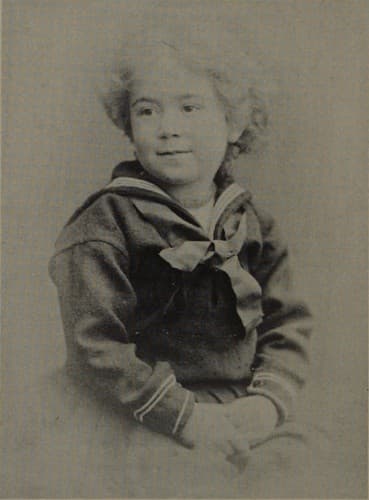
Sir James Matthew Barrie, 1st Baronet, was a Scottish novelist and playwright, best remembered as the creator of Peter Pan. He was born and educated in Scotland and then moved to London, where he wrote several successful novels and plays. There he met the Llewelyn Davies boys, who inspired him to write about a baby boy who has magical adventures in Kensington Gardens, then to write Peter Pan, or The Boy Who Wouldn't Grow Up, a 1904 West End "fairy play" about an ageless boy and an ordinary girl named Wendy who have adventures in the fantasy setting of Neverland.
Similar books
- Alice's Adventures in Wonderland
Lewis Carroll
4.0 (245k) average on GoodreadsFantasyBoth are classic children's fantasies featuring a child protagonist in a surreal, magical world.
- The wonderful Wizard of Oz
L. Frank Baum
4.0 (370k) average on GoodreadsFantasyFeatures a child protagonist transported to a fantastical land with unique characters and challenges.
- The Little Prince
Antoine De Saint Exupéry
Explores themes of childhood, growing up, and the importance of imagination with a melancholic tone.
- Harry Potter and the Sorcerer's Stone
J.K. Rowling
4.5 (7M) average on GoodreadsFantasyRescued from a miserable life under the stairs, an orphaned boy discovers he's a wizard destined for a magical school, where he uncovers a dangerous secret tied to the dark wizard who murdered his parents.
- The Hunger Games
Suzanne Collins
4.3 (6.4M) average on GoodreadsFantasyIn a future where children fight to the death on live television, Katniss Everdeen volunteers for the arena, turning a death sentence into a fight for survival and a spark of rebellion.
- 1984
George Orwell
4.2 (3.1M) average on GoodreadsPoliticsIn a future where surveillance and thought control are absolute, a man's search for truth clashes with the Party, showing that hope can be a form of rebellion.




Enjoyed the summary?
A summary gives you the shape of the book. The book itself has the detail, the examples and the voice.
Find Peter Pan on AmazonAs an Amazon Associate, BookBrief earns from qualifying purchases. How we're funded