
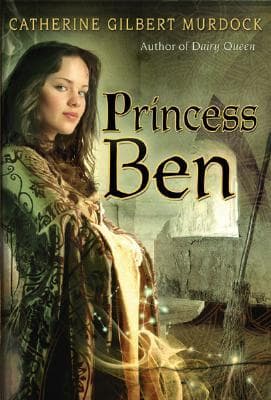
Synopsis
Covers the whole plot, including the ending.
- Difficulty
- Easy
- Pacing
- Moderate
- Mood
- Humorous, Adventurous, Enchanting, Whimsical
- Read it if
- You enjoy unconventional fairy tales with a witty, self-deprecating protagonist and a blend of humor, magic, and adventure.
- Skip it if
- You prefer traditional, serious high fantasy or stories with a conventionally beautiful, damsel-in-distress type princess.
Princess Ben Plot Summary
Covers the whole plot, including the ending.
A Princess Without Parents
Princess Benevolence, known as Ben, is a large, plain, and often overlooked princess in the kingdom of Montagne. Her life changes when her parents, King Leopold and Queen Marigold, are assassinated by a rebel faction while traveling to a neighboring kingdom. Ben, only thirteen, is left in the care of her step-aunt, Queen Sophia, the regent. Sophia, a vain and cruel woman, immediately takes Ben's royal allowances, starves her, and isolates her in the highest tower of the castle, hoping to make her disappear and secure power for herself and her favored son, Basil.
Discovery of the Secret Room
Suffering from hunger and loneliness in her confinement, Ben explores her tower room thoroughly. Behind a tapestry, she discovers a hidden door leading to a secret chamber filled with ancient, dust-covered magical artifacts: a flying broomstick, a grimoire, a crystal ball, and various potions. This room, apparently used by a previous queen, becomes Ben's sanctuary. Driven by a desire for food and a desperate need for agency, Ben starts experimenting with the magical items, often with chaotic and humorous results, such as setting her hair on fire and creating small, edible magical creatures.
First Forays with Magic
Ben's initial attempts at magic are clumsy but effective for her immediate needs. She learns to use the flying broomstick, awkwardly, to sneak out of her tower at night, primarily to raid the castle kitchens for food, which Queen Sophia has denied her. These nightly excursions allow her to observe the castle staff and understand the political climate within Montagne. She also begins to read the grimoire, slowly deciphering its complex spells and understanding the principles of magic, even though many spells are beyond her current abilities.
Meeting the Stable Boy and the Royal Cousins
During her nocturnal flights, Ben encounters Liam, a kind and observant stable boy who works in the castle. They develop a cautious friendship, and Liam provides Ben with information about the kingdom's deteriorating state under Queen Sophia's regency, including the growing unrest among the common folk and the increasing power of Sophia's ambitious son, Basil. Ben also has strained interactions with her royal cousins, Basil and Beatrice, who are favored by their mother, Queen Sophia, and often mock Ben's appearance and status.
The Threat of King O'Malley
Through Liam and her own magical scrying, Ben discovers that King O'Malley of the neighboring kingdom of O'Malley is preparing to invade Montagne, using the chaos caused by the assassinations as an excuse. Queen Sophia, in her desperation to secure her own power, is attempting to negotiate a marriage alliance between Basil and Princess Isolde of another kingdom, hoping to gain military support. However, her actions are only further destabilizing Montagne and making it vulnerable to O'Malley's forces.
Training and Growing Power
Realizing the dire threat to Montagne, Ben intensifies her magical studies. She practices spells from the grimoire, experiments with potions, and hones her broomstick flying skills. Her magical abilities grow, and she begins to understand the true potential and responsibility that comes with her powers. She still struggles with certain spells, particularly those requiring precise incantations or complex ingredients, but her determination is unwavering.
The Coronation and Revelation
Queen Sophia, eager to solidify her power, plans a lavish coronation for Basil, intending to declare him king and marry him to Princess Isolde. Ben, using her magic, creates a diversion during the ceremony. She reveals evidence of Sophia's corruption and her part in the kingdom's decline, possibly even hinting at her involvement in Ben's parents' assassination, though this is not explicitly proven. The revelation causes an uproar among the nobles and the populace, undermining Sophia's authority and preventing Basil's immediate ascension.
Confrontation and Capture
Enraged by Ben's actions, Queen Sophia confronts her directly. Sophia reveals that she also possesses some magical abilities, albeit darker and less refined, which she may have been using to manipulate events. A magical duel ensues within the castle, showcasing Ben's developing powers against Sophia's desperate attacks. Despite Ben's skill, Sophia manages to overpower her, perhaps through a surprise attack or a cunning trap, and captures Ben, imprisoning her in a magically reinforced cell.
Escape and Alliance
With Liam's courageous help, Ben manages to escape her prison. She then uses her magical influence and Liam's knowledge of the common people to rally support among the disenchanted nobles and the populace who have suffered under Sophia's rule. They form an alliance, preparing to defend Montagne against King O'Malley's impending invasion and to depose Queen Sophia. Ben's leadership, despite her past insecurities, begins to shine through, inspiring hope in her followers.
The Battle for Montagne
King O'Malley's forces launch their invasion, and a fierce battle takes place on the borders of Montagne. Ben, now confident in her magical abilities, leads the defense, using her spells to protect her people and repel the invaders. She confronts Queen Sophia in a final, climactic magical duel. Ben, having embraced her true power and the responsibility of her lineage, ultimately defeats Sophia, stripping her of her magic and authority. O'Malley's forces are routed, and peace is restored to Montagne.
The True Heir and a New Beginning
With Queen Sophia deposed and King O'Malley's invasion thwarted, the people of Montagne recognize Ben as their rightful sovereign. Ben, no longer the insecure, overlooked princess, accepts her destiny. She begins the task of rebuilding her kingdom, promising justice and prosperity for all. Her relationship with Liam deepens, and she rules with wisdom and compassion, using her magic for the good of her people. She embraces her unique qualities and proves herself a benevolent and powerful queen.
Principal Figures
Princess Benevolence (Ben)
Protagonist
The overlooked, large, and magically gifted princess of Montagne.
Ben is initially depicted as an insecure, plain, and overweight princess who feels she falls short of traditional royal beauty standards. Orphaned and isolated by her cruel aunt, she discovers a hidden magical talent. Her journey transforms her from a timid, self-deprecating girl into a confident and powerful sorceress and a benevolent leader. She is driven by a strong sense of justice and a desire to protect her kingdom and its people.
Relationships: Queen Sophia (Antagonistic; Sophia is Ben's cruel step-aunt and captor.); Liam (Close friendship, developing into romantic interest.); King Leopold (Deceased father; Ben misses him and strives to honor his legacy.); Queen Marigold (Deceased mother; Ben misses her and seeks to emulate her goodness.)
Queen Sophia
Antagonist
Ben's cruel and power-hungry step-aunt, regent of Montagne.
Queen Sophia is the primary antagonist, a vain, ambitious, and manipulative woman. She craves power and resents Ben's claim to the throne. She abuses Ben, isolates her, and attempts to starve her into submission, all while trying to secure the crown for her own son, Basil. She possesses a darker, more rudimentary form of magic, which she uses for control and intimidation. Her motivations are purely selfish, driven by a desire for status and control.
Relationships: Princess Benevolence (Antagonistic; Sophia abuses and imprisons Ben.); Basil (Mother-son; Sophia dotes on Basil and schemes to put him on the throne.); Beatrice (Mother-daughter; Sophia favors Beatrice, though less overtly than Basil.)
Liam
Supporting
A kind and observant stable boy who becomes Ben's confidant and ally.
Liam is a compassionate and intelligent stable boy who works in the castle. He is one of the few people who treats Ben with kindness and respect. He provides Ben with vital information about the political climate and the suffering of the common people under Queen Sophia's rule. He is brave, loyal, and resourceful, proving to be a crucial ally in Ben's fight against tyranny. He sees beyond Ben's physical appearance to her true character and worth.
Relationships: Princess Benevolence (Close friendship, developing into romantic interest.); King O'Malley (Opposes O'Malley's invasion as a loyal subject of Montagne.)
Basil
Supporting
Queen Sophia's vain and arrogant son, groomed to be king.
Basil is Queen Sophia's favored son, a handsome but arrogant and somewhat dim-witted young man. He is a pawn in his mother's schemes to seize the throne, benefiting from her favoritism and enjoying a life of privilege. He often mocks Ben and lacks any genuine leadership qualities, relying entirely on his mother's machinations. He is more of a symbol of Sophia's corrupt rule than an active antagonist himself.
Relationships: Queen Sophia (Mother-son; Sophia manipulates events to make him king.); Princess Benevolence (Cousin; he often ridicules Ben.)
Beatrice
Supporting
Queen Sophia's daughter, often complicit in her mother's cruelty.
Beatrice is Sophia's daughter and Basil's sister. She is also vain and enjoys the privileges of her mother's favor. While not as actively malicious as Sophia, she often participates in mocking Ben and benefits from Ben's isolation. She represents the superficiality and self-interest of Sophia's court, showing little empathy or independent thought. She is less ambitious than her mother and brother, content to follow their lead.
Relationships: Queen Sophia (Mother-daughter; Beatrice follows her mother's lead.); Princess Benevolence (Cousin; she often joins Basil in ridiculing Ben.)
King O'Malley
Antagonist
The opportunistic king of a neighboring realm, who threatens Montagne.
King O'Malley is the ruler of a neighboring kingdom who sees Montagne's instability after the assassination of Ben's parents as an opportunity for invasion and expansion. He is a formidable military threat, representing the external danger to Ben's kingdom. He is driven by territorial ambition and a desire to increase his power, making him a significant antagonist in the latter half of the story.
Relationships: Princess Benevolence (Military adversary; he invades Ben's kingdom.)
King Leopold
Mentioned
Ben's deceased father, the benevolent former king of Montagne.
King Leopold was Ben's kind and just father, who ruled Montagne before his assassination. He is remembered by Ben as a loving parent who accepted her for who she was, in contrast to Queen Sophia's cruelty. His benevolent rule serves as a stark contrast to Sophia's tyranny and inspires Ben to become a just ruler herself. Though deceased, his memory guides Ben's actions.
Relationships: Princess Benevolence (Father-daughter; Ben deeply misses and reveres him.); Queen Marigold (Husband-wife; they ruled Montagne together.)
Queen Marigold
Mentioned
Ben's deceased mother, the kind former queen of Montagne.
Queen Marigold was Ben's mother, known for her kindness and grace. Like King Leopold, her memory serves as a moral compass for Ben, reminding her of the virtues of a true queen. Her absence leaves Ben vulnerable to Sophia's abuse, but her spirit of goodness is something Ben strives to emulate in her own leadership. She represents the ideal of royalty that Ben eventually embodies.
Relationships: Princess Benevolence (Mother-daughter; Ben deeply misses and reveres her.); King Leopold (Wife-husband; they ruled Montagne together.)
Themes & Insights
Self-Acceptance and Inner Beauty
Ben initially struggles with her appearance, feeling she doesn't fit the mold of a beautiful princess. Her journey forces her to look beyond superficial beauty and embrace her unique qualities, including her intelligence, kindness, and ultimately, her magical power. This theme is evident in her early self-deprecating thoughts about her gown not plunging dramatically, contrasted with her later confidence when she leads her kingdom, realizing her worth comes from her actions and character, not her looks. Her magical abilities become an extension of her true self, empowering her to overcome her insecurities.
“What I lacked in beauty I would simply have to earn with charm...”
The Nature of True Leadership
The novel explores the contrast between benevolent and tyrannical leadership. Queen Sophia embodies selfish, power-hungry rule, leading to the kingdom's decline and its people's suffering. Ben, initially an unwilling participant in royal life, learns through her struggles and magical education that true leadership involves responsibility, compassion, and self-sacrifice for the good of the kingdom. Her actions, such as raiding the kitchens for food (initially for herself, then understanding the wider hunger) and ultimately defending Montagne from invasion, demonstrate her growth into a just and effective ruler, embodying the legacy of her parents.
“A good ruler serves her people, not herself.”
The Power of Knowledge and Education
Ben's discovery of the secret magical room and the grimoire is the catalyst for her transformation. Her education in magic, initially a means of survival, becomes her greatest strength. The act of reading, deciphering spells, and experimenting empowers her. This shows how knowledge, even forbidden or forgotten knowledge, can be a tool for overcoming oppression and achieving personal growth. Her intellectual curiosity and dedication to learning magic directly lead to her ability to save her kingdom, demonstrating that true power comes from understanding and mastering skills.
“The answers were always there, waiting to be found, if only one knew where to look and how to read.”
Overcoming Adversity and Resilience
Ben faces much adversity, from the assassination of her parents and her cruel treatment by Queen Sophia to the threat of invasion. Despite being starved, isolated, and belittled, she shows remarkable resilience. Her ability to adapt, to find hope in despair (the secret room), and to fight for her survival and her kingdom shows the strength of the human spirit. Her journey is how challenges can forge character and reveal hidden strengths, transforming a vulnerable princess into a formidable queen.
“Even in the darkest tower, a small flame of hope could be kindled.”
Plot Devices & Literary Techniques
The Secret Magical Room
A hidden chamber filled with magical artifacts that empowers Ben.
The secret magical room serves as the primary catalyst for Ben's transformation. Hidden behind a tapestry, it's a classic 'secret passage' trope that opens up a new world for the protagonist. This room provides Ben with the tools (broomstick, grimoire, potions) and the secluded space necessary for her to discover and develop her magical abilities away from Queen Sophia's watchful eye. It symbolizes hidden potential and the power of forgotten knowledge, allowing Ben to secretly train and become capable of saving her kingdom.
The Grimoire
An ancient book of spells and magical knowledge.
The grimoire is a traditional magical artifact that functions as Ben's primary source of magical education. It contains spells, theories, and historical context for magic, allowing Ben to learn and practice. Its complexity and the need for Ben to decipher it emphasize the 'power of knowledge' theme. The grimoire represents the structured learning and discipline required to master magic, contrasting with Ben's initial clumsy experiments. It is the key to unlocking her full magical potential and understanding the magical world of Montagne.
The Flying Broomstick
A magical broomstick that allows Ben to travel secretly.
The flying broomstick is a classic fantasy element that serves a dual purpose. Initially, it's a practical tool for Ben to escape her confinement and raid the castle kitchens for food, highlighting her resourcefulness and desperation. As she masters it, the broomstick becomes a symbol of her growing freedom and burgeoning magical skill. It allows her to gain a unique perspective on the kingdom and its troubles, enabling her to gather information and eventually play a vital role in the defense of Montagne during the invasion.
The Assassination of the King and Queen
The inciting incident that leaves Ben orphaned and vulnerable.
The assassination of King Leopold and Queen Marigold is the inciting incident that plunges Montagne into chaos and sets Ben's journey in motion. It immediately establishes the high stakes of the narrative, removes Ben's protectors, and places her under the tyrannical rule of Queen Sophia. This event creates the central conflict and forces Ben to develop her inner strength and magical abilities out of necessity, transforming her from a passive princess into an active protagonist determined to reclaim her birthright and save her kingdom.
Princess Ben Quotes
“The greatest danger of all is to be safe.”
“Every princess is a queen, whether she knows it or not.”
“Magic isn't about what you can do, but what you believe you can do.”
“Sometimes the most extraordinary things happen when you're just trying to be ordinary.”
“A good book is a loyal friend, always there when you need it, full of stories you haven't even dreamed of yet.”
“The hardest part of being a princess isn't the etiquette, it's the expectation.”
“Love isn't about finding someone perfect, it's about seeing the perfection in someone imperfect.”
“True strength isn't about fighting dragons, it's about facing your own fears.”
“Even a princess needs a good escape plan.”
“The world is full of wonders, if only you bother to look beyond your own castle walls.”
“Sometimes the best way to get what you want is to pretend you don't want it at all.”
“A crown doesn't make you royal; your heart does.”
“Every story has a beginning, a middle, and an end, but it's the choices you make in the middle that truly write your tale.”
Quiz
10 questions on the plot and the characters. Each answer comes with a short explanation.
Question 1
What is Princess Ben's full name, as indicated in the book's title and character description?
- Princess Sophia
- Princess Benevolence
- Princess Catherine
- Princess Murdock
Show answer
B. Princess Benevolence The introductory text mentions 'Benevolence is not your typical princess,' clearly indicating her full name.
Question 2
What event leads to Princess Ben being placed under the guardianship of Queen Sophia?
- Her parents abdicated the throne.
- Her parents were lost to assassins.
- Her parents sent her away for magical training.
- She was kidnapped by Queen Sophia.
Show answer
B. Her parents were lost to assassins. The description states, 'With her parents lost to assassins, Princess Ben ends up under the thumb of the conniving Queen Sophia.'
Question 3
Where does Princess Ben discover the mysterious enchanted room where she begins her magical education?
- In the castle library.
- In the royal garden.
- While locked in the castle's highest tower.
- During an escape attempt from the dungeons.
Show answer
C. While locked in the castle's highest tower. The text explicitly states, 'Starved and miserable, locked in the castle's highest tower, Ben stumbles upon a mysterious enchanted room.'
Question 4
Based on the provided excerpt, what physical characteristic does Princess Ben lament about herself?
- Her height.
- Her lack of a dramatically plunging bodice and a small waist.
- Her clumsy feet.
- Her unfashionable hairstyle.
Show answer
B. Her lack of a dramatically plunging bodice and a small waist. Ben's internal monologue reveals, 'My bodice did not plunge as dramatically as some, and no man--no man I would ever want to meet, surely--could fit his hands round my waist.'
Question 5
Which of the following magical activities is NOT mentioned as part of Ben's 'secret education' in the enchanted room?
- Mastering an obstinate flying broomstick.
- Furtively emptying the castle's pantries.
- Turning lead into gold.
- Setting her hair on fire.
Show answer
C. Turning lead into gold. The text lists 'mastering an obstinate flying broomstick, furtively emptying the castle's pantries, setting her hair on fire' as her magical adventures, but alchemy is not mentioned.
Question 6
What is the primary motivation for Princess Ben to 'earn with charm' what she lacks in beauty?
- To impress Queen Sophia.
- To attract honest compliments and make up for perceived physical shortcomings.
- To distract from her magical abilities.
- To gain favor with the kingdom's knights.
Show answer
B. To attract honest compliments and make up for perceived physical shortcomings. Ben reflects, 'What I lacked in beauty I would simply have to earn with charm,' immediately following her self-assessment of her gown and figure, indicating a desire for social acceptance and compliments.
Question 7
What overarching threat does Princess Ben eventually face, beyond her personal struggles and magical education?
- A dragon attack on the kingdom.
- A magical plague sweeping the land.
- A mortal threat to her kingdom, implying tyranny.
- An invasion from a neighboring empire.
Show answer
C. A mortal threat to her kingdom, implying tyranny. The summary concludes, 'But Ben's private adventures are soon overwhelmed by a mortal threat to her kingdom. Can Ben save the country and herself from tyranny?'
Question 8
The phrase 'under the thumb of the conniving Queen Sophia' primarily suggests which of the following about Ben's living situation?
- Queen Sophia is a supportive guardian.
- Ben is being controlled and mistreated by Queen Sophia.
- Ben and Queen Sophia are working together against a common enemy.
- Queen Sophia is merely acting as a temporary regent.
Show answer
B. Ben is being controlled and mistreated by Queen Sophia. 'Under the thumb' implies control and subjugation, while 'conniving' suggests malicious intent, aligning with the description of Ben being 'starved and miserable' under Sophia's care.
Question 9
How does the opening quote, 'My gown suited me as well as I could ever hope, though I could not but envy the young ladies who would attract the honest compliments of the night,' characterize Princess Ben's self-perception at the beginning of the story?
- She is overly confident and vain about her appearance.
- She feels somewhat insecure about her physical attractiveness compared to others.
- She is content with her beauty and doesn't care for compliments.
- She believes her gown is too extravagant for the occasion.
Show answer
B. She feels somewhat insecure about her physical attractiveness compared to others. The envy she feels for other young ladies who would receive 'honest compliments' and her subsequent resolve to 'earn with charm' what she 'lacked in beauty' clearly indicate a degree of self-consciousness and insecurity about her looks.
Question 10
The description highlights that 'Princess Ben is certainly not your typical fairy tale.' Which element from the provided text most strongly supports this claim?
- The presence of a wicked queen.
- Her parents being lost to assassins.
- Ben's self-deprecating humor and her active pursuit of magic for survival and agency, rather than just being a damsel.
- The existence of an enchanted room.
Show answer
C. Ben's self-deprecating humor and her active pursuit of magic for survival and agency, rather than just being a damsel. While wicked queens and enchanted elements are common in fairy tales, Ben's internal monologue about her body, her active and somewhat clumsy magical 'education' (setting her hair on fire), and her struggle for agency against tyranny rather than passively waiting for a prince, all subvert typical fairy tale tropes and make her 'not your typical princess.'
Princess Ben FAQ
What is the central conflict Princess Ben faces at the beginning of the story?
Princess Ben, or Benevolence, is orphaned after her parents are assassinated. She is then placed under the cruel guardianship of Queen Sophia, who starves and mistreats her, locking her away in the castle's highest tower. This initial conflict sets up her desperate need for escape and self-preservation.
How does Princess Ben discover her magical abilities?
While imprisoned in the tower, Ben stumbles upon a mysterious enchanted room. This room serves as her secret academy, where she begins to learn and practice various magical arts, including mastering a flying broomstick and other more unpredictable spells, often with humorous and disastrous results.
Who is Queen Sophia and what is her role in the narrative?
Queen Sophia is the conniving and tyrannical regent who takes control after Ben's parents' deaths. She is depicted as cruel and manipulative, actively working to keep Ben powerless and miserable, and eventually revealing her ambitions to seize permanent control of the kingdom.
What kind of magic does Ben primarily learn and how does it manifest?
Ben's magic is often chaotic and unpredictable, initially manifesting through objects like an obstinate flying broomstick and accidental spells that cause minor havoc, such as setting her hair on fire. Over time, she gains more control, using her magic for practical purposes like acquiring food and eventually for defense and strategy.
What is the ultimate threat to Ben's kingdom that she must confront?
The ultimate threat is Queen Sophia's tyrannical rule and her ambition to permanently usurp the throne, potentially through dark magic or political maneuvering. Ben must not only save herself from Sophia's cruelty but also protect her kingdom from falling into the queen's total control.
What is the significance of the 'enchanted room' beyond just a place to learn magic?
The enchanted room isn't just a classroom; it's a sanctuary and a symbol of hope and agency for Ben. It provides her with not only magical knowledge but also a sense of purpose and a connection to something beyond her miserable reality, fostering her growth and resilience.
Are there any hidden magical lineages or prophecies connected to Ben's abilities?
While the synopsis doesn't explicitly state a magical lineage, the sudden discovery of an 'enchanted room' and Ben's innate, if clumsy, ability to perform magic suggests a deeper, possibly inherited, connection to magical forces. The book explores whether her magic is unique to her or part of a larger magical history of her kingdom.
How does Ben's physical appearance, as described in the excerpt, relate to her character development?
Ben's self-deprecating description of her appearance – 'My bodice did not plunge...no man...could fit his hands round my waist' – highlights her insecurity and unconventional nature. This contrasts with typical fairy tale princesses, setting her up to earn respect and affection through her wit, charm, and bravery rather than traditional beauty.
What role does humor play in Ben's coping mechanisms and character arc?
Humor, often self-deprecating or derived from her magical mishaps like setting her hair on fire, is a crucial coping mechanism for Ben. It allows her to endure her harsh circumstances and makes her relatable, demonstrating her resilience and ability to find light even in dire situations, contributing to her charm.
How does Ben's desire for 'honest compliments' and 'charm' reflect her deeper psychological needs?
Her longing for 'honest compliments' and to 'earn with charm' suggests a deep need for genuine recognition and acceptance, especially given her mistreatment by Queen Sophia. This indicates a desire to be valued for her true self and internal qualities, rather than superficial beauty or royal status.
How does the author subvert traditional fairy tale tropes through Princess Ben's character?
The author subverts tropes by presenting Ben as an unconventional princess who is not traditionally beautiful or waiting for a prince to rescue her. Instead, she is resourceful, learns magic independently, and actively works to save herself and her kingdom, highlighting her agency over passive damsel-in-distress roles.
Is there a romantic subplot, and if so, how does it fit with Ben's journey of self-discovery?
Given the 'Romance' genre tag, it's highly probable there is a romantic subplot. This would likely complement Ben's journey, perhaps with a suitor who appreciates her for her wit and intelligence rather than her appearance, further reinforcing her self-worth and challenging conventional romantic ideals.
How does the book's tone balance the dark elements (assassination, tyranny) with the more whimsical magical elements?
The book likely balances these elements by using Ben's internal monologue and often humorous magical mishaps to lighten the tone, even amidst serious threats. This blend allows the story to tackle mature themes while remaining engaging and age-appropriate for a Young Adult audience, often through Ben's resilient and witty perspective.
What message does the book convey about power and leadership through Queen Sophia and Princess Ben?
Through Queen Sophia, the book critiques abusive and tyrannical power, showing its corrupting influence. Conversely, Princess Ben's journey demonstrates that true leadership comes from courage, resourcefulness, and a genuine desire to protect one's people, regardless of traditional qualifications or physical appearance.
What is the significance of the book's title, 'Princess Ben,' given her unconventional nature?
The title 'Princess Ben' emphasizes her identity as a princess, but by using her informal name 'Ben,' it immediately signals her departure from traditional, prim princess archetypes. It suggests a story about a relatable, down-to-earth royal who earns her title through her actions rather than just birthright.
Are there any specific historical or literary allusions that enrich the story?
While not explicitly stated, the setup of a princess orphaned by assassins and imprisoned by a cruel regent echoes classic fairy tales like Rapunzel and Snow White. The magical education and flying broomstick suggest nods to stories like 'The Worst Witch' or 'Harry Potter,' grounding the narrative within a rich tradition of fantasy literature.
How does Ben's 'secret education in the magical arts' differ from formal magical training often depicted in fantasy?
Ben's education is entirely self-directed and clandestine, conducted in isolation without a mentor, which makes it chaotic and experimental. This contrasts with formal academies or structured apprenticeships, highlighting her resourcefulness and the raw, untamed nature of her developing magic.
What internal struggles does Ben face besides her external conflicts with Queen Sophia?
Beyond battling Queen Sophia, Ben likely struggles with self-doubt, loneliness, and the pressure of her royal duties. Her initial self-consciousness about her appearance and her need to 'earn with charm' point to an internal battle to define her self-worth and identity outside of her circumstances.
Does Ben's character evolve from being purely reactive to proactive throughout the story?
Absolutely. Initially, Ben is reactive, a victim of Queen Sophia's cruelty. Her discovery of the enchanted room marks a shift towards proactive learning and self-improvement. As the kingdom faces a 'mortal threat,' she must fully embrace a proactive role, moving from personal survival to actively saving her country.
Similar books
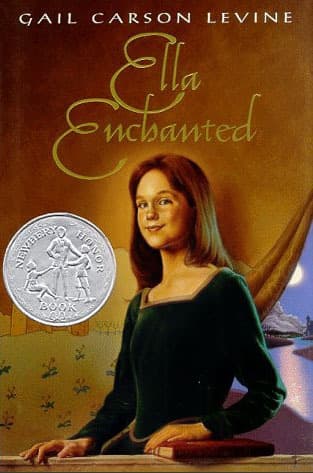
- Ella Enchanted
Gail Carson Levine
4.0 (387k) average on GoodreadsFantasyFeatures a strong, witty heroine in a fairy tale setting with a magical twist.
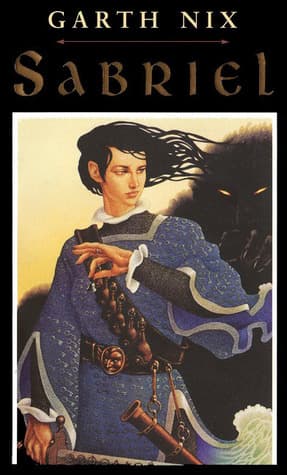
- Sabriel
Garth Nix
4.2 (185k) average on GoodreadsFantasy"Princess Ben" lacks the intricate, often grim, world-building and the significant personal costs associated with magic that are central to Nix's Old Kingdom series. While Ben's magic is initially mysterious, its application becomes more straightforward and less perilous than Sabriel's necromantic abilities and the dangers she faces in the Clayr's Glacier or the Charter.
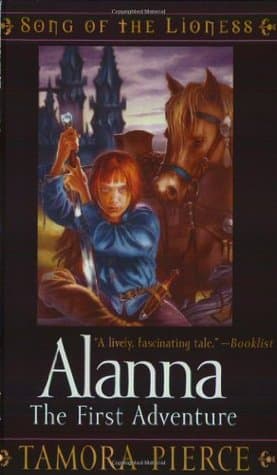
- Alanna: The First Adventure
Tamora Pierce
4.2 (116k) average on GoodreadsFantasyCompared to Pierce's Alanna, "Princess Ben" presents a less nuanced exploration of gender roles and societal expectations. Alanna actively defies and challenges her world's norms, undergoing rigorous, often painful, training and facing deeply personal struggles. Ben's journey, while challenging, is less about subverting established systems and more about fulfilling a predetermined destiny, and her romance is less fraught with the complexities and slow burn seen in Pierce's work.
- Harry Potter and the Sorcerer's Stone
J.K. Rowling
4.5 (7M) average on GoodreadsFantasyRescued from a miserable life under the stairs, an orphaned boy discovers he's a wizard destined for a magical school, where he uncovers a dangerous secret tied to the dark wizard who murdered his parents.
- The Hunger Games
Suzanne Collins
4.3 (6.4M) average on GoodreadsFantasyIn a future where children fight to the death on live television, Katniss Everdeen volunteers for the arena, turning a death sentence into a fight for survival and a spark of rebellion.
- 1984
George Orwell
4.2 (3.1M) average on GoodreadsPoliticsIn a future where surveillance and thought control are absolute, a man's search for truth clashes with the Party, showing that hope can be a form of rebellion.



Enjoyed the summary?
A summary gives you the shape of the book. The book itself has the detail, the examples and the voice.
Find Princess Ben on AmazonAs an Amazon Associate, BookBrief earns from qualifying purchases. How we're funded