
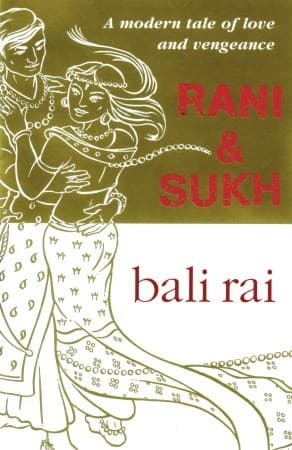
Synopsis
Covers the whole plot, including the ending.
- Difficulty
- Medium
- Pacing
- Moderate
- Mood
- Emotional, Gripping, Tragic, Hopeful, Dramatic
- Read it if
- You enjoy powerful, emotional young adult romance with a significant historical backdrop, exploring themes of forbidden love, family feuds, and cultural conflict.
- Skip it if
- You prefer lighthearted stories without intense family drama or tragic historical elements, or if you dislike narratives with a focus on generational conflict.
Rani And Sukh Plot Summary
Covers the whole plot, including the ending.
A Love Forbidden and a Tragic Past in Punjab
The story starts in rural Punjab in 1960, showing a passionate, secret love affair between Ajit, a young man from the Dhillon family, and Jaswinder, a girl from the Johal family. Their families are neighbors with a long-standing rivalry. Despite the dangers, Ajit and Jaswinder meet secretly, fall in love, and plan to elope. Jaswinder’s brother, Jagmohan, discovers their secret. Enraged, Jagmohan and other Johal family members brutally attack Ajit, leaving him for dead. Jaswinder, shamed and heartbroken, takes her own life by drowning herself in the village well. This event starts a bitter, violent feud between the Dhillon and Johal families, scarring future generations.
Sukh and Rani's Chance Encounter in Leicester
The story moves to present-day Leicester, England, where Sukh Dhillon, a charismatic and popular young man, lives a carefree life with his friends. He is Ajit's grandson. Across town, Rani Johal, a bright and independent girl, lives with her family. She is the granddaughter of Jaswinder’s brother, Jagmohan. They meet by chance at a local community center during a youth event. There is an immediate spark between them. They are attracted to each other, unaware that their surnames, Dhillon and Johal, represent a deep-seated, violent animosity passed down through their families for generations, from the tragic events in Punjab.
Growing Affection and Unspoken Warnings
Sukh and Rani continue to meet, their initial attraction quickly becoming a heartfelt romance. They spend time together, sharing dreams and enjoying each other’s company, often meeting secretly or with trusted friends. Both start to notice tension whenever the other family’s name is mentioned at home. Sukh's grandfather, Ajit, often becomes withdrawn or visibly upset, while Rani’s father, Rajinder, and uncle, Jagmohan, react with coldness or anger. The young couple attributes these reactions to typical parental overprotectiveness or old prejudices, not understanding the true depth of the historical animosity.
The Revelation of the Feud
The tensions finally erupt during a public community gathering. Both the Dhillon and Johal families are present. When Sukh and Rani are seen together, Rani's uncle, Jagmohan, recognizes Sukh and confronts him and his family with furious accusations, bringing up the history of Jaswinder's death and Ajit's perceived role. The public confrontation is explosive, with insults and threats. Sukh and Rani are shocked and devastated to learn the full extent of the animosity and the tragic story of their grandparents' generation. The revelation shatters their romance and forces them to confront the grim reality of their families' intertwined, painful past.
Family Pressure and Divided Loyalties
After the public exposure, Sukh and Rani are under intense pressure from their families. The Dhillon family, especially Ajit, warns Sukh against any further contact with the Johals, recounting their version of the past and emphasizing 'dishonor' and 'betrayal.' The Johal family, led by Jagmohan and Rani's father, Rajinder, is more vehement, forbidding Rani from ever seeing Sukh again, citing Jaswinder's 'murder' and the 'shame' brought upon their family. Sukh and Rani are in an impossible situation, torn between their love for each other and their loyalty and duty to their families, who demand an end to their relationship.
Sukh's Search for Truth
Sukh, unwilling to accept his family's one-sided story, decides to investigate the past himself. He talks to his grandfather, Ajit, who, after much prodding, reluctantly shares his painful memories of Jaswinder, their love, and the brutal attack by the Johals. Ajit reveals his grief and guilt over Jaswinder's suicide, saying he never intended for her to die and was left for dead himself. Sukh also seeks out other elder community members and family friends who were alive then, putting together a more complete picture of the events in Punjab, recognizing that both families have suffered and told their own versions of the truth.
Rani's Quest for Understanding
Rani also searches for the truth. She confronts her father, Rajinder, and her uncle, Jagmohan, who initially refuse to discuss it, maintaining that Jaswinder was murdered by the Dhillons. Rani persists, sensing there is more to the story. She eventually finds an old aunt who knew Jaswinder and Ajit. This aunt, with sadness, reveals Jaswinder's deep love for Ajit and the immense pressure she faced, leading to her desperate act of suicide, not murder. Rani begins to understand the grief and shame that drove her uncle's lifelong vendetta, but also the distorted truth her family has kept.
A Desperate Plan for Reconciliation
Having uncovered the complexities and shared tragedy of their families' past, Sukh and Rani realize that neither family is entirely blameless, and both have suffered greatly. They understand that the feud is based on generations of misunderstanding, grief, and a distorted sense of honor. Rather than separating, they decide to challenge the hatred. They plan to bring their families face-to-face, not to fight, but to confront the truth, share their individual pains, and hopefully, start reconciliation. They believe their love can start healing.
The Confrontation and the Painful Truth
Sukh and Rani arrange a tense, emotional meeting between key members of both families, including Ajit, Jagmohan, and Rajinder. At first, old resentments flare, and accusations fly. However, Sukh and Rani, with support from some younger family members and friends, bravely present the full, true story they have uncovered, including details of Jaswinder's love, Ajit's attack, and the circumstances of her suicide. Ajit, with tears, expresses his lifelong regret and sorrow over Jaswinder's death. Jagmohan, confronted with the truth and his sister's suffering, is visibly shaken, his rigid facade cracking under the weight of decades of guilt and misdirected anger. The raw emotions are overwhelming, but a step towards understanding is taken.
Forgiveness and a Hope for the Future
The meeting does not immediately end decades of hatred, but it plants the seeds of forgiveness. Jagmohan, though still scarred, acknowledges the pain he caused and his family's part. Ajit expresses his desire for peace. The younger generations, seeing the devastating impact of the feud, want to move forward. Slowly, tentatively, the families begin to acknowledge their shared humanity and the suffering caused by their unresolved conflict. Sukh and Rani's love, once a source of contention, becomes a symbol of hope and a bridge between the two families. While healing will be long, the cycle of violence is finally broken, making way for a future where love can triumph over inherited hatred.
Rani And Sukh Characters
Sukh Dhillon
Protagonist
Charismatic young man from the Dhillon family, determined to break the cycle of family hatred.
Sukh is a modern, confident, and popular young man living in Leicester. He's initially unaware of his family's dark past but possesses a strong sense of justice and empathy. He falls deeply in love with Rani and, despite immense family pressure, refuses to let ancient feuds dictate his life or hers. His determination to uncover the truth and reconcile the families drives a significant portion of the plot. He is brave, resilient, and believes in the power of love and forgiveness to overcome historical animosity.
Relationships: Rani Johal (Love interest, girlfriend); Ajit Dhillon (Grandfather, initially guarded but eventually confiding); His Parents (Supportive but initially bound by tradition)
Rani Johal
Protagonist
Independent and intelligent young woman from the Johal family, seeking truth and reconciliation.
Rani is intelligent, strong-willed, and independent, not easily swayed by tradition or family pressure. She shares a deep, genuine love with Sukh and is equally determined to understand the roots of the family feud. Despite her family's strong opposition and the painful revelations about her grandmother, Jaswinder, Rani bravely seeks out the full story. Her resilience and commitment to Sukh and to peace make her a powerful force in challenging the generations-old conflict. She embodies hope for a future free from inherited hatred.
Relationships: Sukh Dhillon (Love interest, boyfriend); Rajinder Johal (Father, initially resistant to the truth); Jagmohan Johal (Uncle, primary antagonist upholding the feud, eventually showing remorse); Jaswinder (Grandmother, tragic figure whose story drives the plot)
Ajit Dhillon
Supporting
Sukh's grandfather, the heartbroken lover from the past, carrying immense guilt and grief.
Ajit is Sukh's grandfather, a key figure in the 1960s Punjab storyline. He was deeply in love with Jaswinder, and her tragic death left him with profound grief and guilt, which he carries for decades. He is initially reluctant to discuss the past, finding it too painful. His testimony to Sukh is crucial in revealing the true circumstances of Jaswinder's suicide and the brutal attack he suffered. He represents the living embodiment of the past's pain and the potential for eventual, albeit difficult, reconciliation.
Relationships: Sukh Dhillon (Grandson, confides in him); Jaswinder (Forbidden love interest)
Jagmohan Johal
Antagonist/Supporting
Rani's uncle, the primary perpetuator of the family feud, driven by a distorted sense of honor and grief.
Jagmohan is Rani's uncle and the brother of Jaswinder. He is the central figure in perpetuating the feud between the Dhillon and Johal families. He discovered Jaswinder and Ajit's affair and led the attack on Ajit, holding Ajit responsible for Jaswinder's death and the family's 'dishonor.' His anger and desire for revenge have festered for decades, making him rigid and unforgiving. He is a formidable obstacle to Sukh and Rani's relationship, but eventually, the truth forces him to confront his own actions and grief.
Relationships: Rani Johal (Niece, whom he tries to control); Jaswinder (Sister, whose death he avenges); Rajinder Johal (Brother, who supports his stance)
Jaswinder
Supporting/Tragic Figure
Rani's grandmother and Ajit's forbidden love, whose tragic death ignites the family feud.
Jaswinder is a pivotal character from the 1960s Punjab storyline, though she only appears in flashbacks and through the memories of others. She was a beautiful young woman from the Johal family who fell deeply in love with Ajit Dhillon, a forbidden romance. When their affair was discovered, and Ajit was brutally attacked, she felt immense shame and hopelessness, leading her to take her own life. Her death is the catalyst for the entire Dhillon-Johal feud, her story becoming a tragic legend that shapes generations.
Relationships: Ajit Dhillon (Forbidden lover); Jagmohan Johal (Brother, who caused her great distress)
Rajinder Johal
Supporting
Rani's father, who supports his brother Jagmohan in maintaining the family feud.
Rajinder is Rani's father and Jagmohan's younger brother. He grew up steeped in the family's narrative of the feud, believing the Dhillons were responsible for his sister Jaswinder's death. He supports Jagmohan's rigid stance against the Dhillons and initially forbids Rani from seeing Sukh. While not as overtly vengeful as Jagmohan, he is deeply influenced by family honor and tradition, making him another obstacle for Sukh and Rani, until he is forced to confront the truth.
Relationships: Rani Johal (Daughter, whom he loves but tries to control); Jagmohan Johal (Brother, with whom he shares the family burden)
Sukh's Parents
Supporting
Sukh's mother and father, who are caught between their loyalty to tradition and their son's happiness.
Sukh's parents are depicted as loving and supportive, but also deeply respectful of their family's traditions and the painful history passed down by Ajit. They are initially shocked and dismayed by Sukh's relationship with Rani, fearing the rekindling of the old feud and the potential for violence. They try to dissuade Sukh, but ultimately, their love for their son and their desire for his happiness lead them to be more open to the possibility of reconciliation than the older generation.
Relationships: Sukh Dhillon (Son, whom they love and protect); Ajit Dhillon (Father/Father-in-law, whose past they respect)
Rani's Mother
Supporting
Rani's mother, who provides a more compassionate, albeit cautious, perspective within the Johal family.
Rani's mother is a less dominant figure than her husband or brother-in-law, but she often offers a softer, more compassionate voice within the Johal household. She is concerned for Rani's happiness and safety. While she initially goes along with the family's prohibition on Sukh, she is more receptive to Rani's attempts to understand the past and eventually shows more willingness to consider reconciliation, embodying the quieter hope for peace.
Relationships: Rani Johal (Daughter, whom she supports); Rajinder Johal (Husband)
Rani And Sukh Themes
The Destructive Cycle of Intergenerational Conflict
The novel shows how unresolved conflicts, grief, and a distorted sense of honor from one generation can harm subsequent generations. The feud between the Dhillon and Johal families, from a tragic love story in 1960s Punjab, lasts for decades, affecting social interactions and threatening the new love between Sukh and Rani. Characters are constantly reminded of the past, with elders upholding old grievances, showing how hatred, if not dealt with, continues suffering.
“The past was a monster, lurking in the shadows, waiting to devour their future.”
Love Against All Odds
At its heart, 'Rani And Sukh' shows the power of love in the face of great adversity. The forbidden romance between Ajit and Jaswinder in the past, though tragic, sets the stage for the equally challenging love between Sukh and Rani in the present. Their relationship is tested by deep family hatred, threats, and societal expectations. Their commitment to each other, and their belief that their love can cross the historical divide, drives the story towards a hopeful, though difficult, resolution.
“Their love was a fragile flame, flickering in the howling wind of family hatred, but it refused to be extinguished.”
The Search for Truth and Reconciliation
A central theme is finding the complete, unbiased truth to heal old wounds. Sukh and Rani both search for the true events of 1960s Punjab, realizing that their families' stories are incomplete and biased. Their efforts to piece together the full story, confronting both the pain and the misinterpretations, are important for breaking the cycle of hatred. The novel suggests that true reconciliation can only begin when all parties are willing to acknowledge their own roles and the suffering of others.
“To truly move forward, they first had to look back, not with anger, but with an open heart ready to understand.”
Honor, Shame, and Identity in South Asian Culture
The novel explores family honor ('izzat') and shame ('be-izzat') in a South Asian cultural context. Jaswinder's suicide is linked to the shame she feels for her affair and the dishonor it brings to her family, as well as the brutal attack on Ajit. The feud is fueled by a need to defend family honor and avenge perceived slights. Sukh and Rani struggle with their individual identities versus the collective identity and expectations of their families, showing the intense pressure to follow traditional values even in a modern setting.
“Honor was a heavy cloak, passed down through generations, suffocating those who dared to step outside its weave.”
Plot Devices & Literary Techniques
Dual Timeline Narrative
Alternating between 1960s Punjab and present-day Leicester to reveal the origins and consequences of the feud.
The novel employs a dual timeline structure, seamlessly shifting between two distinct periods: the tragic love story of Ajit and Jaswinder in 1960s Punjab and the budding romance of Sukh and Rani in contemporary Leicester. This device is crucial for gradually revealing the historical roots of the family feud, allowing readers to understand the depth of the animosity and the specific events that shaped it. It builds suspense as the reader, like Sukh and Rani, slowly uncovers the dark past, drawing parallels between the forbidden loves and highlighting the enduring impact of history on the present.
Forbidden Love Trope
The central conflict arises from romantic relationships that defy family and societal norms.
Both the past and present storylines revolve around the trope of forbidden love. Ajit and Jaswinder's romance is forbidden due to unspoken family rivalries and the cultural implications of an illicit affair. Decades later, Sukh and Rani's love is forbidden due to the violent, inherited feud between their families. This device immediately establishes high stakes and creates inherent conflict, as the characters must choose between personal happiness and loyalty to their families and traditions. It underscores the novel's exploration of love's power to challenge ingrained prejudice.
Oral History and Retelling
Characters piece together the past through fragmented family stories and personal testimonies.
Sukh and Rani's journey to understand the family feud largely relies on piecing together oral histories. They don't find written records but must coax reluctant elders, like Ajit, and other community members to share their memories. This device highlights the subjective nature of truth, as each family holds its own biased version of events. It also emphasizes the importance of listening to multiple perspectives to gain a complete understanding and for younger generations to actively seek out their heritage, rather than passively accepting inherited narratives.
Symbolism of the Well
Represents both life-giving sustenance and tragic death, and the weight of the past.
The village well in Punjab serves as a powerful symbol. Initially, it represents a vital source of life and community gathering. However, it becomes the site of Jaswinder's tragic suicide, transforming it into a symbol of profound loss, shame, and the genesis of the family feud. It represents the dark secret buried in the past, a constant reminder of the tragedy that haunts both families. Its presence in the historical narrative underscores the deep-seated nature of the conflict and the lasting impact of that singular, devastating event.
Rani And Sukh Quotes
“‘Rani? What’s wrong?’ I asked, but she just stared at me, her eyes wide and full of tears. It was like she was seeing a ghost.”
“My dad’s got a temper. He doesn’t like me talking to boys. Especially not English boys.”
“It’s not fair, Sukh. Why can’t I just be normal? Why can’t I choose who I want to be with?”
“You can’t run from who you are, Rani. But you can choose what you do with it.”
“Love isn’t always easy. Sometimes it means fighting for what you believe in, even when everyone else tells you it’s wrong.”
“The hardest thing is not knowing if you’ll ever see them again. That’s what kills you inside.”
“We’re from different worlds, Sukh. And sometimes, those worlds just don’t mix.”
“He looked at me as if I was the most important thing in the world, and for a moment, I believed him.”
“Sometimes you have to make a stand. For yourself, and for the people you love.”
“The silence between us was heavy, filled with unspoken words and the weight of everything we couldn’t say.”
“You can’t change the past, but you can definitely change the future.”
“It wasn’t just about us anymore. It was about what we represented, what we stood for.”
“Every day felt like a battle, and sometimes I wondered if we’d ever win the war.”
“He wasn't just a boy; he was my escape, my future, and everything I never thought I'd have.”
Quiz
10 questions on the plot and the characters. Each answer comes with a short explanation.
Question 1
In which city does the modern-day romance between Rani and Sukh primarily take place?
- London
- Birmingham
- Leicester
- Bradford
Show answer
C. Leicester The book explicitly states that Rani and Sukh fall in love in Leicester in 2004, unaware of their families' past.
Question 2
What is the primary historical setting for the tragic secret affair that initiates the conflict between the two families?
- 1940s India
- 1950s Punjab
- 1960s Britain
- 1970s Pakistan
Show answer
B. 1950s Punjab The book's synopsis clearly states the historical tragedy begins in 1950s Punjab, where the secret affair leads to devastating consequences.
Question 3
What tragic event involving the bride occurs in the 1950s Punjab storyline after her lover is attacked?
- She flees the village
- She is disowned by her family
- She commits suicide
- She marries another man
Show answer
C. She commits suicide The synopsis details that the bride commits suicide after her lover is attacked by her family, which is a pivotal event in the families' conflict.
Question 4
What is the central theme that the novel explores through the parallel stories of the past and present?
- The challenges of immigration
- The power of forgiveness and reconciliation
- The enduring legacy of past conflicts and generational trauma
- The clash between traditional and modern values in British Asian communities
Show answer
C. The enduring legacy of past conflicts and generational trauma The novel directly addresses whether Rani and Sukh can 'escape the cycle of violence' and avert tragedy, highlighting the theme of the enduring legacy of past conflicts and how they affect future generations.
Question 5
How do Rani and Sukh initially perceive their families' relationship when they first fall in love?
- They are aware of a long-standing rivalry
- They believe their families are close friends
- They are completely unaware of any past conflict
- They suspect a minor disagreement but not a major conflict
Show answer
C. They are completely unaware of any past conflict The description states that Rani and Sukh fall in love 'unaware of the terrible legacy of the past and the conflict between their two families,' indicating complete ignorance.
Question 6
The novel's structure involves sweeping the reader between which two primary geographical and temporal settings?
- Modern-day India and 1960s Britain
- Modern-day Britain and 1960s Punjab
- 1950s Britain and modern-day Punjab
- Modern-day Pakistan and 1950s Britain
Show answer
B. Modern-day Britain and 1960s Punjab The book description explicitly states it 'sweeps the reader from modern-day Britain to the Punjab in the 1960s and back again,' though the past tragedy is rooted in the 1950s Punjab, the 1960s is mentioned as a journey point.
Question 7
What is the ultimate question the novel poses regarding Rani and Sukh's relationship in the face of their families' history?
- Will they choose to elope and abandon their families?
- Will they reconcile their families or succumb to the cycle of violence?
- Will they uncover further hidden secrets from the past?
- Will they move to a new country to escape the conflict?
Show answer
B. Will they reconcile their families or succumb to the cycle of violence? The core conflict and question posed at the end of the synopsis is 'Can tragedy be averted or will the two young people be able to escape the cycle of violence and draw the families together for the future?' This directly points to reconciliation versus succumbing to the past.
Question 8
The conflict between the two families in the 1950s is described as parting in 'violence and conflict'. What specific event immediately precedes this parting?
- A property dispute between the families
- The bride's family attacking her lover and her subsequent suicide
- A disagreement over a business venture
- A forced marriage arrangement that went awry
Show answer
B. The bride's family attacking her lover and her subsequent suicide The synopsis clearly links the initial conflict: 'a secret affair goes terribly wrong and the bride commits suicide after her lover is attacked by her family. The two families part in violence and conflict.' The attack on the lover and the bride's suicide are the direct antecedents.
Question 9
The novel is characterized as a 'gripping novel that sweeps the reader... in a ceaseless cycle of tragedy and conflict.' What does 'ceaseless cycle' imply about the nature of the families' feud?
- It has been forgotten by the younger generation
- It is an ongoing, unresolved issue that continues to impact subsequent generations
- It is a conflict that only manifests every few decades
- It refers to the cyclical nature of agricultural life in Punjab
Show answer
B. It is an ongoing, unresolved issue that continues to impact subsequent generations The phrase 'ceaseless cycle of tragedy and conflict' highlights that the past events are not isolated but have created a continuous, inherited pattern of animosity that affects Rani and Sukh in the present day.
Question 10
Why is it crucial that Rani and Sukh are 'unaware of the terrible legacy of the past' when they fall in love?
- It allows them to appreciate the beauty of their current romance without prejudice.
- It sets up the dramatic irony and the central conflict when the past inevitably resurfaces.
- It suggests that their families had successfully hidden the past from them.
- It makes their eventual breakup more tragic and unavoidable.
Show answer
B. It sets up the dramatic irony and the central conflict when the past inevitably resurfaces. Their unawareness is a key element of dramatic irony. It means their love is pure and unburdened by the feud, but it also creates the central tension as the audience knows the catastrophic history that will inevitably confront and challenge their relationship, driving the plot.
Rani And Sukh FAQ
What is Rani And Sukh about?
Rani And Sukh is a Young Adult romance novel that intertwines two love stories across generations and continents. It follows the forbidden romance between Rani and Sukh in modern-day Leicester, England, unaware of the violent history between their families, which originated from a tragic love affair in 1950s Punjab.
Why should I read Rani And Sukh?
You should read Rani And Sukh for its gripping narrative that spans decades and cultures, exploring themes of forbidden love, family honor, prejudice, and the enduring impact of past tragedies. It offers a powerful blend of historical context and contemporary romance, making it both an emotional and thought-provoking read.
What is the background/setting of Rani And Sukh?
The novel is set in two distinct time periods and locations: the vibrant, modern city of Leicester, England, in 2004, where Rani and Sukh's story unfolds, and the rural Punjab region of India in the 1950s and 1960s, which provides the historical backdrop of the families' original conflict and tragedy.
What are the most memorable quotes?
While specific quotes aren't provided in the summary, the book is known for its poignant dialogue and descriptions that highlight the characters' internal struggles and the cultural clashes. Memorable lines often revolve around the pain of forbidden love, the weight of family expectations, and the hope for reconciliation amidst deep-seated animosity.
What writing style does the author use?
Bali Rai employs a dual-narrative structure, alternating between the past in Punjab and the present in Leicester, to gradually reveal the layers of conflict. His writing is direct and engaging, often using vivid descriptions to immerse the reader in both the historical and contemporary settings, while maintaining a fast pace for a gripping read.
What minor details add significant meaning?
Minor details like specific cultural traditions, the subtle differences in dialect or customs between generations, and the symbolism of certain objects passed down through families, all contribute to understanding the deep roots of the conflict and the characters' identities.
What are some subtle foreshadowing moments?
The initial unease and unspoken tension between the two families whenever they are mentioned, even before Rani and Sukh discover the full history, serves as subtle foreshadowing. Also, the older generation's reluctance to discuss the past hints at the severity of the tragic events that will eventually be revealed.
What unexpected character connections exist?
The most significant unexpected connection is that Rani and Sukh, the two young lovers, are descendants of the very families involved in the original tragic affair in Punjab, making their love story a direct echo and potential resolution of the past conflict.
What are unspoken character motivations?
Unspoken motivations often stem from a deep-seated desire for family honor and revenge among the older generation, driving their animosity. For Rani and Sukh, an unspoken motivation is a subconscious yearning to break free from the past's shadow and forge their own identities, independent of inherited feuds.
What psychological complexities do characters exhibit?
Characters exhibit psychological complexities such as the burden of inherited trauma and guilt, the internal conflict between personal desires and familial duty, and the struggle to understand and forgive past grievances that they weren't directly involved in. The older characters grapple with unresolved grief and anger.
What are the major emotional turning points?
A major emotional turning point is when Rani and Sukh discover the true extent of their families' shared, violent history. Another is the moment when key older family members are forced to confront their past actions and the devastating consequences, leading to potential shifts in their long-held grudges.
How do relationship dynamics evolve?
Relationship dynamics evolve dramatically, moving from initial innocent attraction between Rani and Sukh to a bond tested by shocking revelations. The dynamics between the older family members shift from entrenched hatred and silence to a difficult, painful process of remembering, understanding, and possibly forgiving.
Which parts remain ambiguous or open-ended?
The ultimate outcome of the families' reconciliation and the long-term societal acceptance of Rani and Sukh's union might remain somewhat ambiguous. While the immediate conflict may resolve, the deeper healing and integration of the families could be presented as an ongoing, open-ended process.
What are controversial scenes or decisions?
The original tragic affair in 1950s Punjab, culminating in the bride's suicide and the subsequent violent attack on her lover, represents a controversial and deeply impactful decision point. The families' prolonged refusal to move past this event and their perpetuation of hatred are also controversial aspects.
Rani And Sukh ending explained: how it ends & what it means
The ending of Rani And Sukh typically sees Rani and Sukh confronting their families with the truth of their love and the devastating legacy of the past. It means that the cycle of violence and hatred can potentially be broken through understanding and forgiveness, suggesting that love, even in the face of deep-seated animosity, has the power to heal and unite for the future.
Similar books
- Romeo and Juliet
William Shakespeare
3.8 (2.1M) average on GoodreadsRomanceClassic forbidden love story between two feuding families with tragic consequences.
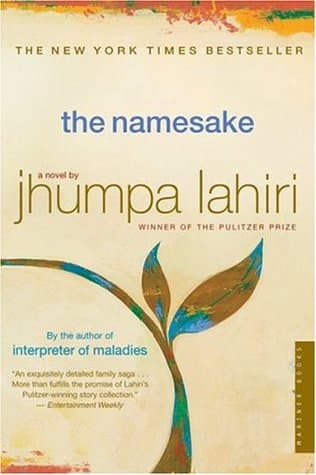
- The Namesake
Jhumpa Lahiri
4.0 (234k) average on GoodreadsLiterary FictionExplores themes of cultural identity and family ties across generations, though less focused on feuds.
- Harry Potter and the Sorcerer's Stone
J.K. Rowling
4.5 (7M) average on GoodreadsFantasyRescued from a miserable life under the stairs, an orphaned boy discovers he's a wizard destined for a magical school, where he uncovers a dangerous secret tied to the dark wizard who murdered his parents.
- The Hunger Games
Suzanne Collins
4.3 (6.4M) average on GoodreadsFantasyIn a future where children fight to the death on live television, Katniss Everdeen volunteers for the arena, turning a death sentence into a fight for survival and a spark of rebellion.
- To Kill a Mockingbird
Harper Lee
4.3 (4.5M) average on GoodreadsHistorical FictionIn the 1930s Jim Crow South, Harper Lee writes about racial injustice, moral growth, and the quiet courage of a lawyer father, Atticus Finch, as seen through his young daughter's eyes.
- The Fault in Our Stars
John Green
4.2 (3.6M) average on GoodreadsYoung AdultA girl with a terminal illness finds her story rewritten when a charming boy with a similar past enters her life at a cancer support group, leading to a star-crossed romance.





Enjoyed the summary?
A summary gives you the shape of the book. The book itself has the detail, the examples and the voice.
Find Rani And Sukh on AmazonAs an Amazon Associate, BookBrief earns from qualifying purchases. How we're funded