

Synopsis
Covers the whole plot, including the ending.
- Difficulty
- Medium
- Pacing
- Fast
- Mood
- Gritty, Cynical, Violent, Suspenseful, Dark
- Read it if
- You enjoy classic hardboiled detective fiction with a grim, cynical tone and a high body count.
- Skip it if
- You prefer your protagonists to be strictly moral, or if you dislike excessive violence and moral ambiguity.
Red Harvest Plot Summary
Covers the whole plot, including the ending.
Arrival in Personville
The Continental Op, a detective, arrives in Personville, a mining town known as 'Poisonville' because of its widespread crime. Donald Willsson, the son of the town's powerful industrialist, Elihu Willsson, called him. But before the Op can meet Donald, he finds him dead in his home, shot. The local police, especially Chief Noonan, quickly call it a suicide, which the Op doubts. He starts his investigation, feeling a duty since Donald hired him. He finds a town deep in crime, where Elihu Willsson's attempts to 'clean up' have backfired, leading to many rival gangs.
The First Frame-Up
The Op soon learns that Donald Willsson was engaged to Dinah Brand, a manipulative woman connected to many of Personville's criminals. Noonan tries to frame Max Thaler, known as Whisper, a local gangster, for Donald's murder. But the Op finds that the bullet that killed Donald came from a different gun than the one Thaler supposedly used. He realizes the police are corrupt and that Dinah Brand is a key figure, seemingly playing different groups against each other. The Op finds himself in a dangerous situation where trust is rare, and everyone seems to have a hidden plan.
Elihu Willsson's Plea
Elihu Willsson, upset by his son's murder and the obvious corruption, offers the Op a blank check to 'clean up' Personville. He admits his earlier attempts to bring in outside gangsters to fight each other failed and caused Donald's death. The Op accepts the challenge, knowing the huge task ahead. His plan is not to enforce law and order in the usual way, but to use the existing rivalries among the town's criminal groups: Max Thaler's gang, Pete the Finn's gang, and Lew Yard's gang, along with the corrupt police. The Op wants these groups to destroy each other, a process he calls 'poisoning the poisoners.'
The Bank Robbery and Its Aftermath
The Op sets up a bank robbery, planting false information to turn the gangs against each other. The robbery is chaotic, causing more deaths and making the animosity between Thaler's and the Finn's gangs worse. The Op subtly guides events, making sure each gang suspects the other of betrayal or involvement in the heist's failures. This incident starts open warfare in Personville. The Op watches the rising violence calmly, knowing the town must reach a breaking point before any real change can happen, even if it means more bloodshed.
Dinah Brand's Manipulation
Dinah Brand continues to play a central, manipulative role, seemingly allied with various criminals, including Whisper Thaler and Noonan. She gives information to different groups, causing more distrust and confusion. The Op realizes she is dangerous, important to understanding the town's power, but also a constant threat. He confronts her, trying to understand her reasons and who she is truly loyal to. Their talks are tense and show her cynical view and her will to survive in a town where loyalty is short-lived. Her actions accidentally help the Op's goal of escalating the gang war, even as she tries to protect herself.
The Battle for Control
The Op's manipulation works as the rival gangs fight openly. Shootouts become common, and many more people die. Pete the Finn's gang and Whisper Thaler's gang clash violently, with losses on both sides. The corrupt police, led by Noonan, are either useless or involved in the crimes, adding to the chaos. The Op, while not directly fighting, is the hidden hand guiding the destruction, making sure the warring groups wear themselves out. He moves through the bloody streets, gathering information, spreading rumors, and subtly influencing the destruction, becoming a shadowy figure of revenge.
The Death of Dinah Brand
Suddenly, Dinah Brand is found murdered in her apartment, stabbed with an ice pick. The Op finds her body and, because he is there, is immediately framed for the crime by Noonan and his corrupt officers. This makes the Op's mission much harder, as he now has to clear his name while still trying to break up the criminal empire. The Op suspects Dinah's death is due to her many lies and that one of her enemies finally caught her. He realizes he must find her killer to prove his innocence and further expose the town's decay.
Unraveling the Frame-Up
The Op, with some unexpected help and his own detective skills, works to clear his name for Dinah's murder. He carefully examines the evidence and the reasons of everyone involved in Dinah's life. He finds that several people had reasons to kill her, including Whisper Thaler, who felt she betrayed him, and others she had manipulated. The Op eventually figures out that the killer is likely someone close to Dinah, someone whose secrets she knew and who felt threatened by her. His investigation leads him deeper into the town's underworld, revealing layers of betrayal and hidden plans.
The Final Confrontation and Confession
Through constant questioning and strategic moves, the Op corners Dinah Brand's true killer: her housemaid, who acted on the orders of a powerful, seemingly respected citizen, likely to stop Dinah from revealing a deeper secret. This discovery also links back to Donald Willsson's murder, showing a complex conspiracy. The Op sets up a final confrontation that brings down the remaining corrupt figures, including Chief Noonan, who is exposed for his involvement in the town's crimes. The truth, though harsh, finally comes out, showing how deeply corrupt the town was and what people did to protect their interests.
The Aftermath and Departure
In the end, Personville is a shadow of its former self. The Op's brutal plan of letting criminals destroy each other worked, but at a huge cost. Most of the main gang leaders are dead, the police force is ruined, and the town is left in ruins. Elihu Willsson is left with nothing. The Op, having finished his grim task, feels the effects of his actions, admitting the 'red harvest' he has reaped. He leaves Personville, a town purged of its corruption through self-destruction, carrying the heavy burden of the lives lost and the moral compromises made.
Principal Figures
The Continental Op
Protagonist
A pragmatic and ruthless detective from the Continental Detective Agency.
The Continental Op is a nameless, middle-aged, overweight, and highly intelligent detective. He is driven by a strong sense of professional obligation and a desire to see justice, albeit a grim, self-made version of it. He operates with a cold, calculating logic, unafraid to manipulate events and individuals to achieve his goals. He possesses a keen observational eye and an unwavering determination. Despite the moral ambiguity of his methods, he maintains a personal code, refusing to be bought or intimidated. He is a master of psychological warfare, turning enemies against each other.
Relationships: Donald Willsson (Client (deceased)); Elihu Willsson (Client, employer); Dinah Brand (Antagonistic informant/manipulator); Chief Noonan (Antagonist, corrupt police chief)
Dinah Brand
Supporting
A cunning and manipulative femme fatale with ties to all factions.
Dinah Brand is a beautiful, intelligent, and deeply cynical woman who navigates Personville's criminal underworld with remarkable skill. She is an opportunist, constantly shifting allegiances and playing various gangsters and the police against each other for her own benefit. She is a survivor, adept at gathering information and using it to her advantage. Despite her morally ambiguous actions, she possesses a certain charm and intelligence that makes her compelling. Her death is a pivotal moment, complicating the Op's investigation and revealing the true depth of the town's depravity.
Relationships: Donald Willsson (Fiancée (deceased)); Max Thaler (Whisper) (Lover/associate); The Continental Op (Complex, antagonistic informant)
Elihu Willsson
Supporting
The powerful, guilt-ridden industrialist who brought crime to Personville.
Elihu Willsson is the wealthy and influential owner of the local mining operations, effectively the patriarch of Personville. He initially brought in gangsters to break a strike, then tried to 'clean up' the town by hiring other gangsters to fight them, leading to the current state of chaos. He is a man burdened by guilt over his son Donald's death and the destruction he inadvertently caused. He hires the Op out of desperation, giving him free rein to purge the town, showing a willingness to sacrifice everything to atone for his past mistakes. He represents the corrupting influence of power and the unintended consequences of trying to control crime.
Relationships: Donald Willsson (Son (deceased)); The Continental Op (Employer/client)
Chief Noonan
Antagonist
The corrupt Chief of Police, deeply entrenched in the town's criminal activities.
Chief Noonan is the embodiment of Personville's systemic corruption. He is a powerful and dangerous figure, using his position to protect various criminal enterprises and frame innocent parties when it suits his agenda. He is initially quick to dismiss Donald Willsson's murder as a suicide and later attempts to frame the Op for Dinah Brand's death. Noonan's loyalty is to the highest bidder, not to justice, making him a formidable obstacle for the Op. His presence underscores the complete breakdown of law and order in Personville, where the very institutions meant to protect are complicit in the crime.
Relationships: The Continental Op (Antagonist); Max Thaler (Whisper) (Criminal associate); Pete the Finn (Criminal associate)
Max Thaler (Whisper)
Supporting
A major gangster in Personville, known for his quiet ruthlessness.
Max Thaler, often called 'Whisper,' is one of the dominant gang leaders in Personville. He is cunning, dangerous, and has a significant hold over parts of the town's criminal activities. He is involved with Dinah Brand, which complicates his relationship with other factions. Thaler is one of the primary targets of the Op's 'poisoning the poisoners' strategy, constantly finding himself at odds with rival gangs and the corrupt police, largely due to the Op's manipulations. He represents one of the many heads of the hydra that the Op must confront and eliminate.
Relationships: Dinah Brand (Lover/associate); Pete the Finn (Rival gang leader); Chief Noonan (Corrupt associate)
Pete the Finn
Supporting
Another powerful and violent gang leader in Personville.
Pete the Finn is a brutal and ruthless gangster, leading another significant faction in Personville's underworld. He is a direct rival to Max Thaler and Lew Yard, constantly vying for control of various rackets. The Op uses the Finn's volatile nature and his animosity towards other gangs to further his plan of igniting an all-out gang war. The Finn is less subtle than Thaler, relying more on brute force and intimidation. His gang's clashes with the other factions contribute significantly to the escalating violence and the 'red harvest' that consumes Personville.
Relationships: Max Thaler (Whisper) (Rival gang leader); Chief Noonan (Corrupt associate)
Lew Yard
Supporting
A third major gangster, adding to the town's criminal complexity.
Lew Yard is another significant gang leader in Personville, completing the trio of major criminal factions alongside Max Thaler and Pete the Finn. While perhaps less prominent in individual scenes, his presence and the activities of his gang contribute to the overall climate of fear and violence. The Op leverages the rivalries between Yard's gang and the others to further destabilize the town and encourage the gangs to destroy each other. Yard represents another aspect of the pervasive criminality that Elihu Willsson inadvertently fostered and that the Op is tasked with eradicating.
Relationships: Max Thaler (Whisper) (Rival gang leader); Pete the Finn (Rival gang leader)
Donald Willsson
Mentioned
The murdered son whose death initiates the Op's investigation.
Donald Willsson is Elihu Willsson's son, a newspaper editor who tried to clean up Personville by exposing its corruption, and whose murder triggers the entire plot. Although he dies in the first chapter, his death is the catalyst for the Continental Op's arrival and subsequent actions. Donald's character is largely defined by the impact he had on others and the mystery surrounding his death. He represents a failed attempt at conventional reform, highlighting the deep-seated nature of Personville's corruption and the futility of trying to fight it directly.
Relationships: Elihu Willsson (Father); Dinah Brand (Fiancée)
Themes & Insights
The Corrupting Nature of Power
The novel shows how power, whether from industry or crime, always corrupts. Elihu Willsson's first use of gangsters to end a strike starts a chain reaction of corruption that takes over the whole town, including the police force under Chief Noonan. The Op's job is not to fix a clean system but to clean a rotten one, showing that even attempts to 'clean up' can be corrupted by the power they use. The town itself, 'Poisonville,' represents this widespread corruption, where no one is truly clean.
“I could have gone on living to a ripe old age and not have seen a place as thoroughly poisoned as Personville.”
Moral Ambiguity and Vigilantism
The Continental Op acts outside normal legal and moral rules, using a kind of vigilante justice that is both effective and disturbing. His method of 'poisoning the poisoners' involves making criminals destroy each other, leading to many deaths. This idea explores whether, in a truly rotten system, extreme and morally questionable actions might be the only way to get some order, questioning what 'justice' means. The Op himself admits the cost, hinting at the moral burden of his actions.
“I'm going to see that the game is played out to a finish.”
The Destructive Cycle of Violence
Personville is stuck in a cycle of violence, growing from Elihu Willsson's first strike-breaking to the full gang war started by the Op. Each violent act leads to another, creating a self-feeding system of destruction. The novel suggests that once this cycle begins, it is very hard to stop, often leading to everyone involved being destroyed. The 'red harvest' refers not just to the bloodshed but to the unavoidable, bitter result of such constant violence, leaving a town empty and exhausted.
“It was a red harvest. I had been too sure of myself.”
The Illusion of Control
Elihu Willsson repeatedly tries to control the criminals he brings in, first by hiring them, then by trying to turn them against each other. Each try only causes more chaos, ending in his son's death and the complete destruction of his town. Similarly, Dinah Brand thinks she can manipulate everyone for her own gain, only to become a victim of the very forces she plays with. The Op, while seemingly in control, is also caught up in the brutal reality he unleashes, showing how useless it is to truly control chaos once it starts.
“You can't have a city full of murderers and think you can control them.”
Plot Devices & Literary Techniques
The Nameless Protagonist
Enhances the Op's archetypal nature and detachment.
The Continental Op's lack of a specific name reinforces his role as an archetypal figure rather than a fully fleshed-out individual. It allows readers to focus on his actions and methods rather than his personal background, emphasizing his professional detachment and the brutal efficiency of his work. This device also contributes to the noir atmosphere, where characters often embody roles within a corrupt world rather than having deep personal identities, making him a mirror for the grim reality of Personville.
Femme Fatale
Dinah Brand's manipulative charm drives plot complications.
Dinah Brand serves as the quintessential femme fatale. Her beauty, intelligence, and moral ambiguity draw men to her, only for her to manipulate them for her own survival and gain. She is a source of both information and complication, constantly shifting allegiances and creating distrust. Her presence is crucial to the plot, as her intricate web of relationships and secrets fuels the escalating conflicts and ultimately leads to her own demise, further entangling the Op in Personville's deadly game.
The Corrupt Town (Poisonville)
The setting itself becomes a character, embodying moral decay.
Personville, quickly dubbed 'Poisonville,' is more than just a backdrop; it functions as a character in itself, embodying the pervasive corruption and moral decay that drives the narrative. The town's atmosphere of lawlessness, its compromised institutions, and its inhabitants' cynical outlook reflect the 'poison' that has seeped into every aspect of its existence. This device amplifies the stakes and justifies the Op's extreme methods, as the environment itself is beyond conventional redemption.
The Blank Check
Symbolizes unlimited power and moral carte blanche.
Elihu Willsson's offer of a 'blank check' to the Continental Op is a powerful symbolic device. It represents not just financial freedom but also a moral carte blanche, giving the Op permission to use any means necessary, no matter how violent or unethical, to achieve his goal. This device highlights the desperation of Elihu Willsson and the extreme nature of the problem in Personville, freeing the Op from conventional constraints and allowing him to fully embrace his ruthless 'poisoning the poisoners' strategy.
Red Harvest Quotes
“When you're a detective in Personville, you learn to expect anything.”
“Poisonville, that's what the natives call it. They've got a right. It's poisoned.”
“I was tired of it all. Tired of the killing, tired of the double-crossing, tired of the whole damn poisonous mess.”
“I've got a notion that if I stir things up enough, the scum will rise to the top and maybe somebody can skim it off.”
“It was a nice job, and I was doing it well. But it was a dirty job.”
“You can't do a good job of cleaning up a town without getting your hands dirty.”
“There was no good side in this fight. Just bad and worse.”
“I was going to see it through, no matter how many people got killed.”
“Death was a common thing in Personville. It walked the streets like a citizen.”
“I had a headache like a personal enemy.”
“Murder is a game of skill, not chance.”
“He looked as if he had just been scraped off a wall.”
“I was getting to be as rotten as the rest of them.”
“It takes a thief to catch a thief, and sometimes it takes a killer to catch a killer.”
Quiz
10 questions on the plot and the characters. Each answer comes with a short explanation.
Question 1
What is the name of the detective agency that the Continental Op works for?
- Pinkerton Detective Agency
- Continental Detective Agency
- Black Mask Investigations
- Hammett & Co. Detectives
Show answer
B. Continental Detective Agency The protagonist, the Continental Op, is an operative for the Continental Detective Agency, which is central to his identity and role in the story.
Question 2
What is the initial reason the Continental Op travels to Personville (Poisonville)?
- To investigate a bank robbery.
- To meet with a client who requested his services, Donald Willsson.
- To track down a fugitive from justice.
- To help the local police force with a corruption problem.
Show answer
B. To meet with a client who requested his services, Donald Willsson. The Op is called to Personville by Donald Willsson, who is then murdered before they can meet, plunging the Op into the town's chaos.
Question 3
Who is Elihu Willsson, and what is his primary role in Personville?
- The mayor of Personville, trying to bring law and order.
- The powerful industrialist who effectively owns Personville and controls its criminal elements.
- The chief of police, secretly working against the Op.
- A rival detective trying to solve the murders.
Show answer
B. The powerful industrialist who effectively owns Personville and controls its criminal elements. Elihu Willsson is the wealthy and corrupt patriarch who dominates Personville, having brought in gangsters to break a strike, only to lose control of them.
Question 4
What is the nickname the Continental Op gives to Personville?
- Slaughterville
- Poisonville
- Gangstertown
- Murder City
Show answer
B. Poisonville The Op quickly renames Personville 'Poisonville' due to its pervasive corruption, violence, and the moral decay he encounters there.
Question 5
What is the Op's primary method for dealing with the various criminal factions in Personville?
- He tries to unite them against a common enemy.
- He systematically eliminates them through direct confrontation.
- He manipulates them into fighting each other, a strategy he calls 'red harvest'.
- He reports them all to the federal authorities.
Show answer
C. He manipulates them into fighting each other, a strategy he calls 'red harvest'. The Op deliberately stirs up conflict between the rival gangs and corrupt officials, allowing them to destroy each other in a 'red harvest' of violence.
Question 6
Who is Dinah Brand, and what is her relationship with the various characters?
- A honest reporter trying to expose the town's corruption.
- The fiancée of Donald Willsson, who is deeply distraught by his death.
- A manipulative and opportunistic femme fatale who has ties to many of the town's powerful men and criminals.
- The loyal secretary of Elihu Willsson, secretly aiding the Op.
Show answer
C. A manipulative and opportunistic femme fatale who has ties to many of the town's powerful men and criminals. Dinah Brand is a central, enigmatic figure who plays multiple sides, leveraging her connections and beauty, and ultimately becomes a victim of the town's violence.
Question 7
What is the significance of the title 'Red Harvest' in the context of the novel?
- It refers to the bloody outcome of a workers' strike in a cannery.
- It symbolizes the Op's success in turning the town's criminals against each other, leading to a massive, violent purge.
- It is a literal harvest of red crops grown outside Personville.
- It refers to the communist uprising that threatens the town.
Show answer
B. It symbolizes the Op's success in turning the town's criminals against each other, leading to a massive, violent purge. The title 'Red Harvest' directly refers to the Op's strategy of inciting the various criminal factions to destroy each other, resulting in a large number of deaths and a 'bloody' harvest of the town's corruption.
Question 8
Which character is NOT one of the major gang bosses or corrupt figures that the Op manipulates?
- Pete the Finn
- Max Thaler (Whisper)
- Noonan
- Jerry Frost
Show answer
D. Jerry Frost Pete the Finn, Max Thaler (Whisper), and Noonan are all prominent criminal figures or corrupt police chiefs that the Op plays against each other. Jerry Frost is not a major criminal boss in the narrative.
Question 9
What psychological effect does the Op admit Personville has on him by the end of the novel?
- He feels a renewed sense of purpose and justice.
- He becomes emotionally detached and unaffected by the violence.
- He admits that he has gone 'blood-simple' and is disturbed by the violence he has instigated.
- He decides to retire from detective work and live a quiet life.
Show answer
C. He admits that he has gone 'blood-simple' and is disturbed by the violence he has instigated. The Op confesses to Dinah Brand, and later reflects on, feeling 'blood-simple' or 'poisoned' by the pervasive violence and corruption of Personville, acknowledging the toll it has taken on his own morality and psyche.
Question 10
What is the ultimate fate of Elihu Willsson?
- He is arrested and imprisoned for his crimes.
- He flees Personville, losing all his power and wealth.
- He survives but is left with nothing, having lost his son and his control over the town.
- He is murdered by one of the remaining gang members.
Show answer
C. He survives but is left with nothing, having lost his son and his control over the town. By the end, Elihu Willsson is left a broken man, having lost his son, his power, and his fortune, effectively stripped of everything he valued, though he is not physically killed.
Red Harvest FAQ
What is the central premise of 'Red Harvest' and who is the protagonist?
The central premise of 'Red Harvest' revolves around the Continental Op, an unnamed detective from the Continental Detective Agency, who arrives in Personville (dubbed 'Poisonville') to meet Elihu Willsson. He quickly discovers Willsson's son, Donald, has been murdered, and the town is riddled with corruption, gang warfare, and violence, prompting the Op to stay and clean it up.
Who are the major criminal figures or gangs vying for control in Personville?
Personville is dominated by several criminal factions. These include Pete the Finn's gang, Lew Yard's operation, Max Thaler's crew, and the political machine run by the Chief of Police, Noonan, who is in cahoots with many of the criminals. The Op systematically pits these groups against each other to achieve his goals.
What is the significance of the town's nickname, 'Poisonville'?
The nickname 'Poisonville' perfectly encapsulates the pervasive corruption and moral decay that infects Personville. The town's founder, Elihu Willsson, initially brought in criminals to break a miners' strike, and their influence festered, leading to a state where law enforcement, politics, and business are all intertwined with organized crime and violence.
How does the Continental Op typically approach solving the murder of Donald Willsson and cleaning up the town?
The Continental Op employs a strategy of 'stirring things up' and manipulating the various criminal factions against each other. Instead of traditional detective work, he often plants misinformation, instigates conflicts, and lets the criminals eliminate themselves, creating a chaotic environment that eventually forces a resolution.
What role does Dinah Brand play in the unfolding chaos of Personville?
Dinah Brand is a manipulative and enigmatic femme fatale who has connections to nearly all the major players in Personville's underworld, including Donald Willsson, Max Thaler, and Lew Yard. Her presence often fuels jealousy and suspicion, and her own murder further complicates the Op's mission, as he is initially a suspect and must clear his name.
Are there any subtle clues about the Op's past or personal life that are revealed?
Hammett deliberately keeps the Continental Op's personal life a mystery. There are no subtle clues about his past, family, or background beyond his dedication to his job at the Continental Detective Agency. This lack of personal detail emphasizes his professional detachment and allows him to serve as a blank slate onto which the reader projects the chaotic events.
How does the Op's relationship with Elihu Willsson evolve throughout the novel?
Initially, Elihu Willsson hires the Op to investigate his son's murder, but he quickly becomes frustrated and even hostile as the Op's methods create more chaos. Willsson's own complicity in allowing Personville to become 'poisoned' is revealed, making their relationship strained and transactional, rather than based on mutual trust.
Is there any deeper meaning behind the repeated motif of the 'red harvest'?
The 'red harvest' directly refers to the bloodbath and violence that the Op orchestrates and witnesses in Personville. It signifies the literal shedding of blood as the gangs destroy each other, but also metaphorically represents the Op's brutal and amoral 'reaping' of the town's criminal elements, leaving a trail of death in his wake.
What is the significance of the Op's internal monologue about 'going blood simple'?
The Op's reflection on 'going blood simple' reveals his awareness of the psychological toll his violent methods are taking. He acknowledges the danger of becoming desensitized to the bloodshed and losing his moral compass, suggesting a personal struggle beneath his tough exterior, even if he ultimately embraces the chaos.
How does the novel explore the psychology of corruption within a small town?
'Red Harvest' portrays corruption not as isolated acts, but as a systemic disease that infects every level of Personville society, from the police chief to the mayor and even legitimate businessmen like Willsson. The psychology is one of self-preservation, greed, and a gradual erosion of ethical boundaries until violence becomes the default mode of operation.
What psychological impact does Dinah Brand's character have on the male characters, particularly the Op?
Dinah Brand's manipulative nature and sexual allure create intense jealousy, suspicion, and obsession among the male characters, leading to irrational decisions and further violence. For the Op, her presence introduces a degree of personal entanglement and suspicion, challenging his usual detachment and forcing him to navigate a more emotionally charged landscape.
Does the Continental Op exhibit any traits of a sociopath, or is his ruthlessness purely professional?
The Op's ruthlessness is a complex blend. While highly professional and dedicated to his job, his willingness to manipulate, instigate violence, and remain detached from the resulting deaths can be seen as sociopathic tendencies. However, his occasional internal reflections about 'going blood simple' suggest a hidden moral struggle, preventing a clear-cut diagnosis.
Is 'Red Harvest' a critique of American capitalism and industrialization?
The novel can be interpreted as a critique of unchecked capitalism and industrialization, particularly through Elihu Willsson's character. His initial decision to use violence and criminals to break a miners' strike directly led to Personville's downfall, suggesting that the pursuit of profit without ethical consideration can poison an entire community.
How does the ending of 'Red Harvest' reflect the hard-boiled genre's typical worldview?
The ending of 'Red Harvest' is quintessential hard-boiled: ambiguous, morally complex, and devoid of clear-cut justice or happy resolutions. The Op leaves Personville somewhat cleaner but scarred, and the underlying corruption and human nature remain. It suggests that while a specific problem can be addressed, the world itself remains fundamentally tough and unyielding.
Is the Op truly a hero, or is he merely another agent of chaos in Personville?
This is a central debate. While the Op's actions ultimately lead to the destruction of the criminal element, his methods are brutal and morally ambiguous, making him an agent of chaos as much as a force for order. He is less a traditional hero and more an anti-hero, cleaning up a mess by becoming as ruthless as the criminals he fights.
Could the character of the Continental Op be seen as an early prototype for later, more famous detectives like Philip Marlowe?
Yes, the Continental Op is widely considered a foundational figure in the hard-boiled detective genre and a direct precursor to characters like Philip Marlowe. His cynical worldview, moral ambiguity, tough exterior, and commitment to a personal code of justice, even if unorthodox, established many tropes that later detectives would embody and refine.
What is the symbolic meaning of the town's name, 'Personville,' versus its nickname, 'Poisonville'?
The contrast between 'Personville' and 'Poisonville' is highly symbolic. 'Personville' suggests an ordinary town inhabited by people, representing an ideal or initial state. 'Poisonville' reveals its true, corrupted nature, emphasizing how human greed and violence have transformed it into a toxic environment, where the very 'persons' have become poisoned by their own actions.
About the author
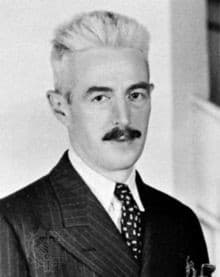
Samuel Dashiell Hammett was an American writer of hard-boiled detective novels and short stories. He was also a screenwriter and political activist. Among the characters he created are Sam Spade, Nick and Nora Charles, The Continental Op and the comic strip character Secret Agent X-9.
Similar books
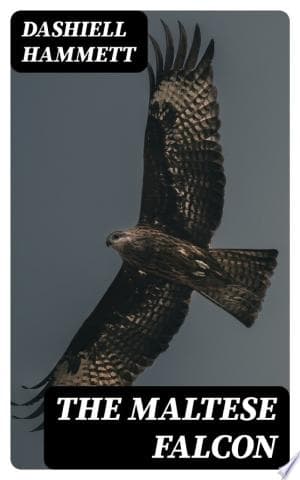
- The Maltese Falcon
Dashiell Hammett
3.9 (89k) average on GoodreadsThrillerAnother iconic hardboiled detective novel by the same author, featuring a cynical protagonist and intricate plot.
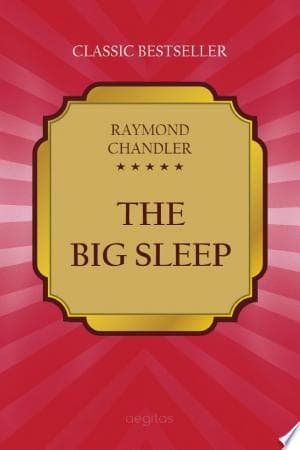
- The Big Sleep
Raymond Chandler
4.0 (126k) average on GoodreadsThrillerA quintessential hardboiled detective story with a complex mystery and a morally grey hero.
- Harry Potter and the Sorcerer's Stone
J.K. Rowling
4.5 (7M) average on GoodreadsFantasyRescued from a miserable life under the stairs, an orphaned boy discovers he's a wizard destined for a magical school, where he uncovers a dangerous secret tied to the dark wizard who murdered his parents.
- The Hunger Games
Suzanne Collins
4.3 (6.4M) average on GoodreadsFantasyIn a future where children fight to the death on live television, Katniss Everdeen volunteers for the arena, turning a death sentence into a fight for survival and a spark of rebellion.
- 1984
George Orwell
4.2 (3.1M) average on GoodreadsPoliticsIn a future where surveillance and thought control are absolute, a man's search for truth clashes with the Party, showing that hope can be a form of rebellion.
- Divergent
Veronica Roth
4.2 (2.9M) average on GoodreadsFantasyIn a society divided by virtues, a sixteen-year-old's difference from the norm starts a rebellion that threatens her world.




Enjoyed the summary?
A summary gives you the shape of the book. The book itself has the detail, the examples and the voice.
Find Red Harvest on AmazonAs an Amazon Associate, BookBrief earns from qualifying purchases. How we're funded