
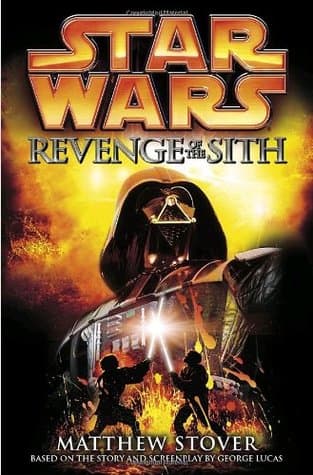
Synopsis
Covers the whole plot, including the ending.
- Difficulty
- Medium
- Pacing
- Fast
- Mood
- Dark, Tragic, Epic, Suspenseful
- Read it if
- You want a deep, character-driven exploration of Anakin Skywalker's fall to the dark side, with intense action and philosophical depth.
- Skip it if
- You prefer lighter, less tragic stories, or are not interested in the darker aspects of the Star Wars universe.
Revenge of the Sith Plot Summary
Covers the whole plot, including the ending.
Battle Over Coruscant and Palpatine's Rescue
The novel opens during the Battle of Coruscant, where Jedi Generals Anakin Skywalker and Obi-Wan Kenobi lead a Republic attack to save Chancellor Palpatine from Separatist commander General Grievous. Their starfighters fly through the space battle, boarding Grievous's flagship, the *Invisible Hand*. After navigating traps and droids, they confront Grievous, who holds Palpatine captive. Grievous tries to flee, but Anakin and Obi-Wan fight Count Dooku. Anakin, using dark side power and Palpatine's encouragement, disarms Dooku and then kills him despite Obi-Wan's hesitation. Palpatine calls this necessary. They crash-land the damaged Separatist cruiser on Coruscant, seen as heroes.
Anakin's Inner Turmoil and Padmé's Secret
Back on Coruscant, Anakin reunites with his secret wife, Senator Padmé Amidala, who says she is pregnant. This news makes Anakin's nightmares and visions of Padmé dying in childbirth worse, like when he lost his mother, Shmi Skywalker. He tells Palpatine, who uses Anakin's fears, suggesting the Jedi are too strict to help him. Meanwhile, the Jedi Council, concerned about Palpatine's power, tells Anakin to spy on the Chancellor. This makes Anakin feel distrusted and used by the Jedi. He feels stuck between his loyalty to Palpatine, who seems to understand him, and his duty to the Jedi, who seem uncaring.
Palpatine's Manipulation and Anakin's Appointment
Chancellor Palpatine, as part of his plan, makes Anakin Skywalker his personal representative to the Jedi Council. The Council, especially Mace Windu and Yoda, are uneasy with this, seeing it as Palpatine trying to control them. They let Anakin join the Council but deny him the rank of Master. This decision deeply hurts and angers Anakin. He sees it as a personal insult and more proof of the Council's distrust. This rejection, along with Palpatine's constant reassurance and promises of power, pushes Anakin closer to the Chancellor, making him more open to Palpatine's dark influence.
The Search for General Grievous
With Separatist forces still a threat, the Jedi Council learns General Grievous is on the planet Utapau. Obi-Wan Kenobi is sent to lead a Republic attack and eliminate the droid general. This mission takes Obi-Wan away from Coruscant, isolating Anakin and removing a key calming influence. Obi-Wan, with Clone Troopers, travels to Utapau, where he finds Grievous's hidden base. He prepares for a direct fight, knowing Grievous's defeat will help end the war.
The Revelation of Darth Sidious
As Anakin continues to spy on Palpatine, the Chancellor starts to reveal his true nature, talking about the dark side and the story of Darth Plagueis the Wise, a Sith Lord who could prevent death. Desperate to save Padmé, Anakin sees hope in Palpatine's words. However, Palpatine eventually reveals himself as the Sith Lord Darth Sidious. Shocked, Anakin reports this to Mace Windu, who gathers Kit Fisto, Agen Kolar, and Saesee Tiin to confront the Chancellor. Anakin is told to stay at the Jedi Temple, a command that fills him with worry and a feeling of being left out.
Mace Windu's Confrontation and Anakin's Betrayal
Mace Windu and his Jedi Masters confront Palpatine in his office. A lightsaber duel quickly kills the other Jedi. Windu, a master, eventually disarms Palpatine and corners him. As Windu prepares to strike, Anakin arrives, torn between the Jedi and his need to save Padmé, believing Palpatine is the only one who can help. Palpatine pretends to be weak, begging for his life, and Anakin, fearing losing his only hope, cuts off Windu's hand. This betrayal allows Palpatine to use Force lightning, killing Windu and pushing Anakin to the dark side. Anakin then pledges himself to Palpatine, becoming Darth Vader.
Order 66 and the Jedi Purge
After Anakin's fall, Darth Sidious issues Order 66, a secret command in the clone troopers' genetics, making all Jedi traitors. Across the galaxy, clone commanders turn on their Jedi Generals, killing them. Darth Vader, now in his new identity, leads the 501st Legion to the Jedi Temple on Coruscant, where he kills Jedi Masters, Knights, and younglings. This attack destroys the Jedi Order, leaving few survivors. The Republic becomes the Galactic Empire, with Sidious, now Emperor Palpatine, in charge.
Obi-Wan vs. Grievous on Utapau
On Utapau, Obi-Wan Kenobi fights General Grievous in a long battle. Obi-Wan chases Grievous across the planet, confronting him directly. After a lightsaber duel, Grievous escapes and tries to flee in his starfighter. Obi-Wan, riding a Boga, catches him and disables his ship. In a final struggle, Obi-Wan uses the Force to open Grievous's chest plates and blasts his internal organs with a blaster, killing the Separatist commander. However, his victory is immediately overshadowed by his clone troopers, who turn on him under Order 66. Obi-Wan barely escapes, realizing the galaxy has changed.
Yoda's Confrontation with Palpatine
After sensing the disturbance in the Force from Order 66 and the Jedi Temple massacre, Yoda returns to Coruscant with Obi-Wan. They learn the truth of Anakin's betrayal and the Jedi's fall. Yoda decides to confront Emperor Palpatine. Their duel in the Senate Rotunda is a clash of light and dark, shaking the building. Despite Yoda's power, Palpatine's dark side abilities are too great. Yoda cannot defeat the Emperor and retreats, acknowledging the Jedi's time has passed and a new era of darkness has begun. He goes into exile on Dagobah.
Obi-Wan's Confrontation with Vader on Mustafar
Obi-Wan, heartbroken by Anakin's fall, confronts Padmé, who refuses to believe Anakin is evil. She travels to Mustafar, where Darth Vader is killing Separatist leaders. Obi-Wan secretly follows her. When Vader sees Obi-Wan emerge from Padmé's ship, he thinks she has betrayed him, and in a rage, Force-chokes her unconscious. Obi-Wan and Vader fight a brutal, emotional lightsaber duel among the volcanoes of Mustafar. The battle is long and destructive, ending with Obi-Wan gaining the high ground. Despite his pleas for Anakin to surrender, Vader attempts a reckless jump, and Obi-Wan, with sadness, cuts off Vader's legs and left arm, leaving him to burn on the lava banks.
Padmé's Death and the Birth of Hope
Obi-Wan rescues the injured Padmé and takes her to a medical facility on Polis Massa. Despite the droids' efforts, Padmé is dying, not from physical injuries, but from a "broken heart" and the loss of Anakin. Before her death, she gives birth to twins, Luke and Leia. She uses her last breath to tell Obi-Wan there is still good in Anakin. Meanwhile, Palpatine arrives on Mustafar to retrieve the burned, barely living Vader, bringing him to Coruscant where he is put into his life-support suit, becoming the mechanized Darth Vader. The galaxy thinks the children are lost, but Obi-Wan, Yoda, and Bail Organa plan to hide them.
A New Hope Hidden
To protect Luke and Leia from the new Galactic Empire and their father, Darth Vader, Obi-Wan, Yoda, and Senator Bail Organa decide to separate the twins. Leia is adopted by Senator Organa and his wife, Queen Breha, on Alderaan, to be raised as a princess. Luke is taken to Tatooine by Obi-Wan, who entrusts him to Anakin's step-family, Owen and Beru Lars, and watches over him from afar in exile. With the Jedi Order shattered, the Republic fallen, and the Empire rising, these two children represent the last hope for the galaxy, hidden from their father and the Emperor's power.
Revenge of the Sith Characters
Anakin Skywalker / Darth Vader
Protagonist/Antagonist
The prophesied Chosen One, seduced by the dark side to become a Sith Lord.
Anakin is a powerful Jedi Knight, renowned for his piloting skills and Force abilities, but deeply troubled by emotional attachments and a fear of loss. He struggles with his secret marriage to Padmé Amidala and has premonitions of her death, which fuel his desperation. He feels increasingly isolated and distrusted by the Jedi Council, making him vulnerable to Chancellor Palpatine's manipulations. His desire to save Padmé at any cost, coupled with his ambition and resentment, ultimately leads him to betray the Jedi and embrace the dark side as Darth Vader, a tragic figure burdened by his choices.
Relationships: Obi-Wan Kenobi (Master and apprentice, close friends, later bitter enemies); Padmé Amidala (Secret wife, mother of his children); Palpatine/Darth Sidious (Mentor figure, manipulator, eventual Sith Master); Mace Windu (Jedi Council member, skeptical of Anakin); Yoda (Jedi Grand Master, offers guidance but Anakin resists)
Obi-Wan Kenobi
Supporting
Wise Jedi Master and Anakin's former mentor, who tragically faces his fallen apprentice.
Obi-Wan is a calm, disciplined, and highly skilled Jedi Master. He deeply cares for Anakin, treating him more like a brother than an apprentice, despite Anakin's frequent frustrations with Jedi teachings. Obi-Wan remains steadfast in his loyalty to the Jedi Order and the Republic, undertaking crucial missions like hunting General Grievous. He is a moral compass, constantly urging Anakin to follow the Jedi path. His confrontation with Darth Vader on Mustafar is the most painful moment of his life, as he is forced to destroy the person he once loved and trained, embodying the tragic failure of his mentorship.
Relationships: Anakin Skywalker / Darth Vader (Master and apprentice, close friends, later bitter enemies); Yoda (Fellow Jedi Master, trusted colleague); Padmé Amidala (Friend and confidante, shares concern for Anakin); General Grievous (Primary antagonist, military leader of the Separatists)
Palpatine / Darth Sidious
Antagonist
The cunning Sith Lord and Supreme Chancellor who orchestrates the fall of the Republic and the Jedi.
Palpatine is the master manipulator behind the Clone Wars, secretly Darth Sidious, the Dark Lord of the Sith. He skillfully plays both sides of the conflict, using his position as Supreme Chancellor to gain emergency powers and erode democratic institutions. His true genius lies in his psychological manipulation of Anakin Skywalker, preying on his fears, ambitions, and feelings of inadequacy within the Jedi Order. He presents himself as a father figure and a source of forbidden knowledge, carefully guiding Anakin towards the dark side to become his new apprentice, Darth Vader, and establish the Galactic Empire.
Relationships: Anakin Skywalker / Darth Vader (Manipulator, Sith Master, eventual Emperor); Mace Windu (Jedi Master, direct adversary in his final confrontation as Sidious); Yoda (Jedi Grand Master, his ultimate rival for control of the galaxy)
Padmé Amidala
Supporting
Senator and Anakin's secret wife, whose death is a catalyst for his fall.
Padmé is a former Queen of Naboo and a respected Senator, deeply committed to democracy and peace. She is courageous, intelligent, and fiercely loyal to those she loves. Her secret marriage to Anakin is a source of both joy and immense stress. Her pregnancy intensifies Anakin's fears, unwittingly making her a target of Palpatine's manipulation. She refuses to believe Anakin could become truly evil, traveling to Mustafar to confront him, only to be tragically choked by him. Her death, stemming from a broken heart rather than physical wounds, symbolizes the ultimate cost of Anakin's choices and the triumph of the dark side.
Relationships: Anakin Skywalker / Darth Vader (Secret husband, father of her children); Obi-Wan Kenobi (Trusted friend, shares concern for Anakin); Senator Bail Organa (Political ally and friend)
Yoda
Supporting
The wise Grand Master of the Jedi Order, who senses the encroaching darkness.
Yoda is the ancient and most revered Grand Master of the Jedi Order, possessing unparalleled wisdom and mastery of the Force. He senses the growing darkness in the Force and the precarious position of the Jedi, especially regarding Palpatine's influence. He is the first to truly grasp the depth of Anakin's fear and the danger it poses, though he struggles to effectively guide Anakin away from his path. His confrontation with Palpatine is a testament to his power, but his defeat and subsequent exile signify the end of the Jedi era and the beginning of the Empire's reign. He remains a symbol of hope and resistance.
Relationships: Mace Windu (Fellow Jedi Master, trusted colleague); Obi-Wan Kenobi (Trusted Jedi Master); Palpatine/Darth Sidious (Primary adversary, the embodiment of the dark side he fights)
Mace Windu
Supporting
A powerful and stern Jedi Master, wary of Palpatine and Anakin.
Mace Windu is one of the most respected and powerful Jedi Masters on the Council, known for his unique lightsaber form, Vaapad, and his unwavering commitment to the Jedi Code. He is highly suspicious of Chancellor Palpatine's growing power and Anakin's emotional instability, often clashing with Anakin. Windu is pragmatic and decisive, leading the confrontation against Palpatine when his Sith identity is revealed. His near-victory over Sidious is thwarted by Anakin's betrayal, making his death a pivotal moment that seals Anakin's fate and marks the beginning of the Jedi's destruction. He represents the Jedi's commitment to justice, even in the face of overwhelming darkness.
Relationships: Yoda (Fellow Jedi Master, trusted colleague); Anakin Skywalker (Jedi Knight, viewed with suspicion and concern); Palpatine/Darth Sidious (Direct adversary, ultimately killed by Sidious with Anakin's help)
General Grievous
Supporting
The cyborg commander of the Separatist droid army.
General Grievous is a ruthless, lightsaber-wielding cyborg general of the Separatist droid army. He is a skilled combatant, having been trained by Count Dooku, and collects the lightsabers of the Jedi he defeats. His primary role in the story is to be a formidable military threat that occupies Obi-Wan, allowing Palpatine to further manipulate Anakin. Grievous embodies the cold, mechanical nature of the Separatist war machine, lacking any moral compass. His defeat at the hands of Obi-Wan Kenobi signifies a major victory for the Republic, though it is quickly overshadowed by the greater tragedy of the Jedi Purge.
Relationships: Obi-Wan Kenobi (Arch-nemesis, ultimately defeated by him); Count Dooku (Sith Master and trainer)
Senator Bail Organa
Supporting
Loyal Senator and adoptive father of Leia Organa.
Senator Bail Organa of Alderaan is a prominent figure in the Galactic Senate, a close friend of Padmé Amidala, and a staunch supporter of democracy. He is among the first to recognize Palpatine's tyrannical ambitions and attempts to rally opposition. After the fall of the Jedi and the Empire's rise, he plays a crucial role in hiding Luke and Leia, adopting Leia as his own daughter. His commitment to freedom and justice makes him a vital figure in the nascent rebellion against the Empire, providing a safe haven and a future for one of the Skywalker twins.
Relationships: Padmé Amidala (Political ally and close friend); Obi-Wan Kenobi (Trusted ally in protecting the Skywalker twins); Yoda (Trusted ally in protecting the Skywalker twins); Leia Organa (Adoptive father)
R2-D2
Supporting
Anakin's loyal astromech droid, witness to key events.
R2-D2 is Anakin Skywalker's resourceful and loyal astromech droid, often accompanying him on missions. He provides technical support, piloting assistance, and comic relief. Though unable to speak in human language, his bleeps and whistles convey a strong personality and intelligence. R2-D2 is a silent witness to many pivotal events, including the rescue of Palpatine and the journey to Mustafar with Padmé. His memory is never wiped, making him one of the few characters with continuous knowledge of the Skywalker family's history from this period, a crucial link to future events.
Relationships: Anakin Skywalker (Primary owner and companion); Obi-Wan Kenobi (Occasional companion); C-3PO (Droid companion, often exasperated by his antics)
C-3PO
Supporting
Padmé's protocol droid, often anxious and oblivious.
C-3PO is a fastidious and often anxious protocol droid, originally built by Anakin Skywalker. He serves Padmé Amidala and is frequently seen alongside R2-D2. C-3PO is programmed for etiquette and translation, but his worry and tendency to state the obvious often provide levity. He is present during Padmé's pregnancy and her final moments, though he is later partially memory-wiped to protect the secret of the Skywalker children. His presence highlights the human drama unfolding around him, often reacting with alarm to the chaos of the war and the emotional turmoil of his companions.
Relationships: Padmé Amidala (Owner and companion); Anakin Skywalker (Creator); R2-D2 (Droid companion, often exasperated by his antics)
Revenge of the Sith Themes
Fear and the Path to the Dark Side
The novel shows how fear, especially Anakin's fear of losing Padmé and his mother, leads to the dark side. Palpatine uses Anakin's anxieties, convincing him that the Jedi's emotional detachment prevents solutions. Anakin's nightmares of Padmé's death, like his inability to save his mother, make him seek forbidden power. This leads him to accept Darth Sidious's promises of immortality and control, sacrificing his identity and morality. His wish to save her only causes her death and his own spiritual ruin.
“Fear is the path to the dark side. Fear leads to anger. Anger leads to hate. Hate leads to suffering.”
Manipulation and Deception
Palpatine's manipulation is a main theme, showing his plan to dismantle the Republic and destroy the Jedi. He plays both sides of the Clone Wars, uses propaganda against the Jedi, and grooms Anakin Skywalker. He acts as Anakin's sympathetic mentor, contrasting himself with the 'cold' Jedi, and encourages Anakin's resentment and ambition. His deception is so complete that even the wisest Jedi struggle to find his true identity until it is almost too late. This shows the dangers of unchecked power and how easily trust can be used.
“I have waited a long time for this moment, my little green friend.”
The Fall of Democracy and Rise of Tyranny
The novel clearly shows the slow breakdown of democratic institutions in the Republic, ending with its change into the Galactic Empire. Palpatine's increasing emergency powers, the public's willingness to trade liberty for safety, and the Jedi's inability to adapt to politics all contribute to this fall. The Senate, once a symbol of democracy, becomes a tool for Palpatine's totalitarian goals. This theme warns how a seemingly good leader, claiming to protect people, can slowly remove freedom and create an authoritarian rule.
“So this is how liberty dies... with thunderous applause.”
Tragedy and Sacrifice
Revenge of the Sith is full of tragedy and sacrifice. Anakin's fall is a personal tragedy, driven by his love for Padmé but leading to his destruction and the death of his loved ones. Obi-Wan's duel with Vader is a sacrifice of his emotional well-being to uphold Jedi principles. The Jedi Order sacrifices its existence in an effort to protect the Republic. Padmé's death, a 'broken heart' for a lost love, shows the emotional cost of the war and Anakin's choices. The story acts as a tragedy, where good intentions lead to suffering and loss.
“You were the Chosen One! It was said that you would destroy the Sith, not join them! Bring balance to the Force, not leave it in darkness!”
Duty vs. Personal Desire
Anakin's main conflict is between his Jedi duty of emotional detachment and his personal desires: his love for Padmé and his fear of losing her. The Jedi Code demands he suppress these attachments, while Palpatine encourages him to embrace them. This internal struggle tears Anakin apart, making him feel the Jedi are holding him back from his potential and protecting those he cares about. His choice to prioritize saving Padmé, even at the cost of his duty, directly leads to his fall. This shows the destructive power of unchecked personal desire when it conflicts with a moral framework.
“Attachment is forbidden. Possession is forbidden. Compassion, which I would define as unconditional love, is essential to a Jedi's life. So you might say, that we are encouraged to love.”
Plot Devices & Literary Techniques
Prophecy of the Chosen One
A galactic prophecy that foreshadows Anakin's destiny to bring balance to the Force.
The prophecy of the Chosen One, believed to be Anakin Skywalker, who would destroy the Sith and bring balance to the Force, serves as a powerful narrative device. It creates a sense of destiny and importance around Anakin, while also adding tragic irony. The Jedi interpret it as the destruction of the Sith, but Anakin's journey shows that 'balance' can be achieved through a cataclysmic event that nearly annihilates both sides, paving the way for a new beginning. This prophecy drives much of the Jedi's hope and concern for Anakin, and its apparent fulfillment through his fall complicates its meaning, setting up the events of the original trilogy.
Recurring Nightmares/Visions
Anakin's premonitions of Padmé's death, mirroring his mother's, act as a catalyst for his fear.
Anakin's repeated nightmares and Force visions of Padmé dying in childbirth are a crucial plot device. They tap into his deepest fear – the inability to save those he loves, a trauma stemming from his mother's death. These visions are not just a psychological element but a direct instigator of his actions. They make him desperate, driving him into Palpatine's manipulative embrace as he seeks a way to defy fate. This device effectively ratchets up the emotional stakes and provides a clear, personal motivation for Anakin's turn to the dark side, making his betrayal more understandable, if still tragic.
The 'High Ground' Motif
Obi-Wan's tactical advantage in his duel with Vader, symbolizing moral and strategic superiority.
The 'high ground' motif during Obi-Wan and Vader's duel on Mustafar is more than just a physical advantage; it symbolizes Obi-Wan's moral and strategic superiority. Obi-Wan's position of 'high ground' represents his adherence to Jedi principles and his calculated approach, while Vader's impulsive, rage-fueled leap signifies his recklessness and the dark side's destructive nature. This seemingly simple tactical decision becomes iconic, highlighting the finality of their confrontation and the complete abandonment of reason by the newly christened Sith Lord, leading to his devastating dismemberment and transformation into the full cyborg Darth Vader.
Order 66
A pre-programmed command to exterminate the Jedi, serving as the ultimate betrayal.
Order 66 is a shocking and devastating plot device that swiftly and brutally eliminates the Jedi Order. It functions as the ultimate betrayal, as the clone troopers, who fought alongside the Jedi for years, turn on them without hesitation due to a secret bio-chip. This device allows Palpatine to consolidate power rapidly, removing the primary obstacle to his reign. It highlights the insidious nature of his long-term planning and the vulnerability of trust. The suddenness and scale of the purge underscore the overwhelming power of the Sith's deception and the swiftness with which an established order can be overthrown.
The Secret Marriage/Pregnancy
Anakin and Padmé's forbidden relationship and the resulting children, Luke and Leia.
The secret marriage between Anakin and Padmé, and Padmé's subsequent pregnancy, are fundamental plot devices driving Anakin's emotional turmoil and Palpatine's manipulation. The secrecy itself forces Anakin to live a double life, creating internal conflict and isolating him from the Jedi. The pregnancy directly triggers his visions of Padmé's death, making him desperate for power to save her. Ultimately, the birth of Luke and Leia, though initially overshadowed by tragedy, serves as the ultimate 'new hope' for the galaxy, providing the lineage for future heroes and ensuring the Skywalker saga continues, even after Anakin's fall.
Revenge of the Sith Quotes
“This is how it feels to be Anakin Skywalker, forever.”
“The dark is generous, and it is patient, and it always wins.”
“Do not try to stop me. I will do what I must.”
“You were the Chosen One! It was said that you would destroy the Sith, not join them!”
“I have brought peace, freedom, justice, and security to my new Empire.”
“The shatterpoint is in the Chancellor's office.”
“Love won't save you, Padmé. Only my new powers can do that.”
“So this is how liberty dies... with thunderous applause.”
“You have allowed this dark lord to twist your mind until now... until now you have become the very thing you swore to destroy.”
“The Force is with me, and I am one with the Force.”
“I am not afraid anymore. The Sith have taken everything from me. Now I will take everything from them.”
“In the end, there is only the Force.”
“You were my brother, Anakin! I loved you.”
“The galaxy is a living thing, and the Force is its breath.”
Quiz
10 questions on the plot and the characters. Each answer comes with a short explanation.
Question 1
What is the primary reason Anakin Skywalker becomes increasingly consumed by fear throughout the novel?
- He fears losing his position as a Jedi Knight
- He is terrified that Senator Padmé Amidala will die
- He worries about failing to defeat General Grievous
- He fears being discovered as a Sith apprentice
Show answer
B. He is terrified that Senator Padmé Amidala will die Anakin's secret marriage to Padmé Amidala and his prophetic visions of her death drive his fear throughout the novel, making him vulnerable to Palpatine's manipulation.
Question 2
What dangerous mission does Obi-Wan Kenobi undertake in the novel?
- To assassinate Chancellor Palpatine
- To rescue Anakin from the dark side
- To destroy General Grievous
- To negotiate peace with the Separatists
Show answer
C. To destroy General Grievous Obi-Wan is sent to Utapau to eliminate General Grievous, the Separatist military leader, as part of the Republic's final push to end the Clone Wars.
Question 3
What action does Chancellor Palpatine take that disturbs the Jedi Council?
- He declares himself Emperor of the Galaxy
- He assumes control of the Jedi Council
- He orders the arrest of all Separatist senators
- He publicly reveals he is a Sith Lord
Show answer
B. He assumes control of the Jedi Council Palpatine uses his emergency powers to place himself in control of the Jedi Council, a move that alarms Yoda, Mace Windu, and other Jedi Masters as it undermines their independence.
Question 4
How does Palpatine manipulate public opinion against the Jedi?
- By spreading rumors that Jedi are corrupt
- By subtly influencing media and political discourse
- By staging fake attacks blamed on Jedi
- By revealing Anakin's marriage to Padmé
Show answer
B. By subtly influencing media and political discourse Palpatine, as Darth Sidious, uses his position as Chancellor to subtly shape public perception, portraying the Jedi as power-hungry and untrustworthy to pave the way for Order 66.
Question 5
What is the significance of Anakin being the 'Chosen One' in this novel?
- He is destined to destroy the Sith forever
- He is prophesied to bring balance to the Force
- He is meant to become the greatest Jedi Master
- He is fated to rule the galaxy as Emperor
Show answer
B. He is prophesied to bring balance to the Force The prophecy states that the Chosen One will bring balance to the Force. In this novel, Anakin's fall to the dark side and eventual redemption (implied in the broader saga) fulfill this in a tragic, unexpected way.
Question 6
What critical decision does Anakin make that leads to his transformation into Darth Vader?
- He chooses to save Obi-Wan instead of Padmé
- He decides to betray Mace Windu to save Palpatine
- He refuses to join the Jedi Council
- He abandons the fight against General Grievous
Show answer
B. He decides to betray Mace Windu to save Palpatine When Mace Windu confronts Palpatine, Anakin intervenes to save the Chancellor, believing Palpatine holds the power to save Padmé from death. This act of betrayal marks his fall to the dark side.
Question 7
Which character's 'shadow looms ever larger' as the novel progresses, according to the book description?
- Darth Maul
- Count Dooku
- Darth Sidious
- General Grievous
Show answer
C. Darth Sidious Darth Sidious, the Sith identity of Chancellor Palpatine, is described as casting an increasingly large shadow over events, symbolizing his growing power and the impending fall of the Republic.
Question 8
What is the ultimate fate of the Republic by the end of the novel?
- It is restored to full democracy by the Jedi
- It collapses and is replaced by the Galactic Empire
- It merges with the Separatist Alliance
- It remains intact but under Jedi control
Show answer
B. It collapses and is replaced by the Galactic Empire Palpatine executes Order 66, destroys the Jedi, and transforms the Republic into the Galactic Empire, declaring himself Emperor in a dramatic shift of power.
Question 9
How does the novel explore the theme of 'balance in the Force' through Anakin's actions?
- By showing him as a perfect Jedi who maintains balance
- By depicting his fall as creating imbalance that must later be corrected
- By having him reject the Force entirely
- By showing him teaching others about balance
Show answer
B. By depicting his fall as creating imbalance that must later be corrected Anakin's transformation into Darth Vader tips the Force heavily toward the dark side, setting up the imbalance that will drive future events in the saga until his eventual redemption brings true balance.
Question 10
What role do Anakin's 'unspeakable visions' play in the novel's plot?
- They warn him of Palpatine's true identity
- They show him Padmé's death, driving him toward the dark side
- They reveal Obi-Wan's mission to kill Grievous
- They guide him to become a Sith Lord
Show answer
B. They show him Padmé's death, driving him toward the dark side Anakin's Force visions of Padmé dying in childbirth are a central plot device. His desperate attempt to prevent this fate makes him susceptible to Palpatine's promises of dark side power to save her.
Revenge of the Sith FAQ
What is 'Revenge of the Sith' about?
The novel chronicles the final days of the Clone Wars and the fall of the Galactic Republic, focusing on Anakin Skywalker's transformation into Darth Vader. Key events include Obi-Wan Kenobi's mission to defeat General Grievous, Chancellor Palpatine's manipulation of Anakin through visions of Padmé's death, and the execution of Order 66 that nearly wipes out the Jedi Order.
Why should I read 'Revenge of the Sith'?
Matthew Stover's novelization provides deeper psychological insight into Anakin's fall than the film, exploring his internal conflicts, fears, and rationalizations in detail. The book expands on key scenes like the Jedi Council's political struggles and Palpatine's subtle manipulation of public opinion against the Jedi, making the tragedy more nuanced and impactful.
What is the background/setting of 'Revenge of the Sith'?
Set during the climax of the Clone Wars, the story unfolds across multiple planets including Coruscant (where political machinations occur), Utapau (where Obi-Wan confronts Grievous), Mustafar (the volcanic planet where Anakin and Obi-Wan duel), and the Wookiee homeworld Kashyyyk. The Republic is collapsing under Separatist attacks while Chancellor Palpatine consolidates power.
What are the most memorable quotes?
Key quotes include Palpatine's manipulation: 'Did you ever hear the tragedy of Darth Plagueis the Wise?' and Anakin's declaration: 'If you're not with me, then you're my enemy.' The novel also adds original lines like Yoda's reflection: 'The dark side clouds everything. Impossible to see, the future is.'
What writing style does the author use?
Stover employs a literary, psychologically dense style with rich internal monologues, particularly for Anakin and Palpatine. The prose alternates between cinematic action sequences and philosophical reflections on the Force, fate, and power, using vivid metaphors to depict the characters' emotional states.
What minor details add significant meaning?
Stover includes subtle details like Anakin noticing Padmé's perfume lingering in his quarters after she visits, symbolizing his clinging to her as his last connection to light. Another is Palpatine's careful cultivation of public opinion through manipulated news reports, showing how he turns the galaxy against the Jedi long before Order 66.
What are some subtle foreshadowing moments?
Early in the novel, Anakin practices lightsaber forms with a 'ferocity that bordered on fury,' hinting at his eventual embrace of the dark side. Palpatine's stories about Darth Plagueis planting seeds about cheating death directly foreshadow Anakin's later desperation to save Padmé. Obi-Wan's comment that 'Sith Lords are our specialty' ironically foreshadows their future confrontation.
What unexpected character connections exist?
The novel reveals that Count Dooku had secretly hoped to turn against Palpatine with Obi-Wan's help, creating an alternate path that was never taken. It also explores the unspoken respect between Mace Windu and Palpatine as political adversaries who understand each other's power games better than anyone else in the Senate.
What are unspoken character motivations?
Anakin's primary motivation isn't just power but desperate fear of loss - specifically his premonitions of Padmé dying in childbirth. Palpatine's motivation extends beyond political control to a philosophical desire to prove the Sith worldview correct by corrupting the Chosen One. Obi-Wan's actions are driven by guilt over failing Qui-Gon and Anakin.
What psychological complexities do characters exhibit?
Anakin exhibits cognitive dissonance, convincing himself that joining Palpatine is necessary to save Padmé while ignoring the evil he must commit. Palpatine displays masterful manipulation, identifying and exploiting each character's weaknesses: Anakin's fear, the Jedi's arrogance, and the Senate's desire for security. Mace Windu struggles with his own darkness while trying to maintain Jedi principles.
What are the major emotional turning points?
Key emotional turns include Anakin's confession to Padmé about the Tusken Raiders massacre, revealing his capacity for darkness; his decision to report Palpatine to Mace Windu then immediately regret it; his moment of choosing to save Palpatine rather than let Mace kill him; and his final realization on Mustafar that he has destroyed everything he wanted to save.
How do relationship dynamics evolve?
Anakin and Obi-Wan's brotherly bond fractures as Anakin grows resentful of being held back and Obi-Wan becomes increasingly concerned about his apprentice's darkness. Palpatine systematically replaces Anakin's trust in the Jedi with dependence on himself. Padmé and Anakin's marriage deteriorates as he becomes more secretive and volatile, though she continues to believe in his goodness until their final confrontation.
Which parts remain ambiguous or open-ended?
The novel leaves ambiguous whether Anakin's visions of Padmé's death were genuine Force premonitions or manipulated by Palpatine. It's also unclear how much Mace Windu suspected about Palpatine before the confrontation. The exact moment Anakin becomes irredeemably Darth Vader - whether when he pledges to Palpatine, kills younglings, or fights Obi-Wan - remains deliberately vague.
What are controversial scenes or decisions?
Anakin's massacre of the Separatist leaders on Mustafar is portrayed as coldly systematic rather than rage-fueled, raising questions about his humanity at that point. Mace Windu's attempt to execute Palpatine without trial contradicts Jedi principles, making his downfall morally complex. The Jedi Council's treatment of Anakin - keeping him close but never fully trusting him - is presented as contributing to his fall.
'Revenge of the Sith' ending explained: how it ends & what it means
The novel ends with Anakin physically and spiritually broken after his duel with Obi-Wan, being rebuilt as Darth Vader while Padmé dies giving birth to Luke and Leia. Yoda and Obi-Wan go into exile to protect the twins. The ending signifies the complete triumph of the Sith's thousand-year plan, the destruction of the Jedi Order, and the beginning of the Galactic Empire, setting up the original trilogy's conflict.
How does Stover expand on Anakin's fall compared to the film?
Stover provides extensive internal monologues showing Anakin's gradual self-justification process, his resentment toward the Jedi Council for not making him a Master, and his terrifying dreams of Padmé's death that feel more visceral and haunting. The novel also shows more interactions between Anakin and Palpatine that build their manipulative relationship.
What role does prophecy play in the novel?
The prophecy of the Chosen One who will 'bring balance to the Force' is constantly referenced but interpreted differently by characters. The Jedi believe it means destroying the Sith, while Palpatine manipulates Anakin into believing balance means eliminating the Jedi's perceived corruption. The novel suggests the prophecy was fulfilled through the destruction of both Jedi and Sith institutions, leaving only a few Force users.
How does the novel handle the political collapse of the Republic?
Stover details Palpatine's political maneuvering beyond what's shown in the film, including how he uses emergency powers to bypass the Senate, manipulates media to portray Jedi as warmongers, and exploits public war fatigue to justify authoritarian measures. The novel shows senators like Bail Organa recognizing the danger but being powerless to stop it.
What philosophical themes are explored through the Force?
The novel contrasts Jedi and Sith philosophies of the Force: Jedi view it as a symbiotic relationship to be respected, while Sith see it as a tool for power. Anakin's fall represents someone trying to use the Force to control life and death itself, particularly through his desperate attempt to prevent Padmé's death which ironically causes it.
How does Order 66 differ in the novelization?
Stover expands Order 66 beyond the film's montage, showing individual Jedi's final moments and thoughts as they're betrayed by their clone troops. Particular attention is given to Ki-Adi-Mundi's realization and Aayla Secura's peaceful acceptance. The scenes emphasize the personal tragedy of each Jedi's death rather than just the scale of the massacre.
About the author
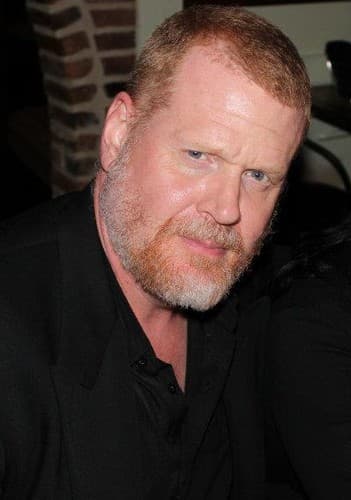
Matthew Woodring Stover is an American author known for his work in fiction, particularly in the science fiction and fantasy genres. He is best known for his novel "Revenge of the Sith," which is part of the Star Wars franchise and explores the events leading up to the film. Stover's writing often delves into complex themes and character development.
Similar books
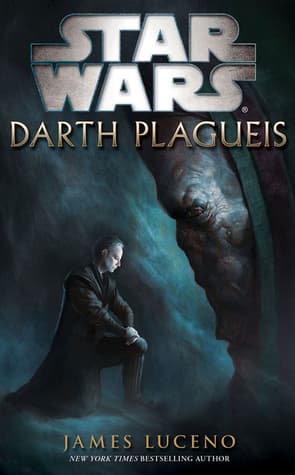
- Darth Plagueis
James Luceno
4.1 (19k) average on GoodreadsFantasyExplores the origins of Palpatine and the Sith, providing context for Anakin's fall.
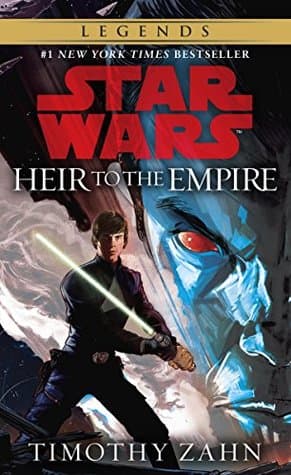
- Heir to the Empire
Timothy Zahn
4.1 (70k) average on GoodreadsFantasyConsidered a classic of the Expanded Universe, featuring complex characters and large-scale galactic conflict.
- Harry Potter and the Sorcerer's Stone
J.K. Rowling
4.5 (7M) average on GoodreadsFantasyRescued from a miserable life under the stairs, an orphaned boy discovers he's a wizard destined for a magical school, where he uncovers a dangerous secret tied to the dark wizard who murdered his parents.
- The Hunger Games
Suzanne Collins
4.3 (6.4M) average on GoodreadsFantasyIn a future where children fight to the death on live television, Katniss Everdeen volunteers for the arena, turning a death sentence into a fight for survival and a spark of rebellion.
- 1984
George Orwell
4.2 (3.1M) average on GoodreadsPoliticsIn a future where surveillance and thought control are absolute, a man's search for truth clashes with the Party, showing that hope can be a form of rebellion.
- Divergent
Veronica Roth
4.2 (2.9M) average on GoodreadsFantasyIn a society divided by virtues, a sixteen-year-old's difference from the norm starts a rebellion that threatens her world.




Enjoyed the summary?
A summary gives you the shape of the book. The book itself has the detail, the examples and the voice.
Find Revenge of the Sith on AmazonAs an Amazon Associate, BookBrief earns from qualifying purchases. How we're funded