
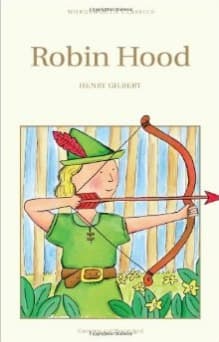
Synopsis
Covers the whole plot, including the ending.
- Difficulty
- Easy
- Pacing
- Moderate
- Mood
- Adventurous, Heroic, Whimsical, Moral
- Read it if
- You enjoy classic tales of heroism, adventure, and justice, with a focus on historical settings and moral themes.
- Skip it if
- You prefer gritty realism or complex, morally ambiguous characters over traditional heroic narratives.
Robin Hood Plot Summary
Covers the whole plot, including the ending.
The Outlaw of Sherwood Forest
The story begins with Robin Hood, a skilled archer and noble yeoman, unfairly declared an outlaw by the corrupt Sheriff of Nottingham after a dispute over a deer in the King's forest. Forced to leave his home and lands, Robin goes into Sherwood Forest. There, he quickly becomes a leader, attracting other men who have suffered under Prince John and his greedy Sheriff. Among his first companions are Much, the Miller's son, and Will Scarlet, a skilled swordsman. Together, they promise to live by their own code: to take from the rich and give to the poor, and to resist the Normans, all while staying loyal to the true King, Richard the Lionheart, who is away on crusade.
Robin Hood and Little John
One day, while exploring the forest, Robin Hood finds a sturdy bridge over a brook. On the other side stands a very large man, Little John (though his real name is John Little, Robin reverses it as a joke). Neither will give way. A playful but intense duel follows, with Robin using his bow and Little John using a quarterstaff. After Little John knocks him into the stream, Robin laughs and admires the giant's strength and good humor. Seeing a similar spirit, Robin invites Little John to join his band of Merry Men. Little John quickly accepts, becoming Robin's most loyal and trusted helper, known for his strength and steady loyalty.
The Friar of Fountains Abbey
Robin Hood, hearing stories of a large and cheerful friar who cares more for eating and fighting than prayer, seeks out Friar Tuck near Fountains Abbey. Robin, in disguise, challenges the friar to carry him across a river. Tuck agrees, but halfway across, Robin reveals his identity and demands to be carried back. Tuck, angry but impressed by Robin's boldness, then throws Robin into the water. A battle of wits and strength follows, with both men proving their skill. Eventually, Robin, charmed by Tuck's lively spirit and his quarterstaff skills, convinces the friar to leave his abbey and join the Merry Men in Sherwood, where Tuck becomes their spiritual guide, cook, and a strong fighter.
The Sheriff's Traps and Robin's Escapes
The Sheriff of Nottingham, angry about Robin Hood's continued defiance and constant embarrassment, plans many ways to capture the outlaw. He often sets traps, such as organizing archery contests with attractive prizes, knowing Robin's pride in his skill will draw him out. At one such event, Robin, disguised as a common yeoman, wins the golden arrow but is recognized and must make a daring escape with his Merry Men. Another time, the Sheriff tries to ambush Robin after inviting him to a feast. However, Robin's network of spies and his own cleverness ensure he is always one step ahead, turning the Sheriff's traps against him and often leaving the Sheriff himself without his fine clothes and possessions.
Maid Marian and Alan-a-Dale
Maid Marian, a noblewoman and Robin Hood's beloved, is a spirited and brave woman who often risks her safety to help Robin and his cause. Their love is deep and real, providing a romantic center to Robin's outlaw life. Later, the Merry Men meet Alan-a-Dale, a minstrel whose beloved, Ellen, is being forced to marry an old, rich knight by her family. Robin Hood, always a champion of true love and justice, steps in. With help from Friar Tuck, who performs the marriage, and the Merry Men, who stop the forced wedding, Alan-a-Dale and Ellen are united, further solidifying Robin's reputation as a protector of the innocent and an enemy of injustice.
Guy of Gisborne's Pursuit
The Sheriff of Nottingham, desperate to get rid of Robin Hood, hires Guy of Gisborne, a well-known mercenary and skilled swordsman known for his cruelty and tracking ability. Guy of Gisborne becomes Robin's most personal and dangerous opponent, a dark reflection of Robin's own skill. Gisborne tracks Robin relentlessly through Sherwood Forest, leading to several tense encounters. In one memorable fight, Robin, disguised in Gisborne's distinctive horsehide cloak, manages to outwit and defeat Gisborne in a fierce duel, effectively removing one of his most persistent threats and using Gisborne's identity to further his own deceptions against the Sheriff.
King Richard's Return
After years away, King Richard the Lionheart finally returns to England from the Crusades, only to find his kingdom poorly managed and oppressed by his brother, Prince John, and his corrupt officials. Richard, often in disguise, travels his lands, seeing his people's suffering and hearing stories of the legendary outlaw, Robin Hood. Eventually, Richard, disguised as a humble monk, goes to Sherwood Forest, intending to test Robin Hood's loyalty and observe his group firsthand. Robin, always respectful of the true King, entertains the 'monk' and shares his ideas of justice, unaware of his guest's true identity.
The King's Revelation and Pardon
During his stay in Sherwood, King Richard sees the Merry Men's archery skills, their generosity to the poor, and their steady loyalty to the absent King. Impressed by Robin's noble spirit and his dedication to justice, Richard finally reveals his true identity to Robin Hood and his entire group. Robin, filled with joy and relief, kneels before his King. King Richard, recognizing Robin's inherent goodness and the need for his actions during his absence, grants a full pardon to Robin Hood and all his Merry Men. He restores Robin to his lands and titles, inviting him to serve in his royal court.
Life After Sherwood
After King Richard's pardon, Robin Hood, Maid Marian, Little John, Friar Tuck, and the rest of the Merry Men leave Sherwood Forest. Robin returns to his family lands, planning to live a peaceful life and serve the King in a more traditional role. However, the change from the freedom of the forest to the rules of court life and settled society proves hard for many. The Merry Men, used to their wild ways and the friendship of outlaw life, struggle to adjust. The peace and order, while welcome in some ways, lack the excitement and purpose they found in their fight against tyranny. Some find it hard to stop their outlaw habits.
Robin Hood's Final Days
Despite his pardon and restored status, Robin Hood finds the limits of settled life unbearable. He longs for the greenwood and the simple justice of his outlaw days. Eventually, he feels he must return to Sherwood Forest, drawn by an irresistible pull. As he ages, he falls ill. Seeking a cure, he goes to Kirklees Priory, where his aunt, the Prioress, is supposed to bleed him. However, driven by malice or fear of his past, she intentionally bleeds him to death. Before he dies, Robin, with his last strength, shoots an arrow from his window, asking to be buried where it falls. Little John carries out his final wish, marking the end of the legendary outlaw.
Robin Hood Characters
Robin Hood
Protagonist
The legendary outlaw, skilled archer, and champion of the poor.
Robin Hood is a noble yeoman, unjustly outlawed, who takes to Sherwood Forest to fight the corruption of Prince John and the Sheriff of Nottingham. He is an unparalleled archer, a cunning strategist, and a natural leader, inspiring loyalty and love from his Merry Men and the common folk. Driven by a strong sense of justice and fairness, he embodies the spirit of resistance against tyranny, always remaining loyal to the true King Richard. Despite his outlaw status, he maintains a code of honor, never harming women or children, and always showing courtesy to those who are honest.
Relationships: Maid Marian (Fiancée/Lover, his true love and moral compass.); Little John (Best friend and most trusted lieutenant.); Friar Tuck (Spiritual guide and jovial companion.); Will Scarlet (Loyal kinsman and Merry Man.); Sheriff of Nottingham (Sworn enemy and symbol of oppression.); King Richard (Loyal subject and eventual pardoner.); Guy of Gisborne (Mortal enemy and rival hunter.)
Little John
Supporting
Robin Hood's loyal giant, second-in-command, and best friend.
Little John is a man of immense stature and strength, originally named John Little, whom Robin renames as a jest. He is fiercely loyal to Robin Hood, serving as his most trusted lieutenant and confidante. Despite his imposing size, he possesses a good heart and a keen sense of humor. He is an expert with the quarterstaff and a formidable fighter, always ready to stand by Robin's side in any danger. His unwavering devotion and physical prowess make him an indispensable member of the Merry Men.
Relationships: Robin Hood (Best friend and leader.); Friar Tuck (Close companion and fellow Merry Man.)
Friar Tuck
Supporting
The jovial, fighting friar and spiritual guide of the Merry Men.
Friar Tuck is a corpulent, fun-loving, and surprisingly agile friar who joins Robin Hood's band. He is as skilled with a quarterstaff as he is with a tankard of ale, often preferring good food and drink to solemn prayer. Despite his worldly appetites, he is a man of God, providing spiritual guidance (albeit unconventional) to the Merry Men and performing ceremonies like marriages. His boisterous nature and fighting spirit make him a beloved and valuable member of the outlaw group, always ready with a witty remark or a stout blow.
Relationships: Robin Hood (Leader and respected friend.); Little John (Close companion and fellow Merry Man.)
Maid Marian
Supporting
Robin Hood's courageous and noble beloved.
Maid Marian is Robin Hood's true love, a noblewoman of courage and spirit. She is not merely a damsel in distress but often actively participates in Robin's adventures, sometimes disguised, and provides vital support and comfort. Her presence grounds Robin, reminding him of the gentler aspects of life and the world outside the forest. She represents purity, loyalty, and the promise of a peaceful life for Robin, embodying the romantic ideal within the harsh reality of outlawry. Her unwavering love is a constant source of strength for Robin.
Relationships: Robin Hood (Fiancée/Lover.)
Sheriff of Nottingham
Antagonist
The cruel and avaricious representative of Prince John's tyranny.
The Sheriff of Nottingham is the primary human antagonist, embodying the corrupt and oppressive rule of Prince John. He is greedy, cowardly, and obsessed with capturing Robin Hood, whose existence is a constant thorn in his side and a challenge to his authority. He uses his power to extort money from the common people and to oppress anyone who stands in his way. Despite his numerous attempts, he is consistently outsmarted and humiliated by Robin Hood, making him a figure of both fear and ridicule.
Relationships: Robin Hood (Sworn enemy.); Prince John (Loyal, albeit self-serving, subordinate.)
King Richard the Lionheart
Supporting
The true King of England, absent during the Crusades.
King Richard is the rightful king of England, revered by Robin Hood and his loyal subjects. His long absence on the Crusades allows Prince John and his corrupt officials, like the Sheriff of Nottingham, to oppress the people. Upon his return, often disguised, he seeks to understand the state of his kingdom and the truth about the legendary outlaw. He embodies justice and good governance, and his eventual revelation and pardon of Robin Hood bring an end to the outlaw's struggle, restoring order to the land.
Relationships: Robin Hood (Loyal subject and eventual pardoner.); Prince John (Usurping brother.)
Guy of Gisborne
Antagonist
A ruthless mercenary hired to hunt Robin Hood.
Guy of Gisborne is a formidable and ruthless mercenary, often depicted as a dark knight or a master tracker, specifically hired by the Sheriff of Nottingham to capture or kill Robin Hood. He is a skilled fighter, particularly with the sword, and represents a more direct and personal threat to Robin than the bumbling Sheriff. Gisborne is driven by reputation and reward, making him a relentless hunter. His distinctive horsehide cloak and grim demeanor mark him as a chilling figure of malevolence.
Relationships: Robin Hood (Mortal enemy.); Sheriff of Nottingham (Employer.)
Will Scarlet
Supporting
A skilled swordsman and loyal kinsman of Robin Hood.
Will Scarlet is one of Robin Hood's earliest and most loyal companions, often described as a kinsman (nephew or cousin). He is known for his dashing appearance, his skill with a sword, and his quick temper, which is always tempered by his loyalty to Robin. He is a reliable and brave member of the Merry Men, often at the forefront of skirmishes and daring raids. His presence adds to the sense of family and camaraderie within the outlaw band.
Relationships: Robin Hood (Kinsman and leader.); Little John (Fellow Merry Man.)
Alan-a-Dale
Supporting
A minstrel whom Robin Hood helps marry his true love.
Alan-a-Dale is a wandering minstrel whose plight brings him into contact with Robin Hood. He is a romantic figure, deeply in love with a woman named Ellen, who is being forced into an unwanted marriage. His musical talents are often employed by the Merry Men, bringing joy and entertainment to their forest existence. Robin Hood's intervention in his love life highlights Robin's commitment to justice and true love, even for those outside his immediate band.
Relationships: Robin Hood (Benefactor.); Ellen (Beloved.)
Robin Hood Themes
Justice vs. Law
This theme looks at the conflict between the written law, enforced by corrupt officials like the Sheriff of Nottingham and Prince John, and a higher moral code of justice. Robin Hood, though an outlaw, acts with a strong sense of fairness, taking from the rich to give to the poor, and defending the innocent. His actions show that legal authority does not always mean moral rightness. For example, when he helps Alan-a-Dale marry Ellen, he breaks the law to ensure a fair outcome, going against the forced marriage arranged by a powerful lord.
“For while the King is away, his laws are twisted by evil men. But there is a higher law, the law of kindness and right, which we shall uphold in this greenwood.”
Loyalty and Brotherhood
The bond among the Merry Men is a main theme, highlighting steady loyalty and friendship. Despite their different backgrounds, they are united by their dedication to Robin Hood and their shared cause. This loyalty extends to their absent King, Richard, whom they serve even when he is gone. Scenes like Little John refusing to leave Robin during an ambush, or the Merry Men always helping Robin when he is in danger (like at the archery contest), show this deep brotherhood. This theme contrasts sharply with the betrayal and self-interest shown by the Sheriff and Prince John.
“We are brothers in arms, and no man shall stand alone while he has a Merry Man by his side.”
Corruption of Power
The story clearly shows how power can corrupt, focusing on Prince John and the Sheriff of Nottingham. Their rule is marked by greed, oppression, and injustice, as they exploit common people through high taxes and unfair punishments. The Sheriff's constant attempts to capture Robin Hood are driven by a desire to keep his tyrannical power and get rich. This corruption is the very reason Robin Hood and his men are forced to become outlaws, creating a sharp contrast between the self-serving rulers and the selfless outlaws.
“And so, the rich grew richer, and the poor grew poorer, all beneath the shadow of Prince John's greedy hand and his Sheriff's cruel whip.”
Freedom vs. Constraint
Sherwood Forest itself represents freedom, offering a safe place from the harsh laws and social rules of feudal England. The Merry Men choose a life of liberty in the greenwood over submitting to unfair authority. This theme is clear when Robin Hood and his men struggle to adjust to court life after King Richard's pardon; the structured, conventional world feels too restrictive compared to the wild freedom of the forest. Robin's eventual return to the forest, even in his final days, shows his longing for this complete freedom.
“Better to live free beneath the green canopy of Sherwood than to be a slave in gilded chains.”
The Noble Outlaw
Robin Hood is the classic noble outlaw, a figure who, though outside the law, follows a higher moral code. He does not steal for personal gain but to redistribute wealth and correct injustices. His courtesy, honor, and loyalty to the true king set him apart from common criminals. This theme questions usual ideas of good and evil, suggesting that true nobility comes from one's actions and character, not their legal status. His actions, like ensuring Alan-a-Dale's marriage, show his commitment to fixing wrongs beyond just financial redistribution.
“I am an outlaw, yes, but no thief. I take only from those who have too much, to give to those who have too little, and always in the name of King Richard.”
Plot Devices & Literary Techniques
Disguise
Characters frequently use disguises to achieve their goals or avoid capture.
Disguise is a frequently used plot device, primarily by Robin Hood and King Richard. Robin uses disguises (such as a butcher, a monk, or a simple yeoman) to infiltrate enemy territory, gather information, win contests, or escape capture. This device highlights his cunning and resourcefulness. King Richard also employs disguise upon his return to England to observe his kingdom firsthand and test Robin Hood's loyalty without revealing his royal identity. The use of disguise adds layers of intrigue and often leads to humorous or tense encounters.
The Archery Contest
A recurring event used by the Sheriff to trap Robin Hood.
The archery contest is a classic plot device in Robin Hood tales. The Sheriff of Nottingham, knowing Robin's unparalleled skill with the bow and his pride, frequently organizes these contests with tempting prizes (often a golden arrow) as a trap. Robin, unable to resist the challenge, inevitably attends in disguise. This device serves multiple purposes: it showcases Robin's extraordinary skill, provides opportunities for dramatic tension and daring escapes, and further highlights the Sheriff's persistent but ultimately futile attempts to capture the outlaw.
Forest as Sanctuary/Symbol
Sherwood Forest acts as both a physical refuge and a symbolic haven for freedom.
Sherwood Forest is more than just a setting; it is a crucial plot device that functions as a sanctuary, a hiding place, and a symbol of freedom and resistance. For Robin Hood and his Merry Men, it provides natural defenses against the Sheriff's forces, allowing them to operate outside the reach of corrupt law. Symbolically, it represents a world apart, where justice prevails according to Robin's code, in stark contrast to the oppressive 'civilized' world outside its borders. The forest enables their outlaw lifestyle and is integral to their identity.
The King's Absence
King Richard's long absence creates the conditions for Robin Hood's outlawry.
King Richard's prolonged absence on the Crusades is a foundational plot device. It directly creates the power vacuum and unchecked corruption that forces Robin Hood into outlawry. Without Richard's return, Prince John and the Sheriff would continue their tyranny, and Robin's actions would remain outside the law indefinitely. The anticipation of the King's return drives much of the narrative, providing a definitive endpoint for Robin's outlaw life and a clear resolution to the kingdom's troubles.
Robin Hood Quotes
“For the Sheriff of Nottingham, albeit a great man and a powerful, was a cruel and grasping tyrant, who wrung the last penny from the poor folk of the countryside, and cared not how much misery he caused so long as his own coffers were full.”
“It is not for us to question the ways of God, but to do our part with a good will, and leave the rest to Him.”
“And so Robin Hood, with his merry men, lived in the greenwood, taking from the rich and giving to the poor, and ever ready to right a wrong.”
“A good bowman is worth a dozen men with swords, if he knows how to use his weapon and his wits.”
“For what is a king without his people? A shepherd without his flock, and a poor one at that.”
“The forest is our friend, and will hide us from our foes, if we but know its secrets.”
“There are times when a man must choose between his own safety and the safety of others, and a true man will not hesitate.”
“It is better to live free in the greenwood, even with danger, than to be a slave to injustice in the town.”
“He who makes a promise should keep it, though it cost him dear.”
“Many a good deed is done in secret, and its reward is in the doing.”
“Let us not fight with anger, but with skill and a clear head, for anger blinds a man.”
“For a man may be rich in gold, yet poor in spirit, and a man may be poor in goods, yet rich in heart.”
“The common folk may have little power, but their hearts are true, and in their numbers lies a strength that even kings must heed.”
“Every man has his own path to follow, and some are straight and some are winding, but all lead to the same end.”
Quiz
10 questions on the plot and the characters. Each answer comes with a short explanation.
Question 1
Which forest serves as the primary hideout for Robin Hood and his Merry Men?
- Blackwood Forest
- Sherwood Forest
- Windsor Forest
- New Forest
Show answer
B. Sherwood Forest Sherwood Forest is explicitly mentioned in the book's description as the home of the Merry Men.
Question 2
Which of these characters is NOT listed as one of Robin Hood's Merry Men in the book's description?
- Little John
- Friar Tuck
- Much, the Miller's Son
- Will Scarlet
Show answer
C. Much, the Miller's Son The book description lists Robin, Little John, Friar Tuck, Will Scarlet, and Alan-a-Dale. Much, the Miller's Son, is a common character in Robin Hood lore but not explicitly mentioned in this edition's summary.
Question 3
Who is described as one of Robin Hood's 'deadly enemies' alongside Guy of Gisborne?
- King John
- The Sheriff of Nottingham
- Prince Edward
- Lord Fitzwalter
Show answer
B. The Sheriff of Nottingham The book description explicitly names 'Guy of Gisborne and the evil Sheriff of Nottingham' as Robin's deadly enemies.
Question 4
What is the general theme regarding wealth distribution that Robin Hood embodies?
- Accumulating wealth for personal gain
- Taking from the rich to give to the poor
- Establishing a new feudal system
- Promoting trade and commerce
Show answer
B. Taking from the rich to give to the poor Robin Hood is famously known for his ethos of 'robbing from the rich and giving to the poor,' which is a central theme in his adventures.
Question 5
Which historical English monarch is mentioned as 'good King' and is an ally to Robin Hood in this narrative?
- King Henry II
- King John
- King Richard
- King Stephen
Show answer
C. King Richard The description specifically mentions 'good King Richard' as a character in the story, often depicted as absent from England and a supporter of Robin Hood.
Question 6
What is the primary motivation for Robin Hood's outlaw status and actions?
- To gain personal power and control over the region.
- To avenge a personal wrong committed against his family.
- To fight against injustice and tyranny, particularly from figures like the Sheriff.
- To escape a forced marriage arranged by his parents.
Show answer
C. To fight against injustice and tyranny, particularly from figures like the Sheriff. Robin Hood's legend is built on his fight against the oppressive rule of corrupt officials like the Sheriff, embodying a struggle for justice.
Question 7
How does Maid Marian's role typically contrast with the male Merry Men's roles in the adventures?
- She is primarily a warrior, leading battles alongside Robin.
- She often provides strategic advice and emotional support, sometimes participating in disguises or direct action.
- She is usually portrayed as a damsel in distress, constantly needing rescue.
- Her role is limited to managing the finances of the Merry Men.
Show answer
B. She often provides strategic advice and emotional support, sometimes participating in disguises or direct action. Maid Marian is often depicted as resourceful and brave, an active participant who offers counsel and sometimes joins in the schemes, rather than being a mere damsel or solely a warrior.
Question 8
Given the 'outlaw' status of Robin Hood, what does this imply about the legal system he operates within?
- The legal system is fair and just, but Robin chooses to break laws for personal gain.
- The legal system is corrupt and serves the powerful, forcing Robin to seek justice outside of it.
- The legal system is non-existent, leading to anarchy.
- Robin Hood is part of the legal system, working undercover.
Show answer
B. The legal system is corrupt and serves the powerful, forcing Robin to seek justice outside of it. Robin Hood's status as an outlaw who 'robs from the rich and gives to the poor' strongly implies a corrupt and unjust legal system that he actively defies, fighting for justice where the law fails.
Question 9
What literary genre does 'Robin Hood' by Henry Gilbert primarily fall under, considering its blend of historical context, adventure, and target audience?
- Science Fiction
- Mystery Thriller
- Historical Fiction, Fantasy, Children's, Young Adult
- Contemporary Romance
Show answer
C. Historical Fiction, Fantasy, Children's, Young Adult The book description explicitly states the genres: 'Fantasy, Children's, Historical Fiction, Young Adult.'
Question 10
How does the character of Alan-a-Dale typically contribute to the Merry Men's operations or morale?
- He is primarily known for his exceptional fighting skills and leadership in battle.
- He serves as the group's chronicler, documenting their adventures.
- He is a minstrel and singer, often bringing joy and entertainment, and sometimes aiding in disguises or messages.
- He is the group's master of disguise and espionage.
Show answer
C. He is a minstrel and singer, often bringing joy and entertainment, and sometimes aiding in disguises or messages. Alan-a-Dale is traditionally depicted as a minstrel and singer, whose musical talents often serve to lift spirits or assist in plots, such as during weddings or gatherings.
Robin Hood FAQ
What is the central premise of Henry Gilbert's 'Robin Hood'?
Henry Gilbert's 'Robin Hood' recounts the adventures of Robin Hood and his Merry Men, who live as outlaws in Sherwood Forest, stealing from the rich and giving to the poor. Their primary goal is to resist the tyrannical rule of the Sheriff of Nottingham and Guy of Gisborne while supporting the rightful King Richard during his absence.
Who are the key members of Robin Hood's Merry Men in this adaptation?
The core Merry Men prominently featured include the towering Little John, the jovial and fighting Friar Tuck, the noble Will Scarlet, and the minstrel Alan-a-Dale. These characters form the backbone of Robin's resistance and provide both combat prowess and camaraderie.
What role does Maid Marian play in Robin Hood's story?
Maid Marian is depicted as Robin Hood's beloved, often demonstrating courage and resourcefulness. She is not merely a damsel in distress but an active participant in the Merry Men's affairs, sometimes aiding them directly or providing moral support and strategic insight.
Who are the primary antagonists Robin Hood faces in this version?
Robin Hood's main adversaries are the corrupt and cruel Sheriff of Nottingham, who embodies local oppression, and the ruthless bounty hunter Guy of Gisborne, who is portrayed as a more personal and deadly foe. Their combined efforts aim to capture or kill Robin and his band.
How does King Richard's absence impact the plot?
King Richard's long absence on Crusade is the catalyst for much of the conflict, as it allows Prince John and his allies, like the Sheriff of Nottingham, to exploit the common people. Robin Hood's actions are often justified by his loyalty to the true king and his desire to restore order upon Richard's return.
Are there any subtle hints about Robin Hood's noble lineage or past before he became an outlaw?
Gilbert's narrative subtly implies Robin's noble background, often through his refined speech, leadership qualities, and inherent sense of justice, which distinguishes him from common bandits. While not explicitly detailed in every chapter, his natural authority and education suggest a life beyond peasantry before his outlaw status.
Does the book connect Robin Hood's origins to any specific historical events or figures beyond King Richard?
While the book firmly places Robin Hood within the historical context of King Richard I's reign and absence, it doesn't delve deeply into other specific historical figures or lesser-known events of the period. The focus remains on the legendary aspects of Robin's fight against injustice rather than detailed historical accuracy.
Are there any recurring symbols or motifs that foreshadow key events or character fates?
The motif of the greenwood itself serves as a recurring symbol of freedom, refuge, and defiance against tyranny, often foreshadowing the Merry Men's eventual triumphs. The use of disguises and trickery by Robin Hood also acts as a recurring motif, highlighting his intelligence and adaptability in overcoming stronger foes.
How does Robin Hood's leadership style contribute to the loyalty of his Merry Men?
Robin Hood's leadership is characterized by his fairness, courage, and unwavering commitment to justice, which earns him the deep loyalty of his Merry Men. He shares the spoils, fights alongside them, and demonstrates genuine care for their well-being, fostering a strong sense of camaraderie and shared purpose.
What psychological impact does living as an outlaw have on Robin Hood and his band?
Living as outlaws instills a constant state of vigilance and resourcefulness in Robin and his men, fostering a strong bond of brotherhood born from shared danger. While they maintain their ideals, the constant threat of capture or death undoubtedly shapes their worldview, making them resilient but also wary of outsiders.
How do the villains, like the Sheriff of Nottingham, rationalize their cruelty and greed?
The Sheriff of Nottingham and other villains in the story rationalize their cruelty through a combination of self-interest, perceived authority, and a disregard for the common people. They view their actions as maintaining order, even if that 'order' benefits only themselves and oppresses the peasantry, often cloaking their greed in the guise of royal decree.
What psychological traits make Guy of Gisborne such a formidable personal enemy for Robin?
Guy of Gisborne's formidable nature stems from his single-minded ruthlessness, lack of moral compass, and personal vendetta against Robin Hood. He is driven by a cold, calculating desire for reward and vengeance, making him a relentless and psychologically unburdened antagonist who will stop at nothing.
Is Robin Hood best interpreted as a historical figure or a timeless symbol of justice?
In Gilbert's telling, Robin Hood is primarily presented as a timeless symbol of justice and resistance against tyranny, rather than a strictly historical figure. While set in a historical period, his actions and ideals transcend specific dates, making him an enduring archetype for fighting oppression and championing the downtrodden.
How does the book's depiction of 'good' vs. 'evil' resonate with its target audience?
The book's clear distinction between the 'good' Merry Men and the 'evil' Sheriff and Guy resonates strongly with its young adult and children's audience by providing easily understandable moral lessons. It reinforces the idea that justice and compassion will ultimately prevail over greed and cruelty, offering a comforting narrative of heroism.
What message about social class and power dynamics does the story convey?
The story strongly conveys a message about the corrupting nature of unchecked power and the resilience of the common people. It highlights the vast inequalities between the ruling class and the peasantry, arguing that true nobility lies not in birth but in actions that defend the vulnerable and challenge oppressive authority.
Does the ending of the book offer a sense of permanent resolution or suggest the ongoing need for figures like Robin Hood?
The ending, with King Richard's return and the restoration of order, offers a strong sense of resolution, implying that Robin Hood's specific mission is fulfilled. However, it also subtly suggests that the spirit of Robin Hood – the fight for justice against corruption – is a timeless need, even if the immediate conflict is resolved.
How does Henry Gilbert's portrayal of Maid Marian differ from other adaptations, if at all?
Gilbert's Maid Marian is depicted with notable strength and agency, often participating in and influencing events rather than being a passive love interest. She's shown to be intelligent and courageous, aligning with more modern interpretations that empower female characters, though still within the romantic context of her relationship with Robin.
What is the significance of Sherwood Forest itself as a character or setting?
Sherwood Forest is more than just a setting; it acts almost as a character, providing sanctuary, sustenance, and a strategic advantage for the Merry Men. It symbolizes freedom, wildness, and a refuge from unjust laws, becoming synonymous with Robin Hood's rebellion and an integral part of their identity.
About the author

Henry Gilbert was an author known for his works of fiction, particularly his retelling of classic tales. His notable work, "Robin Hood," presents a narrative centered around the legendary outlaw and his adventures. Gilbert's storytelling captures the spirit of folklore and has contributed to the enduring popularity of the Robin Hood legend.
Similar books
- The Adventures of Tom Sawyer
Mark Twain
3.9 (758k) average on GoodreadsChildren'sFeatures a mischievous hero, boyhood adventures, and a strong sense of justice in a historical setting.
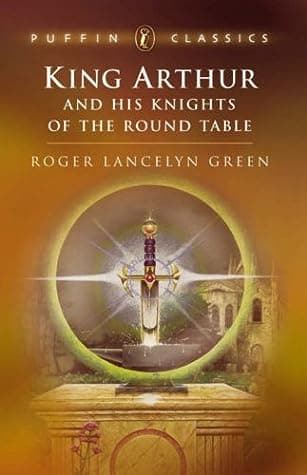
- King Arthur and His Knights of the Round Table
Roger Lancelyn Green
3.9 (5k) average on GoodreadsFantasyExplores themes of chivalry, heroism, and legendary figures in a historical fantasy context.
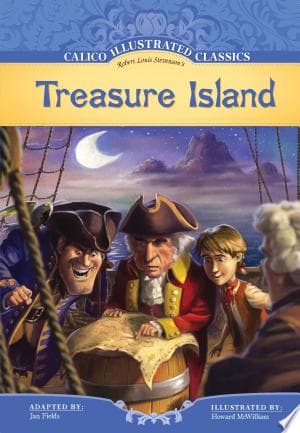
- Treasure Island
Robert Louis Stevenson
Offers a classic adventure story with memorable characters, a quest, and a clear good vs. evil dynamic.
- Harry Potter and the Sorcerer's Stone
J.K. Rowling
4.5 (7M) average on GoodreadsFantasyRescued from a miserable life under the stairs, an orphaned boy discovers he's a wizard destined for a magical school, where he uncovers a dangerous secret tied to the dark wizard who murdered his parents.
- The Hunger Games
Suzanne Collins
4.3 (6.4M) average on GoodreadsFantasyIn a future where children fight to the death on live television, Katniss Everdeen volunteers for the arena, turning a death sentence into a fight for survival and a spark of rebellion.
- 1984
George Orwell
4.2 (3.1M) average on GoodreadsPoliticsIn a future where surveillance and thought control are absolute, a man's search for truth clashes with the Party, showing that hope can be a form of rebellion.




Enjoyed the summary?
A summary gives you the shape of the book. The book itself has the detail, the examples and the voice.
Find Robin Hood on AmazonAs an Amazon Associate, BookBrief earns from qualifying purchases. How we're funded