

Synopsis
Covers the whole plot, including the ending.
- Difficulty
- Easy
- Pacing
- Moderate
- Mood
- Heartfelt, reflective, evolving, angsty
rock Plot Summary
Covers the whole plot, including the ending.
The Divorce and the New Arrangement
Cooper's life changes when his parents announce their divorce. He starts a 'Week About' schedule, splitting his time between his mother and father. This means living part-time with Lila, 'the other woman' his father left his mother for, and her son, Jace. Cooper resents Lila deeply, blaming her for his family's breakup. He feels the same about Jace, seeing him as a symbol of his once stable home's brokenness. Their first interactions are full of tension, setting up a difficult adjustment for everyone.
Initial Resistance and Hostility
In the early weeks of the 'Week About' schedule, Cooper actively resists joining his new blended family. He stays distant and hostile towards Lila, and his interactions with Jace are marked by sarcasm, arguments, and a clear desire to keep his distance. Cooper often retreats to his room, avoids shared family meals, and makes it clear he sees Jace as an unwelcome guest. He holds onto the hope his parents might reconcile, making it hard for him to accept his new living arrangement and Lila and Jace's presence in his father's life.
Shared Spaces, Shared Moments
Despite Cooper's efforts to avoid Jace, their shared living situation forces them to interact. They share a bathroom, eat at the same table, and are sometimes left alone together. These everyday occurrences slowly break down Cooper's resistance. Occasionally, an unexpected shared laugh or a moment of reluctant cooperation emerges from their forced proximity. While still not friendly, these small moments begin to create a grudging tolerance, hinting at more than just hostility.
A Developing Friendship
As months pass, constant closeness and shared experiences soften Cooper and Jace's relationship. They find common interests, humor in their awkward situation, and gradually start to confide in each other. Their arguments lessen, replaced by comfortable silences and genuine conversations. What began as forced living turns into a close friendship, built on shared memories and mutual understanding. They become each other's confidants, navigating their blended family and their parents' changing lives together, finding comfort in their unexpected bond.
The Unspoken Attraction
As their friendship grows, an unspoken attraction simmers between Cooper and Jace. What started as brotherly camaraderie slowly becomes more complex. Lingering touches, intense gazes, and an increasing awareness of each other's physical presence hint at feelings beyond friendship. Both boys struggle with these new emotions, knowing their relationship, already unconventional as 'almost stepbrothers,' would become even more complicated if they acknowledged romantic feelings. This internal conflict and external pressures create tension in their interactions.
Navigating the Boundaries
Cooper and Jace become aware of the delicate boundaries around their relationship. They are 'almost stepbrothers,' a label that, while not legally binding, carries social implications. They question their feelings, wondering if it's strong friendship or something deeper. The fear of disrupting their fragile family, hurting their parents, or facing judgment weighs heavily on them. They try to maintain their friendship while battling the undeniable pull they feel towards each other, leading to confusion and emotional turmoil.
A Moment of Truth
The tension between Cooper and Jace eventually becomes too much. Through intense interactions, longing glances, and perhaps a moment of vulnerability, their unspoken feelings surface. This could be a confession, an impulsive kiss, or a shared understanding that acknowledges the romantic nature of their bond. This moment marks a turning point, forcing them to confront their attraction and the potential consequences of acting on it. It shatters the facade of their friendship.
The Secrecy and Its Strain
After acknowledging their feelings, Cooper and Jace begin a secret romantic relationship. They try to keep their romance hidden from parents and friends, fearing judgment and disruption. This secrecy, however, strains them both. The constant need to hide affection, stolen moments, and fear of discovery create anxiety. They struggle with the ethics of their actions and the emotional toll of living a double life, which tests their new, fragile bond.
External Pressures and Internal Conflict
As their relationship deepens, Cooper and Jace face various pressures. Their families, though unaware of the romance, still present challenges with ongoing blended family adjustments. Both boys grapple with their identities, their understanding of love, and societal norms they might be defying. They question if their love is 'right' or 'wrong,' and if they are strong enough to withstand scrutiny and potential disapproval if their relationship were revealed. This period involves introspection and difficult conversations about their future.
A Confrontation or Revelation
The secret of Cooper and Jace's relationship eventually comes out, either by accident or deliberate confession. This leads to a confrontation with their parents, who are shocked and confused. The parents must deal with their own feelings of betrayal, concern, and the implications for their already complex family. This scene is emotional, as Cooper and Jace defend their love and explain their connection, while their parents process this unexpected development.
Seeking Acceptance
Following the revelation, Cooper and Jace navigate the difficult aftermath. They face intense discussion, emotional fallout, and the challenge of convincing their parents and potentially others of their feelings' sincerity. This period tests their resilience as a couple. They might seek support from trusted friends or family, or rely on each other for strength. The focus shifts from hiding their love to openly seeking understanding and acceptance for who they are and the unique bond they share, hoping to build a future together.
Forging a New Path
Ultimately, Cooper and Jace, having endured divorce, blended families, and societal expectations, build a new path together. They solidify their romantic relationship, finding strength in their shared journey and overcome challenges. This resolution does not mean immediate, universal acceptance, but rather a commitment to each other and to building a life that honors their love. Their story concludes with hope and resilience, showing that even from fractured beginnings, new and lasting forms of love and family can be created, transforming their difficult start into a foundation.
rock Characters
Cooper
Protagonist
A resentful teenager grappling with his parents' divorce and the introduction of a new family.
Cooper is initially portrayed as a guarded and resentful teenager, deeply affected by the sudden divorce of his parents. He struggles with the 'Week About' schedule and harbors significant animosity towards Lila, his father's new partner, and her son, Jace. Cooper clings to the idea of his family as it once was, making him resistant to any new connections. He is observant and often sarcastic, using humor as a defense mechanism. Beneath his tough exterior, he is vulnerable, yearning for stability and belonging, and deeply conflicted by his unexpected feelings for Jace.
Relationships: Jace (Initial antagonist, evolving into best friend, then romantic partner); Cooper's Father (Strained and complicated, later understanding); Cooper's Mother (Close, seeking comfort and stability); Lila (Initial resentment, later grudging acceptance)
Jace
Protagonist
Lila's son, initially a target of Cooper's resentment, who eventually becomes his closest confidant and love interest.
Jace is introduced as Lila's son, possessing 'smug, regurgitated-fish-scale-blue eyes' from Cooper's perspective, initially making him an object of Cooper's disdain. Despite Cooper's hostility, Jace often maintains a more open and somewhat playful demeanor, though he is not above retaliating with sarcasm. He is adaptable and observant, navigating the complexities of his mother's new relationship and the challenging dynamics with Cooper. Jace is thoughtful and empathetic, capable of seeing beyond Cooper's initial anger, and he gradually develops a deep, unspoken affection for Cooper, leading to romantic feelings.
Relationships: Cooper (Initial rival, evolving into best friend, then romantic partner); Lila (Close and supportive mother-son bond); Cooper's Father (Developing paternal bond)
Lila
Supporting
The 'other woman' who becomes Cooper's stepmother, striving to create a new family.
Lila is the woman Cooper's father leaves his mother for, making her an immediate source of Cooper's resentment. She is portrayed as someone trying her best to integrate into a challenging blended family situation. Despite Cooper's initial hostility, Lila is patient and understanding, consistently attempting to build a relationship with him. She represents the new reality of Cooper's father's life and is a figure of both disruption and potential new beginnings. Her role is to facilitate the blending of the families, often acting as a mediator and a source of stability for Jace.
Relationships: Jace (Mother-son bond); Cooper's Father (Romantic partner); Cooper (Step-parental figure, initially rejected)
Cooper's Father
Supporting
A man navigating a new relationship and the challenges of co-parenting after divorce.
Cooper's father is a central figure in the initial disruption of Cooper's life. He is the one who initiated the divorce and moved on with Lila, leading to Cooper's 'Week About' schedule. He tries to be a good father to Cooper, but often struggles to understand the depth of Cooper's resentment and pain. He wants his son to accept his new life with Lila and Jace, and often tries to bridge the gap between them. He represents the adult perspective of moving on, but also the challenges of creating a new family unit while maintaining bonds with the old.
Relationships: Cooper (Father-son bond, strained by divorce); Lila (Romantic partner); Jace (Step-fatherly role)
Cooper's Mother
Supporting
A woman dealing with the aftermath of divorce and supporting her son through the changes.
Cooper's mother is the other parent in the divorce, providing a contrasting home environment to his father's new family. She is a source of comfort and stability for Cooper, who often confides in her about his struggles with the 'Week About' schedule and his feelings about Lila and Jace. While she is dealing with her own pain from the divorce, she prioritizes Cooper's well-being and tries to help him adjust. She represents the 'old' family unit that Cooper yearns for, and her home is often a sanctuary for him.
Relationships: Cooper (Close mother-son bond); Cooper's Father (Ex-spouse, co-parenting relationship)
Sarah
Supporting
Cooper's best friend, a loyal confidante.
Sarah is Cooper's best friend and a consistent presence in his life. She offers a listening ear and support as Cooper navigates the upheaval of his parents' divorce and the introduction of his new blended family. She provides an external perspective and a sounding board for Cooper's frustrations and developing feelings. While not directly involved in the central romantic plot, her friendship helps ground Cooper and allows him to process his emotions. She represents the stability of his old life, even as everything else changes.
Relationships: Cooper (Best friend)
rock Themes
The Redefinition of Family
The novel explores how family can change and grow beyond traditional structures, especially after divorce. Cooper initially struggles with his family's disruption, seeing Lila and Jace as unwelcome. However, as he and Jace bond, they form a new, unconventional family unit, showing that love and connection can create family ties regardless of blood or legal status. The story suggests that family is defined by shared experiences, support, and love, not just by biological or marital connections.
“All Cooper wants is to have his family back the way it once was, but there’s something about this boy that promises things will never be the same again.”
Love in Unexpected Places
A core theme is the emergence of love in unexpected and initially unwelcome circumstances. Cooper and Jace begin as adversaries, forced together by their parents' new relationship. Their journey from hostility to friendship, and eventually to deep romantic love, highlights how connection can grow despite initial resistance and societal expectations. The theme challenges ideas of who one can love and under what conditions, emphasizing that the heart often finds its own way, defying logic and convenience.
“But how does that friendship evolve under the pressures of life? Under pressures of the heart?”
Coping with Change and Loss
The novel deeply explores coping with major life changes and the loss of what was. Cooper's initial reaction to his parents' divorce is grief and anger, representing the loss of his stable childhood home. His journey is one of gradual acceptance, not just of the new family structure but also of life's impermanence. Both Cooper and Jace must adapt to new living arrangements, new relationships, and their parents' evolving lives, learning to find resilience and new foundations amidst upheaval.
“The one who stole the rock-solid foundation of his life.”
Identity and Self-Acceptance
As Cooper and Jace's relationship develops, they confront questions of identity, particularly regarding their sexual orientation and their unconventional bond. Their romantic feelings for each other force them to look inward, challenging their understanding of themselves and their place in the world. The journey involves grappling with societal norms and the fear of judgment. Ultimately, the theme centers on self-acceptance and embracing one's true self, regardless of external pressures or the perceived 'rightness' of their love.
“Technically, they’re not even stepbrothers . . .”
Plot Devices & Literary Techniques
The 'Week About' Schedule
A forced alternating custody arrangement.
This plot device is central to the initial conflict and the eventual development of Cooper and Jace's relationship. By forcing Cooper to alternate weeks between his mother and his father's new home (with Lila and Jace), the 'Week About' schedule creates constant, inescapable proximity between the two boys. It prevents them from truly avoiding each other and compels them to interact, leading to their grudging tolerance and eventual bond. Without this forced proximity, their paths might not have intertwined as deeply, making it a crucial catalyst for their evolving relationship.
Metaphor of Rocks/Geology
Symbolism of change, foundation, and pressure.
The novel uses geological metaphors (Igneous, Sedimentary, Metamorphic) to structure the narrative and symbolize the characters' emotional journeys. 'Igneous' represents the fiery, disruptive start (divorce, initial hostility). 'Sedimentary' signifies the gradual layering of shared experiences and memories that form their friendship. 'Metamorphic' denotes the intense pressure that transforms their friendship into love, highlighting evolution and change. This device provides a consistent symbolic framework, emphasizing themes of foundation, erosion, transformation, and the enduring nature of deep connections under pressure.
Forbidden Love Trope
A romantic relationship that defies social norms.
The 'forbidden love' trope is central to the romantic tension and conflict. Cooper and Jace are not legally stepbrothers, but their mothers' relationship creates a social taboo around their romantic involvement. This device heightens the stakes of their relationship, adding layers of secrecy, fear of judgment, and internal conflict. It forces the characters to confront societal expectations and question the definition of family and acceptable love. The 'almost stepbrothers' dynamic makes their love inherently challenging, driving much of the plot's emotional arc and external conflict.
Quiz
10 questions on the plot and the characters. Each answer comes with a short explanation.
Question 1
What is the main conflict Cooper faces at the beginning of the book?
- He is struggling with his parents' divorce.
- He dislikes his new school.
- He has a falling out with his best friend.
- He is unhappy about moving to a new city.
Show answer
A. He is struggling with his parents' divorce. Cooper's parents' divorce is the central event that disrupts his life and leads to the other conflicts.
Question 2
Who is Lila in Cooper's life?
- Cooper's aunt.
- His father's new partner.
- His mother's friend.
- A new teacher.
Show answer
B. His father's new partner. Lila is described as 'the other woman' and the one his father is now with.
Question 3
What is Cooper's initial feeling towards Jace?
- Indifference
- Curiosity
- Hostility and resentment
- Immediate friendship
Show answer
C. Hostility and resentment Cooper views Jace as the son of 'the other woman' and someone who disrupted his family life, leading to negative feelings.
Question 4
The book uses rock types (Igneous, Sedimentary, Metamorphic) as a metaphor. What does 'Igneous' represent in the context of Cooper's life at the start?
- The slow erosion of his family.
- The solid, unchanging foundation of his family.
- The heat of his anger.
- The pressure of change.
Show answer
B. The solid, unchanging foundation of his family. Igneous rocks are formed from cooled magma or lava, representing something solid and foundational, which Cooper feels he has lost.
Question 5
What does the 'Sedimentary' stage of their relationship represent?
- The breakdown of their initial animosity.
- The formation of a new bond through shared experiences.
- The pressure that is building between them.
- The complete transformation of their feelings.
Show answer
B. The formation of a new bond through shared experiences. Sedimentary rocks are formed from layers of sediment deposited over time. This metaphor represents the gradual building of their friendship through shared memories.
Question 6
The text states, "Because friendship is all they can have." What does this imply about Cooper and Jace's relationship?
- They are destined to be just friends.
- Their circumstances prevent them from being anything more than friends.
- They are actively trying to keep their relationship platonic.
- They do not have romantic feelings for each other.
Show answer
B. Their circumstances prevent them from being anything more than friends. This line suggests that societal or familial expectations, or perhaps their own internal conflicts, limit the potential of their relationship to friendship.
Question 7
What does the 'Metamorphic' stage symbolize in the context of the book's themes?
- The complete destruction of their friendship.
- The slow cooling of their emotions.
- The transformation of their relationship under pressure.
- The formation of a new, unchangeable bond.
Show answer
C. The transformation of their relationship under pressure. Metamorphic rocks are formed when existing rocks are changed by heat, pressure, or chemical reactions. This represents how Cooper and Jace's relationship evolves under the pressures of life and their hearts.
Question 8
The description of Jace's eyes as 'smug, regurgitated-fish-scale-blue' is an example of what literary device?
- Simile
- Personification
- Metaphor
- Figurative language (specifically, a harsh simile/metaphorical description)
Show answer
D. Figurative language (specifically, a harsh simile/metaphorical description) While not a direct simile ('like' or 'as'), the description uses vivid, negative imagery to convey Cooper's strong dislike and create a strong impression of Jace's eyes through comparison.
Question 9
Cooper's initial desire is to 'have his family back the way it once was.' This indicates a struggle with which aspect of change?
- Acceptance of new relationships
- The loss of stability and familiarity
- The development of his own identity
- Navigating complex emotional dynamics
Show answer
B. The loss of stability and familiarity Cooper is clinging to the past and resisting the reality of his parents' separation and the new family dynamic it creates, highlighting his difficulty with the loss of his previous stable family unit.
Question 10
The phrase 'rock-solid foundation of his life' is a direct reference to which element of the book's overarching metaphor?
- The geological nature of the setting.
- The instability caused by the divorce.
- The 'Igneous' stage of rock formation.
- The pressure that leads to change.
Show answer
C. The 'Igneous' stage of rock formation. The 'rock-solid foundation' directly connects to the 'Igneous' metaphor, representing the stable, unchanging nature of his family life before the divorce shattered it.
rock FAQ
What is the book 'Rock' by Anyta Sunday about?
'Rock' is a young adult romance novel that tells the story of Cooper, whose life is upended by his parents' divorce. He is forced to live between two households and deal with his father's new partner and her son, Jace, leading to an unexpected and evolving relationship.
Who are the main characters in 'Rock'?
The main characters are Cooper, a teenager struggling with his parents' divorce and his new living situation, and Jace, the son of his father's new partner, with whom Cooper develops a complex relationship.
What is the central conflict in 'Rock'?
The central conflict revolves around Cooper's resistance to his new family dynamic after his parents' divorce and his developing feelings for Jace, which challenge his initial perceptions and desires.
What does the title 'Rock' symbolize in the book?
The title 'Rock' likely symbolizes the idea of a solid foundation, which Cooper's life loses after his parents' divorce. The book explores how new foundations can be formed, perhaps even stronger or different, through unexpected relationships.
Does 'Rock' have a happy ending?
The book explores the evolution of a relationship under pressure, suggesting a journey of emotional growth and change. While the ending focuses on how relationships evolve, readers often find satisfaction in the emotional arc and character development.
Is 'Rock' a LGBTQ+ romance?
Yes, 'Rock' is a young adult romance that explores a romantic relationship between two male characters, Cooper and Jace.
What is the significance of the rock-related terms like Igneous, Sedimentary, and Metamorphic in the book?
These terms represent different stages of geological transformation and likely mirror the emotional and relational transformation Cooper and Jace undergo throughout the story, from initial resistance to forming a deep, evolving bond.
What age group is 'Rock' intended for?
'Rock' is classified as a Young Adult (YA) novel, making it suitable for teenagers and young adults who enjoy contemporary romance stories with emotional depth.
What are the themes explored in 'Rock'?
The book explores themes of family, divorce, acceptance, unexpected love, and the evolution of relationships under pressure, all within the context of a coming-of-age story.
About the author

Anyta Sunday is a prolific author known for her emotionally resonant contemporary romance novels. Her works, including the popular 'rock' series, often explore themes of love, loss, and self-discovery with a heartfelt and engaging writing style. Sunday has garnered a dedicated readership for her ability to craft relatable characters and compelling narratives within the LGBTQ+ romance genre.
Similar books
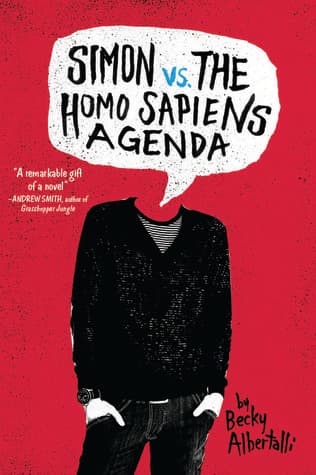
- Simon vs. the Homo Sapiens Agenda
Becky Albertalli
4.3 (288k) average on GoodreadsYoung AdultAnyta Sunday's "rock" shares significant thematic and tonal similarities with Becky Albertalli's 'Simon vs. the Homo Sapiens Agenda'. Both books are quintessential YA romances that focus on the journey of self-discovery and coming out within a high school context, utilizing realistic dialogue and relatable internal monologues. However, 'Simon' introduces an element of mystery with an anonymous email exchange, adding a layer of suspense to the romantic development. 'rock', while equally heartfelt, is more direct in its romantic progression, focusing more on the evolving relationship between two established friends rather than a discovery of an unknown admirer. Both excel at creating warm, authentic narratives.
- Harry Potter and the Sorcerer's Stone
J.K. Rowling
4.5 (7M) average on GoodreadsFantasyRescued from a miserable life under the stairs, an orphaned boy discovers he's a wizard destined for a magical school, where he uncovers a dangerous secret tied to the dark wizard who murdered his parents.
- The Hunger Games
Suzanne Collins
4.3 (6.4M) average on GoodreadsFantasyIn a future where children fight to the death on live television, Katniss Everdeen volunteers for the arena, turning a death sentence into a fight for survival and a spark of rebellion.
- To Kill a Mockingbird
Harper Lee
4.3 (4.5M) average on GoodreadsHistorical FictionIn the 1930s Jim Crow South, Harper Lee writes about racial injustice, moral growth, and the quiet courage of a lawyer father, Atticus Finch, as seen through his young daughter's eyes.
- The Fault in Our Stars
John Green
4.2 (3.6M) average on GoodreadsYoung AdultA girl with a terminal illness finds her story rewritten when a charming boy with a similar past enters her life at a cancer support group, leading to a star-crossed romance.
- Divergent
Veronica Roth
4.2 (2.9M) average on GoodreadsFantasyIn a society divided by virtues, a sixteen-year-old's difference from the norm starts a rebellion that threatens her world.





Enjoyed the summary?
A summary gives you the shape of the book. The book itself has the detail, the examples and the voice.
Find rock on AmazonAs an Amazon Associate, BookBrief earns from qualifying purchases. How we're funded