
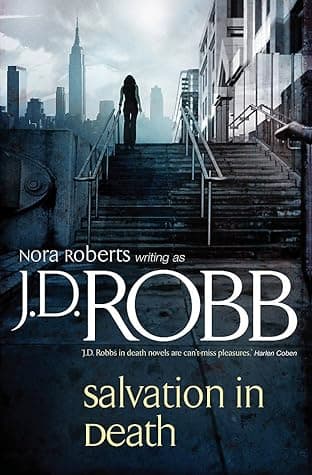
Synopsis
Covers the whole plot, including the ending.
- Difficulty
- Medium
- Pacing
- Fast
- Mood
- Suspenseful, intriguing, romantic, dark, action-packed
Salvation in Death Plot Summary
Covers the whole plot, including the ending.
The Unholy Sacrament
During a funeral Mass at St. Christobal's in East Harlem, Father Miguel Flores collapses and dies on the altar after drinking consecrated wine. Detective Lieutenant Eve Dallas and her team arrive to a scene of chaos and grief. Initial examination confirms the wine had potassium cyanide, a lethal dose. The parishioners are devastated, and the community is in shock. Eve, with her husband Roarke, begins securing the scene and interviewing witnesses, including Father Flores's assistant, Father Mara, and various churchgoers. The church setting immediately raises questions about the motive and the killer's identity; the murder seems both public and deeply personal.
Unmasking the Priest
Dr. Charlotte Mira's autopsy reveals surprising facts about Father Miguel Flores. He had extensive plastic surgery, removed tattoos, and scars from old knife wounds, suggesting a violent past unlike his priestly image. His fingerprints are not in any known databases. This discovery changes the investigation from a simple poisoning to a complex case of identity theft and a hidden past. Eve realizes 'Father Flores' lived under an assumed identity, and the murder motive likely came from who he was before becoming a priest, not his current role. The team begins uncovering his true identity.
A Web of Deception
Eve and her team examine the few clues left by the deceased. They discover the man known as Father Flores was Rafael 'Rafa' Soto, a high-ranking member of the 'Los Diablos' gang. Rafa was thought to have died years ago in a gang war. The plastic surgery and new identity were part of his escape from that life. The investigation now focuses on former associates and rivals of Los Diablos, as well as anyone who knew Rafa's true identity and sought revenge. The motive becomes clearer: a delayed act of retribution for past actions, possibly related to his betrayal of the gang or someone within it.
The Second Victim
Just as Eve starts to understand Rafa's past, a second murder occurs, again during a church service. This time, Maria Sanchez, a beloved elderly parishioner, is poisoned with cyanide. The murder happens in front of an even larger congregation, causing more terror and confusion in the community. The link to the first murder is clear, but Maria's background offers no obvious ties to Rafa's gang history. This suggests either a copycat killer, a diversion, or that the true motive is more deeply rooted within the church community itself, or perhaps a personal vendetta against anyone connected to Rafa's new life.
Unraveling Maria's Past
The investigation into Maria Sanchez shows she was not just an innocent parishioner. Maria had a strong connection to Rafa's past life; she was the mother of his former girlfriend, Elena, whom Rafa had accidentally killed years ago during a gang confrontation. Maria had helped Rafa escape the gang and establish his new identity as Father Flores. Her reasons were a mix of grief for her daughter, a wish for Rafa's redemption, and a need to atone for her own past involvement in the gang's activities. This revelation links both victims and provides a key piece of the puzzle, narrowing the suspect pool to those who knew about this secret arrangement.
The Informant and the Betrayal
Eve discovers the killer is Luis Sanchez, Maria's son and Elena's brother. Luis had been a deep-cover informant for the police for years, working to bring down Los Diablos. He had seen Rafa murder Elena and had been consumed by a desire for revenge. Luis had found Rafa's new identity and had been carefully planning his retribution. He saw Rafa's priestly life as a mockery of justice and a betrayal of Elena's memory. Maria's murder was a calculated move to silence her, as she was the only one who truly knew the extent of Rafa's transformation and could interfere with Luis's final act of vengeance.
The Confession and the Confrontation
Confronted with the evidence, Luis Sanchez confesses. He talks about his hatred for Rafa, the pain of losing his sister, and the years he spent living a double life, working to destroy the gang that had taken so much from him. He saw Rafa's death as a necessary act of justice, and his mother's death as a tragic but unavoidable result of her protecting Rafa. Luis believes he is justified, seeing himself as an instrument of vengeance. Eve, while understanding his pain, must uphold the law, leading to a tense confrontation where she tries to bring him in without more violence.
The Final Stand
The confrontation with Luis happens in a secluded location, where he has prepared to make his final stand. He is armed and desperate, convinced he did what was right. Eve, using her sharp psychological insight and combat skills, disarms and apprehends Luis without lethal force. The arrest ends the murder spree that terrorized East Harlem. The case affects Eve deeply, showing the complex interaction of justice, revenge, and redemption. The community must deal with the shocking revelations about their beloved priest and the dark secrets that had been hidden so long.
Aftermath and Reflection
After the arrests, Eve thinks about the case's meaning. She considers salvation, both spiritual and personal, and how people seek it in various ways, sometimes violent ones. The story of Rafa Soto's attempted redemption and Luis Sanchez's relentless pursuit of vengeance shows the blurred lines between good and evil, justice and revenge. Eve finds comfort and perspective in her relationship with Roarke, who offers insight into the human capacity for change and the lasting power of love and forgiveness, even after tragedy. The case strengthens Eve's commitment to justice, even when it is difficult and heartbreaking.
Community Healing
The St. Christobal community, though shaken, begins to heal. Father Mara leads the grieving parishioners, offering comfort and guidance. The church, once a symbol of peace, now bears the scars of violence and deception, but also becomes a place for collective mourning and resilience. Eve and her team ensure the community receives support and understanding. The case ends with a sense of closure, but also with the understanding that such events affect a community deeply, challenging their faith and their perceptions of those they trusted.
Principal Figures
Eve Dallas
Protagonist
NYPSD Homicide Detective Lieutenant, driven by a fierce commitment to justice.
Eve Dallas is a highly skilled and relentless homicide detective lieutenant with the NYPSD. Known for her sharp intellect, unwavering determination, and often abrasive demeanor, she possesses a deep moral compass that drives her to seek justice for victims, even when the cases are emotionally taxing. Despite a traumatic past, she has built a fulfilling life with her husband, Roarke, who grounds her. She is pragmatic, often cynical, but capable of profound empathy. In this case, she navigates the complexities of faith, identity, and revenge with her characteristic intensity, pushing herself to understand the twisted motives behind the murders.
Relationships: Roarke (Husband, partner, confidant); Mavis Freestone (Best friend); Commander Whitney (Superior officer, mentor); Detective Delia Peabody (Partner, protégé); Dr. Charlotte Mira (Psychologist, friend)
Roarke
Supporting
Billionaire businessman and Eve's devoted husband, offering insight and support.
Roarke is an enigmatic and immensely wealthy Irish businessman with a mysterious past. He is Eve's husband and an invaluable source of support, both emotionally and through his vast resources and network. Highly intelligent and perceptive, he often provides a unique perspective on human nature and criminal psychology, occasionally assisting Eve with technical or logistical aspects of her investigations. He is fiercely protective of Eve and deeply loves her, offering a calming presence amidst her often-turbulent work. In this case, his understanding of complex human motives and clandestine operations proves particularly useful.
Relationships: Eve Dallas (Wife, soulmate); Summerset (Butler, father figure)
Rafael 'Rafa' Soto / Father Miguel Flores
Victim
A former gang member who sought redemption as a priest, only for his past to catch up.
Initially known as Father Miguel Flores, he is the first victim of the poisoning. He presents as a beloved, devout priest in East Harlem. However, forensic evidence reveals his true identity as Rafael 'Rafa' Soto, a high-ranking and violent member of the 'Los Diablos' gang, believed to have died years ago. Rafa underwent extensive plastic surgery and adopted a new identity to escape his past and seek redemption through priesthood. His murder is a direct consequence of his former life, highlighting the impossibility of truly escaping one's past and the long reach of vengeance. He is a tragic figure, attempting to atone for past sins.
Relationships: Maria Sanchez (Confidante, protector, mother of former girlfriend); Elena Sanchez (Deceased former girlfriend, accidental victim); Luis Sanchez (Killer, brother of Elena); Los Diablos (Former gang associates/rivals)
Luis Sanchez
Antagonist
The vengeful brother of Rafa's accidental victim, living a double life as an informant.
Luis Sanchez is the primary antagonist and the perpetrator of both murders. He is Maria Sanchez's son and Elena Sanchez's brother. For years, Luis has lived a double life as a deep-cover police informant, meticulously working to bring down the Los Diablos gang. Consumed by grief and a burning desire for revenge over his sister Elena's death at Rafa's hands, he discovers Rafa's new identity as Father Flores. Luis meticulously plans and executes the murders, believing he is delivering justice. He is intelligent, patient, and utterly driven by his quest for vengeance, seeing his actions as a necessary retribution rather than a crime.
Relationships: Elena Sanchez (Deceased sister, primary motivation for revenge); Maria Sanchez (Mother, second victim to cover tracks); Rafael 'Rafa' Soto (Sister's killer, primary victim)
Maria Sanchez
Victim/Supporting
An elderly parishioner with a secret past, helping Rafa in his new life.
Maria Sanchez is initially portrayed as a beloved, elderly parishioner at St. Christobal's, who becomes the second murder victim. However, Eve discovers that Maria was much more than a simple churchgoer. She was the mother of Elena Sanchez, Rafa Soto's deceased girlfriend, and had actively helped Rafa escape his gang life and assume his new identity as Father Flores. Her motivations were complex: a desire for Rafa's redemption, a form of atonement for her own family's involvement with the gang, and perhaps a way to honor her daughter's memory. She becomes a tragic figure caught between her past and her son's vengeful present.
Relationships: Rafael 'Rafa' Soto (Protected, daughter's killer); Elena Sanchez (Deceased daughter); Luis Sanchez (Son, killer)
Detective Delia Peabody
Supporting
Eve's competent and loyal partner, providing balance and assistance.
Detective Delia Peabody is Eve's long-suffering but incredibly loyal and competent partner. She often serves as a foil to Eve's intensity, bringing a more conventional and sometimes humorous perspective to their investigations. Peabody is diligent, detail-oriented, and increasingly skilled in her police work, having grown significantly under Eve's mentorship. She handles many of the practical aspects of the investigation, from interviewing witnesses to processing evidence, and provides crucial emotional support to Eve. Her presence offers a grounding element to Eve's often dark and challenging work.
Relationships: Eve Dallas (Partner, mentor); Commander Whitney (Superior officer)
Dr. Charlotte Mira
Supporting
NYPSD psychologist, offering psychological insights and support to Eve.
Dr. Charlotte Mira is the NYPSD's resident psychologist and a close friend and confidante to Eve. She provides invaluable psychological profiles of victims and perpetrators, offering insights into human behavior and motivation that often help Eve crack difficult cases. Mira is calm, empathetic, and highly perceptive, often understanding Eve's emotional landscape better than Eve herself. She serves as a sounding board for Eve's theories and helps her process the often brutal realities of her work. Her analysis of Rafa's and Luis's psychology is critical to understanding the underlying motives.
Relationships: Eve Dallas (Friend, client); Commander Whitney (Colleague)
Commander Jack Whitney
Supporting
Eve's superior officer, providing leadership and steadfast support.
Commander Jack Whitney is Eve Dallas's commanding officer and a respected figure within the NYPSD. He is a fair, intelligent, and supportive leader who trusts Eve's abilities implicitly, even when her methods are unconventional. Whitney provides the necessary bureaucratic and logistical support for Eve's investigations, often running interference with other departments or higher-ups. He acts as a mentor and a steady hand, allowing Eve the autonomy she needs to solve complex cases while ensuring the integrity of the department. His calm authority is a constant presence in Eve's professional life.
Relationships: Eve Dallas (Subordinate, protégé); Dr. Charlotte Mira (Colleague)
Father Mara
Supporting
Assistant priest at St. Christobal's, left to guide his grieving community.
Father Mara is the assistant priest at St. Christobal's, initially overshadowed by Father Flores but thrust into a leadership role after the murder. He is genuinely devout, compassionate, and deeply concerned for his parishioners. He cooperates fully with Eve's investigation, despite his personal grief and the shock within his community. Father Mara represents the innocent and faithful aspect of the church, struggling to reconcile the sacred with the profane violence that has occurred. He becomes a symbol of the community's resilience and their efforts to find solace and understanding amidst tragedy.
Relationships: Father Miguel Flores (Colleague, superior); Parishioners of St. Christobal's (Spiritual leader)
Themes & Insights
Redemption and Forgiveness
The novel explores the possibility and limits of redemption. Rafa Soto tries to leave his violent past and find salvation as Father Flores, but his old life violently reclaims him. The story asks if true redemption is possible when past sins remain unatoned for in the eyes of others. Maria Sanchez's actions are also driven by a desire for Rafa's redemption and her own atonement. The narrative questions if forgiveness, both self-forgiveness and from others, is achievable, or if some actions are irrevocably unforgivable, leading to an endless cycle of retribution.
“Salvation. Redemption. Forgiveness. All of it complicated by the mess of human choices, human error, human evil.”
Justice vs. Revenge
A central conflict is the difference between seeking justice through legal means and taking personal revenge. Luis Sanchez believes he is delivering justice for his sister's murder, bypassing the legal system he serves as an informant. His actions force Eve to confront the raw, emotional drive for retribution and its devastating consequences. The novel portrays revenge as a consuming force that ultimately destroys the avenger, while true justice, though often imperfect and slow, aims for order and impartiality. Eve's role is to uphold the law, even when she understands the killer's pain.
“Justice wasn't about personal satisfaction. It was about balance. It was about the law.”
Identity and Deception
Identity is a key theme, as Father Miguel Flores is revealed to be a man living under an assumed identity, having undergone extensive physical and personal change. This raises questions about whether a person can truly escape their past and reinvent themselves. The novel explores the layers of deception, both self-deception and the deception practiced on others, and how these hidden identities inevitably unravel. Luis Sanchez also lives a double life, hiding his true intentions. The story shows how identity is shaped by both personal choice and the inescapable legacy of one's past actions.
“You can change your face, change your name, but you can't change what you did. Not really.”
The Nature of Faith
Set in a Catholic church, the novel explores faith, both spiritual and secular. The murder in a sacred space challenges the parishioners' faith and their ideas of holiness. It explores how faith can be a source of comfort and redemption, but also how it can be tested by human evil and deception. Father Flores's journey into priesthood, genuine or not, represents a search for meaning. The community's struggle to understand the crimes reflects a broader human search for belief and hope in the face of tragedy and moral ambiguity.
“There was a holiness here, an expectation of peace, that made the brutal reality of murder even uglier.”
Plot Devices & Literary Techniques
Mistaken Identity
The victim's true identity is concealed, driving the initial investigation.
The plot hinges on the fact that Father Miguel Flores is not who he appears to be. His extensive plastic surgery, removed tattoos, and lack of a criminal record initially mislead the investigation. This device creates a compelling mystery, forcing Eve to delve into the victim's past to uncover his true identity as Rafael 'Rafa' Soto, a former gang member. The mistaken identity not only provides a motive for the murder (related to his past life) but also complicates the search for the killer, as no one in his current life truly knew him. It highlights the difficulty of escaping a violent past.
The Red Herring (Maria Sanchez's Murder)
A second murder initially appears to diverge from the first, but ultimately reveals a deeper connection.
The murder of Maria Sanchez, an elderly parishioner, initially acts as a red herring. It occurs in a similar manner to Father Flores's death (poisoning in church), leading the team to consider a copycat killer or a broader attack on the church. However, Eve's meticulous investigation reveals Maria's hidden connection to Rafa Soto's past and her role in his new identity. This second murder is later revealed to be a calculated act by Luis Sanchez to eliminate a witness and cover his tracks, rather than a separate, unrelated crime. It deepens the mystery before ultimately clarifying the killer's full motive and plan.
The Double Life
Characters living under assumed identities or concealing their true intentions.
Both the victim, Father Miguel Flores (Rafael Soto), and the killer, Luis Sanchez, lead double lives. Rafa Soto transforms himself into a priest to escape his violent gang past, embodying a profound change in identity. Luis Sanchez, while serving as a police informant, secretly harbors a burning desire for personal vengeance, meticulously planning his retribution while appearing to be a law-abiding citizen. This device underscores the themes of identity, deception, and the inescapable nature of one's past. It creates layers of complexity and suspense, as Eve must peel back these hidden lives to uncover the truth.
The Unreliable Witness/Victim
The initial perception of the victim is completely false, complicating the investigation.
The initial perception of Father Miguel Flores as a holy, benevolent priest is completely shattered by forensic evidence, making him an 'unreliable victim' in terms of his presented identity. This forces Eve to distrust initial assumptions and dig deeper into everyone's story. The discrepancy between his public persona and his violent past is crucial to the plot. Similarly, Maria Sanchez, initially seen as an innocent victim, is revealed to have a complex, hidden role in Rafa's deception, making her past a key to solving the case. This device constantly challenges Eve's (and the reader's) understanding of who these characters truly are.
Quiz
10 questions on the plot and the characters. Each answer comes with a short explanation.
Question 1
What is the primary genre of the book "Salvation in Death"?
- Fantasy
- Mystery
- Historical Fiction
- Western
Show answer
B. Mystery The book description clearly states that "Salvation in Death" falls under the Mystery genre, along with Thriller, Science Fiction, and Romance.
Question 2
Where does the first murder take place?
- In a mansion
- In a police station
- On an altar during a funeral mass
- In a hospital
Show answer
C. On an altar during a funeral mass The text explicitly states, "Seconds after partaking of wine during a Catholic funeral mass, Father Miguel Flores is dead on the altar."
Question 3
What substance was found in the consecrated wine that killed Father Miguel Flores?
- Arsenic
- Strychnine
- Potassium cyanide
- Ricin
Show answer
C. Potassium cyanide The book states, "Detective Lieutenant Eve Dallas confirms that the consecrated wine contained enough potassium cyanide to kill a rhino."
Question 4
Which of the following was NOT an autopsy finding for Father Miguel Flores?
- Faint scars of knife wounds
- Evidence of plastic surgery
- A removed tattoo
- Traces of poison in his stomach
Show answer
D. Traces of poison in his stomach While potassium cyanide was the cause of death, the autopsy findings mentioned are faint scars, a removed tattoo, and evidence of plastic surgery. Traces of poison in the stomach are implied by the cause of death but not explicitly listed as a separate autopsy finding in the provided text.
Question 5
What possible motives or connections does Eve Dallas begin to uncover in her investigation?
- Financial fraud and corporate espionage
- Identity theft, gang connections, and revenge
- Political conspiracy and international terrorism
- Art forgery and smuggling
Show answer
B. Identity theft, gang connections, and revenge The text states, "Now, as Eve pieces together clues that suggest identity theft, gang connections, and a deeply personal act of revenge, she hopes to track down whoever committed this unholy act."
Question 6
What event complicates the investigation and "knocks the whole investigation sideways"?
- The discovery of a second victim
- A key witness disappears
- A second murder occurs in front of worshippers
- Eve Dallas's husband, Roarke, becomes a suspect
Show answer
C. A second murder occurs in front of worshippers The text concludes with, "Until a second murder—in front of an even larger crowd of worshippers—knocks the whole investigation sideways…"
Question 7
The phrase "unholy act" refers to the murder of Father Miguel Flores. What does this suggest about the killer's possible intent or the nature of the crime?
- The killer is religious and seeking divine punishment.
- The crime is perceived as particularly wicked or offensive, especially given the location and victim.
- The killer is trying to frame a religious organization.
- The act is considered 'unholy' because it involves supernatural elements.
Show answer
B. The crime is perceived as particularly wicked or offensive, especially given the location and victim. The term 'unholy act' in this context, referring to a murder during a religious ceremony in a church, implies a deeply offensive and wicked deed that desecrates a holy place and event. It does not necessarily imply the killer is religious or that supernatural elements are involved.
Question 8
What detail about Father Flores's past, revealed by the autopsy, raises questions about his identity?
- He had a secret gambling addiction.
- He was secretly married.
- He had undergone plastic surgery and had a removed tattoo.
- He had a hidden criminal record.
Show answer
C. He had undergone plastic surgery and had a removed tattoo. The text states, "The autopsy reveals faint scars of knife wounds, a removed tattoo—and evidence of plastic surgery suggesting ‘Father Flores’ may not be the man his parishioners thought."
Question 9
The description mentions that Father Flores's East Harlem neighborhood is a 'long way from the stone mansion she shares with her billionaire husband Roarke.' What literary device is primarily employed here?
- Foreshadowing
- Irony
- Juxtaposition
- Metaphor
Show answer
C. Juxtaposition Juxtaposition is the placement of two things side by side as a way of comparing them or contrasting them. The stark contrast between the humble neighborhood and Eve's luxurious home serves to highlight the different worlds she inhabits and the broad scope of cases she encounters.
Question 10
What underlying theme does the mention of "holiness flying around" making Eve uneasy suggest about her character or the nature of the crime?
- Eve Dallas is deeply religious and disturbed by the sacrilege.
- The crime's location within a sacred space creates a profound sense of wrongness that even a pragmatic detective like Eve finds unsettling.
- Eve Dallas is superstitious and believes in divine retribution.
- The killer is likely someone with a strong religious background who is experiencing a crisis of faith.
Show answer
B. The crime's location within a sacred space creates a profound sense of wrongness that even a pragmatic detective like Eve finds unsettling. Eve Dallas is typically portrayed as a pragmatic and somewhat cynical detective. Her unease stems not from personal piety but from the jarring violation of a sacred space and ritual. The contrast between the sanctity of the event and the brutal reality of murder is what makes it particularly disturbing, even for her.
Salvation in Death FAQ
What is the premise of 'Salvation in Death'?
In 'Salvation in Death', Detective Eve Dallas investigates the murder of a priest, Father Miguel Flores, who is poisoned with cyanide during a Catholic funeral mass. The investigation quickly uncovers that the priest may not have been who he seemed, leading Dallas into a complex web of identity theft, gang connections, and revenge.
Who are the main characters in 'Salvation in Death'?
The primary protagonist is Detective Lieutenant Eve Dallas, a tough and dedicated NYPD cop. She is assisted by her husband, the wealthy and influential Roarke, who often provides resources and insights. The victim is Father Miguel Flores, and the investigation involves the NYPD and potentially members of the East Harlem community.
What genre is 'Salvation in Death'?
'Salvation in Death' is a blend of genres, primarily a thriller and mystery. It also incorporates elements of science fiction, as it's set in the future, and romance, through the relationship between Eve Dallas and Roarke.
What is the significance of the funeral mass in the plot?
The funeral mass is the scene of the crime, where Father Miguel Flores is murdered in front of his congregation. The consecrated wine used in the mass is revealed to be poisoned, making the sacred setting a stark contrast to the violent act.
What clues does Eve Dallas uncover about the victim?
The autopsy reveals that Father Flores had faint knife scars, a removed tattoo, and had undergone plastic surgery. These findings suggest that the man known as Father Flores may have been living under an assumed identity.
What are the initial theories or motives for the murder?
Eve Dallas initially suspects identity theft, possible connections to gangs due to the nature of the victim's hidden past, and a deeply personal act of revenge. The motive becomes clearer as she uncovers more about the victim's true identity.
Does the book involve multiple murders?
Yes, the book features a second murder that occurs in front of a large crowd of worshippers, significantly complicating Eve Dallas's investigation and shifting the direction of her inquiry.
How does Roarke assist Eve in 'Salvation in Death'?
Roarke, Eve's husband, typically uses his vast wealth, connections, and technological resources to aid Eve in her investigations. While not always directly involved in the police work, his support is often crucial in uncovering hidden information or providing leverage.
Is 'Salvation in Death' part of a series?
Yes, 'Salvation in Death' is part of the long-running 'In Death' series by J.D. Robb, which features Detective Eve Dallas and her futuristic New York City setting.
What makes the setting of East Harlem significant in this novel?
The East Harlem setting, specifically the church of St. Christobal's, provides a contrast to Eve's affluent life with Roarke. The 'holiness flying around' makes Eve uneasy, highlighting her pragmatic approach to crime and her discomfort with overt religious displays when a murder has occurred.
About the author

J.D. Robb is a pseudonym for author Nora Roberts, known for her work in the romance and suspense genres. She is particularly recognized for the "In Death" series, which includes titles such as "Naked in Death," "Glory in Death," "Immortal in Death," "Rapture in Death," "Ceremony in Death," and "Holiday in Death." These novels blend elements of crime fiction with futuristic settings and strong character development.
Similar books
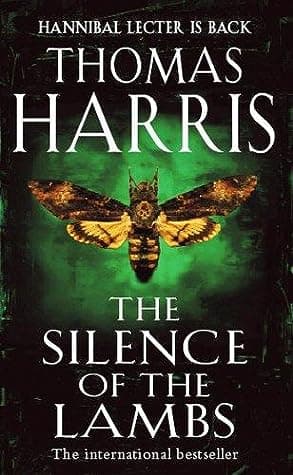
- The Silence of the Lambs
Thomas Harris
4.2 (464k) average on GoodreadsThrillerWhile "Salvation in Death" shares the psychological depth of a serial killer hunt, it differs significantly from "The Silence of the Lambs" in its tone and setting. Harris's novel is grittier, more overtly terrifying, and grounded in a contemporary reality, focusing heavily on psychological profiling and the disturbing interplay between Clarice Starling and Hannibal Lecter. Robb's novel, while dark, incorporates elements of romance and a futuristic backdrop, offering a slightly less visceral horror and a more hopeful resolution due to Eve and Roarke's unwavering bond. Both excel at building suspense, but Robb's world allows for a broader range of emotional tones.
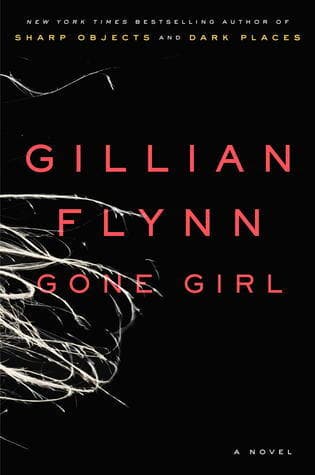
- Gone Girl
Gillian Flynn
4.1 (2.3M) average on GoodreadsThriller"Salvation in Death" and "Gone Girl" both feature complex mysteries and dark psychological undertones, but their narrative structures and focal points diverge. Flynn's novel is a masterclass in unreliable narration and domestic suspense, focusing on the disintegration of a marriage and the manipulation of public perception, with the mystery revolving around 'what happened to Amy?'. Robb's book, in contrast, is a more traditional police procedural, albeit with futuristic elements, where the focus is on Eve's external investigation of a serial killer. While both explore the dark side of human nature, "Gone Girl" is more character-driven and shocking in its twists, whereas "Salvation in Death" prioritizes the methodical unraveling of clues and the established dynamic between its protagonists.
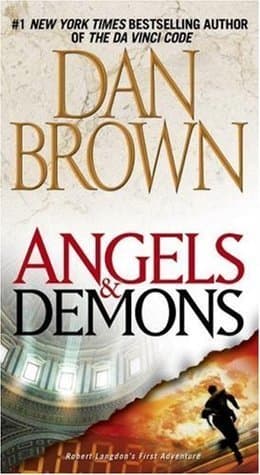
- Angels & Demons
Dan Brown
3.9 (2.7M) average on GoodreadsThrillerA Harvard symbologist races through Rome's ancient sites, deciphering cryptic clues to unmask the Illuminati and stop a vengeful plot to destroy the Vatican with a stolen antimatter weapon.
- The Girl on the Train
Paula Hawkins
3.9 (2.1M) average on GoodreadsThrillerA woman’s fascination with a seemingly perfect couple she watches from her daily train commute leads her into a dark investigation when she witnesses something that shatters their idyllic image.
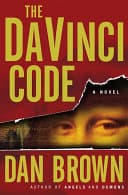
- The Da Vinci Code
Dan Brown
3.9 (1.9M) average on GoodreadsThrillerA symbologist and a cryptologist race through European landmarks, deciphering ancient codes and uncovering a conspiracy that could rewrite the foundations of Christianity.
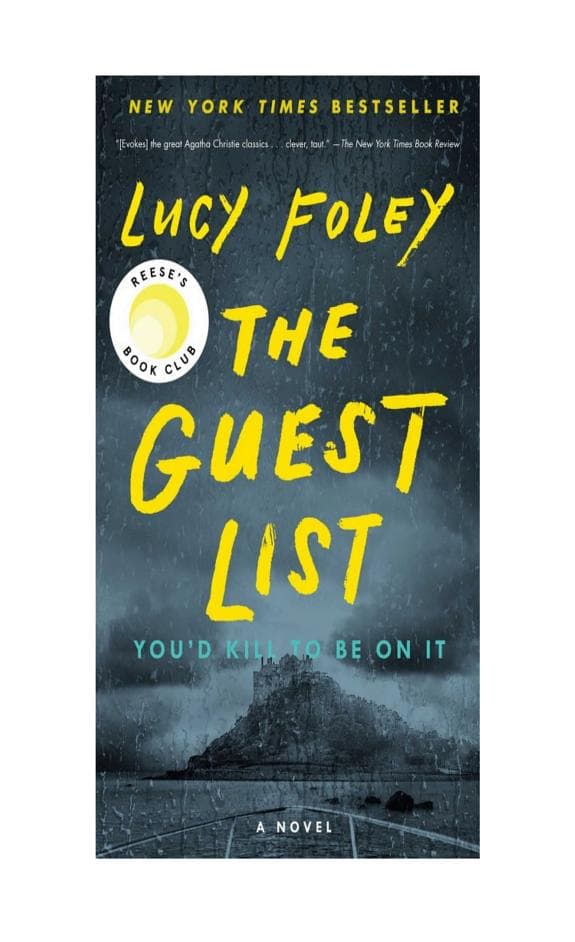
- The Guest List
Lucy Foley
3.8 (1.3M) average on GoodreadsThrillerOn a remote Irish island, a glamorous wedding descends into a deadly whodunnit when a guest is found murdered, trapping everyone with their secrets as a storm rages.

Enjoyed the summary?
A summary gives you the shape of the book. The book itself has the detail, the examples and the voice.
Find Salvation in Death on AmazonAs an Amazon Associate, BookBrief earns from qualifying purchases. How we're funded