
Estimated read time: 9 min read
One Sentence Summary
Teen spy Alex Rider travels to Venice to uncover the truth about his past, only to become entangled with the deadly criminal organization Scorpia, forcing him to choose between loyalty and justice.
Table of Contents
Introduction
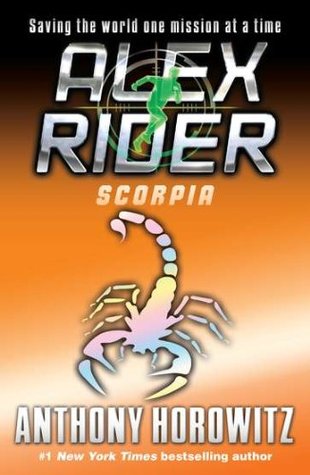
Welcome to the high-octane world of Scorpia by Anthony Horowitz—a pulse-pounding addition to the bestselling Alex Rider series. If you’ve ever wondered what would happen if a teenager were thrust into the dangerous underbelly of international espionage, Scorpia delivers that fantasy with a cocktail of adrenaline, wit, and heartache. This novel isn’t just another spy thriller—it’s a coming-of-age story set against a backdrop of secret organizations, moral ambiguity, and jaw-dropping plot twists.
Published in 2004, Scorpia marks a turning point in the series, catapulting both Alex Rider and readers into murkier, more emotionally charged territory. For college students and lecturers, the book offers more than just entertainment: it raises questions about loyalty, identity, and the costs of war, all wrapped in a narrative as sharp as a stinger.
Historical Context
Anthony Horowitz’s Scorpia is set in the early 2000s, a period marked by post-Cold War anxieties and the rise of international terrorism. The world was still reeling from the events of 9/11, and society was grappling with the blurred lines between good and evil in covert operations. Espionage fiction experienced a renaissance, echoing real-world fears about hidden threats and shadowy organizations.
Horowitz taps into the zeitgeist by introducing Scorpia, a fictional criminal syndicate with roots in real-world crime cartels and intelligence agencies. The book reflects anxieties about surveillance, betrayal, and the ethical ambiguity of government-sanctioned violence, making it relevant to contemporary discussions about security and morality.
Brief Synopsis
Plot Overview
Scorpia follows Alex Rider, a 14-year-old reluctant spy, as he unravels the mystery surrounding his father’s past. After a harrowing mission in Italy, Alex learns that his father may have been involved with a shadowy group called Scorpia. Driven by a desire for truth, Alex’s search plunges him into a world of deception and danger, where his loyalties and very identity are put to the test.
Setting
The action ricochets across Europe, from the sun-drenched canals of Venice to the grimy streets of London. Horowitz’s atmospheric descriptions make every setting feel immersive—readers can practically feel the Venetian humidity or the sterile chill of MI6’s headquarters. The story’s globe-trotting nature underscores the international reach of both Scorpia and MI6, emphasizing that the stakes are truly global.
Main Characters
Let’s get to know the cast that makes Scorpia so compelling:
| Name | Role | Key Traits | Importance to Plot |
|---|---|---|---|
| Alex Rider | Protagonist | Resourceful, courageous, conflicted | Central character; his journey drives the narrative. |
| Mrs. Julia Rothman | Scorpia Leader | Charismatic, manipulative, ruthless | Main antagonist, mentor figure, and tempter to Alex. |
| John Crawley | MI6 Handler | Loyal, secretive, pragmatic | Connects Alex to MI6, represents authority. |
| Mr. Nile | Scorpia Operative | Efficient, enigmatic, cold | Executes Scorpia’s plans, foil to Alex. |
| Alan Blunt | MI6 Director | Calculating, unemotional, shrewd | Embodies MI6’s moral ambiguity. |
| Mrs. Jones | MI6 Deputy | Compassionate, conflicted | Offers a softer counterpoint to Blunt. |
| Yassen Gregorovich | Assassin (in flashbacks) | Mysterious, philosophical | Ties Alex’s past to Scorpia, catalyst for action. |
| Jack Starbright | Alex’s Guardian | Supportive, maternal, strong | Emotional anchor for Alex. |
Plot Summary
1. The Venetian Beginning
Alex Rider, fresh off another perilous mission, is sent to Venice by his school. But this is no vacation—he’s grappling with the cryptic words of Yassen Gregorovich, who hinted that Alex’s father was once part of Scorpia. Driven by the need to uncover the truth, Alex quickly turns tourist excursions into solo investigations, tailing suspicious figures through Venice’s labyrinthine alleys.
Anecdote alert: Imagine being 14, ditching your chaperones, and breaking into a heavily guarded palazzo while gondolas drift by. That’s a typical Alex morning.
2. Meeting Scorpia
Alex’s snooping catches the attention of Scorpia itself. He’s captured and brought before Mrs. Rothman, whose charisma is as chilling as her ambitions. In a twist that’s equal parts emotional and mind-bending, Mrs. Rothman reveals the truth about Alex’s father—he was an agent for Scorpia, not MI6, and was killed by MI6 itself.
Rothman offers Alex a Faustian bargain: join Scorpia and avenge his father, or remain MI6’s pawn. It’s a classic temptation scenario, but with spy gadgets instead of apples.
3. The Crossbow and the Crossroads
Alex, torn between rage and loyalty, undergoes Scorpia’s initiation. He’s trained in their deadly arts and sent on a mission to assassinate Alan Blunt, head of MI6. The tension here is electric: Will Alex cross the line and become the very thing he’s been fighting against?
The mission leads to a heart-pounding confrontation on the River Thames, featuring zip lines, crossbows, and double-crosses galore.
4. The Truth Unveiled
Just as Alex edges toward the point of no return, he uncovers Scorpia’s true plan: “Invisible Sword,” a plot to unleash a biological weapon on London’s schoolchildren. The emotional stakes skyrocket—Alex must decide whether to save his own life or risk everything for strangers.
With time ticking and allies in short supply, Alex races to stop Scorpia’s plan, calling on every ounce of courage and cunning he possesses.
5. The Final Showdown
The climax is a masterclass in suspense. Alex, alone and outmatched, infiltrates Scorpia’s stronghold to disable the Invisible Sword device. The narrative tension is relentless, with betrayals, narrow escapes, and a finale that leaves both Alex and readers breathless.
The ending is bittersweet: Alex survives, but at the cost of his innocence and certainty about right and wrong.
Themes and Motifs
Identity and Loyalty
At its core, Scorpia is a meditation on identity. Alex’s struggle to understand his father’s past and his own allegiances mirrors the journey many young adults face. Who are we, really, when the people we trust betray us? Where do our loyalties lie when the world isn’t black and white?
Moral Ambiguity
Horowitz refuses to offer easy answers. MI6, supposedly the “good guys,” are shown to be ruthless and manipulative, while Scorpia’s villainy is cloaked in the language of justice and revenge. Readers are forced to confront the uncomfortable reality that sometimes, the ends do not justify the means.
Technology and Surveillance
The novel taps into anxieties about surveillance and privacy in the digital age. Gadgets abound, but so do questions about who is watching whom, and at what cost.
Coming of Age
Alex’s journey is as much about growing up as it is about saving the world. He’s forced to make adult decisions, grapple with betrayal, and, ultimately, carve out his own path.
The Cost of Violence
Violence in Scorpia is never glamorous. Every action has consequences, and Alex is left scarred—physically and emotionally—by his adventures.
Literary Techniques and Style
Narrative Structure
Horowitz employs a fast-paced, linear narrative with occasional flashbacks. The story is told through Alex’s perspective, giving readers immediate access to his thoughts, fears, and moral dilemmas.
Symbolism
The scorpion, both the organization’s namesake and its emblem, symbolizes hidden dangers and betrayal. The “Invisible Sword” plot is a metaphor for unseen threats in the modern world.
Realism and Hyperreality
While the action is sometimes over the top, Horowitz grounds it in emotional realism. Alex’s reactions to trauma, loss, and betrayal are authentic, making the stakes feel real even when the gadgets aren’t.
Dialogue and Humor
Witty banter and dry humor pepper the narrative, providing relief from the tension and making the characters feel three-dimensional. Horowitz’s style is accessible but never simplistic, striking a perfect balance for both younger and older readers.
Author’s Background
Anthony Horowitz is a prolific British author, screenwriter, and playwright known for his versatility and creative prowess. Before Scorpia, he penned numerous children’s books, as well as scripts for iconic British TV shows like Foyle’s War and Midsomer Murders.
Horowitz’s writing is shaped by a love of classic spy fiction—think Ian Fleming and John le Carré—but with a modern twist. His impact on young adult literature is immense, popularizing the teenage spy genre and inspiring a new generation of readers and writers.
Other notable works include the Alex Rider series, The Power of Five series, and authorized Sherlock Holmes novels.
Key Takeaways
- Identity is complex: Alex’s journey shows that understanding one’s past is crucial, but it’s the choices we make that define us.
- Moral clarity is elusive: Both MI6 and Scorpia operate in shades of grey, challenging readers to question their assumptions about good and evil.
- Courage has consequences: Heroism isn’t without cost—Alex’s bravery comes with real, lasting scars.
- Loyalty is tested by truth: The people and organizations we trust may not deserve it; true loyalty is earned, not given.
- Technology is double-edged: Gadgets can be lifesaving—or deadly—in the wrong hands.
Reader’s Takeaway
Reading Scorpia is like riding a rollercoaster through a hall of mirrors—just when you think you’ve figured things out, the world flips upside down. For students and educators, the book is a springboard for discussions about ethics, loyalty, and the complexities of growing up in a perilous world.
Emotionally, it’s a gut punch—Alex’s pain, confusion, and determination are palpable. Intellectually, it’s a chess game that challenges readers to think critically about power, trust, and the meaning of heroism.
Conclusion
Scorpia isn’t just another spy novel—it’s a sophisticated, emotionally resonant exploration of identity, morality, and the price of loyalty. Anthony Horowitz masterfully weaves action, intrigue, and introspection into a story that keeps readers guessing—and questioning—until the very last page.
Whether you’re a fan of adrenaline-fueled thrillers, character-driven narratives, or ethical quandaries, Scorpia offers something for everyone. Dive in, and prepare to be stung—in the best possible way.
Scorpia FAQ
What is 'Scorpia' by Anthony Horowitz about?
'Scorpia' is the fifth book in the Alex Rider series. It follows teenage spy Alex Rider as he investigates a criminal organization called Scorpia, hoping to uncover the truth about his past and his father's involvement with the group.
Who is the main character in 'Scorpia'?
The main character is Alex Rider, a fourteen-year-old boy who works as a reluctant spy for MI6.
Do I need to read the previous Alex Rider books before reading 'Scorpia'?
While 'Scorpia' can be read as a standalone, it is recommended to read the previous books in the Alex Rider series to fully understand the characters and backstory.
What themes are explored in 'Scorpia'?
'Scorpia' explores themes such as loyalty, the search for identity, the consequences of choices, and the blurred lines between good and evil.
Is 'Scorpia' appropriate for young readers?
'Scorpia' is generally suitable for readers aged 12 and up, but it does contain action, violence, and some mature themes typical of spy thrillers.
What is Scorpia in the context of the book?
In the novel, Scorpia is a secretive and powerful criminal organization that Alex is sent to investigate, and which has ties to his late father.
Does 'Scorpia' reveal more about Alex Rider’s parents?
Yes, 'Scorpia' delves deeper into Alex's family history, particularly his father's past and his connection to Scorpia.
Is 'Scorpia' being adapted into a movie or TV series?
As of now, 'Scorpia' has not been adapted into a standalone film or TV series, but the Alex Rider series has been adapted into a television show that covers several books.
What is the reading level of 'Scorpia'?
'Scorpia' is aimed at middle-grade and young adult readers, typically suitable for ages 12 and up.
Where does 'Scorpia' fit in the Alex Rider series?
'Scorpia' is the fifth book in the Alex Rider series, following 'Eagle Strike' and preceding 'Ark Angel.'


