

Synopsis
Covers the whole plot, including the ending.
- Difficulty
- Medium
- Pacing
- Moderate
- Mood
- Gritty, Realistic, Hopeful, Tense
- Read it if
- You enjoy realistic YA fiction exploring cultural identity, immigration, gang violence, and overcoming prejudice.
- Skip it if
- You prefer lighthearted stories without intense themes of racism, violence, and cultural displacement.
Shadow of the Dragon Plot Summary
Covers the whole plot, including the ending.
A Divided World and a New Attraction
Sixteen-year-old Danny Vo tries to balance his American high school life in Houston with his family's traditional Vietnamese expectations. He often feels caught between these two cultures. At school, he is a decent student and on the track team. He is increasingly interested in Tiffany Marie, a popular, blond girl. He finally talks to her, and she seems interested, suggesting a new romance. This new relationship, however, brings unexpected problems, as Tiffany's family views are very different from his own.
Sang Le's Arrival and Cultural Shock
The Vo family prepares for the arrival of Danny's cousin, Sang Le, who spent years in a reeducation camp in Vietnam. Sang Le's arrival brings the harsh realities of their family's past. However, Sang Le struggles greatly to adapt to American life. He finds the language barrier crippling, experiences culture shock, and is haunted by his past. He struggles with basic American customs and the fast-paced, individualistic society. This creates tension at home and makes Sang Le feel isolated, despite Danny's efforts to help.
Tiffany's Brother and Racial Tensions
Danny's new relationship with Tiffany Marie turns difficult when he learns her older brother, Doug, is a white supremacist. Doug openly expresses racist views, especially toward Vietnamese people, making it clear he dislikes Tiffany's interest in Danny. This creates a conflict for Danny, who is torn between his feelings for Tiffany and her family's prejudice. He finds himself in increasingly uncomfortable and dangerous situations with Doug and his friends, showing the racial tensions in their community and affecting his personal life.
Sang Le's Desperation and Gang Affiliation
As Sang Le struggles more in America, he faces constant rejection. He fails in school due to language and trauma, and his attempts to find a job are unsuccessful, leaving him feeling worthless and desperate. Looking for acceptance, Sang Le joins a local Vietnamese gang. This group offers him the friendship and perceived power he lacks in society, drawing him into a dangerous world of crime. Danny watches Sang Le's decline and worries for his cousin's safety and future.
Danny's Attempts to Intervene
Seeing Sang Le's growing involvement with the gang, Danny tries repeatedly to intervene and convince his cousin to leave. He reminds Sang Le of their family's hopes and the dangers of his current path. However, Sang Le feels loyal to the gang and finds a sense of belonging there, so he resists Danny's pleas. He sees Danny as naive and unable to understand his situation, creating a rift between them. Danny's efforts are met with frustration and anger as Sang Le becomes more entrenched.
Escalating Conflicts and Doug's Threat
Racial tensions between Doug's white supremacist group and the Vietnamese community grow. Doug and his friends often harass Danny and other Vietnamese students, creating a hostile environment. At the same time, Sang Le's gang activities become more noticeable and dangerous, attracting attention from rival gangs and police. Danny is caught in the middle, facing threats from Doug and worrying about Sang Le's reckless behavior. The lines between his personal life and larger conflicts blur, putting him in danger and forcing him to confront the prejudices around him.
A Violent Confrontation
The tensions lead to a violent conflict. Doug and his white supremacist friends target a Vietnamese community gathering, intending to cause harm. Sang Le and his gang retaliate to protect their territory. Danny is caught in the middle and sees the brutal reality of the violence. This event shows the tragic results of hatred and desperation, forcing Danny to face the extreme dangers his cousin is in and the deep racial divisions in their city. The violence affects everyone involved.
Tiffany's Choice and Doug's Consequences
After the violent conflict, Tiffany Marie confronts her brother's actions. Seeing the hatred and danger, she bravely stands up to Doug, rejecting his racist views and choosing to support Danny. Doug faces legal trouble for his role in the violence, beginning to experience the consequences of his prejudices. This is a turning point for Tiffany, showing her moral strength, even as it strains her family. It also offers hope for Danny about their future.
Sang Le's Realization and Escape Attempt
After the violent clash and seeing the harsh reality of gang life, Sang Le realizes the emptiness and danger of his path. He sees the gang as a trap, not a source of belonging. He tries to leave, but breaking away is very difficult and dangerous. The gang, unwilling to let him go, retaliates, threatening him and his family. Sang Le faces severe consequences for his decision, showing the gang's powerful hold over its members and the risks of trying to escape.
Danny's Desperate Plan to Save Sang Le
Realizing Sang Le is in serious danger, Danny understands his cousin cannot escape the gang alone. He plans a risky rescue, knowing it will require careful execution. This plan involves seeking help from trusted adults, possibly police or community leaders, and using his understanding of both American and Vietnamese cultures. Danny's resolve to save his cousin shows his loyalty and courage, even against overwhelming odds. He fully commits to this dangerous mission.
The Climax and Resolution for Sang Le
Danny's plan to save Sang Le ends in a tense event. This could be a dangerous confrontation, a planned escape, or a critical intervention. Through Danny's courage and strategy, and possibly with others' help, Sang Le finally breaks free from the gang. The immediate danger passes, but Sang Le is left with the scars of his experiences. While not a clean slate, he gets a chance at a new beginning, free from the gang's influence, allowing him to start healing and rebuilding his life.
Reconciliation and Future Hopes
After the difficult events, Danny and Sang Le begin to heal. Their bond, tested by trauma and cultural differences, starts to mend as they process their experiences. Danny, having faced prejudice and personal danger, gains a deeper understanding of both his Vietnamese heritage and his American upbringing. He becomes stronger and more confident in himself. The story ends with hope for both cousins, suggesting Sang Le can integrate into society and Danny finds a clearer sense of self.
Shadow of the Dragon Characters
Danny Vo
Protagonist
A sixteen-year-old Vietnamese-American navigating dual cultures.
Danny is a thoughtful and empathetic high school student caught between his traditional Vietnamese family's expectations and his desire to embrace American youth culture. He is intelligent, a member of the track team, and possesses a strong moral compass. He is driven by a desire for acceptance and belonging, both personally and culturally, and fiercely loyal to his family. His internal conflict stems from the pressure to honor his heritage while fitting into his American surroundings, which is exacerbated by his feelings for Tiffany Marie and his cousin Sang Le's struggles.
Relationships: Sang Le (Cousin; initially supportive, later becomes protective and determined to save him.); Tiffany Marie (Romantic interest; their relationship is complicated by racial prejudice.); Doug (Tiffany's brother; antagonist due to his white supremacist views.)
Sang Le
Supporting/Deuteragonist
Danny's cousin, a traumatized refugee from Vietnam who joins a gang.
Sang Le is Danny's cousin, a young man profoundly scarred by his experiences in a Vietnamese reeducation camp. He arrives in America deeply traumatized, struggling with culture shock, the language barrier, and a profound sense of displacement and worthlessness. He is desperate for belonging and respect, which makes him vulnerable to the allure of a Vietnamese gang. His desperation and past trauma drive his actions, leading him down a dangerous path. He is initially defensive and resentful of Danny's attempts to help, feeling misunderstood and alone.
Relationships: Danny Vo (Cousin; initially a source of help, later a target of resentment and ultimately his rescuer.); Vo Family (Family trying to support him, though he feels disconnected from them.)
Tiffany Marie
Supporting
Danny's love interest whose family holds prejudiced views.
Tiffany Marie is a popular, attractive blond girl in Danny's high school. She is initially drawn to Danny, showing an open-mindedness that contrasts sharply with her family's prejudices. She is kind and has a good heart, but she is also somewhat naive about the depth of her brother's racism. As the story progresses, she is forced to confront the ugliness of her family's views and make difficult choices about where her loyalties lie. Her character represents the potential for bridging cultural divides, but also the challenges inherent in doing so.
Relationships: Danny Vo (Romantic interest; their relationship is a symbol of hope and challenge.); Doug (Brother; she is initially loyal but later confronts his racist views.)
Doug
Antagonist
Tiffany's older brother and a white supremacist.
Doug is Tiffany Marie's older brother and the primary antagonist representing overt racism. He is a staunch white supremacist who openly expresses his hatred for Vietnamese people and other minorities. His character embodies the prejudice and intolerance that Danny and his community face. He is aggressive, confrontational, and actively seeks to intimidate and harm those he deems 'outsiders.' His actions are driven by deep-seated bigotry and a sense of entitlement, making him a dangerous force in the narrative.
Relationships: Tiffany Marie (Sister; he tries to control her and impose his racist views.); Danny Vo (Target of his racism and violence.)
Danny's Parents (Mr. and Mrs. Vo)
Supporting
Traditional Vietnamese parents trying to instill cultural values.
Mr. and Mrs. Vo are Danny's parents, who hold strong traditional Vietnamese values and expectations for their children. They work hard to provide for their family and maintain their cultural heritage in America. They are loving but also strict, often struggling to understand the nuances of American youth culture and Danny's desire for independence. They are deeply concerned for Sang Le's well-being and the family's honor, and their experiences as immigrants shape their worldview and reactions to events.
Relationships: Danny Vo (Parents; they love him but struggle with cultural differences and expectations.); Sang Le (Aunt/Uncle; they offer him a home and try to help him adapt, often with frustration.)
The Vietnamese Gang Leader
Mentioned/Antagonist
The leader of the gang that recruits Sang Le.
The unnamed leader of the Vietnamese gang represents the dangerous allure and harsh reality of gang life. This character embodies the manipulative power that preys on vulnerable individuals like Sang Le, offering a false sense of belonging and power. He is ruthless and controlling, ensuring that once a member joins, leaving is extremely difficult and often met with violent retribution. His actions drive much of the conflict surrounding Sang Le's storyline.
Relationships: Sang Le (Gang leader/member; he exploits Sang Le's vulnerability.)
Shadow of the Dragon Themes
Cultural Identity and Assimilation
The novel explores the difficulties of having a bicultural identity, especially for first and second-generation immigrants. Danny often feels torn between his Vietnamese heritage and his American upbringing, trying to balance family expectations with his desire to fit in at school. Sang Le's inability to adapt due to trauma and culture shock shows the extreme difficulties some immigrants face. The story suggests that identity comes from integrating both cultures, as Danny ultimately tries to do.
“Sometimes I felt like I was living two different lives, one at home and one at school. It was like I was two different people.”
Prejudice and Racism
Prejudice and racism against Vietnamese immigrants in America are central themes. Doug, Tiffany's brother, embodies open white supremacy, creating direct conflict and danger for Danny. The novel shows how prejudice appears in many forms, from subtle insults to violence. It forces characters like Tiffany to confront their own biases or those of loved ones. For Danny, it is a constant threat that affects his relationships and safety. The story shows the devastating impact of racial hatred on people and communities.
“He hated all gooks, he said. And that meant me, too, no matter how American I felt.”
Family Loyalty vs. Personal Desires
The conflict between family duty and personal goals is a recurring idea. Danny feels pressure to uphold his family's honor and care for Sang Le, often sacrificing his own desires, like his relationship with Tiffany. Sang Le's choices are also shaped by a desperate need for belonging, which he first finds outside his family. The novel examines the sacrifices made for family, the sometimes stifling nature of tradition, and the strength from family bonds, especially when Danny risks everything to save his cousin.
“How could I turn my back on family, even if he was making all the wrong choices?”
The Allure and Danger of Gang Life
The novel clearly shows the false appeal and real dangers of gang involvement. For Sang Le, the gang offers a false sense of belonging, power, and respect he cannot find elsewhere. It preys on his vulnerability, trauma, and desperation. The story details recruitment, demanded loyalty, and violent revenge for those who try to leave. It warns about the destructive path of crime and highlights the desperate situations that can lead young people to join gangs.
“They told me they were my family now. They promised me respect.”
Trauma and Resilience
Sang Le's character explores the lasting effects of trauma, specifically from his experiences in a reeducation camp. His difficulties adapting to American life, his nightmares, and his emotional detachment are all signs of his past. The novel also shows resilience, especially through Danny, who, despite prejudice and danger, shows a strong spirit to protect his family and form his own identity. It suggests that while trauma leaves deep scars, people have a great capacity for healing and moving forward.
“The past clung to him like a shadow, no matter how far he ran.”
Plot Devices & Literary Techniques
Culture Clash
The friction between Vietnamese traditions and American modernity.
This device is central to the narrative, creating internal and external conflicts for Danny and Sang Le. It manifests in everyday interactions, family expectations, and societal norms. For Danny, it's the struggle to reconcile his parents' strict customs with his desire for typical American teenage experiences. For Sang Le, it's the overwhelming sensory and social shock of a completely foreign culture after years of trauma. This clash drives misunderstandings, isolation, and ultimately, the choices characters make, highlighting the difficulties of cultural integration and the search for identity.
Foil Characters
Characters who highlight each other's traits through contrast.
Danny and Sang Le serve as effective foil characters. Danny, having grown up in America, is relatively assimilated, though still navigating his dual identity. Sang Le, fresh from Vietnam and deeply traumatized, struggles profoundly with assimilation and falls into gang life. This contrast highlights the different paths and challenges faced by Vietnamese immigrants depending on their background and experiences. Similarly, Tiffany acts as a foil to Doug, showcasing how individuals from the same family can hold vastly different moral stances regarding race and acceptance, emphasizing the power of individual choice.
Symbolism of the 'Shadow of the Dragon'
The dragon symbolizes both heritage and lingering danger.
The 'shadow of the dragon' in the title symbolizes multiple aspects. It can represent the lingering influence of Vietnamese heritage and the past (the 'dragon' often being a revered symbol in Vietnamese culture), particularly the trauma Sang Le carries from Vietnam. It also represents the pervasive and threatening 'shadow' of gang violence and racial prejudice that looms over Danny and his community. The dragon, in this context, embodies both the weight of history and the dangerous forces at play, suggesting that these powerful elements cast a long, inescapable shadow over the characters' lives.
Impending Doom
A sense of inevitable danger or disaster building throughout the story.
From the moment Sang Le joins the gang and Doug's racist threats escalate, the narrative builds a palpable sense of impending doom. The reader is aware that a violent confrontation is likely, and Sang Le's involvement with the gang is a ticking time bomb. This device creates suspense and tension, driving the plot forward as Danny desperately tries to avert disaster. It highlights the high stakes of the characters' choices and the very real dangers they face, making the eventual climax feel both inevitable and terrifying.
Shadow of the Dragon Quotes
“It was a strange feeling, being an American inside a Vietnamese body. Like two separate people living in the same house.”
“The past, like a shadow, always followed, no matter how fast you ran.”
“Sometimes, the hardest thing to do was to forgive yourself.”
“America was supposed to be the land of new beginnings, but for his father, it was just a continuation of the old war.”
“Silence could be louder than any shout, especially when it was filled with unspoken words.”
“He knew what it was like to be an outsider looking in, even in his own home.”
“The smell of pho always brought him back, whether he wanted it to or not.”
“Sometimes you had to break things to put them back together in a better way.”
“The war wasn't just in Vietnam; it was in their living room, in their eyes, in their silence.”
“Being strong didn't mean you didn't feel pain. It meant you kept going despite it.”
“He was learning that some stories weren't meant to be told, but lived.”
“The future was a blurry picture, but for the first time, he felt like he was holding the camera.”
“You couldn't truly understand where you were going until you understood where you came from.”
“Home wasn't just a place; it was the people who were there, the stories they shared, and the silences they understood.”
Quiz
10 questions on the plot and the characters. Each answer comes with a short explanation.
Question 1
What is the name of the beautiful blond girl Danny Vo is interested in?
- Stephanie
- Tiffany Marie
- Brenda Lee
- Shelly Ann
Show answer
B. Tiffany Marie Danny Vo is finally noticed by Tiffany Marie, setting off a central conflict due to her brother's beliefs.
Question 2
Where does Danny Vo live?
- Los Angeles
- Seattle
- Houston
- New Orleans
Show answer
C. Houston The story explicitly states that Danny is enmeshed in his Houston high school life.
Question 3
What is the primary reason Sang Le comes to live with Danny's family?
- To attend a prestigious American university
- He spent years in a reeducation camp in Vietnam
- His parents sent him to live with relatives for a better life
- He was visiting for a short vacation and decided to stay
Show answer
B. He spent years in a reeducation camp in Vietnam Sang Le's difficult past in a Vietnamese reeducation camp is the direct cause of him moving in with Danny's family.
Question 4
What significant detail about Tiffany Marie's family complicates Danny's interest in her?
- Her family is extremely wealthy and looks down on Danny's family.
- Her brother is a white supremacist.
- She is secretly engaged to someone else.
- Her family owns the business where Danny's father works.
Show answer
B. Her brother is a white supremacist. The fact that Tiffany Marie's brother is a white supremacist creates a major conflict for Danny, given his Vietnamese heritage.
Question 5
What is the main challenge Sang Le faces that leads him to join a gang?
- He misses Vietnam and wants to return.
- He is failing school and unable to get a job.
- He feels isolated because he doesn't speak English.
- He is pressured by old friends from Vietnam who are already in a gang.
Show answer
B. He is failing school and unable to get a job. Sang Le's struggles with school and unemployment are explicitly stated as the reasons he turns to a Vietnamese gang.
Question 6
What is Danny's primary goal regarding his cousin Sang Le?
- To help Sang Le find a girlfriend.
- To convince Sang Le to return to Vietnam.
- To help Sang Le escape the Vietnamese gang.
- To encourage Sang Le to embrace his new life in America.
Show answer
C. To help Sang Le escape the Vietnamese gang. Danny is determined to help his cousin escape the gang, highlighting his loyalty and concern.
Question 7
The conflict between Danny's Houston high school life and his Vietnamese home life represents which common young adult literary theme?
- The pursuit of academic excellence.
- The struggle with cultural identity and assimilation.
- The importance of financial stability.
- The dangers of social media.
Show answer
B. The struggle with cultural identity and assimilation. Danny's situation perfectly illustrates the theme of navigating two distinct cultural worlds and finding one's identity within them.
Question 8
How does Sang Le's past experience in a reeducation camp likely affect his adaptation to life in America?
- It makes him overly trusting and naive.
- It provides him with valuable skills for American entrepreneurship.
- It leaves him traumatized and ill-equipped for mainstream society, contributing to his vulnerability to gang recruitment.
- It makes him an expert in Vietnamese history and politics.
Show answer
C. It leaves him traumatized and ill-equipped for mainstream society, contributing to his vulnerability to gang recruitment. Spending years in a reeducation camp would undoubtedly leave deep psychological scars, making it difficult for Sang Le to adapt and making him susceptible to the false sense of belonging offered by a gang.
Question 9
The contrast between Danny's desire for a 'normal' high school romance and the harsh realities of his cousin's gang involvement and racial prejudice highlights which thematic tension?
- The conflict between urban and rural lifestyles.
- The struggle between personal desires and family obligations.
- The advantages of wealth versus poverty.
- The benefits of education versus practical experience.
Show answer
B. The struggle between personal desires and family obligations. Danny's personal romantic aspirations are directly challenged and overshadowed by the serious family and societal issues involving Sang Le and Tiffany Marie's brother, illustrating the tension between personal wants and familial duty.
Question 10
Considering the plot elements, what is a likely significant challenge Danny will face in helping Sang Le escape the gang?
- Finding a new school for Sang Le.
- Convincing Sang Le that the gang is dangerous, and dealing with potential retaliation from the gang.
- Teaching Sang Le how to drive.
- Helping Sang Le learn advanced English vocabulary.
Show answer
B. Convincing Sang Le that the gang is dangerous, and dealing with potential retaliation from the gang. Escaping a gang is rarely simple; it involves not only changing Sang Le's mindset but also confronting the very real dangers and consequences of leaving such an organization.
Shadow of the Dragon FAQ
What is the central conflict Danny Vo faces in 'Shadow of the Dragon'?
Danny Vo is torn between his Americanized high school life, where he is pursuing Tiffany Marie, and his traditional Vietnamese home life, which is complicated by the arrival of his cousin, Sang Le. This duality creates significant internal and external conflict as he navigates cultural expectations and personal desires.
Who is Tiffany Marie and what role does her brother play in the story?
Tiffany Marie is a beautiful blond girl whom sixteen-year-old Danny Vo is trying to impress and date. Her brother is a white supremacist, which introduces a significant racial and social barrier to Danny's budding relationship with Tiffany, creating tension and danger.
Why does Sang Le come to live with Danny's family, and what is his initial struggle?
Sang Le, Danny's cousin, comes to live with the Vo family in Houston after years in a reeducation camp in Vietnam. He struggles to adapt to life in America, failing in school and unable to secure employment, which leads to feelings of alienation and desperation.
What desperate choice does Sang Le make and how does Danny react?
Feeling isolated and unsuccessful, Sang Le joins a Vietnamese gang in Houston. Danny is deeply concerned for his cousin's safety and future, becoming determined to help Sang Le escape the gang's influence before he becomes irrevocably lost.
How does the author use the setting of Houston to highlight cultural clashes?
Houston serves as a melting pot where Vietnamese traditions and American youth culture collide, particularly within Danny's home and school environments. The city's diverse landscape allows for the stark contrast between Danny's family's values and the prevalent American social norms he encounters.
Are there any subtle indications of the Vo family's history or reasons for immigrating that impact Danny?
While not explicitly detailed as a primary plot point, the family's deep-seated cultural values and the immediate impact of Sang Le's reeducation camp experience subtly suggest a history of displacement and trauma from the Vietnam War. This past informs the family's desire for Sang Le's success and Danny's sense of responsibility.
How does Danny's proficiency in English and his cousin's struggle with it create a hidden dynamic?
Danny's fluency in English and his comfort in American society highlight his assimilation, while Sang Le's language barrier and cultural shock emphasize his 'otherness.' This linguistic divide subtly underscores their differing experiences and creates a communication gap that can be frustrating for both, impacting their ability to connect deeply.
Are there any recurring symbols or motifs related to Vietnamese culture that subtly influence the narrative?
The 'Dragon' in the title might symbolize Vietnam's heritage and the powerful, sometimes destructive, forces at play in the characters' lives, subtly representing both cultural pride and the dangers Sang Le faces. Traditional family expectations and the concept of 'saving face' also subtly guide characters' decisions.
How does Danny's internal conflict between his heritage and American identity manifest psychologically?
Psychologically, Danny experiences significant cognitive dissonance, wanting to embrace his American identity and pursue Tiffany while feeling the immense pull of familial duty and cultural loyalty towards Sang Le. This internal struggle causes stress and forces him to constantly re-evaluate his priorities and values.
Analyze Sang Le's psychological state upon arriving in America, considering his past.
Sang Le likely suffers from PTSD and severe cultural shock after his time in a reeducation camp, leading to feelings of helplessness, alienation, and a shattered sense of self-worth. His inability to find success and belonging drives him towards the perceived acceptance and power offered by the gang.
What psychological impact does Tiffany Marie's brother's racism have on Danny?
The overt racism from Tiffany Marie's brother likely triggers feelings of anger, humiliation, and perhaps a reinforced sense of 'otherness' in Danny. It forces him to confront prejudice directly, making him question his place in society and challenging his desire for acceptance from Tiffany's world.
How does the pressure to 'save' Sang Le affect Danny's mental well-being?
The immense pressure to 'save' Sang Le weighs heavily on Danny, creating significant stress, anxiety, and a feeling of overwhelming responsibility. He likely experiences guilt if he feels he's not doing enough, impacting his focus on school and his personal life with Tiffany.
Is Danny's pursuit of Tiffany Marie purely romantic, or does it represent a deeper yearning for acceptance?
While there's certainly a romantic attraction, Danny's pursuit of Tiffany Marie also represents a deeper yearning for acceptance into mainstream American society and a desire to fit in. Her blond hair and popularity symbolize an idealized American life that stands in stark contrast to his family's struggles.
To what extent is Sang Le's choice to join a gang an act of rebellion versus desperation?
Sang Le's decision to join a gang is primarily an act of desperation, driven by his inability to find a legitimate place in society and a sense of powerlessness. However, it also contains elements of rebellion against the traditional family expectations and the societal norms that have failed him.
Does the novel suggest a clear path for assimilation, or does it advocate for maintaining cultural identity?
The novel doesn't offer a singular, clear path, but rather explores the complexities and challenges of both assimilation and cultural preservation. Danny struggles to balance both worlds, suggesting that a successful future might involve integrating aspects of both identities rather than choosing one exclusively.
How does the ending, without giving spoilers, reflect the themes of hope and struggle for the Vietnamese immigrant experience?
The ending likely leaves readers with a nuanced understanding that while challenges persist, there is always hope for growth and change, even if solutions are not always simple. It emphasizes the ongoing struggle for identity, belonging, and redemption within the Vietnamese immigrant experience.
Could Tiffany Marie's character be interpreted as a symbol of the 'American Dream' for Danny?
Yes, Tiffany Marie can certainly be interpreted as a symbol of the 'American Dream' for Danny. Her beauty, popularity, and association with a seemingly carefree American lifestyle represent the ideal he aspires to, contrasting sharply with the complexities of his Vietnamese heritage.
What role does the 'shadow' in the title 'Shadow of the Dragon' play in the overall narrative's interpretation?
The 'shadow' in the title can be interpreted in several ways: the lingering shadow of the Vietnam War and its impact on refugees like Sang Le, the shadow of the gang life threatening Sang Le, or the shadow of cultural expectations that influence Danny. It suggests pervasive, often unseen, influences.
Similar books
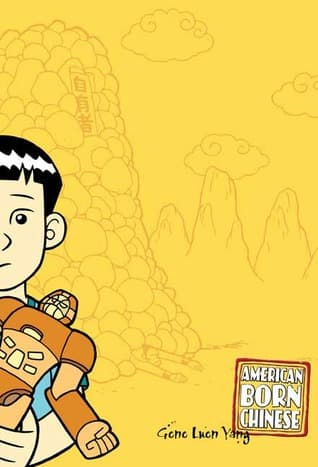
- American Born Chinese
Gene Luen Yang
3.9 (73k) average on GoodreadsFantasyExplores themes of identity, assimilation, and cultural heritage through a graphic novel format.
- The Hate U Give
Angie Thomas
4.5 (504k) average on GoodreadsYoung AdultDeals with racial tensions, social justice, and a protagonist caught between two worlds.
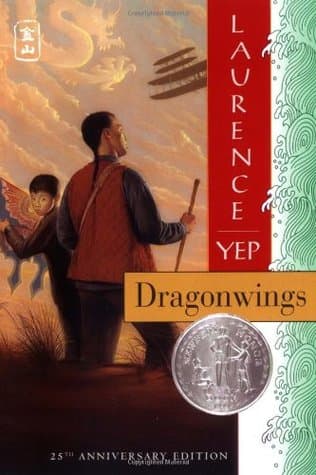
- Dragonwings
Laurence Yep
3.5 (4k) average on GoodreadsChildren'sFocuses on the immigrant experience, cultural challenges, and family bonds in a historical setting.
- Harry Potter and the Sorcerer's Stone
J.K. Rowling
4.5 (7M) average on GoodreadsFantasyRescued from a miserable life under the stairs, an orphaned boy discovers he's a wizard destined for a magical school, where he uncovers a dangerous secret tied to the dark wizard who murdered his parents.
- The Hunger Games
Suzanne Collins
4.3 (6.4M) average on GoodreadsFantasyIn a future where children fight to the death on live television, Katniss Everdeen volunteers for the arena, turning a death sentence into a fight for survival and a spark of rebellion.
- To Kill a Mockingbird
Harper Lee
4.3 (4.5M) average on GoodreadsHistorical FictionIn the 1930s Jim Crow South, Harper Lee writes about racial injustice, moral growth, and the quiet courage of a lawyer father, Atticus Finch, as seen through his young daughter's eyes.




Enjoyed the summary?
A summary gives you the shape of the book. The book itself has the detail, the examples and the voice.
Find Shadow of the Dragon on AmazonAs an Amazon Associate, BookBrief earns from qualifying purchases. How we're funded