
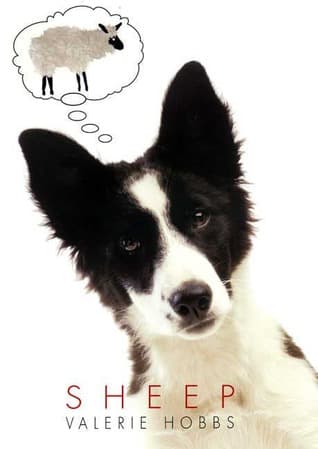
Synopsis
Covers the whole plot, including the ending.
- Difficulty
- Easy
- Pacing
- Moderate
- Mood
- Hopeful, Poignant, Adventurous, Philosophical
- Read it if
- You enjoy heartwarming animal stories with a philosophical touch, focusing on a dog's journey of self-discovery and resilience.
- Skip it if
- You prefer fast-paced action or stories without animal protagonists.
Sheep Plot Summary
Covers the whole plot, including the ending.
The First Lesson
A young Border Collie puppy, called 'Pup' by his mother, is born on a farm. Early on, he shows a strong instinct for herding. His mother, an experienced sheepdog, starts his training by gently showing him his role. He feels a powerful excitement and a deep sense of belonging as he learns to move the sheep, at first with his mother watching closely. This early time sets his identity and future goal, confirming what it means to be a working sheepdog.
A Sudden Departure
One day, a man comes to the farm and takes Pup from his mother and siblings. Pup is confused and scared, not understanding why he is being removed from his home and family. He is put in a small, dark crate and driven away, the familiar sights and smells of the farm quickly fading. This hard separation marks the end of his innocent puppyhood and the start of his lonely journey, making him face an unknown world without his family's comfort and guidance.
Life with the Goat Man
Pup is bought by an old, kind man known as the Goat Man, who renames him Shep. The Goat Man lives a simple, isolated life and needs Shep to help manage his small herd of goats. Shep, despite missing his first family and the sheep, learns to herd goats, finding a new purpose and a temporary home. He learns to appreciate the Goat Man's gentle way and the quiet rhythm of their life, even though goats are not as challenging to herd as sheep.
A New Name and a New Challenge
The Goat Man, feeling old, gives Shep to a young, energetic boy named Hollerin and his family. Hollerin renames him Spot. Life with Hollerin is very different from the quiet time with the Goat Man. Hollerin's family is large and loud, and Spot experiences the busy household's chaos and affection. While he enjoys the attention and open spaces, he struggles with the lack of clear purpose and his main herding instinct not being used, longing for the structured work he once knew.
The Circus Performer
Hollerin's family, facing money problems, sells Spot to a circus man named Billy. Billy renames him Sparky and trains him harshly, using a whip to make him do tricks. Sparky's life becomes one of fear and confusion, as he is denied his natural instincts and treated cruelly. He dreams of his past life herding sheep and wishes for freedom from the circus tent and Billy's abusive hands, his spirit slowly fading under the constant pressure.
Escape from the Circus
During a very messy circus show, Sparky finds a chance and makes a daring escape. He runs as fast as he can, leaving behind the bright lights, loud noises, and the constant threat of Billy's whip. The escape is a desperate act to save himself, driven by his natural wish for freedom and a return to a life where he can be a real sheepdog. He faces the unknown outside world, but the promise of freedom outweighs any fear.
The Road and the Search
After escaping, Sparky travels without a plan, surviving by his wits and the kindness of strangers. He meets dangers, like busy roads and other aggressive animals, and moments of unexpected generosity, such as food scraps from kind people. He is always searching, driven by a vague but strong memory of sheep and the farm. During this time, he is often called by temporary names like Blackie, showing his unsettled life and lack of a true home.
A Glimpse of Home
Sparky eventually finds a farm with many sheep. His herding instincts immediately return, and he feels a surge of hope and familiarity. He tries to herd them, but he is an outsider, and the farm's sheepdogs see him with suspicion. He realizes this is not his original home, and while seeing the sheep is comforting, he is still alone and without a place among them. This meeting strengthens his longing for his true family and purpose.
The Shepherd and the New Beginning
Tired and hungry, Sparky is found by an old, wise shepherd named Silas. Silas watches Sparky's natural herding skills and his gentle yet determined nature. He senses the dog's lost past and his deep wish to work with sheep. Silas, seeing the dog's true spirit, offers him a home and a chance to fulfill his destiny. He calls him 'Dog,' a simple but meaningful name that shows his acceptance and belonging.
Finding His True Name
Under Silas's patient guidance, Dog thrives. He quickly re-learns and improves his herding skills, working alongside Silas and his other sheepdogs. He feels a deep sense of belonging and purpose, the first true home he has known since leaving his birth family. Silas eventually gives him the name 'Shepherd,' a name that covers his journey, his natural talent, and his final destiny. Shepherd finally understands his true identity and finds peace and fulfillment in his life as a working sheepdog.
Principal Figures
Shepherd (formerly Pup, Shep, Spot, Sparky, Blackie, Dog)
Protagonist
A Border Collie puppy on a quest for home and purpose.
Shepherd is a highly intelligent and sensitive Border Collie, born with a powerful instinct for herding. He is philosophical and hopeful, despite enduring significant hardship and multiple traumatic separations from those he cares for. His core drive is to find a place where he can fulfill his inherent purpose as a sheepdog and experience the deep connection of a loving home. He remembers his early training vividly and carries the dream of herding sheep throughout his journey.
Relationships: His Mother (First teacher and source of comfort); The Goat Man (Temporary, kind owner); Hollerin (Boy owner, affectionate but eventually sells him); Billy (Cruel circus master); Silas (Wise shepherd and ultimate rescuer/owner)
His Mother
Supporting
Shepherd's first teacher and a symbol of his lost home.
Shepherd's mother is an experienced and loving Border Collie who introduces him to the world of herding. She is patient and nurturing, instilling in him the fundamental skills and the profound joy of working with sheep. Her presence represents the idyllic, secure beginning of Shepherd's life, and her memory serves as a guiding light and a source of longing throughout his subsequent adventures. Her early lessons shape his understanding of his identity.
Relationships: Shepherd (Mother and first trainer)
The Goat Man
Supporting
An old, gentle man who provides temporary refuge.
The Goat Man is an elderly, solitary figure who lives a simple life with his goats. He is kind and quiet, offering Shepherd (then Shep) a temporary home and a chance to use his herding instincts, albeit with goats instead of sheep. He represents a period of calm and safety in Shepherd's tumultuous journey, teaching him that not all humans are cruel. His decision to give Shep away, though sad, is born from his declining health.
Relationships: Shepherd (Caretaker and temporary owner)
Hollerin
Supporting
A boisterous boy who briefly owns Shepherd.
Hollerin is a lively and affectionate boy from a large family. He renames Shepherd 'Spot' and provides him with a different kind of home, one filled with activity and less structured work. While Hollerin cares for Spot, he doesn't fully understand the dog's deep-seated need to herd sheep. His family's financial struggles ultimately lead to Spot being sold, a decision that, while not malicious, propels Shepherd into his most harrowing experience.
Relationships: Shepherd (Boy owner, affectionate but eventually sells him)
Billy
Antagonist
The cruel circus man who abuses Shepherd.
Billy is the heartless circus man who buys Shepherd and renames him 'Sparky.' He represents cruelty and the exploitation of animals, using a whip and fear to force Sparky to perform unnatural tricks. Billy has no understanding or respect for Sparky's true nature as a herding dog, viewing him merely as a tool for entertainment. His abuse is the catalyst for Sparky's desperate escape and his most challenging period of survival.
Relationships: Shepherd (Abusive owner)
Silas
Supporting
The wise shepherd who gives Shepherd his true home.
Silas is an old, experienced, and compassionate shepherd. He is patient, observant, and possesses a deep understanding of dogs and sheep. Silas recognizes Shepherd's innate talent and the trauma he has endured, offering him not just a home, but a chance to reclaim his identity and fulfill his purpose. He is the benevolent figure who provides the final piece of Shepherd's journey, guiding him to become the sheepdog he was always meant to be.
Relationships: Shepherd (Wise shepherd and ultimate rescuer/owner)
Themes & Insights
The Search for Identity and Purpose
Shepherd's whole journey is guided by his natural understanding of what he is meant to be: a sheepdog. Even after being taken from his family and forced into different roles (goat herder, pet, circus performer), he never forgets his main identity. His longing for sheep and the structured work of herding is always there, appearing in his dreams and sudden attempts to herd anything he can. This theme shows how a true purpose, once found, cannot be easily forgotten or hidden, as seen when he instinctively tries to herd the wild sheep even after years away.
“He knew, deep in his bones, what he was meant to do. He was a sheepdog.”
The Meaning of Home
For Shepherd, home is not just a place, but a mix of belonging, purpose, and love. He lives in several temporary 'homes' – with the Goat Man, Hollerin, and even the brief stability of the farm with wild sheep – but none truly satisfy his longing. His final home with Silas is important not just because it gives him shelter and food, but because it lets him fully live out his purpose as a sheepdog and be truly understood and valued. This theme explores how a sense of belonging is essential for well-being.
“Home wasn't just a place to sleep; it was a place where he belonged, where he was needed.”
Resilience and Hope in Adversity
Shepherd goes through much hardship, including being separated from family, abuse in the circus, and times of loneliness and hunger. Yet, he never fully loses hope. His clear memories of his mother and the sheep, along with his natural courage, keep him alive and searching. Even in the darkest moments, like his escape from Billy, his actions are driven by a hidden hope for a better life and a return to his true self. This theme highlights the strength of an unbreakable spirit.
“Even in the darkest nights, he carried the memory of woolly backs and the feel of the wind on his face.”
The Human-Animal Bond
The book explores different parts of the human-animal relationship, from the loving guidance of Shepherd's mother to the gentle care of the Goat Man, the casual affection of Hollerin, and the extreme cruelty of Billy. In the end, it is the deep and respectful bond with Silas that helps Shepherd heal and grow. Silas doesn't just feed Shepherd; he understands his nature and provides the right environment for him to fulfill his destiny, showing the powerful effect of a truly caring connection between humans and animals.
“Silas didn't just see a dog; he saw a working heart, a lost spirit.”
Plot Devices & Literary Techniques
Changing Names
Each new owner renames the protagonist, reflecting his shifting identity and transient existence.
Shepherd's repeated renaming (Pup, Shep, Spot, Sparky, Blackie, Dog, Shepherd) serves as a potent symbol of his fragmented identity throughout his journey. Each name marks a different phase of his life and a different relationship, often imposed upon him rather than chosen. The final name, 'Shepherd,' given by Silas, signifies his true self and his ultimate acceptance of his purpose, marking the end of his identity crisis and the beginning of his true belonging.
The Dream of Sheep
A recurring mental image of herding sheep that drives the protagonist.
Throughout his travels and various difficult circumstances, Shepherd holds onto a vivid, recurring dream or memory of herding sheep. This internal imagery acts as a constant reminder of his true purpose and the life he longs for. It fuels his hope and provides him with the motivation to keep searching, even when his physical reality is far removed from his ideal. It's an internal compass guiding him back to his destiny.
The Journey as Metaphor
The protagonist's physical journey mirrors his internal quest for self-discovery.
Shepherd's physical journey, moving from farm to farm, through the circus, and across open roads, directly parallels his internal quest for identity and belonging. Each new location and interaction teaches him something about the world and himself. The hardships he faces on the road strengthen his resilience, and the diverse characters he meets shape his understanding of humanity, ultimately leading him to the 'home' where his internal and external worlds align.
Sheep Quotes
“He knew, with the certainty of instinct, that the world was far larger than the pasture, and that there were things in it he had not yet seen.”
“The wind carried the scent of something wild, something that prickled his nose and made his heart beat a little faster.”
“A good shepherd knows his sheep, and a good sheep knows his shepherd.”
“Sometimes, the bravest thing you can do is to ask for help.”
“The world outside was a place of endless possibilities, and also endless dangers.”
“Even the smallest among us can make a difference.”
“He learned that courage wasn't the absence of fear, but the decision to act in spite of it.”
“The language of the land was written in the rustle of leaves and the murmur of the stream.”
“Home wasn't just a place; it was the feeling of belonging, of being safe among those you loved.”
“Every journey begins with a single step, even if that step is over a fence.”
“The most valuable lessons are often learned when you are lost.”
“He found that even in the darkest moments, there was always a flicker of hope, if you only looked for it.”
“The world was full of stories, and he was just beginning to write his own.”
Quiz
10 questions on the plot and the characters. Each answer comes with a short explanation.
Question 1
What is the initial name given to the puppy by his original family before his life is turned upside down?
- Shep
- Spot
- The book does not specify an initial name.
- Blackie
Show answer
C. The book does not specify an initial name. The book mentions names he is given later (Blackie, Shep, Spot, Sparky), but it does not specify an initial name given by his original family.
Question 2
What kind of dog is the protagonist, known for being a 'finest sheepherder'?
- German Shepherd
- Golden Retriever
- Border Collie
- Australian Shepherd
Show answer
C. Border Collie The description explicitly states he is learning what it means to be one of the 'proud breed of Border collies, the finest sheepherders in the world.'
Question 3
Which human character gives the dog the name 'Sparky'?
- The Goat Man
- Hollerin
- Billy the circus man
- The unnamed original owner
Show answer
C. Billy the circus man The text states, 'There's one name that threatens to forever haunt him - Sparky, the name Billy the circus man calls him when he reaches for the whip.'
Question 4
What is the primary motivation driving the dog's journey after his life is 'turned upside down'?
- To escape from the circus man, Billy.
- To find a new herd of sheep to guard.
- To search for the life he once knew and a sense of home.
- To gather as many new names as possible.
Show answer
C. To search for the life he once knew and a sense of home. The synopsis states, 'he searches for the life he once knew, gathering names and adventures as he goes,' indicating his core quest is for his past life and a sense of belonging.
Question 5
How does the dog initially feel when surrounded by sheep, before his life changes?
- Bored and restless.
- Scared and excited.
- Calm and content.
- Confused and disoriented.
Show answer
B. Scared and excited. The text explicitly says, 'The puppy had never been so scared or so excited in his life' when the sheep closed in around him.
Question 6
What does the phrase 'gathering names and adventures as he goes' signify about the dog's journey?
- He is collecting nicknames from different people he meets.
- He experiences various encounters and identities during his search for home.
- He is literally collecting physical name tags from people.
- He is trying to remember his original name by trying out new ones.
Show answer
B. He experiences various encounters and identities during his search for home. The text lists different names he is called by different people ('Blackie', 'Shep', 'Spot', 'Sparky'), indicating he takes on various identities and experiences during his travels.
Question 7
Which of the following traits is NOT used to describe the dog's character by the author?
- Clever
- Philosophical
- Pessimistic
- Hopeful
Show answer
C. Pessimistic The author describes the dog as 'clever, philosophical, and hopeful,' but not pessimistic.
Question 8
What is the implied central theme of the story, based on the dog's journey and search?
- The importance of physical strength and survival skills.
- The transient nature of all relationships.
- The universal search for belonging, identity, and a place to call home.
- The inherent danger of humans to animals.
Show answer
C. The universal search for belonging, identity, and a place to call home. The entire synopsis revolves around the dog losing his home and family, taking on different identities, and ultimately searching for 'the life he once knew' and a name that 'finally makes him feel at home,' strongly pointing to themes of belonging and identity.
Question 9
The description states the dog finds himself in 'a series of strange places, with no sheep, his family gone.' What does the absence of sheep specifically represent for the Border Collie protagonist?
- A lack of food and sustenance.
- The loss of his inherent purpose and a key part of his identity.
- A fear of open, unpopulated spaces.
- An opportunity to learn new skills unrelated to herding.
Show answer
B. The loss of his inherent purpose and a key part of his identity. As a 'finest sheepherder,' sheep are central to the Border Collie's purpose and identity. Their absence signifies a profound loss of his natural role and calling.
Question 10
What literary device is primarily used by the author to explore the dog's internal world, as suggested by the phrase 'delving into the mind of a clever, philosophical, and hopeful dog'?
- Omniscient narration with a focus on external actions.
- First-person narration from the perspective of a human owner.
- Anthropomorphism and a strong focus on the dog's thoughts and feelings.
- Minimalist dialogue and objective description.
Show answer
C. Anthropomorphism and a strong focus on the dog's thoughts and feelings. The phrase 'delving into the mind of a clever, philosophical, and hopeful dog' strongly implies the author attributes human-like thoughts and complex emotions to the dog, which is the essence of anthropomorphism, allowing readers to understand his internal world.
Sheep FAQ
What is the central premise of 'Sheep' by Valerie Hobbs?
'Sheep' follows the journey of a young Border collie puppy, initially living a fulfilling life as a sheepherder. His world is abruptly upended when he is separated from his family and the sheep, forcing him to embark on a quest to find a new home and rediscover his purpose, collecting various names and experiences along the way.
Who is the main protagonist of the story, and what are some of the names he is given?
The main protagonist is an unnamed Border collie puppy at the beginning of the story. Throughout his journey, he is given multiple names by different people he encounters, including Blackie, Shep (by the Goat Man), Spot (by Hollerin), and Sparky (by Billy the circus man). His quest ultimately leads him to a name that brings him a sense of belonging.
What initial event dramatically changes the puppy's life?
The puppy's life is turned upside down almost overnight when he finds himself in strange places, separated from his sheep and his family. The narrative implies a sudden, unexplained displacement from his familiar sheepherding environment, forcing him into an unfamiliar and challenging world.
Who is Billy, and what is his significance to the protagonist's journey?
Billy is the circus man who calls the protagonist 'Sparky' and uses a whip, representing a period of hardship and fear for the dog. This encounter marks a significant low point in the puppy's journey, highlighting themes of abuse and the loss of freedom before he can find a true home.
What does the phrase 'gathering names and adventures as he goes' signify for the puppy?
This phrase signifies the puppy's evolving identity and the transformative nature of his experiences. Each name represents a different phase and set of challenges in his life, while the adventures are the trials and lessons he learns on his path to self-discovery and finding a sense of belonging.
How does the author use the different names given to the puppy to reflect his shifting circumstances and identity?
The various names (Blackie, Shep, Spot, Sparky) are not just labels but symbolize the puppy's changing roles, environments, and the perceptions of the people he meets. 'Sparky' under Billy, for instance, reflects a period of fear and forced performance, contrasting sharply with the name that eventually makes him feel at home.
What is the implied significance of the 'woolley blanket' description of the sheep at the beginning of the book?
The 'woolly blanket' description suggests comfort, security, and the natural order of the puppy's early life as a sheepherder, even amidst the excitement of learning. It subtly foreshadows the profound loss he experiences when separated from this comforting environment, emphasizing his initial sense of belonging.
Are there any subtle hints about the cause of the puppy's separation from his original home?
The text states his life is 'turned upside down' almost overnight, with 'no sheep, his family gone.' This suggests a sudden, possibly involuntary, displacement rather than a deliberate departure. The lack of explicit detail allows readers to infer various possibilities, from an accident to being lost or abandoned, emphasizing the puppy's disorientation.
What does the puppy's innate 'courage' and 'dream' symbolize in the context of his journey?
His innate courage symbolizes his resilience and will to survive despite adversity, while his 'dream' represents his unwavering hope and determination to return to a life of purpose and belonging, specifically hinting at his sheepherding heritage. These traits are his primary tools for navigating a world without his original family.
How does the experience with Billy and the name 'Sparky' psychologically impact the protagonist?
The experience with Billy, characterized by the whip and the name 'Sparky,' likely instills deep fear and a sense of being controlled, threatening to break his spirit. This period represents a significant psychological challenge, forcing him to confront cruelty and potentially diminishing his self-worth before he can reclaim it.
In what ways does the puppy's philosophical nature manifest during his adventures?
The puppy's philosophical nature is likely shown through his internal monologues, observations about the world, and reflections on his experiences and identity. He probably ponders his purpose, the meaning of home, and the nature of the various human and animal interactions he encounters, seeking understanding beyond mere survival.
How does the protagonist's 'hopeful' nature contribute to his survival and ultimate success?
His hopeful nature is crucial for his survival, preventing him from succumbing to despair despite numerous setbacks and difficult circumstances. This inherent optimism fuels his continuous search for a better life and a true home, driving him forward even when faced with loneliness or mistreatment.
What is the deeper meaning behind the puppy's search for a 'home' rather than just 'shelter'?
The search for 'home' transcends mere physical shelter; it represents a quest for belonging, purpose, and a community where he is valued and understood. It signifies a desire for emotional security, a stable identity, and the ability to fulfill his inherent Border collie instincts, which shelter alone cannot provide.
How does the author use the perspective of a 'clever, philosophical, and hopeful dog' to explore universal themes?
By delving into the mind of a dog, the author uses an innocent, unjaded perspective to explore universal themes such as identity, displacement, resilience, and the search for belonging. The dog's sensory experiences and intuitive understanding allow for a unique, relatable, and often poignant commentary on the human-animal bond and the challenges of life.
What does the final name the puppy receives symbolize for his journey and character development?
The final name, which finally makes him 'feel at home,' symbolizes the culmination of his arduous journey, representing acceptance, belonging, and the full realization of his identity. It signifies that he has found a place where he is loved and can truly be himself, bringing closure and fulfillment to his quest.
Is the book primarily an allegory for human experiences of displacement and identity?
While it's a children's/YA fantasy, the book can certainly be interpreted allegorically. The puppy's journey of being lost, given multiple identities by others, and searching for a place to belong strongly mirrors human experiences of immigration, self-discovery, and the quest for community and purpose, making it resonate on multiple levels.
How does the puppy's breed, Border collie, specifically influence his character and motivations?
Being a Border collie inherently instills in him a strong instinct for herding and a need for purpose and work, which are central to his identity. This breed-specific trait fuels his 'dream' and his persistent search for a life where he can utilize his natural abilities, making his displacement even more profound.
What role do the various human characters (Goat Man, Hollerin, Billy) play in the puppy's development?
Each human character represents a different facet of the world and a different kind of human-animal relationship. The Goat Man and Hollerin offer temporary refuge and different perspectives on life, while Billy represents exploitation and cruelty. These diverse encounters shape the puppy's understanding of trust, danger, and the varying definitions of 'home.'
Similar books
- The Art of Racing in the Rain
Garth Stein
4.2 (452k) average on GoodreadsFictionNarrated by a dog, exploring life's lessons and the human-animal bond.
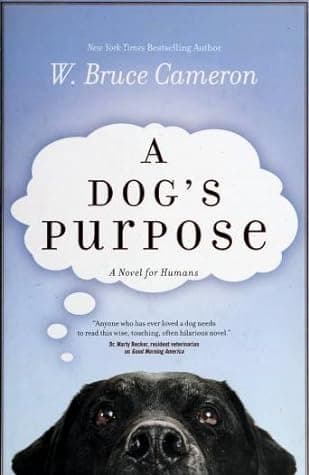
- A Dog's Purpose
W. Bruce Cameron
4.3 (114k) average on GoodreadsFantasyFollows a dog's journey through multiple lives, searching for meaning and purpose.
- Watership Down
Richard Adams
4.1 (434k) average on GoodreadsFantasyCompared to Watership Down, Sheep offers a much gentler, less epic scope, focusing on an individual's internal journey rather than complex societal structures, mythology, and political struggles. Adams's work is more extensive in its world-building and character development within the animal community.
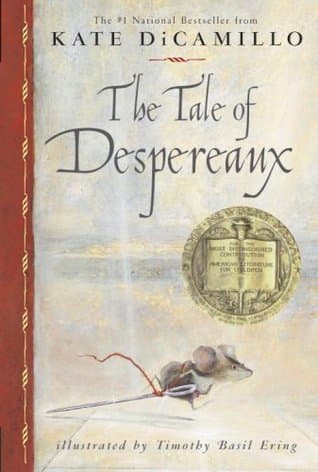
- The Tale of Despereaux
Kate DiCamillo
4.0 (162k) average on GoodreadsFantasyWhile both explore themes of bravery and destiny through an animal protagonist, The Tale of Despereaux employs a more intricate narrative structure, a wider array of human characters with significant backstories, and a richer, more fantastical world. Sheep maintains a more direct, almost allegorical simplicity.
- Harry Potter and the Sorcerer's Stone
J.K. Rowling
4.5 (7M) average on GoodreadsFantasyRescued from a miserable life under the stairs, an orphaned boy discovers he's a wizard destined for a magical school, where he uncovers a dangerous secret tied to the dark wizard who murdered his parents.
- The Hunger Games
Suzanne Collins
4.3 (6.4M) average on GoodreadsFantasyIn a future where children fight to the death on live television, Katniss Everdeen volunteers for the arena, turning a death sentence into a fight for survival and a spark of rebellion.




Enjoyed the summary?
A summary gives you the shape of the book. The book itself has the detail, the examples and the voice.
Find Sheep on AmazonAs an Amazon Associate, BookBrief earns from qualifying purchases. How we're funded