

Synopsis
Covers the whole plot, including the ending.
- Difficulty
- Easy
- Pacing
- Moderate
- Mood
- Whimsical, Adventurous, Heartwarming, Melancholy
- Read it if
- You enjoy whimsical fables about bravery, forgiveness, and the power of love, with a touch of darkness and adventure, suitable for all ages.
- Skip it if
- You prefer realistic fiction or stories without anthropomorphic animals and clear moral lessons.
The Tale of Despereaux Plot Summary
Covers the whole plot, including the ending.
The Unusual Birth and Early Life of Despereaux Tilling
Despereaux Tilling is born into the Tilling family, a tiny, sickly mouse, the only one to survive from his litter. Unlike other mice, Despereaux is born with his eyes open and a curious heart, not a fearful one. He does not hide; instead, he likes light, sound, and stories. While his siblings, Furlough and Merlot, learn mouse traditions, Despereaux is drawn to the forbidden human world. He prefers to read books in the castle library, enjoying tales of knights and princesses, which upsets his family, especially his father, Lester, and his mother, Antoinette.
Despereaux's Encounter with Princess Pea
One day, Despereaux follows music into the royal dining hall and sees Princess Pea, the King's daughter. He is instantly taken by her beauty and the music. When the King plays a sad song, Despereaux is so moved that he breaks all mouse rules: he comes out of hiding and speaks directly to Princess Pea, saying he likes the music. This act of talking to a human is an unforgivable offense in the mouse world, a direct violation of their most important rule, which forbids any interaction with humans, especially royalty.
Despereaux's Banishment to the Dungeon
Despereaux's action is quickly discovered. His brother, Furlough, reports him to their father, Lester, who, as Head of the Mouse Council, must oversee Despereaux's trial. Despite Despereaux's defense and his declaration of love for Princess Pea, the Mouse Council, led by the strict Grandmother, condemns him. Their sentence is banishment to the castle dungeon, a place of horror and darkness, where rats will eat him. Lester, though sad, does his duty, dropping his son into the terrifying abyss.
The Story of Roscuro, the Rat
Meanwhile, the story moves to Roscuro, a rat born in the dungeon's darkness but with a fascination for light. One day, drawn by the smell of soup, Roscuro climbs out of the dungeon and ends up in the royal banquet hall. He accidentally lands in Queen Rosemary's soup, causing her to shriek and die of shock. The King, devastated by his wife's death, bans soup, all spoons, and plunges the castle into gloom. Roscuro, having seen the light and then caused such darkness, is sent back to the dungeon, where he becomes consumed by bitterness and a desire for revenge against Princess Pea, whom he blames for his return to the darkness.
Roscuro's Encounter with Despereaux
When he arrives in the dungeon, Despereaux meets Botticelli, a large, mean rat who likes to torment new arrivals. However, Despereaux's courage and refusal to hide surprise the rats. While being led to his death, Despereaux meets Roscuro. Roscuro, interested by Despereaux's open eyes and lack of fear, offers him a single kernel of corn and saves him from the other rats for a moment. Despereaux, though scared, feels a strange connection with Roscuro, who seems different from the other dungeon dwellers.
The Story of Miggery Sow
The story introduces Miggery Sow, a simple serving girl sold into servitude by her father for a red tablecloth and cigarettes. Her life has been hard, with frequent hits to her ear, which have left her partially deaf. Miggery dreams of becoming a princess, a desire sparked when she sees Princess Pea pass by. This impossible wish, combined with her naivety, makes her easy to manipulate. She works in the castle, always wishing for a different life, and is often scolded by the head cook, Cook.
Roscuro's Plan and Miggery's Role
Roscuro, driven by revenge, learns of Miggery's wish to be a princess. He appears to her, promising that if she helps him, her wish will come true. Roscuro convinces Miggery that if she takes Princess Pea to the dungeon, she will somehow become a princess. Miggery, desperate and naive, agrees to the plan. She believes that by delivering Princess Pea to the darkness, she will rise to the light and fulfill her dream, not understanding Roscuro's true intentions or the danger she is putting the princess in.
Despereaux's Escape and Meeting with Hovis
Despereaux, instead of being eaten by the rats, escapes them and wanders through the dungeon's dark passages. He eventually finds Gregory, a kind jailer who lives alone in the dungeon. Gregory, a lonely man who values companionship, likes the brave little mouse. He shares his food and listens to Despereaux's stories, offering him protection and friendship. From Gregory, Despereaux learns more about the dungeon's layout and its dangers, preparing him for what is ahead.
The Kidnapping of Princess Pea
Following Roscuro's instructions, Miggery Sow leads Princess Pea into the dungeon. She tells the princess that the King wants to see her, a lie that Pea, innocent and trusting, believes. Miggery then shoves the princess into a dark cell, locking her in. Roscuro appears, celebrating his success and showing his true, vengeful intentions. Princess Pea is terrified and helpless, trapped in the cold, dark depths of the dungeon, at the mercy of the vengeful rat and the misguided serving girl. The kingdom's gloom seems to have consumed its brightest light.
Despereaux's Heroic Journey to Save Pea
Despereaux, learning of Princess Pea's abduction from Gregory, is filled with renewed courage. He realizes this is his chance to be the knight he has always read about in stories. Armed with a sewing needle given to him by Gregory, which he uses like a sword, Despereaux bravely goes into the darkest parts of the dungeon. He moves through the tunnels, driven by his love for Pea and his bravery, ready to confront Roscuro and any dangers between him and the princess.
Confrontation and Resolution in the Dungeon
Despereaux finds Princess Pea and Roscuro. As Roscuro prepares to torment Pea more, Despereaux confronts him. Just as the situation seems bad, Miggery, seeing the princess's distress, changes her mind, realizing her actions were cruel. Despereaux appeals to Roscuro's hidden desire for light and forgiveness. He reminds Roscuro of the beauty of the world above. With help from the jailer Gregory, who arrives with light, Roscuro is overwhelmed by the memory of the light and the queen's kindness. He realizes his mistake and apologizes to Princess Pea, who, in an act of forgiveness, offers him a bowl of soup.
Reconciliation and New Beginnings
Princess Pea and Roscuro return to the surface, and the King, seeing his daughter safe, ends the ban on soup and light. The kingdom slowly starts to heal from its long period of darkness. Miggery Sow is reunited with her father and discovers she is not a princess, but her wish for love and belonging is met. Despereaux, a hero, is allowed to live freely in the castle; everyone recognizes his bravery. Roscuro, no longer vengeful, finds his place in the light, exploring the castle with a new appreciation. All the characters find peace, their lives resolved through courage, forgiveness, and understanding.
The Tale of Despereaux Characters
Despereaux Tilling
Protagonist
A small, brave mouse who loves stories, music, and a princess.
Despereaux is an unusually small and sickly mouse, born with his eyes open and an innate courage that defies his species' nature. He is a romantic at heart, fascinated by light, music, and the tales of knights and princesses found in books. His love for Princess Pea and his refusal to conform to mouse traditions lead to his banishment. He is driven by love, honor, and a deep sense of justice, embodying the classic hero archetype despite his diminutive size. His unwavering spirit allows him to face fear and darkness head-on, ultimately saving the princess.
Relationships: Princess Pea (deep, romantic love and admiration); Lester Tilling (father, initially disapproving but later proud); Furlough Tilling (brother, betrays him to the Mouse Council); Roscuro (initially an adversary, later a redeemed acquaintance); Gregory (mentor and friend in the dungeon)
Princess Pea
Supporting
The kind and beautiful princess, living under a cloud of grief.
Princess Pea is the gentle and compassionate daughter of the King and Queen Rosemary. Following her mother's death and her father's subsequent decree banning soup and joy, she lives in a kingdom shrouded in sadness. She is initially innocent and sheltered, but her experience in the dungeon forces her to confront darkness and despair. Her capacity for forgiveness and her willingness to offer kindness to Roscuro are pivotal to the story's resolution, symbolizing hope and the power of compassion to break cycles of revenge.
Relationships: Despereaux Tilling (recipient of his love and heroism); King Phillip (father, deeply protective but grief-stricken); Queen Rosemary (mother, whose death plunges the kingdom into sorrow); Roscuro (victim of his revenge, later offers him forgiveness); Miggery Sow (initially her kidnapper, later shows her kindness)
Roscuro
Antagonist/Supporting
A rat from the dungeon who desires light but causes darkness.
Roscuro is a rat born in the dungeon but with an unusual appreciation for light, unlike his fellow rats. His accidental fall into the Queen's soup leads to her death and the subsequent banishment of light and joy from the castle. Consumed by guilt, bitterness, and a desire for revenge against Princess Pea, whom he blames for his return to darkness, he orchestrates her kidnapping. His character represents the struggle between good and evil, light and darkness, and the possibility of redemption. He is complex, capable of both malice and a longing for beauty.
Relationships: Princess Pea (object of his revenge, later recipient of her forgiveness); Despereaux Tilling (his primary antagonist, who ultimately helps him find redemption); Miggery Sow (manipulates her into helping his revenge plot); Botticelli (fellow rat, represents the cruel nature of the dungeon rats)
Miggery Sow
Supporting
A simple-minded serving girl with an impossible dream of being a princess.
Miggery Sow is a kindhearted but slow-witted serving girl who was sold into servitude by her father. Repeated blows to her ears have left her partially deaf and prone to misunderstanding. She harbors a deep, almost childlike wish to become a princess, a desire that makes her vulnerable to Roscuro's manipulation. Despite her initial role in Princess Pea's abduction, Miggery is not inherently malicious; she is a victim of circumstance and her own naive longing for a better life. Her story highlights themes of class, dreams, and the impact of neglect.
Relationships: Roscuro (manipulated by him for his revenge); Princess Pea (kidnaps her, but later feels remorse); Cook (her strict employer); Miggery's Father (sold her into servitude, later reunited with her)
Lester Tilling
Supporting
Despereaux's father and head of the Mouse Council.
Lester Tilling is Despereaux's father and the respected, albeit fearful, head of the Mouse Council. He is deeply committed to upholding the strict rules and traditions of mouse society, prioritizing order and safety above all else. Though he loves his son, his duty forces him to condemn Despereaux to the dungeon for breaking mouse code. He represents the conflict between personal affection and societal obligation, and the difficulty of challenging established norms. His internal struggle highlights the fear that governs the mouse world.
Relationships: Despereaux Tilling (father, condemns him but later proud); Antoinette Tilling (wife); Furlough Tilling (son)
Gregory
Supporting
The kindhearted jailer of the castle dungeon.
Gregory is the lonely, elderly jailer of the castle dungeon. He is a kind and philosophical man who, despite his grim surroundings, finds comfort in simple pleasures like his oil lamp and stories. He befriends Despereaux, offering him protection, food, and a listening ear. Gregory provides Despereaux with the crucial weapon (a sewing needle) and guidance needed for his quest. He represents the unexpected pockets of humanity and kindness that can be found even in the darkest places, and his wisdom helps Despereaux understand the nature of light and darkness.
Relationships: Despereaux Tilling (friend and mentor)
King Phillip
Supporting
The grief-stricken King who outlaws joy after his wife's death.
King Phillip is Princess Pea's father and the husband of the late Queen Rosemary. Devastated by his wife's sudden death from fright, he plunges the entire kingdom into a state of perpetual gloom. He bans soup, music, and all forms of celebration, believing that joy itself caused his tragedy. His grief-fueled decrees create the oppressive atmosphere that pervades the castle, directly impacting the lives of all its inhabitants, human and animal. He represents the destructive power of unchecked sorrow and the difficulty of letting go of pain.
Relationships: Princess Pea (daughter, deeply loves her); Queen Rosemary (wife, whose death causes his immense grief)
Botticelli
Mentioned
A cruel, one-eared rat who revels in the dungeon's darkness.
Botticelli is a large, menacing rat who embodies the cruelty and nihilism of the dungeon's rat population. He has only one ear, having lost the other in a trap, a detail that adds to his fearsome appearance. He takes pleasure in tormenting new arrivals to the dungeon and delights in the suffering of others. Botticelli represents the raw, unadulterated evil and despair that can thrive in environments devoid of light and hope, serving as a foil to Roscuro's more complex character and Despereaux's unwavering courage.
Relationships: Roscuro (fellow rat, but Roscuro eventually seeks a different path); Despereaux Tilling (initially threatens him in the dungeon)
Cook
Supporting
The stern head cook of the castle.
The Cook is the formidable head of the castle kitchen, known for her strictness and her harsh treatment of Miggery Sow. She is often seen scolding Miggery and is responsible for the practical running of the kitchen, even after soup is banned. Her character represents the mundane hardships and often unsympathetic aspects of daily life for those in servitude, and she indirectly contributes to Miggery's desperation for a better life. Despite her stern exterior, she is a loyal servant of the castle.
Relationships: Miggery Sow (employer, frequently scolds her)
The Tale of Despereaux Themes
Courage and Fear
The main theme is courage, often compared with fear. Despereaux, a small mouse, shows courage by refusing to hide, speaking to a human, and going into the dungeon to save Princess Pea. His actions go against the fear that controls mouse society. Roscuro, on the other hand, is motivated by fear and bitterness, which leads to his vengeful acts. The book suggests that courage is not the lack of fear, but acting despite it, often from love, as seen in Despereaux's resolve.
“Reader, you must know that an interesting fate (sometimes involving rats, sometimes not) awaits almost everyone, mouse or man, who does not fear. And it is interesting, too, to note that it is not always the brave who are rewarded in this world.”
Light and Darkness
This theme is both real and symbolic. The castle becomes literally dark after the Queen's death, symbolizing the sadness that affects the kingdom. The dungeon is a place of complete darkness, home to rats. Despereaux, with his open eyes, is drawn to light and represents hope, while Roscuro, despite his initial interest in light, becomes a creature of darkness and revenge. The return of light to the castle at the end shows hope, forgiveness, and joy winning over despair.
“The world, after all, was a complicated place, and there was a great deal of darkness in it. But there was also, always, light.”
Forgiveness and Redemption
The story explores how forgiveness can change things. Princess Pea offering Roscuro a bowl of soup, despite what he did, is a moment that lets him break free from his bitterness and seek redemption. Despereaux's belief in the good in others also helps Roscuro change. Miggery Sow also finds redemption when she shows regret for her part in the kidnapping, showing that even those who make mistakes can find their way back to goodness through self-awareness and forgiveness.
“He wanted to apologize to the princess. He wanted to tell her that he was sorry. He wanted to tell her that he had made a mistake. He wanted to tell her that he was a rat, but he was not a monster.”
The Power of Stories
Stories are a basic part of Despereaux's world and who he is. He finds comfort, inspiration, and purpose in the tales of knights and princesses he reads. These stories shape his idea of heroism and drive his actions. The narrator often reminds the reader of how stories connect, teach, and reflect life's complexities. The book itself is a story, emphasizing its importance and how narratives shape perception and character.
“Reader, you may ask, what is a story? And it is this: a story is a way of seeing. It is a way of looking at the world, and it is a way of understanding it.”
Love and Compassion
Love, in different forms, drives the story. Despereaux's pure love for Princess Pea inspires his courage. The King's great love for his dead wife causes his grief and the kingdom's sadness. The compassion Gregory shows Despereaux, and ultimately Princess Pea shows Roscuro, demonstrates how empathy can heal and connect. The book champions love and compassion as forces that can overcome fear, hatred, and despair, leading to reconciliation and happiness.
“Once upon a time, in a faraway land, there was a tiny mouse who was in love with a princess. And this love, reader, was a very powerful thing indeed.”
Plot Devices & Literary Techniques
Omniscient Narrator with Meta-commentary
A distinctive, often philosophical narrator directly addresses the reader.
The story is told by an omniscient, highly involved narrator who frequently breaks the fourth wall to directly address the 'Reader.' This narrator offers philosophical insights, provides backstory, explains motivations, and even comments on the act of storytelling itself. This device creates an intimate, conversational tone, guiding the reader's understanding of themes and characters, and emphasizing the importance of the narrative. It also allows for shifts in perspective and a deeper exploration of the characters' inner lives and the moral implications of their actions.
Intertwined Fates
The destinies of disparate characters are revealed to be deeply connected.
The narrative initially presents three seemingly separate stories: Despereaux's, Roscuro's, and Miggery Sow's. However, the plot gradually reveals how their lives are intricately connected and how their actions profoundly impact one another. This device emphasizes the idea that even the smallest individuals can play a crucial role in larger events, and that destiny often brings together unlikely characters. The climax of the story is precisely when all three characters' paths converge in the dungeon, leading to the ultimate resolution.
Symbolism of Light and Darkness
Light represents hope, joy, and goodness; darkness represents fear, despair, and evil.
The contrast between light and darkness is a pervasive and powerful symbol throughout the book. Despereaux is drawn to light, representing his inherent goodness and hope. The King's banishment of light and the perpetual gloom of the castle symbolize the kingdom's despair. The dungeon is the epitome of darkness, home to the rats who revel in it, yet Roscuro's initial longing for light shows a spark of something more. The return of light to the castle at the end signifies the restoration of hope, happiness, and moral clarity.
Fairy Tale Archetypes
Classic fairy tale roles are subverted or reinterpreted.
The book utilizes and subtly subverts classic fairy tale archetypes. Despereaux is the 'knight in shining armor,' but he is a tiny mouse. Princess Pea is the 'damsel in distress' but also a source of compassion. Roscuro is the 'villain,' but one with a complex inner life and capacity for redemption. Miggery Sow is the 'wishful commoner' who dreams of royalty but finds happiness elsewhere. By using these familiar roles, the author grounds the story in tradition while offering fresh perspectives on courage, villainy, and what it truly means to be a hero or a princess.
The Tale of Despereaux Quotes
“Stories are light. Light is precious in a world so dark.”
“The world is dark, and light is precious. Come closer, dear reader. You must trust me. I am telling you a story.”
“Forgiveness, reader, is, I think, something very much like hope and love, a powerful, wonderful thing.”
“I will not have you for a friend if you do not forgive me.”
“Reader, you must know that an interesting fate (sometimes involving rats, sometimes not) awaits almost everyone, mouse or man, who does not conform.”
“Despereaux Tilling was born with his eyes open.”
“There is nothing sweeter in this sad world than the sound of someone you love calling your name.”
“Hope is like love... a ridiculous, wonderful, powerful thing.”
“Reader, do you believe that there is such a thing as happily ever after?”
“The rat is not a monster. He is a rat. And he is my friend.”
“Once upon a time...”
“Love, as we have already discussed, is a powerful, wonderful, ridiculous thing.”
“Reader, it is your destiny to find out.”
“The world is a dangerous place, but it is also beautiful.”
Quiz
10 questions on the plot and the characters. Each answer comes with a short explanation.
Question 1
What is Despereaux Tilling's most distinctive physical feature that sets him apart from other mice?
- He has unusually large paws
- He has enormous ears
- He has a missing tail
- He has golden fur
Show answer
B. He has enormous ears Despereaux is born with abnormally large ears, which make him look different from other mice and symbolize his unique sensitivity to music and stories.
Question 2
Why is Despereaux sentenced to the dungeon by the Mouse Council?
- For stealing cheese from the castle pantry
- For speaking to a human princess
- For refusing to learn how to scurry
- For helping Roscuro escape the dungeon
Show answer
B. For speaking to a human princess Despereaux breaks the most sacred mouse law by allowing Princess Pea to see and speak with him, which leads the Mouse Council to condemn him to the dungeon as punishment.
Question 3
What simple, impossible wish does Miggery Sow harbor throughout the story?
- To become a knight
- To learn how to read
- To be a princess
- To own a castle
Show answer
C. To be a princess Miggery Sow, the slow-witted serving girl, dreams of becoming a princess, a wish that seems impossible given her lowly status but becomes central to the plot.
Question 4
What event causes Roscuro to develop a deep hatred for Princess Pea and the world of light?
- Princess Pea refuses to give him a piece of cheese
- He is banished from the castle for stealing a spoon
- Princess Pea calls him a rat in a disgusted tone
- He sees Despereaux being friendly with the princess
Show answer
C. Princess Pea calls him a rat in a disgusted tone When Roscuro falls into the queen's soup and the queen dies of shock, Princess Pea looks at him with disgust and calls him 'rat,' which wounds him deeply and fuels his desire for revenge.
Question 5
How does Despereaux initially gain access to the castle library, where he discovers his love for stories?
- He follows his brother into a secret passage
- Princess Pea invites him after finding him in the garden
- He is carried there by a human who mistakes him for dust
- He digs a tunnel from the mouse hole
Show answer
C. He is carried there by a human who mistakes him for dust Despereaux is so small and still that a human servant thinks he's a piece of dust and carries him on a feather duster to the library, where he hears the king reading a story aloud.
Question 6
What object does Despereaux use as a weapon and symbol of hope during his quest in the dungeon?
- A sewing needle
- A piece of string
- A candle stub
- A golden locket
Show answer
A. A sewing needle Despereaux takes a sewing needle from the threadmaster mouse before being sent to the dungeon, and he uses it as a sword to defend himself and as a reminder of light and courage.
Question 7
What motivates Miggery Sow to help Roscuro with his plan to kidnap Princess Pea?
- Roscuro promises to make her queen
- She is angry at the princess for mistreating her
- Roscuro convinces her she can become the princess
- She wants to escape her life as a servant
Show answer
C. Roscuro convinces her she can become the princess Roscuro manipulates Miggery by playing on her wish to be a princess, telling her that if they take Princess Pea to the dungeon, Miggery can take her place in the castle.
Question 8
Which theme is most prominently explored through Roscuro's character arc in the story?
- The importance of family loyalty
- The power of forgiveness and redemption
- The dangers of ambition
- The value of hard work
Show answer
B. The power of forgiveness and redemption Roscuro starts as a vengeful rat but ultimately seeks forgiveness and redemption, learning that light can be found even in darkness, which ties into the book's themes of hope and compassion.
Question 9
What role does the threadmaster mouse play in Despereaux's journey?
- He teaches Despereaux how to fight with a needle
- He gives Despereaux a spool of red thread to find his way back
- He betrays Despereaux to the Mouse Council
- He helps Despereaux escape the dungeon
Show answer
B. He gives Despereaux a spool of red thread to find his way back Before Despereaux is sent to the dungeon, the threadmaster gives him a spool of red thread, which Despereaux unwinds as he goes, creating a path to find his way back—a symbol of hope and guidance.
Question 10
How does the story resolve the conflict between light and darkness as symbolized by the characters?
- Despereaux defeats Roscuro in a battle, banishing darkness forever
- Princess Pea forgives Roscuro, allowing him to live in the light
- Miggery Sow becomes a princess, bringing light to the dungeon
- The king outlaws rats, ensuring only light remains in the castle
Show answer
B. Princess Pea forgives Roscuro, allowing him to live in the light In the climax, Princess Pea offers forgiveness to Roscuro for his role in her mother's death, which helps him find redemption and a place in the world of light, illustrating the theme that compassion can bridge darkness and light.
The Tale of Despereaux FAQ
What is 'The Tale of Despereaux' about?
The story follows three interconnected characters: Despereaux Tilling, a small mouse with oversized ears who loves music and Princess Pea; Roscuro, a rat who becomes obsessed with light after seeing it in the queen's soup; and Miggery Sow, a dim-witted serving girl sold by her father. Their paths collide when Roscuro's actions lead to the queen's death, causing Princess Pea's sorrow, and ultimately all three descend into the dungeon where Despereaux must rescue the princess from Roscuro and Mig's misguided kidnapping plot.
Why should I read 'The Tale of Despereaux'?
This Newbery Medal-winning book masterfully weaves together themes of light versus darkness, forgiveness, and unlikely heroism through its fairy-tale structure. DiCamillo's rich storytelling creates memorable characters like the brave Despereaux who defies mouse conventions, and the complex Roscuro who struggles between his rat nature and longing for beauty, making it both an engaging adventure and a thoughtful exploration of morality.
What is the background/setting of 'The Tale of Despereaux'?
The story takes place in the Kingdom of Dor, primarily within two contrasting locations: the bright, orderly castle where Princess Pea lives, and the dark, damp dungeon beneath it where rats like Roscuro dwell. This physical separation between light and darkness mirrors the moral conflicts throughout the story, with characters constantly moving between these spaces as their fates intertwine.
What are the most memorable quotes?
Key quotes include the narrator's frequent address 'Reader, you must know' which creates intimacy, Despereaux's declaration 'I honor you' to Princess Pea showing his chivalry, and Roscuro's realization 'The meaning of life is light' reflecting his tragic obsession. The recurring phrase 'This story begins within the walls of a castle' establishes the fairy-tale tone that frames the entire narrative.
What writing style does the author use?
Kate DiCamillo employs a self-aware, conversational narrative voice that directly addresses the reader as 'Reader,' creating intimacy while commenting on the storytelling process. She uses rich sensory language to contrast the castle's light and the dungeon's darkness, and structures the book in four 'books' that focus on different characters before converging their stories, mimicking traditional fairy tale conventions with modern psychological depth.
What minor details add significant meaning?
The soup spoon that kills Queen Pea becomes a recurring symbol of both tragedy and connection - it's what introduces Roscuro to light, causes the queen's death, and later appears in Mig's misguided attempt to become princess. Despereaux's red thread, given to him by the threadmaster, represents both his outcast status and his eventual heroism when he uses it to navigate the dungeon.
What are some subtle foreshadowing moments?
Early mentions of 'the thin, sweet sound of honey' foreshadow both the literal honey Mig craves and the sweetness of light Roscuro desires. When Despereaux is born with his eyes open, the narrator notes 'this is of the utmost importance,' hinting at his ability to see beauty others miss. Roscuro's first glimpse of light in the soup bowl establishes his fatal attraction to brightness that drives the entire plot.
What unexpected character connections exist?
Miggery Sow's father sells her for a red tablecloth, a hen, and a handful of cigarettes - the same red color that marks Despereaux as an outcast. Botticelli Remorso, the dungeon's evil rat, mentors Roscuro in cruelty just as Despereaux's father Lester teaches him mouse conventions, creating parallel father figures. The threadmaster who gives Despereaux the red thread represents the only adult mouse who doesn't reject him outright.
What are unspoken character motivations?
Roscuro's obsession with light stems from deep loneliness and a desire for beauty he cannot articulate, making his destructive actions tragic rather than purely evil. Mig's wish to be princess masks a desperate need for the parental love and recognition she never received from her father. Despereaux's love for Princess Pea represents not just romantic feeling but his rejection of the limited mouse worldview that values only survival.
What psychological complexities do characters exhibit?
Roscuro embodies profound internal conflict - as a rat expected to love darkness, he's irresistibly drawn to light and beauty, creating self-loathing that manifests as cruelty. Despereaux demonstrates cognitive dissonance by maintaining his ideals despite his community's rejection, showing exceptional resilience. Mig displays arrested development from childhood trauma, her simple thinking making her easily manipulated yet capable of unexpected moments of clarity.
What are the major emotional turning points?
The queen's death from fright when seeing Roscuro in her soup creates lasting grief for Princess Pea and sets the plot in motion. Despereaux's betrayal by his own family when they send him to the dungeon for speaking to humans establishes his complete isolation. The moment Princess Pea shows kindness to Roscuro despite his role in her mother's death becomes the story's moral climax, demonstrating transformative forgiveness.
How do relationship dynamics evolve?
Despereaux and Princess Pea's relationship grows from one-sided mouse admiration to mutual respect when she acknowledges his bravery. Roscuro and Mig's alliance shifts from manipulation to something resembling understanding when both recognize their shared status as outcasts. Most importantly, the relationship between light and darkness evolves from opposition to integration as characters learn to navigate both realms.
Which parts remain ambiguous or open-ended?
The story never fully explains why Despereaux is born different from other mice, leaving his exceptional nature as a magical given. Roscuro's ultimate fate after being forgiven remains somewhat open - while he stays in the dungeon, his internal transformation suggests ongoing struggle. The narrator's identity and relationship to the story remains mysterious, creating a meta-fictional layer that invites reader interpretation.
What are controversial scenes or decisions?
Some readers debate whether Roscuro deserves forgiveness after causing the queen's death and orchestrating the kidnapping. Despereaux's family condemning him to the dungeon for breaking mouse rules raises questions about blind tradition versus individual conscience. Mig's portrayal as 'slow-witted' has drawn discussion about whether her characterization reinforces stereotypes or compassionately represents cognitive difference.
'The Tale of Despereaux' ending explained: how it ends & what it means
The story concludes with Princess Pea forgiving Roscuro, Despereaux becoming the princess's official companion, and Mig finding contentment as a castle servant. This resolution emphasizes that forgiveness breaks cycles of revenge, that true belonging comes from being valued for one's unique qualities, and that light and darkness must coexist - represented by Roscuro remaining in the dungeon but no longer purely evil, and Despereaux bridging mouse and human worlds.
What deeper themes does the book explore through its fantasy elements?
Through its mouse-hero and talking animals, the book examines prejudice and otherness - Despereaux's differences make him an outcast but also enable his heroism. The dungeon versus castle dichotomy explores class and privilege, while the recurring soup motif connects all characters across social divides. The fairy-tale framework allows exploration of destiny versus choice, as characters repeatedly make decisions that defy their expected roles.
About the author

Kate DiCamillo is an American author known for her children's fiction. Her notable works include "Because of Winn-Dixie," "The Tale of Despereaux," "The Miraculous Journey of Edward Tulane," "The Tiger Rising," and "Raymie Nightingale." DiCamillo has received multiple awards, including the Newbery Medal for her contributions to children's literature.
Similar books
- Stuart Little
E.B. White
3.9 (110k) average on GoodreadsFantasyExplores the adventures of a small, anthropomorphic character in a human world, with themes of belonging.
- Mrs. Frisby and the Rats of NIMH
Robert C. O'Brien
4.1 (164k) average on GoodreadsFantasyInvolves intelligent rodents facing extraordinary circumstances and moral dilemmas.
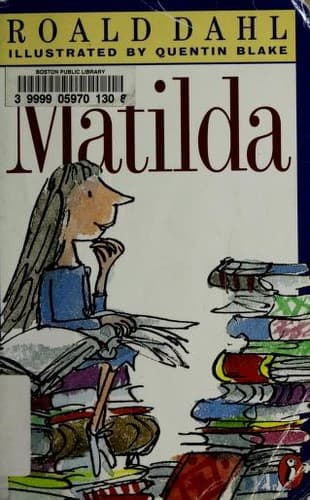
- Matilda
Roald Dahl
4.3 (648k) average on GoodreadsFantasyWhile sharing whimsical charm, Despereaux delves deeper into philosophical questions of fate and free will and offers a more overtly redemptive arc. Dahl's characters are often more archetypal, whereas DiCamillo offers richer internal landscapes.
- Coraline
Neil Gaiman
4.0 (23k) average on GoodreadsFantasyBoth explore fear and courage, but Despereaux maintains a more overt sense of hope and light, contrasting with Gaiman's often bleaker, more ambiguous resolutions and gothic sensibility. DiCamillo more explicitly reaffirms the power of love and forgiveness.
- Harry Potter and the Sorcerer's Stone
J.K. Rowling
4.5 (7M) average on GoodreadsFantasyRescued from a miserable life under the stairs, an orphaned boy discovers he's a wizard destined for a magical school, where he uncovers a dangerous secret tied to the dark wizard who murdered his parents.
- The Hunger Games
Suzanne Collins
4.3 (6.4M) average on GoodreadsFantasyIn a future where children fight to the death on live television, Katniss Everdeen volunteers for the arena, turning a death sentence into a fight for survival and a spark of rebellion.





Enjoyed the summary?
A summary gives you the shape of the book. The book itself has the detail, the examples and the voice.
Find The Tale of Despereaux on AmazonAs an Amazon Associate, BookBrief earns from qualifying purchases. How we're funded