

Synopsis
Covers the whole plot, including the ending.
- Difficulty
- Easy
- Pacing
- Moderate
- Mood
- Humorous, Lighthearted, Romantic, Amusing
- Read it if
- You enjoy lighthearted romantic comedies with a quirky, relatable protagonist and a focus on personal growth.
- Skip it if
- You dislike stories centered around financial irresponsibility or characters who make repeated, similar mistakes.
Shopaholic Takes Manhattan Plot Summary
Covers the whole plot, including the ending.
A Proposal, A Move, and a Shopping Spree
Becky Bloomwood enjoys a successful career as a TV financial guru in London, though her shopping habits remain a challenge. Her boyfriend, Luke Brandon, an ambitious entrepreneur, decides to move to New York for six months to expand his PR firm. He asks Becky to join him, and she happily agrees. The move is chaotic, with Becky struggling to pack lightly and leaving her London bills behind, hoping to control her spending. In New York, Becky immediately falls for the city's charm, going on an impromptu shopping spree to furnish their new, empty apartment, much to Luke's annoyance. She quickly discovers American credit cards.
Job Hunting and a Rival's Return
Becky expects to easily find a high-profile TV job in New York, given her success in London. However, she faces many rejections and struggles to understand the American media world. Her networking attempts often fail due to her unique personality and shopping-focused stories. To make matters worse, Luke introduces her to his new colleague, Alicia Bilson, Becky's long-time rival from London, who now works closely with Luke. Alicia's presence immediately causes tension, as Becky suspects her of trying to harm her relationship with Luke and interfere with his work.
The Museum of the History of Fabric and a New Friendship
Desperate for work and money, Becky finds a seemingly minor job at the Museum of the History of Fabric. While initially disappointed it is not a glamorous TV role, she becomes surprisingly interested in the museum's charm and the unique stories behind the exhibits. Here, she befriends Suze, a friendly and supportive American colleague who becomes her confidante in New York. Despite her new job, Becky's spending continues unchecked, made worse by new American credit cards, and her London bills begin to catch up, creating a growing financial crisis she tries to hide from Luke.
The Search for Suze and the Vintage Dress
The Museum of the History of Fabric announces a major exhibition on iconic American fashion. Becky is tasked with helping to find a rare and historically important vintage dress. She becomes completely absorbed in the search, seeing it as a chance to prove herself and contribute meaningfully. This quest, however, leads her through antique shops, vintage markets, and expensive specialist dealers, further draining her funds and adding to her credit card debt. During her search, she meets Suze, a charming and eccentric vintage clothing dealer who shares her passion and becomes an unexpected ally.
Luke's Suspicions and Alicia's Interference
Luke notices Becky's increasingly strange behavior, her constant need for new purchases, and her avoidance of talking about money. He also sees the growing stack of unopened mail from London and her reluctance to discuss finances. Alicia Bilson, always looking for an advantage, subtly feeds Luke's suspicions, making veiled comments about Becky's past financial troubles and suggesting her spending is out of control. This creates a rift between Becky and Luke, as Becky becomes more secretive to avoid conflict, and Luke feels increasingly excluded and worried about their future. The pressure on Becky to hide her debt grows.
The Charity Auction and the Dress Reveal
The highly anticipated vintage dress, a priceless piece of American fashion history, is finally found and put up for auction at a glamorous charity event. Becky, determined to get it for the museum, attends the auction with Luke, hoping to win. However, her financial reality hits hard when wealthier attendees quickly outbid her. In a desperate attempt to secure the dress, she makes a rash, unpayable bid, which results in a humiliating public scene. This incident reveals the extent of her financial problems to Luke and others, causing great embarrassment and further straining her relationship with him.
The Confession and the Confrontation
After the disastrous auction, Becky can no longer hide her massive debt. Overwhelmed by guilt and her secrets, she finally confesses everything to Luke — her hidden credit card bills, her extravagant spending, and the full extent of her financial crisis. The revelation leads to a painful and emotional confrontation. Luke is deeply hurt and frustrated by her deception and her inability to control her addiction, feeling betrayed by her dishonesty. Their relationship reaches a critical point, with Luke questioning their future and Becky facing the true consequences of her actions.
A New Beginning at the Museum
After the argument with Luke, Becky focuses on her work at the Museum of the History of Fabric. Despite her personal troubles, she discovers a real passion for the museum's mission and a talent for connecting with people over their shared love of fashion. She learns that the vintage dress, though lost at auction, has been bought by a private collector. Becky, using her persuasive charm and new understanding of the fashion world, convinces the collector to loan the dress to the museum for the exhibition, proving her worth beyond her financial woes and showing a different kind of resourcefulness.
Luke's Redemption and Alicia's Exposure
Luke, thinking about Becky's struggles and Alicia's subtle manipulations, begins to see his colleague differently. He realizes Alicia has been deliberately undermining Becky and trying to create distance between them. He confronts Alicia, exposing her manipulative actions and confirming his commitment to Becky. This realization is a turning point for Luke, as he understands the depth of Becky's addiction and his role in supporting her recovery. He finds Becky, apologizes for his harshness, and promises to help her overcome her shopping addiction, showing his unwavering love and support.
The Exhibition Opening and a Public Triumph
The Museum of the History of Fabric's exhibition, featuring the carefully acquired vintage dress, opens to great praise. Becky's efforts in securing the dress and her contributions to the exhibition are publicly recognized, giving her a sense of accomplishment and validation not tied to material possessions. She gives an impassioned speech, showing her genuine knowledge and love for fashion history. This success marks a significant moment in Becky's personal growth, demonstrating her ability to find success and happiness through meaningful work and true passion, rather than through compulsive shopping.
A New Perspective and Financial Responsibility
With Luke's steady support and her new sense of purpose, Becky commits to facing her shopping addiction directly. She begins attending a support group and actively works to manage her finances, making a clear effort to pay off her debts. She realizes that her true passion is not in accumulating possessions, but in the stories and history behind fashion. She decides to pursue a career in museum curation or fashion history, a path that fits her genuine interests and allows her to use her unique talents in a productive and fulfilling way, showing a mature change in her priorities.
Love, Growth, and a Future Together
Becky and Luke's relationship emerges from the crisis stronger and more honest. Luke's understanding and patience, combined with Becky's genuine efforts to change, strengthen their bond. They learn to communicate openly about their finances and future plans. Becky, while still tempted by shopping, now has the tools and self-awareness to resist. They look forward to a future in New York, with Becky pursuing her new career and Luke continuing to build his business, both supporting each other through their individual challenges and celebrating their shared journey of growth and love. Their love story is now built on trust and mutual respect.
Principal Figures
Becky Bloomwood
Protagonist
A charming but shopaholic financial journalist trying to navigate life and love in New York.
Becky is an effervescent, optimistic, and deeply charming young woman with an insatiable love for shopping. She works as a financial journalist, a role she often finds ironic given her own chaotic finances. Despite her intelligence and good intentions, she struggles with compulsive spending, often rationalizing her purchases and avoiding her mounting debts. She is fiercely loyal to her friends and Luke, but her secrets about money often create distance. Her move to New York presents both new opportunities and intensified temptations for her addiction.
Relationships: Luke Brandon (Boyfriend, later fiancé, who struggles with her spending but loves her deeply.); Alicia Bilson (Long-standing rival and professional nemesis.); Suze (New York friend) (Supportive and understanding new friend in New York.); Tarquin Cleath-Stuart (Briefly a potential suitor, but more of a comedic relief and distraction.)
Luke Brandon
Love Interest / Supporting
Becky's ambitious and protective boyfriend, an entrepreneur expanding his PR firm in New York.
Luke is a highly successful and driven entrepreneur, pragmatic and often exasperated by Becky's whimsical nature and financial irresponsibility. He genuinely loves Becky but struggles to understand her shopping addiction, often feeling frustrated and betrayed by her secrecy regarding money. He is protective of her but also expects honesty and responsibility. His move to New York is a significant career step, and he hopes Becky will adapt to a more mature and stable life alongside him. He eventually learns to be more understanding of her struggles.
Relationships: Becky Bloomwood (Boyfriend, later fiancé, whose spending habits cause friction but whose charm he can't resist.); Alicia Bilson (Professional colleague who tries to manipulate him against Becky.)
Alicia Bilson (Alicia Bitch Long-legs)
Antagonist
Becky's arch-rival, a manipulative PR professional working with Luke in New York.
Alicia Bilson, known to Becky as 'Alicia Bitch Long-legs,' is Becky's long-standing nemesis. She is beautiful, sophisticated, and incredibly ambitious, always seeming to one-up Becky both professionally and personally. In New York, she works closely with Luke, using her proximity to subtly undermine Becky's confidence and sow seeds of doubt in Luke's mind about their relationship. She represents everything Becky aspires to be in terms of polished professionalism, yet everything she despises in terms of ruthless ambition and perceived maliciousness. She is a constant source of insecurity and frustration for Becky.
Relationships: Becky Bloomwood (Professional and personal rival.); Luke Brandon (Professional colleague, whom she attempts to win over.)
Suze (New York friend)
Supporting
Becky's kind and supportive American colleague at the Museum of the History of Fabric.
Suze is a friendly, easygoing, and incredibly supportive American woman whom Becky befriends at the Museum of the History of Fabric. She offers Becky a much-needed sense of camaraderie and understanding in a new city, providing a sounding board for Becky's anxieties and helping her navigate the complexities of American culture and the museum world. Suze is non-judgmental and offers practical advice, becoming a true friend to Becky during her most challenging times. Her presence helps Becky feel less isolated and more grounded.
Relationships: Becky Bloomwood (Close friend and colleague.)
Tarquin Cleath-Stuart
Supporting / Mentioned
A wealthy and eccentric English aristocrat who briefly pursues Becky.
Tarquin is an eccentric, wealthy, and somewhat clueless English aristocrat who crosses paths with Becky in New York. He is charming in his own peculiar way and is briefly captivated by Becky's unique personality. While he genuinely pursues her, his presence primarily serves as a comedic distraction and a way to highlight Becky's continuing financial woes, as he is oblivious to the value of money. He is good-natured but ultimately not a serious romantic contender for Becky, serving more as a plot device to create misunderstandings and lighthearted moments.
Relationships: Becky Bloomwood (Briefly a suitor, then a friendly acquaintance.)
Mummy and Daddy Bloomwood
Supporting
Becky's well-meaning but often bewildered parents back in London.
Becky's parents are loving and supportive, though often oblivious to the true extent of her financial problems. They represent a sense of home and stability for Becky, but also a source of gentle pressure and occasional embarrassment. They are concerned for her well-being but rarely offer practical financial advice, often enabling her in their own way. Their calls from London remind Becky of her debts and responsibilities she's left behind, further fueling her anxiety. They embody the comfort and familiarity Becky misses in New York.
Relationships: Becky Bloomwood (Supportive and loving parents.)
Derek Smeath
Mentioned
Becky's long-suffering bank manager in London.
Derek Smeath is Becky's bank manager in London, a constant, nagging reminder of her ever-increasing overdraft and her avoidance of financial reality. He is characterized by his persistent letters and phone calls, which Becky expertly evades or ignores. He represents the inescapable consequences of her shopping addiction. Though he never appears in person in this book, his presence is felt through Becky's anxiety whenever his name or the bank is mentioned, symbolizing the financial chaos she tries to outrun.
Relationships: Becky Bloomwood (Bank manager, constantly chasing her for overdue payments.)
Themes & Insights
The Allure and Peril of Consumerism
The novel shows how tempting consumerism is, especially in a city like New York. Becky's shopping addiction is central, showing how material possessions offer brief comfort and identity, hiding deeper insecurities. The story explores the cycle of desire, purchase, regret, and debt, highlighting how easily one can fall for the promise of happiness through buying. Scenes like Becky's immediate shopping spree in New York, her obsession with designer brands, and her growing credit card debt clearly show the dangers when consumerism gets out of control, leading to financial ruin and relationship strain.
“A man will never love you or treat you as well as a store. If a man doesn't fit, you can't just dump him, can you?”
Identity and Self-Worth
Becky's struggle with her shopping addiction connects deeply with her sense of identity and self-worth. She often defines herself by her possessions or her ability to buy them, believing that certain clothes or accessories will make her more confident, successful, or desirable. Her first attempts to get a TV job in New York are driven by a desire for external approval and a glamorous image. Only when she finds real purpose at the Museum of the History of Fabric, contributing through her knowledge and passion rather than her spending, does she begin to build a more authentic and stable sense of self-worth. Her journey is about finding value beyond material things.
“I mean, it's not like I actually *need* a new designer bag. But it's about the *feeling* it gives you, isn't it? The feeling of being... complete.”
Honesty and Trust in Relationships
A main theme is the importance of honesty and trust, especially in Becky and Luke's relationship. Becky's constant lies about her finances, her hidden credit card statements, and her avoidance of the truth create significant strain and distrust between them. Luke feels betrayed not just by her spending, but by her inability to be honest. Their conflict peaks when Becky is finally forced to confess, leading to a painful but necessary confrontation. Their reconciliation builds on a new foundation of open communication and a commitment to working through challenges together, emphasizing that true intimacy requires vulnerability and truthfulness.
“How could you lie to me, Becky? All this time... I thought we were a team.”
The Challenge of New Beginnings
The move to New York symbolizes a new start for Becky and Luke, offering the promise of a fresh beginning, both personally and professionally. For Becky, it is a chance to escape her London debts and perhaps curb her shopping. However, the novel shows that simply changing location does not erase old habits or personality traits. Becky faces challenges adapting to a new culture, finding a job, and resisting the stronger temptations of a major fashion capital. Her journey highlights that true change comes from within, through self-awareness and effort, rather than just external circumstances. The 'new beginning' forces her to face her deepest flaws.
“I thought coming to New York would be a fresh start. A blank slate. But it turns out, I brought all my old problems with me.”
Plot Devices & Literary Techniques
The Unseen Bills
A constant, looming threat of financial ruin represented by unopened mail from London.
The pile of unopened bills and red letters from London banks and credit card companies serves as a persistent physical manifestation of Becky's mounting debt and her avoidance tactics. These 'unseen bills' are a constant source of anxiety for Becky, a ticking time bomb threatening to expose her financial irresponsibility to Luke. They create dramatic tension and foreshadow the inevitable confrontation about her spending. This device effectively externalizes Becky's internal conflict and the consequences of her addiction, driving much of the plot's suspense as she tries to hide them.
The Rival (Alicia Bilson)
A recurring antagonist who embodies Becky's insecurities and creates external conflict.
Alicia Bilson, or 'Alicia Bitch Long-legs,' functions as Becky's long-standing rival, embodying everything Becky both envies and despises. Her presence in New York, working alongside Luke, creates immediate external conflict and heightens Becky's insecurities. Alicia's subtle manipulations and perfect facade serve to drive a wedge between Becky and Luke, forcing Becky to confront her own flaws and fight for her relationship. This rivalry provides both comedic relief and serious dramatic tension, pushing Becky to evaluate her own actions and priorities.
The MacGuffin: The Vintage Dress
A highly coveted object that drives a significant portion of the plot, revealing character motivations.
The rare and historically significant vintage dress that Becky is tasked with finding for the Museum of the History of Fabric acts as a MacGuffin. While its intrinsic value is important to the museum, its primary function in the plot is to drive Becky's actions, leading her on an expensive and obsessive quest. This pursuit highlights her resourcefulness and passion, but also her continued financial irresponsibility as she spends recklessly in its pursuit. Ultimately, securing the dress through unconventional means becomes a symbol of her personal growth and finding purpose beyond shopping.
The Fish Out of Water Scenario
Placing the protagonist in an unfamiliar environment to highlight cultural differences and personal challenges.
Moving Becky, a quintessential English shopaholic, from London to the bustling, consumer-driven metropolis of New York creates a 'fish out of water' scenario. This device allows for humorous observations about cultural differences, particularly in shopping habits and media. More importantly, it amplifies Becky's challenges, as she navigates a new job market, new social circles, and even more intense shopping temptations. The unfamiliarity of her surroundings forces her to adapt and confront her ingrained habits without her usual support system, pushing her towards significant personal growth.
Shopaholic Takes Manhattan Quotes
“A man will never love you or treat you as well as a store. If a man doesn't fit, you can't exchange him for a bigger size. And if he breaks, you can't just get a new one.”
“The thing about New York is, you can be anyone you want to be. And no one will ever know.”
“I love New York. You can just walk into a store, buy a pair of shoes, and walk out. No one asks you what you're doing, no one makes you feel guilty.”
“There's nothing like a new pair of shoes to make you feel like you can conquer the world.”
“I always say, 'When in doubt, buy the shoes.'”
“Sometimes you just have to take a leap of faith. And hope you land somewhere fabulous.”
“It's not about the money, it's about the thrill of the chase. The excitement of finding something beautiful and making it yours.”
“The truth is, I'm not very good at being sensible. I'm much better at being spontaneous and irresponsible.”
“New York is like a giant department store. You just want to buy everything in it.”
“I think I'm quite good at saving money. I just don't like to do it.”
“You can't put a price on happiness. But you can put a price on a really fabulous handbag, and that's kind of the same thing.”
“Sometimes you just need to treat yourself. Life's too short to wear boring clothes.”
“New York is the only city in the world where you can walk down the street and feel like you're in a movie.”
“It's amazing how much better you feel when you're wearing something new. It's like a whole new you.”
Quiz
10 questions on the plot and the characters. Each answer comes with a short explanation.
Question 1
What is Becky Bloomwood's profession at the beginning of 'Shopaholic Takes Manhattan'?
- Fashion blogger
- TV financial guru
- Personal shopper
- Magazine editor
Show answer
B. TV financial guru At the start of the book, Becky's career as a TV financial guru is thriving, as mentioned in the synopsis.
Question 2
Why does Luke Brandon move to New York?
- To pursue a new romance
- For a business opportunity
- To escape his past in London
- To support Becky's career aspirations
Show answer
B. For a business opportunity Luke announces he's moving to New York for business, which prompts Becky to go with him.
Question 3
What is Becky's initial biggest problem mentioned before Luke's announcement about moving to New York?
- Finding a new apartment
- Her credit card debt
- Tearing Luke away from work for a romantic weekend
- Deciding on a new wardrobe
Show answer
C. Tearing Luke away from work for a romantic weekend The synopsis states Becky's biggest problem seems to be tearing Luke away from work for a romantic country weekend.
Question 4
What does Becky believe will happen to her in New York, according to her expectations?
- She will become a successful chef.
- She will become an American TV celebrity.
- She will open her own boutique.
- She will become a financial advisor on Wall Street.
Show answer
B. She will become an American TV celebrity. Becky expects to become an American TV celebrity and for her and Luke to be the toast of Gotham society.
Question 5
What is one of Becky's initial thoughts about her shopping habits upon moving to New York?
- She will finally curb her spending due to new responsibilities.
- Her bills being in London means she has more available credit.
- New York prices are too high for her to shop freely.
- She plans to only shop at high-end designer stores.
Show answer
B. Her bills being in London means she has more available credit. Becky thinks 'Nothing can stand in their way, especially with Becky's bills miles away in London,' implying a perceived freedom with her credit line.
Question 6
What type of locations are highlighted as characteristic of New York in Becky's perspective?
- Art galleries and museums
- Park Avenue penthouses and luxury boutiques
- Broadway theaters and jazz clubs
- Central Park and historic landmarks
Show answer
B. Park Avenue penthouses and luxury boutiques New York is described as 'home of Park Avenue penthouses and luxury boutiques,' aligning with Becky's materialistic focus.
Question 7
What specific type of event is mentioned as a potential shopping opportunity in New York for Becky?
- Vintage clothing fair
- Prada sample sale
- Department store clearance
- Charity auction
Show answer
B. Prada sample sale The text mentions 'Before you can say "Prada sample sale,"' indicating Becky's quick adaptation to New York's shopping scene.
Question 8
What is the primary theme explored through Becky's character in the synopsis?
- The challenges of long-distance relationships.
- The allure and perils of consumerism.
- The pursuit of a successful career in a new city.
- The cultural differences between London and New York.
Show answer
B. The allure and perils of consumerism. Becky's 'shopping excesses,' 'credit cards,' and the potential 'disaster' threatening her 'available credit line' strongly highlight the theme of consumerism.
Question 9
What is the overarching conflict that arises for Becky in New York, as hinted by the synopsis?
- A disagreement with Luke over their living arrangements.
- An 'unexpected disaster' that threatens her career, relationship, and finances.
- Difficulty adapting to the fast-paced New York lifestyle.
- Competition with another TV personality.
Show answer
B. An 'unexpected disaster' that threatens her career, relationship, and finances. The synopsis explicitly states 'an unexpected disaster threatens her career prospects, her relationship with Luke, and her available credit line!'
Question 10
The title 'Shopaholic Takes Manhattan--but will she have to return it?' primarily plays on what dual meaning related to Becky's character?
- Her ability to conquer the city versus her need to physically return purchased items.
- Her desire for fame versus her fear of public scrutiny.
- Her love for Luke versus her love for shopping.
- Her financial success versus her mounting debt.
Show answer
A. Her ability to conquer the city versus her need to physically return purchased items. The phrase 'takes Manhattan' implies conquering or dominating the city, while 'return it' directly references the act of returning items after purchase, linking to her shopaholic nature and potential financial setbacks.
Shopaholic Takes Manhattan FAQ
What prompts Becky Bloomwood and Luke Brandon to move to New York City?
Luke Brandon announces he's moving to New York for business opportunities related to his PR firm, and he asks Becky to accompany him. This sudden relocation disrupts Becky's established life and career as a TV financial guru in London, leading to a significant change of scenery for the couple.
What is Becky's initial career ambition upon arriving in New York?
Becky initially hopes to replicate her success as a financial guru on American television, envisioning herself as an American TV celebrity. She believes her charming personality and relatable (if ironic) financial advice will easily translate to the New York media market, opening doors to fame and fortune.
What 'unexpected disaster' threatens Becky's career prospects in New York?
Becky faces a major setback when her highly anticipated TV show pilot is cancelled due to a misunderstanding involving a designer handbag. This public humiliation and professional failure leave her feeling lost and without a clear direction, impacting her self-confidence and financial stability.
How does Becky's relationship with Luke Brandon evolve during their time in Manhattan?
Their relationship faces strain as Luke becomes increasingly absorbed in his work, leaving Becky feeling neglected and insecure, especially after her career setback. Becky's attempts to navigate New York's social scene and her financial woes also create tension, as Luke struggles to understand her spending habits.
What is the primary conflict Becky faces regarding her finances in New York?
Becky initially believes her London bills are miles away, offering a fresh start from her debt. However, her inherent shopaholic tendencies quickly resurface in the luxury boutiques of New York, leading to new debts and the eventual realization that her past financial issues are not easily left behind.
Is there a specific item or store that symbolizes Becky's struggles or aspirations in New York?
The allure of high-end department stores and luxury brands like Prada and designer handbags often symbolizes Becky's aspirations for glamour and success, but also her ongoing struggle with compulsive shopping. The incident involving a designer bag directly contributes to her career disaster, highlighting this connection.
How does Danny Kovacs, a new character, impact Becky's journey in New York?
Danny Kovacs, a rival financial guru and her former colleague, becomes an unexpected antagonist and later a potential ally. He initially seems to undermine her, but his presence ultimately pushes Becky to re-evaluate her approach to finance and career, leading to a surprising collaboration.
What role does Alicia Billington, Luke's colleague, play in the narrative?
Alicia Billington, also known as 'Alicia Bitch Long-Legs,' poses a significant threat to Becky's relationship with Luke. Her professional competence and physical attractiveness make Becky insecure, fueling jealousy and adding another layer of conflict to Becky's already challenging adjustment to New York.
Are there any subtle indications that Becky's financial 'recovery' in London was superficial?
Becky's immediate excitement about New York's shopping scene and her rapid accumulation of new credit card debt, despite her previous 'success' as a financial guru, subtly indicates that her core shopaholic tendencies were never truly resolved. Her 'career' was more about advice for others than genuine personal change.
How does Becky's move to a new country amplify her psychological vulnerabilities?
Moving to New York removes Becky from her familiar support system and professional identity, making her feel more isolated and insecure. This displacement exacerbates her need for external validation, often sought through shopping, and makes her more susceptible to emotional distress when facing career and relationship setbacks.
What psychological impact does Luke's intense focus on work have on Becky?
Luke's preoccupation with his business makes Becky feel neglected, undervalued, and less of a priority, leading to feelings of loneliness and insecurity. This emotional void often triggers her coping mechanism of shopping, as she seeks comfort and a sense of control through material possessions.
How does Becky's self-perception shift throughout her New York experience?
Initially, Becky sees herself as an aspiring celebrity and a successful financial expert. However, after her TV pilot failure and financial struggles, her self-perception plummets, leading to feelings of inadequacy and self-doubt. Ultimately, she begins to rebuild her self-worth by facing her issues and finding new avenues for success.
What is the underlying psychological drive behind Becky's compulsive shopping, beyond mere materialism?
Beyond materialism, Becky's shopping is often driven by a desire for identity, self-expression, and a temporary escape from her problems. It's a coping mechanism to fill emotional voids, gain a sense of control, and project an image of success and happiness she often doesn't feel internally.
Does Becky truly 'take Manhattan,' or does Manhattan take Becky?
Initially, Manhattan seems to overwhelm Becky, challenging her career, finances, and relationship. While she doesn't conquer it in the way she initially envisioned, she ultimately adapts and finds her own success, suggesting a more nuanced outcome where she carves out her place rather than dominating the city.
Is Becky's growth in this book primarily about financial responsibility or personal maturity?
While financial responsibility is a recurring theme, Becky's growth is more profoundly about personal maturity. She learns to confront her insecurities, navigate relationship challenges, and redefine success beyond material possessions and superficial fame, indicating a deeper development of character.
How does the book challenge the idea of a 'fresh start' when it comes to personal habits?
The book illustrates that a geographical move doesn't automatically erase ingrained personal habits, especially compulsive ones. Becky's immediate return to shopping in New York demonstrates that true change requires internal work and self-awareness, not just a change of scenery or a lack of immediate accountability.
What statement does the novel make about the pursuit of the 'American Dream' through Becky's experiences?
Through Becky's initial starry-eyed pursuit of celebrity and wealth in New York, the novel critiques the superficial aspects of the 'American Dream.' It suggests that true fulfillment and success are found not in external validation or material gain, but in personal resilience, genuine relationships, and authentic self-discovery.
Could Luke Brandon be considered an enabler of Becky's shopping habits at times?
While Luke often expresses concern about Becky's spending, his occasional indulgence of her desires, such as buying her expensive gifts or not setting firm financial boundaries, could be interpreted as enabling. His preoccupation with work also leaves Becky with time and emotional space that she often fills with shopping.
About the author

Sophie Kinsella is a British author known for her humorous fiction, particularly in the realm of contemporary women's literature. She is best known for her popular novels, including "Confessions of a Shopaholic," "Can You Keep a Secret?," "The Undomestic Goddess," "Remember Me?," "I've Got Your Number," and "Twenties Girl." Her work often explores themes of relationships and personal growth with a comedic touch.
Similar books
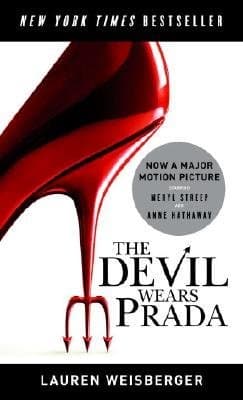
- The Devil Wears Prada
Lauren Weisberger
3.8 (786k) average on GoodreadsRomanceFeatures a young woman navigating the high-pressure, glamorous world of New York fashion and media.
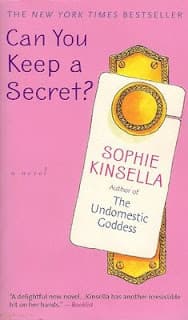
- Can You Keep a Secret?
Sophie Kinsella
3.8 (377k) average on GoodreadsRomanceShares Kinsella's signature witty style, romantic mishaps, and a relatable, slightly awkward heroine.
- Bridget Jones's Diary
Helen Fielding
3.8 (881k) average on GoodreadsRomanceFollows a charmingly flawed protagonist's romantic and professional misadventures with humor and heart.
- The Hunger Games
Suzanne Collins
4.3 (6.4M) average on GoodreadsFantasyIn a future where children fight to the death on live television, Katniss Everdeen volunteers for the arena, turning a death sentence into a fight for survival and a spark of rebellion.
- The Great Gatsby
F. Scott Fitzgerald
3.9 (3.8M) average on GoodreadsHistorical FictionIn the opulent Roaring Twenties, a mysterious millionaire's lavish parties hide his desperate, tragic pursuit of a lost love, exposing the emptiness within the American Dream.
- The Fault in Our Stars
John Green
4.2 (3.6M) average on GoodreadsYoung AdultA girl with a terminal illness finds her story rewritten when a charming boy with a similar past enters her life at a cancer support group, leading to a star-crossed romance.




Enjoyed the summary?
A summary gives you the shape of the book. The book itself has the detail, the examples and the voice.
Find Shopaholic Takes Manhattan on AmazonAs an Amazon Associate, BookBrief earns from qualifying purchases. How we're funded