

Synopsis
Covers the whole plot, including the ending.
- Difficulty
- Easy
- Pacing
- Moderate
- Mood
- Cynical, Observational, Uncomfortable, Humorous
- Read it if
- You appreciate dry, observational humor, slice-of-life narratives, and explorations of modern relationships, race, and identity. Perfect for fans of 'cringe comedy' and character studies of flawed protagonists.
- Skip it if
- You prefer optimistic stories, clear character arcs of growth, or protagonists who are easily likable. The book's themes and Ben's personality can be uncomfortable and leave the reader feeling unresolved.
Shortcomings Plot Summary
Covers the whole plot, including the ending.
Ben's Discontent and Sasha's Departure
The story introduces Ben Tanaka, a cynical and insecure Japanese American man in his late twenties who manages an independent movie theater in Berkeley. He is in a long-term relationship with Sasha, a Japanese American graduate student. Ben is unhappy with his life and relationship; he often criticizes Sasha's artistic aspirations and expresses his attraction to white women, which bothers her. Their dynamic is strained, with Ben's passive-aggressive behavior and Sasha's increasing frustration. Sasha decides to move to New York City for an internship, a decision Ben reluctantly supports but internally resents, seeing it as a sign their connection is failing. This move leads to their separation and Ben's misguided attempts at finding happiness.
Alice's Counsel and Ben's Misadventures
After Sasha leaves for New York, Ben feels more alone and spends a lot of time with his best friend, Alice, a sharp-witted queer Asian American woman. He often meets her for coffee, where he complains about Sasha, his job, and his general unhappiness, often revealing his shallow and racially-charged dating preferences. Alice supports him but also points out his problematic views and self-pity. Ben tries to date, which leads to several awkward and short-lived encounters. One interaction is with Autumn, a young, aspiring performance artist who works at the movie theater. Ben's attempts to flirt with her are clumsy and unsuccessful, showing his social ineptitude and inability to connect with others.
The Autumn Fiasco and Miko's Intervention
Ben's pursuit of Autumn increases when he invites her to a party, where he embarrasses himself with his awkwardness and attempts to impress her. Autumn, not interested in him romantically, eventually tells him she has a boyfriend, which further deflates Ben's ego. Soon after, Ben's ex-girlfriend, Miko, a successful professional, unexpectedly reappears. Miko, having heard about Ben's behavior and his treatment of Sasha, confronts him directly about his self-destructive patterns and his issues with Asian American identity and dating. She criticizes his attraction to white women and his general immaturity, giving him a clear, outside view of his shortcomings. This confrontation leaves Ben feeling more exposed and defensive.
A Trip to New York and Sasha's New Life
Feeling lost and hoping to fix his relationship or get some clarity, Ben decides to visit Sasha in New York. He expects a reunion, perhaps a reconciliation, but quickly finds that Sasha has moved on. She is doing well in her internship and has started a new relationship with a kind and supportive white man named Ian. Sasha introduces Ben to Ian, which creates an uncomfortable situation for Ben, who struggles to hide his jealousy and resentment. The visit makes it clear that Sasha has found happiness and a healthier dynamic away from him, leaving Ben feeling more isolated and heartbroken.
Ben's New York Encounters
After the painful realization about Sasha, Ben stays longer in New York, hoping to find distraction or connection. He meets up with Alice, who is also visiting, and they navigate the city together, with Ben continuing to vent his frustrations. He also tries to date, meeting a young white woman named Carly through an acquaintance. Ben is initially drawn to Carly, but their interactions are superficial and marked by Ben's insecurities and his tendency to overanalyze every comment. He interprets her polite interest as genuine attraction, which leads to a series of awkward encounters that go nowhere, reinforcing his pattern of failed romantic pursuits and his inability to form meaningful connections.
The Confrontation with Alice
During their time together in New York, Ben's constant complaining, self-pity, and barely hidden racist and misogynistic comments about women and his dating life begin to bother Alice. She has been a patient and understanding friend, but his persistent negativity and refusal to acknowledge his own flaws reach a breaking point. Alice confronts Ben directly, criticizing his entitlement, his inability to take responsibility for his actions, and his problematic views on race and relationships. This heated argument shows the strain in their friendship and highlights Ben's deep-seated issues that he consistently avoids, leaving their friendship in a precarious state.
Ben's Return to Berkeley and Lingering Discontent
Defeated and disillusioned, Ben eventually returns to Berkeley. His trip to New York has not given him the clarity or resolution he sought; instead, it has only solidified his loneliness and reinforced his inability to change. He resumes his routine at the movie theater, still managing it with a cynical attitude. He has not reconciled with Sasha, nor has he found a new partner. His friendship with Alice is strained, and he remains isolated in his own self-pity. The ending of the graphic novel shows Ben largely unchanged, still struggling with his 'shortcomings' and offering little hope for immediate personal growth, leaving him unhappy.
Principal Figures
Ben Tanaka
Protagonist
A cynical and insecure Japanese American man struggling with identity, relationships, and self-acceptance.
Ben is the central character, a Japanese American man in his late twenties who manages an indie movie theater. He is characterized by his cynicism, self-loathing, and deep-seated insecurities. Ben holds problematic views on race and dating, particularly his preference for white women, which he often expresses to the detriment of his relationships. He struggles with commitment, empathy, and genuine connection, often using humor and sarcasm as a defense mechanism. His inability to introspect or take responsibility for his actions is a core aspect of his character, leading him down a path of dissatisfaction and loneliness. He resents his job and his life but makes little effort to change.
Relationships: Sasha (Long-term girlfriend, later ex-girlfriend); Alice (Best friend); Autumn (Brief romantic interest); Miko (Ex-girlfriend); Carly (Brief romantic interest)
Sasha
Supporting
Ben's long-suffering Japanese American girlfriend who eventually leaves him for self-fulfillment.
Sasha is Ben's Japanese American girlfriend at the beginning of the story. She is a graduate student with artistic aspirations, often working on performance art projects. Sasha is more emotionally mature and self-aware than Ben, though she tolerates his behavior for a significant period. She is frustrated by Ben's cynicism, his lack of support for her ambitions, and his overt racial preferences. Her decision to move to New York for an internship represents her pursuit of personal growth and happiness, independent of Ben. She ultimately finds a healthier relationship and a more fulfilling life away from him, demonstrating her capacity for change and self-preservation.
Relationships: Ben Tanaka (Long-term boyfriend, later ex-boyfriend); Ian (New boyfriend)
Alice
Supporting
Ben's sharp-witted queer Asian American best friend who offers tough love and astute observations.
Alice is Ben's best friend, a queer Asian American woman with a keen intellect and a no-nonsense attitude. She works as a graduate student. Alice serves as Ben's confidante and, often, his conscience. She is perceptive and frequently calls Ben out on his problematic behavior, his racial hang-ups, and his self-pity, though she does so out of genuine care. Despite her patience, Ben's persistent negativity and inability to change eventually strain their friendship to a breaking point. She represents a voice of reason and often articulates the very 'shortcomings' Ben refuses to acknowledge in himself.
Relationships: Ben Tanaka (Best friend)
Autumn
Supporting
A young, aspiring white performance artist who works for Ben and briefly becomes the object of his misguided affections.
Autumn is a young white woman who works at Ben's movie theater. She is portrayed as an aspiring performance artist, often discussing her unconventional projects. Ben develops a crush on her, largely due to his fetishistic preference for white women. She is polite but clearly uninterested in Ben romantically, often finding his attempts at flirtation awkward or amusing. Her character primarily serves to highlight Ben's social ineptitude and his superficial dating preferences, as his interactions with her are driven by his own desires rather than genuine connection, ultimately leading to his embarrassment.
Relationships: Ben Tanaka (Boss; object of Ben's unrequited affection)
Miko
Supporting
Ben's successful ex-girlfriend who confronts him about his self-destructive behavior and racial hang-ups.
Miko is Ben's ex-girlfriend, a successful and confident Japanese American woman. She reappears in Ben's life after hearing about his behavior from Sasha or mutual friends. Miko is direct and unafraid to challenge Ben, offering a strong, external critique of his issues, particularly his internalized racism and his preference for white women. She represents a different path that Ben could have taken, one of self-acceptance and success, and serves as a mirror reflecting his own stagnation and immaturity. Her confrontation is a pivotal moment, forcing Ben to face uncomfortable truths.
Relationships: Ben Tanaka (Ex-girlfriend)
Ian
Supporting
Sasha's new, supportive white boyfriend in New York.
Ian is Sasha's new boyfriend whom she meets in New York. He is a white man, portrayed as kind, supportive, and seemingly well-adjusted. He represents the healthier, more fulfilling relationship that Sasha finds after leaving Ben. His presence in the story is primarily to highlight Sasha's happiness and growth, and to underscore Ben's loneliness and the negative impact of his own 'shortcomings' on his past relationship. Ben's uncomfortable interactions with Ian reveal Ben's jealousy and his inability to be genuinely happy for Sasha.
Relationships: Sasha (Boyfriend)
Carly
Mentioned
A white woman Ben meets in New York whom he briefly tries to date.
Carly is a white woman Ben meets through a mutual friend while he is in New York. Ben is initially attracted to her, fitting his pattern of preferring white women. Their interactions are brief and superficial, characterized by Ben's awkwardness and misinterpretation of her politeness as romantic interest. She serves as another example of Ben's failed dating attempts and his inability to form meaningful connections, further emphasizing his loneliness and the superficiality of his romantic pursuits.
Relationships: Ben Tanaka (Brief romantic interest)
Themes & Insights
Identity and Self-Loathing
Ben Tanaka's struggle with his Japanese American identity is central to the story. He openly prefers white women, which is a sign of internalized racism and self-loathing. This theme is explored through his critiques of Sasha's Asian American identity and his own discomfort with his heritage. His cynicism and dissatisfaction with his life come from a deeper inability to accept himself, which in turn hurts his relationships and prevents personal growth. The graphic novel explores racial identity, self-acceptance, and the impact of societal beauty standards on a person's mind.
“I just... I'm not really into Asian girls.”
Relationships and Communication Breakdown
Poor communication and the inability to form genuine connections define Ben's relationships. His relationship with Sasha is full of passive aggression, unexpressed resentments, and a lack of emotional intimacy. Ben is self-centered and cannot empathize with others, which leads to his romantic and platonic relationships failing. His conversations are often just complaints, and he struggles to truly listen or respond to others' needs. This theme is clear in his failures with Sasha, Autumn, and Carly, and the strain on his friendship with Alice.
“You know, for someone who hates his job, you spend a lot of time talking about it.”
Cynicism and Apathy
Ben's overwhelming cynicism and apathy are in every part of his life. He is critical of everything around him — his job, independent film, Sasha's art, and even his own prospects. This constant negativity is a defense mechanism, stopping him from engaging deeply with life or taking responsibility for his own happiness. His apathy towards his job and his future shows a broader disengagement from personal growth. The story shows how such a mindset can trap a person in a cycle of dissatisfaction, making true contentment impossible.
“If I were you, I'd at least try to be happy.”
The Search for Meaning and Connection
Underneath Ben's cynicism is a desperate, though misguided, search for meaning and connection. His cross-country journey, driven by the hope of reconciling with Sasha or finding a new partner, reflects this underlying desire. However, his methods are flawed; he seeks external validation and superficial connections rather than addressing his internal issues. His longing for a 'perfect girl' or a different life shows his yearning for something more fulfilling, even if he cannot identify or pursue it in a healthy way. The book suggests that true connection requires self-awareness and vulnerability.
“I just want to be happy. Is that too much to ask?”
Plot Devices & Literary Techniques
Internal Monologue/Narration
Provides direct access to Ben's unfiltered, cynical thoughts and insecurities.
The graphic novel frequently utilizes Ben's internal monologue, often presented in thought bubbles or narrative captions, to reveal his innermost thoughts, anxieties, and judgments. This device is crucial for understanding his self-loathing, his racial hang-ups, and his critical perspective on the world around him. It allows the reader to experience his 'shortcomings' directly from his point of view, even as his words often contradict his actions or the perceptions of others. This unfiltered access highlights the disparity between what Ben says and what he truly thinks, deepening the reader's understanding of his complex character.
Visual Storytelling/Facial Expressions
Conveys emotional subtext and character reactions through subtle, realistic artwork.
Tomine's minimalist yet highly expressive artwork, particularly his detailed depiction of facial expressions and body language, serves as a powerful plot device. Without explicit dialogue, a slight change in a character's gaze, a furrowed brow, or a slump of the shoulders can convey deep emotional states like discomfort, disappointment, or resignation. This visual subtlety is especially effective in showing Sasha's growing frustration or Alice's exasperation, often revealing more than their spoken words. It allows for unspoken tension and emotional undercurrents to be a significant part of the narrative, enriching the character interactions and the overall tone of the story.
The 'Shortcomings' Motif
A recurring theme and the title itself, referring to Ben's numerous personal flaws.
The concept of 'shortcomings' is not just the title but a pervasive motif throughout the narrative. It refers directly to Ben's numerous personal flaws: his immaturity, his cynicism, his racial fetish, his inability to commit, and his lack of self-awareness. Each interaction, failed relationship, and moment of introspection (or lack thereof) serves to highlight these deficiencies. The motif underscores the central irony of Ben's character: he is quick to point out the 'shortcomings' of others or the world, but blind to his own, making it a critical device for character development (or lack thereof) and thematic exploration.
Dialogue as Character Revelation
Characters' conversations, particularly Ben's, expose their personalities and prejudices.
The dialogue in 'Shortcomings' is a primary vehicle for character revelation. Ben's conversations are often filled with self-pity, thinly veiled racist comments, and cynical observations, immediately establishing his personality and prejudices. Sasha's more direct and increasingly frustrated dialogue reveals her breaking point, while Alice's sharp, insightful remarks highlight her role as Ben's moral compass and critic. The way characters interact, or fail to interact, through their spoken words meticulously exposes their inner lives, their relationship dynamics, and the deep-seated issues that drive the plot forward.
Shortcomings Quotes
“I just don't know why you have to be so negative all the time.”
“Maybe I just like things that are a little bit more... exotic.”
“It's not about being 'political,' it's about being a decent human being.”
“I think you just like the idea of me, not the actual me.”
“I just wish I knew what I was doing with my life.”
“You're always looking for what's wrong, never what's right.”
“Sometimes I feel like I'm just waiting for something to happen.”
“It's not that I don't care, it's just... I don't know what to do.”
“You can't just keep running away from everything.”
“I just want to be happy, you know? Is that too much to ask?”
“There's a difference between being a critic and just being a jerk.”
“I'm not trying to be difficult, I just... I see things differently.”
“Maybe some people are just meant to be alone.”
“It's like you're actively trying to sabotage your own happiness.”
Quiz
10 questions on the plot and the characters. Each answer comes with a short explanation.
Question 1
What is the name of Ben Tanaka's long-term girlfriend at the beginning of 'Shortcomings'?
- Alice
- Miko
- Autumn
- Erica
Show answer
B. Miko Ben's girlfriend at the start of the graphic novel is Miko. Their relationship struggles are a central conflict.
Question 2
What is Ben's primary occupation throughout much of the story?
- Aspiring filmmaker
- Comic book artist
- Manager of a movie theater
- Freelance writer
Show answer
C. Manager of a movie theater Ben works as the manager of a repertory movie theater, a job he often finds unfulfilling.
Question 3
Where does Miko move to pursue an internship, leading to a significant strain on her relationship with Ben?
- Los Angeles
- New York City
- Seattle
- Chicago
Show answer
B. New York City Miko moves to New York City for an internship, which creates distance and further exposes the cracks in her relationship with Ben.
Question 4
What is one of Ben's recurring 'shortcomings' or character flaws highlighted in the story?
- His excessive generosity towards friends
- His inability to commit to a career path
- His preference for white women and critical views on Asian women
- His constant need for approval from his parents
Show answer
C. His preference for white women and critical views on Asian women A central theme and 'shortcoming' of Ben is his stated preference for white women and his often critical, dismissive attitude towards Asian women, including Miko.
Question 5
Which character serves as Ben's confidante and offers him often blunt advice?
- His sister, Jen
- His friend, Alice
- His coworker, Dave
- His father, Mr. Tanaka
Show answer
B. His friend, Alice Alice, Ben's best friend and Miko's former roommate, often acts as his sounding board and provides direct, sometimes harsh, critiques of his behavior.
Question 6
What kind of artistic work does Miko pursue while in New York?
- Painting
- Photography
- Performance art
- Sculpture
Show answer
C. Performance art Miko engages in performance art, often exploring themes of race and identity, which Ben finds pretentious and struggles to understand.
Question 7
Ben attempts to date several women after Miko leaves. Which of these women does he NOT pursue?
- Autumn
- Erica
- Sasha
- Hilary
Show answer
C. Sasha Ben dates Autumn, Erica, and Hilary at various points, each relationship revealing more about his 'shortcomings.' Sasha is not a character he pursues romantically.
Question 8
A significant underlying theme of 'Shortcomings' is the exploration of:
- The struggles of independent filmmaking
- The challenges of cross-cultural communication in marriage
- Internalized racism and self-hatred within the Asian American community
- The pursuit of artistic integrity versus commercial success
Show answer
C. Internalized racism and self-hatred within the Asian American community The graphic novel deeply explores internalized racism, particularly through Ben's preferences and his often critical, self-deprecating views on his own identity and community.
Question 9
What does Ben realize or fail to realize about himself by the end of the story?
- He successfully overcomes all his major character flaws.
- He finds the 'perfect girl' he was searching for.
- He largely remains stagnant, unable to confront or change his fundamental issues.
- He decides to pursue a new career in New York City.
Show answer
C. He largely remains stagnant, unable to confront or change his fundamental issues. Despite his cross-country journey, Ben's character arc is largely one of stagnation. He struggles to genuinely confront or change his 'shortcomings,' ending the story in a similar state of confusion and dissatisfaction.
Question 10
What is the significance of the title 'Shortcomings' in relation to Ben's character?
- It refers to the financial difficulties Ben faces throughout the book.
- It highlights Ben's failures in his professional aspirations.
- It directly references Ben's many character flaws, biases, and inability to connect genuinely with others.
- It is a meta-commentary on the brevity of graphic novels compared to traditional prose.
Show answer
C. It directly references Ben's many character flaws, biases, and inability to connect genuinely with others. The title 'Shortcomings' directly refers to Ben's numerous character flaws, including his narrow-mindedness, self-absorption, racial preferences, and general inability to form healthy relationships or find contentment.
Shortcomings FAQ
What is "Shortcomings" about?
Shortcomings follows Ben Tanaka, a Japanese American man in his late twenties who is deeply unsatisfied with his life and relationships. He grapples with his failing relationship with Miko, his girlfriend, and embarks on a journey of self-discovery, or rather self-delusion, as he moves from Berkeley to New York, constantly searching for an elusive 'ideal' woman, often with a preference for non-Asian partners.
Why should I read "Shortcomings"?
You should read "Shortcomings" for its brutally honest and often uncomfortable exploration of modern relationships, racial identity, and personal insecurities. Adrian Tomine's sharp dialogue and distinctive artwork provide a poignant, humorous, and sometimes infuriating look into the mind of a flawed protagonist, making it a compelling read for those interested in character-driven narratives and social commentary.
What is the background/setting of "Shortcomings"?
The story primarily takes place in two distinct settings: Berkeley, California, where Ben and Miko's relationship begins to unravel amidst their artistic and social circles, and later New York City, where Ben moves to escape his past and pursue new romantic prospects. These urban backdrops contribute to the narrative's exploration of modern anxieties and the search for identity.
What are the most memorable quotes?
One memorable quote is Ben's frequent internal monologue about his 'preferences,' highlighting his racialized dating habits. Another is when Miko confronts Ben about his lack of ambition and his inability to truly see her, encapsulating the core tension of their relationship and Ben's arrested development.
What writing style does the author use?
Adrian Tomine employs a precise, understated, and often minimalist drawing style that belies the complex emotional and psychological depth of his characters. His dialogue is sharp, realistic, and laced with dry, often self-deprecating humor, creating a sense of naturalism that makes the characters' flaws and struggles feel incredibly authentic.
What minor details add significant meaning?
The recurring motif of Ben working at a struggling independent movie theater subtly reflects his own passive and unfulfilling existence, as he curates others' stories rather than actively living his own. Also, his meticulous but ultimately futile efforts to impress women with his 'sophisticated' tastes underscore his superficiality.
What are some subtle foreshadowing moments?
Early on, Miko's growing interest in Asian American identity and activism, which Ben dismisses, subtly foreshadows her eventual departure and her finding a sense of belonging and purpose that Ben lacks. Ben's constant complaints about his life and relationships, without taking action, also hint at his inevitable stagnation.
What unexpected character connections exist?
While not entirely unexpected, the connection between Ben and Alice, his sarcastic and brutally honest lesbian best friend, is significant. Alice often serves as Ben's reluctant confidante and critic, providing a much-needed external perspective on his self-absorption, even though he rarely heeds her advice.
What are unspoken character motivations?
Ben's unspoken motivation for his 'preference' for non-Asian women seems to stem from a deep-seated insecurity about his own Asian American identity and a desire to distance himself from what he perceives as a 'default' or 'uninteresting' image. He yearns for validation and an escape from his own perceived shortcomings.
What psychological complexities do characters exhibit?
Ben exhibits a complex mix of self-loathing, narcissism, and a profound inability to introspect or empathize. Miko, initially more grounded, struggles with her own identity and self-worth, leading her to seek fulfillment outside of her relationship with Ben. Alice, while seemingly self-assured, grapples with her own relationship anxieties and her role as Ben's enabler/critic.
What are the major emotional turning points?
A major turning point is Miko's decision to leave Ben and move to New York, signaling the definitive end of their relationship and forcing Ben to confront his loneliness. Another is Ben's brief, superficial 'romance' with Autumn, which ultimately leaves him feeling emptier than before, failing to provide the fulfillment he sought.
How do relationship dynamics evolve?
The central relationship between Ben and Miko devolves from a comfortable, albeit strained, partnership into open resentment and eventual separation. Ben's subsequent relationships with other women, like Sasha and Autumn, are largely superficial and transactional, highlighting his inability to form genuine connections and his repetitive patterns of behavior.
Which parts remain ambiguous or open-ended?
The ending leaves Ben's future ambiguous. While he has gained a modicum of self-awareness, it's unclear if he will truly change his patterns of behavior or if he is doomed to repeat his 'shortcomings.' The ultimate fate of his relationships, particularly with Alice, also remains somewhat open.
What are controversial scenes or decisions?
Ben's consistent 'preference' for non-Asian women and his often-sexist and racially charged internal monologues are central to the book's controversial nature. His decision to pursue multiple women while still technically with Miko, and his general lack of accountability, are also sources of debate among readers.
"Shortcomings" ending explained: how it ends & what it means
The book ends with Ben still largely alone and seemingly back where he started, albeit with a slight hint of self-reflection. He has moved back to Berkeley and is still working at the movie theater. While he has experienced the consequences of his actions, his fundamental 'shortcomings' remain unresolved, suggesting that true change is a long and difficult process, if it happens at all.
About the author

Adrian Tomine is an American cartoonist and graphic novelist known for his insightful explorations of contemporary life and relationships. His work "Shortcomings" delves into themes of identity and cultural conflict, showcasing his distinctive art style and narrative approach. Tomine's contributions to the graphic novel genre have garnered significant recognition within the literary community.
Similar books
- Ghost World
Daniel Clowes
3.8 (67k) average on GoodreadsYoung AdultExplores alienated youth and observational humor within a graphic novel format.
- Persepolis: The Story of a Childhood
Marjane Satrapi
4.3 (158k) average on GoodreadsBiographyA graphic novel that delves into identity and social commentary with a distinct artistic style.
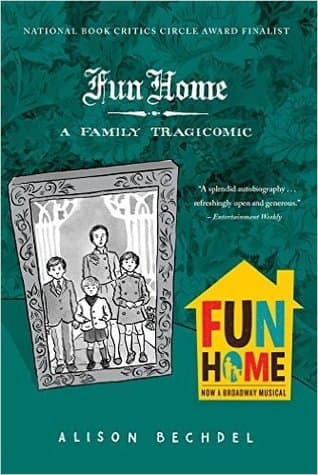
- Fun Home: A Family Tragicomic
Alison Bechdel
4.1 (130k) average on GoodreadsBiographyWhile both Shortcomings and Fun Home are critically acclaimed graphic novels delving into personal identity and family dynamics, Fun Home offers a more expansive and emotionally resonant journey of self-discovery, particularly regarding sexuality and the intricacies of family relationships. Bechdel's narrative is structured around a quest for understanding her father, leading to profound insights, whereas Tomine's focuses more narrowly on Ben's internal struggles and external relationship failures. Fun Home presents a more hopeful, albeit complex, vision of self-acceptance.
- Nineteen Eighty-Four
George Orwell
4.2 (5.5M) average on GoodreadsFictionWinston Smith dreams of truth and rebellion in a world where Big Brother watches all, but he confronts the terrifying power of a regime that controls not just actions, but thoughts.
- The Frozen River
Ariel Lawhon
4.4 (600k) average on GoodreadsFictionIn 1789 Maine, a heroic midwife's diary helps her expose a murder and get justice in a town that wants to silence her.
- A Man Called Ove
Fredrik Backman
4.4 (569k) average on GoodreadsFictionA stubborn widower, who lives by strict rules, finds his quiet world changed by a lively new family next door, making him face his past and find happiness in human connection.





Enjoyed the summary?
A summary gives you the shape of the book. The book itself has the detail, the examples and the voice.
Find Shortcomings on AmazonAs an Amazon Associate, BookBrief earns from qualifying purchases. How we're funded