
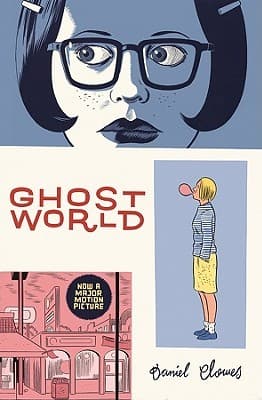
Synopsis
Covers the whole plot, including the ending.
- Difficulty
- Easy
- Pacing
- Slow
- Mood
- Melancholy, Cynical, Observational, Nostalgic
- Read it if
- You appreciate slice-of-life stories about disillusioned youth, sharp dialogue, and nuanced explorations of friendship and identity.
- Skip it if
- You prefer fast-paced plots, clear resolutions, or characters with strong moral compasses.
Ghost World Plot Summary
Covers the whole plot, including the ending.
Summer's End and the Search for Meaning
The story begins with Enid Coleslaw and Rebecca Doppelmeyer, two recent high school graduates, spending their summer without purpose. They go to diners, thrift stores, and their neighborhood, always watching and making cynical comments about the people they see. Their friendship is built on feeling like outsiders and a sharp, often cruel, sense of humor. One afternoon, they see an elderly, lonely man named Seymour at a yard sale, trying to sell his collection of old 78 rpm records. As a joke, Enid calls him, pretending to be a woman named 'Carol' interested in a date. This cruel joke starts a surprising series of events, showing their immaturity and their underlying search for connection in a world they see as 'ghostly' and empty.
The Seymour Experiment
After the prank call, Enid feels drawn to Seymour. She and Rebecca follow him to a diner, where Enid watches him with a mix of dislike and fascination. Enid, developing an interest in 'outsider art' and marginalized people, starts seeing Seymour not just as someone to mock but as a possible project or even a similar spirit in his loneliness. She continues to watch him from a distance, and eventually, through several chance meetings, she manages to start a hesitant conversation with him. Rebecca remains doubtful and somewhat disgusted by Enid's growing focus on Seymour, seeing him as just another 'loser' to be mocked.
Art School and Shifting Interests
Enid enrolls in a summer art class at a local community college, which Rebecca finds uninteresting. Her art teacher, Bob Skeetes, encourages her to find inspiration in the 'real world' and to challenge traditional art. This class gives Enid a new way to be creative and a different social group, though she still views it with her usual cynicism. While Enid explores her artistic identity, Rebecca stays mostly the same, preferring their usual routine of cynical observation and hanging out. The art class slowly creates a divide between the two friends, as Enid's interests begin to differ from Rebecca's.
Deepening Connection with Seymour
Enid's interactions with Seymour become more frequent and personal. She learns about his passion for collecting old records and his detailed knowledge of obscure musicians. She visits his apartment, filled with his organized collections, and starts to see more to him than his awkward exterior. Seymour, in turn, finds a rare, though unusual, listener in Enid. Rebecca, however, is increasingly uncomfortable with this friendship, seeing Seymour as creepy and Enid's interest as strange. She expresses her discomfort, which Enid mostly ignores, further straining their relationship.
The Date and Its Aftermath
Wanting to help Seymour, Enid secretly places a personal ad for him, hoping to find him a partner. She then arranges a 'date' for him with a woman named Dana, whom she and Rebecca watch from afar. The date is a disaster, with Dana clearly not interested and Seymour unaware. When Seymour later confronts Enid, having learned about the ad and the 'Carol' prank, he is deeply hurt and angry. Enid, for the first time, truly understands the impact of her actions and feels real regret. This incident is a turning point, forcing Enid to face her own immaturity and the results of her detached cynicism.
Rebecca's Growing Discontent
As Enid continues with her art and her strange friendship with Seymour, Rebecca grows more frustrated. She feels left behind and unimportant by Enid's changing interests. Rebecca prefers the comfort of their old routines and shared cynical view, while Enid seems to be actively seeking new experiences and connections, however unconventional. Their conversations become more tense, and their once-strong friendship shows clear cracks. Rebecca starts spending more time alone or with other, less 'weird' acquaintances, showing a growing difference in their paths and a quiet resentment towards Enid's changing personality.
The Art Show
Enid takes part in her art class's final show, displaying her work, which often features found objects and a raw, unpolished style. Despite her efforts, her art gets a lukewarm response, and she feels misunderstood by her peers and even her teacher. This lack of outside approval strengthens her internal struggles and her feeling of being an outsider, unable to fully connect with the art world she wanted to join. The experience leaves her feeling more alone, highlighting the difficulty of finding a place or purpose in a world that does not seem to understand her unique perspective, even when she tries to express it.
The Bus Stop Revelation
Enid often sees an old, abandoned bus at a local, rarely used bus stop. She often dreams that this bus is a way to another life or a way to escape her current situation. One day, she sees a man waiting at the bus stop, even though the bus is not running. This seemingly ordinary observation deeply affects Enid. She realizes that the man is waiting for a bus that will never come, a sad comparison to her own feelings of waiting for something that may never arrive. This moment solidifies her decision to make a big change in her life, symbolizing a desire to break free from her current standstill.
The Final Farewell
As summer ends, Enid decides to leave town, taking the old, decommissioned bus she has been watching. She meets Rebecca at their usual diner, but their conversation is awkward and tense, showing the emotional distance that has grown between them. Enid tries to explain her decision, but Rebecca, hurt and confused, struggles to understand. Their goodbye is quiet and sad, a subtle acknowledgment that their intense, codependent friendship has ended. Enid boards the bus, leaving Rebecca behind, symbolizing her journey towards an unknown future and the painful but necessary act of moving on.
Rebecca Alone
After Enid leaves, Rebecca is left alone, dealing with the sudden emptiness in her life. She returns to their familiar spots, but without Enid, these places feel empty and hollow. The once comforting routine of cynical observation now feels isolating. Rebecca sits in their usual diner, thinking about their friendship and the changes that pulled them apart. Her final scenes show her in quiet thought, coming to terms with the loss of her best friend and the daunting prospect of facing adulthood and finding her own identity without Enid. The 'ghost world' they once shared now feels more real and more solitary.
Ghost World Characters
Enid Coleslaw
Protagonist
A cynical, artistic, and restless recent high school graduate searching for identity and meaning.
Enid is the primary protagonist, characterized by her sharp wit, cynical worldview, and a deep-seated feeling of alienation. She is an aspiring artist who struggles to find her place in the world, often expressing herself through sarcastic observations and unconventional fashion choices. Despite her outward cynicism, Enid possesses a hidden vulnerability and a yearning for genuine connection, which manifests in her unlikely friendship with Seymour. She is drawn to the marginalized and 'outsider' figures, often using them as a way to define herself against the mainstream.
Relationships: Rebecca Doppelmeyer (Best friend, co-conspirator in cynicism, but ultimately grows apart from); Seymour (Unlikely friend and subject of fascination, a source of both empathy and frustration); Bob Skeetes (Art teacher who encourages her artistic pursuits)
Rebecca Doppelmeyer
Protagonist/Supporting
Enid's best friend, more grounded and conventional, who struggles with Enid's evolving identity.
Rebecca is Enid's best friend and a foil to her more eccentric personality. She shares Enid's cynical outlook but is generally more pragmatic, less adventurous, and more inclined to stick to their established routines. Rebecca is comfortable in their shared bubble of detachment and becomes increasingly uncomfortable and hurt by Enid's changing interests and friendships, particularly her connection with Seymour. She represents the desire for stability and the fear of change, ultimately feeling abandoned as Enid pushes towards an unknown future.
Relationships: Enid Coleslaw (Best friend, but their bond frays as their paths diverge)
Seymour
Supporting
An older, lonely record collector who becomes an unexpected object of Enid's fascination and empathy.
Seymour is an awkward, middle-aged man with a deep passion for collecting rare 78 rpm records and an encyclopedic knowledge of obscure music. He is lonely and socially inept, making him an easy target for Enid and Rebecca's initial pranks. However, Enid eventually sees past his eccentricities to his genuine passion and vulnerability, developing an unlikely friendship with him. Seymour represents a type of 'outsider' that Enid is drawn to, and his story highlights themes of loneliness, the search for connection, and the unexpected places where understanding can be found.
Relationships: Enid Coleslaw (Unlikely friend, initially a target of pranks, later a source of connection and hurt)
Josh
Supporting
A nerdy, awkward young man who works at the convenience store and occasionally interacts with Enid and Rebecca.
Josh is a shy, somewhat hapless young man who works at the local convenience store. He is often the subject of Enid and Rebecca's sarcastic observations, and Enid occasionally flirts with him in a half-hearted, teasing manner. He represents a type of 'normal' or 'loser' in their cynical worldview, but Enid also shows a fleeting, almost pitying, interest in him. Josh's interactions with the girls highlight their casual cruelty and their self-awareness of their own social standing.
Relationships: Enid Coleslaw (Object of mild, sarcastic flirtation and observation); Rebecca Doppelmeyer (Object of observation)
Bob Skeetes
Mentioned
Enid's art teacher who encourages her unconventional artistic vision.
Bob Skeetes is Enid's art teacher at the summer community college class. He is somewhat pretentious and speaks in art-world jargon, but he genuinely encourages Enid's raw talent and her interest in unconventional subjects. He pushes her to find inspiration in the mundane and the 'real,' influencing her artistic development, even if she still maintains her cynical distance from his methods and persona. He represents an adult figure who, despite his flaws, offers Enid a path for self-expression.
Relationships: Enid Coleslaw (Art teacher and mentor)
Ghost World Themes
Alienation and the Search for Identity
The main theme is Enid and Rebecca's deep feeling of being separate from society and their struggle to define themselves. They feel like outsiders, always watching and judging the 'normal' world around them, often with a cynical and superior attitude. This feeling of being an outsider is a way to cope, but it also leaves them feeling lost and without purpose. Enid's journey, especially her interest in Seymour and her art, is an attempt to find a unique identity outside of the shared cynical bubble with Rebecca, eventually leading her to physically leave in search of a place where she truly belongs, even if that place is unknown. Their 'ghost world' is both a safe place and a prison they created.
“This world is like a ghost world... all these people are like ghosts.”
The Pain of Growing Up and Growing Apart
The story explores the difficult shift from adolescence to adulthood and the changes that come with it, especially the end of very close teenage friendships. Enid and Rebecca's bond, once strong, is tested as their interests and paths diverge. Enid's growing curiosity and desire for new experiences conflict with Rebecca's preference for staying the same and shared cynicism. The story sadly shows the pain of realizing that some friendships, no matter how deep, cannot handle the pressures of individual growth. Their final, awkward goodbye at the diner shows this painful, but necessary, separation.
“I don't even know what I'm doing anymore. I just feel like I'm drifting.”
Cynicism vs. Empathy
The story looks at the tension between cynical distance and real empathy. Enid and Rebecca initially bond over their shared cynicism and a habit of mocking those around them. However, Enid slowly develops a more complex view, especially through her interactions with Seymour. While her first engagement with him is based on a prank, it turns into something like empathy and a desire to understand, though awkwardly. This change creates tension with Rebecca, who stays firmly in their shared cynical worldview. The story suggests that while cynicism can be a defense, it can also stop real connection and understanding, showing the emotional cost of constant detachment.
“I just don't want to be like one of those pathetic people who just drift through life.”
The Allure and Illusion of the 'Other'
Enid is always drawn to people and things she sees as 'different' — the socially awkward, the marginalized, the vintage, the forgotten. This includes Seymour, the old diner, the abandoned bus, and obscure music. She romanticizes these elements, seeing them as more real or interesting than the mainstream. However, the story often shows the reality of these 'others' to be more ordinary, sad, or complicated than her first idealized idea. Her attraction to the 'other' is part of her search for identity, but it also shows her tendency to project her own desires and meaning onto outside figures and objects, rather than finding it within herself. The 'ghost world' is filled with these 'others,' and her interaction with them is her way of trying to understand her own place.
“It's like a whole other world... a secret world, right in front of us.”
Plot Devices & Literary Techniques
Observational Dialogue
The primary method of character interaction and world-building is through cynical, witty observations.
Much of the story is driven by Enid and Rebecca's sardonic commentary on the people and places around them. Their dialogue is filled with sharp, often cruel, observations that reveal their shared worldview, their intelligence, and their alienation. This device allows the reader to experience the world through their unique, jaded lens, establishing their personalities and the dynamic of their friendship. It also serves to highlight the mundane and often absurd aspects of the 'ghost world' they inhabit, while simultaneously masking their underlying vulnerabilities.
Symbolism of the Bus Stop
An old, decommissioned bus stop represents stagnation, hope, and the possibility of escape.
The recurring image of the old, out-of-service bus stop and the bus itself is a powerful symbol. Initially, it represents the stagnation and lack of direction in Enid's life, a place where nothing ever truly moves forward. However, it gradually transforms into a symbol of hope and the possibility of escape. When Enid sees the lonely man waiting for the bus that will never come, it's a moment of profound realization. Ultimately, her decision to board the bus, even though it's decommissioned, signifies her active choice to leave her current life behind and embark on an unknown journey, breaking free from her perceived stagnation.
Found Objects and Vintage Culture
Enid's fascination with discarded items and retro aesthetics reflects her search for authenticity and identity.
Enid's interest in thrift stores, old records (like Seymour's 78s), and vintage clothing is a significant plot device. These 'found objects' represent a search for authenticity and meaning in a world she perceives as superficial and consumer-driven. Her artistic inclinations often involve repurposing these items. This fascination with the past and the discarded is a way for her to define herself against contemporary culture, creating a unique aesthetic and identity. It also reflects a yearning for something 'real' and substantial in her 'ghost world' of fleeting connections.
The Prank Call
An initial cruel prank sets in motion the central character development for Enid.
The seemingly innocent, yet cruel, prank call Enid makes to Seymour, pretending to be 'Carol,' is a pivotal plot device. It not only introduces Seymour into the narrative but also serves as the catalyst for Enid's subsequent interactions and eventual, complicated friendship with him. This initial act of detached mockery gradually forces Enid to confront the real-world consequences of her cynicism and to develop a degree of empathy she previously lacked. The prank's revelation later serves as a moment of reckoning for Enid, pushing her towards self-reflection and growth.
Ghost World Quotes
“I can't believe how many times I've heard the phrase 'You can't judge a book by its cover' and yet I keep doing it.”
“There's nothing wrong with being a loser, it just means you're good at something else.”
“It's like, I want to be a part of the world, but I also want to be outside of it.”
“Most people, they're just... waiting to die.”
“The world is full of interesting people. You just have to know where to find them.”
“I just don't want to become one of those people who just settle for whatever they can get.”
“It's all so incredibly meaningless.”
“We're like, totally outcasts. But we're cool outcasts.”
“Sometimes I think I'm the only sane person in the whole damn world.”
“Why do people always have to be so... normal?”
“There's a fine line between being a recluse and being a loser.”
“I guess I just don't have a place anymore.”
“It's not about being happy, it's about being alive.”
“I'm not trying to be a snob or anything, but some people just don't get it.”
Quiz
10 questions on the plot and the characters. Each answer comes with a short explanation.
Question 1
What is the name of Enid's best friend throughout most of 'Ghost World'?
- Melanie
- Rebecca (Becky)
- Roberta
- Dorothy
Show answer
B. Rebecca (Becky) Enid's cynical and often sarcastic best friend is Rebecca, frequently called Becky, with whom she navigates post-high school ennui.
Question 2
What is Enid's primary artistic interest or hobby that she pursues after high school?
- Painting still lifes
- Sculpting found objects
- Photography and collage
- Writing poetry
Show answer
C. Photography and collage Enid is often seen with a camera and creating collages, which she discusses with her art teacher and displays in her room.
Question 3
What significant event causes Enid and Becky's friendship to begin to fray more noticeably?
- Becky gets a new boyfriend Enid dislikes.
- Becky starts working at a coffee shop.
- Enid decides to move to a different city.
- They have a major argument over a shared secret.
Show answer
B. Becky starts working at a coffee shop. Becky's new job at 'The Coffee Shop' marks a turning point, providing her with new responsibilities and a different social circle, which distances her from Enid.
Question 4
What is the name of the older, somewhat pathetic man Enid and Becky initially prank call and later encounter in person?
- Josh
- Seymour
- Norman
- Allen
Show answer
B. Seymour Seymour is the record collector they prank call, and Enid later develops a complicated relationship with him.
Question 5
What is the overarching theme explored by Enid and Becky's differing paths at the end of the graphic novel?
- The importance of conformity.
- The inevitability of growing apart and the challenges of transitioning to adulthood.
- The joy of discovering new friendships.
- The difficulty of artistic expression.
Show answer
B. The inevitability of growing apart and the challenges of transitioning to adulthood. The narrative fundamentally explores the anxieties and melancholies of two best friends facing the prospect of growing up and, more importantly, growing apart, as their lives take different directions.
Question 6
What mode of transportation does Enid ultimately take to leave her town at the end of the story?
- A bus
- A train
- Her father's car
- She walks away
Show answer
A. A bus The final scene depicts Enid getting on a local bus that she believes to be the fabled 'Ghost World' bus, symbolizing her departure and search for something new.
Question 7
What specific item does Enid create for her art show that causes controversy and misunderstanding?
- A series of self-portraits
- A sculpture made from trash
- A racist caricature of a fried chicken mascot
- A collage of disturbing newspaper clippings
Show answer
C. A racist caricature of a fried chicken mascot Enid's piece depicting 'Coon Chicken' causes an uproar at the art show, as many viewers misinterpret her ironic intent as genuine racism.
Question 8
What is the significance of the 'Ghost World' bus stop that Enid observes throughout the story?
- It's where she first meets Seymour.
- It represents a path to escape or a transition to an unknown future.
- It's a metaphor for the stagnation of their town.
- It's a popular hangout spot for local teenagers.
Show answer
B. It represents a path to escape or a transition to an unknown future. The mysterious bus stop, often empty, symbolizes an ambiguous escape route or a gateway to a different, perhaps more authentic, 'Ghost World' that Enid longs for.
Question 9
What is the name of Enid's art teacher, who encourages her artistic endeavors but also challenges her perspectives?
- Mr. Wilson
- Mr. Harrison
- Roberta Plum
- Mrs. Jenkins
Show answer
C. Roberta Plum Roberta Plum is Enid's art teacher who sees potential in her, despite Enid's cynical attitude, and provides some guidance.
Question 10
Why does Enid ultimately reject the opportunity to attend art school, despite being accepted?
- She decides to travel the world instead.
- She feels it would force her to conform and lose her individuality, making her art 'safe'.
- She can't afford the tuition fees.
- Becky convinces her not to go.
Show answer
B. She feels it would force her to conform and lose her individuality, making her art 'safe'. Enid expresses a fear that art school would stifle her creativity and force her into a conventional artistic path, which she disdains.
Ghost World FAQ
What is the central premise of 'Ghost World'?
Ghost World follows the disaffected post-high school lives of best friends Enid Coleslaw and Rebecca 'Becky' Doppelmeyer as they navigate the aimless summer after graduation. They spend their days observing and critiquing the eccentric people around them, grappling with their impending separation as Becky plans for college and Enid struggles to find a direction.
Who are the main characters, Enid and Becky, and what are their key differences?
Enid Coleslaw is the more rebellious, cynical, and artistic of the pair, struggling with identity and a desire for authenticity, often expressed through her punk aesthetic and critical observations. Becky Doppelmeyer is more pragmatic, conventional, and less outwardly expressive, representing a more grounded path towards adulthood that often clashes with Enid's iconoclastic worldview.
What role does the character Josh play in the story?
Josh is an awkward, somewhat pathetic man whom Enid and Becky initially prank call and mock, but with whom Enid later develops a complicated, quasi-romantic relationship. He represents the kind of 'loser' Enid often derides, yet she finds herself drawn to his quiet melancholy and perceived authenticity, testing her own boundaries and judgments.
What is the significance of the 'Ghost World' title?
The title refers to the decaying, generic suburban landscape and the 'ghosts' of the past and future that haunt Enid and Becky. It also reflects their feeling of being outsiders, observing a world that seems increasingly alien and populated by people they perceive as lost or superficial, hinting at their own eventual disappearance from each other's lives.
How does the graphic novel format contribute to the narrative?
Daniel Clowes' distinctive art style, characterized by its clean lines, stark black-and-white panels, and detailed character expressions, perfectly conveys the melancholic, observational tone of the story. The visual medium allows for subtle characterizations through body language and environmental details, enriching the girls' internal states and the decaying world they inhabit.
What is the meaning behind Enid Coleslaw's name?
Enid Coleslaw is famously an anagram of Daniel Clowes, the author's name. This detail subtly suggests a strong autobiographical element to Enid's character and experiences, implying that her cynical observations and struggles with identity are, to some extent, reflections of Clowes' own perspectives or past.
Are there any recurring visual motifs that hint at the characters' psychological states?
Yes, dilapidated buildings, abandoned lots, and generic strip malls frequently appear, visually reinforcing the theme of decay and the characters' sense of being stuck in a 'ghost world.' Additionally, Enid's changing hair colors and outfits reflect her shifting identities and attempts to define herself against the conformity she despises.
What is the significance of the old bus stop and the mysterious bus in the ending?
The old bus stop, a recurring symbol of waiting and transition, culminates in Enid boarding a vintage, seemingly phantom bus at the story's end. This bus represents her final, ambiguous departure from Becky and their shared past, heading towards an unknown future, possibly a metaphorical escape from her 'ghost world' or a journey into further uncertainty.
How does Enid's relationship with her art teacher, Roberta, influence her?
Roberta is a seemingly supportive figure who encourages Enid's artistic endeavors, but her influence is complex. She pushes Enid towards art school and a more 'authentic' path, yet her own artistic and personal struggles might inadvertently mirror Enid's fears about the compromises required in the adult art world, contributing to Enid's eventual disillusionment.
How does Enid's cynicism function as a psychological defense mechanism?
Enid's intense cynicism and critical observations serve as a psychological shield, allowing her to distance herself from a world she perceives as fake or disappointing. By constantly critiquing others, she avoids confronting her own fears about the future, her lack of direction, and the pain of impending separation from Becky.
What psychological impact does the impending separation have on Enid and Becky?
The prospect of Becky going to college and Enid remaining behind creates significant anxiety and tension for both. For Enid, it amplifies her feelings of aimlessness and abandonment, while for Becky, it means navigating a new phase of life without her best friend, leading to subtle resentment and a growing emotional distance.
How does Enid's struggle with identity manifest throughout the story?
Enid constantly experiments with different looks, interests, and personas, from punk to pseudo-intellectual, as she attempts to define herself outside the conventional paths offered to her. This manifests as an internal conflict between her desire for authenticity and her fear of commitment, often leading to self-sabotage and a sense of not belonging anywhere.
In what ways do Enid and Becky represent different psychological responses to growing up?
Enid embodies a more resistant, defiant, and identity-seeking response, clinging to her outsider status and artistic aspirations. Becky, conversely, represents a more adaptive, pragmatic, and perhaps resigned approach, accepting the inevitable transition to adulthood, even if it means conforming to societal expectations.
Is the ending of 'Ghost World' optimistic or pessimistic?
The ending is largely ambiguous. Enid's departure on the mysterious bus can be interpreted as either a hopeful escape towards self-discovery or a pessimistic journey into further isolation and uncertainty. It leaves the reader to ponder whether she finds liberation or simply moves to a different, equally 'ghostly' place.
What is the significance of Enid's goodbye to Josh?
Enid's final, silent goodbye to Josh is poignant because it signifies her acknowledgment of their shared loneliness and her own capacity for connection, despite her earlier derision. It's a moment of quiet empathy, suggesting a subtle growth in her character even as she prepares to leave, hinting at the complexity of her emotional landscape.
Does Becky truly move on and embrace a 'normal' adult life?
Becky appears to embrace a more conventional path, finding a job and planning for college, which suggests a move towards a 'normal' adult life. However, her quiet demeanor and the lingering melancholy of her final interactions with Enid hint that her transition might not be entirely without its own struggles or a sense of loss for their unique bond.
How does the story comment on the nature of female friendship?
The story profoundly explores the intensity and eventual fragility of adolescent female friendship. It portrays the deep bond, shared humor, and mutual understanding between Enid and Becky, but also the inevitable pressures of individual growth and diverging paths that can lead even the closest friends to drift apart, often with unspoken sadness.
What is the broader social commentary offered by 'Ghost World'?
'Ghost World' offers a biting commentary on suburban ennui, consumerism, and the alienation felt by young people navigating a culturally bland and economically stagnant landscape. It critiques the superficiality of modern life and the struggle to find meaning or authenticity in a world that often feels indifferent or hostile.
About the author
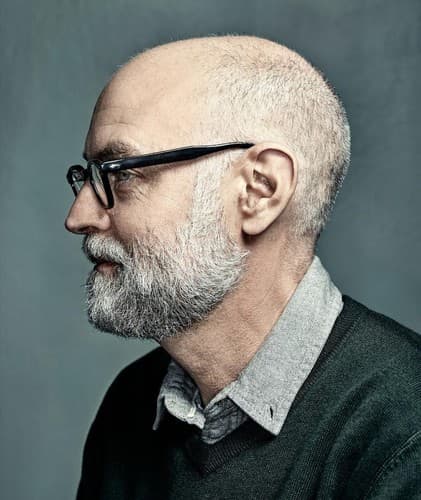
Daniel Clowes is a highly influential graphic novelist known for his witty and melancholic explorations of modern life. His seminal work, "Ghost World," was adapted into a critically acclaimed film and cemented his reputation for creating relatable, complex characters. Clowes is a key figure in the alternative comics scene, or "alt-comix," scene.
Similar books
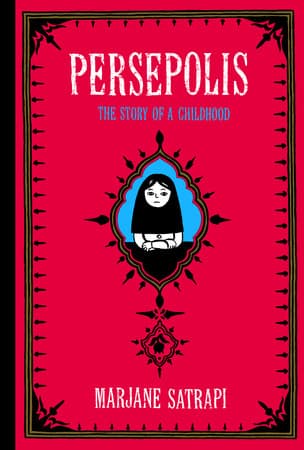
- Persepolis: The Story of a Childhood
Marjane Satrapi
4.3 (158k) average on GoodreadsBiographyA coming-of-age graphic novel with a strong female protagonist navigating personal and societal changes.
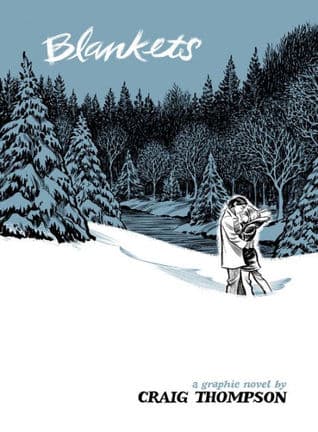
- Blankets
Craig Thompson
4.0 (95k) average on GoodreadsSpiritualityAn introspective graphic novel exploring themes of youth, first love, and finding oneself.
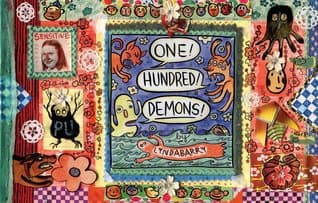
- One Hundred Demons
Lynda Barry
4.2 (8k) average on GoodreadsBiographyWhile both works delve into autobiographical elements and the awkwardness of youth, Clowes' Ghost World employs a more detached, observational, and often cynical tone. Barry's One Hundred Demons, by contrast, often adopts a more whimsical, nostalgic, and emotionally direct approach to memory and personal experience, utilizing varied artistic styles for each 'demon'.
- Harry Potter and the Sorcerer's Stone
J.K. Rowling
4.5 (7M) average on GoodreadsFantasyRescued from a miserable life under the stairs, an orphaned boy discovers he's a wizard destined for a magical school, where he uncovers a dangerous secret tied to the dark wizard who murdered his parents.
- The Hunger Games
Suzanne Collins
4.3 (6.4M) average on GoodreadsFantasyIn a future where children fight to the death on live television, Katniss Everdeen volunteers for the arena, turning a death sentence into a fight for survival and a spark of rebellion.
- To Kill a Mockingbird
Harper Lee
4.3 (4.5M) average on GoodreadsHistorical FictionIn the 1930s Jim Crow South, Harper Lee writes about racial injustice, moral growth, and the quiet courage of a lawyer father, Atticus Finch, as seen through his young daughter's eyes.



Enjoyed the summary?
A summary gives you the shape of the book. The book itself has the detail, the examples and the voice.
Find Ghost World on AmazonAs an Amazon Associate, BookBrief earns from qualifying purchases. How we're funded