

Synopsis
Covers the whole plot, including the ending.
- Difficulty
- Easy
- Pacing
- Moderate
- Mood
- Heartwarming, Reflective, Relatable, Sweet
- Read it if
- You enjoy heartfelt coming-of-age stories about first crushes, changing friendships, and self-discovery during early adolescence.
- Skip it if
- You prefer high-stakes plots or complex world-building over character-driven, realistic fiction.
Shug Plot Summary
Covers the whole plot, including the ending.
Summer Before Seventh Grade
Twelve-year-old Annemarie Wilcox, called Shug, spends the summer before seventh grade feeling behind her friends. Her best friend, Elaine, is developing and attracting boys, while Shug feels gangly and unfeminine. Shug has a secret crush on Mark, her childhood friend and neighbor, but he seems more interested in Elaine. Their usual summer activities, like swimming, now include new social dynamics, making Shug aware of her perceived flaws and the changing nature of her friendships.
Starting Junior High
Junior high starts, and Shug struggles to fit in. She is not part of the popular crowd, and her friendship with Elaine strains as Elaine moves towards the 'in' girls. Shug feels alone, watching social rituals from the outside. Her crush on Mark grows, but he remains unaware, often teasing her in a way that feels more hurtful than playful. The school environment highlights her insecurities about her appearance and her inability to connect with her peers as she wants, leading to feelings of loneliness.
The First Dance
The first school dance is important, and Shug, despite her worries, hopes for a moment with Mark. She goes with Elaine and their other friend, Audrey. Shug tries to get Mark's attention, but he spends most of the evening dancing with Elaine or other popular girls. Shug feels overlooked and embarrassed, confirming her fears that she is not attractive or interesting enough for him. The dance becomes a painful reminder of her unreturned feelings and her struggle to navigate junior high social life, leaving her disheartened.
Elaine's Popularity and Growing Distance
As the school year goes on, Elaine becomes more involved with the popular group, further separating herself from Shug. Elaine starts to prioritize her new friends and social status over her long friendship with Shug, often making Shug feel left out. This change hurts Shug deeply, as Elaine was her closest friend. Shug struggles to understand why their friendship is changing so much and feels a great sense of loss during this transitional period.
Shug's Family Life
At home, Shug sees growing tension between her parents, who argue often. Her older sister, Penny, is busy with her own teenage problems, usually involving boys, and offers little emotional support to Shug. Shug feels caught in the middle, trying to understand adult complexities while dealing with her own adolescent struggles. The instability at home adds more worry to Shug's life, making her long for a sense of normalcy that seems out of reach.
Mark's Teasing and Shug's Hurt
Mark, her lifelong friend, continues to tease Shug, often commenting on her appearance or lack of romantic attention. While he likely means it playfully, Shug takes it as proof of her deepest insecurities. His words sting, especially because she has strong feelings for him. Each interaction leaves her feeling more self-conscious and misunderstood, creating a barrier between them even as she wants his affection. This shows the emotional vulnerability of young adolescence and the pain of unreturned love.
Seeking Solace in Books and Solitude
Feeling more and more alone from her friends and family, Shug often goes into her own world, finding comfort in books and quiet thought. She reads in her room, escaping into stories that offer a temporary break from her real-life problems. This time alone lets her process her emotions, even if she does not always find clear answers. Her solitude becomes a way to manage the changes of junior high and her relationships without constant judgment.
A Glimmer of Hope with Gary
At one point, a boy named Gary shows some interest in Shug. This unexpected attention offers a brief moment of hope and validation, making her feel seen in a way Mark never has. While the connection is small and does not fully develop, it gives Shug a moment of feeling wanted and normal. It is a small but important step in her self-discovery, showing her that her worth is not only tied to Mark's approval and that other boys might find her appealing.
Confronting Elaine
Frustrated and hurt by Elaine's growing distance, Shug finally gathers the courage to confront her best friend. The talk is difficult and emotional, as Shug expresses her feelings of being abandoned. Elaine, caught up in her new social circle, struggles to fully understand Shug's view. While the conversation does not immediately solve all their problems, it is a key step for Shug in expressing her feelings and acknowledging the pain caused by their changing friendship, showing her ability to stand up for herself.
Mark's Changing Perspective
Towards the end of the school year, Mark's behavior towards Shug begins to change. He starts to notice her differently, perhaps seeing beyond their childhood dynamic. There are times when his teasing softens, and he shows glimpses of genuine care. While not a clear declaration of love, these subtle changes suggest a budding awareness on his part, hinting at the possibility of their relationship evolving beyond just childhood friends. This shift gives Shug a renewed sense of hope.
A Tentative Understanding
In one scene, Shug and Mark have a conversation where he acknowledges her feelings, or at least shows a deeper understanding. They share a moment of true connection, perhaps a shared laugh or a serious talk, that goes beyond their usual teasing. This interaction is important for Shug, as it suggests that Mark might finally see her as more than his childhood friend, offering a glimmer of hope for a future romantic connection and confirming her long-held feelings for him.
Embracing Imperfection
By the end of the book, Shug has not magically become popular or perfectly confident, but she has made progress in accepting herself. She starts to understand that growing up is messy and that it is okay to feel awkward. She learns that friendships change, and that her worth is not based on external validation. While her feelings for Mark remain, she gains a more mature view on relationships and self-worth, beginning to accept her unique qualities instead of constantly comparing herself to others. She finds a new sense of strength and self-acceptance.
Shug Characters
Annemarie 'Shug' Wilcox
Protagonist
A self-conscious and introspective twelve-year-old navigating the complexities of junior high and first crushes.
Shug is a perceptive and sensitive girl who feels out of sync with her peers. She's tall, freckled, and struggles with body image issues, believing herself to be unattractive and unremarkable. She harbors a deep, secret crush on her childhood friend, Mark, which fuels many of her anxieties. Shug is thoughtful and observant, often retreating into her own thoughts or books to process the overwhelming changes happening around her. She values loyalty in friendships but struggles to voice her feelings when hurt.
Relationships: Mark (Childhood friend and unrequited crush); Elaine (Best friend whose growing popularity strains their bond); Audrey (Friend, often a quieter presence); Penny (Older sister, often self-absorbed); Mom and Dad (Parents with a strained marriage)
Mark
Supporting/Love Interest
Shug's childhood friend and neighbor, often oblivious to her feelings but shows a developing awareness.
Mark is Shug's lifelong friend and the object of her intense crush. He's a typical boy on the cusp of adolescence, often teasing Shug in a way that is sometimes playful but also hurtful due to Shug's insecurities. He seems to be more interested in popular girls like Elaine and initially doesn't perceive Shug romantically. Over the course of the book, he begins to mature and show glimpses of a deeper understanding and appreciation for Shug, suggesting a potential shift in their relationship.
Relationships: Annemarie 'Shug' Wilcox (Childhood friend, later potential romantic interest); Elaine (Friend, often the object of his attention)
Elaine
Supporting
Shug's best friend who becomes increasingly popular and distant.
Elaine is Shug's best friend and, in many ways, her opposite. She is developing physically faster than Shug and quickly gains popularity in junior high, gravitating towards the 'in' crowd. While not intentionally malicious, her newfound social status and desire to fit in lead her to distance herself from Shug, often making Shug feel abandoned and left behind. Elaine represents the allure and pressures of popularity during adolescence, and her actions highlight the pain of changing friendships.
Relationships: Annemarie 'Shug' Wilcox (Best friend, relationship becomes strained); Mark (Friend, often flirtatious)
Audrey
Supporting
Shug's other friend, often more reserved and less influenced by the popular crowd.
Audrey is another of Shug's friends, often quieter and less caught up in the social drama than Elaine. She provides a more stable, though sometimes passive, presence in Shug's life. Audrey is less prone to the fickle nature of junior high friendships and offers a sense of normalcy when Elaine is pulling away. She represents a quieter, more consistent type of friendship, even if she doesn't always take an active role in resolving conflicts.
Relationships: Annemarie 'Shug' Wilcox (Friend); Elaine (Friend)
Penny Wilcox
Supporting
Shug's older sister, preoccupied with her own teenage life.
Penny is Shug's older sister, a typical teenager consumed by her own social life, boys, and high school dramas. She often dismisses Shug's problems or offers unhelpful advice, seeing Shug as a younger, less experienced sibling. While she loves Shug, she's not a source of consistent emotional support, reflecting the self-absorption common in adolescence. Her presence highlights the generational gap and differing priorities within the Wilcox household.
Relationships: Annemarie 'Shug' Wilcox (Sister); Mom and Dad (Children of)
Shug's Mom
Supporting
Shug's mother, navigating a strained marriage and her daughters' adolescence.
Shug's mother is a somewhat distracted figure, grappling with her own marital issues and the challenges of raising two teenage daughters. She loves Shug but is often preoccupied, making it difficult for Shug to confide in her. Her strained relationship with Shug's father adds to the underlying tension in the household, affecting Shug's sense of security. She represents the often-overlooked adult struggles that can impact a child's world.
Relationships: Annemarie 'Shug' Wilcox (Mother); Penny Wilcox (Mother); Shug's Dad (Wife)
Shug's Dad
Supporting
Shug's father, whose marital issues contribute to the family's tension.
Shug's father is largely seen through the lens of his strained relationship with Shug's mother. He is present in the home but often contributes to the atmosphere of tension and unspoken conflict. His arguments with Shug's mom create an unsettling environment for Shug, adding to her overall anxiety about the stability of her world. He is a representation of the domestic challenges that can impact a child's emotional landscape.
Relationships: Annemarie 'Shug' Wilcox (Father); Penny Wilcox (Father); Shug's Mom (Husband)
Gary
Mentioned
A boy who briefly shows interest in Shug, offering a moment of validation.
Gary is a minor character who briefly expresses interest in Shug. His attention, though fleeting, provides Shug with a much-needed boost of confidence and a taste of feeling desirable outside of her unrequited crush on Mark. He serves as a catalyst for Shug to realize that she can be seen and appreciated by others, even if it doesn't lead to a lasting romance.
Relationships: Annemarie 'Shug' Wilcox (Brief romantic interest)
Shug Themes
The Awkwardness of Adolescence and Puberty
The novel shows the physical and emotional discomfort of being twelve. Shug often feels too tall, too freckled, and too flat, comparing herself to friends like Elaine. Her self-consciousness about her changing body and perceived lack of femininity drives much of her insecurity. Scenes like the school dance, where she feels invisible, highlight the awareness and worry that come with puberty and new social expectations.
“There's nothing worse than being twelve. You're too old for some things and too young for others. You're not quite a girl, not quite a woman.”
Changing Friendships and Social Hierarchies
A main theme is the changing nature of friendships in junior high. Shug experiences the painful process of her best friend, Elaine, moving away to join the popular crowd. This creates feelings of abandonment and loneliness for Shug, as she struggles to understand why their bond is no longer enough. The novel explores the unspoken rules of junior high social groups, where popularity can dictate who you interact with, forcing Shug to face the impermanence of childhood bonds.
“It was like we were on different planets now, Elaine and me. She was on the popular one, and I was on the one where nobody knew your name.”
Unrequited Love and First Crushes
Shug's intense, secret crush on Mark, her childhood friend, is the emotional center of the novel. Her desire for his attention drives many of her actions and internal conflicts. The pain of his unawareness, his teasing, and his interest in other girls is a constant source of heartache for Shug. The story explores the vulnerability and hope of first love, and the often-painful realization that feelings are not always returned, but also the eventual possibility of change.
“He was like a song I knew by heart, but I was just a quiet hum he'd never really noticed.”
Self-Acceptance and Finding Your Voice
Throughout the story, Shug deals with her self-worth, constantly comparing herself to others and feeling inadequate. Her journey is about learning to accept her unique qualities instead of trying to fit in. By the end, Shug begins to find her voice, standing up for herself and understanding that her value is not dependent on outside approval. This theme highlights the importance of inner strength and self-love in facing the challenges of growing up.
“Maybe being me was enough. Maybe it was even better.”
Plot Devices & Literary Techniques
Internal Monologue
Shug's thoughts and feelings are directly shared with the reader, providing deep insight into her struggles.
The novel is heavily reliant on Shug's internal monologue, allowing readers direct access to her anxieties, observations, and desires. This device effectively conveys the intense self-consciousness and emotional turmoil of adolescence. We experience her every doubt about her appearance, her longing for Mark, and her hurt over changing friendships firsthand, making her struggles relatable and immediate. It builds empathy by immersing the reader in her perspective, making her journey of self-discovery more impactful.
Symbolism of Physical Appearance
Shug's physical traits (height, freckles, lack of development) symbolize her feelings of inadequacy and being 'out of sync'.
Shug's constant focus on her physical traits – her height, her freckles, and her perceived lack of feminine development – serves as a potent symbol for her overall feelings of inadequacy and being out of place. These physical attributes aren't just superficial details; they represent her internal belief that she is not pretty enough, not mature enough, or not 'normal' enough to be liked or loved. Her journey towards self-acceptance is tied to her slowly letting go of these physical hang-ups.
Contrast between Childhood and Adolescence
The stark differences between Shug's past and present highlight the abrupt and often painful transition into junior high.
The narrative frequently draws a contrast between Shug's idyllic childhood memories with Mark and Elaine and the challenging reality of their junior high years. The 'good old days' represent a time of simple, unconditional friendships and innocence, while the present is marked by social hierarchies, self-consciousness, and complex emotions. This contrast emphasizes the abrupt and often painful nature of growing up, where familiar comforts are stripped away, and new, unsettling challenges emerge, making Shug yearn for what once was.
Shug Quotes
“I think I've been in love with you since I was ten years old.”
“I like you, Lara Jean. I do. I just... I don't think I can be what you want me to be.”
“It's so much easier to be honest with people when you're not in love with them.”
“You don't just stop loving someone. You just learn to live without them.”
“I used to think that the worst thing in life was to end up all alone. It's not. The worst thing in life is to end up with people who make you feel all alone.”
“My letters are for my eyes only. They are not meant to be shared.”
“It's not a lie if you believe it.”
“When you lose someone, it's like a part of you goes missing. You can still function, but you're never quite whole again.”
“The greatest danger in life is not taking risks. It's playing it safe.”
“Being sisters means you always have a backup.”
“I don't want to be the girl who never gets to experience anything because she's too afraid.”
“Sometimes you have to break a few rules to find your happy ending.”
“I want to be the kind of girl who gets to have adventures.”
“It's like I'm always waiting for the other shoe to drop.”
Quiz
10 questions on the plot and the characters. Each answer comes with a short explanation.
Question 1
What is Annemarie Wilcox's nickname, which is also the title of the book?
- Annie
- Shug
- Mare
- Wilcox
Show answer
B. Shug Annemarie Wilcox is affectionately called 'Shug' by her family, which is the central character's nickname and the book's title.
Question 2
How old is Shug at the beginning of the story?
- Eleven
- Twelve
- Thirteen
- Ten
Show answer
B. Twelve The book description explicitly states that Shug is 'beginning to think there's nothing worse than being twelve.'
Question 3
Which physical characteristic does Shug feel self-conscious about, as mentioned in the description?
- Her height
- Her freckles
- Her flat chest
- All of the above
Show answer
D. All of the above The description states Shug is 'too tall, too freckled, and way too flat-chested,' indicating she is self-conscious about all these aspects.
Question 4
What significant transition is Shug facing at the start of the book?
- Moving to a new town
- Starting high school
- Starting junior high
- Going to summer camp
Show answer
C. Starting junior high Shug 'has to start junior high,' a major life event for her at twelve years old.
Question 5
Who is the boy Shug has known 'her whole life through' and is now acting differently?
- Jeremy
- Mark
- David
- Kevin
Show answer
B. Mark The description mentions 'especially Mark, the boy she's known her whole life through' as someone whose behavior has changed.
Question 6
What is Shug's primary desire amidst all the changes happening around her?
- To make new friends
- For things to be like they used to be
- To become more popular
- To understand her future
Show answer
B. For things to be like they used to be The text states, 'all Shug wants is for things to be like they used to be,' highlighting her longing for stability and the past.
Question 7
The phrase 'Life is growing up all around her' primarily suggests which theme?
- The challenges of rural life
- The inevitability of change and maturation
- The importance of family bonds
- The desire for adventure
Show answer
B. The inevitability of change and maturation This phrase directly points to the theme of growing up and the changes that accompany it, which Shug finds difficult to navigate.
Question 8
What internal conflict does Shug experience regarding her self-perception?
- She believes she is too perfect and needs flaws.
- She feels there's 'not one good or amazing thing about her.'
- She struggles with being too outgoing and confident.
- She thinks she is too clever for her friends.
Show answer
B. She feels there's 'not one good or amazing thing about her.' Shug's internal struggle is rooted in her low self-esteem, believing 'there's not one good or amazing thing about her,' despite the narrator's initial description of her as 'clever and brave and true.'
Question 9
The statement 'How is a person supposed to prepare for what happens tomorrow when there's just no figuring out today?' best encapsulates Shug's struggle with:
- Academic pressure
- The unpredictability and confusion of adolescence
- Financial difficulties
- Parental expectations
Show answer
B. The unpredictability and confusion of adolescence This quote perfectly captures the overwhelming and confusing nature of growing up for Shug, where the present itself is hard to understand, making the future seem impossible to prepare for.
Question 10
What is the primary genre of 'Shug' as described in the provided information?
- Fantasy
- Mystery
- Children's, Young Adult, Romance
- Science Fiction
Show answer
C. Children's, Young Adult, Romance The provided information explicitly lists the genres as 'Children's, Young Adult, Romance,' indicating it falls within all three categories.
Shug FAQ
What is the central conflict Shug faces at the beginning of the novel?
Shug, whose real name is Annemarie Wilcox, is struggling with the awkwardness of being twelve years old and starting junior high. She feels self-conscious about her appearance, specifically being too tall and flat-chested, and is grappling with the changing dynamics of her friendships, particularly with her long-time friend, Mark.
Who are Shug's primary friends and how do their relationships evolve?
Shug's closest friends are Elaine and Mark. As they enter junior high, Elaine starts to become more interested in boys and popularity, sometimes leaving Shug feeling left out. Mark, her childhood best friend, is also changing, and their relationship becomes complicated by Shug's emerging romantic feelings and his own evolving interests.
What role do Shug's family members play in her journey?
Shug's family, especially her older sister and her parents, provide a backdrop of both stability and relatable domestic challenges. Her sister, who is older and more experienced, offers glimpses into teenage life, while her parents' relationship provides an example, albeit sometimes a complex one, of adult love and partnership.
How does Shug's perspective on her appearance change throughout the book?
Initially, Shug is deeply insecure about her height and lack of curves, constantly comparing herself to others. While she doesn't undergo a complete transformation, she gradually starts to find small moments of self-acceptance and understands that her worth isn't solely tied to her physical appearance, learning to appreciate other qualities about herself.
What significant event or realization marks a turning point for Shug in understanding her feelings for Mark?
A significant turning point occurs when Shug realizes her feelings for Mark extend beyond platonic friendship, especially as he starts to show interest in other girls. This forces her to confront the complexity of her emotions and the potential for their relationship to change in ways she hadn't anticipated, leading to both confusion and longing.
Are there any subtle indications of the changing social hierarchy in junior high?
Yes, the narrative subtly highlights the shifting social landscape as Elaine gravitates towards more 'popular' girls and activities, leaving Shug to navigate new social circles. This is shown through lunch table choices, group activities, and the way certain students are perceived or excluded by others, reflecting a more stratified social environment.
How does the author use Shug's internal monologue to convey her emotional state?
The author heavily relies on Shug's first-person internal monologue to vividly portray her insecurities, anxieties, and budding romantic feelings. Her thoughts are often fragmented, self-deprecating, and filled with questions, directly immersing the reader in her twelve-year-old mind as she processes the confusing world around her.
What role does the summer before junior high play in setting up the story's conflicts?
The summer before junior high is crucial as it's a period of transition where the seeds of change are sown. Shug notices subtle shifts in her friendships and her own burgeoning awareness of boys and social dynamics, creating a sense of impending change and foreshadowing the difficulties she'll face once school starts.
Is there a specific scene where Shug feels particularly betrayed or misunderstood by her friends?
Yes, there are instances where Shug feels particularly left out, such as when Elaine makes plans with other girls without including her, or when Mark seems oblivious to her feelings while focusing on other girls. These moments underscore her sense of isolation and the pain of evolving friendships.
How does Shug's relationship with her older sister influence her understanding of teenage life?
Shug's older sister serves as a window into the future, offering Shug glimpses of crushes, social events, and the complexities of being a teenager. While sometimes frustrating, her sister's experiences, both good and bad, give Shug a preview of what's to come and often make Shug feel even more immature by comparison.
What is the significance of the nickname 'Shug'?
The nickname 'Shug' is a term of endearment used by her family, implying sweetness and affection. It contrasts with Annemarie's internal struggles and self-doubt, highlighting the gap between how she is loved and how she perceives herself, suggesting a deeper, cherished identity.
Does Shug ever explicitly communicate her feelings to Mark, or is it mostly implied?
Shug struggles to explicitly communicate her romantic feelings to Mark. Her expressions are mostly implied through longing glances, overthinking his actions, and internal monologues. This difficulty in verbalizing her emotions is a key aspect of her twelve-year-old experience, making their interactions charged with unspoken desires.
What is the overall message about growing up that the book conveys?
The book conveys that growing up is a messy, confusing, and often painful process filled with self-doubt, changing friendships, and the bewildering emergence of romantic feelings. It emphasizes that it's okay to feel awkward and unsure, and that finding self-acceptance is a journey, not a destination.
Is there a moment of unexpected kindness or understanding that helps Shug?
Yes, there are small moments of unexpected kindness, perhaps from a less popular classmate or an adult, which offer Shug brief reprieves from her anxieties. These moments serve as reminders that she is not entirely alone and that genuine connection can be found in unexpected places, providing glimmers of hope.
How does the setting of a small town or community impact Shug's experience?
The setting in a presumably smaller, close-knit community means that Shug has known her friends, like Mark and Elaine, her entire life. This familiarity intensifies the impact of their changing dynamics, as there's a stronger sense of shared history and a smaller pool of new people to connect with, making the shifts in relationships feel more profound.
Does the book offer a clear resolution to Shug's romantic feelings for Mark?
The book does not offer a clear, definitive resolution to Shug's romantic feelings for Mark in terms of them becoming a couple. Instead, it focuses on the realistic ambiguity and the slow, often unrequited nature of first crushes, emphasizing Shug's internal journey of understanding her emotions rather than a tidy romantic outcome.
What is the significance of the title 'Shug' in relation to the main character's journey?
The title 'Shug' signifies the core, innocent, and loved part of Annemarie, often in contrast to the insecure and self-critical persona she presents to the world. Her journey is about reconciling these two aspects, learning to embrace the 'Shug' within despite the awkwardness of growing up, and recognizing her inherent worth.
How does the book portray the challenges of female friendships during early adolescence?
The book vividly portrays the fragility and complexity of female friendships in early adolescence, showing how they can be strained by new interests, social pressures, and the desire for popularity. It highlights the pain of feeling left behind or misunderstood as friends begin to navigate different paths, emphasizing loyalty versus evolving identities.
About the author

Jenny Han is an American author of young adult fiction and children's fiction. She is best known for writing the To All the Boys series and The Summer I Turned Pretty trilogy, which were adapted into a film series and TV series, respectively.
Similar books
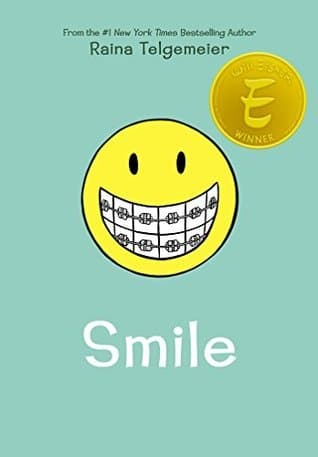
- Smile
Raina Telgemeier
4.3 (183k) average on GoodreadsChildren'sA graphic novel that captures the awkwardness and challenges of middle school friendships and self-image.
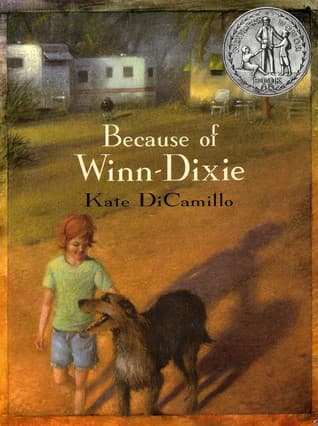
- Because of Winn-Dixie
Kate DiCamillo
4.0 (206k) average on GoodreadsChildren'sFeatures a young protagonist dealing with loneliness and finding connection and self-acceptance.
- Wonder
R.J. Palacio
4.4 (733k) average on GoodreadsChildren'sWhile Wonder primarily focuses on Auggie Pullman's experience as a child with facial differences entering mainstream school, both books share a core theme of navigating the complexities of junior high and the impact of peer perception. Wonder excels in exploring empathy, kindness, and the challenges of fitting in when physically different, often from multiple perspectives. Shug, in contrast, delves more deeply into the internal, less visible struggles of a 'typical' pre-teen who feels different on the inside, highlighting the universal anxieties of social hierarchy, self-worth, and the longing for belonging that many young readers experience, even without an obvious external marker.
- Harry Potter and the Sorcerer's Stone
J.K. Rowling
4.5 (7M) average on GoodreadsFantasyRescued from a miserable life under the stairs, an orphaned boy discovers he's a wizard destined for a magical school, where he uncovers a dangerous secret tied to the dark wizard who murdered his parents.
- The Hobbit, or There and Back Again
J.R.R. Tolkien
4.3 (2.9M) average on GoodreadsFantasyA comfort-loving hobbit named Bilbo Baggins is whisked away by a mischievous wizard and a band of dwarves on an unexpected journey to reclaim stolen treasure from a fearsome dragon, discovering courage and a magical ring along the way.
- Harry Potter and the Goblet of Fire
J.K. Rowling
4.6 (2.6M) average on GoodreadsFantasyA bewildered Harry Potter, underage and thrust into a deadly Triwizard Tournament, must brave dragons, mermaids, and a resurgent dark magic to survive a year that will forever alter the wizarding world.




Enjoyed the summary?
A summary gives you the shape of the book. The book itself has the detail, the examples and the voice.
Find Shug on AmazonAs an Amazon Associate, BookBrief earns from qualifying purchases. How we're funded