

Synopsis
Covers the whole plot, including the ending.
- Difficulty
- Easy
- Pacing
- Fast
- Mood
- Humorous, Whimsical, Adventurous, Lighthearted
- Read it if
- You enjoy silly, over-the-top humor, stories about kids outsmarting adults, and fantastical elements like magic powers. Perfect for young readers who like a good laugh.
- Skip it if
- You prefer serious, realistic stories or dislike slapstick humor and exaggerated characters.
Slime Plot Summary
Covers the whole plot, including the ending.
Welcome to the Isle of Mulch and the Horrible Grown-Ups
Ned, a young boy who uses a wheelchair, introduces the reader to his home, the Isle of Mulch. He says the island is overrun by awful grown-ups who enjoy making children unhappy. From the headmaster, Mr. Grubb, to Mrs. Grot, who runs the toy shop, and the ice-cream man, Mr. Nosey, every adult seems dedicated to misery. The worst is Aunt Greta Greed, who owns most of the island. Ned, despite his physical challenges, dreams of a world where children are happy and free from adult control. This sets the stage for his rebellion.
Ned Discovers His Slimepower
One day, while experimenting in his shed, Ned accidentally mixes various household liquids and unusual ingredients. The mixture bubbles, glows, and then transforms into a green, sentient slime. This is 'Slimepower.' Ned quickly realizes the slime can move, stretch, and follow his mental commands. This discovery gives him an idea: this slime can fight the oppressive adults of Mulch Island. He decides to keep his new friend a secret, knowing the adults would try to destroy it.
The First Slime Attack: Mr. Grubb
Ned decides to test his Slimepower on Mr. Grubb, the headmaster of Mulch Island Primary School. Mr. Grubb is known for his strict rules, bland school dinners, and making children write lines for small mistakes. Ned, with Slimepower hidden in his backpack, goes to the school. During assembly, Ned secretly commands the slime to escape and cause chaos. The slime fills Mr. Grubb's trousers, squirts from his nose, and humiliates him in front of the school, to the children's delight. This mission boosts Ned's confidence and confirms his plan to tackle more awful adults.
Targeting Mrs. Grot and Mr. Nosey
With success against Mr. Grubb, Ned and Slimepower target other despicable adults. Next is Mrs. Grot, the toy shop owner, who famously stops children from touching toys and only sells boring, educational items. Ned orchestrates Slimepower to cover Mrs. Grot and the entire toy shop in sticky, green goo, stopping her from enforcing her rules. After this, they target Mr. Nosey, the island's ice-cream man, who only sells disgusting, vegetable-flavored ice cream. Slimepower infiltrates his van, covering him and his creations in green, causing him to flee. The children are happy to be free from his awful treats.
The Plan to Tackle Aunt Greta Greed
After several successful 'slimings,' Ned knows his biggest challenge is Aunt Greta Greed, the wealthiest and most powerful adult on Mulch Island. Aunt Greta is known for her greed, her mansion, and her disregard for children's happiness. She owns most of the island's businesses and properties, including Ned's home, making her a formidable foe. Ned understands that tackling her will be more dangerous and difficult than any previous mission, but he believes defeating her could free the island from adult control. He starts planning to infiltrate her mansion.
Infiltrating Greed Manor
Ned, with Slimepower concealed, begins his most dangerous mission: infiltrating Greed Manor, Aunt Greta Greed's fortified residence. The manor has high walls, security cameras, and guard dogs. Using Slimepower's flexibility and stealth, Ned navigates the grounds and slips inside. He wants to reach Aunt Greta's private chambers and use Slimepower on her, hoping to end her rule over Mulch Island. The tension is high as Ned, in his wheelchair, and his slimy companion creep through the opulent corridors of Greed Manor.
The Confrontation and Slime's Ultimate Attack
Ned finds Aunt Greta Greed in her study, surrounded by her treasures. Aunt Greta, at first dismissive of a child, is horrified when Ned reveals Slimepower. A chase begins through the mansion, with Aunt Greta trying to capture or destroy the slime. But Slimepower is too agile. In the end, Slimepower engulfs Aunt Greta, filling her clothes, hair, and mouth, turning her into a squirming, green mess. The shock and humiliation are too much for Aunt Greta, who collapses in disgust, her rule ended.
The Transformation of Mulch Island
With Aunt Greta Greed slimed and defeated, a transformation begins on Mulch Island. The other adults, seeing their leader's fate and a shift in power, become much kinder. Mr. Grubb starts serving delicious school dinners and allows playtime, Mrs. Grot fills her toy shop with fun toys, and Mr. Nosey begins selling sugary ice cream. The children of Mulch Island are free to play, laugh, and enjoy their childhoods without constant adult interference. Ned becomes a quiet hero, his Slimepower having brought about a revolution.
Ned's Legacy and the Future of Slimepower
Ned, having liberated Mulch Island from its awful adults, thinks about his journey. He realizes that while Slimepower was important, his courage and determination truly made a difference. The island is now a happier place, and children can thrive. Slimepower, having fulfilled its purpose, doesn't disappear. It remains Ned's loyal companion, sometimes appearing for a prank or to remind grumpy adults of its presence. Ned knows the fight for children's happiness continues, but he has given Mulch Island a symbol of rebellion and joy, ensuring a brighter future for its young inhabitants.
Slime Characters
Ned
Protagonist
A wheelchair-bound boy who discovers 'Slimepower' and leads the fight against horrible adults.
Ned is the brave and resourceful protagonist of the story. Despite being in a wheelchair, which some adults use to underestimate him, he possesses an extraordinary imagination, a strong sense of justice, and an unwavering determination to make Mulch Island a better place for children. He is the inventor of Slimepower and its sole controller, using his intelligence and courage to outwit the island's tyrannical grown-ups. He is driven by a desire for children to experience joy and freedom.
Relationships: Slimepower (Creator and loyal companion); Aunt Greta Greed (Arch-nemesis)
Slimepower
Supporting
A sentient, green, magical slime that is Ned's secret weapon.
Slimepower is the extraordinary, magical green slime that Ned accidentally creates. It is sentient, capable of understanding Ned's thoughts and commands, and possesses incredible elasticity, stickiness, and a mischievous personality. Slimepower is Ned's loyal companion and the primary tool in his fight against the horrible adults. It embodies childish rebellion and fun, making the adults' lives miserable in the most amusing ways possible. It represents the power of imagination and unexpected solutions.
Relationships: Ned (Creator and master)
Aunt Greta Greed
Antagonist
The wealthiest and most horrible adult on Mulch Island, who owns most of the island.
Aunt Greta Greed is the primary antagonist of the story and the embodiment of adult tyranny and selfishness. She is incredibly wealthy, owning much of Mulch Island, and uses her power to make children's lives miserable. She is depicted as mean-spirited, obsessed with money, and utterly devoid of kindness or humor. Her defeat is crucial for the liberation of the island. She is the ultimate target of Ned and Slimepower's campaign.
Relationships: Ned (Arch-nemesis); Other awful adults (Informal leader/role model)
Mr. Grubb
Supporting
The strict and unpleasant headmaster of Mulch Island Primary School.
Mr. Grubb is one of the horrible adults targeted by Ned. As the headmaster, he makes school a miserable experience for children with his strict rules, boring lessons, and disgusting school dinners. He represents the oppressive authority figures children often encounter. His humiliation by Slimepower is one of Ned's early victories and a sign of things to come for the other awful adults.
Relationships: Ned (Student and 'sliming' target)
Mrs. Grot
Supporting
The owner of the toy shop who prevents children from enjoying toys.
Mrs. Grot runs the toy shop on Mulch Island, but instead of selling fun toys, she only offers dull, educational items and forbids children from touching anything. She embodies the adult tendency to stifle children's joy and imagination. Her shop is a symbol of the repressed childhood on the island, and her sliming signifies the return of fun to the children.
Relationships: Ned (Customer and 'sliming' target)
Mr. Nosey
Supporting
The ice-cream man who only sells disgusting, vegetable-flavored ice cream.
Mr. Nosey is the island's ice-cream man, but his offerings are far from delightful. He sells only vile, vegetable-flavored ice cream, much to the children's dismay. He represents the adults who remove simple pleasures from children's lives. His transformation after being slimed allows for delicious ice cream to finally be enjoyed on Mulch Island, symbolizing the return of simple joys.
Relationships: Ned (Customer and 'sliming' target)
Slime Themes
Childhood Rebellion and Empowerment
The main theme is children rising against adult authority. Ned, a child with challenges, uses a unique power (Slimepower) to challenge and defeat the adults who make children's lives miserable on Mulch Island. This theme celebrates the ingenuity, courage, and spirit of children when faced with injustice, showing that even the smallest can make a difference. It emphasizes the importance of preserving childhood joy against adult cynicism.
“Something needed to be done about them. But who could be brave enough? Meet Ned – an extraordinary boy with a special power. SLIMEPOWER!”
The Power of Imagination and Creativity
Ned's discovery of Slimepower is a result of his imaginative experimentation, and the slime embodies playful, chaotic creativity. The adults are rigid, boring, and lack imagination (e.g., Mrs. Grot's toy shop, Mr. Grubb's school). The slime's ability to take various forms and cause unexpected mayhem shows how creative thinking and unconventional solutions can overcome established, dull routines. It suggests that imagination is a strong force for positive change.
“This wasn't just any slime. This was alive. This was SLIMEPOWER!”
Justice and Fairness
Ned's motivation comes from a sense of injustice about how adults treat children on Mulch Island. He wants to restore balance and fairness, where children can be children and experience joy. Each 'sliming' is a form of justice, directly addressing the adults' cruelties. The defeat of Aunt Greta Greed means fairness wins over greed and tyranny, leading to a more equal and happy society for everyone on the island.
“He wanted to make the island a fun place for children, not a miserable place for horrible grown-ups.”
Overcoming Adversity and Disability
Ned, as a wheelchair user, faces physical challenges that could lead to him being underestimated. However, the story shows his perceived 'weakness' is not relevant to his strength of character and ingenuity. His wheelchair does not stop his adventures; he adapts and uses his intelligence to navigate obstacles. This theme shows that true strength comes from within and that physical differences do not limit one's capacity for heroism or making a significant impact.
“And Ned, despite being in a wheelchair, was the bravest boy on the whole island.”
Plot Devices & Literary Techniques
Slimepower
A sentient, magical green slime that acts as Ned's weapon and companion.
Slimepower is the central magical realism element and the primary plot device. It is a sentient, malleable, and mischievous green slime that Ned creates. It allows Ned, a boy in a wheelchair, to directly confront and humiliate the powerful adult antagonists. Slimepower is essentially a wish-fulfillment device for children, giving them the means to fight back against unfair adult rules. Its unpredictable nature adds humor and excitement to the narrative, enabling fantastical scenarios that drive the plot forward and serve as the catalyst for change on Mulch Island.
Exaggerated Antagonists
Over-the-top, comically evil adult characters representing various forms of childhood misery.
The adults on Mulch Island (Aunt Greta Greed, Mr. Grubb, Mrs. Grot, Mr. Nosey) are deliberately exaggerated to be comically horrible. They are caricatures of typical adult authority figures who make children's lives difficult, each specializing in a specific form of misery (greed, strictness, denying fun, bad food). This exaggeration serves several purposes: it makes them clear targets for Ned, amplifies the humor of their 'sliming,' and makes their eventual defeat more satisfying. This device clearly delineates good (children) from evil (horrible adults) in a child-friendly way.
The Isle of Mulch
A contained, exaggerated setting that acts as a microcosm of childhood struggles.
The Isle of Mulch functions as a self-contained, fantastical setting where the rules of adult-child dynamics are amplified. Its isolation allows for the complete dominance of horrible adults and, subsequently, for Ned's revolution to have a profound, island-wide impact without external interference. The name 'Mulch' itself suggests something unpleasant and overlooked, mirroring the children's initial state. This contained environment allows the story to explore themes of rebellion and empowerment in a focused and impactful way, creating a clear 'before and after' scenario.
Humiliation as a Weapon
The primary method of defeating antagonists through public embarrassment and discomfort.
Instead of violence, Ned and Slimepower's main 'weapon' is public humiliation. Each horrible adult is defeated by being covered in slime, causing them immense personal discomfort and public embarrassment. This plot device is perfectly suited for a children's book, offering a non-violent yet highly effective way for the protagonist to overcome his oppressors. It's funny, satisfying, and highlights that sometimes, simply making a bully look ridiculous is the most powerful form of resistance, especially in a world where adults typically hold all the power.
Slime Quotes
“The Isle of Mulch was a small island, shaped a bit like a giant, half-eaten biscuit.”
“Ned was a boy who loved slime. He loved it more than anything in the world.”
“It was the sort of smell that made your nose hairs curl up and beg for mercy.”
“Auntie Beastly was not just beastly by name, but beastly by nature too.”
“She had a face like a bulldog chewing a wasp.”
“The slime was alive! Not alive in a 'walking around and talking' way, but alive in a 'wobbling and oozing' way.”
“Never underestimate the power of a good burp.”
“The only thing worse than being bored was being bored and covered in glitter.”
“Every villain thinks they're the hero of their own story.”
“Sometimes, the best adventures start with a squelch.”
“The world needs more wobbly, gloopy, magnificent slime!”
“If you want to make an omelette, you have to break a few eggs. If you want to make a mess, you have to break a lot of rules.”
“A true friend is someone who will share their last piece of sticky, green goo with you.”
“Just because something is disgusting, doesn't mean it isn't brilliant.”
Quiz
10 questions on the plot and the characters. Each answer comes with a short explanation.
Question 1
What is the name of the island where the story of 'Slime' takes place?
- Isle of Mirth
- Isle of Mulch
- Isle of Monsters
- Isle of Misery
Show answer
B. Isle of Mulch The book explicitly states, 'WELCOME TO THE ISLE OF MULCH…' at the beginning of the summary, establishing the setting.
Question 2
Who is described as the 'most awful' grown-up who owns the Isle of Mulch?
- The Headmaster
- Aunt Greta Greed
- The Ice-Cream Van Driver
- The Toy Shop Owner
Show answer
B. Aunt Greta Greed The summary states, 'And the island is owned by the most awful one of all – Aunt Greta Greed!'
Question 3
What special power does the extraordinary boy, Ned, possess?
- Flight power
- Invisibility power
- Slimepower
- Super strength
Show answer
C. Slimepower The summary introduces Ned with his unique ability: 'Meet Ned – an extraordinary boy with a special power. SLIMEPOWER!'
Question 4
What is the primary motivation for Ned to use his Slimepower?
- To become the most popular kid on the island.
- To make the horrible grown-ups stop making children miserable.
- To win a competition against other children.
- To explore hidden parts of the island.
Show answer
B. To make the horrible grown-ups stop making children miserable. The book sets up the problem with 'horrible grown-ups' who 'like nothing more than making children miserable' and then asks, 'Something needs to be done about them.' Ned's Slimepower is the solution to this problem.
Question 5
Which of these locations on the Isle of Mulch is NOT explicitly mentioned as being run by awful adults?
- The local park
- The library
- The toy shop
- The school
Show answer
B. The library The summary lists 'The school, the local park, the toy shop and even the island’s ice-cream van' as places run by awful adults, but the library is not mentioned.
Question 6
What overarching theme is suggested by the description of the Isle of Mulch's adults and Ned's intervention?
- The importance of strict rules and order.
- The power of children to overcome adult oppression and bring joy.
- The dangers of playing with slime.
- The benefits of living on an island.
Show answer
B. The power of children to overcome adult oppression and bring joy. The entire premise revolves around 'horrible grown-ups' making children miserable and Ned, a child, being the one 'brave enough' to do 'something about them' with his special power, suggesting children's agency against adult tyranny.
Question 7
The book is described as a 'fantastically funny tale'. Which element from the summary most strongly hints at this comedic tone?
- The existence of 'horrible grown-ups'.
- The name of the island, 'Isle of Mulch'.
- The main character's special power being 'Slimepower'.
- The fact that it's illustrated by Tony Ross.
Show answer
C. The main character's special power being 'Slimepower'. While all options contribute to the book's character, a superpower involving 'slime' is inherently silly and playful, strongly aligning with the 'fantastically funny' description, especially in a children's book context.
Question 8
Why is Aunt Greta Greed's ownership of the island particularly significant to the plot's central conflict?
- It means she is the only adult Ned needs to defeat.
- It implies she holds ultimate authority, making her the root cause or enabler of the widespread adult awfulness.
- It means she is responsible for all the island's finances.
- It indicates she is the wealthiest person on the island.
Show answer
B. It implies she holds ultimate authority, making her the root cause or enabler of the widespread adult awfulness. As the owner of the entire island, Aunt Greta Greed would have ultimate control and influence over its institutions and other adults, making her the 'most awful one of all' and likely the ultimate target or source of the problems Ned faces.
Question 9
The summary states that the adults 'like nothing more than making children miserable.' What does this suggest about the nature of the conflict in the story?
- The adults are simply misunderstood and will eventually come around.
- The conflict is deeply rooted in the adults' inherent malice and deliberate intent to cause unhappiness.
- The children are exaggerating the adults' behavior.
- The adults are just incompetent, not malicious.
Show answer
B. The conflict is deeply rooted in the adults' inherent malice and deliberate intent to cause unhappiness. The phrase 'like nothing more than making children miserable' indicates a deliberate, malicious intent rather than mere incompetence or misunderstanding, establishing a clear antagonist role for the adults.
Question 10
What characteristic makes Ned 'extraordinary' beyond just having Slimepower, based on the context of the summary?
- His physical strength compared to other children.
- His willingness to act against the powerful, horrible adults when others might not dare.
- His academic achievements in school.
- His ability to befriend the horrible adults.
Show answer
B. His willingness to act against the powerful, horrible adults when others might not dare. The summary poses the question, 'But who could be brave enough?' to do something about the adults, immediately followed by 'Meet Ned – an extraordinary boy...' This juxtaposition implies his 'extraordinary' nature includes the courage and bravery to challenge the status quo, not just his power.
Slime FAQ
What is "Slime" by David Walliams about?
"Slime" is about Ned, a wheelchair-bound boy living on the Isle of Mulch, an island run by horrible adults who delight in making children miserable. Ned discovers he has 'Slimepower' – the ability to control a magical, sentient slime – and uses it to take revenge on the cruel grown-ups, culminating in a confrontation with the island's owner, Aunt Greta Greed.
Why should I read "Slime"?
You should read "Slime" for its hilarious, over-the-top portrayal of justice being served to awful adults, its imaginative concept of 'Slimepower,' and its underlying message of empowerment for children. It's filled with Walliams' signature humor and Tony Ross's vibrant illustrations, making it a fun and engaging read for young audiences.
What is the background/setting of "Slime"?
The story is set on the Isle of Mulch, a peculiar island where every aspect of children's lives, from school to the ice-cream van, is controlled by mean-spirited adults. The island itself is presented as a place of misery for kids, making Ned's rebellion all the more impactful against this oppressive backdrop.
What are the most memorable quotes?
While specific quotes aren't widely publicized outside the book, the narrative is filled with memorable humorous descriptions of the horrible adults and Ned's inventive uses of slime, such as 'The Isle of Mulch was home to a large number of horrible grown-ups' and various exaggerated exclamations from the adults as they face their slimy comeuppance.
What writing style does the author use?
David Walliams employs a highly accessible, humorous, and descriptive writing style, typical of his children's books. He uses exaggerated characters, slapstick comedy, and a clear, fast-paced narrative to engage young readers, often breaking the fourth wall with direct address and witty asides.
What minor details add significant meaning?
The specific torments inflicted by each adult, like Mrs. Meek's bland school lunches or Mr. Grizzle's unfair park rules, aren't just one-off gags; they highlight the pervasive nature of adult cruelty on the Isle of Mulch, making Ned's targeted revenge feel justified and cathartic for the reader.
What are some subtle foreshadowing moments?
The initial descriptions of Ned's loneliness and frustration, coupled with his imaginative mind, subtly set the stage for his desire for change and his readiness to embrace an unusual power. The general atmosphere of adult nastiness also foreshadows the extreme measures Ned will take to combat it.
What unexpected character connections exist?
While the primary focus is on Ned's individual journey, the collective suffering of all the children on the Isle of Mulch creates an unexpected, unspoken bond among them, even if they don't directly assist Ned. This shared experience underscores the larger theme of child empowerment against adult tyranny.
What are unspoken character motivations?
The unspoken motivation for the horrible adults, particularly Aunt Greta Greed, appears to be a deep-seated enjoyment of control and misery, rather than a logical goal. For Ned, his unspoken motivation is not just revenge, but a profound desire for justice and a happier childhood for himself and others.
What psychological complexities do characters exhibit?
Ned exhibits psychological complexity through his transformation from a seemingly helpless, frustrated boy to a confident, powerful figure. The adults, while caricatures, subtly display the psychological underpinnings of bullies – a need for dominance and a lack of empathy.
What are the major emotional turning points?
A major emotional turning point is when Ned first discovers and controls his 'Slimepower,' moving from passive suffering to active empowerment. Another is the moment he confronts Aunt Greta Greed, representing his complete embrace of his role as the children's champion.
How do relationship dynamics evolve?
Initially, the relationship dynamic is one of oppressive adults dominating powerless children. As Ned gains 'Slimepower,' this dynamic shifts, with the children, through Ned, gaining the upper hand and turning the tables on their tormentors, ultimately leading to a more balanced and just society on the island.
Which parts remain ambiguous or open-ended?
The exact origin of the 'Slimepower' and its sentient nature remain somewhat ambiguous, adding to its magical quality without needing a scientific explanation. Also, while the immediate problem of the horrible adults is resolved, the long-term governance of the Isle of Mulch after Aunt Greta's defeat is left to the reader's imagination.
What are controversial scenes or decisions?
Some might find the extensive and often gross punishments inflicted by Ned's slime on the adults controversial, as they are quite extreme, even if played for comedic effect. Ned's decision to use magical power for revenge rather than direct negotiation could also be seen as a strong, albeit effective, choice.
"Slime" ending explained: how it ends & what it means
"Slime" ends with Ned successfully defeating Aunt Greta Greed using his Slimepower, effectively ridding the Isle of Mulch of all its horrible grown-ups. The ending signifies a triumph of childhood imagination and courage over adult tyranny, establishing a new era where children can finally enjoy their lives without constant misery and oppression.
About the author

David Walliams is a celebrated British author, comedian, and television personality, best known for his hugely popular children's books. His works, including "Gangsta Granny," "Mr Stink," and "The World's Worst Teachers," are characterized by humor, heart, and often a touch of the absurd. Walliams's distinctive storytelling has made him a household name in children's literature.
Similar books
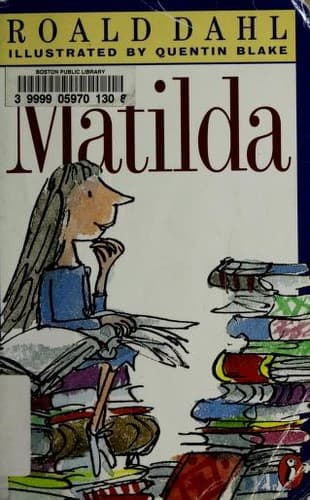
- Matilda
Roald Dahl
4.3 (648k) average on GoodreadsFantasyFeatures a clever child protagonist rebelling against cruel adults with a touch of magic.
- Harry Potter and the Sorcerer's Stone
J.K. Rowling
4.5 (7M) average on GoodreadsFantasyRescued from a miserable life under the stairs, an orphaned boy discovers he's a wizard destined for a magical school, where he uncovers a dangerous secret tied to the dark wizard who murdered his parents.
- The Hobbit, or There and Back Again
J.R.R. Tolkien
4.3 (2.9M) average on GoodreadsFantasyA comfort-loving hobbit named Bilbo Baggins is whisked away by a mischievous wizard and a band of dwarves on an unexpected journey to reclaim stolen treasure from a fearsome dragon, discovering courage and a magical ring along the way.
- Harry Potter and the Goblet of Fire
J.K. Rowling
4.6 (2.6M) average on GoodreadsFantasyA bewildered Harry Potter, underage and thrust into a deadly Triwizard Tournament, must brave dragons, mermaids, and a resurgent dark magic to survive a year that will forever alter the wizarding world.
- Harry Potter and the Order of the Phoenix
J.K. Rowling
4.5 (2.5M) average on GoodreadsFantasyIn a year of oppressive secrets and the threat of Voldemort, Harry Potter and Dumbledore's Army secretly train for war, shown through Jim Kay and Neil Packer's dark illustrations.
- The Lightning Thief
Rick Riordan
4.3 (2M) average on GoodreadsFantasyThrust into a world of mythological monsters and divine treachery, an ordinary boy discovers he's the son of Poseidon and must embark on a perilous quest across modern America to prevent an Olympian war.





Enjoyed the summary?
A summary gives you the shape of the book. The book itself has the detail, the examples and the voice.
Find Slime on AmazonAs an Amazon Associate, BookBrief earns from qualifying purchases. How we're funded