

Synopsis
Covers the whole plot, including the ending.
- Difficulty
- Medium
- Pacing
- Moderate
- Mood
- Dark, Gritty, Suspenseful, Thought-provoking, Melancholy
- Read it if
- You enjoy dark, gritty crime thrillers with a unique cultural setting, complex characters, and a strong focus on forensic detail and social commentary.
- Skip it if
- You prefer lighthearted mysteries, are sensitive to graphic descriptions of violence against children, or dislike stories with a strong undercurrent of social injustice.
Smaller and Smaller Circles Plot Summary
Covers the whole plot, including the ending.
The Discovery in Payatas
In the sprawling, impoverished community of Payatas, Manila, two young scavenger boys find the dismembered body of a young boy amidst the refuse. The corpse, missing several organs, is reported to Deputy Director Francisco Lastimosa. The discovery creates fear and confusion in the community, showing the vulnerability of its residents. The initial police response lacks proper forensic procedure, leading to a contaminated crime scene. The case is mishandled, with authorities more concerned with appearances than investigation, setting a frustrating tone for the search for justice.
Father Gus Saenz and Jerry Acuzar are Introduced
Fr. Gus Saenz, a Jesuit priest and skilled forensic anthropologist, is reluctantly drawn into the investigation. He is known for his sharp intellect and unconventional methods, often clashing with the rigid structures of the church and police force. He is accompanied by his younger protégé, Jerry Acuzar, a psychologist grappling with his own personal demons and the grim realities of their work. Joanna Bonifacio, a journalist, requests their expertise, seeing it as the only hope for truth. Their initial assessment of the crime scene and victim's remains immediately points to a serial killer with specific, ritualistic tendencies, a conclusion the local police are slow to accept.
The Second Victim and Mounting Pressure
Before police can properly process the first crime scene, another child's body is discovered, bearing similar horrific mutilations. This second discovery confirms Fr. Gus's initial suspicions: a serial killer is preying on the children of Payatas. Public and media pressure mounts, fueled by Joanna Bonifacio. Fr. Gus and Jerry are given more leeway to conduct their own investigation, though they still face resistance and skepticism from within the police department, especially from Director Lastimosa, who cares more about public image than solving the case through proper forensic methods.
Forensic Analysis and Profiling
Fr. Gus and Jerry meticulously examine the bodies, noting the precise nature of the excisions and signs of struggle. Fr. Gus, with his understanding of human anatomy and psychology, begins to profile the killer. He hypothesizes that the killer is likely male, organized, with some knowledge of anatomy, and driven by compulsion rather than simple rage. Jerry uses his psychological insights to interpret behavioral patterns suggested by the crime scenes. They also note the unusual cleanliness of the excisions, suggesting surgical precision, which further complicates the profile and narrows down potential suspects.
Bureaucracy and Corruption
Throughout their investigation, Fr. Gus and Jerry confront deep problems within the Philippine justice system. Bureaucracy, corruption, and lack of resources constantly impede their progress. Director Lastimosa, concerned with his public image and pleasing political superiors, often obstructs their efforts, prioritizing quick arrests over thorough investigation. Evidence is mishandled, leads are ignored, and valuable time is lost due to internal politics and incompetence. This systemic failure highlights the contrast between the dedication of Fr. Gus and Jerry and the apathy of the institutions they work with.
The Search for Clues in Payatas
Recognizing the limitations of official channels, Fr. Gus and Jerry take their investigation directly to Payatas. They spend time talking to residents, particularly the children, understanding their daily lives, fears, and community dynamics. They learn about local superstitions, poverty, and the children's vulnerabilities. This grassroots approach allows them to uncover crucial details and gain community trust, something the police, with their detached approach, fail to achieve. They discover that the killer is likely someone familiar with the area and its inhabitants.
A Potential Suspect and a Misdirection
Under immense public pressure, Director Lastimosa orders the arrest of a mentally challenged man from Payatas, presenting him to the media as the perpetrator. This move is a clear attempt to provide a quick resolution and quell public outcry, despite the lack of concrete evidence. Fr. Gus and Jerry immediately recognize this as misdirection and injustice. They argue against the arrest, pointing out inconsistencies with their killer profile, but their warnings are largely ignored by the self-serving police hierarchy, further showing the corruption within the system.
The Killer's Modus Operandi Revealed
Through painstaking analysis of the victims' wounds and the specific organs removed, Fr. Gus finally deciphers the killer's modus operandi. He realizes that the killer is not merely dismembering victims but performing a ritualistic act, specifically removing organs associated with the 'sins' of the victims as perceived by the killer. This revelation points to a disturbed individual with a twisted sense of morality, possibly influenced by religious zealotry or a severe psychological disorder. The killer views himself as a purger, cleansing the world of perceived impurities, specifically targeting children from impoverished backgrounds he deems 'impure'.
Identifying the Killer: Elias Toledo
Following their detailed profiling and a deeper look into the community's overlooked members, Fr. Gus and Jerry narrow down their suspects. They begin to focus on Elias Toledo, a seemingly respectable and religious man who works as a butcher in the market, giving him access to sharp tools and knowledge of anatomy. His quiet demeanor and history of working with children in a religious capacity initially make him an unlikely suspect to others, but his specific psychological traits and connection to the community fit Fr. Gus's profile of a highly organized, ritualistic killer driven by a warped sense of righteousness. Toledo's seemingly innocuous presence allowed him to operate undetected for a long time.
The Confrontation and Aftermath
Fr. Gus and Jerry, armed with their evidence and profiling, confront Elias Toledo. The confrontation is tense, revealing Toledo's disturbed psyche and his chilling justification for his heinous acts. While the killer is identified and apprehended, the novel ends with a poignant reflection on the systemic failures that allowed such atrocities to occur and persist. The corruption and inefficiency within the police force, the vulnerability of the poor, and the slow wheels of justice mean that while a killer is caught, the underlying societal issues remain unaddressed. Fr. Gus and Jerry are left with the burden of their knowledge and the bittersweet victory of partial justice, knowing that the 'smaller and smaller circles' of neglect continue to entrap the innocent.
Principal Figures
Father Gus Saenz
Protagonist
A Jesuit priest and brilliant forensic anthropologist.
Father Gus Saenz is a highly intelligent and observant Jesuit priest with an unparalleled expertise in forensic anthropology. He is a man of deep intellect, often frustrated by the bureaucracy and inefficiency of both the church and the state. His commitment to justice is unwavering, even when it puts him at odds with authority figures. He is methodical, calm under pressure, and possesses a unique ability to empathize with both victims and, to an extent, understand the twisted psychology of perpetrators. He is driven by a profound sense of moral duty and a desire to give a voice to the voiceless victims.
Relationships: Jerry Acuzar (mentor and protégé, close colleagues and friends); Director Francisco Lastimosa (antagonistic, professional conflict); Joanna Bonifacio (professional alliance, mutual respect)
Jerry Acuzar
Supporting
Fr. Gus's protégé, a psychologist and invaluable assistant.
Jerry Acuzar is a younger psychologist who works closely with Fr. Gus. He serves as Fr. Gus's intellectual foil and emotional anchor, often providing psychological insights and practical assistance. Jerry is more outwardly emotional and struggles with the grim realities of their work, often reflecting the reader's own horror. He is loyal, intelligent, and dedicated to learning from Fr. Gus, but he also brings his own modern psychological perspective to the investigations. His personal struggles, though not explicitly detailed, hint at a past that makes him particularly sensitive to the suffering they encounter.
Relationships: Father Gus Saenz (protégé and mentor, close colleagues and friends)
Director Francisco Lastimosa
Antagonist
A corrupt and image-conscious police director.
Director Francisco Lastimosa is the head of the police investigation, a man more concerned with public relations and political maneuvering than with actual justice. He is characterized by his arrogance, incompetence, and willingness to sacrifice truth for the sake of appearances or career advancement. Lastimosa embodies the systemic corruption and inefficiency within the Philippine police force, constantly obstructing Fr. Gus and Jerry's efforts and prioritizing quick, often false, arrests over thorough investigation. He is a symbol of the bureaucratic obstacles to justice.
Relationships: Father Gus Saenz (antagonistic, professional conflict)
Joanna Bonifacio
Supporting
A persistent and ethical journalist.
Joanna Bonifacio is a tenacious journalist who plays a crucial role in bringing public attention to the murders and advocating for a proper investigation. She is ethical, resourceful, and unafraid to challenge authority, often using her platform to expose the police's incompetence and the government's neglect. Joanna's presence highlights the power of media in holding institutions accountable, and she becomes an ally to Fr. Gus and Jerry, providing them with crucial information and amplifying their findings when the official channels fail. She represents the hope for transparency and truth.
Relationships: Father Gus Saenz (professional alliance, mutual respect)
Elias Toledo
Antagonist
The serial killer, a seemingly respectable butcher.
Elias Toledo is the chilling serial killer targeting young boys in Payatas. He is a seemingly ordinary and even pious man, working as a butcher, which gives him anatomical knowledge and access to tools. His quiet demeanor and integration into the community make him an unlikely suspect to most. However, beneath this facade lies a deeply disturbed individual with a twisted sense of religious righteousness. He believes he is performing a cleansing ritual, punishing perceived 'sins' by ritually removing specific organs from his victims. He is meticulous, organized, and utterly devoid of remorse.
Puto
Mentioned
One of the young boys who discovers the first body.
Puto is one of the young scavenger boys who discover the first mutilated body in Payatas. He represents the vulnerable children of the community, living in extreme poverty and exposed to the harsh realities of their environment. His discovery sets the entire plot in motion and underscores the innocence lost in such a brutal world. While a minor character, his initial discovery is crucial to the narrative's beginning.
Captain Ben Arceo
Supporting
A more ethical police officer, often sidelined.
Captain Ben Arceo is a police officer who, unlike Director Lastimosa, shows some integrity and willingness to listen to Fr. Gus. He is often sidelined or ignored by his superiors but attempts to assist Fr. Gus and Jerry when he can. He represents the few individuals within the corrupt system who still strive for justice, albeit with limited power. His character provides a glimmer of hope within the otherwise bleak depiction of law enforcement.
Relationships: Father Gus Saenz (professional alliance, mutual respect)
Themes & Insights
Social Injustice and Poverty
The novel starkly portrays social injustice and crushing poverty in the Philippines, particularly in areas like Payatas. The victims are exclusively poor children, highlighting their extreme vulnerability and the systemic neglect they face. The police's initial indifference and the government's slow response underscore how the lives of the poor are often deemed less valuable. Fr. Gus's work not only seeks to solve the murders but also to bring dignity to these forgotten victims. The setting itself, the Payatas dumpsite, is a symbol of societal abandonment and the harsh realities faced by its inhabitants.
“In Payatas, life was cheap. And death, cheaper still.”
Corruption and Bureaucracy
A central theme is the pervasive corruption and debilitating bureaucracy within the Philippine justice system and government. Director Lastimosa embodies this, prioritizing public image and political gain over diligent investigation and truth. Evidence is mishandled, leads are ignored, and innocent individuals are scapegoated, all due to institutional failures. Fr. Gus and Jerry constantly battle against this inefficiency, demonstrating how systemic flaws impede justice and allow criminals to operate without consequence. The novel critiques a system that protects itself rather than its citizens, especially the most vulnerable.
“The greater crime was not the killing, but the conspiracy of silence and incompetence that allowed it to happen.”
Faith vs. Reason
Fr. Gus Saenz, a priest and a scientist, embodies the tension and occasional harmony between faith and reason. While he is a man of God, his approach to solving crimes is scientific and logical, relying on forensic evidence and psychological profiling. He often finds his faith challenged by the horrific acts of evil he encounters, yet it also fuels his commitment to justice. The novel explores how faith can provide moral guidance, but reason and empirical evidence are essential tools for understanding and combating real-world evil. The killer's twisted religious motivations further complicate this theme, showing the dark side of fanaticism.
“God's work, sometimes, required a scalpel and a microscope, not just a prayer book.”
The Nature of Evil
The novel explores the chilling nature of evil, particularly how it can manifest in seemingly ordinary individuals and be driven by warped ideologies. Elias Toledo, the killer, is not a monstrous caricature but a man with a chillingly rationalized, albeit twisted, motive. His belief that he is performing a righteous act of cleansing highlights the psychological complexities of evil. The story also suggests that evil is not just individual but systemic, perpetuated by societal neglect and institutional corruption. It forces characters and readers to confront the uncomfortable truth that evil can hide in plain sight and thrive in environments of indifference.
“Evil wasn't always a roaring beast; sometimes, it was a quiet whisper in the dark, a cold logic in a twisted mind.”
The Role of Media
Joanna Bonifacio's character highlights the critical role of media in exposing injustice and holding power accountable. Her relentless pursuit of truth and her willingness to publish stories that challenge official narratives force authorities to take the case seriously. The media acts as a counterbalance to the corrupt police force, creating public pressure that, at times, compels action. However, the novel also implicitly critiques how media can sensationalize or misdirect, as seen in Lastimosa's attempts to manipulate public perception through controlled press releases. It is a double-edged sword, capable of both revealing and obscuring the truth.
“The truth, like a persistent weed, would always find its way through the cracks, especially when a good journalist was tending to the garden.”
Plot Devices & Literary Techniques
Forensic Anthropology
The scientific method used to solve the crimes.
Forensic anthropology, epitomized by Fr. Gus Saenz, serves as the primary investigative tool in the novel. It allows for the meticulous examination of human remains to determine cause of death, identity, and the circumstances surrounding the crime. This device stands in stark contrast to the police's outdated and often incompetent methods, highlighting the importance of scientific rigor. It's through Fr. Gus's expert analysis of the victims' bodies and their injuries that the killer's ritualistic patterns and psychological profile are uncovered, providing the crucial breakthroughs in the investigation.
The Unreliable Institution
The police force is depicted as corrupt and incompetent.
The police force, particularly under Director Lastimosa, functions as an unreliable institution. Instead of being protectors of justice, they are often obstacles, characterized by corruption, bureaucracy, and a focus on optics over genuine investigation. This device highlights the societal breakdown in the Philippines, where the very entities meant to uphold the law are compromised. It forces Fr. Gus and Jerry to operate largely outside official channels, emphasizing their role as outsiders fighting against a deeply flawed system rather than working within it. This unreliability creates constant tension and frustration for the protagonists.
The Payatas Dumpsite Setting
The impoverished setting symbolizes societal neglect and vulnerability.
The Payatas dumpsite is more than just a location; it's a powerful symbolic plot device. It represents the extreme poverty, marginalization, and societal neglect of a significant portion of the Philippine population. The dumpsite's harsh environment underscores the vulnerability of its child inhabitants, making them easy targets for a predator. The constant presence of garbage and decay mirrors the moral and systemic decay within the society. The setting itself becomes a character, dictating the lives and deaths of its residents and providing a stark backdrop for the unfolding horrors and the search for justice.
The 'Smaller and Smaller Circles' Metaphor
The title refers to the narrowing of the investigation and the societal entrapment.
The novel's title, 'Smaller and Smaller Circles,' functions as a key metaphor. On one level, it refers to the narrowing scope of the forensic investigation as Fr. Gus and Jerry meticulously close in on the killer, eliminating possibilities and refining their profile. On another, more profound level, it symbolizes the entrapment of the poor and vulnerable within ever-tightening circles of poverty, neglect, and systemic injustice. The victims are caught in these circles, and even after the killer is found, the larger societal issues that create these conditions persist, suggesting a cyclical nature of suffering and injustice.
Smaller and Smaller Circles Quotes
“The dead can't speak, but their bodies tell tales.”
“Monsters are not born; they are made.”
“In the Philippines, justice is not blind. It wears a blindfold, but peeks through the sides.”
“Sometimes, the hardest thing to find is the truth, especially when it's hidden by those who claim to seek it.”
“The greatest evil is not the one that announces itself with a roar, but the one that creeps in silently, unnoticed.”
“We look for monsters under our beds, when sometimes, they are the ones we pray with.”
“Poverty breeds desperation, and desperation can make men do terrible things.”
“The silence of the innocent is often louder than the screams of the guilty.”
“To understand the killer, you must first understand the darkness within yourself.”
“Every small detail matters. A misplaced leaf, a forgotten button – they all tell a story.”
“The church, like any institution, has its shadows. And sometimes, those shadows hide the darkest secrets.”
“Hope is a dangerous thing, especially when it's the only thing you have left.”
“The truth is not always beautiful, but it is always necessary.”
“In the labyrinth of human evil, the circles grow smaller and smaller, until you find yourself at the very center.”
Quiz
10 questions on the plot and the characters. Each answer comes with a short explanation.
Question 1
Who is the primary protagonist and forensic anthropologist investigating the murders?
- Father Gus Saenz
- Jerome Lucero
- Joaquin Pedraja
- Ben Arceo
Show answer
A. Father Gus Saenz Father Gus Saenz, a Jesuit priest and forensic anthropologist, is the central figure who investigates the serial murders in the novel.
Question 2
What kind of victims are initially targeted by the serial killer?
- Wealthy businessmen
- Street children and scavengers
- University students
- Young women working in entertainment
Show answer
B. Street children and scavengers The killer targets young boys, often street children or scavengers, whose bodies are found dismembered in the dumpsites of Payatas.
Question 3
Which specific area of Metro Manila is central to the crime scenes and the lives of the victims?
- Makati CBD
- Intramuros
- Payatas dumpsite
- Quezon Memorial Circle
Show answer
C. Payatas dumpsite The Payatas dumpsite and its surrounding impoverished communities are where the victims are found and where much of the investigation takes place.
Question 4
Who is Father Gus Saenz's younger, equally dedicated Jesuit colleague who assists him in the investigation?
- Father Jose Sanchez
- Father Jerome Lucero
- Father Michael Tan
- Father Ben Arceo
Show answer
B. Father Jerome Lucero Father Jerome Lucero is Father Gus Saenz's younger, more impetuous but equally committed assistant throughout the investigation.
Question 5
What is a significant obstacle faced by Father Gus and Father Jerome in their investigation, highlighting a systemic issue?
- Lack of advanced forensic technology
- Interference from international crime syndicates
- Corruption and incompetence within the Philippine National Police (PNP)
- Frequent natural disasters disrupting their work
Show answer
C. Corruption and incompetence within the Philippine National Police (PNP) A major theme and plot point is the bureaucratic indifference, corruption, and inefficiency within the police force that hinders the investigation and often prioritizes political optics over justice.
Question 6
What specific detail about the victims' bodies helps Father Gus identify a pattern in the killer's methods?
- They all have similar tattoos.
- They are dismembered with surgical precision.
- They are found with a specific religious artifact.
- They show signs of ritualistic burning.
Show answer
B. They are dismembered with surgical precision. The precise and almost surgical dismemberment of the bodies is a key detail that points to the killer's specific skill set and helps the priests understand the nature of the crimes.
Question 7
What is the primary motivation revealed for the serial killer's actions?
- Revenge against specific individuals who wronged him.
- A twisted sense of justice stemming from his own childhood trauma and abuse.
- A desire for fame and notoriety.
- Financial gain through human trafficking.
Show answer
B. A twisted sense of justice stemming from his own childhood trauma and abuse. The killer, Joaquin Pedraja, is revealed to be a victim of severe childhood sexual abuse, and his killings are a manifestation of his psychological trauma and a distorted attempt to 'cleanse' or 'punish' those he perceives as 'unclean' or deserving.
Question 8
How does the novel critically portray the role of the media in high-profile crime cases in the Philippines?
- As consistently accurate and helpful in solving crimes.
- As often sensationalist, exploitative, and more focused on ratings than truth.
- As primarily concerned with advocating for the rights of the victims.
- As largely irrelevant to the investigative process.
Show answer
B. As often sensationalist, exploitative, and more focused on ratings than truth. The novel depicts the media as often contributing to the chaos and misdirection, sensationalizing the crimes and exploiting the victims' poverty for dramatic effect, rather than aiding the investigation responsibly.
Question 9
What is the significance of the title 'Smaller and Smaller Circles' in relation to the killer's modus operandi and the investigation?
- It refers to the decreasing number of victims as the investigation progresses.
- It describes the killer's hunting grounds, which narrow down over time.
- It reflects the forensic method of narrowing down suspects and the killer's psychological descent into increasingly isolated and focused acts.
- It symbolizes the shrinking budget of the police force.
Show answer
C. It reflects the forensic method of narrowing down suspects and the killer's psychological descent into increasingly isolated and focused acts. The title refers to the process of forensic investigation, where clues lead to a narrower and narrower circle of possibilities, but also metaphorically to the killer's psychological state—his world and focus becoming increasingly confined and ritualistic.
Question 10
Who is the character Joaquin Pedraja eventually revealed to be in relation to the murders?
- A high-ranking police official covering up the crimes.
- A journalist reporting on the case.
- The serial killer responsible for the dismemberments.
- A victim who survived an attack.
Show answer
C. The serial killer responsible for the dismemberments. Joaquin Pedraja is ultimately identified as the serial killer, a character who initially appears in a different context but is later exposed as the perpetrator.
Smaller and Smaller Circles FAQ
What is the central premise of 'Smaller and Smaller Circles'?
The novel follows Father Gus Saenz, a Jesuit priest and forensic anthropologist, and his protégé, Father Jerome Lucero, as they investigate a series of gruesome murders of young boys in the impoverished squatter areas of Payatas, Manila. They navigate the labyrinthine bureaucracy and corruption of the Philippine justice system while racing against time to catch a serial killer.
Who are the main protagonists of the story?
The primary protagonists are Father Gus Saenz, a meticulous and insightful forensic anthropologist, and Father Jerome Lucero, a younger, more impulsive priest who assists him. They often clash with the less competent and sometimes corrupt local police, particularly Superintendent Aguirre.
Where does the story primarily take place?
The narrative is set in Manila, Philippines, specifically highlighting the stark contrast between the city's affluent areas and the squalid, dangerous environment of Payatas, a massive dumpsite and impoverished community where the victims reside and the killer operates.
What kind of crimes are being investigated?
Father Gus and Father Jerome are investigating the serial murders of young, uncircumcised boys, whose bodies are found mutilated and disemboweled in the Payatas dumpsite. The nature of the killings suggests a ritualistic element, causing widespread fear and a sense of helplessness within the community.
What obstacles do the priests face in their investigation?
They encounter significant resistance from the local police, who are often incompetent, corrupt, or more interested in quick arrests than thorough investigation. Bureaucratic red tape, a lack of resources for forensic work, and the societal indifference to the plight of the poor also hinder their progress.
How does the title 'Smaller and Smaller Circles' relate to the plot?
The title can be interpreted in several ways: it refers to the narrowing focus of the investigation as Father Gus meticulously gathers clues, the shrinking world of the victims and their community, and potentially the psychological progression of the killer's pathology, or the repeated patterns of violence in society.
What is the significance of the killer's specific choice of victims and method?
The killer targets young, uncircumcised boys, disemboweling them and removing their internal organs. This detail is crucial because it points to a specific psychological or ritualistic motivation, possibly rooted in a warped sense of religious or cultural symbolism, or a deep-seated personal trauma related to purity or perceived defilement.
Are there any subtle allusions to real-world social or political issues in the Philippines?
Yes, the novel subtly critiques the pervasive corruption within the Philippine police and government, the vast socio-economic disparity, and the systemic neglect of the urban poor. It highlights how these issues create an environment where such horrific crimes can occur and often go unpunished, reflecting real societal problems.
How does Father Gus's background as a Jesuit priest influence his approach to the investigation?
Father Gus's Jesuit training instills in him a rigorous intellectual discipline, a commitment to justice, and a deep sense of compassion for the marginalized. His scientific expertise as a forensic anthropologist, combined with his moral compass, allows him to approach the investigation with both analytical precision and profound empathy for the victims.
What psychological insight does the novel offer into the mind of the serial killer?
The novel delves into the killer's disturbed psyche, suggesting a history of abuse and trauma that manifests as a twisted sense of righteousness or a distorted attempt to 'cleanse' his victims. The meticulous nature of the killings points to a deeply ritualized compulsion driven by severe psychological damage.
How do the characters cope with the psychological toll of investigating such horrific crimes?
Father Gus maintains a stoic exterior, relying on his scientific detachment and faith, but the emotional strain is evident in his quiet moments. Father Jerome struggles more openly with anger and despair, finding solace in Gus's guidance and their shared mission, highlighting the human cost of their work.
What role does faith play in the narrative, both for the characters and the community?
Faith is a complex element. For the priests, it's a driving force for justice and compassion, yet it's tested by the sheer evil they confront. For the community, faith provides solace amidst tragedy but also struggles against the perceived abandonment by both God and authorities, leading to a mix of fatalism and hope.
Is the ending of the novel conclusive, or does it leave room for interpretation?
While the identity of the killer is revealed and a degree of closure is achieved regarding the immediate threat, the ending leaves a lingering sense of unease. It suggests that the systemic issues contributing to such crimes persist, implying that the 'circles' of violence and neglect may continue in different forms, inviting broader societal reflection.
What larger societal commentary is the author making through this story?
The author critiques the profound social inequalities, corruption, and bureaucratic inefficiencies prevalent in the Philippines. The novel argues that these systemic failures create fertile ground for violence and exploitation, particularly against the most vulnerable, and that true justice often requires extraordinary individual effort.
How does the novel challenge traditional perceptions of heroism and justice?
It challenges the idea that justice is solely the domain of official law enforcement, presenting priests as more effective and morally upright investigators. Heroism is portrayed not through flashy actions, but through persistent, painstaking forensic work and unwavering moral conviction in the face of overwhelming adversity and indifference.
What is the significance of the killer's identity being revealed as someone unexpected?
The killer's identity, often someone seemingly ordinary or even respected, underscores the novel's theme that evil can reside anywhere, even within institutions or individuals presumed to be moral. It challenges the community's trust and forces a deeper look into the hidden darkness within society, rather than just external threats.
Could the 'smaller and smaller circles' also refer to the diminishing hope or resources in the community?
Yes, absolutely. The phrase can symbolize the shrinking sphere of safety and opportunity for the children in Payatas, as well as the narrowing options and dwindling hope for the community to receive proper justice or protection from the authorities. It reflects a sense of being trapped within an inescapable cycle.
Similar books
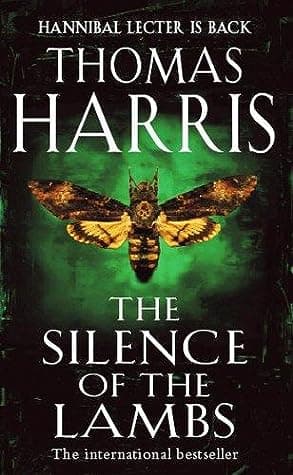
- The Silence of the Lambs
Thomas Harris
4.2 (464k) average on GoodreadsThrillerFeatures a brilliant profiler pursuing a serial killer with psychological depth and forensic detail.
- Sacred Games
Vikram Chandra
3.9 (8k) average on GoodreadsThrillerA sprawling Indian crime thriller that delves into the dark underbelly of a major city, exploring corruption and social issues.
- The Alienist
Caleb Carr
4.1 (182k) average on GoodreadsFictionHistorical crime novel focusing on early forensic psychology and profiling to catch a serial killer.
- The Last Kingdom
Bernard Cornwell
4.3 (73k) average on GoodreadsHistorical FictionWhile a historical fiction series, Cornwell's 'The Last Kingdom' offers a useful point of comparison in its meticulous historical research and detailed depiction of battle strategies and political intrigue. However, Batacan's novel applies a similar level of rigor to forensic science and contemporary societal issues, making it a procedural crime novel rather than a historical epic. Both authors excel at immersing the reader in their respective worlds through detailed, well-researched narratives, albeit in very different genres. Literary critic Harold Bloom's emphasis on historical accuracy in genre fiction could be applied to both authors' commitment to detail.
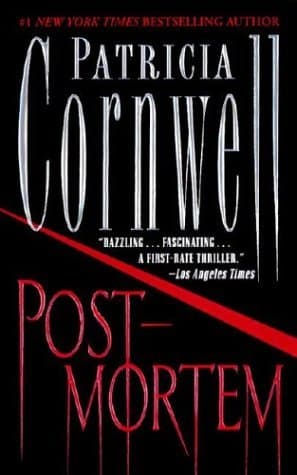
- Postmortem
Patricia Cornwell
4.0 (212k) average on GoodreadsThrillerCornwell's Dr. Kay Scarpetta series, beginning with 'Postmortem,' set a benchmark for forensic thrillers. 'Smaller and Smaller Circles' shares Cornwell's commitment to detailed forensic procedures and medical examiner work. Both authors create strong, intelligent protagonists navigating complex criminal investigations, often hindered by bureaucratic inefficiencies. However, Batacan's novel is uniquely infused with the specific socio-political landscape and cultural nuances of the Philippines, providing a distinct cultural context that Cornwell's American-centric narratives do not possess. This local specificity is a key differentiator, as noted by critics like Resil Mojares in discussions of regional literature.
- Angels & Demons
Dan Brown
3.9 (2.7M) average on GoodreadsThrillerA Harvard symbologist races through Rome's ancient sites, deciphering cryptic clues to unmask the Illuminati and stop a vengeful plot to destroy the Vatican with a stolen antimatter weapon.



Enjoyed the summary?
A summary gives you the shape of the book. The book itself has the detail, the examples and the voice.
Find Smaller and Smaller Circles on AmazonAs an Amazon Associate, BookBrief earns from qualifying purchases. How we're funded