

Synopsis
Covers the whole plot, including the ending.
- Difficulty
- Medium
- Pacing
- Fast
- Mood
- Gritty, Suspenseful, Intense, Dramatic
- Read it if
- You enjoy gritty, realistic YA romance set against a backdrop of urban gang life, with themes of difficult choices and moral dilemmas.
- Skip it if
- You prefer lighthearted stories without intense violence, betrayals, or the dark realities of gang culture.
Snitch Plot Summary
Covers the whole plot, including the ending.
A New Kid, a Dangerous School
Julia DiVino, a junior at South Bay High, wants to stay neutral in the gang warfare between the Crips and the Bloods that controls her school. She spends time with her best friend, Vanessa, and tries to avoid attention. The school is a tense place where colors, hand signs, and territory are strictly observed. One day, a new student, Eric Valiente, arrives. He is tall, handsome, and immediately interesting to Julia, but also clearly dangerous, with a reputation that comes before him. He is rumored to have just been released from juvie. Despite her initial doubts and her friends' warnings, Julia finds herself drawn to Eric, who seems different from the other gang members, even though he wears the blue associated with the Crips.
Forbidden Attraction and Growing Tensions
Julia and Eric start spending time together, first casually, then more closely. Julia learns that Eric is a Crip, but he says he wants to leave gang life. Their relationship is full of tension and secrecy. Julia's friends, especially Vanessa, warn her against Eric, fearing for her safety and reputation. Meanwhile, Eric's gang associates, especially Little D, are suspicious of his growing attachment to Julia, who is not 'from the set.' The school's gang situation remains unstable, with constant small fights and threats, making any public display of their affection dangerous and testing the rules between the gangs.
A Life-Altering Incident and a Difficult Choice
The growing tensions at South Bay High break out when Eric is involved in a shooting outside a party. A rival Blood gang member, Rico, is shot and badly hurt. Eric is arrested and charged with attempted murder. Julia is devastated and scared. She knows Eric was there, but she believes he did not fire the shot. While he is in jail, Eric, through his lawyer, asks Julia to provide an alibi, saying she was with him at the time of the shooting. This puts Julia in a tough spot: lie to protect Eric, or tell the truth and possibly send him to a long prison sentence, even if he might be innocent.
The Weight of the Lie
After much thought, Julia decides to provide the false alibi for Eric, testifying in court that they were together during the shooting. The lie weighs heavily on her, causing great stress and guilt. She faces questions from the prosecutor and the court, and the pressure is intense. Her relationship with Vanessa becomes strained as Vanessa does not approve of Julia's choice and fears the results. Despite her testimony, Eric is still held in jail, and the legal process continues. Julia realizes the depth of her commitment and the dangerous path she has chosen by getting so deeply involved in Eric's world.
Escalating Danger and Threats
Julia's decision to testify for Eric does not go unnoticed by the gangs. The Bloods, especially Rico's crew, see her as an enemy for protecting a Crip. She starts getting threatening messages and faces hostile looks and arguments at school. Her car is damaged, and she feels constantly watched. This increase in threats forces Julia to face the real dangers of the gang life she tried hard to avoid. She realizes that by siding with Eric, she has crossed a line and is now a target, making her own safety a constant worry. The threats grow, making her fear for her life and the lives of those around her.
A Confession and a New Betrayal
Eventually, Eric is granted bail, and he and Julia reunite. However, their reunion is brief and tense. Under pressure from Julia, Eric finally tells the full truth about the shooting: he was involved, but Little D, not him, fired the gun that hit Rico. Eric was trying to protect Little D by taking the blame for him. This news shocks Julia. She feels betrayed and used, realizing her lie in court was based on a partial truth and that Eric had let her believe a version of events that was not completely accurate. Her trust in him is deeply shaken, and she questions their entire relationship.
The Informant's Dilemma
After Eric's confession, Julia is approached by the police. They know she lied on the stand and threaten her with perjury charges. They offer her a deal: if she agrees to 'snitch' on Little D and give information that will lead to his arrest and conviction for the shooting, her perjury charges will be dropped. This gives Julia a difficult moral choice. Informing is the ultimate betrayal in the gang world, ensuring a lifetime of danger for her and possibly Eric. Yet, the other option is facing legal consequences herself and letting a true criminal potentially go free, even if Eric was trying to protect him.
A Dangerous Plan and a Race Against Time
After thinking through her options, Julia decides to work with the police. She agrees to wear a wire and try to get Little D to confess to the shooting. This is a very dangerous task, as being discovered would mean certain death. She meets with Eric, who is still deeply involved with the Crips, and tries to subtly gather information. The tension is clear as she moves through the dangerous world of gang loyalty and betrayal. The police want quick results, and Julia feels the great pressure of time running out, knowing that one wrong move could cost her everything.
The Confrontation and the Confession
Julia sets up a meeting with Little D, pretending to be concerned for Eric and trying to gently guide the conversation toward the shooting. With the wire hidden, she gets Little D to admit his involvement in the shooting, bragging about it and confirming Eric's earlier confession. However, just as she gets the important evidence, Little D becomes suspicious. He notices something wrong and realizes Julia is wearing a wire. The situation immediately becomes violent and dangerous as Little D and his associates confront Julia, threatening her life for being an informant. She is in great danger, surrounded by angry gang members.
Rescue and Aftermath
Just as Little D and his crew are about to harm Julia, the police, who have been listening to the wire, arrive. A chaotic fight happens, and Julia is rescued from immediate danger. Little D and several other gang members are arrested. Afterwards, Julia's testimony, along with the recorded confession, leads to Little D's conviction. Julia deals with the results of her actions; while her perjury charges are dropped, she is now known as a 'snitch,' making her future at South Bay High impossible. She and Eric are forever changed by the events, their relationship always marked by the choices they made and the violence they experienced.
Snitch Characters
Julia DiVino
Protagonist
A high school junior trying to navigate gang-controlled territory while falling for a gang member.
Julia is a smart, observant, and initially cautious high school junior at South Bay High. She tries to remain neutral in the gang conflicts, valuing her safety and normalcy. Her life takes a dramatic turn when she falls for Eric Valiente, a Crip. Despite her friends' warnings and her own reservations, she becomes deeply entangled in his dangerous world. She is fiercely loyal, even to a fault, leading her to lie under oath to protect Eric. Her journey is one of immense moral struggle, as she grapples with the consequences of her choices and ultimately finds the courage to stand up against injustice, even if it means becoming a 'snitch.'
Relationships: Eric Valiente (Love interest, complex and dangerous); Vanessa (Best friend, often critical but supportive); Mom (Supportive but often unaware of the depth of Julia's struggles)
Eric Valiente
Love Interest / Supporting
A Crip gang member seeking a way out, whose past actions entangle Julia in danger.
Eric is a handsome, charismatic, and enigmatic new student at South Bay High. He's a Crip, recently released from juvie, but expresses a desire to leave the gang life behind. He's drawn to Julia, seeing her as a potential escape from his violent world. Despite his good intentions, his past actions and loyalties to his gang, particularly Little D, lead him to make choices that put Julia in extreme danger. He initially allows Julia to lie for him, only later revealing the full truth. He is a complex character torn between loyalty to his 'set' and his growing feelings for Julia and a desire for a different life.
Relationships: Julia DiVino (Love interest, source of hope and conflict); Little D (Gang associate, close friend, and source of loyalty conflict); Cripset (Gang affiliation, source of pressure and danger)
Vanessa
Supporting
Julia's best friend, who warns her about the dangers of dating Eric and gang involvement.
Vanessa is Julia's outspoken and fiercely loyal best friend. She is pragmatic and deeply concerned for Julia's safety and well-being. From the beginning, she disapproves of Julia's relationship with Eric, recognizing the inherent dangers of getting involved with a gang member. She often acts as Julia's conscience, trying to pull her back from the brink of gang entanglement. While sometimes critical, her intentions are always rooted in love and concern. Her friendship with Julia is strained by Julia's choices, but she remains a steadfast presence in Julia's life.
Relationships: Julia DiVino (Best friend); Eric Valiente (Disapproves of him due to his gang ties)
Little D
Antagonist
A ruthless Crip gang member responsible for the shooting, whom Eric tries to protect.
Little D is a prominent and violent member of the Crips. He is loyal to his gang and expects the same from others, including Eric. He is the true shooter in the incident that injures Rico, and Eric initially tries to take the fall for him out of loyalty. Little D is hot-headed, aggressive, and deeply entrenched in the gang lifestyle. He represents the raw, dangerous reality of the gang world and poses a direct threat to Julia when he discovers she is working with the police. He is unrepentant and quick to resort to violence.
Relationships: Eric Valiente (Gang associate, friend (initially), betrayer (from Eric's perspective)); Cripset (Gang associate)
Rico
Mentioned / Antagonist
A Blood gang member who is shot by Little D, sparking the central conflict.
Rico is a member of the Bloods, the rival gang to the Crips. He is the victim of the shooting incident that sets the main plot in motion, sustaining serious injuries. Although he doesn't have a direct speaking role, his injury is the catalyst for Eric's arrest, Julia's lie, and the subsequent police investigation. He represents the constant violence and retaliation inherent in the gang conflicts at South Bay High, and his associates pose a threat to Julia after she testifies for Eric.
Relationships: Bloods (Gang associate); Little D (Rival, shooter)
Detective Miller
Supporting
The police detective who offers Julia a deal to avoid perjury charges.
Detective Miller is the police officer investigating the shooting of Rico. She is sharp, perceptive, and determined to get to the truth. She recognizes Julia's lie and uses it as leverage to recruit her as an informant against Little D. She represents the law enforcement side of the narrative, providing Julia with a difficult but potentially safer path out of her legal predicament. She is professional but firm, understanding the risks involved but prioritizing justice.
Relationships: Julia DiVino (Investigator, later handler); Little D (Target of investigation)
Mrs. DiVino (Julia's Mom)
Supporting
Julia's concerned mother, often unaware of the full extent of Julia's dangerous involvement.
Julia's mother is a loving and supportive parent, but she is largely unaware of the dangerous depth of Julia's involvement with Eric and the gangs. She worries about Julia's safety at South Bay High and expresses concerns about her relationship with Eric, but she doesn't grasp the life-threatening situations Julia faces. Her presence highlights Julia's isolation in dealing with her problems and the burden of keeping her dangerous secrets from her family.
Relationships: Julia DiVino (Mother); Mr. DiVino (Husband)
Mr. DiVino (Julia's Dad)
Supporting
Julia's father, who is less directly involved but shares his wife's concerns.
Julia's father is a background figure who shares his wife's general concerns about the gang presence at South Bay High and Julia's new boyfriend. He is less actively involved in Julia's day-to-day struggles than her mother but is part of the stable home life that Julia is fighting to protect from the chaos of the gang world.
Relationships: Julia DiVino (Father); Mrs. DiVino (Wife)
Ms. Garcia
Supporting
Julia's English teacher, who provides a sense of normalcy and academic escape.
Ms. Garcia is Julia's English teacher, who represents a safe, intellectual space within the otherwise dangerous school environment. She encourages Julia's academic pursuits and provides a brief respite from the gang drama. Her classroom is a place where Julia can momentarily forget her troubles and focus on learning, highlighting Julia's desire for a life beyond the gangs. She is a supportive adult figure, even if she's unaware of the full extent of Julia's personal crisis.
Relationships: Julia DiVino (Teacher)
Snitch Themes
The Peril of Loyalty and Betrayal
The novel looks at the complex and often dangerous idea of loyalty, especially within gangs. Eric's loyalty to Little D makes him let Julia lie, and Julia's loyalty to Eric makes her commit perjury. However, the final act of loyalty (or betrayal, depending on how you see it) happens when Julia must 'snitch' on Little D, breaking the unwritten rule of silence to protect herself and ensure justice. The story questions what true loyalty means and the terrible results of misguided or forced alliances.
“In this school, loyalty meant everything. But it could also get you killed.”
Identity and Self-Preservation in a Dangerous Environment
Julia's journey is a struggle to keep her identity and stay safe in a school and neighborhood ruled by gang violence. She first tries to stay neutral, avoiding joining any group, but her relationship with Eric forces her to face who she is willing to become to survive. Her choices, from lying in court to becoming an informant, change her identity. The theme shows how outside pressures can force people to make difficult choices that change how they see themselves and their place in the world.
“I wasn't a Crip. I wasn't a Blood. I was just Julia, trying to get through the day without getting caught in the crossfire.”
The Illusion of Choice and the Weight of Consequences
The story shows how limited choices can be in a gang-controlled place and how every decision has serious, often unexpected, results. Julia thinks she is making choices, but often finds herself stuck by circumstances and past decisions. Her first lie for Eric creates a chain reaction of increasing danger and legal threats, finally leading to the hard choice to become an informant. The book carefully details how each action affects others, showing how seemingly small decisions can lead to life-changing outcomes.
“One lie. That's all it took to change everything. To make me a part of something I never wanted.”
Love and Danger in Forbidden Relationships
The main romance between Julia and Eric is a 'forbidden love' story, made more complicated by the extreme danger of gang life. Their attraction is clear, but it comes with a high cost, constantly threatening Julia's safety and well-being. The novel explores if love can truly grow, or even last, when one partner is deeply involved in a violent world. It shows the appeal of the 'bad boy' while clearly illustrating the harsh realities and sacrifices such relationships demand.
“He was dangerous. I knew that. But when he looked at me, I felt like I was the only thing that mattered.”
The Cycle of Violence and the Hope for Escape
The novel shows the constant and repeating nature of gang violence in South Bay High, where revenge leads to more violence, and escape seems almost impossible. Characters like Eric say they want to leave the gang, but the ties of loyalty, fear, and circumstances make it very hard. Julia's actions, especially her decision to inform, are a desperate try to break this cycle, not just for herself but possibly for others. The book offers a glimpse of hope for escape, but also shows the great courage and sacrifice needed to achieve it.
“Once you're in, you're never really out. That's what they always said.”
Plot Devices & Literary Techniques
First-Person Narration (Julia's POV)
Provides immediate access to Julia's thoughts, fears, and moral dilemmas.
The entire story is told from Julia DiVino's perspective, immersing the reader directly into her emotional turmoil and the dangerous environment of South Bay High. This device allows for a deeply personal exploration of her fears, her conflicted feelings for Eric, and her agonizing moral choices. It amplifies the tension as readers experience the threats and decisions alongside her, making her struggle to stay neutral and her eventual 'snitching' more impactful and relatable. It also limits information, keeping readers in suspense about Eric's true involvement and Little D's actions until Julia discovers them.
The 'Snitch' Dilemma
A moral quandary that forms the central conflict and climax of the story.
The concept of being a 'snitch' is a powerful plot device that drives the narrative's climax and resolution. It represents the ultimate betrayal in gang culture, carrying severe consequences. Julia's decision to become an informant, forced by circumstances and the threat of perjury, creates immense internal and external conflict. This device raises profound ethical questions about justice, self-preservation, and loyalty, forcing Julia to weigh her personal safety and legal freedom against the dangerous code of silence that governs her world.
Symbolism of Colors (Blue and Red)
Represents gang affiliation, boundaries, and the constant threat of conflict.
The colors blue (Cripset) and red (Bloods) serve as potent symbols throughout the novel. They are not merely identifiers but represent strict boundaries, inherent danger, and the constant threat of violence. Characters are judged and categorized by the colors they wear or are associated with. Julia's initial avoidance of colors symbolizes her desire for neutrality, while Eric's blue clothing immediately marks him as dangerous. The colors constantly remind the reader of the ever-present gang conflict and the strict, unforgiving rules that govern the characters' lives at South Bay High.
The Wire/Recording Device
A literal and metaphorical tool for truth and betrayal, driving the climax.
The wire Julia wears to record Little D's confession is a crucial plot device that propels the story towards its dramatic climax. Literally, it is the tool that secures the evidence needed for justice. Metaphorically, it represents the act of betrayal (snitching) and the dangerous pursuit of truth in a world built on lies and secrecy. The tension surrounding the wire, the fear of discovery, and the ultimate success of obtaining the confession are central to the novel's resolution and Julia's transformation.
Snitch Quotes
“I was just a girl from the Bronx, trying to make my way in a world that didn’t make it easy.”
“Sometimes the only way to protect the people you love is to keep them in the dark.”
“He looked at me like I was the only thing that mattered, and for a moment, I believed it.”
“The streets had a way of pulling you back in, no matter how hard you tried to escape.”
“Trust was a luxury I couldn't afford, not with everything on the line.”
“My heart was a battlefield, torn between what was right and what felt good.”
“He was a storm, and I was foolish enough to stand in his path.”
“You can't save someone who doesn't want to be saved.”
“Every lie I told dug a deeper hole, and I wasn't sure I'd ever climb out.”
“Hope was a dangerous thing in our world, but I couldn't help but cling to it.”
“He saw past the tough girl act, right into the scared one underneath.”
“Sometimes being brave meant admitting you were afraid.”
“The truth had a way of coming out, no matter how hard you tried to bury it.”
“I learned that love wasn't always enough to make things right.”
Quiz
10 questions on the plot and the characters. Each answer comes with a short explanation.
Question 1
What is the primary reason Julia DiVino wants to avoid gang involvement at South Bay High?
- She is new to the school and doesn't understand the dynamics.
- She believes gangs distract from academic success.
- She finds gang culture, like colors and C-Walks, unappealing and wants no part of it.
- She has a personal vendetta against both the Crips and the Bloods.
Show answer
C. She finds gang culture, like colors and C-Walks, unappealing and wants no part of it. The book description explicitly states that Julia wants 'No colors, no C-Walks -- it's just not her thing,' indicating her personal disinterest and desire to avoid gang culture.
Question 2
What significant event changes Julia's perspective and draws her into the gang-related drama?
- She witnesses a major gang fight in the school cafeteria.
- She is forced to choose a side after a confrontation.
- Eric Valiente 'jumps into her life,' altering her previously clear boundaries.
- Her best friend joins a gang and pressures her to follow.
Show answer
C. Eric Valiente 'jumps into her life,' altering her previously clear boundaries. The synopsis states, 'But when Eric Valiente jumps into her life, everything changes. Lines are redrawn. And then they're crossed,' indicating his arrival is the catalyst for her involvement.
Question 3
Which two specific gangs are explicitly mentioned as having mixed territory at South Bay High School?
- Bloods and Latin Kings
- Crips and Gangster Disciples
- Crips and Bloods
- MS-13 and Surenos
Show answer
C. Crips and Bloods The description clearly states, 'It's mixed territory for the Crips and the Bloods,' identifying these two gangs as central to the school's conflict.
Question 4
What is the implied consequence for students at South Bay High if they are perceived as 'haters'?
- They will be ignored by everyone.
- They will be forced to transfer schools.
- It would only be a matter of time before they face negative repercussions or danger.
- They will be recruited by rival gangs.
Show answer
C. It would only be a matter of time before they face negative repercussions or danger. The text warns, 'If people thought we were haters, it would only be a matter of time....' This ominous statement implies that being labeled a 'hater' leads to inevitable trouble or danger within the gang-controlled environment.
Question 5
How does the book describe the general atmosphere or 'drama' at South Bay High School due to the gang presence?
- It's mostly peaceful with occasional minor conflicts.
- It's tense, but students generally manage to avoid conflict.
- The drama 'never stops' due to the mixed territory of the gangs.
- The administration effectively controls all gang-related issues.
Show answer
C. The drama 'never stops' due to the mixed territory of the gangs. The description explicitly states that the mixed territory 'means the drama never stops,' highlighting a constant state of conflict and tension at the school.
Question 6
What does the phrase 'Lines are redrawn. And then they're crossed' signify in the context of Julia's story after meeting Eric?
- Julia literally redraws maps of the school's gang territories.
- Julia's initial boundaries against gang involvement are first re-evaluated, then ultimately violated or broken.
- The gangs establish new, stricter rules for their members.
- It refers to the physical markings of gang territories being changed.
Show answer
B. Julia's initial boundaries against gang involvement are first re-evaluated, then ultimately violated or broken. This metaphorical phrase indicates that Julia's personal boundaries and resolve to stay out of gang life are first challenged ('redrawn') by Eric's influence, and then she inevitably becomes involved ('crossed') in the very conflicts she tried to avoid.
Question 7
What is the central conflict or challenge faced by students like Julia at South Bay High?
- Achieving high academic scores despite a lack of resources.
- Navigating social cliques and maintaining a good reputation.
- Staying out of gang involvement in a school where 'staying out was harder than joining.'
- Dealing with strict teachers and school administrators.
Show answer
C. Staying out of gang involvement in a school where 'staying out was harder than joining.' The opening line establishes the core struggle: 'In a school run by gangs, staying out was harder than joining.' This directly points to the difficulty of remaining neutral in such an environment.
Question 8
What does the book imply about the role of 'friends' and 'what we said' in maintaining safety within the school's gang environment?
- Friends are irrelevant, and free speech is encouraged.
- Knowing who your friends are and being cautious with speech are crucial for survival.
- Friends only complicate matters, and silence is always the best option.
- Openly criticizing gangs is a way to gain respect.
Show answer
B. Knowing who your friends are and being cautious with speech are crucial for survival. The text states, 'We knew who our friends were, and were careful what we said.' This highlights the necessity of strategic alliances and self-censorship to navigate the dangerous social landscape and avoid becoming a target.
Question 9
Considering the genre is Young Adult Romance, what can be inferred about the nature of Julia and Eric's relationship?
- Their relationship will be entirely separate from the gang conflicts.
- Their romance will be a source of immediate peace and resolution for the school's gang issues.
- Their relationship will likely be intertwined with and complicated by the gang drama, potentially putting them in conflict or danger.
- Eric will convince Julia to join a gang, strengthening their bond.
Show answer
C. Their relationship will likely be intertwined with and complicated by the gang drama, potentially putting them in conflict or danger. Given the 'Young Adult, Romance' genre combined with Eric's arrival causing 'everything changes' and 'lines are redrawn...and crossed,' it's highly probable their romantic relationship will be a central element that directly engages Julia with the gang conflicts, rather than isolating her from them.
Question 10
The title 'Snitch' suggests a particular theme. How does this theme likely relate to the school environment described?
- It refers to students reporting academic dishonesty.
- It implies the extreme danger and severe consequences associated with informing on gang activities or members.
- It describes the school's policy of encouraging students to report minor rule infractions.
- It's a nickname for the school's principal.
Show answer
B. It implies the extreme danger and severe consequences associated with informing on gang activities or members. In a gang-controlled environment, 'snitching' (informing on gang members or activities) is universally viewed as a grave offense, often punishable by severe violence. The title 'Snitch' foreshadows that this theme of betrayal and its deadly consequences will be central to the plot, highlighting the intense pressure and danger of speaking out.
Snitch FAQ
What is 'Snitch' by Allison van Diepen about?
'Snitch' is a young adult romance set in South Bay High School, a territory contested by the Crips and the Bloods. Julia DiVino, an independent student, tries to avoid gang life, but her world is upended when she falls for Eric Valiente, a charismatic new student who quickly becomes entangled with the gangs, forcing Julia to confront the dangerous realities of her environment.
Why should I read 'Snitch'?
You should read 'Snitch' for its gripping portrayal of young love amidst intense gang conflict and its exploration of difficult choices. It offers a realistic look at the pressures teenagers face in gang-dominated schools and features a strong female protagonist, Julia, who navigates loyalty, danger, and romance.
What is the background/setting of 'Snitch'?
The story is primarily set in South Bay High School, a fictional urban high school where the Crips and the Bloods gangs have a significant presence, making it 'mixed territory.' The constant tension and unspoken rules of gang life permeate the school's atmosphere, influencing student interactions and daily decisions.
What are the most memorable quotes?
While specific quotes aren't provided in the summary, the book is known for its raw dialogue that reflects the street language and internal struggles of its characters. Memorable lines often highlight the characters' desire for peace against the backdrop of pervasive gang violence, such as Julia's internal monologues about staying out of trouble.
What writing style does the author use?
Allison van Diepen uses a direct, gritty, and fast-paced writing style, characteristic of young adult contemporary fiction. Her prose is often from Julia's first-person perspective, providing immediate access to her thoughts and fears, and it effectively conveys the tense, high-stakes environment of South Bay High.
What minor details add significant meaning?
The subtle details of how students dress, the specific routes they take through school, and the unspoken language of gang signs or colors add significant meaning by illustrating the constant vigilance required to navigate South Bay High. These details underscore the pervasive threat and the deep-seated divisions among students.
What are some subtle foreshadowing moments?
Subtle foreshadowing occurs early on through the characters' casual remarks about 'haters' and the 'lines' that are always present, hinting at the inevitable conflict that will draw Julia and Eric into the gang world. The initial ease with which Eric dismisses gang warnings also foreshadows his later, deeper involvement.
What unexpected character connections exist?
An unexpected connection might arise if a seemingly neutral character is revealed to have a sibling or close family member deeply entrenched in one of the gangs, complicating their interactions with Julia or Eric. This can expose the deep familial ties that often bind individuals to gang life against their will.
What are unspoken character motivations?
Eric Valiente's unspoken motivation might be a desire for belonging and protection, which draws him into gang life despite his initial reluctance, or perhaps a need to prove himself in a new environment. Julia's unspoken motivation is a fierce desire to protect her independence and avoid the violence she sees around her.
What psychological complexities do characters exhibit?
Julia exhibits the psychological complexity of wanting to remain neutral while being irresistibly drawn to Eric, forcing her to confront her own boundaries and fears. Eric shows the complexity of a newcomer trying to find his place, torn between the allure of gang power and his genuine feelings for Julia.
What are the major emotional turning points?
A major emotional turning point is when Eric first aligns himself with a gang, shattering Julia's hope for a simple romance. Another is when Julia herself is directly threatened due to her association with Eric, forcing her to make difficult choices about loyalty and self-preservation.
How do relationship dynamics evolve?
The relationship dynamics between Julia and Eric evolve from an innocent, budding romance into a strained, high-stakes partnership. As Eric becomes more involved with gangs, their connection is tested by distrust, fear, and the constant threat of violence, forcing them to redefine their commitment to each other.
Which parts remain ambiguous or open-ended?
The long-term safety and future of Julia and Eric's relationship often remain ambiguous. Even if they escape immediate danger, the pervasive nature of gang influence in their community suggests that their struggles might not be entirely over, leaving readers to ponder their continued resilience.
What are controversial scenes or decisions?
A controversial decision might involve Julia choosing to 'snitch' on someone to protect Eric, or vice versa, which would have severe consequences in the gang world. Another could be Eric's decision to join a gang, which readers might debate as either an act of self-preservation or a tragic mistake.
'Snitch' ending explained: how it ends & what it means
The ending of 'Snitch' typically culminates in a tense confrontation where Julia and Eric must make a critical choice to either escape the gang's grasp or face severe repercussions. It often signifies a hard-won victory for their love and independence, but also a stark reminder of the ongoing challenges of leaving such a life behind, emphasizing themes of resilience and hope.
Similar books
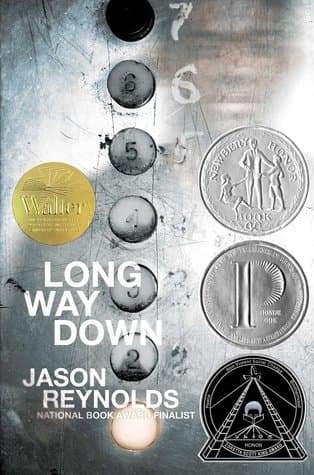
- Long Way Down
Jason Reynolds
4.3 (58k) average on GoodreadsYoung AdultA fast-paced, intense story about a young person grappling with revenge and violence in their community.
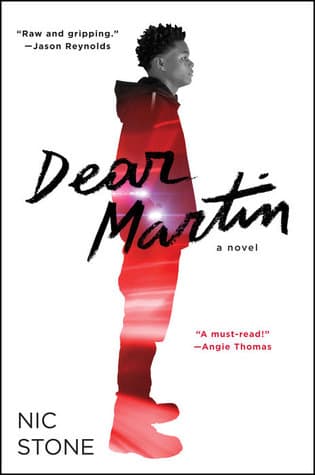
- Dear Martin
Nic Stone
4.4 (45k) average on GoodreadsYoung AdultStone's novel offers a more profound and academically resonant exploration of systemic racism and police brutality, providing a broader societal critique. While Snitch focuses on interpersonal consequences, Dear Martin examines the larger sociopolitical landscape.
- Harry Potter and the Sorcerer's Stone
J.K. Rowling
4.5 (7M) average on GoodreadsFantasyRescued from a miserable life under the stairs, an orphaned boy discovers he's a wizard destined for a magical school, where he uncovers a dangerous secret tied to the dark wizard who murdered his parents.
- The Hunger Games
Suzanne Collins
4.3 (6.4M) average on GoodreadsFantasyIn a future where children fight to the death on live television, Katniss Everdeen volunteers for the arena, turning a death sentence into a fight for survival and a spark of rebellion.
- To Kill a Mockingbird
Harper Lee
4.3 (4.5M) average on GoodreadsHistorical FictionIn the 1930s Jim Crow South, Harper Lee writes about racial injustice, moral growth, and the quiet courage of a lawyer father, Atticus Finch, as seen through his young daughter's eyes.
- The Fault in Our Stars
John Green
4.2 (3.6M) average on GoodreadsYoung AdultA girl with a terminal illness finds her story rewritten when a charming boy with a similar past enters her life at a cancer support group, leading to a star-crossed romance.




Enjoyed the summary?
A summary gives you the shape of the book. The book itself has the detail, the examples and the voice.
Find Snitch on AmazonAs an Amazon Associate, BookBrief earns from qualifying purchases. How we're funded