
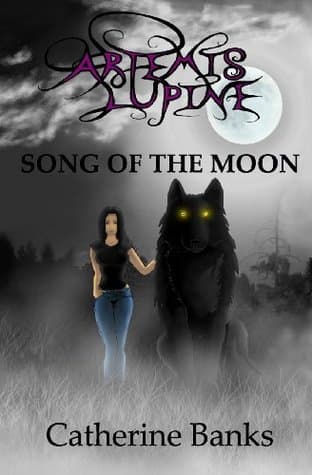
Synopsis
Covers the whole plot, including the ending.
- Difficulty
- Easy
- Pacing
- Moderate
- Mood
- Mysterious, Romantic, Empowering, Adventurous
Song of the Moon Plot Summary
Covers the whole plot, including the ending.
The Peculiarities of Artemis
Seventeen-year-old Artemis lives a quiet, somewhat isolated life. She is unusually sensitive to light and sound and can manipulate water. She often feels like an outsider and struggles to connect with others because of these traits. Her nights are filled with vivid, recurring dreams of a powerful, dark-haired man with captivating eyes. These dreams feel intensely real, leaving her with a sense of longing and a premonition that her ordinary life is about to change. Her best friend, Chloe, tries to understand, but she cannot fully grasp Artemis's unique experiences.
Ares's Arrival
One day, a mysterious, handsome man appears in Artemis's town, immediately drawing her attention. He is the man from her dreams, Ares, and his presence sends a jolt of recognition and fear through her. Ares confronts Artemis, revealing that she is not entirely human but a powerful being called a Lunar, destined to be his mate. He explains that her 'peculiarities' are actually developing powers linked to the moon and that she is a key figure in a hidden world. Artemis is overwhelmed, disbelieving, and terrified by this sudden, strange revelation. She struggles to reconcile her normal life with Ares's claims.
The Abduction and the Other World
Despite Artemis's protests, Ares takes her to his world, a hidden, magical realm accessible only to their kind. There, she learns about the Lunars, an ancient race connected to the moon's power, and the Solars, a rival race tied to the sun. Ares reveals that she is a rare and powerful Moon Weaver, a Lunar with immense untapped abilities, and that their mating is necessary for their world's balance. Artemis feels a deep sense of displacement and anger. She resists Ares and the strange customs of this new society, longing for her old, human life.
Training and Unveiling Powers
Under Ares's guidance, and with the help of other Lunars, Artemis begins to train and learn to control her developing powers. She discovers she can manipulate water with precision, control moonlight, and even heal. The training is intense and often frustrating, but as she practices, she starts to feel a connection to her abilities, realizing they are not curses but gifts. She also learns about the Lunars' history, the conflict with the Solars, and her role in their prophecy. Despite her growing power, she still struggles with the idea of being Ares's destined mate, resisting a life chosen for her.
The Shadow of Lyra
Artemis encounters Lyra, a powerful and beautiful Lunar who was once betrothed to Ares. Lyra resents Artemis's sudden appearance and her claim on Ares, viewing Artemis as an unwelcome intruder. Lyra openly challenges Artemis, both verbally and through subtle displays of power, creating a tense atmosphere. This rivalry forces Artemis to confront her own insecurities about her place in this new world and her developing feelings for Ares. Lyra's jealousy is a constant reminder of the dangerous politics and traditions within Lunar society.
A Glimpse of the Solars
During a training exercise, Artemis has a dangerous encounter with a Solar. This direct confrontation with their enemies highlights the real danger that looms over the Lunar world. The Solar's aggression and their ability to manipulate fire and light contrast sharply with the Lunars' powers. This incident is a wake-up call for Artemis, solidifying the reality of the ongoing war and the importance of her role in it. It pushes her to take her training more seriously and to understand her position.
Growing Connection with Ares
Despite her initial resistance, Artemis finds herself increasingly drawn to Ares. She begins to see beyond his demanding demeanor, discovering his protective nature, his deep love for his people, and his own burdens. Their shared experiences, intense training sessions, and the constant threat of the Solars forge a strong bond between them. Moments of vulnerability from Ares and Artemis's growing understanding of her destiny lead to a gradual acceptance of their fated connection. She starts to acknowledge the emotional and physical pull she feels towards him, blurring the lines between duty and genuine affection.
The Ancient Prophecy
Artemis is finally told the full details of an ancient prophecy that speaks of a powerful Moon Weaver who will unite the Lunar clans and bring balance to their world, potentially ending the long-standing war with the Solars. She learns that her unique abilities and her bond with Ares are central to fulfilling this prophecy. The weight of this destiny is immense, and Artemis grapples with the responsibility, fearing she might not be strong enough. This revelation solidifies her importance but also intensifies the pressure on her to fully embrace her Lunar identity and powers.
The Threat of the Eclipse
As Artemis's powers grow, so does the urgency of a looming celestial event: a rare eclipse. This eclipse is not just an astronomical phenomenon but a critical moment for the Lunar and Solar worlds, believed to either usher in a new era of peace or escalate the war to an irreversible point. The Solars plan to exploit the eclipse's energy for their own advantage, potentially devastating the Lunars. Artemis learns that she is crucial to harnessing the eclipse's power for the Lunars, but doing so will require a complete surrender to her destiny and a powerful act of magic.
Confrontation and Choice
During the eclipse, the Solars launch a major attack, creating a climactic confrontation. Artemis, fully embracing her Moon Weaver powers, stands with Ares and the other Lunars against their enemies. She must make a definitive choice: to fully accept her destiny as a Lunar and Ares's mate, or to reject it and potentially doom their world. In a powerful display of her abilities, she channels the eclipse's energy, not just for defense, but to create a new balance, fulfilling the prophecy. This act solidifies her place, unites the Lunars, and forces a temporary truce with the Solars, signaling a new era.
A New Beginning
Having successfully navigated the crisis of the eclipse and embraced her full power, Artemis finally accepts her identity as a Moon Weaver and her bond with Ares. She is no longer the confused, resistant human girl but a powerful leader within the Lunar community. Her relationship with Ares is solidified, built on mutual respect, love, and shared destiny. While the war with the Solars is not entirely over, a new path forward has been forged. Artemis looks to the future with purpose, ready to face the challenges of her new life and lead her people towards a lasting peace, finally at home in her own skin.
Principal Figures
Artemis
Protagonist
A human girl who discovers she is a powerful Lunar.
Artemis is a seventeen-year-old girl who initially feels like an outcast due to her inexplicable sensitivities and innate ability to manipulate water. She is headstrong, independent, and initially resistant to the idea of a pre-ordained destiny or an arranged mate. She values her human identity and struggles with the abrupt shift into a fantastical world. As she learns more about her heritage, she grapples with fear, anger, and confusion, but eventually embraces her inner strength and leadership potential.
Relationships: Ares (fated mate, romantic interest, mentor); Chloe (best friend); Lyra (rival)
Ares
Love Interest / Supporting
A powerful Lunar warrior destined to be Artemis's mate.
Ares is a formidable and ancient Lunar warrior, characterized by his dark hair, captivating eyes, and a commanding presence. He is initially stern, demanding, and unwavering in his belief in destiny, which often clashes with Artemis's human sensibilities. He carries the weight of responsibility for his people and the burden of the ongoing war with the Solars. Beneath his hardened exterior, he is fiercely protective, loyal, and deeply committed to his fated mate, even when she resists him.
Relationships: Artemis (fated mate, romantic interest, mentee); Lyra (former betrothed)
Chloe
Supporting
Artemis's loyal and understanding human best friend.
Chloe is Artemis's best friend from her human life. She is supportive, kind, and attempts to understand Artemis's strange experiences, even if she can't fully grasp them. She represents Artemis's connection to her former, normal life and serves as a grounding force. Her concern for Artemis is genuine, and she worries when Artemis disappears, highlighting the stark contrast between the two worlds. She is a symbol of the normalcy Artemis initially yearns for.
Relationships: Artemis (best friend)
Lyra
Antagonist
A jealous Lunar who was once betrothed to Ares.
Lyra is a beautiful and powerful Lunar, who embodies the traditions and expectations of their society. She was Ares's intended mate before Artemis's arrival and is fiercely possessive of him and her perceived rightful place. Her jealousy and resentment towards Artemis are palpable, leading her to challenge and undermine the protagonist. She represents the resistance to change and the established order within the Lunar community, believing Artemis is an unworthy and dangerous disruption.
Relationships: Ares (former betrothed, unrequited romantic interest); Artemis (rival)
Elder Elara
Supporting
A wise and ancient Lunar who guides Artemis.
Elara is an ancient and respected Elder within the Lunar community. She possesses vast knowledge of Lunar history, prophecies, and magic. She acts as a mentor figure to Artemis, patiently explaining the complexities of their world and helping her understand her powers and destiny. Elara is a voice of wisdom and tradition, often mediating between Ares's urgency and Artemis's resistance. She believes in the prophecy and the importance of Artemis's role.
Relationships: Artemis (mentor, guide); Ares (respected elder)
Kael
Supporting
A loyal Lunar warrior and friend to Ares.
Kael is a trusted warrior and friend to Ares, often serving as his second-in-command. He is practical, loyal, and somewhat wary of outsiders, but ultimately accepts Artemis due to his loyalty to Ares and belief in the prophecy. He provides support and assistance during training and battles, offering a more grounded perspective compared to Ares's intensity. Kael represents the steadfast dedication of the Lunar warriors.
The Solar Leader (unnamed)
Antagonist
The enigmatic and powerful leader of the rival Solar race.
The leader of the Solars is a shadowy and powerful figure, representing the primary external threat to the Lunar world. Driven by a desire for dominance and fueled by an ancient hatred, this leader orchestrates attacks and schemes to exploit celestial events for their race's gain. They are a formidable opponent, embodying the full might and destructive potential of the Solar powers, primarily fire and light manipulation. Their presence creates constant tension and danger for Artemis and the Lunars.
Themes & Insights
Destiny vs. Free Will
The central conflict for Artemis revolves around whether she can choose her own path or if she must accept the destiny laid out for her. Initially, she resists her role as a Lunar and Ares's mate, yearning for a normal human life. The story explores the tension between personal desire and a pre-ordained fate, suggesting that true freedom lies in embracing one's unique path and finding personal agency within it.
“How can I be destined for someone I don't even know? My life was supposed to be mine to choose.”
Identity and Self-Acceptance
Artemis begins the story feeling like an outsider due to her 'peculiarities.' Her journey is one of discovering her true identity as a powerful Lunar and learning to accept these abilities. She transitions from viewing her unique traits as weaknesses to recognizing them as sources of strength. The theme highlights the importance of self-discovery and coming to terms with who you truly are, even if that identity is far grander and more dangerous than you ever imagined.
“These aren't curses, Artemis. They are gifts. They are who you are.”
Love and Sacrifice
The romantic relationship between Artemis and Ares, though initially forced by destiny, evolves into a deep love. This theme explores how love can blossom even under unusual circumstances and the sacrifices individuals are willing to make for their beloved and their people. Artemis's ultimate decision to embrace her destiny is driven not just by duty, but by her growing love for Ares and her newfound connection to the Lunar world, showing love as a powerful motivator for selflessness.
“My destiny is intertwined with yours, Ares. And I wouldn't have it any other way.”
The Balance of Power
The conflict between the Lunars and Solars represents a struggle for balance within the world. Both races wield immense power, and their ancient feud threatens to disrupt natural order. Artemis's role as a Moon Weaver, capable of uniting and bringing balance, emphasizes that true strength is in harmony and understanding, not dominance. The story suggests that peace can only be achieved when opposing forces find a way to coexist, rather than constantly warring.
“The moon and the sun must exist in harmony, Artemis. One cannot truly thrive without the other.”
Plot Devices & Literary Techniques
The Chosen One Prophecy
Artemis is a fated hero.
Artemis is revealed to be the subject of an ancient prophecy, foretelling the arrival of a powerful Moon Weaver who will bring balance to the Lunar world and end the war with the Solars. This device immediately elevates Artemis's importance and provides a clear narrative drive, explaining her unique powers and the urgency of her integration into the Lunar society. It creates a sense of destiny and high stakes, as her success or failure directly impacts the fate of an entire race, making her choices pivotal to the plot.
Fated Mates
Ares and Artemis are magically bound.
The concept of 'fated mates' dictates that Artemis and Ares are magically and spiritually destined to be together, their bond crucial for the Lunar people. This device drives the romantic subplot, creating initial tension as Artemis resists this pre-determined relationship, but ultimately leading to a powerful connection. It serves to bind the protagonists, ensuring their paths are intertwined and their personal journey directly impacts the larger narrative of their world's survival, adding emotional depth to their shared destiny.
Hidden World
A secret magical society coexists with humanity.
The existence of a hidden world, populated by the Lunars and Solars, coexisting secretly alongside the human world, is a primary plot device. This allows for the dramatic reveal of Artemis's true heritage and the fantastical elements of the story. It provides a rich backdrop for the magic system, ancient lore, and the conflict between the two races. The 'hidden world' creates a sense of wonder and danger, as Artemis must navigate its rules and threats while coming to terms with her new reality, making her transformation more profound.
Symbolism of the Moon and Sun
Celestial bodies represent opposing forces.
The moon and sun are not merely celestial bodies but powerful symbols representing the two opposing races, the Lunars and Solars, and their respective powers (water, moonlight vs. fire, sunlight). This symbolism underscores the central conflict and the theme of balance. Artemis's connection to the moon, and her ability to potentially bridge the divide, highlights her unique role. The eclipse, a rare alignment of both, becomes a critical plot point, symbolizing a moment of ultimate conflict and potential resolution, directly tying cosmic forces to the narrative's climax.
Quiz
10 questions on the plot and the characters. Each answer comes with a short explanation.
Question 1
What is the title of the book?
- Song of the Sun
- Song of the Moon
- Moonlight Serenade
- The Moon's Call
Show answer
B. Song of the Moon The book title is explicitly stated as 'Song of the Moon'.
Question 2
Who is the author of 'Song of the Moon'?
- Sarah J. Maas
- Cassandra Clare
- Catherine Banks
- Victoria Schwab
Show answer
C. Catherine Banks The author's name is provided as Catherine Banks.
Question 3
What genre does 'Song of the Moon' belong to?
- Science Fiction, Thriller
- Historical Fiction, Mystery
- Fantasy, Young Adult, Romance
- Contemporary, Drama
Show answer
C. Fantasy, Young Adult, Romance The genres listed for the book are Fantasy, Young Adult, and Romance.
Question 4
What is the protagonist's name?
- Luna
- Artemis
- Selene
- Diana
Show answer
B. Artemis The protagonist's name is Artemis.
Question 5
Who is the mysterious man who comes to claim Artemis?
- Apollo
- Zeus
- Hades
- Ares
Show answer
D. Ares The mysterious man is named Ares.
Question 6
What does Artemis discover about the things that made her feel weird?
- They were illusions.
- They made her weak.
- They made her powerful.
- They were signs of illness.
Show answer
C. They made her powerful. The book suggests that what made Artemis feel weird actually made her powerful.
Question 7
What is Artemis's age mentioned in the description?
- Sixteen
- Seventeen
- Eighteen
- Nineteen
Show answer
B. Seventeen Artemis is stated to be seventeen years old.
Question 8
What is Artemis's central conflict regarding her true life and destiny?
- She must choose between two suitors.
- She must balance her human ideals with her new reality.
- She must decide whether to inherit a kingdom or remain an ordinary girl.
- She must learn to control her powers before they control her.
Show answer
B. She must balance her human ideals with her new reality. Artemis faces a choice between adapting to her true life and accepting her fate, or running from it, implying a conflict with her human ideals and new destiny.
Question 9
What must Artemis overcome to embrace her destiny?
- Her family's disapproval
- Her own fears and human ideals
- The skepticism of her new world
- A prophecy foretelling her doom
Show answer
B. Her own fears and human ideals The text specifically mentions she must overcome her fears and human ideals.
Question 10
What is the nature of the world Artemis is destined for?
- A peaceful, magical realm.
- A dangerous world and man.
- A world hidden within the human realm.
- A realm of forgotten gods.
Show answer
B. A dangerous world and man. The description states she must give herself to 'the dangerous world, and man, that is her destiny'.
Song of the Moon FAQ
What is Song of the Moon about?
Song of the Moon is a young adult fantasy romance novel where the protagonist, Artemis, discovers another world within her own. Her perceived weaknesses are revealed to be sources of power, and she must navigate a dangerous new reality when Ares, a mysterious man from her dreams, arrives to claim her as his mate.
Who are the main characters in Song of the Moon?
The main characters are Artemis, a seventeen-year-old girl who discovers her true identity and powers, and Ares, the mysterious man who claims her as his mate and introduces her to a dangerous new world.
What genre is Song of the Moon?
Song of the Moon falls into the Young Adult (YA) fantasy genre, with strong elements of romance.
What is the central conflict in Song of the Moon?
The central conflict revolves around Artemis's struggle to accept her destiny and adapt to a new, dangerous world and her true nature. She must overcome her fears and human ideals to embrace her fate and her connection to Ares.
What does it mean for Artemis to have 'power' in Song of the Moon?
In Song of the Moon, what Artemis previously thought of as her peculiarities or weaknesses are actually manifestations of her unique powers. The book explores how these traits make her special and potent within the context of the other world.
What is the role of Ares in Artemis's life?
Ares is a pivotal figure who comes from Artemis's dreams to reveal her true heritage and claim her as his mate. He represents her destiny and the gateway to the dangerous, magical world she belongs to.
Is Song of the Moon a standalone novel or part of a series?
Based on the provided synopsis, it reads as a standalone story, focusing on Artemis's immediate journey of discovery and acceptance. However, the nature of fantasy series means this could potentially be expanded upon.
What kind of romance can readers expect in Song of the Moon?
Readers can expect a fated mates romance, where Artemis and Ares are drawn together by destiny. The romance is likely to be intense, involving themes of surrender to a powerful connection and navigating the dangers of their world together.
What themes are explored in Song of the Moon?
Key themes include self-discovery, embracing one's true nature, overcoming fear, destiny versus free will, and the transition from human ideals to accepting a powerful, magical reality.
Who would enjoy reading Song of the Moon?
Fans of young adult fantasy, paranormal romance, and stories featuring strong female protagonists discovering hidden powers and a destined mate will likely enjoy Song of the Moon.
Similar books
- A Court of Thorns and Roses
Sarah J. Maas
4.2 (476k) average on GoodreadsFantasy"Song of the Moon" shares thematic similarities with Maas's "A Court of Thorns and Roses" in its blend of a strong female protagonist discovering magic and a fated romance with a powerful male lead. However, Banks's world-building, while charming, lacks the intricate political structures and detailed fae lore that Maas meticulously crafts. While both feature a journey of self-discovery through magical means, Maas's narrative often delves into darker, more complex moral dilemmas and a broader cast of equally fleshed-out characters, whereas Banks keeps a tighter focus on Lyra's personal and romantic journey, making it a less sprawling epic but perhaps more intimate.
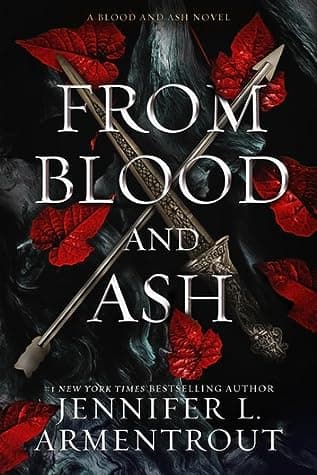
- From Blood and Ash
Jennifer L. Armentrout
4.4 (27k) average on GoodreadsFantasyCompared to Armentrout's "From Blood and Ash," "Song of the Moon" maintains a more traditional Young Adult tone, with a slower burn romance and less explicit content. Both books feature a chosen female protagonist with hidden powers and a powerful, mysterious love interest. However, Armentrout's series is known for its faster pace, more immediate action, and a distinct focus on intense, often adult, romantic tension and a more aggressive world-building reveal. Banks's approach is gentler, prioritizing emotional connection and the gradual unfolding of Lyra's powers and relationship over the immediate gratification of high-stakes action or explicit romantic encounters, making it suitable for a younger YA audience.
- Harry Potter and the Sorcerer's Stone
J.K. Rowling
4.5 (7M) average on GoodreadsFantasyRescued from a miserable life under the stairs, an orphaned boy discovers he's a wizard destined for a magical school, where he uncovers a dangerous secret tied to the dark wizard who murdered his parents.
- The Hunger Games
Suzanne Collins
4.3 (6.4M) average on GoodreadsFantasyIn a future where children fight to the death on live television, Katniss Everdeen volunteers for the arena, turning a death sentence into a fight for survival and a spark of rebellion.
- 1984
George Orwell
4.2 (3.1M) average on GoodreadsPoliticsIn a future where surveillance and thought control are absolute, a man's search for truth clashes with the Party, showing that hope can be a form of rebellion.
- Divergent
Veronica Roth
4.2 (2.9M) average on GoodreadsFantasyIn a society divided by virtues, a sixteen-year-old's difference from the norm starts a rebellion that threatens her world.





Enjoyed the summary?
A summary gives you the shape of the book. The book itself has the detail, the examples and the voice.
Find Song of the Moon on AmazonAs an Amazon Associate, BookBrief earns from qualifying purchases. How we're funded