
Estimated read time: 8 min read
One Sentence Summary
"Split" by Swati Avasthi tells the story of a teenage boy struggling to protect his family and come to terms with his own anger after fleeing an abusive home.
Table of Contents
Introduction
Swati Avasthi’s Split is a gripping young adult novel that delves deep into the turbulent world of family violence, resilience, and self-discovery. This emotionally charged story captures the raw pain and hope of a teenager grappling with his fractured family life. Split stands out in contemporary YA literature for its unflinching portrayal of abuse and its impact on youth, making it a significant read for college students and educators exploring themes of trauma, psychology, and social issues.
Historical Context
Though Split is a contemporary novel, it reflects broader societal concerns about domestic violence and child abuse that have gained increasing attention over the past few decades. The book situates itself within a modern American context where discussions about family violence, child protective services, and the psychological ramifications for victims are prevalent. Swati Avasthi’s narrative is informed by real-life cases and psychological studies on abuse, making it a relevant educational resource for understanding these complex issues. The novel also contributes to the growing body of literature advocating for awareness and prevention of domestic violence.
Brief Synopsis
Plot Overview
Split follows the story of Jace Witherspoon, a teenager caught in the crossfire of domestic violence. After his mother’s abusive boyfriend, his stepfather, inflicts harm, Jace and his younger brother, Tyler, are placed in foster care. The novel chronicles Jace’s struggle to protect his brother, his fight to break free from the cycle of violence, and his journey toward healing. The narrative is intense and emotional but also offers moments of hope and empowerment.
Setting
The story is set in the American Midwest, primarily in Minneapolis and surrounding areas, in the early 2000s. The urban and suburban environments reflect the harsh realities of foster care and social services systems. The atmosphere is tense and often somber, capturing the fear and instability Jace experiences. However, the settings also include spaces of refuge and growth, such as the foster homes and Jace’s school, symbolizing potential new beginnings.
Main Characters
| Name | Role | Key Traits | Importance to the Plot |
|---|---|---|---|
| Jace Witherspoon | Protagonist | Protective, resilient, conflicted | Central character; his perspective drives the story |
| Tyler Witherspoon | Jace’s younger brother | Innocent, vulnerable | Catalyst for Jace’s protective instincts |
| Mom (Jace’s mother) | Victim of abuse | Fragile, conflicted | Represents the impact of abuse and family dysfunction |
| Stepdad (abuser) | Antagonist | Violent, controlling | Source of trauma and conflict |
| Foster Parents | Secondary characters | Supportive, nurturing | Provide contrasting stability and care |
| Friends/Teachers | Supporting roles | Empathetic, encouraging | Help Jace navigate his challenges |
Plot Summary
Part One: The Breaking Point
The novel opens with a harrowing scene of domestic violence, immediately immersing readers in the gravity of Jace’s situation. Jace’s protective instincts toward his little brother Tyler are established early on. Their mother’s inability to shield them from their stepfather’s cruelty sets the stage for the boys’ placement into foster care. This section explores the emotional turmoil Jace faces—anger, guilt, and fear—while highlighting his fierce loyalty to Tyler.
Part Two: Into the Foster System
Jace and Tyler enter the foster care system, which introduces new challenges. Jace struggles with trust, fitting in, and controlling his rage. The foster parents represent a stark contrast to their previous life, offering safety but also forcing Jace to confront his trauma. The narrative here captures the complexities of foster care—its potential for healing and its limitations. Jace’s internal conflict and his protective role over Tyler continue to dominate his thoughts.
Part Three: Confronting the Past
As the story progresses, Jace begins to confront the emotional scars left by abuse. His relationships with peers and adults become a crucial part of his healing process. The novel does not shy away from depicting the psychological impact of trauma, including flashbacks and emotional breakdowns. Jace’s journey towards self-acceptance and hope is gradual, marked by setbacks and small victories.
Part Four: Taking Control
In the climax, Jace makes decisive moves to protect himself and Tyler, asserting boundaries that were previously impossible in his abusive household. His growth is evident in his increasing ability to trust, to seek help, and to envision a future beyond his traumatic past. The story closes with a tentative but optimistic outlook, emphasizing resilience and the possibility of new beginnings.
Themes and Motifs
Domestic Violence and Abuse
At its core, Split is a profound exploration of domestic violence and its ripple effects on children. The novel portrays abuse not just as physical violence, but as emotional and psychological torment, highlighting the complexity of victimhood and survival.
Family and Protection
The bond between Jace and Tyler is a poignant motif throughout the book. Their relationship underscores themes of loyalty, responsibility, and the instinct to protect loved ones despite overwhelming adversity.
Trauma and Healing
Avasthi explores the long-term impact of trauma on young minds. The narrative shows that healing is non-linear, involving pain, denial, and gradual acceptance. The book sensitively handles mental health aspects without resorting to clichés.
Resilience and Empowerment
Despite the grim circumstances, Split is ultimately a story of empowerment. Jace’s evolution from a victim to a survivor who takes control of his life offers hope and inspiration.
The Foster Care System
The novel sheds light on the foster care system’s role in protecting vulnerable children, critiquing its shortcomings while acknowledging its importance as a safety net.
Literary Techniques and Style
Swati Avasthi employs a first-person narrative from Jace’s perspective, providing an intimate and immediate connection to his inner world. The prose is direct and unembellished, mirroring the stark realities the protagonist faces. This narrative choice enhances emotional engagement, making readers feel Jace’s confusion, anger, and hope.
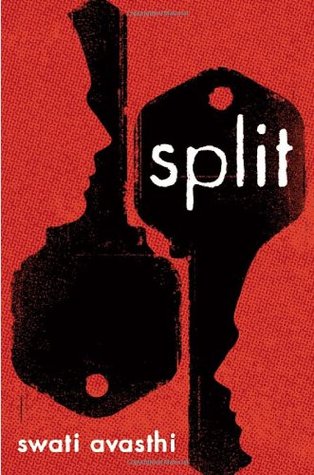
Symbolism appears subtly, such as the recurring motif of “split” representing Jace’s fractured family and identity. The author uses flashbacks effectively to reveal backstory without disrupting the present timeline.
The pacing is brisk yet thoughtful, balancing intense emotional moments with quieter scenes of reflection. Avasthi’s style is accessible yet sophisticated, suitable for both young adults and academic discussions.
Author's Background
Swati Avasthi is an American author of Indian descent, known for her commitment to social issues, particularly domestic violence and children’s welfare. Her work often draws on her background in law and social services, lending authenticity to her narratives. Before Split, she had published short stories and contributed to anthologies, but this novel marked her significant entry into YA fiction.
Avasthi’s writing is characterized by empathy, realism, and a keen psychological insight. She has been recognized for her ability to handle difficult topics with sensitivity and depth, making her an influential voice in contemporary young adult literature. Her contributions help foster greater awareness of abuse and trauma among young readers and educators.
Key Takeaways
- Split offers an unvarnished look at domestic violence from a child’s perspective.
- The novel emphasizes the importance of family bonds and protective instincts.
- Healing from trauma is complex and requires support and self-empowerment.
- The foster care system plays a critical role but has inherent challenges.
- Swati Avasthi’s narrative style creates emotional immediacy and realism.
- Split serves as a valuable educational tool for discussions about abuse and resilience.
Reader's Takeaway
Readers of Split are invited into a powerful emotional journey that is both heart-wrenching and hopeful. The book fosters empathy for victims of abuse and encourages a deeper understanding of the psychological impact of trauma. Students and lecturers will find rich material for exploring themes of family dynamics, social justice, and mental health. The novel’s portrayal of resilience offers motivation and insight, making it a compelling resource for academic and personal growth.
Conclusion
Swati Avasthi’s Split is a profound and engaging novel that challenges readers to confront uncomfortable truths about domestic violence and its effects on children. Through Jace’s story, the book illuminates the pain of abuse and the strength required to overcome it. Its relevance to contemporary social issues and its emotional depth make it an essential read for students, educators, and anyone interested in understanding the human capacity for resilience. Exploring Split further promises not only literary enrichment but also valuable insights into the complexities of trauma and healing.
Split FAQ
What is the main theme of the book 'Split' by Swati Avasthi?
'Split' primarily deals with themes of domestic abuse, survival, and the journey toward healing and self-empowerment.
Who is the protagonist of 'Split'?
The protagonist of 'Split' is Jace Witherspoon, a teenage boy who is trying to protect himself and his mother from his abusive father.
Is 'Split' suitable for young adult readers?
Yes, 'Split' is categorized as a young adult novel, but it contains mature themes related to domestic violence that may require parental guidance.
What is the narrative style used in 'Split'?
'Split' is written in first-person narrative, allowing readers to closely follow Jace's perspective and emotional experiences.
Does 'Split' provide any resources or information about domestic abuse?
While 'Split' is a fictional story, it raises awareness about domestic abuse and encourages readers to seek help if they are in similar situations. Some editions may include resource information.
Has 'Split' received any awards or recognitions?
'Split' has been praised for its realistic portrayal of abuse and has received positive reviews from educators and critics, often being recommended for young adult readers.
Is 'Split' part of a series or a standalone novel?
'Split' is a standalone novel.
What age group is 'Split' recommended for?
'Split' is recommended for readers aged 14 and up, due to its intense themes and mature subject matter.


