

Synopsis
Covers the whole plot, including the ending.
- Difficulty
- Easy
- Pacing
- Slow
- Mood
- Atmospheric, Peaceful, Reflective, Serene
- Read it if
- You enjoy classic poetry brought to life with beautiful illustrations, or want a calming, reflective story for a quiet moment.
- Skip it if
- You prefer fast-paced narratives with complex plots and dialogue, or are looking for a humorous story.
Stopping by Woods on a Snowy Evening Plot Summary
Covers the whole plot, including the ending.
The Solitary Traveler
The story begins with a lone traveler, dressed warmly against the cold, riding his horse through a snow-covered forest. It is the year's darkest evening, likely the winter solstice, which highlights the scene's quiet and isolation. The traveler stops his horse between the woods and a frozen lake, near a small, snow-dusted village. He is in the woods belonging to a villager he knows. He pauses to simply watch the beauty of the falling snow and the deep, dark woods, finding a temporary break from his journey and duties.
The Horse's Confusion
The traveler's small horse, used to moving steadily towards a goal, seems puzzled by the sudden stop. It shakes its harness bells, a subtle gesture the narrator sees as a question or unease. There is no farmhouse nearby, no usual reason to stop in such a remote place. The horse's action shows how unusual the traveler's pause is, contrasting its practical, goal-focused nature with the man's more thoughtful one. The only other sound is the soft wind and the quiet fall of snowflakes.
The Allure of the Woods
Despite the horse's implied impatience, the traveler is captured by the woods' beauty and quiet. He calls them 'lovely, dark and deep,' suggesting a powerful, almost hypnotic pull. The falling snow adds to the calm, almost magical atmosphere. He feels a strong desire to stay in this peaceful, isolated place, to lose himself in the moment and nature's quiet wonder, away from the world's demands.
Remembering Obligations
Just as the woods seem to draw him fully into their peaceful embrace, the traveler remembers his responsibilities. He has 'promises to keep' and a long way to travel before he can rest. This thought pulls him back from giving in completely to the woods' allure. The phrase 'miles to go before I sleep' is repeated, emphasizing the weight of his duties and the need to continue his journey despite the wish to linger.
Departure
With a final, lingering look at the enchanting woods, the traveler decides to move on. He gently urges his horse forward, breaking the quiet that had surrounded them. The woods' spell is broken, and his life's practical demands return. He leaves the quiet, snowy scene behind, carrying the memory of its beauty but committed to fulfilling his duties, pushing onward into the night.
Principal Figures
The Traveler (Narrator)
Protagonist
A reflective individual on a journey, torn between duty and the allure of nature.
The Traveler is an unnamed individual, likely a man, who embodies a reflective and somewhat melancholic spirit. He is observant, appreciating the profound beauty of a snowy winter evening. His primary internal conflict stems from the desire to immerse himself in the peace and solitude of nature versus the pressing demands of his responsibilities and commitments. He is disciplined and conscientious, ultimately choosing duty over indulgence in the moment, yet he clearly yearns for a deeper connection with the natural world.
Relationships: His Horse (Companion and practical counterpoint, representing duty and the need for progress.)
His Horse
Supporting
The traveler's faithful companion, representing practicality and the demands of the journey.
The horse serves as a foil to the traveler's contemplative nature. It is a creature of habit and practicality, unconcerned with the aesthetic beauty of the woods. Its actions, shaking its harness bells, are interpreted by the narrator as a gentle reminder of their destination and the need to continue their journey. The horse represents the external world's demands and the practicalities of life that pull the traveler away from his reverie. It is a loyal companion, but one that grounds the traveler in reality.
Relationships: The Traveler (Owner and companion on a journey; a practical, unspoken bond.)
The Woods' Owner
Mentioned
The unseen villager whose property the traveler is passing through.
The owner of the woods is only mentioned briefly, serving to establish the setting and the traveler's familiarity with the area. He is a practical figure, living in the village, and is not physically present. His existence reminds the traveler that even this wild, beautiful place is subject to human ownership and boundaries, subtly reinforcing the idea of obligations and the structured world the traveler belongs to, even if temporarily escaping it.
Themes & Insights
The Allure of Nature vs. Human Obligation
This main theme explores the conflict between the deep peace and beauty of nature and the responsibilities that connect people to human society. The traveler is strongly drawn to the 'lovely, dark and deep' woods, finding a temporary escape from his journey. However, the repeated line 'And miles to go before I sleep' highlights the unavoidable pull of his 'promises to keep,' forcing him to choose duty over nature's appealing quiet. This conflict shows the ongoing human struggle to balance personal desires for escape or thought with daily life's demands.
“The woods are lovely, dark and deep, But I have promises to keep, And miles to go before I sleep, And miles to go before I sleep.”
Solitude and Reflection
The poem has a strong sense of solitude, creating a perfect setting for thought. The traveler is alone, except for his horse, allowing him to fully experience the snowy landscape. This isolation is not lonely; rather, it is needed for deep thought and appreciating beauty. The scene's quiet, broken only by the soft sounds of snow and wind, emphasizes the chance for the traveler to pause and think about his journey, his life, and his choices.
“My little horse must think it queer To stop without a farmhouse near Between the woods and frozen lake The darkest evening of the year.”
The Call of Rest and Death
Though not directly stated, the 'lovely, dark and deep' woods, especially on 'the darkest evening of the year,' suggest a desire for ultimate rest or even death. The temptation to stay in the peaceful, silent woods can be seen as a longing for an end to life's tiring journey. The repeated 'miles to go before I sleep' can be read literally (physical sleep) but also as a metaphor for life's journey before the final sleep of death. The woods represent a deep, almost spiritual peace that is both inviting and potentially final.
“The woods are lovely, dark and deep,”
Plot Devices & Literary Techniques
Symbolism
Objects and settings represent abstract ideas.
The woods symbolize temptation, escape, peace, and potentially death or ultimate rest. Their 'dark and deep' nature suggests both mystery and a profound, all-encompassing solace. The horse symbolizes practicality, duty, and the demands of the external world, gently pulling the traveler back to reality. The 'promises to keep' are symbolic of the traveler's obligations, responsibilities, and the ties that bind him to his life and community, preventing him from succumbing to the woods' allure.
Imagery
Vivid sensory descriptions create a strong visual and atmospheric experience.
Frost uses rich imagery to paint a vivid picture of the snowy evening. Phrases like 'woods are lovely, dark and deep,' 'fill up with snow,' 'frozen lake,' and 'downy flake' appeal directly to the reader's senses of sight and touch. The sound of 'harness bells' and 'easy wind and downy flake' adds an auditory dimension, creating an immersive and serene atmosphere that is central to the poem's contemplative mood and the traveler's experience.
Repetition
Repeating words or phrases for emphasis and rhythm.
The most prominent use of repetition is the final two lines: 'And miles to go before I sleep, / And miles to go before I sleep.' This repetition serves to emphasize the weight of the traveler's obligations and the long journey ahead. It creates a lingering, almost haunting effect, reinforcing the theme of duty and the traveler's reluctant departure from the woods. It also adds a rhythmic, almost lullaby-like quality, underscoring the desire for rest that is ultimately deferred.
Stopping by Woods on a Snowy Evening Quotes
“Whose woods these are I think I know.”
“His house is in the village though;”
“He will not see me stopping here”
“To watch his woods fill up with snow.”
“My little horse must think it queer”
“To stop without a farmhouse near”
“Between the woods and frozen lake”
“The darkest evening of the year.”
“He gives his harness bells a shake”
“To ask if there is some mistake.”
“The only other sound’s the sweep”
“Of easy wind and downy flake.”
“The woods are lovely, dark and deep,”
“But I have promises to keep,”
“And miles to go before I sleep.”
Quiz
10 questions on the plot and the characters. Each answer comes with a short explanation.
Question 1
What is the primary reason the traveler stops by the woods?
- To feed his horse
- To watch the woods fill up with snow
- To meet a friend
- To find shelter from the cold
Show answer
B. To watch the woods fill up with snow The traveler explicitly states he is stopping to watch the 'woods fill up with snow,' indicating an appreciation for the winter scene.
Question 2
What is the name of the traveler's horse?
- The poem does not specify the horse's name.
- Midnight
- Star
- Whinny
Show answer
A. The poem does not specify the horse's name. Robert Frost's poem 'Stopping by Woods on a Snowy Evening' refers to 'my little horse' but never gives it a specific name.
Question 3
What time of day does the poem indicate the traveler stops by the woods?
- Morning
- Afternoon
- Evening, specifically 'the darkest evening of the year'
- Noon
Show answer
C. Evening, specifically 'the darkest evening of the year' The line 'The darkest evening of the year' directly tells us the time of day and the specific conditions.
Question 4
What is the horse's reaction to stopping 'without a farmhouse near'?
- It eagerly pulls on the reins, wanting to continue.
- It gives its harness bells a shake, as if to ask if there's a mistake.
- It whinnies loudly, expressing its confusion.
- It immediately tries to graze on the snow-covered ground.
Show answer
B. It gives its harness bells a shake, as if to ask if there's a mistake. The poem states, 'He gives his harness bells a shake / To ask if there is some mistake.' This indicates the horse's questioning of the unusual stop.
Question 5
What is the 'only other sound' besides the sweep of easy wind and downy flake?
- The hoot of an owl
- The jingling of the horse's harness bells
- The distant barking of a dog
- The crackling of a hidden fire
Show answer
B. The jingling of the horse's harness bells The poem specifies 'The only other sound' as 'The sweep of easy wind and downy flake' and 'The darkest evening of the year.' The horse's bells are mentioned as a distinct sound.
Question 6
What does the phrase 'promises to keep' most likely refer to in the context of the poem?
- Vows made to his family about returning home.
- Agreements with the owner of the woods.
- His desire to stay and enjoy the peaceful scene.
- Oaths sworn to himself about his future endeavors.
Show answer
A. Vows made to his family about returning home. The 'promises to keep' represent the traveler's responsibilities and obligations in the world, which call him away from the allure of the quiet woods. In a general sense, these are often interpreted as duties to family or society.
Question 7
What is the significance of the phrase 'and miles to go before I sleep' being repeated?
- It emphasizes the great distance the traveler still needs to cover.
- It highlights the traveler's longing for rest and the end of his journey, both literal and metaphorical.
- It suggests the traveler is lost and unsure of his destination.
- It is a simple poetic device for rhythm without deeper meaning.
Show answer
B. It highlights the traveler's longing for rest and the end of his journey, both literal and metaphorical. The repetition of 'and miles to go before I sleep' underscores the traveler's awareness of his remaining obligations and the journey of life itself, implying both physical distance and the ultimate 'sleep' of death, thus adding a layer of metaphorical meaning to his responsibilities.
Question 8
The poem's setting in 'woods' that are 'lovely, dark and deep' creates a mood that is primarily:
- Threatening and dangerous, causing the traveler fear.
- Mysterious and alluring, drawing the traveler to linger.
- Cheery and festive, reflecting the holiday season.
- Barren and desolate, emphasizing the harshness of winter.
Show answer
B. Mysterious and alluring, drawing the traveler to linger. The description 'lovely, dark and deep' evokes a sense of profound beauty and a captivating mystery that makes the traveler want to stay, despite his obligations.
Question 9
What is the central conflict or tension in the poem?
- The traveler's struggle against the harsh winter weather.
- The horse's reluctance to continue versus the traveler's desire to stop.
- The allure of peaceful solitude versus the demands of responsibility.
- The ownership dispute over the woods between the traveler and the owner.
Show answer
C. The allure of peaceful solitude versus the demands of responsibility. The core of the poem lies in the traveler's internal struggle between the desire to succumb to the tranquil beauty and quiet of the woods and the external demands of his 'promises to keep' and 'miles to go.'
Question 10
According to the poem, the owner of the woods lives in the village. What specific detail about the owner's knowledge is mentioned?
- He would not mind the traveler stopping because he is a friend.
- He would not see the traveler stopping there.
- He would be angry about the traveler trespassing.
- He would join the traveler in admiring the view.
Show answer
B. He would not see the traveler stopping there. The poem states, 'Whose woods these are I think I know. / His house is in the village though; / He will not see me stopping here.' This detail confirms the owner's absence and lack of awareness.
Stopping by Woods on a Snowy Evening FAQ
What is the central premise of 'Stopping by Woods on a Snowy Evening' as presented in Susan Jeffers' picture book?
The book follows a kindly figure, implied to be a farmer or traveler, who pauses his journey through a snowy New England forest. He stops his horse to appreciate the peaceful beauty of the winter woods, momentarily forgetting his obligations before continuing on his way.
Who is the main character in the story, and what are his immediate actions?
The main character is an unnamed man, depicted as a solitary traveler with a horse and sleigh. He stops his journey specifically to watch the snow falling in the woods, finding solace and beauty in the quiet winter scene before him.
What role does the horse play in the narrative, and how does it react to the stop?
The horse serves as a loyal companion and a voice of gentle practicality. It shakes its harness bells, signaling its confusion and perhaps impatience at stopping 'without a farmhouse near,' prompting the man to remember his responsibilities.
What is the primary setting of the book, and what season does it depict?
The primary setting is a snowy New England forest, deep in winter. The illustrations emphasize the serene beauty of the snow-covered trees and quiet landscape, creating a peaceful yet isolated atmosphere.
What are the 'promises to keep' that the traveler mentions, and why are they significant?
The 'promises to keep' refer to the traveler's obligations and responsibilities that compel him to continue his journey, despite his desire to linger in the woods. They represent the duties of daily life that call him away from the allure of nature's quiet escape.
How do Susan Jeffers' illustrations enhance the original poem's themes of solitude and nature's beauty?
Jeffers' illustrations use sweeping backgrounds, subtle colors, and intricate details to visually represent the poem's themes. The vastness of the snow-covered woods emphasizes the traveler's solitude, while the delicate depiction of falling snow and forest animals highlights nature's serene beauty.
What new details were added in the special edition, and how do they contribute to the experience?
The special edition includes three new spreads, more detail, and subtle color in the backgrounds, along with more animals hidden among the trees. These additions enrich the visual narrative, inviting readers to linger longer and discover new elements within the familiar scenes.
Are there any subtle clues about the time of day or the duration of the stop within the illustrations?
The phrase 'the darkest evening of the year' and the deep shadows in the woods suggest it is twilight or early evening, contributing to the sense of isolation. While the stop is brief, the illustrations capture a timeless quality, making the moment feel extended.
How does the traveler's internal conflict between desire and duty manifest in his actions and expressions?
The traveler's desire is shown in his initial pause and appreciation of the woods, a moment of tranquil contemplation. His duty is expressed when he acknowledges his 'promises to keep,' leading him to reluctantly, but resolutely, resume his journey, a subtle shift in his demeanor.
What psychological effect does the 'lovely, dark and deep' woods have on the traveler?
The woods exert a powerful, almost mesmerizing pull on the traveler, offering a momentary escape from the demands of the world. They represent a tempting solitude and peace, a brief respite for reflection and quiet contemplation before returning to reality.
How does the horse's reaction serve as a psychological anchor for the traveler?
The horse's 'queer' reaction and the jingle of its harness bells act as a practical reminder, pulling the traveler back from his reverie. It grounds him in the present moment and the necessity of his journey, preventing him from succumbing entirely to the woods' allure.
What can be inferred about the traveler's personality based on his decision to stop?
The traveler appears to be a contemplative and sensitive individual who appreciates beauty and quiet moments, despite his responsibilities. His willingness to pause suggests a capacity for introspection and a deep connection to nature.
Is the ending of the poem and book ultimately hopeful or tinged with melancholy?
The ending carries a bittersweet tone. While the traveler acknowledges his duties and continues, there's a lingering sense of yearning for the peace of the woods. It's hopeful in its acceptance of responsibility but melancholic in the farewell to a moment of perfect stillness.
How does the book's presentation as a children's picture book influence its interpretation compared to the original poem?
As a children's book, the interpretation leans more towards appreciating nature's beauty and the simple act of pausing, making the potentially darker undertones of the original poem less prominent. The warm illustrations guide children towards a gentler understanding of the themes.
What is the significance of the phrase 'miles to go before I sleep' in the context of the traveler's journey?
This phrase signifies the long and arduous path ahead, both literally and figuratively. It emphasizes the traveler's commitment to his duties and responsibilities, highlighting the endurance required to fulfill his obligations before he can finally rest.
Could the woods represent something more abstract than just a physical location?
Yes, the woods can be interpreted as a symbol of escape, contemplation, or even the allure of ultimate peace. For a brief moment, they offer a respite from the demands of life, a chance to pause and reflect on deeper meanings before returning to the 'miles to go.'
How does the design of the new vellum jacket evoke a 'frost-covered windowpane,' and what effect does this have on the reader?
The vellum jacket, with its translucent quality and texture, mimics the appearance of a windowpane obscured by frost, creating a sense of looking into a wintry scene. This design choice immediately immerses the reader in the book's atmosphere of cold, quiet beauty even before opening it.
About the author

Robert Lee Frost was an American poet. His work was initially published in England before it was published in the United States. Known for his realistic depictions of rural life and his command of American colloquial speech, Frost frequently wrote about settings from rural life in New England in the early 20th century, using them to examine complex social and philosophical themes.
Similar books
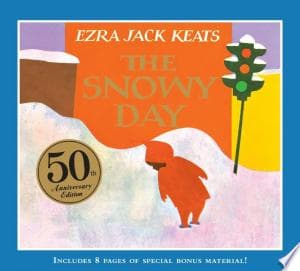
- The Snowy Day
Ezra Jack Keats
4.2 (104k) average on GoodreadsChildren'sCaptures the quiet wonder of winter and snow through simple, evocative illustrations and text.
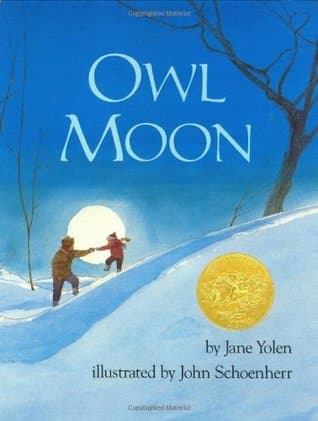
- Owl Moon
Jane Yolen
4.2 (41k) average on GoodreadsChildren'sFeatures a quiet, atmospheric winter journey with a parent and child, focusing on observation and a sense of wonder.
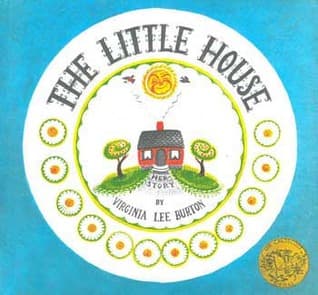
- The Little House
Virginia Lee Burton
4.3 (39k) average on GoodreadsFantasyIllustrates the passage of time and seasons with beautiful, detailed artwork and a reflective tone.
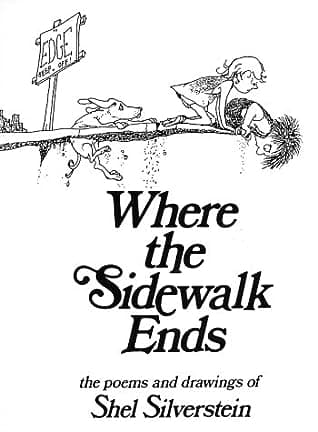
- Where the Sidewalk Ends
Shel Silverstein
4.3 (1.2M) average on GoodreadsFantasyWhile both 'Stopping by Woods' and 'Where the Sidewalk Ends' are frequently found in children's literature collections, they differ significantly in tone and thematic approach. Silverstein's collection is characterized by whimsical, often humorous, and overtly fantastical elements, directly engaging children with playful language and moral lessons. Frost's poem, in contrast, is far more introspective and melancholic, operating on a subtle psychological level. Silverstein's poems, like 'Sarah Cynthia Sylvia Stout Would Not Take The Garbage Out,' are explicit in their messaging and narrative, whereas Frost's poem thrives on understated suggestion and the reader's interpretation of an internal struggle. Frost's focus is on the beauty and potential danger of the natural world and internal human conflict, while Silverstein often uses absurd scenarios to explore social norms, imagination, and childhood dilemmas.
- Harry Potter and the Sorcerer's Stone
J.K. Rowling
4.5 (7M) average on GoodreadsFantasyRescued from a miserable life under the stairs, an orphaned boy discovers he's a wizard destined for a magical school, where he uncovers a dangerous secret tied to the dark wizard who murdered his parents.
- The Hobbit, or There and Back Again
J.R.R. Tolkien
4.3 (2.9M) average on GoodreadsFantasyA comfort-loving hobbit named Bilbo Baggins is whisked away by a mischievous wizard and a band of dwarves on an unexpected journey to reclaim stolen treasure from a fearsome dragon, discovering courage and a magical ring along the way.


Enjoyed the summary?
A summary gives you the shape of the book. The book itself has the detail, the examples and the voice.
Find Stopping by Woods on a Snowy Evening on AmazonAs an Amazon Associate, BookBrief earns from qualifying purchases. How we're funded