
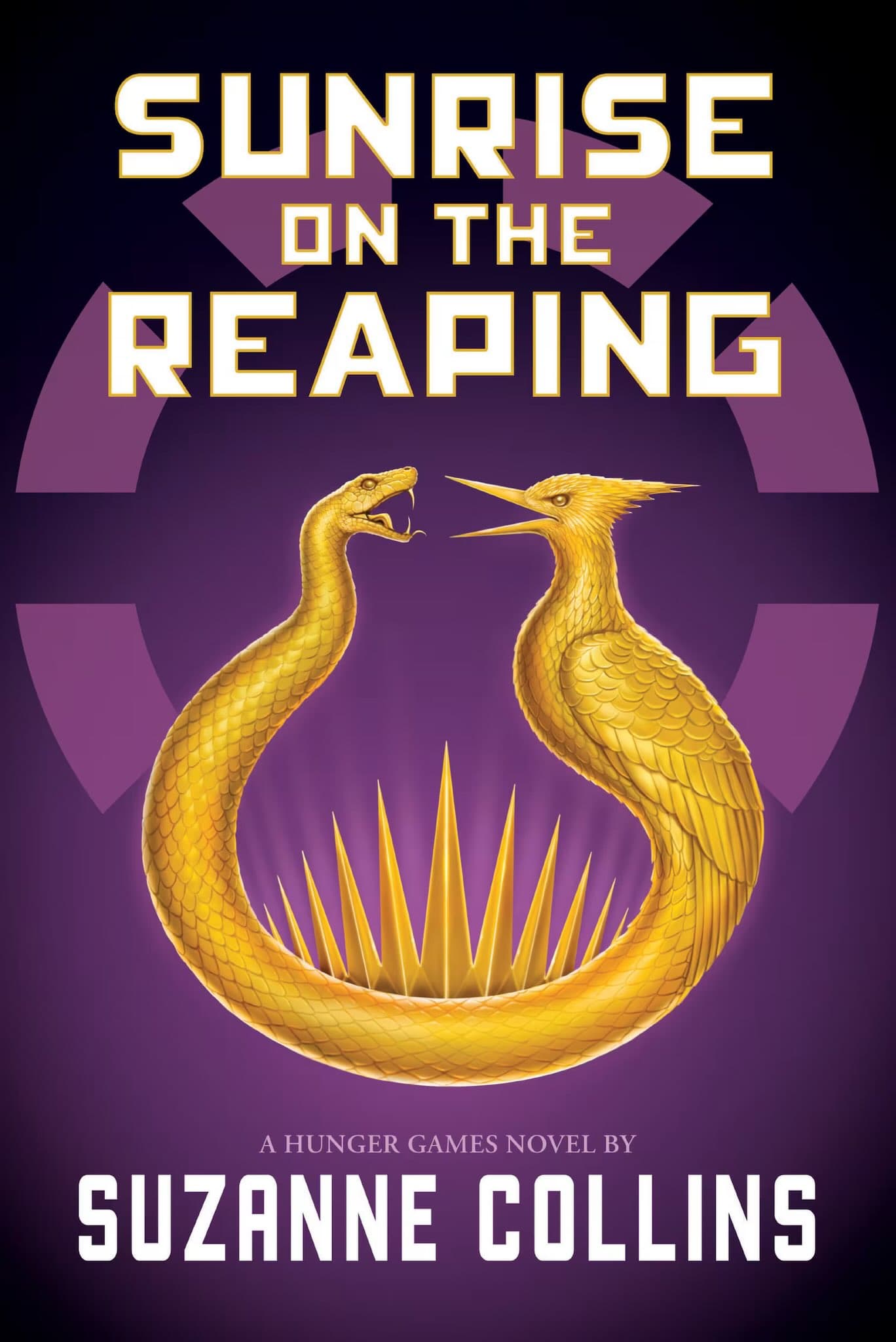
Synopsis
Covers the whole plot, including the ending.
- Difficulty
- Medium
- Pacing
- Fast
- Mood
- Tense, reflective, hopeful, thrilling
- Read it if
- you're a fan of 'The Hunger Games' series and want to see a new generation grapple with its brutal legacy, enjoy high-stakes political intrigue, and appreciate stories about the long-term consequences of revolution.
- Skip it if
- you haven't read 'The Hunger Games' series, dislike dystopian narratives, or prefer standalone books without extensive prior knowledge.
Sunrise on the Reaping Plot Summary
Covers the whole plot, including the ending.
The Reaping Ceremony
The story begins on the morning of the 10th Hunger Games reaping in District 12. Coriolanus Snow, an ambitious but poor young man from a once-important Capitol family, is assigned to mentor Lucy Gray Baird, the female tribute from District 12. When her name is called, Lucy Gray, a performer from a musical group called the Covey, sings defiantly to the crowd, captivating them and subtly challenging the Capitol. This act of rebellion immediately sets her apart and draws Coriolanus's attention, making her a unique and possibly dangerous tribute. His own future depends on his ability to mentor her successfully, as his family's reputation is at stake.
Arrival in the Capitol
The tributes are taken to the Capitol in terrible conditions, a sharp contrast to the luxury they would receive in later Games. They are paraded through the streets, but Capitol citizens meet them with indifference or hostility, viewing them as less than human. Lucy Gray, despite the grim situation, remains surprisingly calm, observing her surroundings closely. Coriolanus, seeing the Capitol's decay and the lack of public interest in the Games, starts to think of ways to 'improve' the spectacle, seeing it as a chance to restore his family's name and gain power, not as a moral wrong.
Mentor Assignments and Initial Strategy
Coriolanus is part of a program where Capitol Academy students mentor the tributes. At first, he clearly dislikes District 12 and Lucy Gray, but he quickly sees her unique stage presence and natural charm. He tries to plan with her, but she is cautious and distrustful. Their early interactions show a clash of cultures and expectations. Dr. Gaul, the eccentric Head Gamemaker, adds new, cruel elements to the Games, emphasizing their brutal nature. Coriolanus realizes that traditional combat training might not be enough; he needs to understand Lucy Gray's strengths beyond physical ability and use her talent for connecting with an audience, even a hostile one.
The Interview and Public Perception
Before the Games, the tributes have interviews, a new part of the spectacle. Coriolanus, against some peers' advice, encourages Lucy Gray to be herself, to sing and tell stories rather than pretend to be strong. Her performance is raw, emotional, and real, showing a vulnerability and humanity that connects with a small but growing part of the Capitol audience. She sings a song about her life in District 12, showing hardship and resilience that humanizes her. This unexpected success starts to change public opinion, making her a sympathetic figure and giving Coriolanus hope that he can win the 'Plinth Prize' for best mentor.
The Arena and Early Days
The tributes are thrown into a run-down, bomb-damaged arena—a former Capitol zoo—that shows the post-war austerity and lack of investment in the Games. The initial bloodbath is chaotic and brutal, showing the tributes' desperation. Lucy Gray, using her quick thinking and knowledge of nature (from her Covey upbringing), manages to avoid immediate threats. Coriolanus, watching from the mentor's box, struggles with the violence and the moral questions of his involvement. He starts to feel a strange protectiveness towards Lucy Gray, a feeling that conflicts with his ambition and the Capitol's beliefs. The arena itself is a character, full of hidden dangers and unexpected challenges.
The Serpent Mutts
Dr. Gaul, always innovating terror, introduces a new, horrifying weapon into the arena: genetically engineered, rainbow-colored snakes that are attracted to human scent and can kill with a single bite. These 'mutts' are released into the arena, causing more panic and death. Lucy Gray, remembering a trick from her past, uses her scent and a song to calm the snakes, stopping them from attacking her. This astonishing feat, witnessed by the Capitol audience, further cements her unique status and fuels the 'star power' Coriolanus has been trying to build. It also gives him a key insight into Dr. Gaul's methods and the potential for manipulation within the Games.
The Mentors' Intervention
As the Games go on, the mentors become more involved, some out of genuine concern, others for personal gain. Coriolanus, driven by his desire for Lucy Gray to win and his growing attachment to her, risks his own safety and academic standing by secretly giving her food and water. Other mentors also find ways to help their tributes, creating an unofficial network of aid that weakens the Games' supposed fairness. This intervention highlights the moral ambiguity of the Capitol's elite and the human tendency to bend rules, even when facing absolute authority. Coriolanus's actions directly challenge the Games' intended purpose.
The Final Showdown
As the number of tributes shrinks, Lucy Gray finds herself in a difficult spot. She eventually faces the last remaining tribute, a brutal individual from a career district. Instead of a direct physical fight, Lucy Gray outsmarts her opponent, using her knowledge of the arena's hidden dangers and her ability to manipulate her surroundings. She uses a mix of cunning, evasion, and psychological tactics, rather than brute force. Her victory is not conventional, but it shows her unique mix of intelligence, resilience, and performance, making her a different kind of victor, one who won by understanding the human side of the Games.
The Victor's Return
Lucy Gray wins the 10th Hunger Games, a triumph that secures Coriolanus's future in the Capitol. However, their shared experience in the Games has formed a complex, mixed bond between them. Coriolanus, having developed real feelings for Lucy Gray, follows her back to District 12, hoping to escape the Capitol's suffocating control and build a life with her. The initial joy of their reunion is short-lived, as the harsh realities of District 12 and the lingering trauma of the Games begin to strain their relationship. The gap between their worlds and beliefs becomes increasingly clear, hinting at an inevitable break.
The Serpent and the Songbird
As their time in District 12 continues, Coriolanus's ambition and desire for control clash with Lucy Gray's independent spirit and distrust of authority. A series of events, including his involvement in a murder and his growing paranoia, reveal the darker parts of his personality. He starts to see Lucy Gray not just as a lover, but as a potential threat to his future, someone who knows too much. During a tense confrontation in the woods, he tries to kill her, believing she is trying to betray him. Lucy Gray, sensing his true, manipulative nature, disappears without a trace, leaving Coriolanus to return to the Capitol alone, forever changed by his experience and set on his path to becoming the tyrannical President Snow.
Sunrise on the Reaping Characters
Coriolanus Snow
Protagonist/Antagonist
An ambitious, impoverished Capitol student who becomes Lucy Gray's mentor.
Coriolanus is a young man from a once-prominent Capitol family, desperate to restore his family's prestige and wealth. He is intelligent, cunning, and deeply ambitious, driven by a desire for power and control. Initially, he views the District tributes with disdain, but his mentorship of Lucy Gray forces him to confront his prejudices and develop complex, often contradictory, emotions. He is a master manipulator, capable of charming others while secretly plotting his ascent. His journey throughout the book traces his transformation from a struggling student into the ruthless, calculating future President of Panem, revealing the origins of his tyrannical ideology.
Relationships: Lucy Gray Baird (mentor/tribute, romantic entanglement, ultimately adversarial); Dr. Volumnia Gaul (mentor/student, ideological influence); Sejanus Plinth (friendship, ideological conflict); Tigris Snow (cousin, familial support)
Lucy Gray Baird
Protagonist
The enigmatic, charismatic female tribute from District 12, a performer from the Covey.
Lucy Gray is a spirited and independent young woman from District 12, part of a nomadic musical group known as the Covey. She is a natural performer, possessing immense charisma, a captivating singing voice, and a deep understanding of human nature. Despite her vulnerability, she is incredibly resilient, resourceful, and cunning, using her wit and performance skills to navigate the dangers of the Hunger Games. She embodies freedom and individuality, constantly challenging the Capitol's oppressive system through her art and defiance. Her mysterious disappearance at the end of the book solidifies her legend and her lasting impact on Coriolanus.
Relationships: Coriolanus Snow (mentor/tribute, romantic entanglement, ultimately adversarial); The Covey (family, musical group)
Dr. Volumnia Gaul
Antagonist
The eccentric and cruel Head Gamemaker, a pioneer of genetic manipulation.
Dr. Gaul is the brilliant, sadistic, and utterly amoral Head Gamemaker of the 10th Hunger Games. She is a visionary in the field of genetic manipulation, responsible for creating many of the terrifying muttations seen in the Games. She views the Hunger Games as a crucial tool for social control and a scientific experiment in human nature, constantly pushing the boundaries of cruelty and spectacle. She takes a particular interest in Coriolanus, recognizing his ambition and intelligence, and becomes a significant ideological influence on him, shaping his understanding of power and the necessity of the Games.
Relationships: Coriolanus Snow (mentor/student, ideological influence)
Sejanus Plinth
Supporting
A compassionate Capitol student from District 2, torn between loyalties.
Sejanus is a fellow mentor at the Academy and a friend of Coriolanus. Unlike most Capitol citizens, he is deeply empathetic and openly critical of the Hunger Games, having originally come from District 2. His moral compass is strong, and he struggles with the cruelty of the Capitol, often expressing his distress and attempting to aid his tribute. This makes him an outsider among his peers and a source of both frustration and moral reflection for Coriolanus. His unwavering compassion ultimately puts him in direct conflict with Coriolanus's ambitions and the Capitol's brutal ideology.
Relationships: Coriolanus Snow (friendship, ideological conflict); Strabo Plinth (father)
Tigris Snow
Supporting
Coriolanus's empathetic cousin, who supports him despite his dark path.
Tigris is Coriolanus's older cousin and his closest confidante. She is kind, artistic, and deeply cares for Coriolanus, often acting as his moral compass and providing a sense of home and stability amidst their family's declining fortunes. She is aware of Coriolanus's ambition but hopes he will choose a path of kindness. As Coriolanus descends into darkness, Tigris tries to maintain her empathy and offers gentle warnings, though her influence wanes. She represents the fading innocence and humanity within the Snow family, foreshadowing her eventual disillusionment with Coriolanus.
Relationships: Coriolanus Snow (cousin, familial support)
Casca Highbottom
Supporting
The Dean of the Academy and the original creator of the Hunger Games.
Dean Highbottom is the cynical and often inebriated Dean of the Capitol Academy. He is revealed to be the accidental co-creator of the Hunger Games, a concept he devised in a drunken stupor with Coriolanus's father, which was then twisted into the brutal spectacle it became. He despises the Games and harbors a deep resentment towards the Snow family, particularly Coriolanus, whom he sees as embodying the worst aspects of Capitol ambition. His bitterness and guilt over his unintended role in creating the Games make him a tragic figure, and he tries to subtly undermine them when he can.
Relationships: Coriolanus Snow (student/dean, adversarial)
Lucky Flickerman
Supporting
The first host of the Hunger Games, bringing entertainment to the horror.
Lucky Flickerman is the charismatic and somewhat bumbling first host of the Hunger Games. He is a weather forecaster by trade, brought in to provide live commentary and interviews for the Games. His role marks the beginning of the Hunger Games evolving into a televised spectacle, introducing elements of entertainment and personality to the brutal event. He is an early example of the Capitol's ability to normalize and even glamorize violence through media, setting the precedent for future Hunger Games hosts like Caesar Flickerman. He is largely oblivious to the moral implications of his role, focusing on performance.
Relationships: Capitol Audience (entertainer)
Clemensia Dovecote
Supporting
A fellow mentor and Coriolanus's rival, who faces Dr. Gaul's wrath.
Clemensia is another student mentor at the Academy, initially a rival to Coriolanus for the Plinth Prize. She is ambitious and competitive, trying to make her mark within the Games. Her story serves as a cautionary tale, demonstrating the extreme cruelty and unpredictability of Dr. Gaul and the Capitol. She is subjected to a horrific experience with Dr. Gaul's muttations after attempting to take credit for Coriolanus's work, highlighting the dangers of challenging authority or even misstepping in the Capitol. Her fate underscores the fragility of life and reputation under the Capitol's rule.
Relationships: Coriolanus Snow (rival); Dr. Volumnia Gaul (victim)
Sunrise on the Reaping Themes
The Corrupting Nature of Power
This theme is central to Coriolanus Snow's transformation. The story carefully shows how his ambition and desire for control, fueled by the Capitol's ideas and Dr. Gaul's influence, slowly destroy his empathy and moral sense. He starts wanting his family to survive but ends up embracing tyranny, seeing the Hunger Games as necessary to maintain order and his own power. The book shows how power, once experienced, can distort a person's view of right and wrong, leading to ruthless decisions and the suppression of any opposing voices, ultimately turning a desperate young man into a calculating dictator.
“It was the things you most loved that had the potential to destroy you.”
The Spectacle of Violence and Control
The novel explores how the Hunger Games change from a crude, post-war punishment into a sophisticated tool for propaganda and social control. The addition of mentors, interviews, and live commentary by Lucky Flickerman highlights the Capitol's deliberate efforts to turn brutality into entertainment and a way to psychologically control people. The Games are designed not just to kill, but to break the spirit of the Districts and remind them of the Capitol's absolute power. This theme examines how violence, when presented as a show, can desensitize an audience and reinforce a hierarchical power structure, justifying cruelty as order.
“The Hunger Games were a reminder. A yearly reminder that the Districts were at the mercy of the Capitol.”
Identity vs. Performance
Lucy Gray Baird embodies this theme as a performer who blurs the lines between her real self and her stage persona. Her ability to captivate audiences with her songs and stories is both a survival method and an expression of her true identity. Coriolanus, too, is constantly performing, showing a facade of charm and competence while hiding his true ambitions and insecurities. The Capitol itself is a grand performance, projecting an image of unshakable power and order. The theme explores how individuals use performance to survive, manipulate, and define themselves within oppressive systems, questioning where the act ends and the true self begins.
“She was a songbird, and he was the serpent, and they were forever entwined.”
Humanity and Dehumanization
The book sharply contrasts the Capitol's systematic dehumanization of the District tributes with moments of unexpected human connection and empathy. The Capitol views the tributes as animals or objects for entertainment, taking away their dignity and individuality. However, Lucy Gray's charisma and the mentors' occasional acts of kindness challenge this view, revealing the inherent humanity that persists even in the most brutal circumstances. This theme explores the psychological impact of war and oppression on both the oppressor and the oppressed, and the constant struggle to maintain one's humanity in a world designed to strip it away, ultimately showing Coriolanus's failure to do so.
“The point of the Games was to remind the districts that they were animals, not people.”
Love, Betrayal, and Trust
The complex relationship between Coriolanus and Lucy Gray is the vehicle for this theme. Their initial connection comes from shared trauma and a desperate need for survival, evolving into a complicated mix of genuine affection, mutual manipulation, and deep distrust. Coriolanus's inability to fully trust Lucy Gray, combined with his need for control, ultimately leads to his betrayal of her. The theme explores how love can be twisted by ambition and fear, and how the absence of trust can destroy even the strongest bonds, leaving behind only bitterness and regret. It highlights how the Capitol's oppressive environment makes genuine, unconditional love almost impossible.
“He knew he loved her, but he loved power more.”
Plot Devices & Literary Techniques
Foreshadowing
Hints at Coriolanus's future tyrannical rule and the dark fate of his relationships.
The novel is replete with subtle and overt foreshadowing, constantly hinting at Coriolanus Snow's eventual transformation into the tyrannical President of Panem. His internal monologues reveal his growing ruthlessness and desire for control, while his interactions with Dr. Gaul and his observations of the Games lay the groundwork for his future policies. The strained relationship with Lucy Gray, his paranoia, and the descriptions of his ambition all point towards the tragic end of their bond and his ultimate embrace of power, setting the stage for the dystopian future depicted in the original series.
Symbolism of the Songbird and the Serpent
Represents the contrasting natures of Lucy Gray and Coriolanus, and their intertwined destiny.
Lucy Gray is frequently associated with songbirds, symbolizing freedom, beauty, and the power of art and voice. Coriolanus, particularly as he descends into his darker nature, is metaphorically linked to a serpent, representing cunning, manipulation, and danger. Their relationship is often described in these terms, highlighting the fundamental clash between her desire for freedom and his for control. The symbolic imagery underscores the core conflict of the story and the inherent incompatibility of their natures, leading to their inevitable, tragic separation and Coriolanus's embrace of a cold, reptilian persona.
The Arena as a Microcosm
The dilapidated zoo arena reflects the broken state of Panem and the Capitol's cruelty.
The setting of the 10th Hunger Games in a former, dilapidated Capitol zoo serves as a powerful microcosm of Panem itself. The crumbling infrastructure reflects the post-war austerity and the Capitol's indifference to anything outside its immediate needs. The tributes, treated like animals, are confined within this 'zoo,' mirroring the way the Districts are imprisoned and controlled by the Capitol. The arena's hidden dangers and unexpected elements also symbolize the arbitrary and brutal nature of the Capitol's power, where survival depends on navigating a system designed to kill and dehumanize.
The Covey's Songs and Music
Music as a form of rebellion, communication, and a reflection of identity.
The songs performed by Lucy Gray and the Covey are a recurring plot device. They serve multiple purposes: as a form of personal expression and identity for Lucy Gray, a means of communication and storytelling, and a subtle act of rebellion against the Capitol's oppressive silence. Her songs captivate audiences, manipulate emotions, and even calm Dr. Gaul's muttations, demonstrating music's profound power. This device highlights the contrast between the organic, emotionally resonant culture of the Districts and the sterile, controlled environment of the Capitol, showcasing art's ability to challenge authority and foster connection.
The Plinth Prize
A competition for mentors that drives Coriolanus's ambition and moral compromises.
The Plinth Prize is an academic award given to the most successful mentor in the Hunger Games. This device is crucial in driving Coriolanus's ambition and justifying his increasingly morally ambiguous actions. Winning the prize means financial security, academic recognition, and a clear path to power within the Capitol. It externalizes Coriolanus's internal struggle, forcing him to make choices that prioritize his own advancement over ethical considerations or even the well-being of his tribute. The prize serves as a constant reminder of the high stakes and the corrupting influence of the Capitol's reward system.
Sunrise on the Reaping Quotes
“The greatest weapon of a tyrant is the fear of his people.”
“Hope is a dangerous thing. It makes you believe things can get better, and then you're crushed when they don't.”
“You can't fight the system if you're part of it.”
“Sometimes the bravest thing you can do is to survive.”
“The past is never dead. It's not even past.”
“They can take away your freedom, but they can never take away your spirit.”
“War is a cruel teacher, but it teaches you more than you ever wanted to know.”
“The choices you make define you more than the circumstances you are given.”
“Sometimes the only way to win is to refuse to play the game.”
“The hunger for power is a hunger that is never satisfied.”
“We are all just trying to find our way in a world that makes no sense.”
“Love is the only thing that can make the darkness bearable.”
“The seeds of revolution are sown in the fields of injustice.”
“To be forgotten is a kind of death.”
Quiz
10 questions on the plot and the characters. Each answer comes with a short explanation.
Question 1
What is the name of the male tribute from District 11 in the 74th Hunger Games?
- Peeta Mellark
- Cato
- Thresh
- Rue
Show answer
C. Thresh Thresh is the male tribute from District 11 who helps Katniss by sparing her life after Rue's death.
Question 2
What is the name of Katniss Everdeen's younger sister?
- Primrose
- Rue
- Gale
- Cressida
Show answer
A. Primrose Primrose Everdeen, often called Prim, is Katniss's beloved younger sister, whose name is drawn at the Reaping in the first book.
Question 3
What is the primary source of food for the Everdeen family before Katniss volunteers for the Hunger Games?
- Farming in District 12
- Hunting and foraging in the woods
- Trading with other districts
- Government rations
Show answer
B. Hunting and foraging in the woods Katniss and Gale frequently hunt and forage in the woods surrounding District 12 to supplement their meager government rations.
Question 4
What event triggers the 74th Hunger Games reaping for District 11?
- A rebellion in the district
- A severe famine
- The random selection of tributes
- A special decree from President Snow
Show answer
C. The random selection of tributes The reaping is a mandatory annual event where one boy and one girl from each district are chosen to participate in the Hunger Games.
Question 5
What is the significance of the mockingjay pin that Katniss wears?
- It is a symbol of rebellion against the Capitol
- It is a gift from President Snow
- It protects her from harm in the arena
- It signifies her status as a victor
Show answer
A. It is a symbol of rebellion against the Capitol The mockingjay pin, originally worn by the tribute from District 12 in a past Hunger Games, becomes a powerful symbol of defiance and rebellion against the Capitol.
Question 6
What is the name of the stylist for the tributes from District 12?
- Effie Trinket
- Seneca Crane
- Cinna
- Plutarch Heavensbee
Show answer
C. Cinna Cinna is the talented and compassionate stylist who creates iconic looks for Katniss, including her fire costume.
Question 7
What act of defiance does Katniss perform in the arena that infuriates the Capitol?
- She kills the Gamemakers
- She refuses to kill Peeta
- She threatens to eat poisonous berries
- She forms an alliance with the Careers
Show answer
C. She threatens to eat poisonous berries Katniss's threat to eat nightlock berries with Peeta forces the Capitol to change the rules, allowing two victors, which is an unprecedented act of defiance.
Question 8
What is the name of the annual reaping ceremony in Panem?
- The Harvest Festival
- The Tribute Selection
- The Reaping
- The Hunger Games Lottery
Show answer
C. The Reaping The Reaping is the official name of the annual ceremony where tributes are chosen for the Hunger Games.
Question 9
What is the Capitol's primary motivation for holding the Hunger Games?
- To entertain the citizens of the Capitol
- To select the strongest individuals for labor
- To punish the districts for a past rebellion and maintain control
- To study the effects of extreme stress on humans
Show answer
C. To punish the districts for a past rebellion and maintain control The Hunger Games are a brutal reminder to the districts of their failed rebellion and serve as a tool of oppression and control for the Capitol.
Question 10
What is the name of the district known for its luxury and the production of its tributes' elaborate costumes?
- District 1
- District 12
- District 4
- District 8
Show answer
A. District 1 District 1 is one of the wealthiest districts and is known for its 'Careers,' who often volunteer for the Hunger Games and are known for their elaborate training and preparation, including their costumes.
Sunrise on the Reaping FAQ
What is Sunrise on the Reaping about?
Sunrise on the Reaping is a prequel novel set 40 years before the events of The Hunger Games. It focuses on a young Haymitch Abernathy as he is reaped for the 50th Hunger Games, also known as the Second Quarter Quell.
Who is the main character in Sunrise on the Reaping?
The main character and protagonist of Sunrise on the Reaping is a young Haymitch Abernathy, the future mentor to Katniss Everdeen and Peeta Mellark.
When does Sunrise on the Reaping take place in the Hunger Games timeline?
Sunrise on the Reaping is set 40 years before the original Hunger Games novel. This places it during the 50th Hunger Games, the Second Quarter Quell.
What is the Second Quarter Quell?
The Second Quarter Quell was a special Hunger Games event held every 25 years. In the Second Quarter Quell, twice the number of tributes were reaped, meaning 48 tributes in total participated.
Will there be a movie adaptation of Sunrise on the Reaping?
Yes, a movie adaptation of Sunrise on the Reaping is currently in development. It is scheduled for release in November 2026.
How does Sunrise on the Reaping connect to the other Hunger Games books?
Sunrise on the Reaping delves into the backstory of Haymitch Abernathy, revealing his experiences as a victor and how it shaped him into the cynical but ultimately caring mentor seen in the original series.
What are the themes explored in Sunrise on the Reaping?
The novel is expected to explore themes of survival, the brutality of the Capitol, the psychological toll of the Games, and the complex nature of hope and rebellion in a totalitarian society.
Is Sunrise on the Reaping suitable for young readers?
Like the original Hunger Games series, Sunrise on the Reaping deals with mature themes of violence and oppression. While it is a young adult novel, parents may want to consider the content's intensity for younger readers.
What makes the Second Quarter Quell unique?
The Second Quarter Quell is distinct because it doubles the number of tributes from each district, leading to a more brutal and chaotic competition. This special rule is a form of Capitol control and entertainment.
Where can I buy Sunrise on the Reaping?
Sunrise on the Reaping will be available at major booksellers, both online and in physical stores, upon its release. It will likely be available in hardcover, e-book, and audiobook formats.
About the author

Suzanne Collins is an American author and television writer. She is best known as the author of the young adult dystopian book series The Hunger Games.
Similar books
- The Hunger Games
Suzanne Collins
4.3 (6.4M) average on GoodreadsFantasyThis is a direct sequel/prequel in the same universe, continuing the core themes and world-building.
- Divergent
Veronica Roth
4.2 (2.9M) average on GoodreadsFantasyFeatures a dystopian society, a young protagonist fighting against an oppressive system, and high-stakes survival.
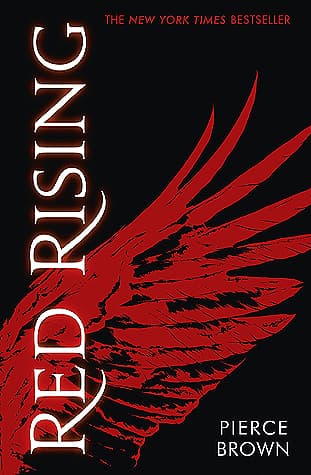
- Red Rising
Pierce Brown
4.3 (248k) average on GoodreadsFantasyExplores a stratified society, rebellion, and brutal competition with high political stakes.
- The Ballad of Songbirds and Snakes
Suzanne Collins
3.8 (155k) average on GoodreadsFantasy"Sunrise on the Reaping" shares thematic DNA with "The Ballad of Songbirds and Snakes" by also serving as a prequel to "The Hunger Games." However, "Sunrise" focuses on an established, beloved character's origin within the arena, offering a visceral, participant's perspective of a specific Games. In contrast, "Ballad" delves into the origins of President Snow and the early evolution of the Games themselves, offering a more political and observational lens from outside the arena. While both explore the brutality of Panem, "Sunrise" is a direct, action-packed account of survival, whereas "Ballad" is a more cerebral examination of power, ambition, and the human capacity for cruelty and compassion.
- Battle Royale
Koushun Takami
4.2 (59k) average on GoodreadsThrillerBoth "Sunrise on the Reaping" and Koushun Takami's "Battle Royale" feature a dystopian premise where young people are forced to fight to the death. "Sunrise" expands on the established Hunger Games universe, focusing on the systemic oppression and political commentary inherent in the Games. "Battle Royale", while also brutal, tends to be more anarchic and less overtly political, emphasizing the raw, psychological horror of teenagers turning on each other without the same level of Capitol manipulation or spectacle. "Sunrise" provides a more structured narrative within a well-defined world, whereas "Battle Royale" often feels more chaotic and immediate, with a larger cast and less emphasis on individual character arcs in favor of the overall survival struggle.
- Harry Potter and the Sorcerer's Stone
J.K. Rowling
4.5 (7M) average on GoodreadsFantasyRescued from a miserable life under the stairs, an orphaned boy discovers he's a wizard destined for a magical school, where he uncovers a dangerous secret tied to the dark wizard who murdered his parents.



Enjoyed the summary?
A summary gives you the shape of the book. The book itself has the detail, the examples and the voice.
Find Sunrise on the Reaping on AmazonAs an Amazon Associate, BookBrief earns from qualifying purchases. How we're funded