
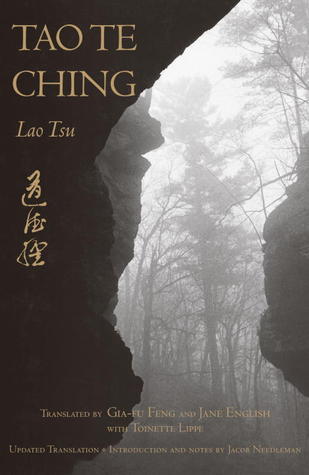
"Tao Te Ching" Quiz

The "Tao Te Ching" by Lao Tzu is a foundational text of Taoism that offers poetic guidance on living in harmony with the natural order and embracing simplicity, humility, and non-action.
philosophy | 160 pages | Published in 2000
Play the quiz
Test your knowledge about the book "Tao Te Ching". We have come up with 10 quiz questions for the book. Hit play and start testing your knowledge. Each correctly answered question gives one point.
10 questions available
Essay questions
These essay questions are meant to be used as a starting point for your essay or research paper.
- Discuss the concept of 'wu wei' (non-action) in the Tao Te Ching. How does Lao Tzu define it, and what implications does it have for leadership and daily life?
- Analyze Lao Tzu's use of paradox in the Tao Te Ching. Provide examples and discuss how these paradoxes contribute to the book's philosophical depth.
- Examine the role of nature in the Tao Te Ching. How does Lao Tzu use natural imagery to convey his teachings about the Tao?
- Compare Lao Tzu’s vision of an ideal ruler or leader with that of other ancient philosophies. What qualities does Lao Tzu emphasize, and why?
- Evaluate the Tao Te Ching’s approach to the concept of duality (e.g., light/dark, strong/weak). How does the text suggest individuals should relate to opposites?
- How does the Tao Te Ching address the pursuit of knowledge and wisdom? What attitude does it promote toward formal learning and intellectualism?
- Discuss the theme of humility in the Tao Te Ching. How does Lao Tzu portray humility, and why is it important to the practice of Tao?
- Analyze the Tao Te Ching’s perspective on desire and ambition. What dangers does the text associate with them, and what alternatives does it propose?
- In what ways does the Tao Te Ching challenge conventional ideas about strength and weakness? Use textual examples to support your response.
- Discuss the significance of emptiness and stillness in the Tao Te Ching. How does Lao Tzu use these concepts to support his teachings?
- How does the Tao Te Ching define the Tao (the Way)? Is it possible to fully comprehend or describe the Tao according to Lao Tzu?
- Explore how the Tao Te Ching approaches the relationship between individuals and society. What guidance does it offer about living harmoniously with others?
- What role does simplicity play in Lao Tzu’s philosophy as presented in the Tao Te Ching? Why is simplicity valued, and how can it be achieved?
- How does the Tao Te Ching address the issue of power and authority? What warnings or advice does Lao Tzu offer to those who hold power?
- Reflect on the Tao Te Ching’s relevance to contemporary life. In what ways can its teachings be applied to modern problems or personal development?


