

Synopsis
Covers the whole plot, including the ending.
- Difficulty
- Easy
- Pacing
- Moderate
- Mood
- Heartwarming, Reflective, Relatable, Hopeful
- Read it if
- You enjoy coming-of-age stories about cultural identity, first love, and overcoming internal conflict.
- Skip it if
- You prefer fantasy or sci-fi over realistic contemporary fiction, or if you dislike stories with teenage angst and identity crises.
Ten Things I Hate About Me Plot Summary
Covers the whole plot, including the ending.
The Double Life of Jamilah/Jamie
Jamilah, who uses Jamie at school, lives a carefully planned double life. To her school friends, especially the popular group led by Claire and her best friend Kat, she is a normal, fun Australian teenager. But at home, she is Jamilah, the oldest daughter of conservative Palestinian Muslim parents. She must follow religious and cultural traditions, which often conflict with her Western upbringing. Her father, Baba, is very strict, forbidding her from mixed-gender social events or having male friends. Jamie constantly feels pressure to keep this act, fearing rejection from her friends if they found out about her 'other' life, especially her love for playing the darabuka, an Arabic drum, which she practices in secret.
The 'Ten Things I Hate About Me' List
Overwhelmed by her conflicting identities and constant lies, Jamie starts a private list called 'Ten Things I Hate About Me.' This list becomes a place where she writes her deepest insecurities and self-criticisms, many of which come from her inability to blend her two worlds. She hates her dishonesty, her fear of not standing up to her father, and her shame about her cultural background. This writing helps her inner struggle, pushing her to question the truth of her relationships and her own self-worth. She feels guilty about constantly lying to her friends and herself.
Meeting Peter and the Growing Deception
Jamie meets Peter, a charming and kind boy, through mutual friends. She is immediately drawn to him, and they start spending time together, though secretly. Each meeting with Peter requires detailed lies and avoidance to keep him from learning about her Muslim identity and her strict home life. This growing romance increases her inner conflict; she desperately wants to be open with Peter but fears his reaction, believing he would not understand or accept her. The lies become more complex and stressful, making her feel more isolated and dishonest, especially as her feelings for Peter grow.
The School Formal Dilemma
The upcoming school formal creates a big problem for Jamie. Going with Peter would be a dream, but it's impossible under her father's rules. She makes up excuses to her friends about why she can't go, further distancing herself. The pressure grows as her friends, especially Kat, become suspicious of her inconsistent behavior and secret phone calls. Jamie feels caught between disappointing Peter and her friends, and directly defying her father, which she knows would lead to serious problems at home. This event shows the seemingly impossible barrier between her two lives.
Confrontation with Kat
Kat, Jamie's best friend, becomes increasingly frustrated and suspicious of Jamie's avoidance and constant excuses. She confronts Jamie, asking why she's been so secretive and why she can't go to the formal. Jamie's inability to be honest with Kat creates a big break in their friendship. Kat feels hurt and betrayed by Jamie's lack of trust, while Jamie feels misunderstood and trapped. This confrontation makes Jamie realize the cost of her double life, as her closest friendship starts to fall apart under the weight of her lies and hidden identity, making her feel even more alone.
The Mosque and Cultural Connection
Despite trying to distance herself from her Muslim identity, Jamie finds herself drawn to the mosque, especially during Ramadan. She starts attending prayers and community events more regularly, not out of duty, but from a growing sense of curiosity and belonging. She meets other young Muslim women who openly embrace both their faith and their modern Australian lives, challenging her old ideas. This exposure helps her see her culture not as a burden, but as a source of strength and community, offering a different view of her inner conflict and prompting self-reflection.
The Darabuka Performance
Jamie's secret love for playing the darabuka, which she practices in the garage, becomes a key part of her journey. She initially hides it, fearing it's 'too Muslim' for her school friends, but eventually, she performs it for her family during a small gathering. This act of cultural expression, initially a source of shame, becomes a powerful moment of self-acceptance. The joy and connection she feels while playing help her realize that her cultural identity is a beautiful and important part of who she is, not something to hide or dislike. It's a small step towards bringing her two worlds together.
The Truth Revealed to Peter
Troubled by guilt and wanting to be honest, Jamie finally decides to tell Peter about her Muslim background and her family's strict rules. This is a terrifying moment for her, as she fears his rejection and judgment. Peter's reaction is first surprise and confusion, but he listens. While he struggles to fully understand her world, he expresses admiration for her honesty and a willingness to try and bridge the gap. This revelation is a crucial step for Jamie in accepting her true self, even if it means possibly losing someone she cares about.
Reconciliation with Kat and Family
After her confession to Peter, Jamie finds the courage to apologize to Kat and explain why she was secretive. Kat, though still hurt, is understanding and supportive, and their friendship begins to heal. At the same time, Jamie starts to talk more openly with her parents, especially her mother, about her struggles and desires. While her father remains resistant to some of her modern aspirations, her mother becomes a more understanding confidante, helping Jamie navigate the cultural divide. This is a turning point towards more honesty and understanding in her relationships.
Embracing Jamilah
By the end of the novel, Jamie has made progress in accepting and combining her dual identities. She no longer sees 'Jamie' and 'Jamilah' as two separate, conflicting people, but as different parts of her true self. She learns to appreciate her Muslim heritage and finds ways to balance it with her desire for a modern Australian life. While challenges with her father remain, she has found her voice and the courage to speak for herself. The 'Ten Things I Hate About Me' list becomes a list of things she loves about herself, showing her journey of self-acceptance and growth.
Ten Things I Hate About Me Characters
Jamilah/Jamie
Protagonist
A Muslim Australian teenager struggling to reconcile her dual identities.
Jamie is a complex and relatable protagonist who feels caught between two worlds: her conservative Palestinian Muslim home life and her desire to fit in with her modern Australian school friends. She is intelligent, witty, and deeply insecure, constantly fearing judgment and rejection. Her internal conflict drives the narrative, as she grapples with deceit, cultural shame, and the yearning for authenticity. She is a talented darabuka player, a passion she initially hides, symbolizing her hidden cultural pride.
Relationships: Baba (Father) (Strict, traditional, often a source of conflict and fear.); Mama (Mother) (More understanding, a gradual confidante, mediator.); Kat (Best friend, initially supportive but later hurt by Jamie's secrecy.); Peter (Love interest, kind, understanding, and patient.); Claire (Popular school friend, represents the 'Aussie' world Jamie strives to fit into.)
Baba (Father)
Supporting/Antagonist
Jamilah's strict, traditional Palestinian Muslim father.
Baba is a deeply religious and culturally conservative man who believes strongly in upholding Palestinian Muslim traditions within his family in Australia. He is strict, often forbidding Jamie from activities he deems inappropriate, such as dating or attending mixed-gender social events. While he loves his family, his rigidity and inability to compromise create significant tension and fear in Jamie's life. He represents the traditional values that Jamie struggles to reconcile with her modern aspirations, and his rules often drive Jamie's deceit.
Relationships: Jamilah/Jamie (Source of conflict, fear, and love.); Mama (Mother) (Wife, often tries to mediate between him and their daughters.)
Mama (Mother)
Supporting
Jamilah's understanding and supportive, yet traditional, mother.
Mama is a more nuanced character than Baba, often acting as a bridge between her husband's strict traditions and her daughters' desire for a more modern life. She is deeply devoted to her family and faith but possesses a greater capacity for empathy and understanding towards Jamie's struggles. Initially, she supports Baba's rules, but as the story progresses, she becomes a quiet confidante for Jamie, offering subtle advice and support, helping her navigate the complexities of her dual identity. She embodies the struggle of balancing tradition with adaptation.
Relationships: Jamilah/Jamie (Confidante, supportive mother.); Baba (Father) (Wife, often tries to mediate and soften his strictness.)
Kat
Supporting
Jamie's loyal but eventually frustrated best friend.
Kat is Jamie's best friend at school, representing her 'Aussie' life. She is outgoing, loyal, and initially very supportive of Jamie. However, as Jamie's double life becomes more elaborate and secretive, Kat grows increasingly frustrated and hurt by Jamie's evasiveness and constant excuses. She feels shut out and betrayed, leading to a significant strain on their friendship. Her frustration serves as a catalyst for Jamie to confront her dishonesty, highlighting the personal cost of her deception.
Relationships: Jamilah/Jamie (Best friend, temporarily strained by secrecy.); Peter (Friend, part of the same social circle.)
Peter
Supporting
Jamie's kind and understanding love interest.
Peter is a kind, patient, and understanding boy whom Jamie meets at school. He represents the possibility of a romantic relationship and a deeper connection that Jamie yearns for. He is genuinely interested in Jamie and is willing to listen and learn when she eventually reveals her true identity. While he doesn't fully grasp the complexities of her cultural background, his acceptance and lack of judgment are crucial to Jamie's journey of self-acceptance. He offers a glimpse of a future where she can be loved for her whole self.
Relationships: Jamilah/Jamie (Love interest, becomes a trusted confidant.)
Claire
Supporting
Leader of the popular school group Jamie wants to impress.
Claire is part of the popular social circle at Jamie's school. She embodies the 'typical' Australian teenager Jamie strives to emulate and fit in with. She is not malicious but represents the superficiality and sometimes exclusionary nature of peer groups. Jamie's desire for Claire's approval often drives her to maintain her 'Jamie' persona and further hide her 'Jamilah' identity, highlighting the pressure to conform and the fear of standing out. She is a symbol of the 'Western' world Jamie tries to integrate into.
Relationships: Jamilah/Jamie (Acquaintance/friend in the school group.); Kat (Friend in the same social circle.)
Layla
Supporting
Jamie's younger sister, observant and often a foil.
Layla is Jamie's younger sister, who is often more observant and less conflicted about her Muslim identity than Jamie, though she also faces similar pressures. She sometimes challenges Jamie's secrecy and can be a source of both annoyance and, occasionally, quiet support. Layla represents a slightly different perspective on navigating their cultural upbringing, sometimes embracing it more readily or questioning it in different ways. Her presence highlights the generational and individual differences in how the sisters approach their shared heritage.
Relationships: Jamilah/Jamie (Sister, sometimes a source of irritation or quiet understanding.); Baba (Father) (Daughter, also subject to his rules.); Mama (Mother) (Daughter.)
Mrs. Hamoud
Mentioned/Supporting
A respected figure in the Muslim community.
Mrs. Hamoud is a mature woman within the local Muslim community. She serves as a positive role model and a source of wisdom for Jamie, particularly when Jamie starts attending mosque events more frequently. She represents a different generation of Muslim women who have successfully navigated life in Australia while maintaining their faith and cultural identity. Her presence subtly encourages Jamie to see the beauty and strength in her heritage, offering a counter-narrative to Jamie's initial shame.
Relationships: Jamilah/Jamie (Mentor figure, community member.)
Ten Things I Hate About Me Themes
Identity and Belonging
The main theme is Jamie's struggle to balance her identities as a modern Australian teenager and a Palestinian Muslim. She often feels she doesn't fully belong to either world, leading to inner conflict and self-hatred. The novel explores the pressure to conform, the pain of cultural shame, and the journey to self-acceptance. Jamie's 'Ten Things I Hate About Me' list directly shows her inability to find a clear sense of self. Her eventual embrace of both 'Jamie' and 'Jamilah' means she finds belonging within herself, not just in outside groups.
“I should win an Oscar for my acting skills. But I can't keep it up for much longer...”
Deception and Authenticity
Jamie's double life is built on lies and omissions, driven by her fear of rejection and her desire to protect her two separate worlds. This theme explores the emotional cost of being inauthentic, as Jamie becomes more isolated and guilty. Her relationships with Kat and Peter suffer because she cannot be honest. The novel shows how deception, even with good intentions, harms both the deceiver and those around them. Her journey is about shedding these lies to embrace her true, multifaceted self, leading to more genuine connections.
“It was like I had two souls, two identities, and neither of them felt entirely mine.”
Family and Cultural Expectations
The novel examines the effect of conservative cultural and religious expectations on a young person growing up in a Western society. Jamie's father, Baba, represents these strict rules, creating a major source of conflict and fear for her. The theme explores the tension between family duty and personal desires, and the challenges of communication between generations and cultures within a family. While Jamie initially resists her family's traditions, she eventually learns to appreciate parts of her heritage, seeking a balance rather than full rejection, and finding ways to tell her more understanding mother what she needs.
“How can I tell Peter that my father would never let me go to a formal, let alone with a boy?”
Self-Acceptance and Empowerment
At its heart, the book is a journey of self-acceptance. Jamie's initial dislike for parts of herself, listed in her notes, slowly changes into an understanding and appreciation of her unique identity. Her secret love for the darabuka, first a source of shame, becomes a symbol of her cultural pride and a way to express herself. By facing her fears, telling Peter and Kat the truth, and engaging more with her Muslim community, Jamie gains a sense of empowerment. She learns that true belonging comes from accepting all parts of who she is, rather than trying to fit into a mold.
“Maybe being Jamilah wasn't a prison, but a part of who I was meant to be.”
Plot Devices & Literary Techniques
'Ten Things I Hate About Me' List
A personal journal that serves as a confessional and a measure of character development.
This list is a central plot device, acting as an internal monologue and a barometer for Jamie's emotional state. Initially, it's a repository for her self-loathing and the aspects of her life she wishes to hide or change. As the story progresses, the list evolves, reflecting her growing self-awareness and eventual self-acceptance. It provides direct insight into her deepest insecurities and the internal conflict she experiences, allowing the reader to track her psychological journey from shame to empowerment. The very act of writing it is a form of therapeutic self-reflection.
Dual Identity/Persona
The protagonist maintains two distinct personalities to navigate conflicting cultural worlds.
Jamie's 'Jamie' persona for school and 'Jamilah' persona for home is a key plot device that drives the central conflict. This duality creates constant tension, requiring elaborate lies and evasions that complicate her relationships and fuel her internal struggle. It highlights the cultural clash and the pressure to conform in different environments. The device allows the author to explore themes of authenticity, belonging, and the challenges faced by young people from immigrant backgrounds, as Jamie attempts to keep these two worlds strictly separate until they inevitably collide.
The Darabuka (Arabic Drum)
A cultural symbol that evolves from a source of shame to a tool for self-expression and pride.
Initially, Jamie's secret passion for playing the darabuka is something she hides, fearing it's 'too Muslim' and would expose her 'other' life to her school friends. It represents her hidden cultural heritage and her personal desires that clash with her Westernized image. As the story progresses, her willingness to play it, first for her family and then more openly, signifies her growing acceptance and pride in her identity. It becomes a powerful symbol of self-expression and cultural integration, marking a turning point in her journey towards authenticity.
The School Formal
A common social event that acts as a major catalyst for conflict and decision-making.
The school formal serves as a significant plot device, pushing Jamie's internal and external conflicts to a head. It represents a quintessential 'Western' teenage experience that is strictly forbidden by her father. Her inability to attend with Peter, and the elaborate lies she tells to her friends, expose the fragility of her double life. The formal forces Jamie to confront the limitations imposed by her cultural background and the painful consequences of her deception, ultimately prompting her to make difficult choices about her relationships and identity.
Ten Things I Hate About Me Quotes
“Maybe it was good for me to put myself out there, even if it meant risking a little embarrassment. Maybe that was how you truly learned to live, by trying things even when you were scared.”
“The hardest part about being a teenager isn't the hormones or the homework; it's figuring out who you are when everyone else is trying to tell you who you should be.”
“Sometimes I felt like I was living two separate lives: the one everyone saw, and the one I kept hidden inside my head.”
“It’s funny how a single conversation can shift the entire landscape of your day, or even your week. A few words can change everything.”
“You can't choose your family, but you can choose how you react to them. And sometimes, that's enough to make a difference.”
“I was learning that sometimes the things you thought you hated most about yourself were the very things that made you unique, and even lovable.”
“Faith isn't about having all the answers. It's about trusting that even when you don't understand, there's a bigger plan.”
“Maybe the secret to happiness wasn't finding someone to complete you, but learning to be complete on your own.”
“The world is full of people who will try to put you in a box. Don't let them.”
“Sometimes the bravest thing you can do is admit you're wrong, or that you don't know something.”
“It's not about being perfect, it's about being real. And real is always more beautiful.”
“Love isn't just a feeling; it's a choice you make every single day, to be patient, to be kind, to forgive.”
“I was starting to realize that the 'ten things I hate about me' list was just a starting point. The real work was finding the ten, or twenty, or a hundred things I loved.”
Quiz
10 questions on the plot and the characters. Each answer comes with a short explanation.
Question 1
What is the protagonist's name when she is at school and trying to fit in?
- Jamilah
- Jamie
- Jemima
- Jasmine
Show answer
B. Jamie The synopsis states, 'At school I'm Aussie-blonde Jamie -- one of the crowd.'
Question 2
What is the protagonist's name at home, reflecting her Muslim identity?
- Jamie
- Jasmine
- Jamilah
- Jemima
Show answer
C. Jamilah The synopsis states, 'At home I'm Muslim Jamilah -- driven mad by my Stone Age dad.'
Question 3
What musical instrument does Jamilah secretly love to play?
- Guitar
- Piano
- Darabuka
- Flute
Show answer
C. Darabuka The synopsis mentions, 'she secretly loves to play the darabuka (Arabic drums).'
Question 4
What is the main reason Jamie hides her Muslim identity from her school friends?
- She is embarrassed by her family's wealth.
- She wants to avoid being seen as a stereotypical Muslim girl.
- Her friends have explicitly told her they dislike Muslim people.
- She is planning to convert to another religion.
Show answer
B. She wants to avoid being seen as a stereotypical Muslim girl. The synopsis states, 'She doesn't want to be seen as a stereotypical Muslim girl, so she does everything possible to hide that part of herself.'
Question 5
How does Jamilah describe her father's views or strictness?
- Liberal and encouraging
- Modern and understanding
- Stone Age
- Indifferent
Show answer
C. Stone Age She refers to being 'driven mad by my Stone Age dad,' indicating his strict or traditional views.
Question 6
What is one specific restriction her father imposes that Jamie hides from her friends?
- He forbids her from eating certain foods.
- He forbids her from using social media.
- He forbids her from hanging out with boys.
- He forbids her from getting good grades.
Show answer
C. He forbids her from hanging out with boys. The synopsis mentions, 'she's afraid to let them know her dad forbids her from hanging out with boys.'
Question 7
The novel's title, 'Ten Things I Hate About Me,' suggests which overarching theme for the protagonist?
- Her dislike for her friends and family.
- Her struggle with self-acceptance and identity.
- Her list of grievances against her school.
- Her disdain for modern technology.
Show answer
B. Her struggle with self-acceptance and identity. The description implies a journey of 'learning to accept yourself and your culture,' which aligns with the idea of 'ten things I hate about me' being aspects of herself she struggles to accept.
Question 8
What phrase does the protagonist use to describe her efforts to maintain two separate identities?
- Winning a Nobel Prize
- An Olympic feat
- Winning an Oscar for her acting skills
- A magic trick
Show answer
C. Winning an Oscar for her acting skills The protagonist says, 'I should win an Oscar for my acting skills,' referring to her ability to play two different roles.
Question 9
The core conflict of the story revolves around Jamilah/Jamie's attempt to balance which two aspects of her life?
- Academics and sports
- Her desire to fit in at school and her cultural/religious identity at home.
- Her love for music and her fear of public performance.
- Her relationship with her mother and her relationship with her father.
Show answer
B. Her desire to fit in at school and her cultural/religious identity at home. The synopsis explicitly details her struggle between being 'Aussie-blonde Jamie -- one of the crowd' at school and 'Muslim Jamilah -- driven mad by my Stone Age dad' at home, highlighting the conflict between fitting in and cultural identity.
Question 10
What is the ultimate goal or journey described for the protagonist in the novel?
- To become the most popular girl in school.
- To move away from her family and start a new life.
- To find her place in life and learn to accept herself and her culture.
- To rebel completely against all of her father's rules.
Show answer
C. To find her place in life and learn to accept herself and her culture. The very beginning of the synopsis states, 'Randa Abdel-Fattah's new novel about finding your place in life . . . and learning to accept yourself and your culture.'
Ten Things I Hate About Me FAQ
What is the central conflict Jamie faces in 'Ten Things I Hate About Me'?
Jamie, whose real name is Jamilah, struggles with a profound identity crisis, torn between her desire to assimilate into mainstream Australian youth culture as 'Aussie-blonde Jamie' and her family's traditional Muslim values and expectations. This internal conflict leads her to create two distinct personas, causing significant emotional distress and isolation.
Who are the key members of Jamie's family and how do they influence her?
Jamie's 'Stone Age dad' enforces strict rules, particularly regarding her interactions with boys and her adherence to Muslim customs, which she often resents and rebels against. Her mother tries to mediate but generally supports her husband's views, while her younger brother, Adam, sometimes serves as a reminder of her cultural roots and provides a different perspective on their family life.
What role does the 'Ten Things I Hate About Me' list play in the narrative?
The list is a tangible representation of Jamie's deep-seated self-loathing and her internal battle with her identity. It outlines specific aspects of herself, often linked to her Muslim heritage or her perceived inadequacies, that she wishes to change or erase, driving many of her secretive actions and decisions throughout the story.
How does Jamie's passion for playing the darabuka connect to her character development?
Jamie's secret love for playing the darabuka, an Arabic drum, symbolizes her suppressed cultural identity and her innate connection to her heritage. Initially, she hides this talent, fearing it will expose her 'otherness,' but as she grows, embracing the darabuka becomes a crucial step in her journey towards self-acceptance and integrating her two worlds.
What significant romantic interest does Jamie develop, and how does this relationship challenge her dual life?
Jamie develops a romantic interest in Peter, a non-Muslim boy from school. This relationship significantly escalates her internal conflict, as maintaining her 'Aussie-blonde Jamie' persona becomes more difficult and the risk of her father discovering her secret interactions with him looms large, threatening to expose her carefully constructed double life.
Are there any subtle hints early in the book that foreshadow Jamie's eventual embrace of her Muslim identity?
Beyond her secret darabuka playing, Jamie often finds herself drawn to discussions about religion or cultural identity, even when she outwardly dismisses them. There are moments where she internally questions her own biases or feels a pang of longing for the community she pushes away, subtly hinting at her deeper, unacknowledged connection to her heritage.
What specific cultural or religious practices does Jamie attempt to hide or outright reject?
Jamie actively hides her family's observance of Ramadan, often making excuses to avoid school events or friends during fasting periods. She also rejects the idea of arranged marriage, the traditional dress (hijab), and generally avoids any public display or discussion of her Muslim faith, fearing it will mark her as an outsider.
How does the author use the character of Adam, Jamie's younger brother, to subtly highlight Jamie's internal struggles?
Adam often embodies a more straightforward acceptance of their family's culture, asking innocent questions or making observations that unwittingly challenge Jamie's denial. His presence serves as a foil, reminding Jamie of the authenticity she is sacrificing and sometimes making her question the necessity of her elaborate deceptions.
Discuss the psychological impact of Jamie's 'acting skills' and maintaining two separate personas.
Maintaining two distinct personas, Jamie experiences immense psychological strain, leading to chronic anxiety, guilt, and emotional exhaustion. This constant performance prevents her from forming genuine connections, fosters a sense of isolation, and erodes her self-worth, as she feels she is never truly herself with anyone.
How does Jamie's perception of her father evolve throughout the story, and what psychological mechanisms are at play?
Initially, Jamie views her father as an oppressive, 'Stone Age' figure, projecting all her frustrations about her cultural identity onto him. As she matures, she begins to understand his motivations, often rooted in love and a desire to protect his family's values, leading to a more nuanced view and a psychological shift from rebellion to empathy.
In what ways does Jamie's fear of being seen as a 'stereotypical Muslim girl' manifest psychologically?
This fear manifests as hyper-vigilance towards her image, a tendency to overcompensate by embracing 'Aussie' traits, and an internalized shame regarding her heritage. Psychologically, it's a defense mechanism against perceived judgment and rejection, leading her to suppress authentic parts of herself to conform to an idealized, non-Muslim identity.
How does Jamie's self-acceptance journey relate to the concept of cognitive dissonance?
Jamie experiences significant cognitive dissonance, where her beliefs about herself (as 'Aussie-blonde Jamie') clash with her deeply ingrained cultural reality (as Muslim Jamilah). Her journey involves resolving this dissonance by integrating these conflicting identities, reducing psychological discomfort, and achieving a more coherent sense of self.
Is Jamie's father portrayed as strictly villainous, or is there room for a more nuanced interpretation of his actions?
While Jamie initially perceives her father as strictly villainous and oppressive, the narrative allows for a more nuanced interpretation. His strictness can be seen as rooted in cultural preservation, religious conviction, and a desire to protect his family in a foreign land, rather than pure malice, highlighting the generational and cultural gap.
To what extent does the book suggest that assimilation and cultural heritage are mutually exclusive?
The book ultimately argues against the idea that assimilation and cultural heritage are mutually exclusive. Jamie's journey demonstrates that true belonging comes not from choosing one over the other, but from finding a way to integrate and celebrate both aspects of her identity, suggesting a harmonious coexistence is possible.
How does the ending of the novel resolve Jamie's internal conflict, and is it a complete resolution?
The ending sees Jamie making significant strides towards self-acceptance, no longer feeling the need to completely hide her Muslim identity. While she embraces her heritage and finds a way to be authentic, it's implied that her journey of navigating cultural identity is ongoing, suggesting a realistic, rather than fully complete, resolution.
What message does the book convey about the importance of family understanding versus peer acceptance?
The book ultimately conveys that while peer acceptance is important for a teenager, true self-worth and happiness stem from family understanding and self-acceptance. Jamie learns that sacrificing her authentic self for peer approval is ultimately unfulfilling and that finding common ground with her family is crucial for her well-being.
Could Jamie's story be interpreted as a broader commentary on multiculturalism in Western societies?
Yes, Jamie's story can be interpreted as a broader commentary on the challenges of multiculturalism in Western societies, particularly for second-generation immigrants. It highlights the pressure to conform, the struggle to reconcile dual identities, and the importance of cultural understanding and acceptance from both the individual and society.
About the author

Randa Abdel-Fattah is an Australian author known for her contributions to young adult fiction. Her notable work, "Ten Things I Hate About Me," explores themes of identity and cultural conflict. Abdel-Fattah's writing often reflects her experiences as a Muslim woman and addresses issues of race and belonging.
Similar books
- A Very Large Expanse of Sea
Tahereh Mafi
4.2 (30k) average on GoodreadsHistorical FictionExplores Muslim identity and first love in a contemporary setting.
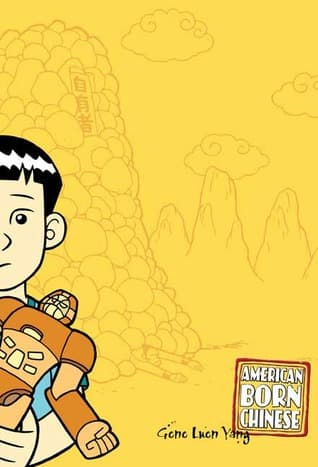
- American Born Chinese
Gene Luen Yang
3.9 (73k) average on GoodreadsFantasyDeals with navigating dual cultural identities and fitting in.
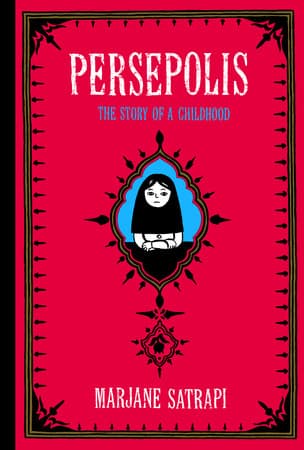
- Persepolis: The Story of a Childhood
Marjane Satrapi
4.3 (158k) average on GoodreadsBiographySatrapi's graphic memoir, 'Persepolis', also explores a young woman's identity formation amidst cultural and political upheaval, specifically in Iran and later Europe. Both books feature protagonists navigating complex cultural landscapes and questioning societal norms. However, Satrapi's work is an autobiographical account set against a backdrop of revolution and exile, lending it a more historical and socio-political weight. Abdel-Fattah's novel, while culturally specific, focuses more intimately on the personal, internal conflict of a second-generation immigrant within a relatively stable Western society, without the immediate threat of war or political oppression.
- Eat, Pray, Love
Elizabeth Gilbert
3.6 (1.5M) average on GoodreadsLifestyleA heartbroken writer leaves her conventional life for a year-long global search for pleasure in Italy, spiritual devotion in India, and unexpected love and balance in Bali.
- Educated
Tara Westover
4.5 (796k) average on GoodreadsBiographyRaised in the Idaho mountains by fundamentalist survivalists, a young woman forges her own path to education, battling fierce family loyalty and personal demons to discover a world beyond her isolated upbringing.
- The Poisonwood Bible
Barbara Kingsolver
4.1 (659k) average on GoodreadsLiterary FictionA zealous missionary's rigid faith clashes with the Belgian Congo's wilderness and people, unraveling his family through the eyes of his five unforgettable women.




Enjoyed the summary?
A summary gives you the shape of the book. The book itself has the detail, the examples and the voice.
Find Ten Things I Hate About Me on AmazonAs an Amazon Associate, BookBrief earns from qualifying purchases. How we're funded