

Synopsis
Covers the whole plot, including the ending.
- Difficulty
- Medium
- Pacing
- Variable
- Mood
- Atmospheric, Reflective, Thought-provoking, Tragic, Hopeful
- Read it if
- You want a sprawling, character-driven epic exploring themes of colonialism, faith, family, and cultural clash through multiple perspectives.
- Skip it if
- You prefer fast-paced thrillers or are uncomfortable with challenging moral dilemmas and the depiction of intense emotional trauma.
The Poisonwood Bible Plot Summary
Covers the whole plot, including the ending.
Arrival in Kilanga
In 1959, Nathan Price, an unyielding Baptist missionary, moves his wife, Orleanna, and their four daughters—Rachel, Leah, Adah, and Ruth May—from Bethlehem, Georgia, to the remote village of Kilanga in the Belgian Congo. They arrive with Western goods, including canned foods, garden seeds, and Nathan's strict Bible interpretations. The family immediately faces the harsh tropical climate, unfamiliar customs, and the local Lingala language, which Nathan struggles to learn and often misuses. Their new home is a dilapidated mission house. The girls quickly realize their father's unwavering zeal blinds him to their practical needs and the dangers around them. Orleanna, already tired, begins to withdraw, sensing the large challenges ahead.
Nathan's Unyielding Mission
Nathan Price wants to baptize every person in Kilanga. He preaches with intense fervor, often misinterpreting Lingala words, such as confusing 'Tata Jesus is Bangala!' (Jesus is the most precious thing!) with 'Tata Jesus is Poisonwood!' (Jesus is poisonwood!). His sermons are met with polite but firm resistance from the villagers, who have their own spiritual beliefs and are wary of his aggressive methods. He tries to grow a garden with Western seeds, which fail in the African soil, symbolizing his inability to adapt. The family struggles with malaria, hunger, and isolation, while Nathan remains unaware of their suffering, focused only on his mission. This further alienates his family and the community.
Ruth May's Death
Ruth May, the youngest and most adaptable of the Price daughters, gets malaria and later dies from a green mamba snakebite. Her death devastates the family, especially Orleanna, who falls into a deep depression. The villagers, however, perform a traditional burial ceremony, showing more compassion and understanding than Nathan. This tragedy is a turning point, showing how fragile their lives are and how disconnected the Price family is from their environment. Nathan, in his grief and denial, sees her death as a test of faith, refusing to acknowledge his own part in it or the local customs that might have prevented it.
The Congo's Independence
As the Congo gains independence from Belgium in 1960, political unrest erupts. Patrice Lumumba becomes the first Prime Minister, advocating for a unified and independent Congo, but his leadership is short-lived. The Prices find themselves caught in the growing violence and uncertainty. Nathan, however, remains stubbornly apolitical and unconcerned by the dangers, continuing his mission as if nothing has changed. The family must flee Kilanga when the political situation becomes too dangerous, but Nathan refuses to leave, insisting on staying to fulfill his divine purpose. This period highlights the broader historical context of their personal struggles and the destructive impact of colonialism.
Orleanna's Departure
After Ruth May's death and the growing political unrest, Orleanna finally finds the strength to leave Nathan. She, along with Rachel, Leah, and Adah, tries to escape the Congo, leaving Nathan behind in Kilanga. Their journey is difficult and dangerous as they navigate the chaotic country. This marks Orleanna's decisive break from her oppressive marriage and her desperate attempt to save her surviving children. The departure is a moment of both freedom and deep grief, as they leave behind not just Nathan, but also Ruth May's grave and the shattered parts of their lives in Kilanga.
Separate Paths: Rachel
Rachel, the eldest and most self-absorbed daughter, puts her own survival and comfort first. She eventually marries a series of wealthy, older men, first a pilot named Axelroot, and later the owner of a luxury hotel in French-speaking Africa. She remains mostly detached from the political and moral complexities of Africa, focusing on keeping her privileged lifestyle. Rachel's narration shows her superficiality, grammatical errors, and complete lack of self-reflection. She chooses to remain ignorant of anything that might disturb her comfortable life. She embodies the Western colonial mindset of entitlement and detachment.
Separate Paths: Leah
Leah, initially her father's most devoted follower, changes significantly. She falls in love with Anatole Ngemba, a local schoolteacher and activist, and marries him. They move to a remote village where Leah dedicates her life to agriculture, medicine, and social justice, working to improve the lives of Congolese people. She becomes deeply involved in the post-colonial political landscape, often facing hardship and danger alongside Anatole. Leah's narrative reflects her growing understanding of African culture, her commitment to justice, and her continuous struggle to reconcile her past with her present. She embodies the hope for a more equal future for Africa.
Separate Paths: Adah
Adah, born with hemiplegia and initially communicating through palindromes and internal thoughts, eventually returns to America with Orleanna. She becomes a respected epidemiologist. Her intelligence and unique perspective, sharpened by years of silent observation and her physical challenges, allow her to analyze the world with a keen, scientific eye. Through medical advancements, she gains more control over her body and eventually finds her spoken voice. Adah's narrative is intellectual and analytical, exploring language, disability, and the connection of all life. She learns to appreciate her own distinct identity and contributions.
Nathan's Fate
Nathan Price, abandoned by his family, stays in the Congo, continuing his relentless, unheeded mission to baptize the villagers. He becomes increasingly erratic and isolated, his sanity deteriorating. He dies when a bridge he tries to cross collapses during a storm, and he is swept away by the river, presumed eaten by crocodiles. His death is largely unmourned by the villagers, who saw him as a disruptive and dangerous force. His end symbolizes the ultimate failure of his colonialist and unyielding approach, swallowed by the very land he tried to conquer and transform without understanding. His legacy is one of destruction and hubris.
Orleanna's Reflection
Orleanna's narrative threads through the entire book, offering retrospective thoughts on her life with Nathan and her experiences in the Congo. She lives a quiet life in Georgia after returning to America, haunted by the past and the ghosts of her children. Her voice is filled with sorrow, regret, and a deep sense of responsibility for what happened to her family. She constantly questions her own part in Nathan's destructive mission and the devastating loss of Ruth May. Her reflections explore guilt, motherhood, and the lasting impact of trauma, as she tries to understand her choices and the lives that were irrevocably altered.
The Legacy of Africa
Years after leaving the Congo, the Price sisters and Orleanna remain shaped by their experiences. Leah dedicates her life to Africa, working for justice and development. Adah uses her intellect to understand the world, often through her time in Africa. Rachel lives a life of calculated comfort, but her memories of Africa occasionally surface, hinting at a deeper unease. Orleanna carries the weight of her past, forever changed by the land and its people. The Congo remains a powerful, living entity in their lives, a source of both trauma and transformation, showing how their individual paths were irrevocably formed by their time in a foreign land.
Reunion and Reconciliation
Though geographically separated and living very different lives, the surviving Price sisters—Rachel, Leah, and Adah—maintain a complex, sometimes distant, but ultimately lasting connection. They occasionally meet, offering glimpses into their different realities and the lingering effects of their shared trauma. These reunions, often marked by unspoken tensions and different views of their past, also provide moments of reconciliation and understanding. They represent the lasting, if complicated, bond of sisterhood forged in their Congolese experience, and their ongoing individual journeys to come to terms with their past and their identities.
Principal Figures
Nathan Price
Antagonist
A zealous, unyielding Baptist missionary.
Nathan is the patriarch of the Price family, a severe and fundamentalist Baptist preacher. Driven by a rigid interpretation of the Bible and a desire to atone for a past wartime trauma, he drags his family to the Belgian Congo to convert the local population. He is utterly inflexible, blind to the realities of his surroundings, and incapable of empathy, particularly towards his family. His pride and inability to adapt to African culture lead to tragic consequences, including the death of his youngest daughter. He embodies colonial hubris and religious fanaticism, ultimately leading to his own demise.
Relationships: Orleanna Price (Husband, oppressive and neglectful); Rachel Price (Father, largely ignores her superficiality); Leah Price (Father, initially her idol, later rejected); Adah Price (Father, ignores and dismisses her disability); Ruth May Price (Father, his neglect contributes to her death)
Orleanna Price
Supporting
The long-suffering wife and mother, haunted by her past.
Orleanna is Nathan's wife and the mother of the four Price daughters. She is a woman of quiet strength and profound sorrow, burdened by her husband's fanaticism and her complicity in his destructive mission. She narrates parts of the story retrospectively, offering poignant reflections on her past, her guilt, and the enduring impact of their time in the Congo. She struggles with deep depression and a sense of responsibility for her children's suffering, particularly after Ruth May's death. Her journey is one of gradual awakening and eventual escape from Nathan's control, though she never fully sheds the weight of her past.
Relationships: Nathan Price (Wife, oppressed and eventually leaves him); Rachel Price (Mother, protective but distant); Leah Price (Mother, shares a deep, understanding bond); Adah Price (Mother, deeply connected, understands her unique perspective); Ruth May Price (Mother, her death causes immense grief and guilt)
Rachel Price
Supporting
The eldest daughter, focused on superficiality and self-preservation.
Rachel is the eldest of the Price sisters, characterized by her blonde hair, vanity, and desire for material comfort. She is self-absorbed and largely oblivious to the deeper cultural and political complexities of the Congo. Her narrative voice is distinct for its grammatical errors and superficial observations, reflecting her deliberate choice to remain ignorant of anything that might challenge her worldview. She adapts to Africa by finding ways to maintain her Western comforts, eventually marrying a series of wealthy men and running a luxury hotel. She represents the colonial mindset of entitlement and detachment.
Relationships: Nathan Price (Father, resents his strictness but mirrors his self-centeredness); Orleanna Price (Mother, often dismisses her suffering); Leah Price (Sister, often critical of her idealism); Adah Price (Sister, finds her odd and unsettling); Ruth May Price (Sister, her death affects her less profoundly than others)
Leah Price
Protagonist
The passionate idealist who embraces Africa and social justice.
Leah is one of the twins, initially her father's most devoted follower, but she undergoes the most significant transformation. She is intelligent, athletic, and fiercely moral. Her experiences in the Congo, particularly her relationship with Anatole and her growing understanding of African culture and politics, lead her to reject her father's rigid beliefs. She dedicates her life to social justice and African development, working tirelessly for the betterment of the Congolese people. Leah grapples with guilt, the legacy of colonialism, and the complexities of her chosen path, embodying the hope for a more just future.
Relationships: Nathan Price (Father, initially idolizes him, later rejects his ideology); Orleanna Price (Mother, shares a deep, empathetic bond); Rachel Price (Sister, often clashes with her superficiality); Adah Price (Twin sister, a profound, almost telepathic connection); Ruth May Price (Sister, deeply mourns her death); Anatole Ngemba (Husband, intellectual and emotional partner)
Adah Price
Protagonist
The brilliant, observant twin who finds her voice.
Adah is Leah's twin sister, born with hemiplegia, which causes her to walk with a limp and initially to speak only in palindromes or through her internal thoughts. She is exceptionally intelligent, observant, and possesses a unique, often cynical, perspective on the world. She feels overlooked and undervalued by her father but forms a deep, almost psychic bond with Leah. Adah's narrative is intellectual and analytical, exploring themes of language, disability, and the interconnectedness of all life. After returning to America, she becomes a successful epidemiologist, finding her voice and embracing her distinct identity.
Relationships: Nathan Price (Father, ignored and dismissed by him); Orleanna Price (Mother, deeply connected, understands her perspective); Leah Price (Twin sister, a profound, almost telepathic connection); Rachel Price (Sister, finds her shallow); Ruth May Price (Sister, feels a deep, visceral connection to her death)
Ruth May Price
Supporting
The youngest daughter, innocent and adaptable, who dies tragically.
Ruth May is the youngest of the Price daughters, only five years old when they arrive in the Congo. She is the most adaptable and open-minded of the family, quickly befriending the local children and embracing aspects of Congolese culture. Her innocence and vulnerability make her a poignant symbol of the colonial impact on the innocent. Her tragic death from a snake bite serves as a major turning point in the novel, shattering the family and exposing the profound dangers and misunderstandings of their mission. Her spirit is said to remain in the Congo, watching over her family.
Relationships: Nathan Price (Father, largely ignored by him); Orleanna Price (Mother, deeply loved, her death devastates her); Rachel Price (Sister, plays with her but often annoyed by her); Leah Price (Sister, protective and fond of her); Adah Price (Sister, feels a strong, almost psychic bond with her)
Anatole Ngemba
Supporting
A Congolese schoolteacher and activist, Leah's husband.
Anatole is a highly respected schoolteacher in Kilanga, a translator for Nathan Price, and later, Leah's husband. He is intelligent, compassionate, and deeply committed to the well-being and political self-determination of his people. He provides the Price family, particularly Leah, with a crucial bridge to understanding Congolese culture and the complexities of the post-colonial political landscape. He is a voice of reason and resistance against colonial oppression and plays a vital role in Leah's transformation, guiding her toward a life of purpose and social justice. He endures imprisonment and hardship for his beliefs.
Relationships: Leah Price (Husband, intellectual and emotional partner); Nathan Price (Initially his translator, later a foil to his extremism); Kilanga Villagers (Respected leader and teacher)
Nelson
Supporting
A young Congolese boy who works for the Price family.
Nelson is a young boy from Kilanga who works for the Price family, helping with chores and acting as a translator for the girls. He is intelligent, resourceful, and possesses a deep understanding of local customs and superstitions, which often clash with Nathan's rigid beliefs. He forms a particularly close bond with Ruth May and Adah. Nelson's presence highlights the cultural divide and the innocence of childhood in a challenging environment. He teaches the girls about the dangers of the jungle and the nuances of Congolese life, serving as an important cultural guide.
Relationships: Ruth May Price (Friend and playmate); Adah Price (Friend, shares a unique understanding); Price Family (Servant and cultural guide)
Brother Fowles
Mentioned
The previous missionary in Kilanga.
Brother Fowles was the missionary who preceded Nathan Price in Kilanga. Unlike Nathan, Fowles was adaptable and culturally sensitive, learning Lingala, respecting local customs, and integrating into the community. He was eventually removed by the mission board for 'going native,' but his legacy of mutual respect is fondly remembered by the villagers. He serves as a stark contrast to Nathan, highlighting the harmful effects of Nathan's rigid and colonialist approach to missionary work. Though he never appears in the present narrative, his influence is felt through the villagers' stories.
Relationships: Nathan Price (Predecessor, diametrically opposed in methods); Kilanga Villagers (Respected and beloved by them)
Themes & Insights
Colonialism and its Legacy
The novel explores the destructive impact of Western colonialism, especially American religious fundamentalism, on African nations and cultures. Nathan Price embodies the arrogance and ignorance of colonial powers. He tries to impose his beliefs and way of life without understanding or respecting the local culture. His actions, from misinterpreting Lingala to failing to grow a garden with Western seeds, symbolize the broader failures of colonial intervention. The political turmoil around Congo's independence further illustrates the instability and violence left by colonialism, affecting characters like Leah and Anatole who seek true self-determination. The Price family's experiences show how Western 'help' often disrupts rather than improves, leaving a lasting mark on the land and its people.
“To the African, America was a great and fearsome place, where white people were free to act as they pleased, and where they often acted with a terrifying disregard for the consequences.”
Faith and Hypocrisy
Faith is a central theme, particularly the sharp contrast between genuine spirituality and dogmatic, hypocritical religiosity. Nathan Price's 'faith' is rigid, self-serving, and lacks compassion. It ultimately leads to destruction. He uses the Bible to justify his control and condemn others, failing to show its core principles of love and empathy. In contrast, characters like Leah and Anatole show a more authentic, inclusive spirituality rooted in community, justice, and respect for life. The villagers' existing spiritual beliefs, often dismissed by Nathan, are shown to be more in tune with their environment and community needs. The novel critiques how faith can be twisted into a tool of oppression and highlights the importance of humility and understanding in true spiritual practice.
“God doesn't need us to be His mouth, just His hands.”
The Power of Narrative and Perspective
The novel's structure, told through the alternating first-person perspectives of Orleanna and her four daughters, powerfully shows how individual experiences shape truth and understanding. Each sister offers a distinct voice, reflecting her personality, values, and changing relationship with their past. Rachel's superficiality, Leah's idealism, Adah's intellectualism, and Orleanna's sorrow provide a multifaceted view of the same events. This reveals the subjective nature of memory and truth. This narrative technique makes the reader combine different accounts, highlighting that a single, objective truth is impossible, especially concerning complex historical and personal traumas. It shows how different people can live through the same events and emerge with very different interpretations and legacies.
“The way you wish a thing were, the way it was, and the way it will be are all different colors in the same rainbow.”
Motherhood and Sacrifice
Orleanna's narrative explores motherhood, sacrifice, and the lasting guilt of a mother who feels she failed to protect her children. Her reflections show the immense weight of her husband's choices on her and her daughters. She constantly struggles with her part in Nathan's mission and the devastating loss of Ruth May. The theme extends to the broader idea of a mother's instinct for survival and protection, as Orleanna ultimately finds the strength to leave Nathan and save her remaining daughters. Her story shows the enduring love of a mother, even amidst unimaginable trauma and regret, and the sacrifices made in overwhelming circumstances.
“You can't just now come along and tell me what the mother said to the child, if you weren't there.”
Adaptation vs. Resistance
The novel clearly shows the struggle between adapting to a new environment and resisting change. Nathan Price's rigid refusal to adapt to the Congolese climate, culture, or language leads directly to suffering and tragedy. His attempts to impose Western ways, from farming to religious practices, fail. In contrast, Ruth May's innocent adaptability, Leah's eventual embrace of African life, and Adah's intellectual understanding of interconnectedness show the power of flexibility and respect for local knowledge. Rachel's 'adaptation' is purely superficial, focused on maintaining personal comfort. The theme highlights that true survival and growth come not from domination, but from humble learning and integration with one's surroundings.
“When you are a stranger in a strange land, you don't criticize the food.”
Plot Devices & Literary Techniques
Multiple First-Person Narrators
The story is told through the alternating perspectives of Orleanna and her four daughters.
This device is crucial to the novel's exploration of truth and perspective. Each of the five women (Orleanna, Rachel, Leah, Adah, and Ruth May) narrates chapters in her distinct voice, offering unique insights into the same events. This allows Kingsolver to present a multifaceted view of the Price family's experiences in the Congo, highlighting their individual responses to trauma, their evolving beliefs, and the subjective nature of memory. It creates a rich tapestry of experiences and prevents a single, authoritative account, forcing the reader to piece together the full story from disparate viewpoints.
Symbolism of the Congo Itself
The African landscape and its creatures symbolize both danger and profound wisdom.
The Congo is not merely a setting but a living character in the novel. The dense jungle, the relentless heat, the dangerous animals (like the mamba snake that kills Ruth May, or the crocodiles in the river), and the 'poisonwood' tree itself all symbolize the untamed, powerful, and often unforgiving nature of Africa. It represents a force that resists Western domination and demands respect and adaptation. It also embodies a deep, ancient wisdom that the Price family, particularly Nathan, fails to comprehend, leading to their undoing. The land becomes a crucible for their transformation or destruction.
Biblical Allusions and Irony
The novel uses biblical references to highlight the hypocrisy of Nathan's mission.
Kingsolver frequently employs biblical allusions, from the family's surname 'Price' (implying a cost or sacrifice) to Nathan's misinterpretation of scripture. The title itself, 'The Poisonwood Bible,' is an ironic reference to Nathan's destructive version of Christianity. These allusions serve to critique fundamentalist interpretations of faith and highlight the hypocrisy of Nathan's actions, which are often antithetical to true Christian values of love and compassion. The irony lies in Nathan's belief that he is bringing salvation, while his actions bring suffering and death, exposing the destructive potential of zealotry.
Lingala Language Misinterpretations
Nathan's linguistic blunders highlight cultural misunderstandings.
Nathan Price's frequent and often comical misinterpretations of the Lingala language, particularly his famous 'Tata Jesus is Bangala!' (Jesus is poisonwood!), serve as a powerful plot device. These linguistic errors are not just humorous; they symbolize his broader inability to understand or respect Congolese culture. They underscore the profound communication barrier between the Price family and the villagers, illustrating the dangers of imposing one's worldview without making an effort to truly comprehend another. The misinterpretations foreshadow the tragic consequences of his cultural insensitivity and colonial arrogance.
The Price Family Garden
The failure of the Western garden symbolizes colonial futility.
Nathan Price's attempt to establish a traditional American garden in the Congolese soil is a recurring symbolic element. Despite his efforts, the Western seeds fail to thrive in the unsuitable climate and soil, while local crops flourish. This garden symbolizes the futility of imposing Western systems and ideas onto an environment and culture that is not designed for them. It represents the broader failure of Nathan's missionary endeavor and colonialism itself – an attempt to cultivate something alien that is ultimately rejected by the land, highlighting the importance of adaptation and respect for indigenous ways.
The Poisonwood Bible Quotes
“To the God of my childhood, I said: You are my father. To the God of my adulthood, I said: You are my husband. To the God of my old age, I will say: You are my child.”
“The way you know what people really think is by watching what they do, not by listening to what they say.”
“You can't just drop a seed and walk away. You have to nurture it.”
“We are all of us, in our own way, trying to make the world a better place.”
“A father is a thing that a daughter needs to learn to live without.”
“The world is not a game, it is a living thing.”
“Sometimes I think I was born at the wrong time, in the wrong place. But then I think, maybe it's just the right time, in the right place.”
“There are times when the world seems to spin so fast you can't hold on to anything, and then there are times when it slows down so much you feel like you're standing still.”
“Every life is a story. And every story has a beginning, a middle, and an end.”
“The God I believe in is a God of love, not a God of fear.”
“It is a dangerous thing to confuse the love of God with the love of your own country.”
“You can't change the past, but you can change how you feel about it.”
“The things we lose, the things we leave behind, are not gone forever. They are simply waiting for us to find them again.”
“We are all walking on the same earth, under the same sky. But we see different things.”
Quiz
10 questions on the plot and the characters. Each answer comes with a short explanation.
Question 1
Which Price daughter is the most devout and initially eager to assist her father's missionary work in Kilanga?
- Leah Price
- Rachel Price
- Ruth May Price
- Adah Price
Show answer
D. Adah Price Adah, despite her hemiplegia and selective mutism, often mirrors her father's zealous interpretations and has an intense, if unconventional, spiritual connection.
Question 2
What common garden vegetable does Nathan Price attempt to grow in the Congolese soil, only for it to fail miserably?
- Corn
- Tomatoes
- Green beans
- Potatoes
Show answer
C. Green beans Nathan Price insists on planting Kentucky Wonder green bean seeds, which are ill-suited for the tropical climate and never thrive, symbolizing his inability to adapt.
Question 3
What significant political event in the Congo deeply impacts the Price family's safety and the stability of their mission?
- The election of Joseph Kasavubu
- The assassination of Patrice Lumumba
- The Belgian Congo's declaration of independence
- The rise of Mobutu Sese Seko
Show answer
B. The assassination of Patrice Lumumba The assassination of Patrice Lumumba, the Congo's first democratically elected prime minister, causes widespread unrest and directly contributes to the family's eventual flight from Kilanga.
Question 4
Which of the Price sisters is primarily concerned with her appearance and dreams of returning to American comforts?
- Leah Price
- Rachel Price
- Adah Price
- Ruth May Price
Show answer
B. Rachel Price Rachel is consistently depicted as vain, materialistic, and longing for her life in Bethlehem, Georgia, often complaining about the lack of amenities in the Congo.
Question 5
What is the name of the Congolese teacher who tries to help the Price family and later becomes a love interest for Leah?
- Anatole Ngemba
- Nelson
- Axelroot
- Brother Fowles
Show answer
A. Anatole Ngemba Anatole Ngemba is the local schoolteacher who acts as a translator and cultural guide for the Price family, eventually marrying Leah.
Question 6
What animal is a recurring symbol throughout the novel, often representing the untamed nature of the Congo and the struggle for survival?
- Lion
- Crocodile
- Ants (Driver Ants)
- Snake
Show answer
C. Ants (Driver Ants) The driver ants are a powerful and terrifying force of nature in the novel, forcing the villagers and the Price family to flee their homes, symbolizing the overwhelming power of the land.
Question 7
What is the primary reason Nathan Price's attempts to convert the Congolese people are largely unsuccessful and even counterproductive?
- His limited understanding of the local language and culture
- The Congolese people already have a strong Christian faith
- He is frequently ill and unable to preach effectively
- His daughters actively undermine his sermons
Show answer
A. His limited understanding of the local language and culture Nathan's rigid interpretation of Christianity, his refusal to learn Lingala properly, and his inability to respect or understand local customs lead to many misunderstandings and alienate the villagers.
Question 8
How does Ruth May Price die?
- She drowns in the Kwilu River.
- She is bitten by a green mamba snake.
- She contracts malaria and dies of fever.
- She is attacked by a leopard.
Show answer
B. She is bitten by a green mamba snake. Ruth May is tragically killed by a bite from a green mamba snake, a pivotal moment that shatters the family and forces them to confront the true dangers of their environment.
Question 9
After leaving Kilanga, which sister eventually returns to the Congo and dedicates her life to activism and raising a family there?
- Rachel Price
- Leah Price
- Adah Price
- Orleanna Price
Show answer
B. Leah Price Leah Price marries Anatole and remains in the Congo, becoming deeply involved in political activism and raising her children in African society.
Question 10
What is the ultimate fate of Nathan Price?
- He successfully establishes a thriving mission in a new village.
- He returns to America, defeated by his failed mission.
- He is last seen living as a recluse in the jungle, still preaching.
- He dies in a fire in his hut, set by villagers.
Show answer
D. He dies in a fire in his hut, set by villagers. Nathan Price dies in a fire in his hut, supposedly set by the villagers of Kilanga, who had grown weary of his unyielding and often harmful evangelism.
The Poisonwood Bible FAQ
What is the central premise of 'The Poisonwood Bible'?
The novel follows the Price family, led by the zealous Baptist missionary Nathan Price, as they move from Bethlehem, Georgia, to the Belgian Congo in 1959. Their mission to convert the Congolese people is fraught with cultural misunderstandings, personal tragedies, and the political turmoil leading up to Congolese independence, ultimately transforming each family member profoundly.
Who are the primary narrators of the story, and what makes their perspectives unique?
The story is narrated by Nathan Price's wife, Orleanna, and their four daughters: Rachel, Leah, Adah, and Ruth May. Each daughter offers a distinct voice and worldview shaped by her age, personality, and experiences in the Congo, providing a multifaceted and often conflicting account of their family's ordeal and the surrounding political landscape.
What significant historical events form the backdrop of the Price family's time in the Congo?
The family arrives in 1959, just as the Belgian Congo is on the cusp of independence, which occurs in 1960. The narrative covers the rise and assassination of Patrice Lumumba, the subsequent political instability, and the long reign of Mobutu Sese Seko, illustrating the devastating impact of Western interference on the newly independent nation.
How does the Congolese setting challenge the Price family's American values and beliefs?
The Congolese environment profoundly challenges their ethnocentric views, as their Western conveniences, medical knowledge, and even Christian doctrines prove ill-suited or actively harmful in the African context. Nathan's rigid interpretations of the Bible clash with local customs and beliefs, leading to tragic consequences and forcing his family to re-evaluate everything they once held true.
What ultimately happens to Nathan Price?
Nathan Price remains in the Congo, increasingly isolated and consumed by his fanatical faith, even after his family leaves. He is eventually killed by crocodiles while attempting to baptize a large group of people in a river, a death that symbolizes his ultimate failure to conquer the 'wilderness' he so desperately tried to tame.
What is the significance of the 'poisonwood' tree in the novel?
The poisonwood tree is a recurring symbol of danger and misunderstanding. Its toxic sap, mistaken for a harmless plant by the Prices, causes severe rashes, mirroring how their good intentions and cultural ignorance poison their interactions and ultimately harm themselves and the Congolese people.
How does Ruth May's death impact each of her sisters differently?
Ruth May's death from a mamba snake bite is a pivotal moment. Leah is driven to activism and a commitment to Africa, Adah finds a new purpose in science and medicine, and Rachel becomes more self-centered and focused on material comforts. The trauma marks the irreversible fracturing of the family and their individual paths.
What is the implied connection between Orleanna Price and the green mamba snake?
Orleanna frequently alludes to a sense of being 'swallowed' or 'consumed' by the Congo and her husband's will, much like Ruth May was by the snake. This connection symbolizes Orleanna's deep, internalized grief and the feeling that the land itself claimed her youngest child, leaving her with an enduring, unspoken burden.
Are there any subtle indications of Orleanna's past before Nathan?
Orleanna occasionally hints at a lost life or dreams she had before marrying Nathan, suggesting a more vibrant and independent spirit that was gradually suppressed by his domineering personality and their isolated missionary life. Her reflections often carry a tone of deep regret for the choices that led her to the Congo.
How does Rachel Price's character exemplify the psychological impact of cultural displacement?
Rachel embodies resistance to change, clinging desperately to her American identity and material comforts. Her inability to adapt or empathize with the Congolese leads her to seek refuge in superficiality and ultimately marry multiple times for security, showcasing a psychological retreat from the trauma rather than engagement.
What psychological defense mechanisms does Nathan Price employ?
Nathan primarily uses denial, projection, and religious fanaticism as defense mechanisms. He denies the validity of Congolese culture and beliefs, projects his own failures onto others, and uses his extreme interpretation of the Bible to justify his actions and maintain a sense of control in an uncontrollable environment, despite devastating consequences.
How does Adah's selective mutism and hemiplegia influence her perception and intellectual development?
Adah's physical challenges force her to observe the world with an intense, internal focus, developing a keen intellect and a unique, often cynical, perspective. Her 'backward' reading and analytical mind allow her to see patterns and ironies that others miss, fostering an early scientific curiosity and a profound understanding of language and human nature.
Explore the psychological evolution of Leah Price throughout the novel.
Leah undergoes the most dramatic psychological transformation, moving from idolizing her father and his mission to profoundly rejecting his ideology. Her experiences in the Congo, particularly her relationship with Anatole and her involvement in the independence movement, lead her to embrace a life of social justice and a deep, enduring connection to Africa, finding a new purpose rooted in empathy and action.
Is Nathan Price a villain, a misguided zealot, or a product of his time and faith?
Nathan can be interpreted as all three. He acts as a villain through his abusive behavior and destructive impact, but he is also a misguided zealot blinded by his rigid interpretation of faith. Ultimately, he is a tragic figure, a product of an era of unchallenged religious imperialism, making him a complex and debated character.
To what extent is Orleanna Price culpable for her family's suffering?
Orleanna's culpability is a point of debate. While she passively allowed Nathan's extremism to dictate their lives for years, her actions were constrained by the societal norms of her time and her husband's dominance. Her later reflections reveal deep regret and a profound understanding of her complicity, but also her own powerlessness within that dynamic.
How does the novel critique the concept of 'missionary work' and Western intervention?
The novel offers a scathing critique, portraying missionary work not as benevolent aid but as a form of cultural imperialism. Nathan's failures highlight how Westerners often impose their beliefs without understanding local contexts, leading to devastating consequences and illustrating the destructive legacy of colonial and post-colonial intervention in Africa.
What is the ultimate message about guilt and forgiveness in 'The Poisonwood Bible'?
The novel suggests that guilt, particularly Orleanna's, is a heavy, enduring burden that cannot be easily shed, even years later. Forgiveness, while not explicitly granted by the Congolese to the Prices, is something the characters must find within themselves for their past actions and for each other, to move forward from their trauma and build new lives.
Does the novel offer a hopeful or pessimistic view of humanity and cross-cultural understanding?
The novel presents a nuanced view. While it starkly portrays the destructive potential of cultural arrogance and religious extremism, the survival and evolution of the Price sisters, particularly Leah and Adah, suggest hope for adaptation, empathy, and the possibility of genuine cross-cultural connection, albeit through immense suffering and loss.
About the author

Barbara Kingsolver is a Pulitzer Prize winning American novelist, essayist and poet. She was raised in rural Kentucky and lived briefly in the Congo in her early childhood. Kingsolver earned degrees in biology at DePauw University and the University of Arizona and worked as a freelance writer before she began writing novels. Her widely known works include The Poisonwood Bible, the tale of a missionary family in the Congo, and Animal, Vegetable, Miracle, a non-fiction account of her family's attempts to eat locally.
Similar books
- Homegoing
Yaa Gyasi
4.4 (175k) average on GoodreadsLiterary FictionExplores the multi-generational impact of historical events and family legacies across continents.
- Half of a Yellow Sun
Chimamanda Ngozi Adichie
4.3 (103k) average on GoodreadsLiterary FictionOffers a rich, character-focused narrative set against the backdrop of African post-colonial history.
- A Passage to India
E.M. Forster
3.7 (70k) average on GoodreadsHistorical FictionExamines cultural misunderstandings and the complexities of colonial relationships.
- Heart of Darkness
Joseph Conrad
3.4 (415k) average on GoodreadsHistorical FictionWhile both explore European encounters in the Congo, Kingsolver's The Poisonwood Bible offers a multi-vocal, feminized counter-narrative to Conrad's singular, masculine perspective, critically examining the destructive impact of colonialism rather than merely hinting at its 'darkness.' Kingsolver directly challenges the racist undertones often found in Conrad's work by giving voice to the colonized land and its people through the Price family's experiences.
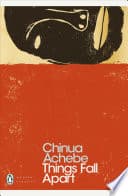
- Things Fall Apart
Chinua Achebe
3.7 (288k) average on GoodreadsHistorical FictionBoth novels depict the devastating impact of European arrival on African societies. However, Achebe's Things Fall Apart is told from the perspective of the colonized, focusing on the internal cultural disruption and tragedy within an Igbo community. Kingsolver, while sympathetic to the Congolese, tells her story primarily through the eyes of the colonizers' family, offering an outsider's evolving understanding and critique of their own cultural imperialism, thereby providing a different angle on the same historical phenomenon.
- The Old Man and the Sea
Ernest Hemingway
3.8 (831k) average on GoodreadsLiterary FictionA Cuban fisherman's long struggle with a giant marlin becomes a story of endurance and dignity, now retold for young adults with illustrations, phonetic guides, and writing prompts in Traditional Chinese.





Enjoyed the summary?
A summary gives you the shape of the book. The book itself has the detail, the examples and the voice.
Find The Poisonwood Bible on AmazonAs an Amazon Associate, BookBrief earns from qualifying purchases. How we're funded