
Estimated read time: 13 min read
Table of Contents
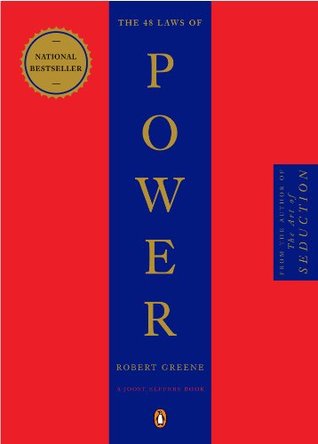
"The 48 Laws of Power" by Robert Greene is a compelling book that explores the various strategies and tactics individuals can employ to attain and maintain power in different situations. Throughout the book, Greene introduces readers to numerous historical figures who embody these laws and provides insightful analysis on their character, motivations, and actions. In this character analysis, we will delve into some of the key figures discussed in the book, their roles, traits, backgrounds, and relationships.
List of Characters
| Character | Role |
|---|---|
| Louis XIV | The Sun King |
| Niccolo Machiavelli | The Political Strategist |
| Queen Elizabeth I | The Master Manipulator |
| Napoleon Bonaparte | The Military Genius |
| Cardinal de Richelieu | The Power Broker |
| Thomas Cromwell | The Cunning Advisor |
Role Identification
Louis XIV - The Sun King
Louis XIV, also known as the Sun King, was the King of France from 1643 to 1715. He played a significant role in the development of the concept of absolute monarchy and is known for his extravagant lifestyle and centralized rule. Louis XIV serves as an example of how to establish and maintain power through grandeur, control, and manipulation.
Niccolo Machiavelli - The Political Strategist
Niccolo Machiavelli, an Italian philosopher and writer, is renowned for his political treatise "The Prince." Machiavelli's role in "The 48 Laws of Power" is to exemplify the strategies and tactics individuals can employ to gain and retain political power. He emphasizes the importance of being both feared and loved, and the necessity of using deception and manipulation to achieve one's goals.
Queen Elizabeth I - The Master Manipulator
Queen Elizabeth I, the monarch of England from 1558 to 1603, is known for her clever and strategic approach to power. Elizabeth I adeptly navigated the complex political landscape of her time, using her intelligence and charm to manipulate those around her. She serves as an example of how to wield power through careful calculation and manipulation of others.
Napoleon Bonaparte - The Military Genius
Napoleon Bonaparte, the Emperor of the French from 1804 to 1814, is revered for his military prowess and strategic genius. He successfully conquered much of Europe and established a vast empire. Napoleon's character highlights the importance of military dominance and the ability to inspire loyalty and obedience in subordinates as keys to achieving and maintaining power.
Cardinal de Richelieu - The Power Broker
Cardinal de Richelieu was a prominent figure in French politics during the 17th century. As a chief minister to Louis XIII, he wielded significant influence and power. Richelieu is portrayed as a master manipulator and power broker, skillfully maneuvering behind the scenes to consolidate his own authority and advance his political agenda.
Thomas Cromwell - The Cunning Advisor
Thomas Cromwell, a key figure in the court of King Henry VIII of England, was a shrewd and resourceful advisor. Cromwell's role in "The 48 Laws of Power" showcases the importance of cunning and adaptability in navigating treacherous political waters. He serves as a prime example of how an advisor can wield significant influence and power by manipulating those in positions of authority.
Character Descriptions
Louis XIV - The Sun King
Louis XIV was a charismatic and extravagant ruler. He was known for his opulent court at the Palace of Versailles, which became a symbol of his power and authority. Louis XIV meticulously controlled every aspect of his court, from fashion to etiquette, creating an atmosphere of grandeur and awe. He believed in projecting an image of absolute power to maintain control over his subjects.
Niccolo Machiavelli - The Political Strategist
Niccolo Machiavelli was a highly pragmatic and astute political thinker. He believed that the ends justified the means, advocating for the use of deception and manipulation to achieve and maintain power. Machiavelli emphasized the importance of understanding human nature and tailoring one's actions accordingly. He believed that a successful leader should be adaptable and willing to use both force and cunning to achieve their goals.
Queen Elizabeth I - The Master Manipulator
Queen Elizabeth I was an intelligent and cunning ruler. She was known for her ability to play factions against each other, using diplomacy and manipulation to maintain control. Elizabeth I carefully cultivated her image as a powerful and desirable monarch, using her unmarried status as a political tool. She was skilled at using flattery and charm to extract information and loyalty from her courtiers.
Napoleon Bonaparte - The Military Genius
Napoleon Bonaparte was a brilliant military strategist and charismatic leader. He possessed an unwavering self-confidence and a keen understanding of human psychology. Napoleon was able to inspire unwavering loyalty from his troops through his personal charisma and ability to instill a sense of purpose and glory in his soldiers. He was relentless in his pursuit of power and expansion, always striving for military dominance.
Cardinal de Richelieu - The Power Broker
Cardinal de Richelieu was a master manipulator and political strategist. He skillfully used his position as chief minister to consolidate his power and influence. Richelieu believed in the centralization of power, using his authority to suppress rival factions and maintain control over the French monarchy. He was known for his ruthless pursuit of political enemies and his ability to outmaneuver his opponents through cunning and diplomacy.
Thomas Cromwell - The Cunning Advisor
Thomas Cromwell was an intelligent and resourceful advisor to King Henry VIII. He skillfully exploited the weaknesses and ambitions of others to advance his own agenda. Cromwell was instrumental in the dissolution of the monasteries and the establishment of the Church of England. He used his position to accumulate wealth and power, always remaining adaptable and willing to switch alliances to further his own interests.
Character Traits
| Character | Traits |
|---|---|
| Louis XIV | Charismatic, extravagant, controlling |
| Niccolo Machiavelli | Pragmatic, cunning, adaptable |
| Queen Elizabeth I | Intelligent, manipulative, diplomatic |
| Napoleon Bonaparte | Charismatic, ruthless, ambitious |
| Cardinal de Richelieu | Manipulative, strategic, ruthless |
| Thomas Cromwell | Intelligent, resourceful, adaptable |
Character Background
Louis XIV - The Sun King
Louis XIV was born on September 5, 1638, in France. He ascended to the throne at the age of four, following the death of his father. Louis XIV's reign was marked by his efforts to centralize power and establish himself as an absolute monarch. He married Maria Theresa of Spain to solidify alliances and expand French influence. Louis XIV's reign was the longest in European history, spanning over 72 years.
Niccolo Machiavelli - The Political Strategist
Niccolo Machiavelli was born on May 3, 1469, in Florence, Italy. He served in various political roles throughout his life, including as a diplomat and a military advisor. Machiavelli's experiences in politics and his observations of powerful leaders shaped his influential work, "The Prince." His ideas continue to be widely studied and debated to this day.
Queen Elizabeth I - The Master Manipulator
Queen Elizabeth I was born on September 7, 1533, in England. She became queen in 1558, following the death of her half-sister, Queen Mary I. Elizabeth I faced numerous political challenges during her reign, including threats from foreign powers and internal religious divisions. Despite these challenges, she managed to establish stability and prosperity in England and is remembered as one of the greatest monarchs in English history.
Napoleon Bonaparte - The Military Genius
Napoleon Bonaparte was born on August 15, 1769, in Corsica, France. He rose to prominence during the French Revolution and eventually became the Emperor of the French. Napoleon's military campaigns were marked by his strategic brilliance and his ability to inspire loyalty in his troops. His reign came to an end in 1814 when he was defeated and exiled to the island of Elba.
Cardinal de Richelieu - The Power Broker
Cardinal de Richelieu was born on September 9, 1585, in France. He became a bishop at a young age and later rose to become the chief minister to King Louis XIII. Richelieu played a crucial role in centralizing power in France and establishing the dominance of the monarchy. He was known for his ruthlessness and his ability to outmaneuver his political rivals.
Thomas Cromwell - The Cunning Advisor
Thomas Cromwell was born in 1485 in England. He served as a key advisor to King Henry VIII and played a significant role in the English Reformation. Cromwell's rise to power was marked by his skill in navigating the treacherous political landscape of Tudor England. However, his fall from grace came in 1540 when he was executed on charges of treason.
Character Arcs
Louis XIV - The Sun King
Louis XIV's character arc revolves around his establishment and maintenance of absolute power. From a young age, he was determined to consolidate authority and become the sole ruler of France. Throughout his reign, Louis XIV tirelessly worked to centralize power, control the nobility, and project an image of grandeur. His character arc culminates with the construction of the Palace of Versailles, which became a symbol of his power and a testament to his achievements.
Niccolo Machiavelli - The Political Strategist
Machiavelli's character arc centers around his exploration of power dynamics and the strategies individuals can employ to attain and maintain power. He carefully analyzes historical figures and their actions, providing readers with valuable insights into the nature of politics and human behavior. Machiavelli's character arc highlights the importance of adaptability and pragmatism in the pursuit of power.
Queen Elizabeth I - The Master Manipulator
Elizabeth I's character arc revolves around her skillful navigation of the complex political landscape of her time. She faced numerous challenges and threats during her reign, but her intelligence, diplomacy, and manipulation allowed her to maintain control and establish stability in England. Elizabeth I's character arc showcases her ability to use her gender and status to her advantage, making her a formidable ruler.
Napoleon Bonaparte - The Military Genius
Napoleon's character arc traces his rise to power and his subsequent downfall. He started as a military officer and quickly gained recognition for his strategic brilliance. Napoleon's military successes allowed him to seize power and establish himself as Emperor of the French. However, his ambitious expansionist policies eventually led to his defeat and exile. Napoleon's character arc serves as a cautionary tale about the dangers of unchecked ambition.
Cardinal de Richelieu - The Power Broker
Richelieu's character arc revolves around his consolidation of power and his efforts to establish the dominance of the monarchy in France. He skillfully used his position as chief minister to outmaneuver his political rivals and suppress dissent. Richelieu's character arc showcases his ruthless pursuit of power and his determination to shape the political landscape of France to his own advantage.
Thomas Cromwell - The Cunning Advisor
Cromwell's character arc centers around his rise to power and his eventual downfall. He started as a commoner and managed to rise through the ranks to become a trusted advisor to King Henry VIII. Cromwell's cunning and resourcefulness allowed him to accumulate wealth and influence, but his fall from grace came when he fell out of favor with the king. His character arc highlights the precarious nature of political power and the consequences of overreaching.
Relationships
Louis XIV - The Sun King
Louis XIV had complex relationships with various figures in his court. He maintained a close circle of advisors and confidants, but he also carefully controlled and manipulated the nobility to ensure their loyalty. Louis XIV's relationships were often transactional, with favors and privileges awarded to those who demonstrated unwavering loyalty and obedience.
Niccolo Machiavelli - The Political Strategist
Machiavelli's relationships were primarily intellectual in nature. He observed and analyzed the actions of historical figures, drawing lessons from their successes and failures. Machiavelli's writings continue to influence political thinkers and leaders, shaping their understanding of power dynamics and strategies.
Queen Elizabeth I - The Master Manipulator
Elizabeth I's relationships were marked by her ability to manipulate and control those around her. She maintained a network of advisors and courtiers who were carefully chosen for their loyalty and usefulness. Elizabeth I often played factions against each other, using her charm and diplomacy to extract information and loyalty from her courtiers.
Napoleon Bonaparte - The Military Genius
Napoleon's relationships were primarily focused on his military endeavors. He cultivated a loyal and disciplined army, inspiring them with his charisma and tactical brilliance. Napoleon's relationships with other political leaders were often strained, as he sought to expand his empire and establish French dominance in Europe.
Cardinal de Richelieu - The Power Broker
Richelieu's relationships were marked by his ability to manipulate and control those around him. He carefully cultivated alliances and used his position as chief minister to consolidate his power. Richelieu's relationships were often transactional, with favors and positions of influence awarded to those who demonstrated loyalty and obedience.
Thomas Cromwell - The Cunning Advisor
Cromwell's relationships were primarily focused on his own personal gain. He skillfully exploited the weaknesses and ambitions of others to advance his own agenda. Cromwell's relationships were often short-lived, as he switched alliances and allegiances to further his own interests.
In conclusion, "The 48 Laws of Power" by Robert Greene provides readers with a fascinating exploration of power dynamics and the strategies employed by historical figures to attain and maintain power. Through the analysis of characters such as Louis XIV, Niccolo Machiavelli, Queen Elizabeth I, Napoleon Bonaparte, Cardinal de Richelieu, and Thomas Cromwell, Greene offers valuable insights into the traits, backgrounds, and relationships of these individuals. By studying their stories, readers can gain a deeper understanding of the complex nature of power and how it can be leveraged in different contexts.


