
Estimated read time: 7 min read
One Sentence Summary
A guidebook illustrating strategies and tactics for gaining and maintaining power in various aspects of life.
Table of Contents
Introduction
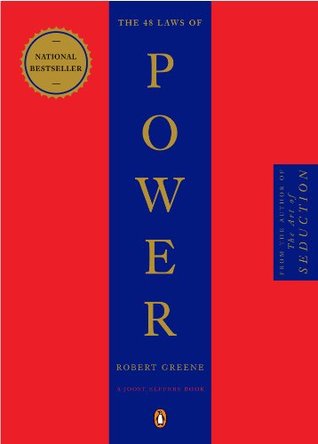
"The 48 Laws of Power" is a bestselling book written by Robert Greene, which provides readers with a comprehensive guide on how to navigate the complex dynamics of power in various social and professional settings. Drawing from historical examples and timeless wisdom, Greene presents 48 principles or "laws" that can be applied to gain and maintain power in different situations. This book has gained widespread recognition for its thought-provoking insights and practical advice, making it a valuable resource for those seeking to understand and master the dynamics of power.
Brief Synopsis
Plot Overview
"The 48 Laws of Power" does not follow a traditional plot structure, as it is a non-fiction book focused on providing advice and analysis rather than telling a story. Instead, the book is organized into 48 chapters, each dedicated to one of the laws of power. Greene examines historical figures, events, and anecdotes to illustrate these laws and their applications in different contexts.
Setting
As a non-fiction book, "The 48 Laws of Power" does not have a specific setting. Instead, it draws examples from various historical periods and cultures to demonstrate the laws of power in action. From ancient civilizations to modern-day politics and business, the book explores how power dynamics have played out throughout history.
Main Characters
"The 48 Laws of Power" does not have traditional characters, as it is not a work of fiction. However, the book includes numerous historical figures and their stories to illustrate the laws of power. Some of the notable individuals mentioned in the book include:
| Character | Description |
|---|---|
| Julius Caesar | Roman military and political leader known for his ambition and strategic prowess. |
| Cardinal Richelieu | French clergyman and statesman who played a key role in consolidating the power of the French monarchy. |
| Niccolò Machiavelli | Italian Renaissance political philosopher and author of "The Prince," a treatise on political power. |
| Queen Elizabeth I | English queen known for her astute political maneuvering and leadership during the Elizabethan era. |
Summary of Different Story Points over Chapters
Chapter 1: Never Outshine the Master
This chapter explores the importance of not eclipsing those in positions of power. Greene emphasizes the need to be aware of one's actions and avoid threatening or undermining those in authority.
Chapter 2: Never Put Too Much Trust in Friends, Learn How to Use Enemies
In this chapter, Greene delves into the idea that trust in friends can be precarious, while enemies can be valuable allies. He encourages readers to be wary of excessive trust and to strategically utilize their enemies.
Chapter 3: Conceal Your Intentions
Greene emphasizes the power of secrecy and the ability to keep one's intentions hidden. This chapter explores the advantages of maintaining an air of mystery and unpredictability.
Chapter 4: Always Say Less Than Necessary
In this chapter, Greene highlights the significance of controlling one's speech and revealing only essential information. By speaking less, individuals can maintain an aura of power and avoid potential pitfalls.
Chapter 5: So Much Depends on Reputation - Guard It with Your Life
This chapter delves into the importance of reputation and how it can influence one's power and influence. Greene provides strategies for building and protecting one's reputation.
Chapter 6: Court Attention at All Costs
Greene explores the power of attention and the ability to command it. This chapter provides insights into capturing and maintaining the attention of others.
Chapter 7: Get Others to Do the Work for You, but Always Take the Credit
In this chapter, Greene discusses the art of delegation and taking credit for the work of others. He explores the dynamics of power when it comes to assigning tasks and claiming recognition.
Chapter 8: Make Other People Come to You - Use Bait If Necessary
This chapter explores the concept of attracting others and making them come to you. Greene provides strategies for becoming a desirable and influential individual.
Chapter 9: Win Through Your Actions, Never Through Argument
Greene emphasizes the power of action over empty words. He highlights the importance of demonstrating competence and achieving results rather than engaging in fruitless arguments.
Chapter 10: Infection: Avoid the Unhappy and Unlucky
In this chapter, Greene discusses the detrimental effects of negative and toxic individuals. He encourages readers to distance themselves from those who bring unhappiness and bad luck.
Chapter 11: Learn to Keep People Dependent on You
This chapter explores the dynamics of dependence and the advantages it can bring. Greene provides strategies for cultivating relationships in which others rely on your assistance and support.
Chapter 12: Use Selective Honesty and Generosity to Disarm Your Victim
Greene delves into the power of honesty and generosity as strategic tools. He presents the idea that selective displays of these qualities can disarm potential adversaries or victims.
...
Main Events
As "The 48 Laws of Power" is a non-fiction book, it does not follow a specific narrative structure with main events. Instead, the book is organized into 48 chapters, each dedicated to exploring a different law of power. Throughout the book, Greene presents numerous historical examples and anecdotes to illustrate the applications and consequences of these laws.
Themes and Insights
"The 48 Laws of Power" explores several key themes and offers valuable insights into the dynamics of power:
- Power Dynamics: The book delves into the intricate dynamics of power, examining how it is acquired, maintained, and lost in various contexts.
- Strategy and Manipulation: Greene provides readers with strategic advice and tactics to navigate power dynamics, often emphasizing the importance of manipulation and strategic thinking.
- Historical Examples: The book draws heavily from historical figures and events to illustrate the laws of power. This historical perspective adds depth and context to the principles discussed.
- Human Nature: Greene explores the underlying motivations and behaviors that drive individuals in their pursuit of power, shedding light on aspects of human nature.
Reader's Takeaway
"The 48 Laws of Power" offers readers a thought-provoking exploration of power dynamics and practical advice on how to navigate them. By studying historical examples and analyzing the principles of power, readers gain valuable insights into the strategies and tactics that can be employed to achieve and maintain influence. However, it is important to approach the book with a critical mindset and consider the ethical implications of some of the tactics presented.
Conclusion
"The 48 Laws of Power" by Robert Greene is a captivating and widely acclaimed book that examines the dynamics of power and offers practical advice on how to navigate them. By studying historical examples and analyzing the principles of power, Greene provides readers with valuable insights into the strategies and tactics that can be employed to achieve and maintain influence. Whether in personal relationships, professional settings, or the political arena, this book offers a comprehensive guide to understanding and harnessing the power dynamics that shape our world.
The 48 Laws of Power FAQ
What is 'The 48 Laws of Power' about?
The book explores the principles of power and how to attain and maintain it in various social and professional settings.
Who is the author of 'The 48 Laws of Power'?
The book is written by Robert Greene.
Is 'The 48 Laws of Power' based on historical examples?
Yes, the book draws heavily from historical examples to illustrate the laws of power.
How many laws of power are discussed in the book?
The book discusses 48 laws of power, each accompanied by explanations and examples.
Is 'The 48 Laws of Power' a self-help book?
While the book offers insights and strategies, it is often categorized as a guide to understanding power dynamics rather than a traditional self-help book.
Who is the target audience for 'The 48 Laws of Power'?
The book appeals to individuals interested in understanding power dynamics, leadership, and interpersonal relationships.
Can 'The 48 Laws of Power' be applied in everyday life?
Yes, the laws of power discussed in the book can be applied in various personal and professional situations.
Is 'The 48 Laws of Power' suitable for academic reading?
While the book is not an academic textbook, it can provide valuable insights and historical context for those studying power dynamics or related subjects.
Are there any criticisms of 'The 48 Laws of Power'?
Some critics argue that the book promotes manipulative behavior and unethical practices in the pursuit of power.
Are the laws of power in 'The 48 Laws of Power' universally applicable?
While the laws of power are based on historical examples, their applicability may vary depending on cultural and ethical contexts.


