
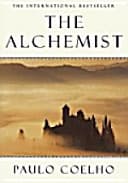
Synopsis
Covers the whole plot, including the ending.
- Difficulty
- Easy
- Pacing
- Moderate
- Mood
- Inspirational, Philosophical, Reflective, Hopeful
- Read it if
- You enjoy allegorical tales about self-discovery, spiritual journeys, and the pursuit of dreams.
- Skip it if
- You prefer realistic fiction, complex character development, or fast-paced plots with significant external conflict.
THE ALCHEMIST Plot Summary
Covers the whole plot, including the ending.
The Shepherd's Dream
Santiago, a shepherd boy from Andalusia, Spain, has a recurring dream while sleeping with his flock in an abandoned church. In this dream, a child tells him to seek treasure at the Egyptian Pyramids. He first dismisses it, then consults a Gypsy woman in Tarifa about its meaning. She confirms it is a prophecy of treasure but asks for one-tenth of it if he finds it. He also meets an old man, Melchizedek, the King of Salem, who encourages him to pursue his unique purpose. Melchizedek explains 'omens' and the 'Soul of the World,' giving Santiago two magical stones, Urim and Thummim, to help him make choices.
Betrayal in Tangier
Inspired by Melchizedek, Santiago sells his flock, using the money to travel across the Strait of Gibraltar to Tangier, Morocco. He feels optimistic and adventurous, eager to start his quest. However, soon after arriving, a young man who speaks Spanish befriends him and offers to help him navigate the city and find a way to the Pyramids. While Santiago is distracted by a beautiful sword, the young man steals all his money, leaving Santiago penniless and despairing in a foreign land. This betrayal breaks his initial idealism and forces him to face the harsh realities of the world outside his familiar pastures.
Working for the Crystal Merchant
After being robbed, a sad Santiago finds work with a kind, but cautious, crystal merchant who owns a shop on a hill in Tangier. Santiago suggests improvements, like building a display case and selling tea in crystal glasses, which greatly increase sales. He works for nearly a year, saving enough money to return to Spain and buy a new flock, or to continue his journey. During this time, he learns about patience, persistence, and taking chances. He also observes the crystal merchant's regret for not pursuing his own dreams, strengthening Santiago's resolve to continue his own path.
Journey Across the Sahara
With new determination and much money, Santiago decides to continue his journey to the Pyramids. He joins a large caravan crossing the vast Sahara Desert, a dangerous and difficult trip. During the journey, he meets an Englishman who is also on a quest – to find an alchemist and learn how to turn base metals into gold, believing true wisdom comes from old texts. Santiago and the Englishman discuss their different ways of learning and understanding the world, with Santiago focusing on observation and omens, and the Englishman on books and science. This meeting broadens Santiago's view on different paths to knowledge.
Arrival at the Oasis and Fatima
The caravan arrives at the lush oasis of Al-Fayoum, a neutral place amidst tribal wars, where they must wait for the conflicts to end. Here, Santiago meets Fatima, a beautiful desert woman, by a well. He is instantly drawn to her, seeing her as the woman he is meant to be with. Their love grows quickly, and Santiago feels a deep bond with her, believing she is part of his destiny. He struggles with the desire to stay with Fatima in the oasis versus continuing his journey to the Pyramids, facing the first major test of his commitment to his dream.
Santiago's Vision and the Alchemist
One afternoon, Santiago has a vision of an army attacking the peaceful oasis. He reports this to the tribal chiefs, who at first dismiss his warning. However, they decide to arm themselves, promising Santiago a piece of gold for every ten dead men if his prophecy comes true, and his life if it does not. His vision is correct, and the oasis successfully defends itself against the invaders, saving many lives. This event establishes Santiago's reputation as a seer. Soon after, the legendary Alchemist, who has been observing him and recognizes his potential, seeks him out. The Alchemist takes Santiago under his wing, ready to guide him further.
Lessons from the Alchemist
Santiago leaves Fatima and the oasis, choosing to continue his quest with the Alchemist. The Alchemist teaches him about the Soul of the World, the importance of listening to his heart, and how everything connects. They travel through dangerous, war-torn areas, with the Alchemist showing his mystical powers and deep understanding of nature. He helps Santiago understand that the treasure is not just gold, but the spiritual journey itself and the wisdom gained. The Alchemist stresses that true wisdom comes from experiencing the world and understanding its language, not just from books.
The Alchemist's Test
As they approach a military camp, warring tribesmen capture Santiago and the Alchemist. The Alchemist, to save their lives, tells the chieftain that Santiago is a powerful alchemist who can turn himself into the wind. Santiago is given three days to do this. Initially scared and unsure, Santiago consults the desert, the wind, the sun, and finally the Soul of the World, showing his understanding of the universal language. Through intense focus and belief, he successfully transforms into the wind, astonishing the tribesmen and earning their freedom. This experience is a key moment, affirming his connection to the universe and his own spiritual power.
Reaching the Pyramids
The Alchemist leaves Santiago at the edge of a Coptic monastery, giving him a piece of gold he transmuted and advising him to continue alone. Santiago finally reaches the Egyptian Pyramids, the destination of his recurring dream. Filled with anticipation, he begins to dig at the spot where he feels the treasure lies. He digs tirelessly through the night but finds nothing. Exhausted and disheartened, he is suddenly attacked by a group of refugees fleeing tribal wars. They beat him and demand his money, taking his gold.
The True Treasure
After beating Santiago and taking his gold, one of the refugees mocks him for digging for treasure based on a dream. The refugee then tells his own recurring dream: a dream of finding treasure in an abandoned church in Spain where shepherds and their sheep often sleep, specifically under a sycamore tree growing from the sacristy. Santiago immediately recognizes this description as the church where he had his first dream, realizing with great irony and wonder that the treasure was always back home, where his journey began. This discovery brings his quest full circle.
Return to Andalusia
With new understanding and a light heart, Santiago uses his last money to return to Andalusia, Spain. He travels back to the dilapidated church where his journey began, the same church where he had his recurring dream under the sycamore tree. He begins to dig at the roots of the sycamore tree in the sacristy, just as the refugee described. After some effort, he uncovers a chest filled with ancient Spanish gold coins, precious jewels, and other valuable items, confirming his dream's prophecy and the guidance of the Alchemist and Melchizedek. He has found his material treasure.
The Promise to Fatima
Having found his treasure, Santiago thinks about his incredible journey. The material wealth is important, but he understands that the true treasure was the journey itself, the wisdom he gained, the people he met, and the deep connection he made with the Soul of the World. He takes one gold coin from the chest, planning to give it to the Gypsy woman as promised. His heart, however, is now set on returning to the oasis of Al-Fayoum to reunite with Fatima. He knows that his unique purpose is not just about finding gold, but about living a life of meaning and love, and he is ready to claim his happiness with her.
Principal Figures
Santiago
Protagonist
An adventurous Andalusian shepherd seeking his Personal Legend.
Santiago is a young, intelligent, and open-minded shepherd who values his freedom and the simple life. Driven by a recurring dream, he embarks on a journey to find treasure at the Egyptian Pyramids. He is initially naive but learns quickly from his experiences, adapting to new cultures and challenges. His greatest strength is his ability to listen to his heart and observe omens, connecting with the 'Soul of the World.' He is deeply spiritual, though not overtly religious, and believes in the interconnectedness of all things. He embodies the journey of self-discovery and the pursuit of one's destiny.
Relationships: Melchizedek (mentor and guide); Gypsy Woman (initial interpreter of his dream); Crystal Merchant (employer and life lesson giver); Englishman (fellow traveler and intellectual foil); Fatima (love interest and test of commitment); The Alchemist (primary spiritual mentor and guide)
The Alchemist
Supporting
A wise and powerful guide who helps Santiago understand his true potential.
The Alchemist is an ancient, enigmatic figure residing in the Al-Fayoum oasis, possessing immense wisdom and mystical powers, including the ability to transmute lead into gold and understand the Soul of the World. He is Santiago's ultimate mentor, appearing at the crucial juncture of Santiago's journey to provide direct guidance. He teaches Santiago to listen to his heart, trust his intuition, and understand the universal language. He is not just a master of alchemy but also a master of life, encouraging Santiago to face his fears and realize his full potential, emphasizing that the journey itself is the true treasure.
Relationships: Santiago (mentor and spiritual guide)
Melchizedek (King of Salem)
Supporting
An ancient, mystical king who encourages Santiago to pursue his Personal Legend.
Melchizedek is a mysterious old man who claims to be the King of Salem. He appears to Santiago early in his journey, introducing him to the concept of a 'Personal Legend' and the 'Soul of the World.' He gives Santiago Urim and Thummim, two stones to help him make decisions, and encourages him to sell his sheep and begin his quest. Melchizedek represents the initial spark of inspiration and divine guidance, setting Santiago on his path. He is a wise and benevolent figure who helps Santiago overcome his initial doubts and take the first brave step towards his destiny.
Relationships: Santiago (initial mentor and philosophical guide)
Fatima
Supporting
A beautiful and strong desert woman who Santiago falls in love with.
Fatima is a beautiful and resilient woman living in the Al-Fayoum oasis. Santiago falls deeply in love with her at first sight, believing she is part of his Personal Legend. She embodies the allure of a settled, loving life, presenting Santiago with a significant test of his commitment to his dream. Fatima understands the concept of Personal Legends and encourages Santiago to pursue his, promising to wait for his return. She is a symbol of love, patience, and unwavering support, demonstrating that true love does not hinder one's destiny but rather strengthens it.
Relationships: Santiago (love interest)
The Crystal Merchant
Supporting
A kind but unadventurous shop owner who employs Santiago in Tangier.
The Crystal Merchant is a good-hearted but fearful man who owns a crystal shop in Tangier. He employs Santiago after the shepherd is robbed, providing him with work and stability. He has a dream of making a pilgrimage to Mecca but has never pursued it, fearing the change it would bring. His regret and inaction serve as a cautionary tale for Santiago, showing him the consequences of not pursuing one's Personal Legend. Through his interactions with Santiago, the merchant experiences a small revival of his business but ultimately chooses comfort over adventure, highlighting the different paths people take in life.
Relationships: Santiago (employer/employee; an example of unfulfilled dreams)
The Englishman
Supporting
A well-read seeker of knowledge who journeys with Santiago across the desert.
The Englishman is an intellectual and bookish character Santiago meets in the caravan. He is on a quest to find an alchemist and learn the secrets of alchemy through scholarly texts. He represents a different approach to knowledge and spiritual understanding, relying on books and scientific methods rather than intuition and omens. His initial disdain for Santiago's simple observations gradually gives way to a grudging respect, showing the complementary nature of different forms of wisdom. He is dedicated to his own Personal Legend but struggles with connecting with the practical, experiential aspects of the world.
Relationships: Santiago (fellow traveler and philosophical contrast)
The Gypsy Woman
Supporting
The first person to interpret Santiago's recurring dream.
The Gypsy Woman in Tarifa is the first person Santiago consults about his dream. She confirms that his dream is a prophecy of treasure but demands one-tenth of it if he finds it. Although she doesn't offer much direct guidance, her confirmation gives Santiago the initial push to consider his dream seriously. She represents the often practical and somewhat transactional side of seeking spiritual advice, contrasting with the more profound and selfless guidance of Melchizedek and the Alchemist.
Relationships: Santiago (dream interpreter)
The Thief in Tangier
Mentioned
The person who robs Santiago of all his money in Tangier.
This unnamed young man befriends Santiago shortly after his arrival in Tangier, speaking Spanish and offering to help him. He then cunningly distracts Santiago and steals all his money. This act of betrayal leaves Santiago penniless and deeply disillusioned, forcing him to learn resilience and the harsh realities of the world. The thief represents the initial setback and the first major test of Santiago's resolve, pushing him to either give up or find a new path forward.
Relationships: Santiago (betrayer and catalyst for hardship)
Themes & Insights
The Pursuit of One's Personal Legend
The central theme of 'The Alchemist' is finding and following one's unique path – the specific destiny each person is meant to fulfill. The book says the universe helps those committed to their dreams. Santiago's journey, from shepherd to treasure seeker, shows this. Despite problems like being robbed or the temptation to stay with Fatima, he consistently chooses to follow his heart, guided by omens and mentors like Melchizedek and the Alchemist. The story shows that the journey itself, with its lessons and changes, is as important as the destination.
“To realize one's destiny is a person's only obligation.”
The Soul of the World and Universal Language
This theme explores the idea that all things in the universe connect and share a common spiritual essence, called the 'Soul of the World.' Santiago learns to understand this universal language through omens, intuition, and talking directly with nature. His ability to read signs, from flying hawks to the desert wind, helps him on his journey and even lets him perform miracles, like turning into the wind. This theme suggests that by listening to one's heart and observing the world, people can access deeper wisdom and align with the universe, helping them fulfill their unique purpose.
“When you want something, all the universe conspires in helping you to achieve it.”
The Importance of Omens and Intuition
The book consistently highlights the importance of recognizing and interpreting omens as guidance from the universe. Melchizedek encourages Santiago to notice these signs, and the Alchemist further improves his ability to read them. From the child in his dream to the flight of hawks, omens guide Santiago's path, warn him of danger, and confirm his choices. This theme suggests that rational thought alone is not enough for life's journey; intuition and a spiritual connection to the world are equally, if not more, important. It teaches readers to trust their gut feelings and the subtle messages the world sends.
“There is a language that doesn't depend on words... It is the language of the world.”
Fear of Failure vs. The Joy of the Journey
This theme compares the paralysis caused by fear of failure with the fulfillment found in embracing the journey, no matter the outcome. The Crystal Merchant shows someone who lets fear stop him from pursuing his dream of visiting Mecca. In contrast, Santiago repeatedly overcomes his fears – of being robbed, of leaving Fatima, of failing to turn into the wind – to continue his quest. The story says that true happiness and wisdom come from pursuing one's dreams and the lessons learned, not just from reaching a specific goal. The treasure itself is ultimately a symbol of the spiritual wealth gained.
“The fear of suffering is worse than the suffering itself.”
Love and Sacrifice
The theme of love is explored through Santiago's relationship with Fatima. Their strong connection presents a major test: whether to give up his unique purpose for the comfort of love, or to trust that true love will last through the pursuit of one's destiny. Fatima's strength and understanding allow Santiago to continue his journey, showing that true love supports individual growth rather than hindering it. The book suggests that choosing long-term purpose over immediate pleasure ultimately strengthens love and leads to greater happiness, implying that love is connected to, but not a replacement for, one's unique purpose.
“When we love, we always strive to become better than we are.”
Plot Devices & Literary Techniques
The Personal Legend
The unique destiny or dream that each individual is meant to fulfill.
The Personal Legend is a foundational concept in the novel, introduced by Melchizedek. It serves as Santiago's primary motivation and the overarching goal of his journey. It's not merely a desire but a spiritual calling, and the book posits that the entire universe conspires to help individuals achieve it. This device provides a clear narrative arc and philosophical framework, guiding Santiago's decisions and allowing the author to explore themes of destiny, purpose, and self-discovery. It acts as both a destination and the journey itself, emphasizing the transformative power of pursuing one's true calling.
Omens and Signs
Symbolic events or observations that guide Santiago on his journey.
Omens are crucial plot devices that serve as a form of divine communication and guidance for Santiago. From the recurring dream itself to the flight of hawks, the appearance of scarab beetles, or the Urim and Thummim stones, these signs direct Santiago's actions and confirm his path. They allow the narrative to progress through intuition and faith rather than purely rational decision-making. This device reinforces the theme of the 'Soul of the World' and the idea that the universe provides subtle clues to those who are open to perceiving them, adding a mystical and spiritual dimension to the plot.
Mentors
Wise figures who provide guidance and insight to Santiago.
The novel employs a series of mentors – Melchizedek, the Crystal Merchant, and especially the Alchemist – to guide Santiago's journey and impart crucial life lessons. Each mentor appears at a critical juncture, offering different forms of wisdom. Melchizedek provides the initial philosophical framework, the Crystal Merchant serves as a cautionary tale, and the Alchemist offers profound spiritual and practical guidance. These characters are vital for Santiago's development, providing him with knowledge, tools, and the encouragement needed to overcome challenges and understand the deeper meaning of his quest.
The Journey Itself
The physical and spiritual travel as a metaphor for self-discovery.
The entire narrative is structured as a literal journey across continents and deserts, which functions as a powerful metaphor for Santiago's internal journey of self-discovery and spiritual growth. Each location (Andalusia, Tangier, the Sahara, the oasis, the Pyramids) and each encounter along the way contributes to his education and transformation. The 'treasure' ultimately being found back at the starting point emphasizes that the value lies not just in the destination, but in the experiences, lessons, and wisdom gained during the quest. This device allows the author to explore themes of perseverance, transformation, and the interconnectedness of all life.
The Deferred Treasure
The revelation that the treasure is located at the journey's origin.
The ultimate revelation that Santiago's treasure is buried under the sycamore tree at the abandoned church in Andalusia, where his journey began, is a significant plot device. This twist serves to underscore the novel's central message: that the true value of pursuing one's Personal Legend lies in the journey and the transformation it brings, rather than solely the material reward. It creates a full-circle narrative structure, highlighting the irony and deeper wisdom that sometimes what we seek abroad is found at home, but only after embarking on the necessary quest to gain the understanding to recognize it.
THE ALCHEMIST Quotes
“It's the possibility of having a dream come true that makes life interesting.”
“When you want something, all the universe conspires in helping you to achieve it.”
“There is only one way to learn. It's through action. Everything you need to know you have learned through your journey.”
“And, when you can't go back, you have to worry only about the best way of moving forward.”
“The secret of happiness is to see all the marvels of the world, and never to forget the drops of oil on the spoon.”
“To realize one's Personal Legend is a person's only real obligation.”
“No matter what he does, every person on earth plays a central role in the history of the world. And normally he doesn't know it.”
“Tell your heart that the fear of suffering is worse than suffering itself. And that no heart has ever suffered when it goes in search of its dreams, because every second of the search is a second in the encounter with God and with eternity.”
“If you start by promising what you don't even have yet, you'll lose your desire to work toward getting it.”
“When we love, we always strive to become better than we are. When we strive to become better than we are, everything around us becomes better too.”
“Every blessing ignored becomes a curse.”
“There is only one thing that makes a dream impossible to achieve: the fear of failure.”
“The boy had learned that the secret of life was to fall seven times, and to get up eight.”
Quiz
10 questions on the plot and the characters. Each answer comes with a short explanation.
Question 1
What is Santiago's initial profession before he embarks on his journey to find his treasure?
- Fisherman
- Shepherd
- Merchant
- Farmer
Show answer
B. Shepherd Santiago begins his story as a shepherd, traveling with his flock across Andalusia, before he decides to pursue his recurring dream.
Question 2
What recurring dream prompts Santiago to seek out a treasure?
- He dreams of a talking snake guiding him to a hidden cave.
- He dreams of a child showing him a treasure buried at the Pyramids of Egypt.
- He dreams of a giant eagle carrying him over the desert to a distant oasis.
- He dreams of finding a magical lamp in a forgotten city.
Show answer
B. He dreams of a child showing him a treasure buried at the Pyramids of Egypt. Santiago's recurring dream involves a child playing with his sheep and then transporting him to the Egyptian Pyramids, where the child points to a hidden treasure.
Question 3
What does the old king, Melchizedek, give Santiago to help him on his journey?
- A map to the treasure
- Two stones, Urim and Thummim, to interpret omens
- A pouch of gold coins
- A magical sword
Show answer
B. Two stones, Urim and Thummim, to interpret omens Melchizedek, the King of Salem, gives Santiago Urim and Thummim, two stones to help him read omens when he cannot interpret them himself.
Question 4
What is the primary lesson Santiago learns from the crystal merchant?
- The importance of saving money for future investments.
- That fear of failure can prevent one from pursuing their Personal Legend.
- How to bargain effectively in foreign markets.
- The value of a stable, predictable life.
Show answer
B. That fear of failure can prevent one from pursuing their Personal Legend. The crystal merchant, despite his success, never pursued his own dream of visiting Mecca, showing Santiago how the fear of disappointment can keep one from their Personal Legend.
Question 5
What does Santiago learn about the 'Soul of the World' from the Alchemist?
- It is a separate entity that judges human actions.
- It is the interconnectedness of all things, and if one desires something, the universe conspires to help.
- It is a mythical creature that grants wishes to those who find it.
- It is the collective unconscious of all humanity.
Show answer
B. It is the interconnectedness of all things, and if one desires something, the universe conspires to help. The Alchemist teaches Santiago that 'when you want something, all the universe conspires in helping you to achieve it,' referring to the Soul of the World's interconnectedness.
Question 6
Who is Fatima, and what role does she play in Santiago's journey?
- She is a wise old woman who interprets his dreams for him.
- She is a young woman from the oasis whom Santiago falls in love with, representing a test of his commitment to his Personal Legend.
- She is the daughter of the Alchemist, who teaches Santiago about alchemy.
- She is a desert guide who helps Santiago navigate the dangerous sands.
Show answer
B. She is a young woman from the oasis whom Santiago falls in love with, representing a test of his commitment to his Personal Legend. Fatima is the woman Santiago falls in love with at the oasis. His love for her makes him question whether to continue his journey, representing a significant test of his dedication to his Personal Legend.
Question 7
How does Santiago manage to turn himself into the wind when confronted by the tribal chieftains?
- He uses a secret alchemical potion given to him by the Alchemist.
- He calls upon the desert, the wind, the sun, and the Hand That Wrote All to understand and merge with the Soul of the World.
- He performs an ancient magic ritual he learned from the Alchemist's books.
- The Alchemist intervenes magically on his behalf, creating an illusion.
Show answer
B. He calls upon the desert, the wind, the sun, and the Hand That Wrote All to understand and merge with the Soul of the World. Santiago, under immense pressure, communicates with the elements – the desert, the wind, the sun – and ultimately the Hand That Wrote All, to understand and become part of the Soul of the World, transforming himself.
Question 8
Where does Santiago eventually find his treasure?
- Beneath a specific palm tree at the oasis.
- Inside the ruined church where he first dreamt of the treasure, under a sycamore tree.
- Hidden within the walls of the Pyramids of Egypt.
- In a hidden cave in the Sahara Desert, revealed by the Alchemist.
Show answer
B. Inside the ruined church where he first dreamt of the treasure, under a sycamore tree. After reaching the Pyramids and being beaten by robbers, Santiago learns from one of them that his treasure is back in Andalusia, under the sycamore tree at the ruined church where his journey began.
Question 9
What is the ultimate irony of Santiago's journey to the Pyramids?
- He finds love, but loses his treasure.
- He learns that the treasure was at his starting point all along, revealed only after his long journey.
- The Pyramids turn out to be a mirage, and the treasure never existed.
- He becomes an alchemist himself, but chooses not to seek the treasure.
Show answer
B. He learns that the treasure was at his starting point all along, revealed only after his long journey. The ultimate irony is that the treasure Santiago sought in Egypt was, in fact, buried under the sycamore tree at the ruined church in Andalusia, his starting point, a revelation only made possible by his arduous journey.
Question 10
What is the significance of the 'Personal Legend' in the book?
- It is a predetermined destiny that cannot be changed.
- It is one's true desire and purpose in life, which the universe helps one achieve if pursued with an open heart.
- It refers to the stories and myths passed down through generations.
- It is a material fortune that everyone is destined to find.
Show answer
B. It is one's true desire and purpose in life, which the universe helps one achieve if pursued with an open heart. The Personal Legend is central to the book's philosophy, representing one's true calling or purpose. The book suggests that pursuing it leads to fulfillment and that the universe conspires to help those who are truly committed.
THE ALCHEMIST FAQ
What is the core premise of 'The Alchemist'?
The core premise follows Santiago, an Andalusian shepherd boy, who dreams of a great treasure hidden near the Egyptian pyramids. He embarks on a journey across the Moroccan desert, leaving his flock and familiar life behind, to pursue this recurring dream, guided by omens and the advice of an old king named Melchizedek.
Who is Melchizedek and what is his significance to Santiago's journey?
Melchizedek is an enigmatic old man who claims to be the King of Salem. He appears to Santiago at a crucial moment, encouraging him to pursue his Personal Legend and introducing the concept of omens and the Soul of the World. He gives Santiago two stones, Urim and Thummim, to help him make decisions when he can't read the omens.
What challenges does Santiago face early in his journey after leaving Tarifa?
Soon after arriving in Tangier, Santiago is robbed of all his money, leaving him destitute and heartbroken. He is forced to work for a crystal merchant for nearly a year to earn enough money to continue his journey or return home, experiencing profound despair and doubt about his decision to follow his dream.
How does Santiago meet the Alchemist, and what role does the Englishman play in this meeting?
Santiago meets the Alchemist during his time at the oasis of Al-Fayoum. He encounters an Englishman who is also searching for the Alchemist to learn the art of alchemy. The Englishman's persistent quest and his library of books about alchemy serve as a catalyst, indirectly leading Santiago to the Alchemist.
What is Santiago's 'Personal Legend' and how does the book define it?
Santiago's Personal Legend is his recurring dream of finding treasure at the pyramids, which evolves into understanding his purpose and destiny. The book defines a Personal Legend as what a person has always wanted to accomplish, emphasizing that it is our only real obligation and that the entire universe conspires to help us achieve it.
What is the significance of the two stones, Urim and Thummim, given by Melchizedek?
Urim and Thummim are black and white stones representing 'yes' and 'no' respectively. They are meant to help Santiago make decisions when he struggles to interpret omens. While Santiago uses them early on, he eventually learns to trust his own intuition and read the omens directly, indicating his growth and self-reliance.
How does the author subtly hint at the true location of Santiago's treasure throughout the narrative?
The author provides subtle hints through Santiago's recurring dream, which specifically mentions the sycamore tree in the ruined church where he slept. The Alchemist also tells Santiago that 'where your treasure is, there also will be your heart,' a phrase that, in retrospect, points back to his familiar origins. The treasure's location is ultimately revealed to be under the sycamore tree at the abandoned church where his journey began, fulfilling the cyclical nature of his quest.
Beyond the physical treasure, what deeper 'treasures' does Santiago acquire on his journey?
Beyond gold, Santiago gains profound self-knowledge, a deep understanding of the Soul of the World, and the ability to communicate with nature. He learns resilience, perseverance, and the importance of listening to his heart, ultimately finding a spiritual treasure in his connection to the universe and his own destiny.
What is the 'Soul of the World' and how does Santiago learn to connect with it?
The 'Soul of the World' is presented as a universal language and an interconnected spiritual force that binds all things. Santiago learns to connect with it by observing omens, listening to his heart, and interacting with nature—the wind, the sun, and the desert. His most profound connection occurs when he transforms himself into the wind.
Discuss Santiago's transformation from a simple shepherd to someone who can communicate with the desert and the wind.
Santiago's transformation is gradual, beginning with his openness to omens and guided by the Alchemist's teachings. He learns to listen to his heart and the elements, realizing that all things are connected. His ultimate test, turning himself into the wind, forces him to fully embrace this connection, demonstrating his mastery over fear and his profound understanding of the 'Soul of the World.'
How does fear manifest in Santiago's journey, and how does he overcome it?
Fear manifests as doubt, hesitation, and the temptation to return to his comfortable life, especially after being robbed or facing the dangers of the desert. He overcomes it through perseverance, faith in his Personal Legend, and the Alchemist's guidance, which teaches him to embrace uncertainty and trust his intuition and the omens.
Analyze the psychological significance of Santiago's decision to leave Fatima and continue his journey.
Santiago's decision to leave Fatima, his love, is psychologically significant as it represents choosing his Personal Legend over immediate comfort and attachment. It shows his commitment to his true purpose, trusting that if their love is real, it will endure and reunite them, reflecting a mature understanding of destiny and sacrifice.
How does Santiago's initial encounter with the crystal merchant reflect his psychological state at that time?
Upon meeting the crystal merchant, Santiago is despairing and feels lost after being robbed. He is initially resigned to working to save enough money to return home, reflecting his fear, doubt, and a temporary abandonment of his Personal Legend. However, his influence on the merchant eventually rekindles his own spirit.
Is 'The Alchemist' advocating for literal treasure hunting, or is the treasure a metaphor for something else?
While Santiago's journey is literally for treasure, the book strongly implies the treasure is a metaphor for self-discovery, spiritual enlightenment, and fulfilling one's true potential. The physical gold is merely a tangible reward for a far more valuable inner journey, emphasizing that the 'journey is the reward.'
What is the book's message about the importance of listening to one's heart versus rational thought?
The book heavily emphasizes listening to one's heart and intuition over purely rational thought. Santiago is repeatedly encouraged to trust his feelings and the 'language of omens,' suggesting that true wisdom comes from an inner knowing and connection to the 'Soul of the World,' rather than solely logical reasoning.
Some readers criticize the book for being overly simplistic or prescriptive. How might one argue against this criticism?
One might argue against this by highlighting that the book's simplicity is intentional, making its universal themes accessible. Its 'prescriptive' nature serves as an allegorical guide for personal growth, encouraging readers to reflect on their own lives and dreams, rather than offering a literal step-by-step manual. The depth lies in its invitation to introspection, not in complex narrative twists.
How does the concept of 'maktub' (it is written) interact with the idea of free will in the story?
'Maktub' suggests a predetermined destiny, yet Santiago's journey is filled with choices and active pursuit of his dream, implying a nuanced interaction. While some events may be 'written,' the individual's free will in responding to omens, making decisions, and persevering is crucial. It suggests destiny is not rigid but unfolds through one's conscious actions and willingness to follow their path.
What is the ultimate significance of the treasure being found back where Santiago started?
The ultimate significance is that the journey itself was the true treasure. Finding the gold at his starting point symbolizes that the resources, wisdom, and strength needed to fulfill one's destiny often reside within, or are accessible from, one's familiar surroundings. The external journey was necessary to gain the perspective and growth required to recognize what was there all along, emphasizing self-discovery.
About the author

Paulo Coelho de Souza is a Brazilian lyricist and novelist and a member of the Brazilian Academy of Letters since 2002. His novel The Alchemist became an international best-seller and he has published 30 more books since then.
Similar books
- Siddhartha
Hermann Hesse
4.0 (583k) average on GoodreadsHistorical FictionExplores a spiritual journey of self-discovery and enlightenment.
- Jonathan Livingston Seagull
Richard Bach
3.8 (202k) average on GoodreadsFantasyAn allegorical novella about pursuing one's true potential and breaking free from limitations.
- The Little Prince
Antoine De Saint Exupéry
A philosophical tale with simple language and profound messages about life and meaning.
- Nineteen Eighty-Four
George Orwell
4.2 (5.5M) average on GoodreadsFictionWinston Smith dreams of truth and rebellion in a world where Big Brother watches all, but he confronts the terrifying power of a regime that controls not just actions, but thoughts.
- The Frozen River
Ariel Lawhon
4.4 (600k) average on GoodreadsFictionIn 1789 Maine, a heroic midwife's diary helps her expose a murder and get justice in a town that wants to silence her.
- A Man Called Ove
Fredrik Backman
4.4 (569k) average on GoodreadsFictionA stubborn widower, who lives by strict rules, finds his quiet world changed by a lively new family next door, making him face his past and find happiness in human connection.




Enjoyed the summary?
A summary gives you the shape of the book. The book itself has the detail, the examples and the voice.
Find THE ALCHEMIST on AmazonAs an Amazon Associate, BookBrief earns from qualifying purchases. How we're funded