

Synopsis
Covers the whole plot, including the ending.
- Difficulty
- Medium
- Pacing
- Slow
- Mood
- Philosophical, Reflective, Serene, Spiritual, Contemplative
- Read it if
- You are interested in Eastern philosophy, spiritual quests, or a reflective story about self-discovery and the meaning of life.
- Skip it if
- You prefer fast-paced plots, strong external conflict, or a definitive, dogmatic approach to spirituality.
Siddhartha Plot Summary
Covers the whole plot, including the ending.
The Brahmin's Son
Siddhartha is a handsome and smart young man, respected in his village for his spiritual promise. He excels in all Brahmin practices, but an inner restlessness remains. He feels that the Brahmins' wisdom, while deep, does not offer the ultimate truth he seeks. His closest friend, Govinda, is devoted to him and shares his spiritual hopes, but Siddhartha's longing goes beyond common teachings. He questions the cycle of rituals and learned knowledge, believing true understanding must be directly experienced. This growing unhappiness leads him to a major decision, much to his parents' sorrow.
Joining the Samanas
After much thought, Siddhartha tells his father he plans to join the Samanas, wandering ascetics who give up all worldly possessions and pleasures. His father first objects but eventually agrees, seeing Siddhartha's strong will. Govinda, always loyal, immediately decides to follow his friend. For three years, Siddhartha and Govinda live a life of strict austerity, fasting, meditating, and enduring hardship to empty themselves of desire and ego. Siddhartha learns to control his breath, body, and mind, reaching temporary states of detachment, but he realizes this path is only an escape, not a true integration of self.
Meeting Gotama
Rumors of an enlightened one, Gotama, the Buddha, start to spread among the Samanas. Govinda is eager to hear the Buddha's teachings, believing he has found the ultimate path. Siddhartha, though curious, remains doubtful of any doctrine that can be taught or learned. Still, he agrees to go with Govinda to the Jetavana grove, where Gotama lives. They see Gotama's calm presence and listen to his deep talk. Govinda is deeply moved and decides to join Gotama's order, finding his master. Siddhartha, however, politely declines, feeling that Gotama's teachings, though perfect, cannot directly transfer for his own enlightenment.
Siddhartha's Solitude and Awakening
After a private talk with Gotama, in which Siddhartha explains his belief that true wisdom cannot be taught, he says goodbye to Govinda, who stays with the Buddha. Siddhartha then finds himself completely alone, feeling a deep sense of loss and freedom. He realizes he has spent his life learning from others, and now, for the first time, he must truly listen to himself. This realization marks a turning point; he decides to leave all past paths and teachings, embracing the world and his own inner voice as his new guides. He feels a deep awakening, a sense of rebirth and a fresh view on life.
Encountering Kamala
Siddhartha wanders into a town, curious about the world he had avoided. He meets a beautiful and smart courtesan named Kamala, who immediately fascinates him. He tells her he wants to learn the art of love from her, but she insists he must first prove himself worthy by getting wealth and status. Kamala sees Siddhartha's natural nobility and potential, advising him to find a merchant for work. This meeting shows Siddhartha's deliberate entry into the sensory world, a sharp contrast to his ascetic past, as he seeks to understand this part of human experience.
Life as a Merchant
Following Kamala's advice, Siddhartha goes to the wealthy merchant Kamaswami. Kamaswami is initially doubtful of Siddhartha's lack of experience but impressed by his intelligence and calm manner. Siddhartha quickly learns business, using his sharp mind to accumulate significant wealth. He lives a life of luxury, enjoying fine food, wine, and Kamala's affections. However, as years pass, Siddhartha feels more and more caught in the worries and small matters of the material world. He becomes dependent on pleasure and develops a gambling habit, slowly losing his inner peace and feeling a growing emptiness despite his outward success.
The Sansara Cycle
After many years, Siddhartha finds himself deeply unhappy and disappointed with his life as a merchant. The initial excitement of worldly pleasures has faded, replaced by a deep sense of tiredness and disgust. He recognizes that he has become like the ordinary people he once looked down on, caught in the endless cycle of desire, attachment, and suffering – Sansara. His spiritual sensitivity has dulled, and he feels a deep disconnect from his true self. One night, he looks at his reflection and is repulsed by the image of a pleasure-seeker, realizing he has lost his way and reached the lowest point of his journey.
Flight to the River
Driven by despair, Siddhartha leaves his rich home and wanders into the forest, thinking of ending his life by drowning in the river. As he stands on the bank, about to give up, a deep, resonant sound comes from within him – the sacred syllable 'Om'. This ancient sound, which he had learned as a young Brahmin, wakes him from his spiritual dullness. It reminds him of his past self, his spiritual search, and the inherent unity of all things. The 'Om' marks a deep moment of realization and rebirth, pulling him back from self-destruction and inspiring him to continue his journey.
The Ferryman and Vasudeva
Refreshed by his 'Om' experience, Siddhartha meets the kind and wise ferryman, Vasudeva, by the very river where he almost ended his life. Vasudeva, with his deep simplicity and connection to nature, offers Siddhartha shelter and a new path. Siddhartha asks to become Vasudeva's apprentice, drawn by the ferryman's calm presence and his clear understanding of the river's wisdom. Vasudeva accepts him, and Siddhartha begins a new, humble life, learning to listen to the river's many voices and to live in harmony with its flow. This period is a return to simplicity and a deeper spiritual learning.
The Return of Kamala and his Son
Years later, Siddhartha, now a peaceful ferryman, meets Kamala again. She is on a pilgrimage to see Gotama, but a snake bites her near the river and she is dying. She recognizes Siddhartha and reveals they have a son, also named Siddhartha. Kamala dies in Siddhartha's arms, leaving him with the unexpected job of raising their son. This sudden return of his past life and the responsibility of fatherhood brings Siddhartha into a new phase of attachment and suffering. He struggles to connect with his spoiled and rebellious son, who resents his father's simple life.
Suffering and Letting Go
Siddhartha loves his son deeply but struggles with the boy's defiant and unhappy nature. The young Siddhartha longs for the city life he knew with his mother and rejects his father's simple existence. Despite Siddhartha's efforts to show him love and teach him the ways of the river, the son runs away. Siddhartha is consumed by sorrow and searches for him in vain, experiencing the deep pain of attachment and loss. Vasudeva, with his great compassion and silent wisdom, helps Siddhartha understand that he cannot force his son's path and must let him find his own way, just as Siddhartha himself once did.
Listening to the River
After his son leaves, Siddhartha's sorrow slowly turns into a deeper understanding, guided by Vasudeva. Vasudeva encourages Siddhartha to listen closely to the river, not just as water, but as a living thing that holds all of existence. Siddhartha begins to hear the river's voice as a symphony of all sounds – joy, sorrow, life, death, the past, present, and future – all flowing together in an eternal unity. He hears the sacred 'Om' within this collective voice, realizing that the river embodies the essence of time, interconnectedness, and the eternal cycle of being. This listening becomes his deepest meditation.
Vasudeva's Departure and Siddhartha's Enlightenment
Once Siddhartha has fully absorbed the river's wisdom and reached a state of deep inner peace and unity, Vasudeva announces his departure. He has finished his role as a guide and feels his own journey is complete. With a radiant smile and a gesture of pure love, Vasudeva walks into the forest, disappearing from Siddhartha's sight, seemingly merging with nature's oneness. Siddhartha, now alone by the river, realizes he has found enlightenment. He embodies the same calm wisdom and kind understanding that Vasudeva had, becoming the new, respected ferryman, a living symbol of the river's eternal truth.
Govinda's Final Encounter
Years later, Govinda, now an old monk still seeking ultimate enlightenment through Gotama's teachings, hears rumors of a wise ferryman and seeks him out. He recognizes Siddhartha, but finds him deeply changed, radiating perfect peace and wisdom. Govinda asks Siddhartha about his path, still holding onto doctrines and words. Siddhartha explains that true wisdom cannot be taught but must be experienced, that love is most important, and that time is an illusion. Govinda, initially confused, finally understands Siddhartha's wisdom when Siddhartha asks him to kiss his forehead, and Govinda experiences a flash of pure, unified understanding, seeing the unity of all forms in Siddhartha's face.
Principal Figures
Siddhartha
Protagonist
A Brahmin's son on a lifelong quest for enlightenment and self-discovery.
Siddhartha is born into a privileged Brahmin family, highly intelligent, handsome, and spiritually gifted. Despite mastering all traditional religious practices, he feels an inherent dissatisfaction and a deep yearning for a direct, experiential understanding of the ultimate truth. He is characterized by his relentless pursuit of knowledge and his willingness to abandon any path that does not lead to genuine insight, even if it means sacrificing comfort, relationships, or social standing. He is both an observer and a participant, absorbing lessons from ascetics, courtesans, merchants, and finally, a simple ferryman.
Relationships: Govinda (Lifelong friend and spiritual companion, initially following Siddhartha, later following Gotama, eventually recognizing Siddhartha's enlightenment.); Kamala (Lover and teacher of the material world and the art of love, mother of his son.); Kamaswami (Merchant employer and mentor in worldly affairs.); Vasudeva (Spiritual mentor and fellow ferryman, who guides Siddhartha to listen to the river.); Young Siddhartha (His son, a source of attachment, suffering, and a lesson in letting go.); Gotama (The Buddha, whom Siddhartha respects but chooses not to follow doctrinally.)
Govinda
Supporting
Siddhartha's loyal friend and fellow seeker, who ultimately finds his path through the Buddha's teachings.
Govinda is Siddhartha's closest friend from childhood, deeply devoted and initially following Siddhartha on his spiritual journey. He is earnest, humble, and a faithful disciple, easily accepting the teachings of others, particularly those of Gotama, the Buddha. Unlike Siddhartha, Govinda seeks truth through established doctrines and revered masters. He represents the path of the follower, finding comfort and guidance in external teachings. Despite their divergent paths, his love and respect for Siddhartha endure, leading to a final encounter where he finally glimpses Siddhartha's unique enlightenment.
Relationships: Siddhartha (Lifelong friend and initial spiritual inspiration, later the source of his ultimate understanding.); Gotama (His revered master and the source of his monastic path.)
Kamala
Supporting
A beautiful and intelligent courtesan who teaches Siddhartha about love, pleasure, and the material world.
Kamala is a captivating and wise courtesan, a woman of great beauty, intelligence, and worldly experience. She is not merely a figure of temptation but a teacher in her own right, instructing Siddhartha in the arts of love, social grace, and the acquisition of wealth. She recognizes Siddhartha's unique qualities and advises him on how to succeed in the material world. Kamala embodies the sensual and aesthetic aspects of life, demonstrating that even in worldly pursuits, there can be a form of art and understanding. She loves Siddhartha in her own way and bears his child, bringing a crucial element of his past back to him.
Relationships: Siddhartha (Her lover and the father of her son, whom she deeply respects.)
Kamaswami
Supporting
A wealthy merchant who introduces Siddhartha to the world of commerce and worldly desires.
Kamaswami is a shrewd and successful merchant, focused entirely on the acquisition of wealth and the intricacies of business. He initially hires Siddhartha, impressed by his intelligence and calm demeanor despite his lack of experience. Kamaswami represents the materialistic and often anxious aspects of worldly life. He teaches Siddhartha the practicalities of trade and the value of money, but also inadvertently demonstrates the superficiality and potential for spiritual emptiness that comes with unchecked attachment to possessions and status. He is driven by profit and often struggles with the emotional fluctuations of the market.
Relationships: Siddhartha (His employee and business partner, whom he initially admires but later finds perplexing due to his detachment.)
Vasudeva
Supporting
The enlightened ferryman who guides Siddhartha to listen to the river and find inner peace.
Vasudeva is a humble and serene ferryman, a figure of profound wisdom and boundless compassion. He embodies the ideal of enlightenment achieved through simplicity, presence, and a deep connection to nature, particularly the river. Vasudeva rarely speaks, but his presence and his silent understanding are his most powerful teachings. He listens intently to Siddhartha, to the river, and to all of life, embodying a state of perfect unity and acceptance. He becomes Siddhartha's final and most impactful mentor, showing him how to find ultimate truth not through striving, but through listening and being.
Relationships: Siddhartha (His apprentice and spiritual successor, whom he guides to enlightenment.)
Gotama (The Buddha)
Mentioned
The enlightened Buddha, whose teachings Govinda follows, but Siddhartha respectfully diverges from.
Gotama, the Buddha, is presented as a fully enlightened being, radiating peace and wisdom. His teachings offer a clear path to liberation from suffering. While Siddhartha acknowledges the perfection of Gotama's doctrine and the truth of his enlightenment, he ultimately concludes that true wisdom cannot be taught or learned through words and concepts, but must be experienced directly. Gotama serves as a benchmark for enlightenment, a figure of profound spiritual authority whose path, while valid for many, is not Siddhartha's own. He represents a structured, doctrinal approach to spirituality.
Relationships: Siddhartha (An enlightened figure whom Siddhartha respects but chooses not to follow doctrinally.); Govinda (His devoted disciple.)
Young Siddhartha (Son)
Supporting
Siddhartha's son, born of Kamala, who brings him the pain of attachment and the lesson of letting go.
The young Siddhartha is the son of Siddhartha and Kamala. He is introduced as a spoiled and rebellious boy, accustomed to a life of luxury in the city. He resents his father's simple life as a ferryman and struggles to adapt to the austere environment. His presence forces Siddhartha to confront the pain of attachment, paternal love, and the challenges of raising a child who actively rejects his values. He represents the return of worldly concerns and a test of Siddhartha's burgeoning wisdom, ultimately teaching him about the necessity of allowing others to find their own paths.
Relationships: Siddhartha (His father, whom he initially resents and later abandons.); Kamala (His mother.)
Samanas
Mentioned
Ascetics who practice extreme self-denial in pursuit of spiritual liberation.
The Samanas are wandering ascetics who renounce all worldly possessions, comfort, and pleasures. They practice severe self-denial, fasting, meditation, and endure hardship to empty themselves of ego and desire. Siddhartha joins them for a period, learning their techniques of detachment and self-control. While he masters their practices and gains temporary states of emptiness, he eventually finds their path to be merely an escape from the self, rather than a true integration and understanding of it. They represent a phase of extreme spiritual discipline.
Relationships: Siddhartha (A temporary member and student of their practices.); Govinda (A temporary member.)
Themes & Insights
The Search for Self-Discovery and Enlightenment
The novel's main theme is Siddhartha's endless, lifelong search for a personal understanding of truth and enlightenment. He rejects inherited knowledge and established teachings, whether from the Brahmins, the Samanas, or even Gotama, in favor of direct, experienced learning. His journey is marked by a willingness to leave comfort and certainty to follow his inner voice, leading him through different life stages – asceticism, worldly pleasure, and humble service – each adding to his complete understanding. The river becomes a central symbol for this journey, representing the unity of all experiences and the flow of life towards ultimate wisdom.
“Knowledge can be communicated, but not wisdom. One can find it, live it, be fortified by it, do wonders through it, but one cannot communicate and teach it.”
The Unity of All Things (Om)
The idea of 'Om' and the unity of all existence is a deep theme Siddhartha slowly comes to understand. Initially, 'Om' is a sacred sound from his Brahmin past, which saves him from despair by the river. Later, guided by Vasudeva, he learns to hear the 'Om' within the river's many voices, realizing that all sounds, experiences, and forms – joy, sorrow, life, death – are connected and part of a single, eternal flow. This realization goes beyond dualities and leads to his ultimate enlightenment, where he sees the perfection and interconnectedness of everything, including his own varied past experiences.
“He saw all forms and faces in a thousand relationships, none like another, and yet all intertwined, all constantly becoming, constantly changing, constantly flowing, and over all of them there was a layer of something else, something wonderful, something divine, that Om.”
The Importance of Experience over Doctrine
Siddhartha's journey strongly argues for the importance of direct experience in seeking wisdom. He repeatedly finds that intellectual understanding or following a specific teaching, no matter how profound (even the Buddha's), is not enough for true enlightenment. He must personally live through the extremes of asceticism and sensuality, wealth and poverty, attachment and detachment, to bring these lessons together. His time as a merchant, though spiritually backward, is essential for him to understand desire and suffering. This theme highlights that wisdom is not found in books or sermons, but in the lived reality of one's own unique path, embracing both 'good' and 'bad' experiences.
“I have had to pass through so much stupidity, through so much vice, through so much error, through so much nausea, disillusionment and sorrow, just to become a child again and begin anew. But it was right that it should be so; I had to pass through all of that. I had to become a child again to find Om.”
Love and Attachment as Paths to Wisdom
At first, Siddhartha sees love and worldly attachment as obstacles to spiritual progress, which he tries to overcome through asceticism. However, his relationships with Kamala and especially his son, young Siddhartha, force him to face the deep pain and beauty of human connection. His love for his son causes him great suffering when the boy rejects him, but this suffering becomes a key factor in his deeper understanding of compassion, empathy, and letting go. He learns that true wisdom doesn't mean avoiding attachment, but understanding it and moving past its painful parts while still embracing the love in human experience, realizing that love, too, is part of the 'Om'.
“He saw that his love for his son was an animal love, a dark, passionate love, full of pain and longing. And yet, it was love, and it was a source of his deepest understanding.”
The Cycle of Life and Rebirth (Sansara)
The idea of Sansara, the cycle of birth, death, and rebirth, is explored not just literally but as the cyclical nature of human experience and spiritual growth. Siddhartha's life is a series of 'deaths' and 'rebirths' – from Brahmin to Samana, Samana to worldly man, worldly man to ferryman. His time as a wealthy merchant is clearly described as being caught in the 'Sansara' of desire and suffering. The river itself is a strong symbol for this eternal cycle, constantly flowing, changing, yet staying the same. Siddhartha's enlightenment involves understanding and accepting this cycle, realizing that all moments and experiences are connected and contribute to the whole.
“The river laughs, it laughs at me, because I was once a Brahmin and now I am a ferryman.”
Plot Devices & Literary Techniques
The River
A central symbol representing the unity of all things, the flow of life, and the eternal present.
The river is the most significant symbolic plot device in the novel. It first appears as a place of despair where Siddhartha contemplates suicide, then becomes a source of renewal and his ultimate teacher. The river embodies the 'Om', the unity of all existence, as Siddhartha learns to hear all voices—joy, sorrow, past, present, future—flowing together within its sound. It represents the cyclical nature of life, constant change within an unchanging essence, and the idea that wisdom is found not by fighting the current, but by listening to and flowing with it. The river is a living metaphor for time, interconnectedness, and the path to enlightenment through acceptance and presence.
The 'Om' Sound
A sacred syllable representing the essence of ultimate reality and unity, acting as a spiritual anchor and turning point.
The 'Om' is a powerful auditory symbol that appears at critical junctures in Siddhartha's journey. Initially learned in his Brahmin youth, its spontaneous resurfacing saves him from suicide by the river, reminding him of his spiritual core. Later, under Vasudeva's guidance, Siddhartha learns to hear the 'Om' not just as a sound, but as the underlying harmony and unity within the river's myriad voices and indeed, all of existence. It signifies the interconnectedness of all phenomena and serves as a direct, non-conceptual experience of ultimate reality, contrasting with the intellectual pursuit of truth.
Parallel Lives/Stages
Siddhartha's journey through distinct, contrasting phases of life to gain a holistic understanding.
Siddhartha's life is structured as a series of distinct, often opposing, stages: the Brahmin, the Samana, the worldly man (lover and merchant), and finally, the ferryman. Each stage provides a unique set of experiences and lessons that are essential for his eventual enlightenment. This device illustrates that wisdom is not found by adhering to a single path but by integrating knowledge from diverse experiences, including those that seem counter-spiritual. The contrasting stages emphasize the novel's message that all aspects of life, even the 'mundane' or 'sinful', contribute to a complete understanding of the self and the world.
Mentor Figures
Characters who guide Siddhartha through different phases of his spiritual and worldly education.
Siddhartha encounters several mentor figures who represent different forms of knowledge and wisdom. The Brahmins teach him traditional religious practices, the Samanas teach him asceticism, Kamala teaches him about love and the material world, Kamaswami teaches him commerce, and Gotama presents a complete spiritual doctrine. However, the most profound mentor is Vasudeva, the ferryman, who teaches Siddhartha not through words, but through silent presence, listening, and a deep connection to nature. These mentors challenge, instruct, and ultimately prepare Siddhartha to become his own final teacher, demonstrating that guidance comes in many forms, but true wisdom is internalized.
Siddhartha Quotes
“I have been afraid of myself, and I have been afraid of the world.”
“Knowledge can be communicated, but not wisdom. One can find it, live it, be strengthened by it, do wonders through it, but one cannot communicate and teach it.”
“The river has taught me to listen; you will learn it, too. It has taught me that you cannot go home again.”
“When someone seeks, said Siddhartha, it easily happens that his eye sees only the thing he seeks, and he is unable to find anything, to let anything enter his mind, because he always thinks only of the thing he seeks, because he has a goal, because he is obsessed with his goal. Seeking means: to have a goal; but finding means: to be free, to be open, to have no goal.”
“Love is the most important thing in the world. It is the only thing that can save us.”
“He saw his father, lonely, suffering, and dying, and he loved him. He saw his mother, lonely, suffering, and dying, and he loved her. He saw all of humanity, lonely, suffering, and dying, and he loved them.”
“The world, my friend Govinda, is not imperfect or on a slow path toward perfection. No, it is perfect at every moment.”
“You are like the river, Siddhartha, always flowing, always changing, yet always the same.”
“I have had to pass through so much stupidity, through so many vices, through so much error, through so much nausea, disillusionment and sorrow, just to become a child again and begin anew.”
“The opposite of every truth is just as true!”
“Softly, Siddhartha began to sing, and his voice was like the murmur of the river, like the rustling of the wind in the trees, like the song of a bird in the morning.”
“It is not for me to judge another's life. I must only judge my own.”
“He listened. He was now nothing but a listener, a waiting vessel, an open space, without a self, without desire, without taste, without judgment, without will, without possession.”
“Never has a man taken a step in his life without being accompanied by the entire world.”
Quiz
10 questions on the plot and the characters. Each answer comes with a short explanation.
Question 1
What is Siddhartha's initial social status and profession before he leaves his home?
- A wealthy merchant's son
- A respected Samana
- A Brahmin, son of a Brahmin
- A simple village farmer
Show answer
C. A Brahmin, son of a Brahmin Siddhartha begins his journey as a Brahmin, son of a Brahmin, a highly respected and learned caste in ancient Indian society.
Question 2
Who is Siddhartha's closest friend who accompanies him on his early spiritual quest?
- Kamala
- Govinda
- Vasudeva
- Gotama
Show answer
B. Govinda Govinda is Siddhartha's loyal friend who initially follows him into the life of the Samanas and later becomes a Buddhist monk.
Question 3
Why does Siddhartha choose to leave the Samanas, despite their teachings?
- He found their ascetic practices too physically demanding.
- He felt he had learned all they could teach him and sought a different path.
- He was expelled for questioning their leader.
- He fell in love and wanted to start a family.
Show answer
B. He felt he had learned all they could teach him and sought a different path. Siddhartha realizes that the Samanas' methods of self-mortification only offered temporary escapes, not true self-discovery or enlightenment.
Question 4
What does Kamala teach Siddhartha during his time as a rich merchant?
- The importance of asceticism and meditation.
- The art of business and accumulating wealth.
- The art of love, pleasure, and the ways of the world.
- The path to Nirvana as taught by Gotama.
Show answer
C. The art of love, pleasure, and the ways of the world. Kamala, a courtesan, teaches Siddhartha about sensual love, the worldly pleasures, and how to conduct himself among people in the city.
Question 5
What is the primary reason Siddhartha eventually abandons his life as a wealthy merchant?
- He lost all his money in a bad investment.
- He grew disgusted with the emptiness and superficiality of his materialistic life.
- Kamala left him for another man.
- His son convinced him to return to a spiritual path.
Show answer
B. He grew disgusted with the emptiness and superficiality of his materialistic life. Siddhartha becomes deeply disillusioned and disgusted with the 'game' of wealth and pleasure, feeling it has corrupted his soul and brought him no closer to enlightenment.
Question 6
Who is Vasudeva, and what role does he play in Siddhartha's later life?
- The merchant who initially hires Siddhartha in the city.
- The Buddha, whose teachings Siddhartha rejects.
- The wise ferryman who teaches Siddhartha to listen to the river.
- Siddhartha's estranged father who he later reconciles with.
Show answer
C. The wise ferryman who teaches Siddhartha to listen to the river. Vasudeva is the simple, wise ferryman who becomes Siddhartha's mentor and friend, teaching him to listen to the sounds and wisdom of the river.
Question 7
What does Siddhartha learn from the river that is crucial to his enlightenment?
- The river teaches him the importance of strict asceticism.
- The river symbolizes the eternal cycle of life, death, and rebirth, and the unity of all things.
- The river reveals the exact location of nirvana.
- The river shows him how to accumulate great wealth without attachment.
Show answer
B. The river symbolizes the eternal cycle of life, death, and rebirth, and the unity of all things. The river, through Vasudeva's guidance, teaches Siddhartha about the oneness of all existence, the timelessness of the present moment, and the interconnectedness of all phenomena, like the many voices forming one sound.
Question 8
What is Siddhartha's ultimate realization about the nature of truth and enlightenment, distinguishing it from his earlier pursuits?
- Enlightenment can only be achieved through rigorous meditation and self-denial.
- Truth can be taught and learned from a guru or sacred texts.
- Enlightenment is not found in doctrines or specific practices, but in experiencing and embracing all aspects of life, including suffering and joy, leading to an inner unity.
- True wisdom comes from completely detaching oneself from the world and its illusions.
Show answer
C. Enlightenment is not found in doctrines or specific practices, but in experiencing and embracing all aspects of life, including suffering and joy, leading to an inner unity. Siddhartha's final understanding is that enlightenment is not about following a prescribed path or intellectual understanding, but about living and integrating all experiences, good and bad, into a holistic understanding of self and the world.
Question 9
How does Siddhartha's relationship with his own son affect his understanding of love and attachment?
- His son's arrival immediately brings him complete peace and enlightenment.
- The suffering caused by his son's rebellion and departure teaches him the pain of attachment and the nature of worldly love.
- His son becomes his first disciple, further cementing his spiritual authority.
- He discovers that fatherhood is the ultimate path to spiritual freedom.
Show answer
B. The suffering caused by his son's rebellion and departure teaches him the pain of attachment and the nature of worldly love. The love and subsequent pain Siddhartha feels for his son, and his inability to make his son stay, teaches him about the suffering inherent in worldly attachments and the difficulty of letting go.
Question 10
What is the significance of Siddhartha's final experience with Govinda at the end of the book?
- Govinda finally surpasses Siddhartha in spiritual wisdom.
- Siddhartha reveals a secret teaching from the Buddha that Govinda had missed.
- Siddhartha imparts his ultimate wisdom to Govinda through a kiss, allowing Govinda to see the unity and perfection of all existence reflected in Siddhartha's face.
- They decide to embark on a new spiritual journey together.
Show answer
C. Siddhartha imparts his ultimate wisdom to Govinda through a kiss, allowing Govinda to see the unity and perfection of all existence reflected in Siddhartha's face. In their final encounter, Siddhartha's face radiates peace and wisdom, and when he kisses Govinda, Govinda experiences a profound vision of the unity and interconnectedness of all things, finally understanding Siddhartha's path.
Siddhartha FAQ
What is the central premise of 'Siddhartha'?
The novel follows Siddhartha, a young Brahmin, on his lifelong spiritual journey to achieve enlightenment. He explores various paths, including asceticism, materialism, and a simple life, ultimately discovering that true understanding comes from personal experience and integrating with the world rather than adhering to prescribed doctrines.
Who are the key figures Siddhartha encounters early in his journey?
Siddhartha's first significant encounters are with the Samanas, a group of ascetics, where he learns to fast and meditate. Later, he and Govinda meet Gotama the Buddha, whose teachings impress Govinda but Siddhartha feels are incomplete for his personal quest.
How does Siddhartha's time with Kamala and Kamaswami contribute to his enlightenment?
With Kamala, Siddhartha learns about love, passion, and the physical world, while Kamaswami introduces him to the world of wealth, business, and worldly pleasures. These experiences, though initially leading to spiritual emptiness, teach him about the illusions of maya and the cyclical nature of desire, which are crucial for his later understanding.
What role does Vasudeva, the ferryman, play in Siddhartha's final stage of enlightenment?
Vasudeva is Siddhartha's spiritual mentor in the latter part of the book, teaching him the wisdom of the river through listening and observation. He embodies perfect equanimity and unity with nature, guiding Siddhartha to understand that true wisdom is found in the interconnectedness of all things and the present moment.
What is the significance of the river throughout Siddhartha's journey?
The river is a recurring motif representing unity, the flow of time, the interconnectedness of all life, and the 'Om' – the sound of the universe. It teaches Siddhartha that all voices and experiences are part of a single, eternal stream, and that wisdom can be found by listening intently to its ever-changing yet constant nature.
How does Govinda's path differ from Siddhartha's, and what is the significance of their final meeting?
Govinda follows the traditional path, becoming a devoted follower of Gotama the Buddha, seeking enlightenment through doctrine. Siddhartha, however, seeks wisdom through direct experience. Their final meeting highlights that while their paths diverged, they both arrive at a form of peace, with Govinda receiving a glimpse of Siddhartha's unique, experiential enlightenment through a kiss.
What is the 'child people' Siddhartha observes during his time as a merchant?
The 'child people' refer to ordinary individuals preoccupied with worldly desires, fears, and trivialities. Siddhartha observes their endless cycle of craving and suffering, realizing that his own immersion in their world has led him away from his spiritual quest and into a similar state of spiritual slumber.
What is the implied fate of Kamala and her connection to Siddhartha's son?
Kamala eventually gives up her life as a courtesan and becomes a follower of the Buddha. She encounters Siddhartha again when she is bitten by a snake while traveling to see the dying Buddha, bringing their son, Young Siddhartha, into his father's life. Her death serves as a catalyst for Siddhartha to confront his own fatherhood and attachment.
How does Siddhartha's initial rejection of the Buddha's teachings foreshadow his own unique path?
Siddhartha acknowledges the truth in the Buddha's words but feels that enlightenment cannot be taught or transmitted; it must be experienced personally. This early decision to forge his own path, rather than follow a doctrine, is central to his entire journey and his eventual understanding of unity and self-discovery.
Discuss the psychological impact of Siddhartha's 'awakening' in the forest after leaving the city.
This 'awakening' is a moment of profound despair and self-loathing, where Siddhartha contemplates suicide. It represents the psychological nadir of his worldly life, a realization of the emptiness of his pursuits, and a necessary breakdown before he can begin rebuilding his spiritual self on a new foundation of humility and acceptance.
How does Siddhartha's relationship with his son, Young Siddhartha, challenge his spiritual progress?
Siddhartha's love for his son becomes his greatest attachment and source of suffering. He tries to force his son to stay, experiencing the pain of unrequited love and the inability to control another's path. This teaches him about the nature of attachment, the pain of desire, and the importance of allowing others their own journey, mirroring his own earlier quest.
Analyze the psychological state of Siddhartha during his time as an ascetic Samana.
As a Samana, Siddhartha experiences extreme self-denial and mental discipline, aiming to extinguish the self and achieve detachment. While he masters these techniques, he feels a growing dissatisfaction, realizing that external practices, even extreme ones, do not inherently lead to inner peace or true understanding, only temporary escape from the self.
What is the psychological significance of Siddhartha's ability to 'listen' to the river and the world?
Siddhartha's ability to listen signifies his transcendence of intellectual thought and ego. It represents a deep immersion into the present moment and an intuitive understanding of the interconnectedness of all phenomena. Psychologically, it is a state of egoless awareness, where the boundaries between self and world dissolve, leading to profound peace.
Is Siddhartha's enlightenment truly 'Buddhistic' or does it represent a broader spiritual philosophy?
While heavily influenced by Buddhist concepts like the Eightfold Path and the nature of suffering, Siddhartha's enlightenment is distinct. It emphasizes experiential learning over doctrine, the integration of worldly experience rather than renunciation, and finding unity in diversity, suggesting a more syncretic or universal spiritual philosophy that transcends specific religious frameworks.
The novel suggests that wisdom cannot be taught. How does this challenge traditional notions of education and mentorship?
The book posits that true wisdom is an internal realization, not a transferable body of knowledge. This challenges traditional education by suggesting that mentors can only guide or inspire, but the ultimate understanding must be cultivated through personal experience and suffering. It implies that true learning is self-directed and often painful.
How does Hesse's portrayal of time, particularly the river's eternal flow, contribute to the novel's philosophical message?
Hesse uses the river to symbolize the timelessness of existence, where past, present, and future coexist. This challenges linear perceptions of time and reinforces the idea that all experiences, joys, and sorrows are part of a unified, eternal whole. It suggests that enlightenment involves seeing beyond temporal divisions to grasp this underlying unity.
Does Siddhartha's journey advocate for a specific lifestyle, or is its message more about the process of seeking?
The novel does not advocate for a specific lifestyle; Siddhartha experiences and ultimately leaves behind various ways of living. Its core message is about the process of seeking, self-discovery, and the importance of direct experience over prescribed paths. It suggests that enlightenment is found through an individual's unique journey, synthesizing all aspects of life.
What is the significance of the 'Om' and how does Siddhartha finally understand it?
The 'Om' represents the sound of the universe, the unity of all existence, and the ultimate truth. Siddhartha first hears it vaguely but truly understands it after his despair in the forest and later, with Vasudeva by the river. It's not just a sound but a profound internal realization of the interconnectedness and perfection of everything, including suffering and joy.
About the author
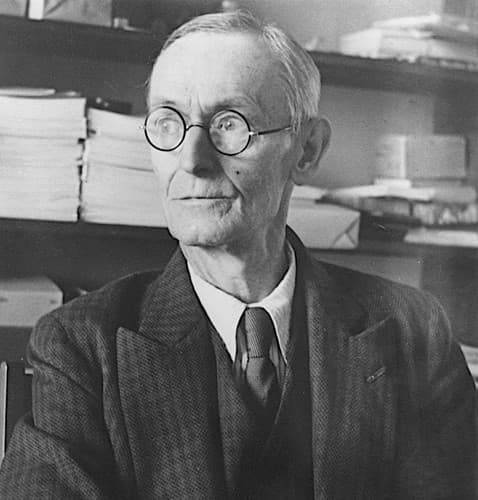
Hermann Karl Hesse was a German-Swiss poet, novelist, and painter. His best-known works include Demian, Steppenwolf, Siddhartha, and The Glass Bead Game, each of which explores an individual's search for authenticity, self-knowledge and spirituality. In 1946, he received the Nobel Prize in Literature.
Similar books
- THE ALCHEMIST
Paulo Coelho
3.6 (3k) average on GoodreadsFictionBoth feature a protagonist on a journey of self-discovery, seeking personal legends and spiritual truths through various life experiences.
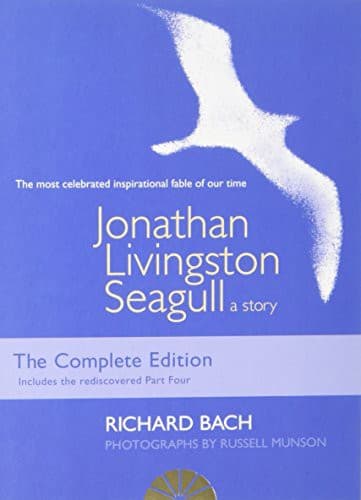
- Jonathan Livingston Seagull
Richard Bach
3.8 (202k) average on GoodreadsFantasyExplores themes of transcending limitations and seeking higher understanding through an individual's unique path.
- Zen and the Art of Motorcycle Maintenance: An Inquiry Into Values
Robert M. Pirsig
3.8 (200k) average on GoodreadsPsychologyA philosophical novel that blends narrative with deep philosophical inquiry into the nature of reality and quality.
- To Kill a Mockingbird
Harper Lee
4.3 (4.5M) average on GoodreadsHistorical FictionIn the 1930s Jim Crow South, Harper Lee writes about racial injustice, moral growth, and the quiet courage of a lawyer father, Atticus Finch, as seen through his young daughter's eyes.
- The Great Gatsby
F. Scott Fitzgerald
3.9 (3.8M) average on GoodreadsHistorical FictionIn the opulent Roaring Twenties, a mysterious millionaire's lavish parties hide his desperate, tragic pursuit of a lost love, exposing the emptiness within the American Dream.
- Pride and Prejudice
Jane Austen
4.3 (3M) average on GoodreadsHistorical FictionIn a society focused on status and money, Elizabeth Bennet navigates love and pride, challenging Mr. Darcy and social expectations to find true affection.





Enjoyed the summary?
A summary gives you the shape of the book. The book itself has the detail, the examples and the voice.
Find Siddhartha on AmazonAs an Amazon Associate, BookBrief earns from qualifying purchases. How we're funded